OEKO-TEX® STANDARD 100 is a label for textiles tested for harmful substances. It sets the benchmark for textile safety, from yarn to finished product. Every item bearing the STANDARD 100 label is certified as having passed safety tests for the presence of harmful substances.
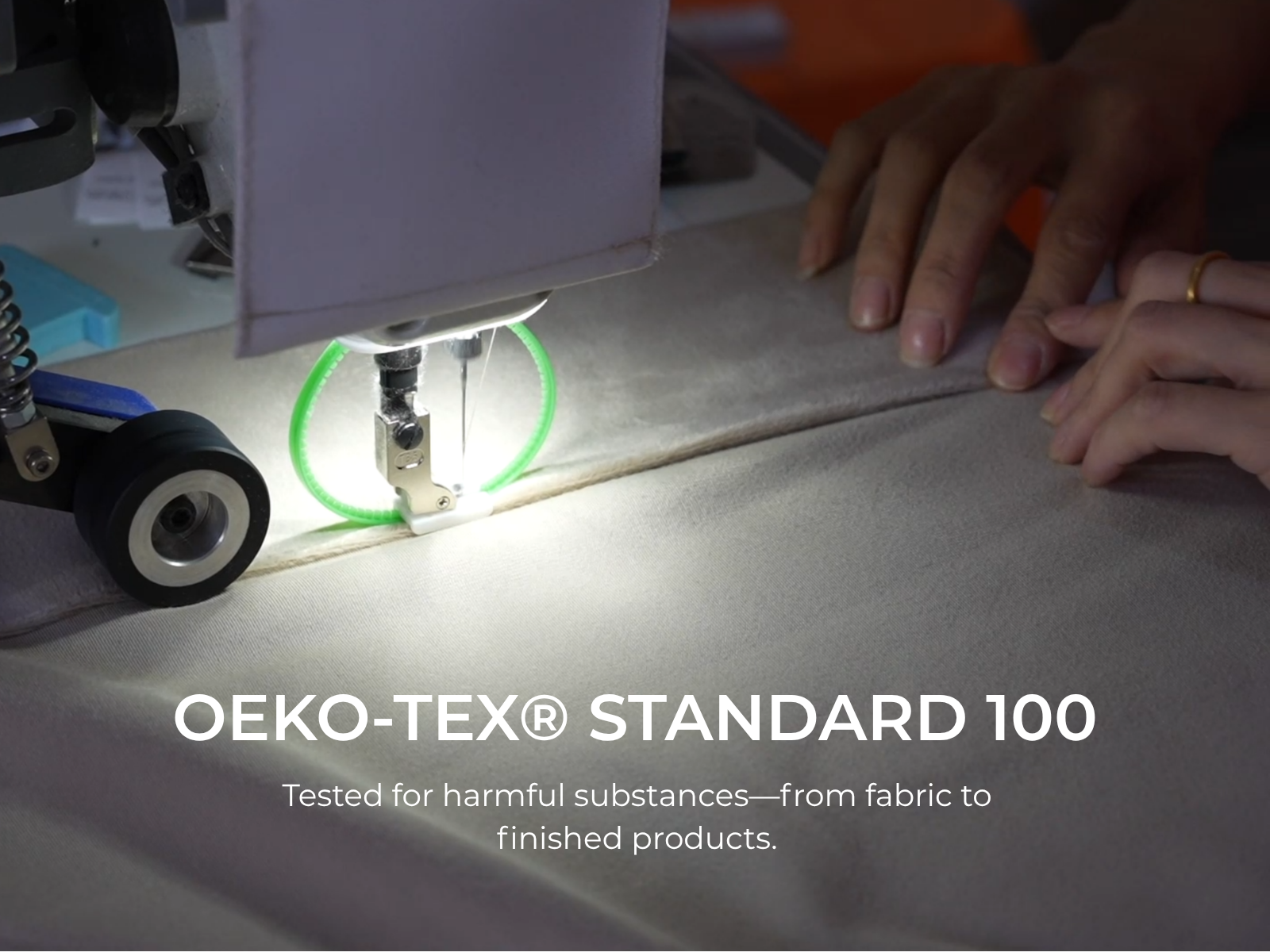
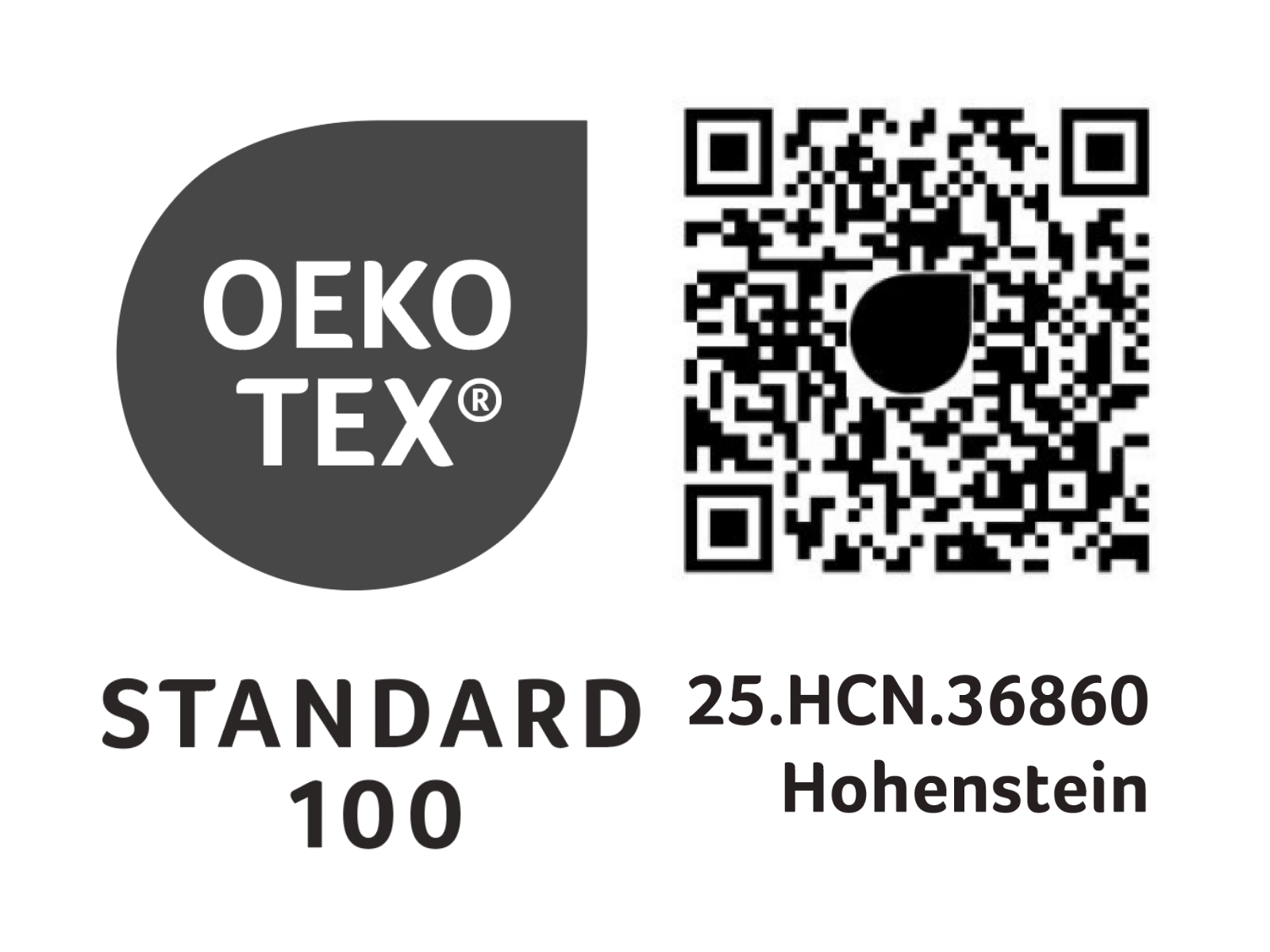
OEKO‑TEX® STANDARD 100 certification confirms that textiles and components within the certified scope have been independently tested for harmful substances according to globally standardized criteria. It helps protect consumer health, strengthens product credibility and gives brands, retailers and importers greater confidence when sourcing textile products.
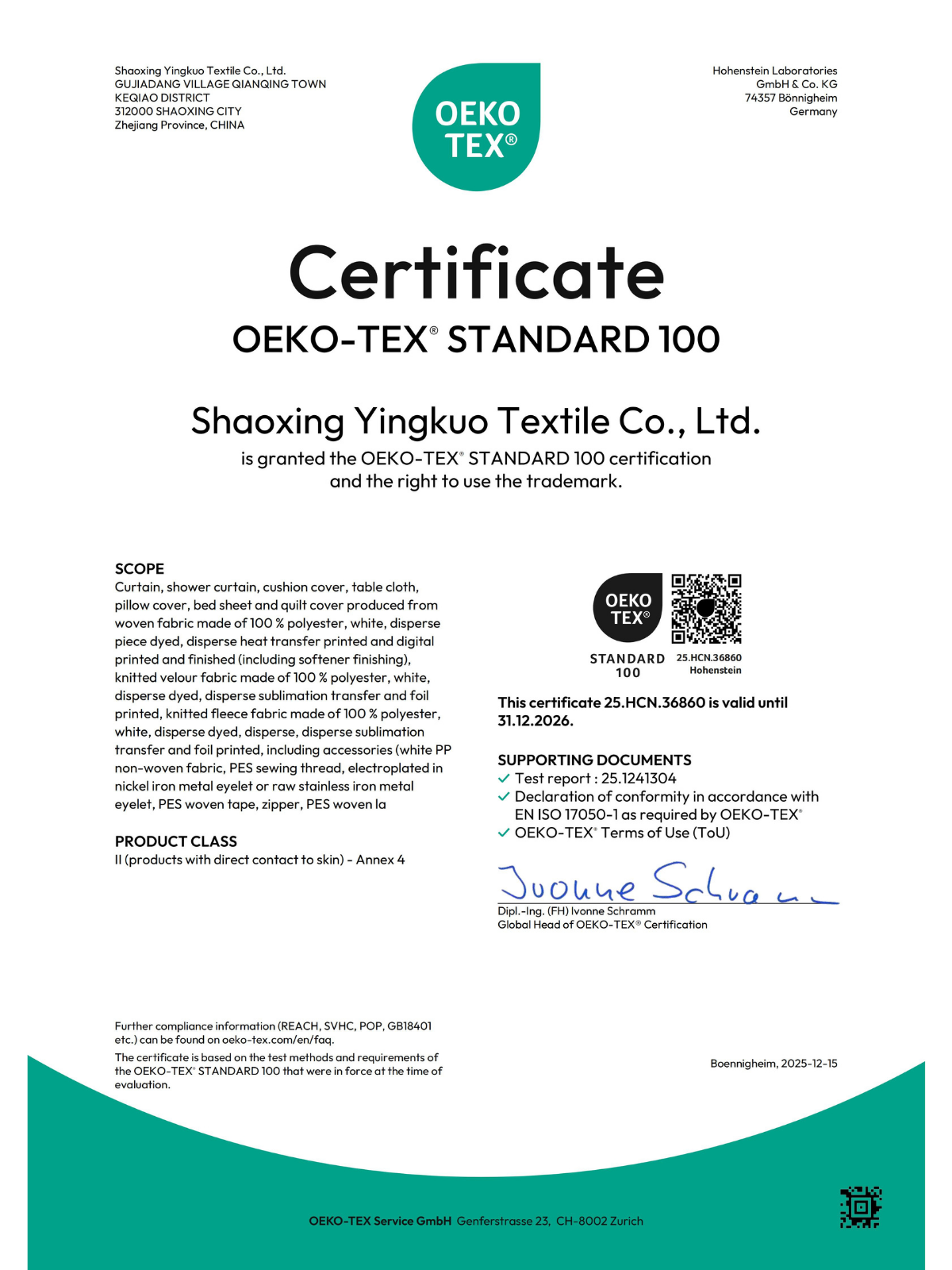
Our OEKO‑TEX® STANDARD 100 certificate covers finished curtains, shower curtains, cushion covers, tablecloths, pillow covers, bed sheets and quilt covers, rather than fabric alone. It includes certified 100% polyester fabrics and specified accessories such as sewing threads, eyelets, woven tapes and zippers. Certified to Product Class II, it provides broader product-safety assurance for products with direct skin contact and greater confidence for global buyers.
OEKOTEX® STANDARD 100 helps reduce potentially harmful substances in textile products by applying strict, regularly updated chemical limits. It supports safer textile products and helps reduce potential chemical risks to people and the environment.

Certified products are tested against strict limits for harmful substances.
Covered dyed, digitally printed, heat-transfer, sublimation-transfer and foil-printed materials are included in the certified scope.
Specified threads, eyelets, woven tapes, zippers and labels are included.
Strict substance limits help reduce potential chemical risks during product use.
Covered finished home textiles meet Product Class II requirements for direct skin contact.
The testing criteria cover substances that may be harmful to human health or environmentally relevant.
Straight answers to the questions our buyers ask before placing a first order.
OEKO-TEX® STANDARD 100 is an internationally recognized certification for textiles tested for harmful substances. It evaluates textiles from raw materials and fabrics to accessories and finished products, using globally standardized testing criteria that are regularly updated.
EAGLEKO’s certificate covers curtains, shower curtains, cushion covers, tablecloths, pillow covers, bed sheets and quilt covers made from 100% polyester woven fabric in white, disperse piece-dyed, disperse heat-transfer printed or digitally printed finishes, including softener finishing; 100% polyester knitted velour fabric in white, disperse-dyed, sublimation-transfer printed or foil-printed finishes; and 100% polyester knitted fleece fabric in white, disperse-dyed, sublimation-transfer printed or foil-printed finishes. Covered accessories include white PP non-woven fabric, PES sewing thread, nickel-electroplated iron eyelets, raw stainless-steel eyelets, PES woven tape, zippers and PES woven labels.
European buyers must manage product-safety, chemical and supplier-compliance risks. OEKO-TEX® provides independent, standardized testing evidence instead of relying only on a supplier’s self-declaration, helping buyers assess products and suppliers more efficiently. The certificate and label information can also be verified through the official Label Check system.
OEKO-TEX® is generally a voluntary certification rather than a mandatory EU textile label. However, EU fibre-composition labelling, product-safety requirements and restrictions on hazardous substances remain mandatory. The certification therefore provides additional third-party evidence during buyer qualification and compliance review.
STANDARD 100 testing covers more than 1,000 regulated and potentially harmful substances, and its criteria are reviewed at least annually to reflect scientific and regulatory developments. This supports chemical-risk screening and supplier documentation, but it does not replace the European importer’s own responsibilities under REACH and applicable product-safety rules.
No. A finished product can only be presented as OEKO-TEX® certified when the relevant complete product is covered, including components such as sewing threads, eyelets, zippers, tapes and labels. Certifying only the main fabric is not sufficient for making a finished-product certification claim.
No. OEKO-TEX® uses four product classes based on the product’s intended use and level of skin contact. Products for babies have the strictest requirements, followed by products with direct skin contact, products without direct skin contact and furnishing or decorative textiles.
Any use of the OEKOTEX® label must comply with the official labelling requirements. Customers should first provide the relevant company, product, material and sales-channel information so that EAGLEKO can verify whether the product falls within the certified scope. Additional authorization or certification may be required depending on the intended use. The certificate, label and QR code must not be copied, modified or used without approval.
 EN
EN