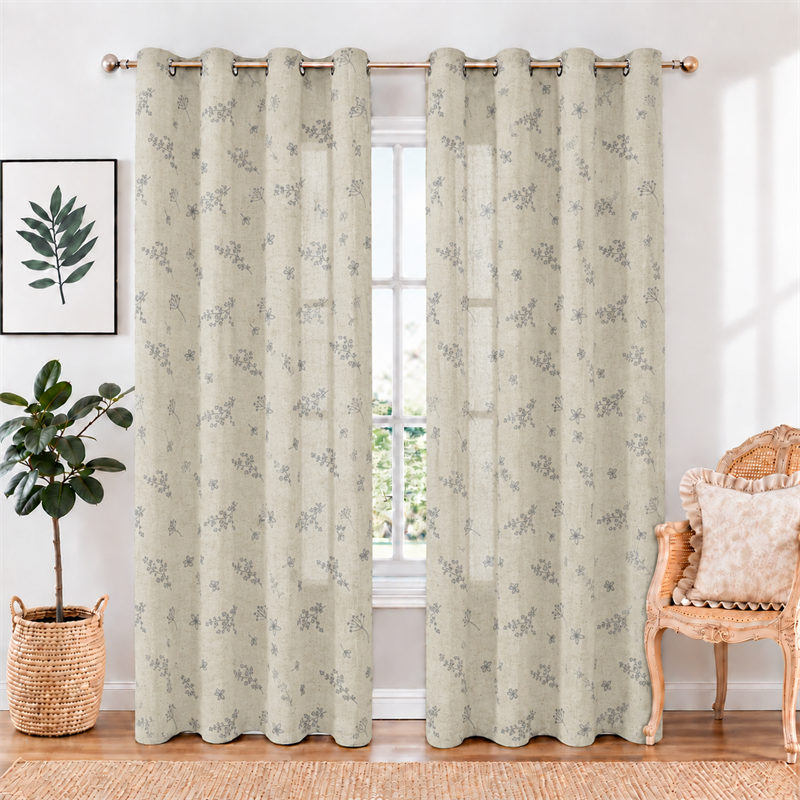
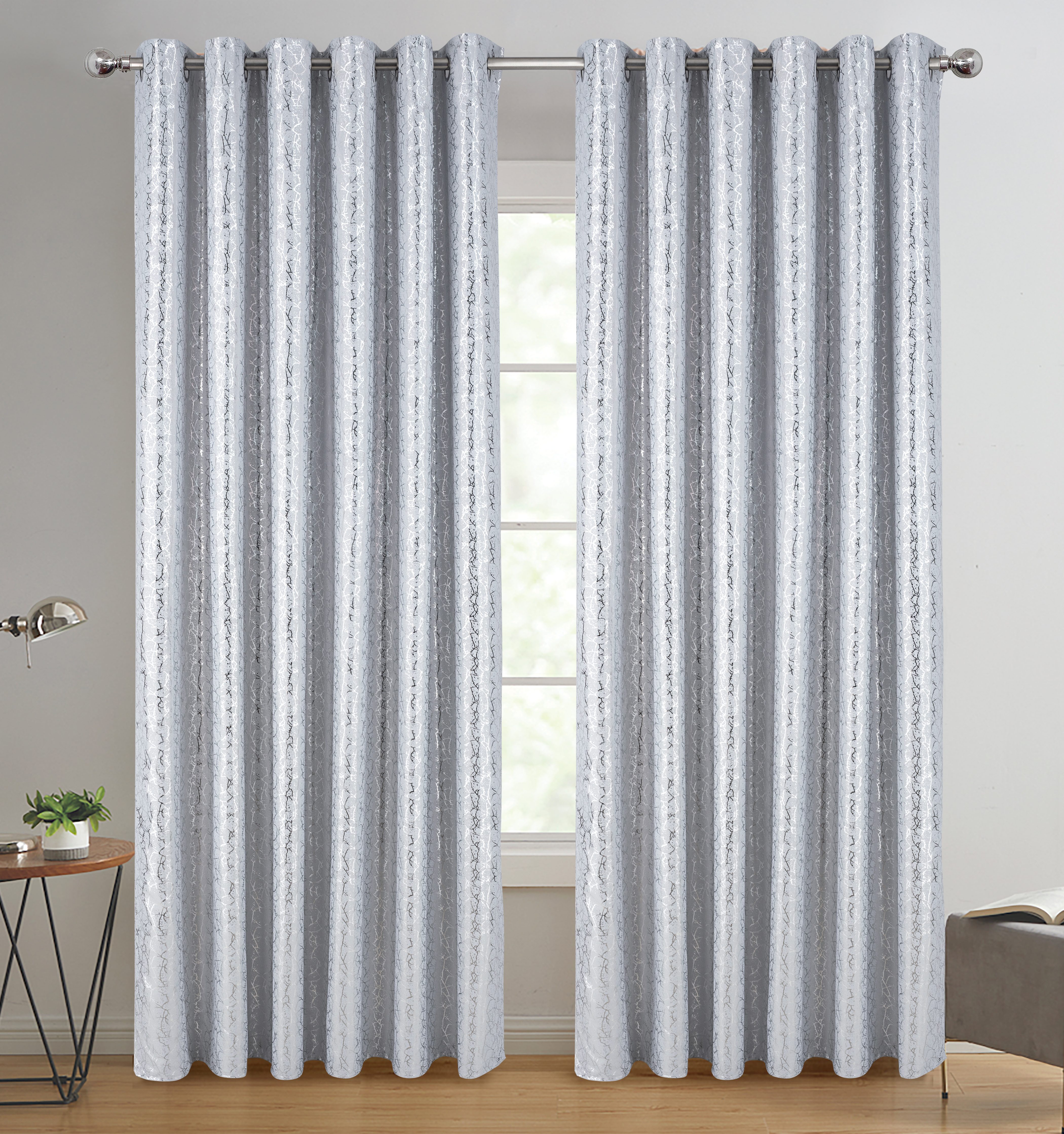
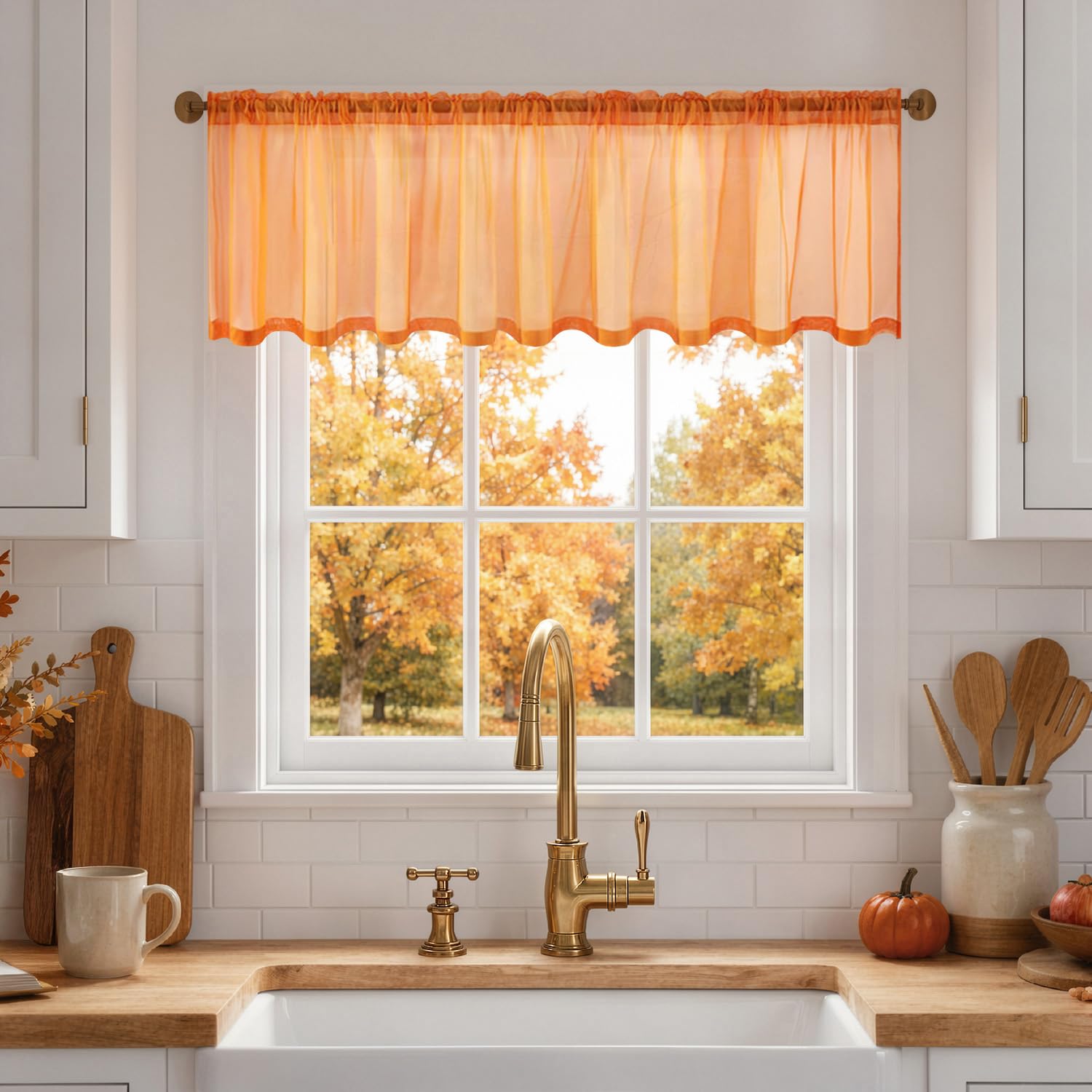
| Product Name |
Portable Blackout Curtain for French Doors |
| Color |
Natural; other colors can be discussed |
| Material |
Linen-look fabric; fiber composition and blackout construction to be confirmed |
| Style |
Roll-up door glass privacy panel |
| Size |
Custom sizes available |
| Package |
Single panel with mounting accessories; retention components and final pack contents to be agreed |
| Certification | OEKO-TEX Standard 100 |
| MOQ | 200 |
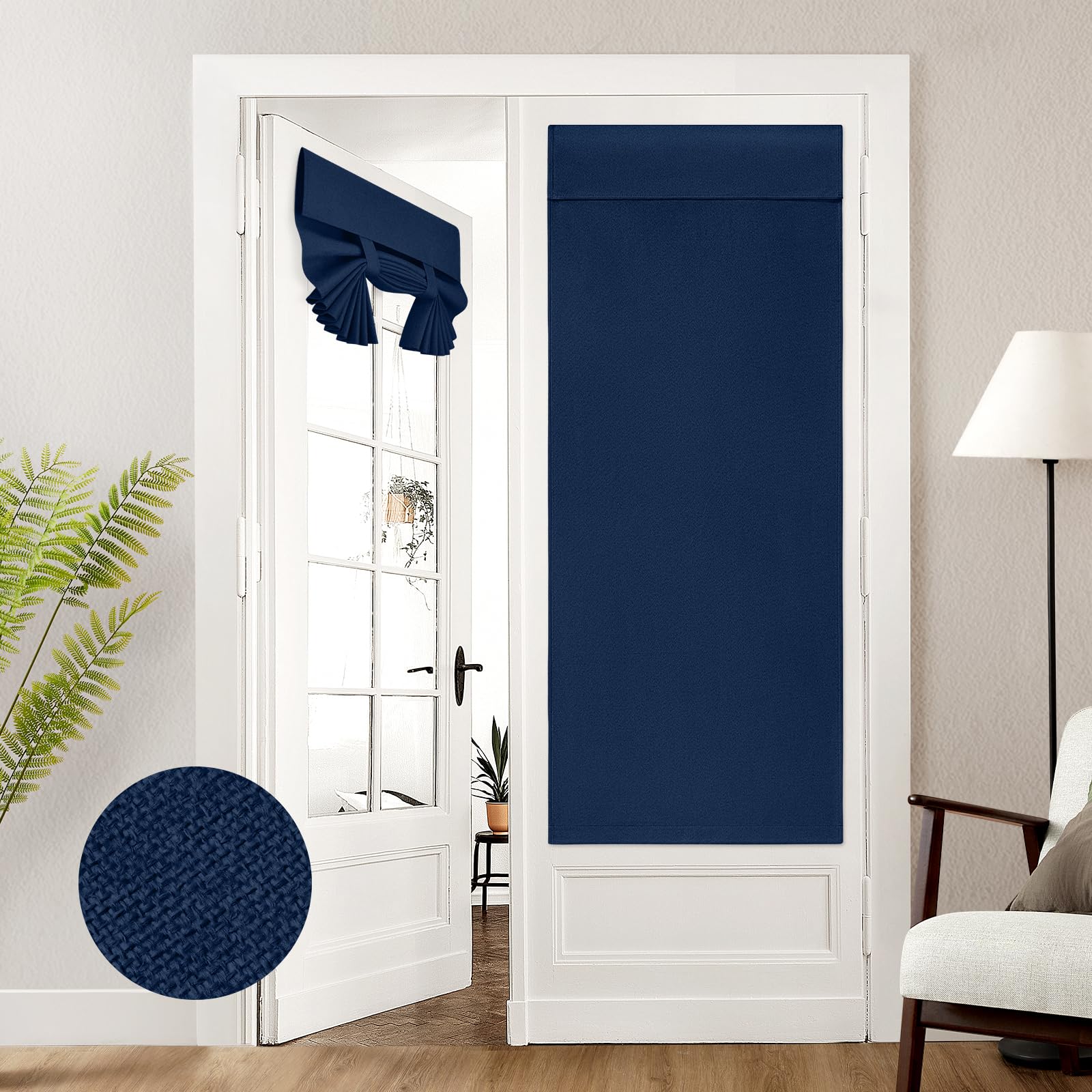
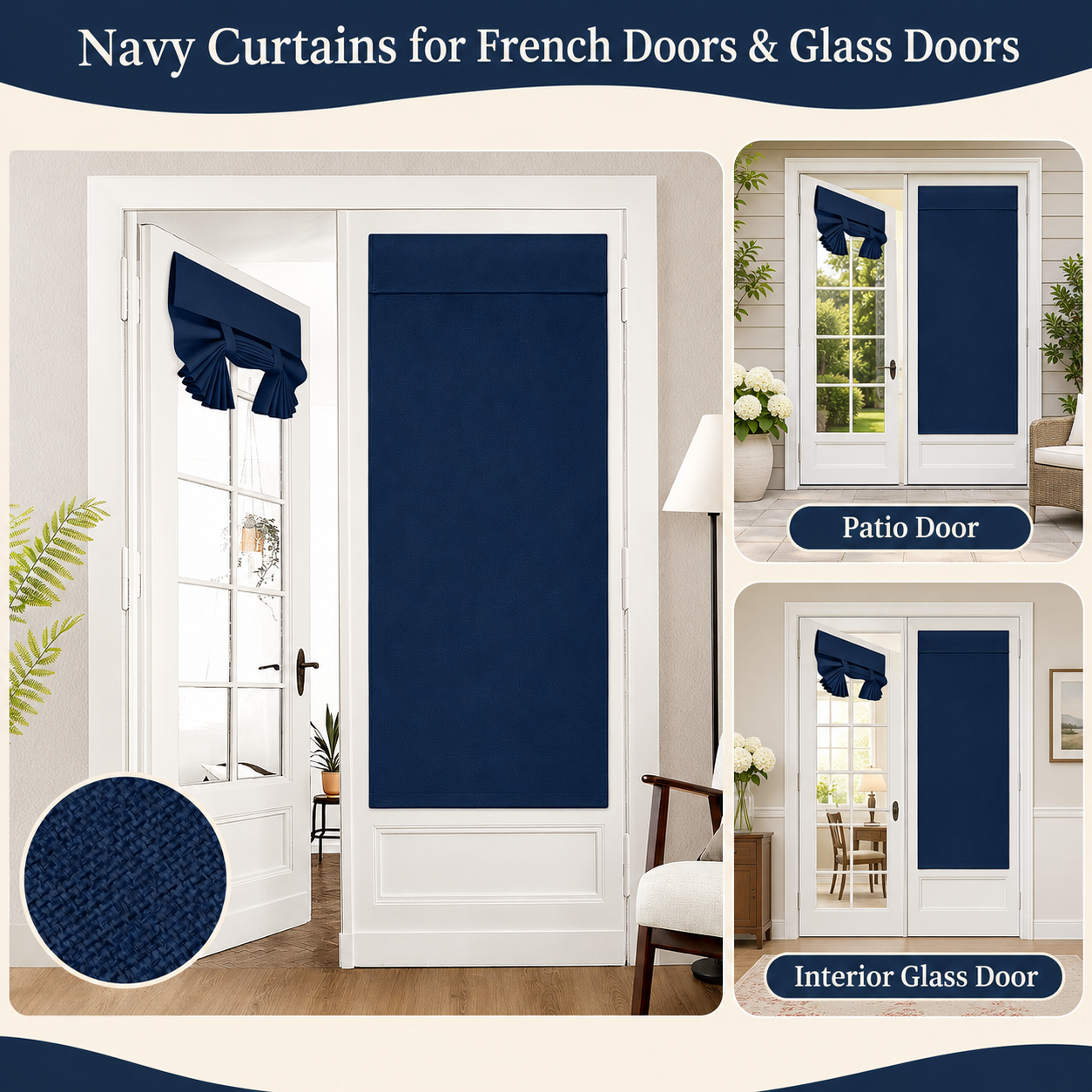
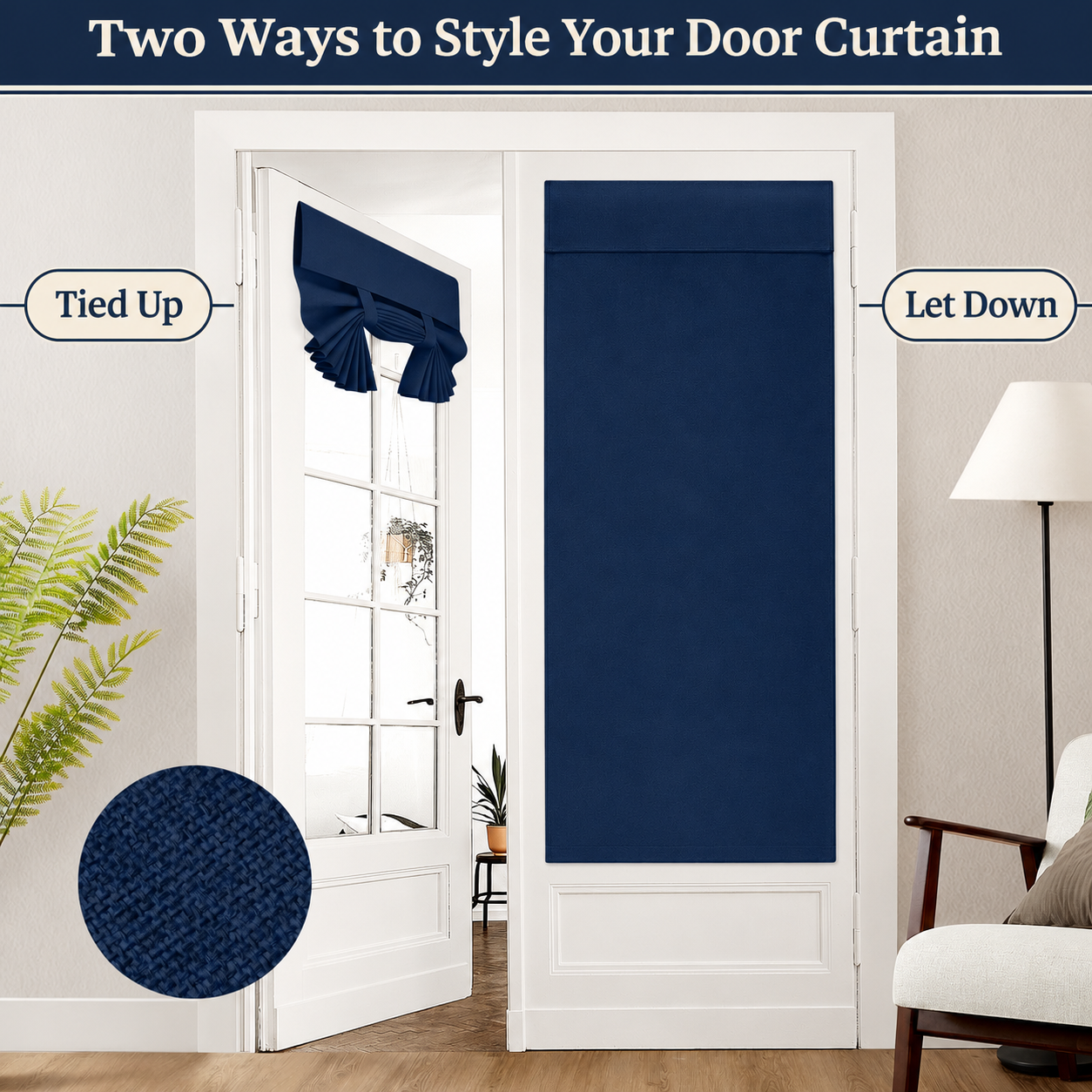
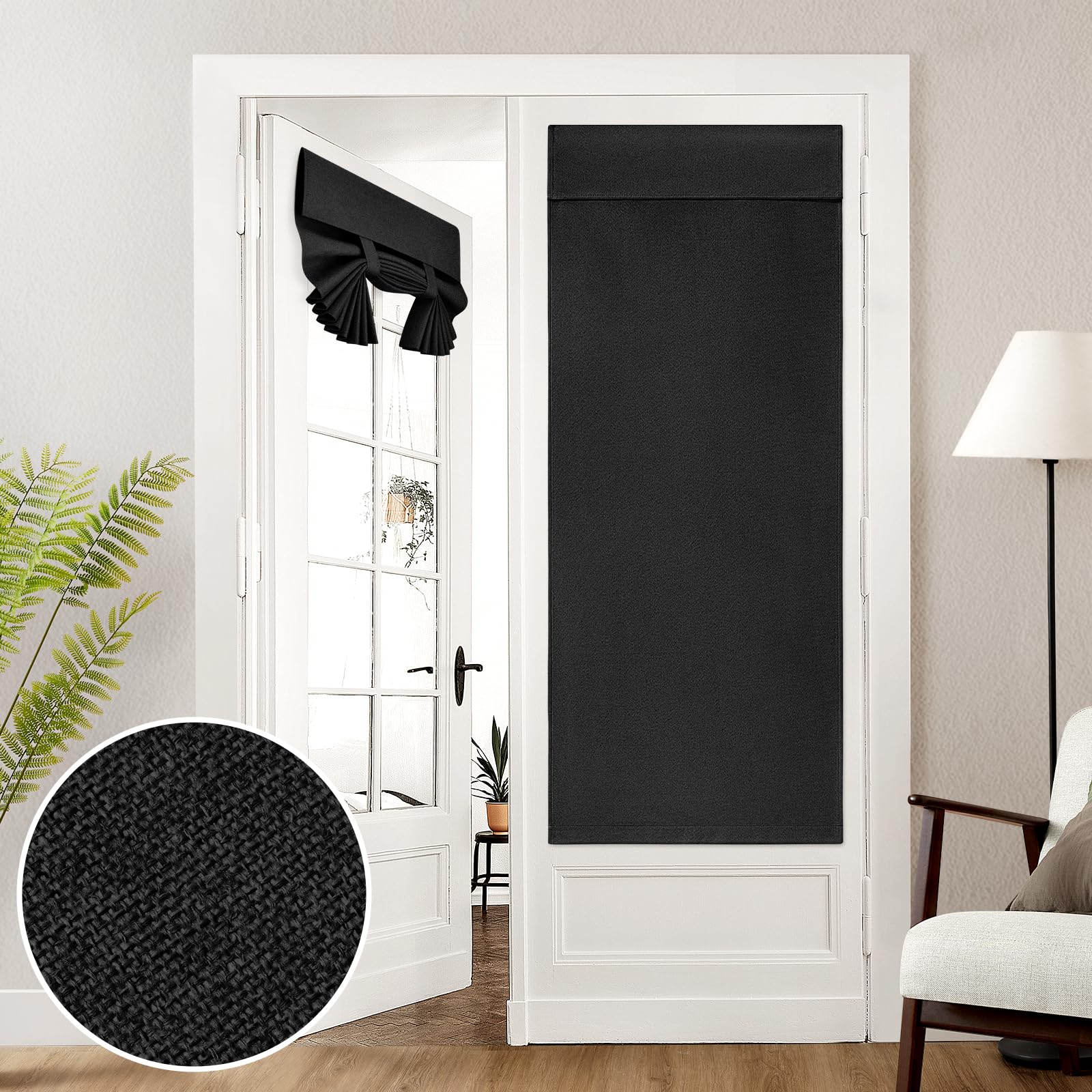
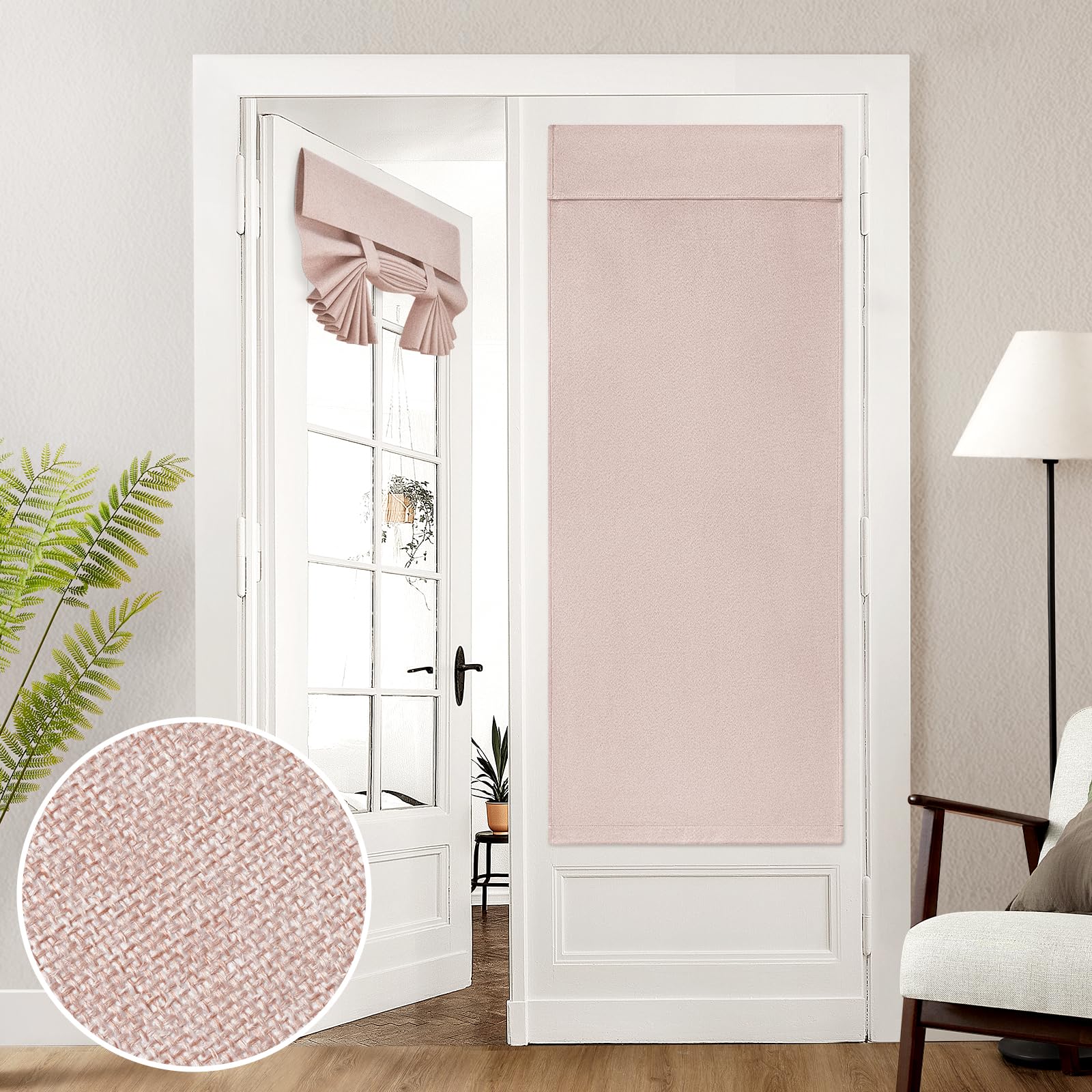
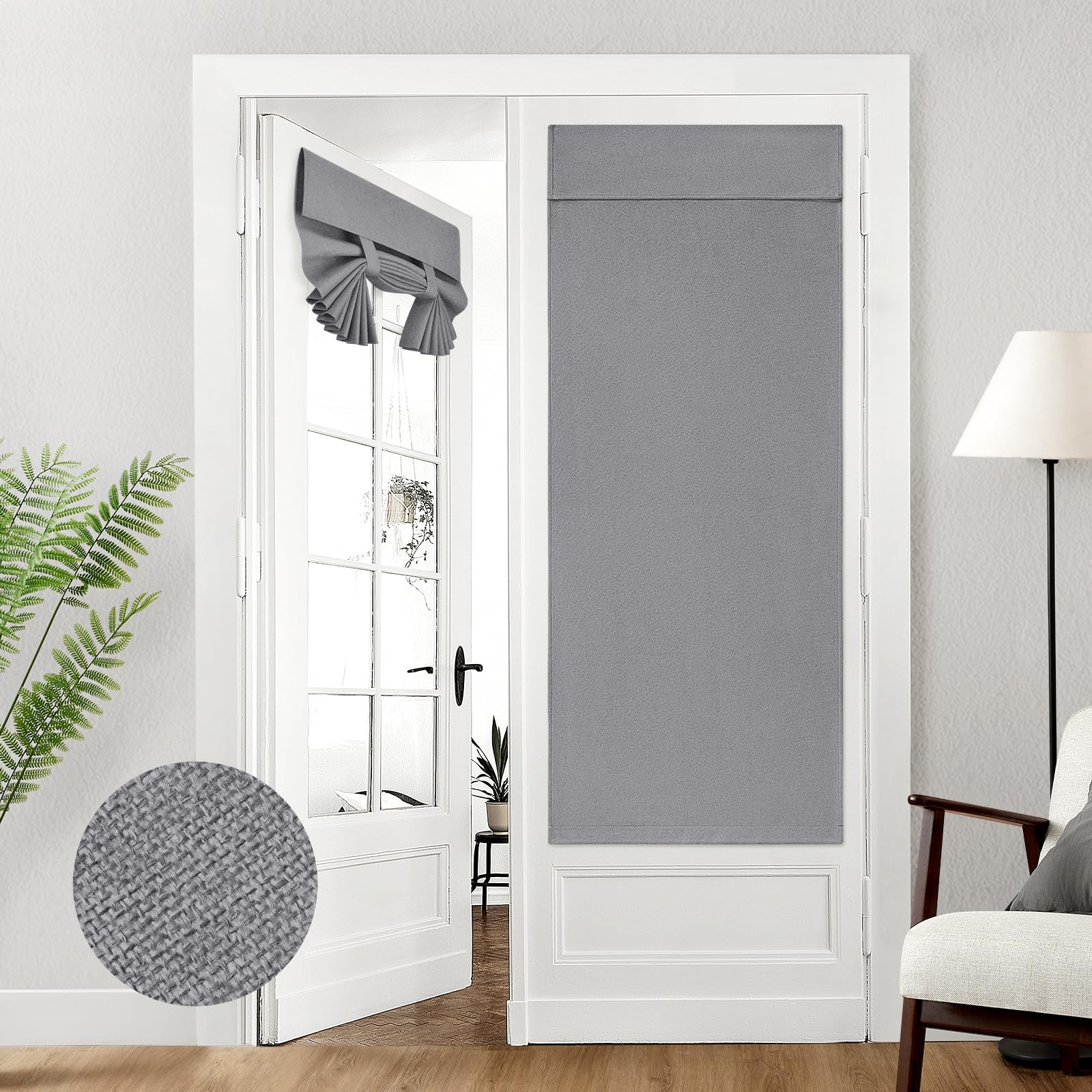
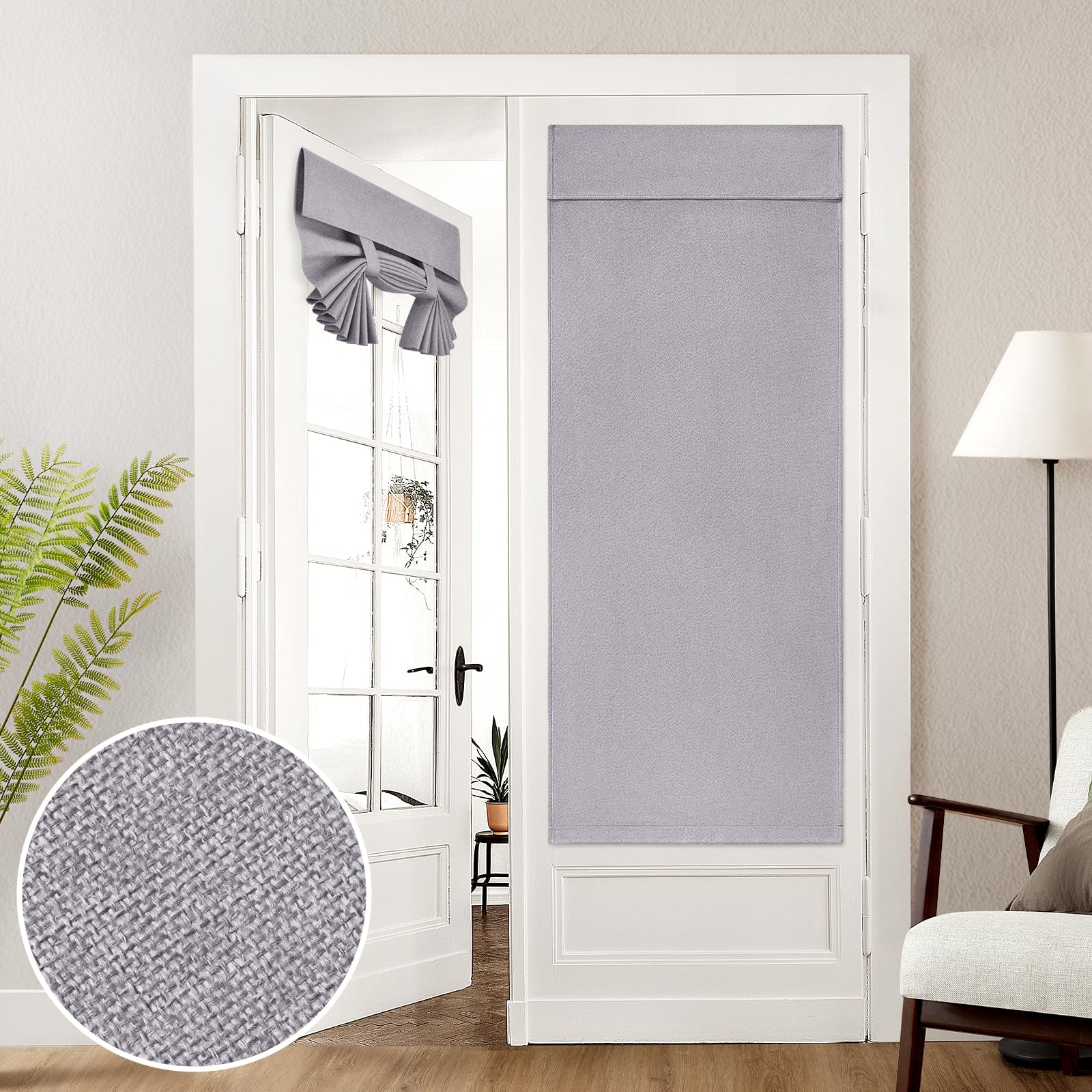
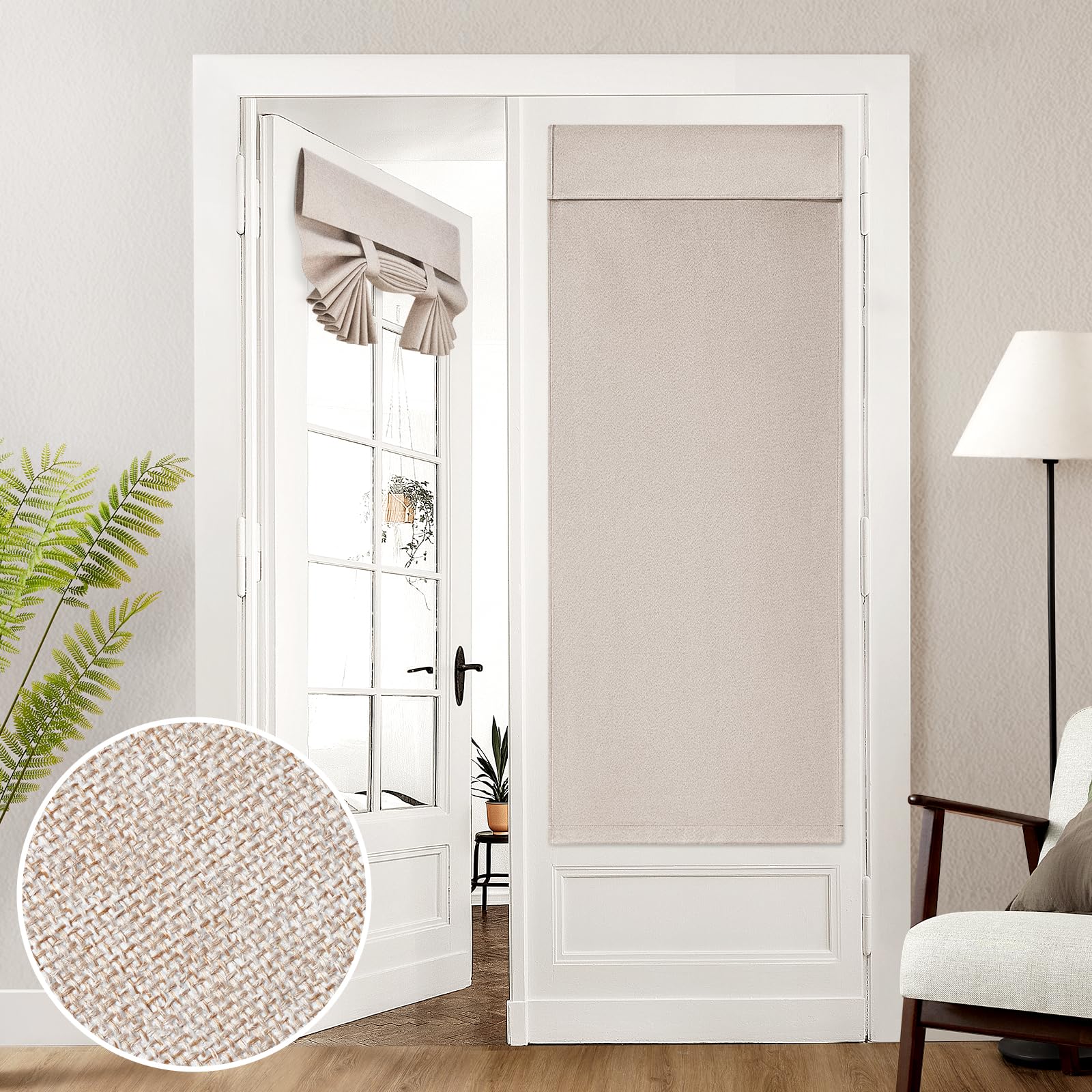
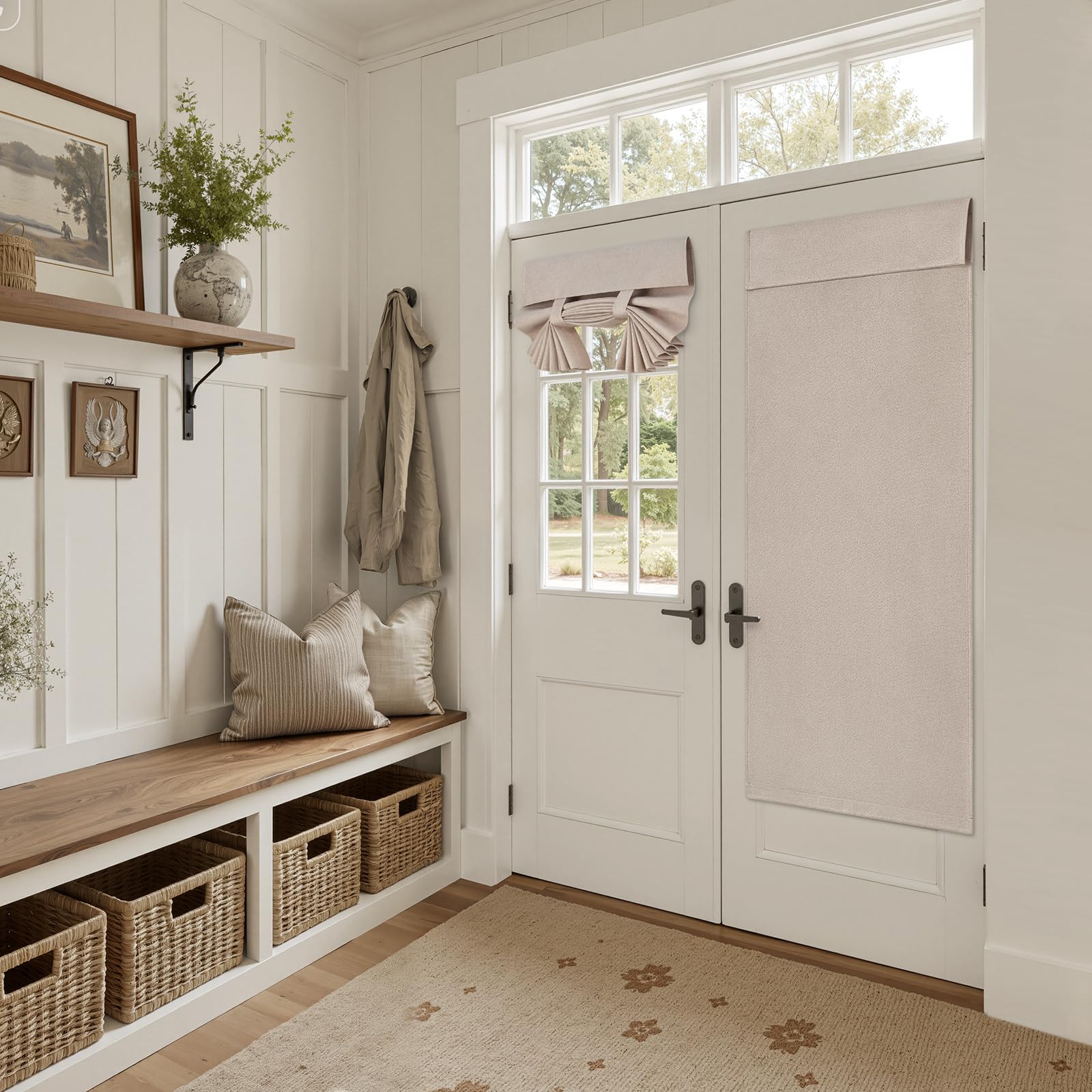
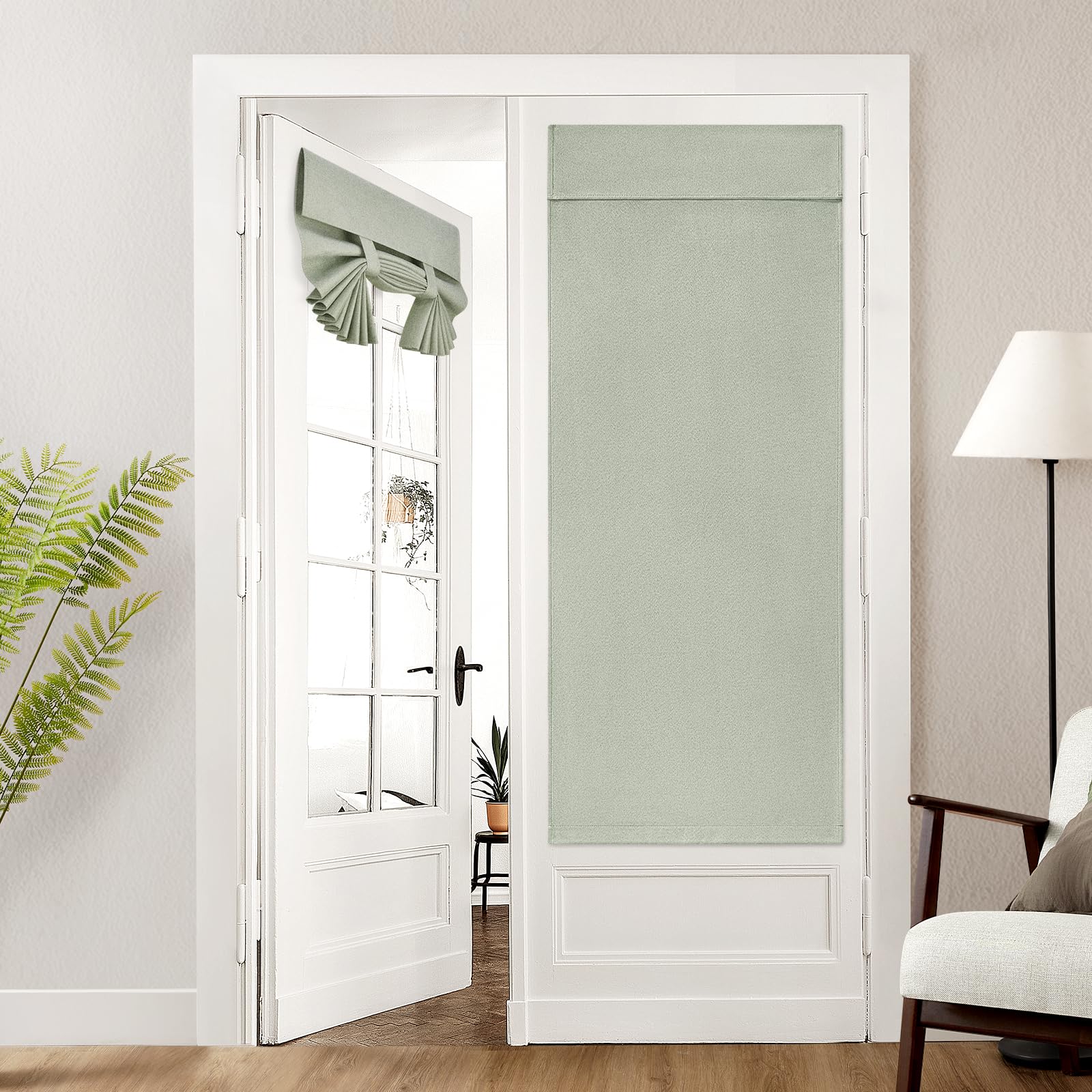
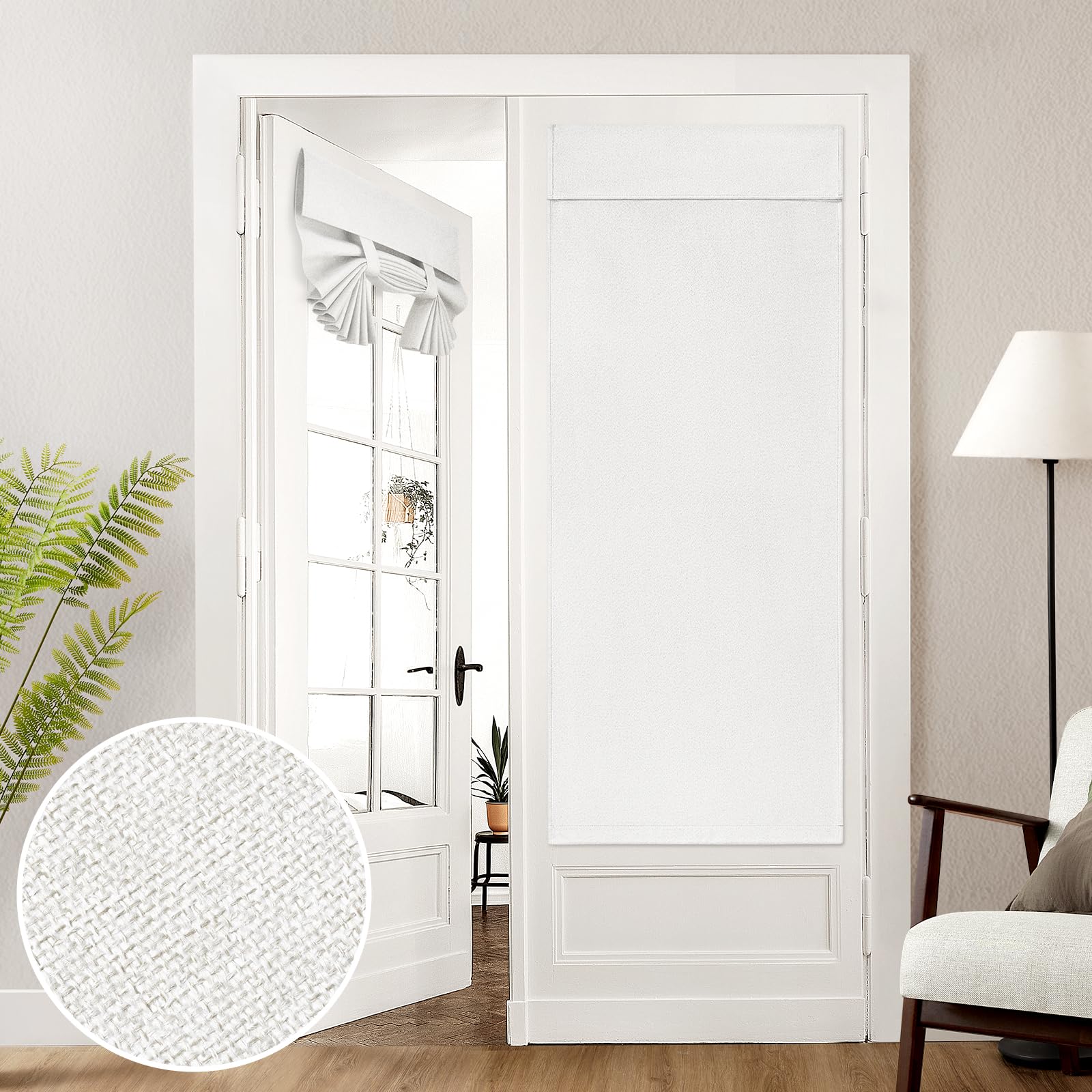
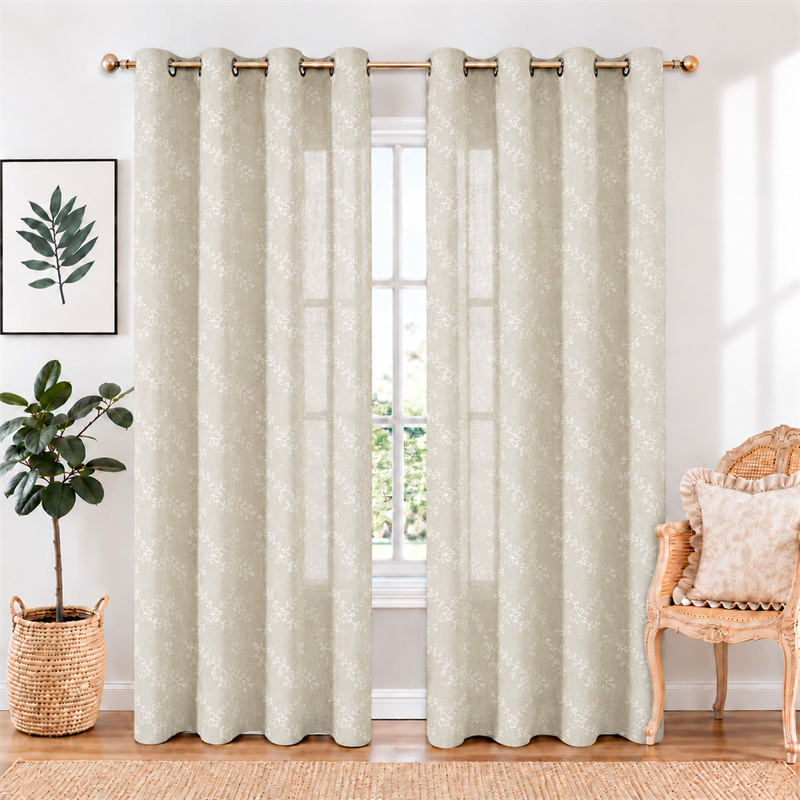
This French door panel a softer interior character than a plain utility shade. An adhesive mounting format supports installation on suitable smooth surfaces, and the fabric can be raised to reveal the glazing. The textile appearance extends to both faces, helping the raised fold look coordinated from either side. The fabric build and perimeter overlap should be developed together for the required light control. Custom sizes allow the panel to be planned around individual door-glass layouts.
Shaoxing Yingkuo Textile Co., Ltd. (EAGLEKO HOME TEXTILE) can turn this textured door-panel concept into a buyer-specific retail program through fabric selection, fitting samples and accessory coordination. Other colors can be discussed alongside private-label instructions and packaging. Buyers can use our one-stop sourcing advantage to combine these panels with conventional curtains and complementary home textiles in a consolidated purchase. The approved sample defines the texture, mounting interface and finished dimensions used for bulk production. 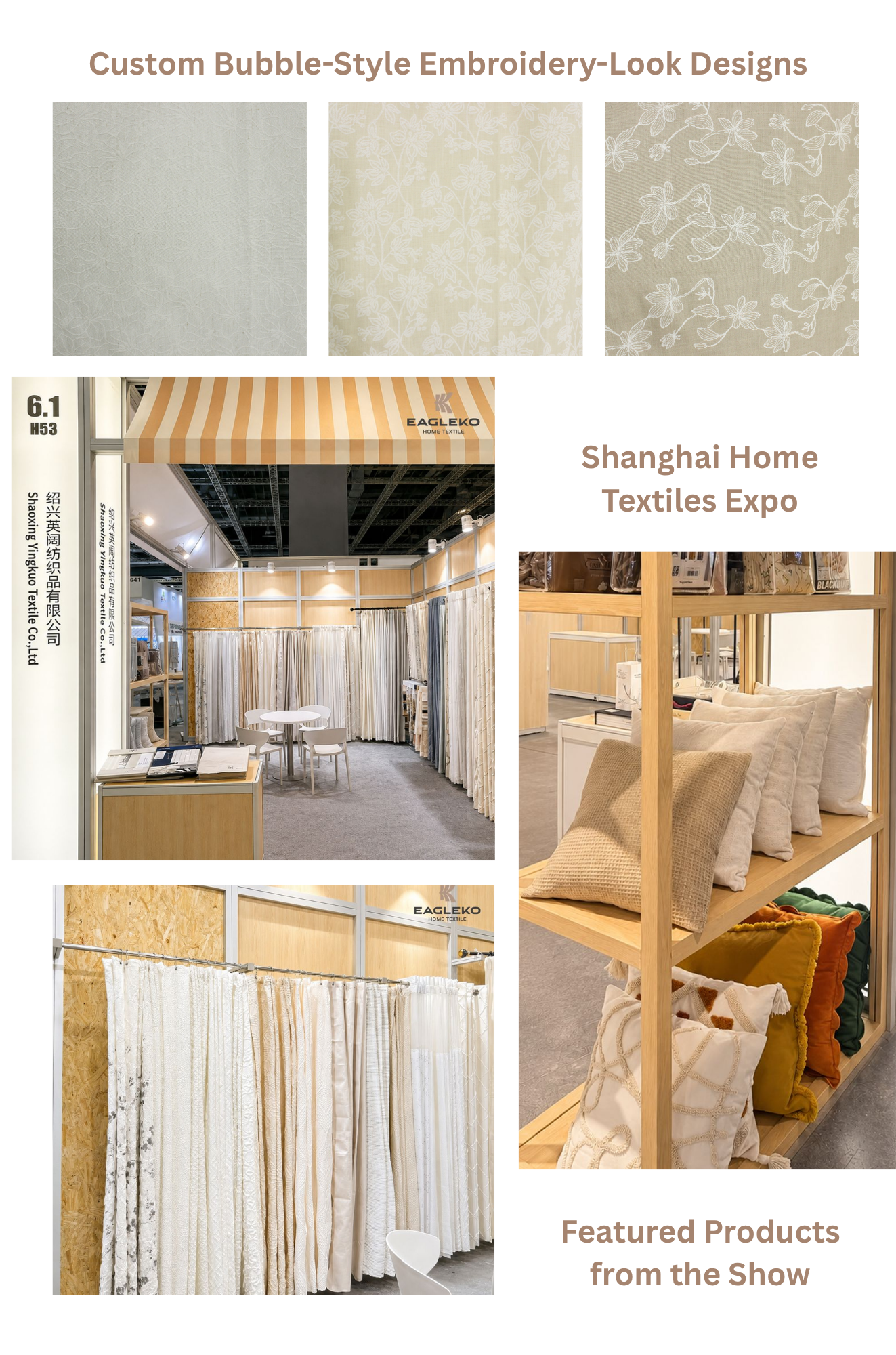
French Door Interiors — Coordinate a textured panel with the surrounding curtains and furniture.
Entryway Glass — Develop coverage for an exposed glass section while preserving access to locks.
Apartment Furnishing Programs — Assess adhesive mounting on the actual surface before selecting a retail kit.
Bedroom Door Windows — Review light control on the completed installation with its perimeter overlap.
E-commerce Home Decor — Present the textile texture, raised position and mounting requirements clearly.
Home Furnishing Retail — Pair the natural shade with other neutral window treatments in a coordinated display.
Wholesale Door Accessories — Offer custom panel formats with itemized mounting components and size labels.
Textured Neutral Face — The linen-look appearance brings a decorative fabric finish to door glazing.
Coordinated Reverse Appearance — Both faces can be approved together for a consistent look when the panel is raised.
Rod-Free Mounting Format — Adhesive attachment avoids the need to specify a sash rod for the proposed installation.
Raised or Lowered Coverage — A roll-up arrangement changes how much of the glazing is exposed.
Opening-Specific Dimensions — Custom cutting can account for usable mounting space and desired overlap.
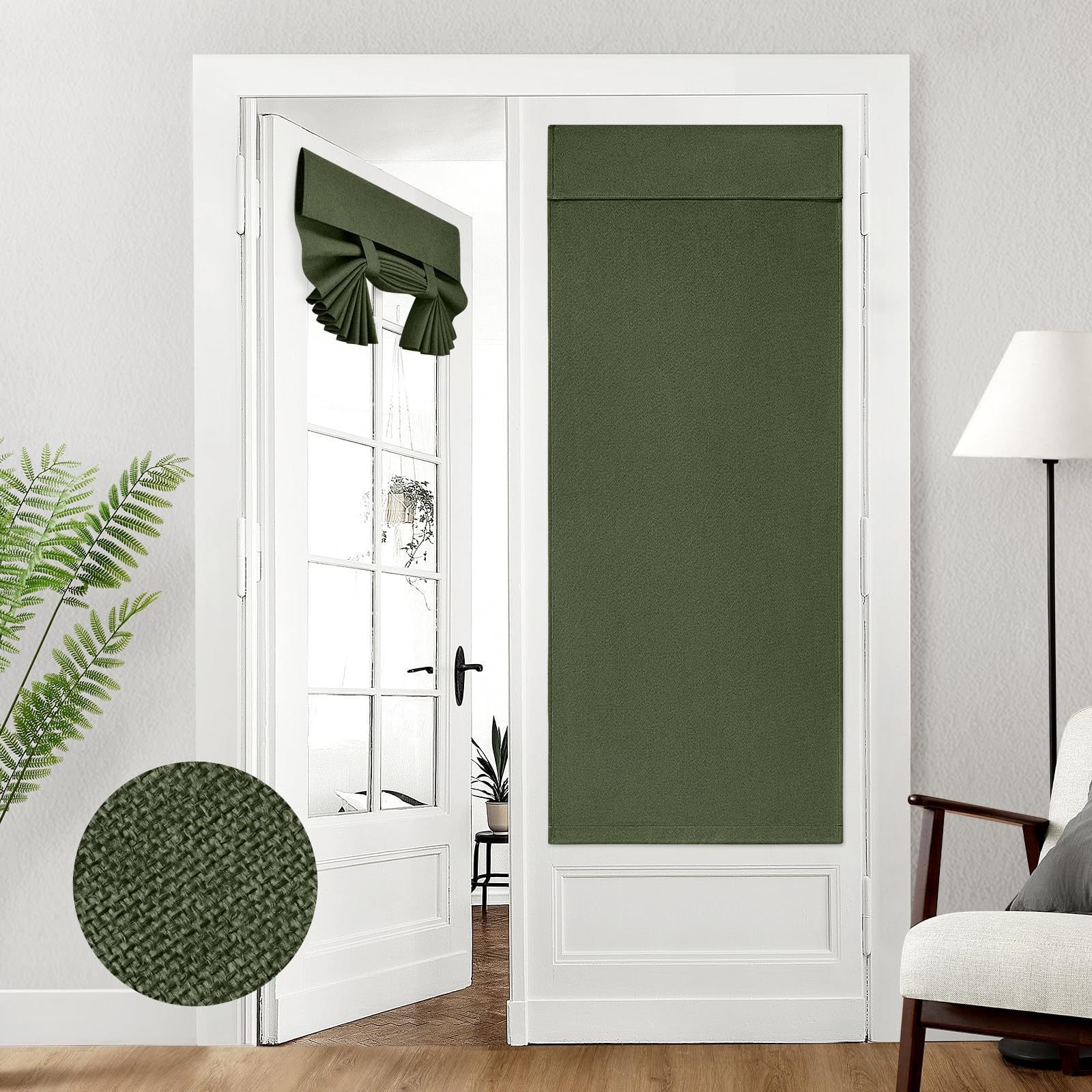
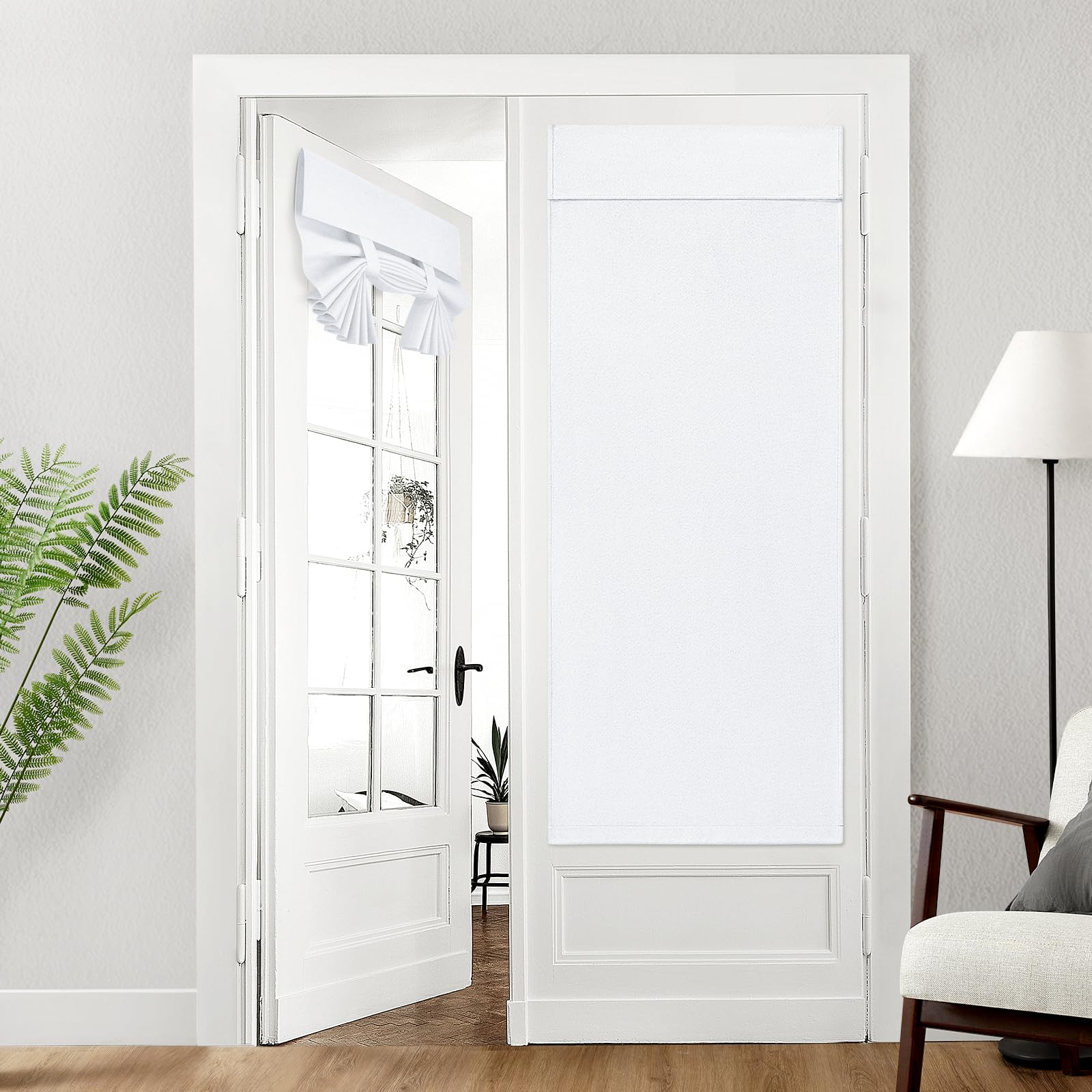
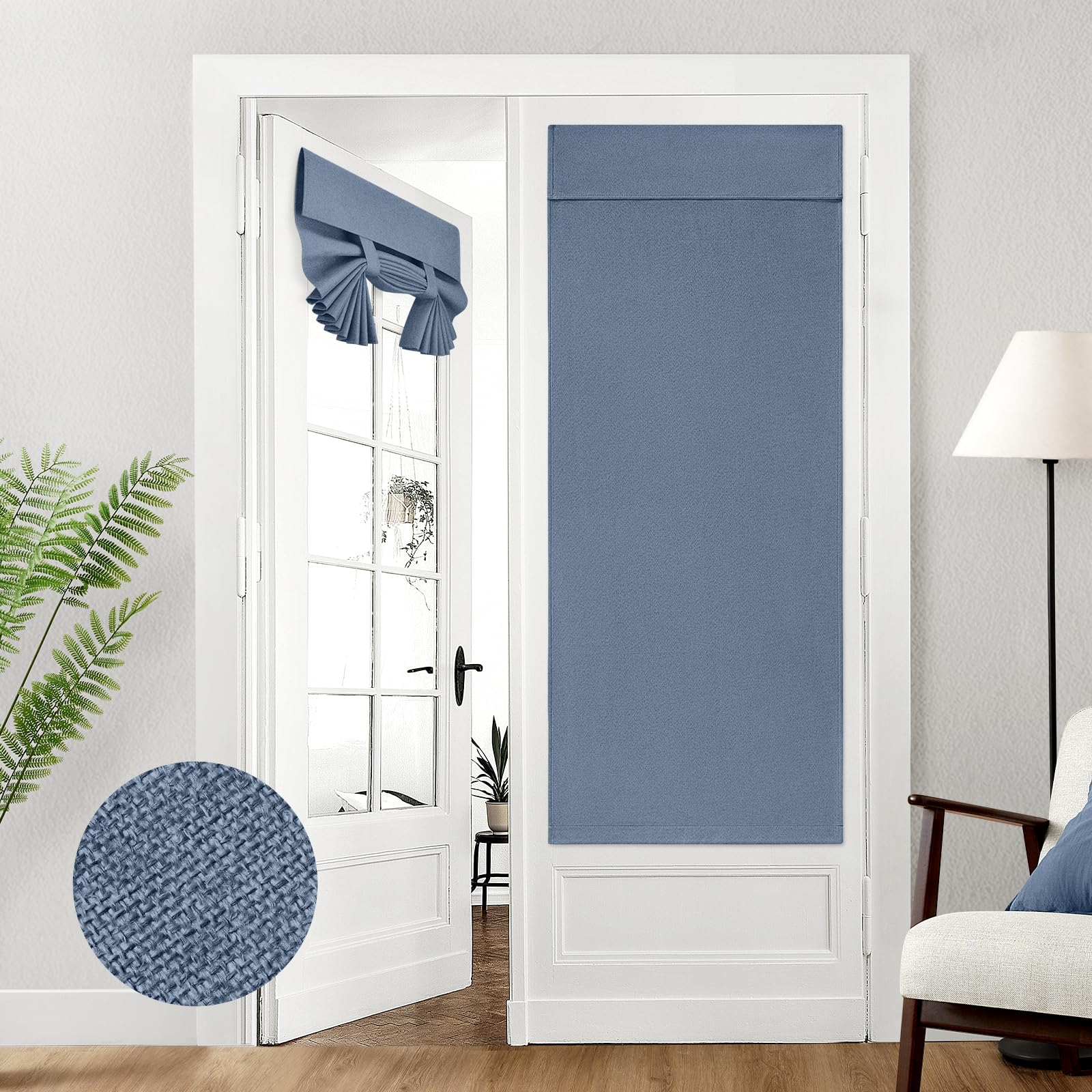
Color Program Development — Additional shades can be discussed against physical fabric samples.
Retail Kit Coordination — Panel dimensions, attachment parts and instructions can be developed as one order specification.
Q1: Does a linen-look appearance establish the fiber content?
A: No. Texture describes the visual effect rather than the composition. Confirm the selected fabric through supplier specifications and, where required, an agreed fiber-content test. Approve the label wording before production so a linen-style surface is not marketed as pure linen without evidence.
Q2: How should the fabric face and reverse be approved for a roll-up panel?
A: Examine a full-width sample lowered and rolled, checking shade, texture direction and the exposed reverse. Agree on which side faces the room and how the roll is secured. Retain this arrangement with the approved sample so bulk panels are assembled consistently rather than judged from a small face swatch alone.
Q3: What is needed to validate adhesive mounting on a coated door?
A: Identify the coating, surface texture and cleaning products likely to be used. Evaluate a mounting sample on a representative area under the intended indoor conditions, including removal. Document any surface restrictions and preparation steps. A smooth appearance does not by itself establish adhesive compatibility or a mark-free removal result.
Q4: How can a natural-colored panel be evaluated for blackout use?
A: Review fabric light transmission separately from leakage around the installed edges. Select the construction and test method before approving performance wording. Assess a finished sample against the actual glass opening, since a pale decorative face can require a different fabric build and overlap from a darker panel.
Q5: Which size details should be fixed before a custom order?
A: Separate glass coverage, mounting-strip position and finished panel dimensions in the drawing. Include handle clearance and the space occupied by the raised roll. Agree on the measurement direction and tolerances, then use a full-size fitting sample to establish whether the chosen overlap is practical on that door.
Q6: What checks help the rolled panel stay manageable in everyday use?
A: Specify how the roll is retained and evaluate it with the selected fabric weight and full panel length. Inspect the retained bundle for slipping, excessive bulk and contact with hardware while the door operates. Review the location and accessibility of fastening components before approving the kit for its intended setting.
Q7: How should bulk texture and shade consistency be controlled?
A: Keep an approved fabric standard with the intended texture direction and compare production lots under agreed lighting. Inspect panels together rather than relying on isolated swatches, especially where paired doors will be installed. Record any accepted natural-looking variation and keep paired panels coordinated during cutting and packing.
Q8: Which care and reinstallation details belong in the pack?
A: Identify which mounting components remain on the door and which parts are removable. Trial the proposed care process for dimensional change, surface appearance and attachment fit. Include refitting guidance and an itemized accessory list, with replacement-strip specifications if these are offered. Final care wording should follow the selected fabric and attachment system.
 EN