| Product Name |
White Cotton Blend Voile Sliding Panel Curtain with Weighted Hem |
| Color |
White; other colors can be discussed |
| Material |
Polyester-cotton voile blend; final composition subject to approval |
| Style |
Light-transmitting flat sliding panel |
| Size |
Custom sizes available |
| Package |
Confirm selected pattern, color, finished size, folding method, care label and retail packaging requirements before bulk production |
| Certification | OEKO-TEX Standard 100 |
| MOQ | 200 |
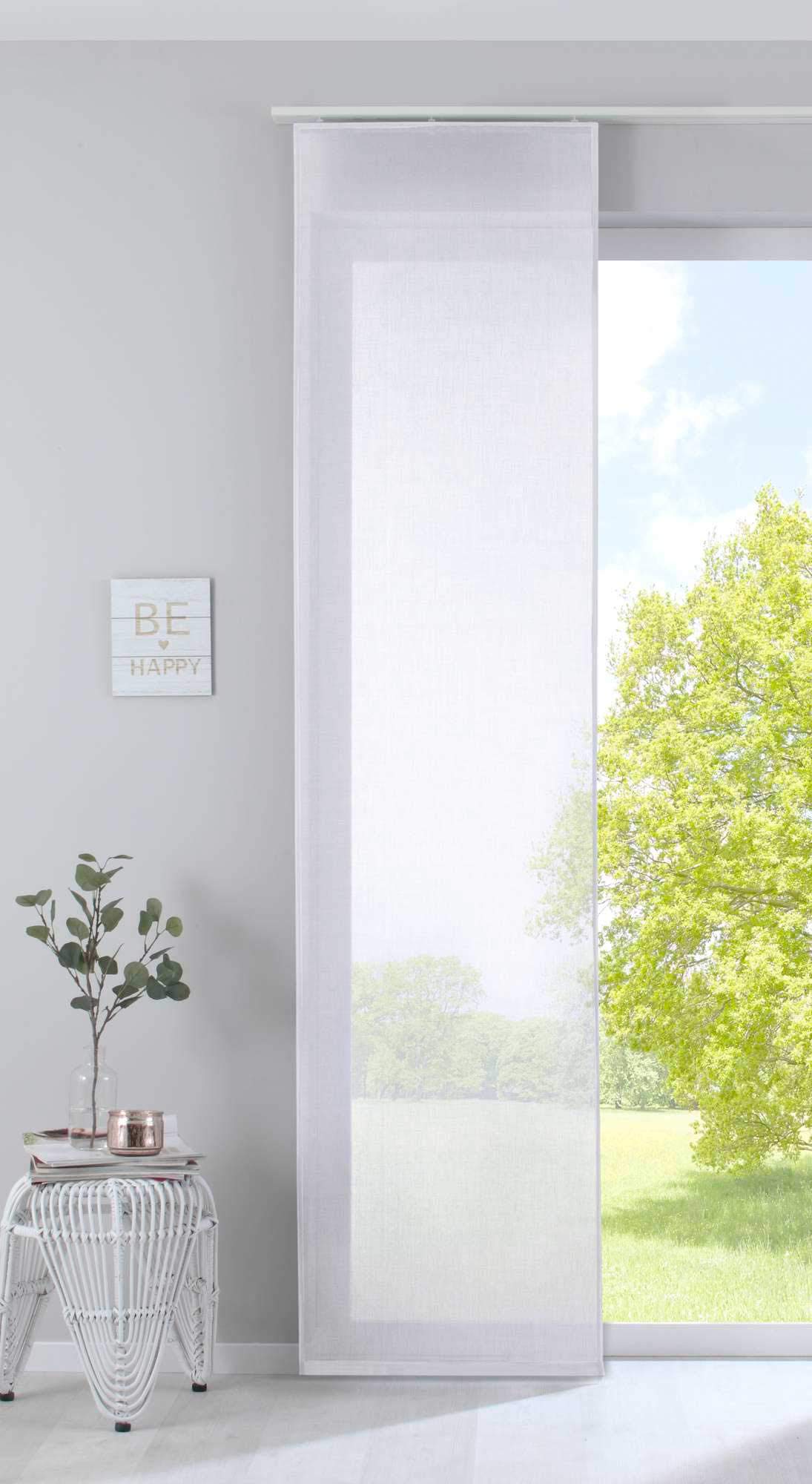
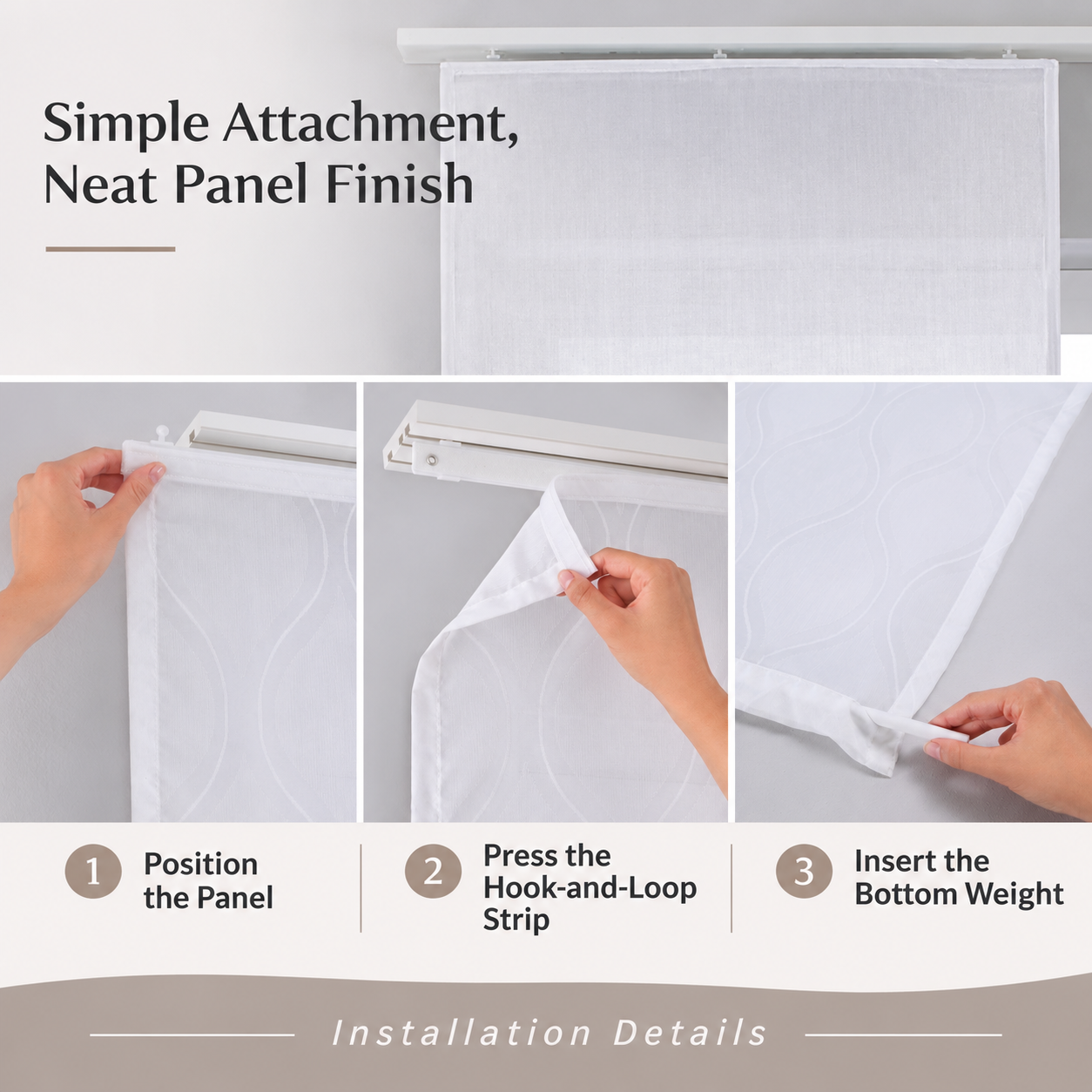
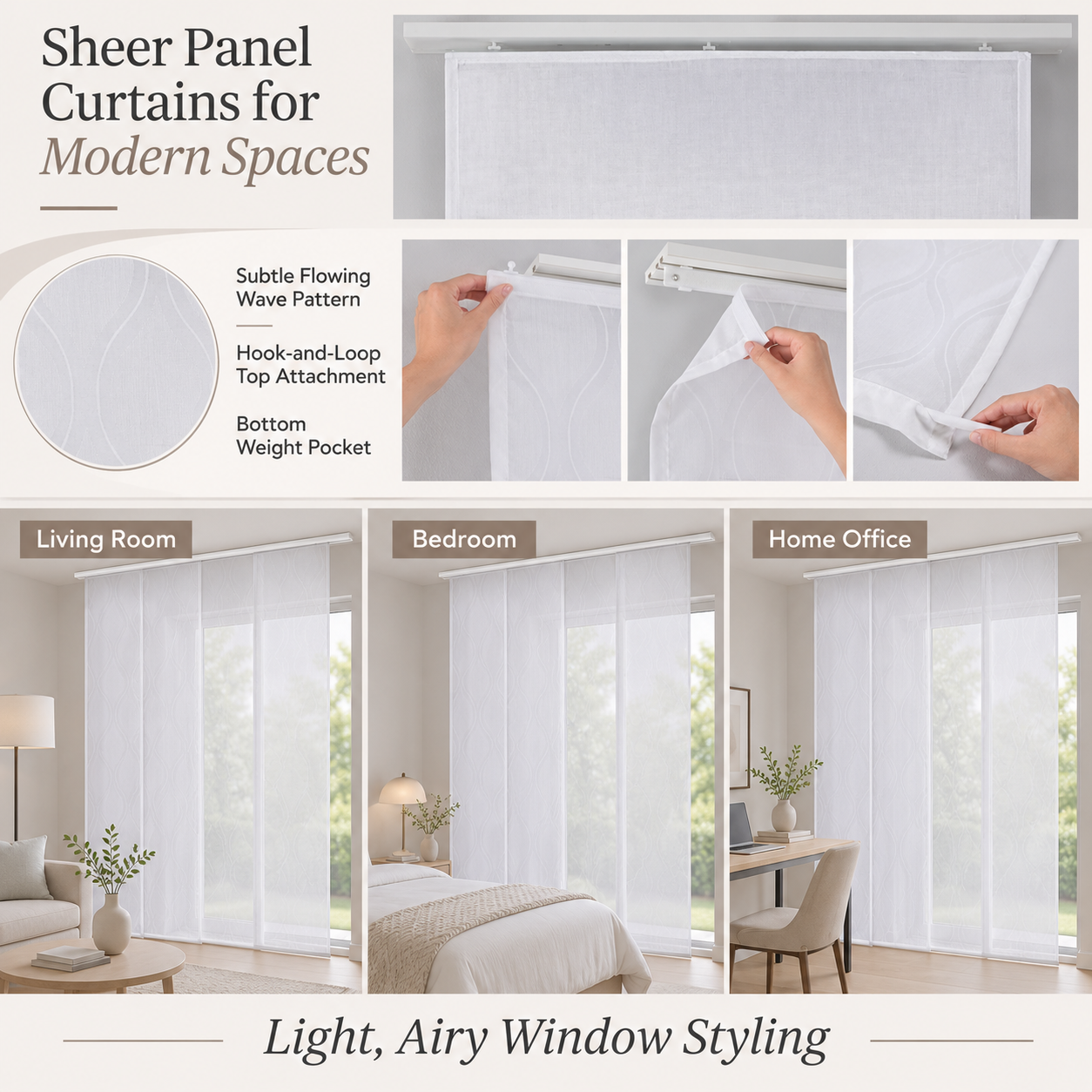
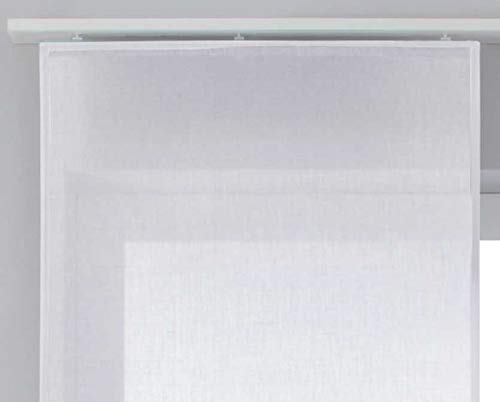
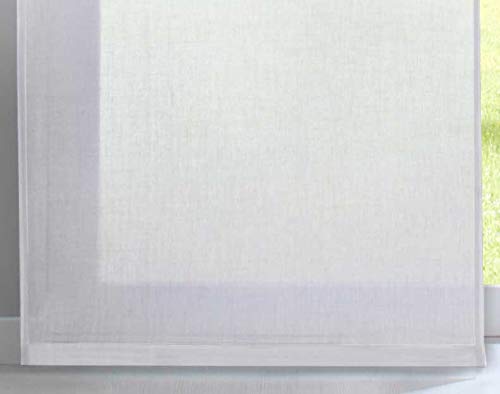
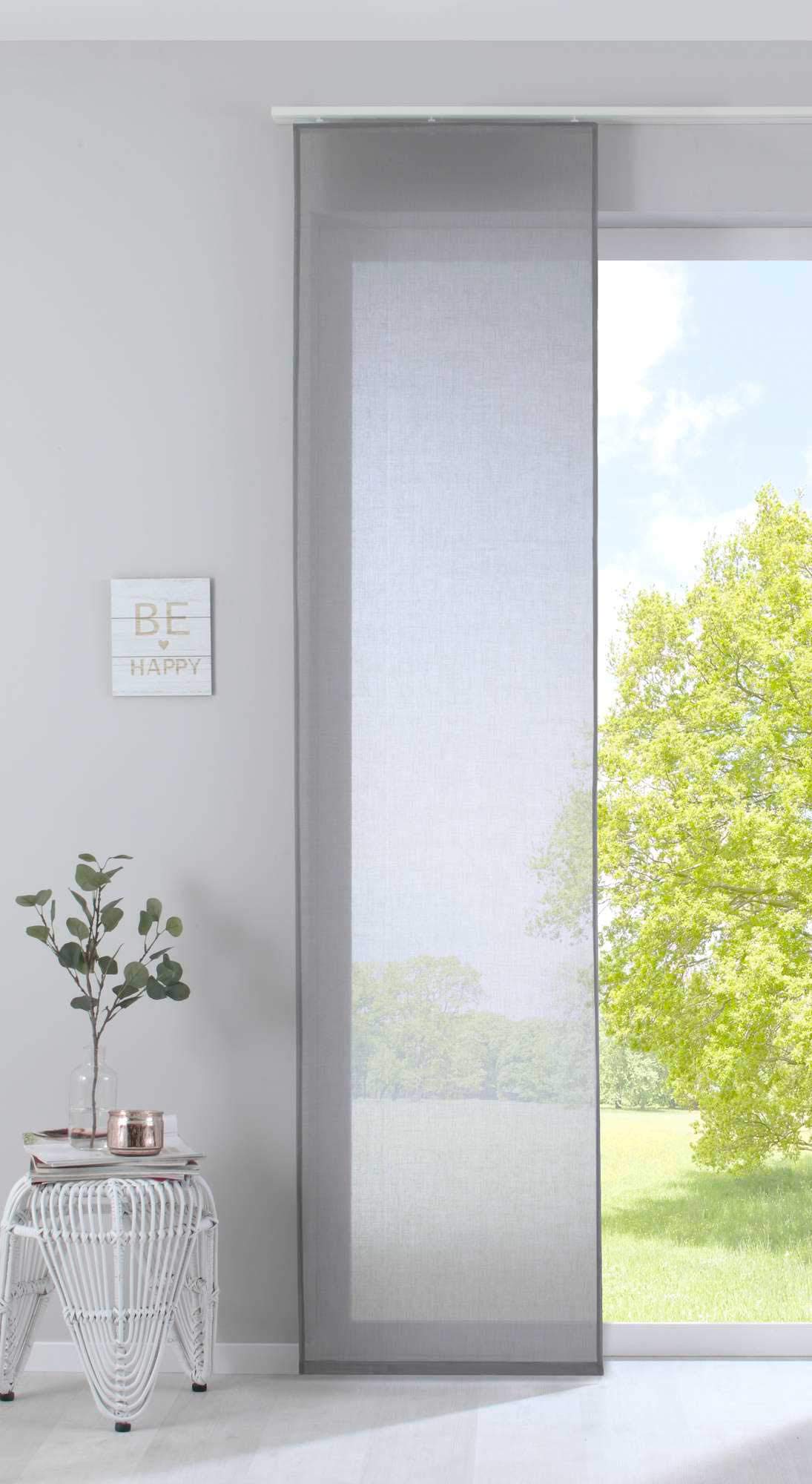
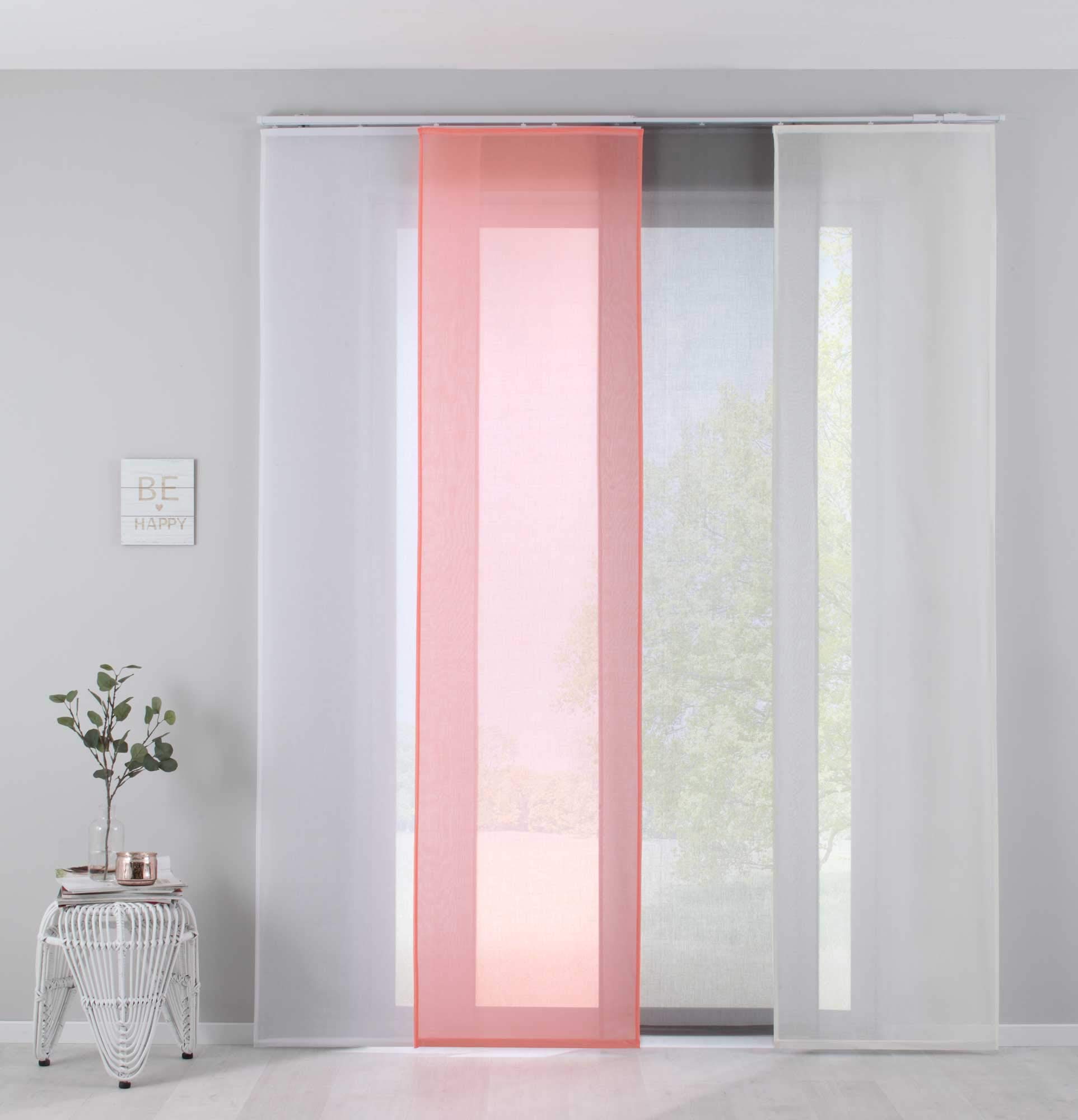
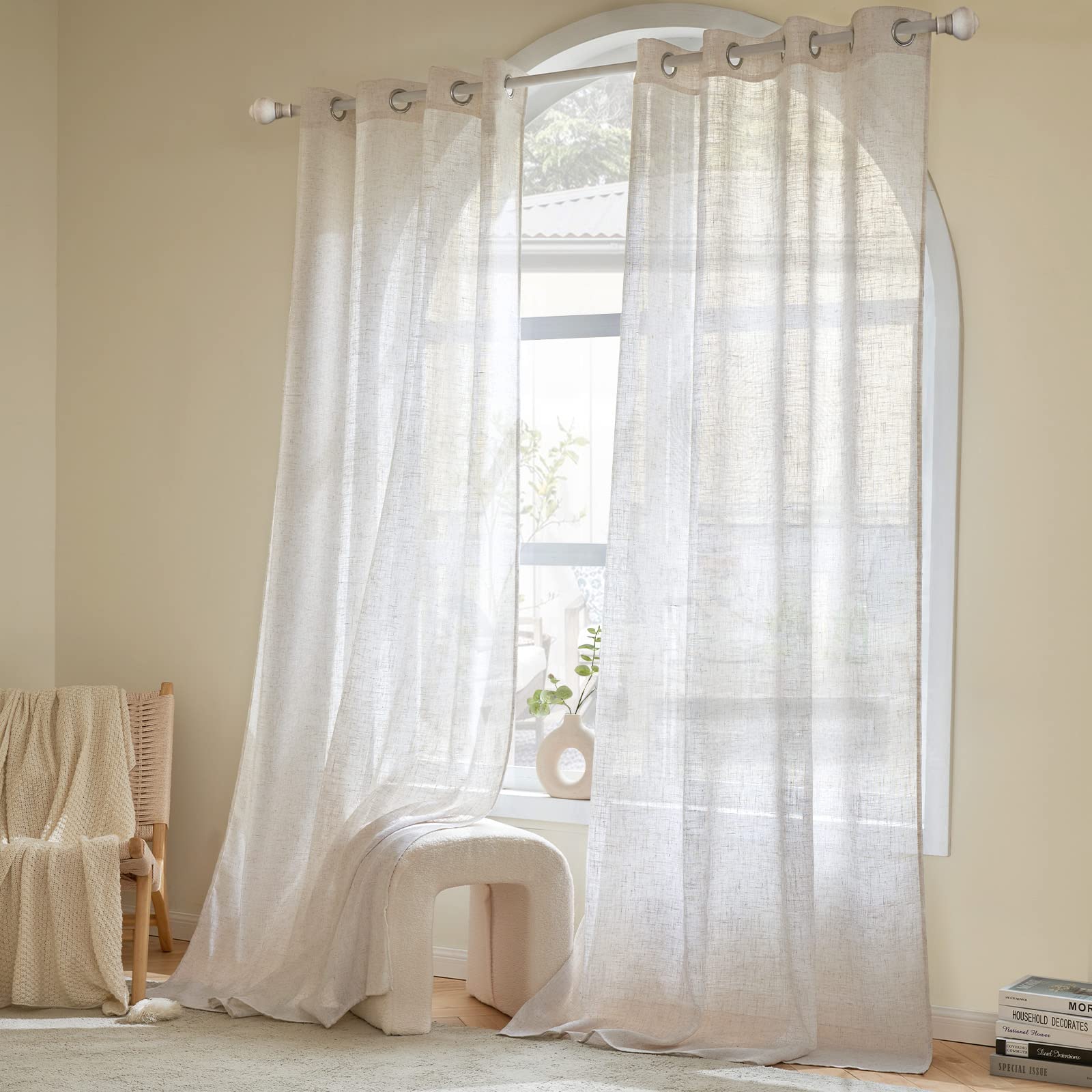
A flat expanse of white voile gives this sliding curtain a clear vertical outline while allowing daylight into the room. The polyester-cotton blend has a softly textured, matte character rather than a glossy face. At the top, hook-and-loop fastening connects the textile to a panel carrier; a bar inside the lower hem helps keep the panel extended. The fabric moves with its carrier along a compatible track, making it suitable for coordinated rows of overlapping panels. Its transparent appearance is intended for light diffusion and decorative screening.
Shaoxing Yingkuo Textile Co., Ltd. (EAGLEKO HOME TEXTILE) can develop this sliding-panel format around the buyer’s track system, required coverage and fabric selection. Custom sizes and other colors can be discussed together with matching carrier and weight-bar specifications. Our one-stop sourcing advantage allows panel curtains to be purchased alongside conventional sheers, drapes and related home textiles. Sampling can establish the assembled drop, panel overlap and packing method before private-label requirements and bulk supply are finalized.
Wide Living Room Glazing — Arrange coordinated panels across a compatible multi-channel track.
Balcony Window Interiors — Plan the parked panel positions around the opening and door access.
Minimalist Dining Spaces — Use white flat panels to provide a simple textile frame for daylight.
Decorative Interior Zoning — Create a light visual division where transparency remains acceptable.
Curtain Track Retail Programs — Match carriers and runners to the selected rail before offering a complete kit.
E-commerce Window Collections — Show the flat-panel format, transparency and required track components clearly.
Wholesale Soft Furnishings — Coordinate sliding panels with conventional voile curtains in a shared fabric range.
Flat Vertical Presentation — The carrier and lower bar support a panel shape with limited gathering.
Soft Daylight Effect — Voile allows light through while adding a textile layer across the glazing.
Matte Blended Texture — The fabric surface suits understated and natural interior palettes.
Detachable Upper Connection — Hook-and-loop fastening separates the textile from its carrier for handling.
Weighted Lower Edge — A hem bar helps extend the fabric and maintain its straight presentation.
Modular Coverage Planning — Multiple panels can be arranged with agreed overlap and parking space.
Custom System Development — Fabric dimensions and accessory lengths can be coordinated around the chosen rail.
Q1: What track information is needed before approving a panel carrier?
A: Provide the rail profile, channel dimensions and the runner or roller type. Trial the complete carrier on a physical section of the intended track and check travel, retention and end stops. Similar-looking runners are not automatically interchangeable, so record the approved hardware combination with the order specification.
Q2: How should the fabric drop be measured for a weighted sliding panel?
A: Define the measurement from the assembled suspension point to the finished lower edge, allowing for the carrier and hem construction. Record fabric-only dimensions separately if they are used in production. Fit a complete sample on the intended rail to confirm floor clearance and ensure the weight bar remains properly enclosed.
Q3: How can the number of panels and overlap be planned?
A: Start with the total opening width, usable track channels and the area available for parking panels. Agree on individual panel width and overlap in the closed position. Draw the opening sequence and check access to doors or handles, since adequate fabric coverage does not by itself establish a practical parking arrangement.
Q4: What should be checked when choosing the bottom weight bar?
A: Match the bar length and section to the hem channel and panel width. Check end finishing, retention and whether the textile can be removed without damage. Assess the hanging sample for a level lower edge and fabric distortion; a heavier bar should not be used as a substitute for correcting inaccurate cutting or sewing.
Q5: Which quality checks are especially useful for flat voile panels?
A: Inspect fabric squareness, side-edge straightness and the alignment of the top fastening with the lower hem. Hang panels next to each other and compare their drops. Check for skew and visible weaving faults in transmitted light, because a flat panel can make uneven edges and differences between adjacent pieces more noticeable.
Q6: What care validation is needed for a polyester-cotton blend?
A: Remove hardware as specified in the care plan and trial the proposed laundering routine on a finished panel. Measure dimensional change and inspect bowing, seam appearance and the sewn fastening. Reassemble and hang the sample afterward so the final instructions address its ability to fit the original carrier and lower bar.
Q7: Can this voile format provide complete visual privacy?
A: Its transparent textile character is suited to light diffusion and decorative screening. Assess visibility from both sides under daytime and nighttime lighting before defining the privacy description. Where full screening is required, specify an additional opaque layer or a different fabric rather than relying on the white color or bottom weight.
Q8: How should long hardware be packed for wholesale shipment?
A: Develop packaging that supports the carrier and weight bar without forcing them against the folded textile. Keep components identified by size and verify runner and end-piece counts against the kit specification. Trial the packed product for deformation and fabric marks, and include clear assembly instructions for each custom format.
 EN