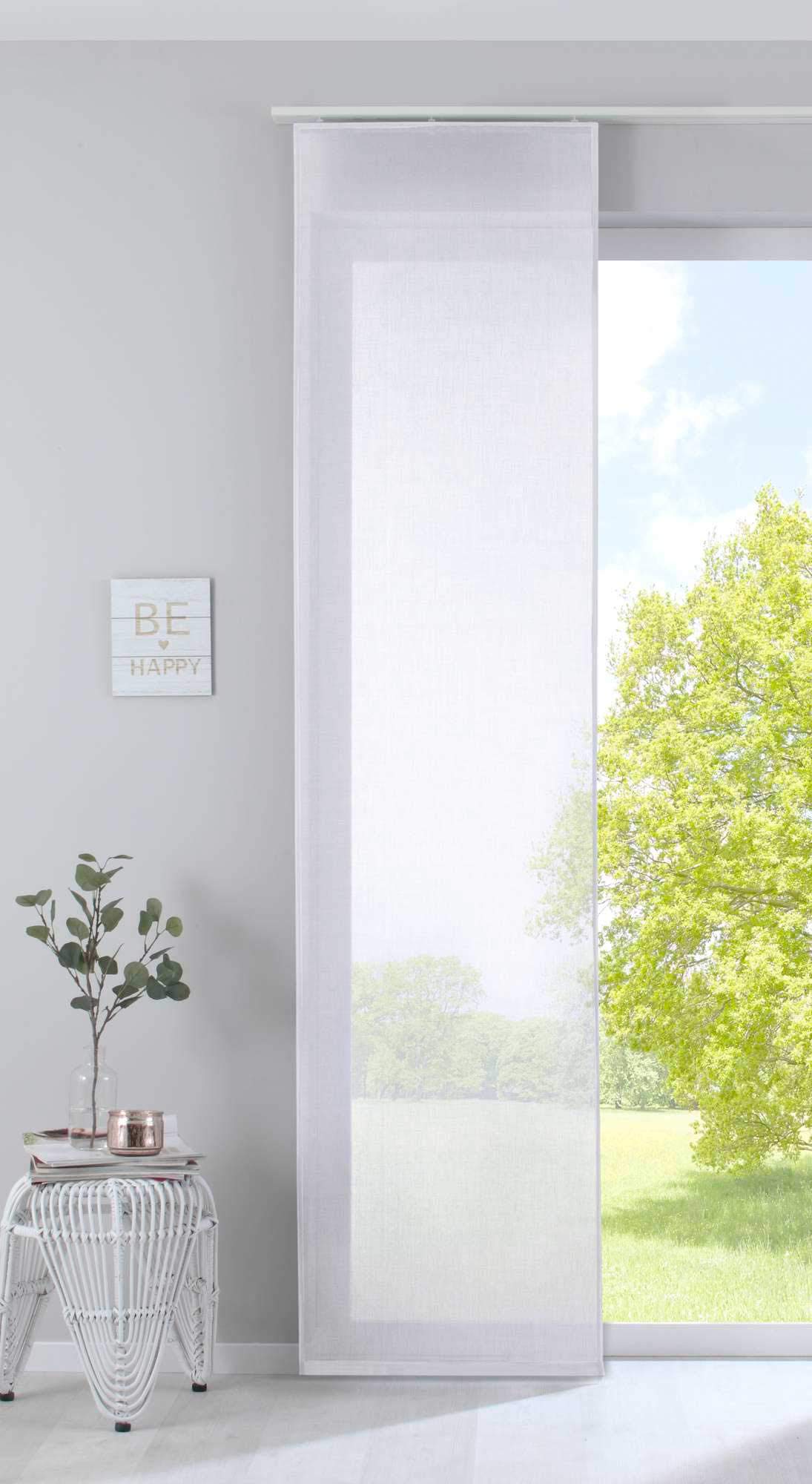
| Product Name |
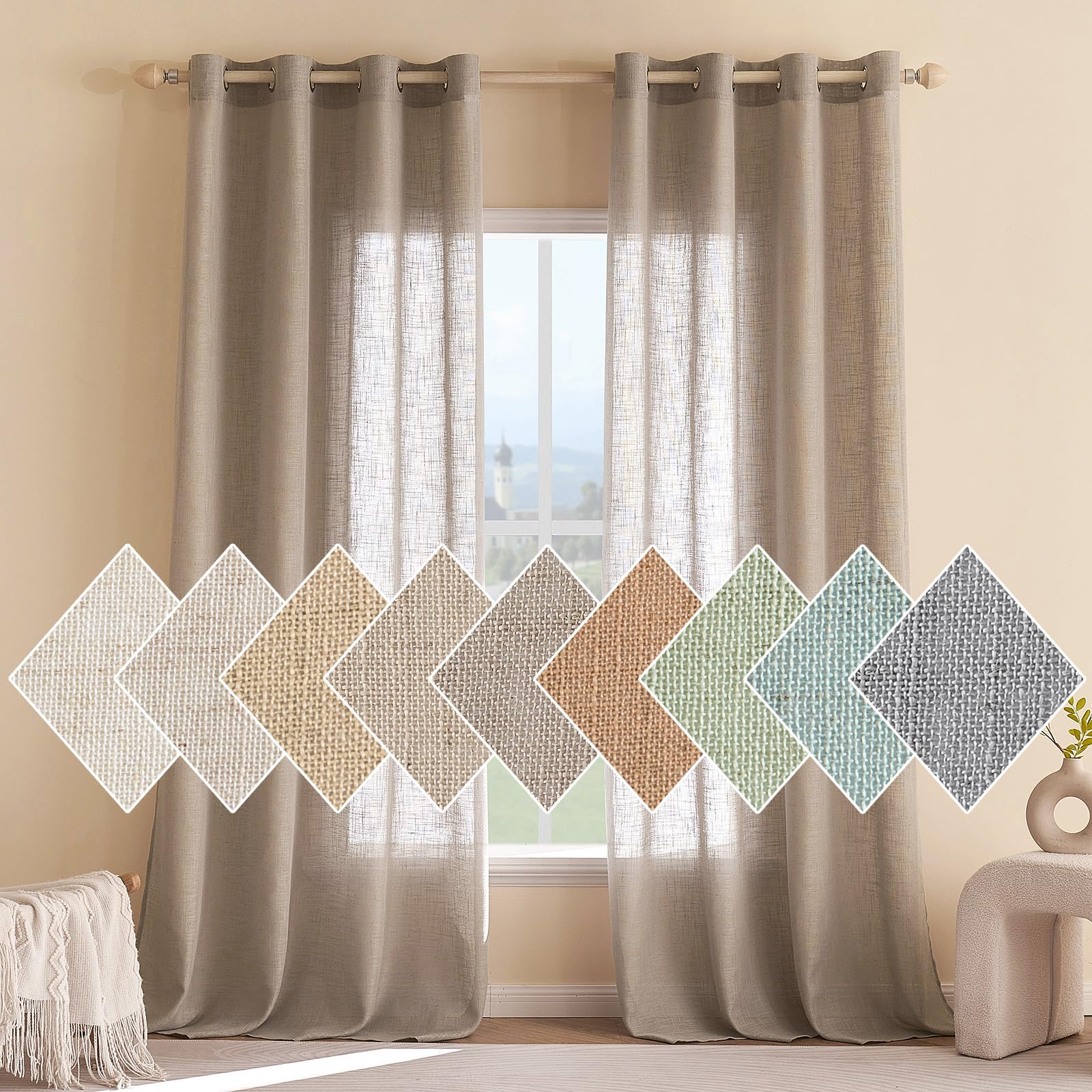
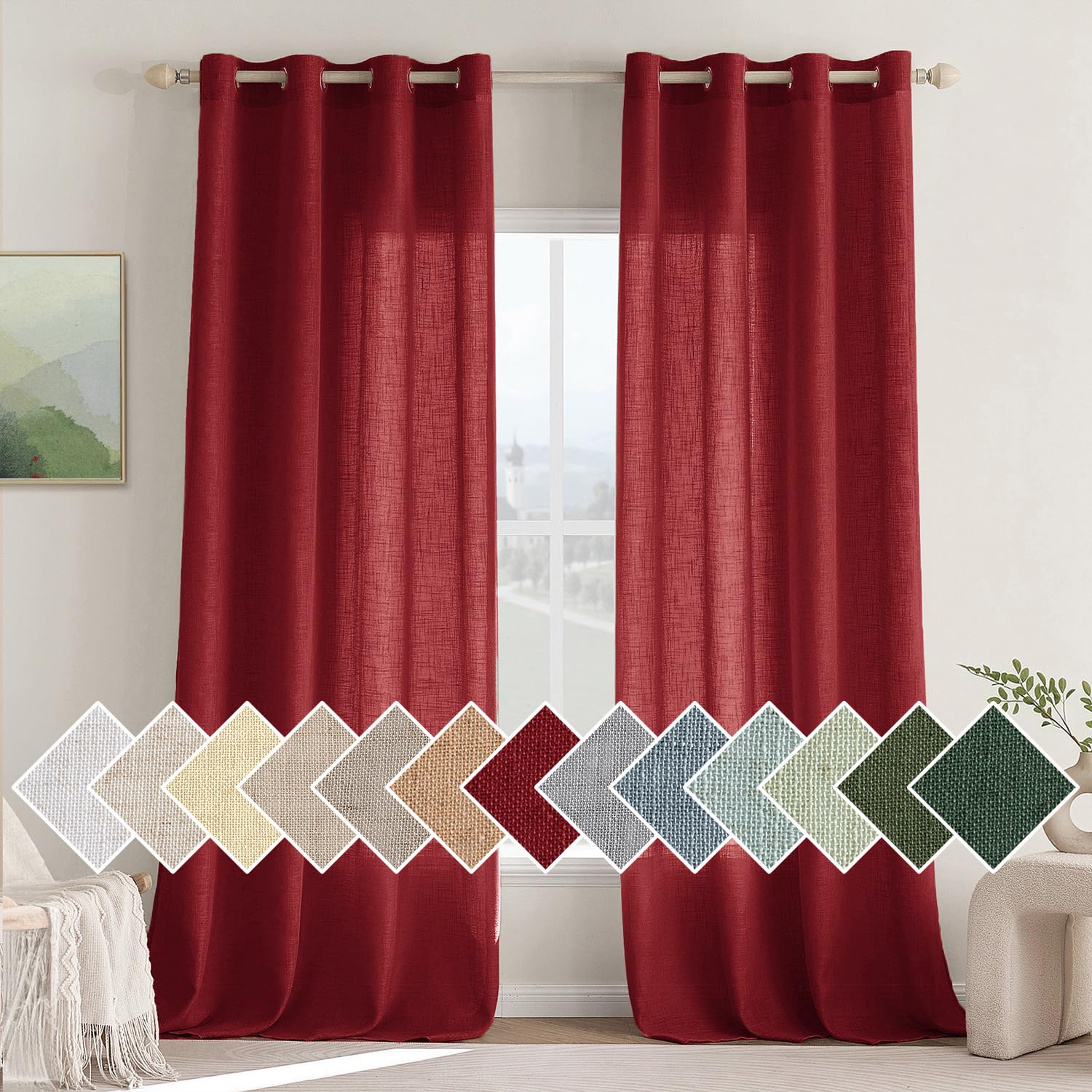
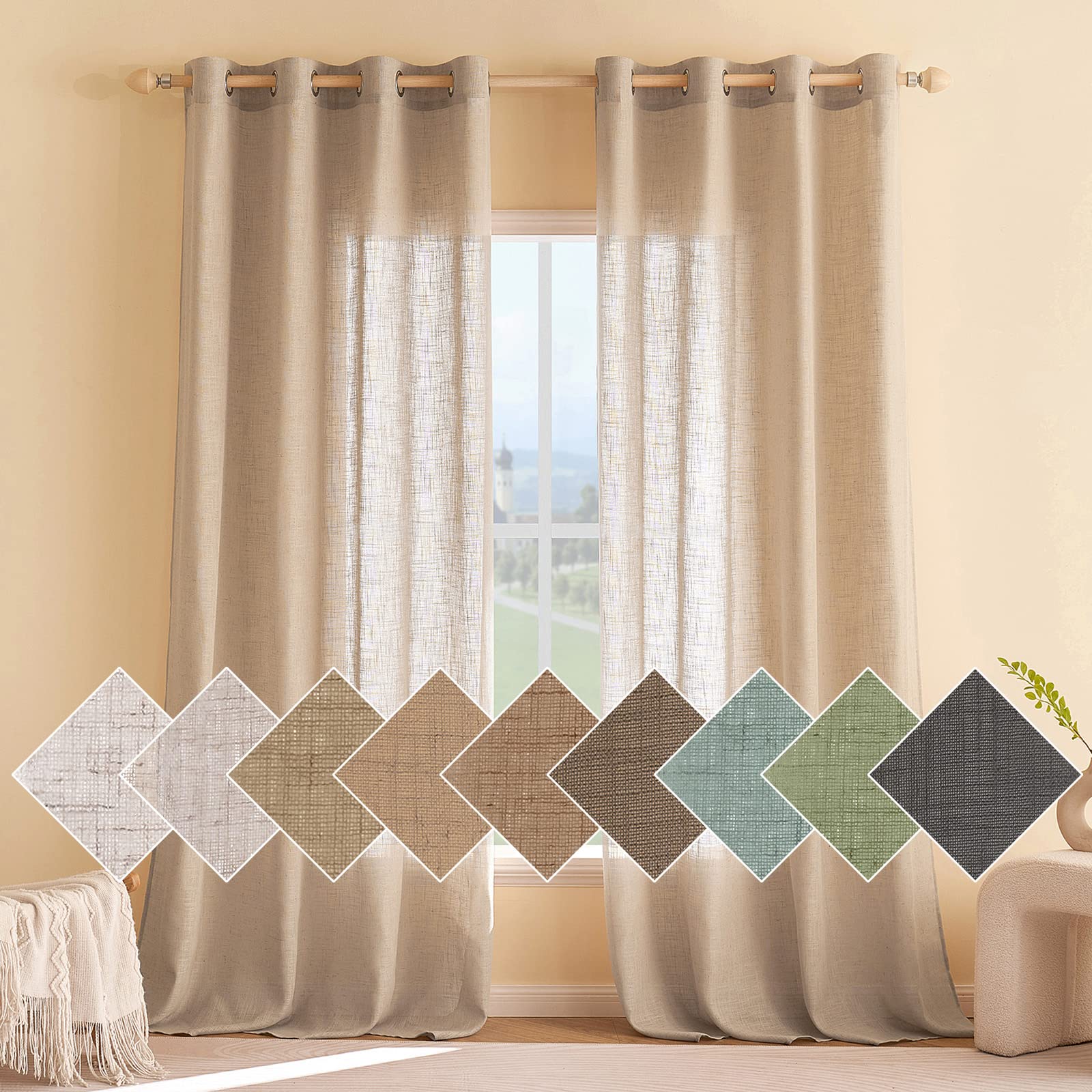
White Linen Look Semi Sheer Grommet Curtains |
| Color |
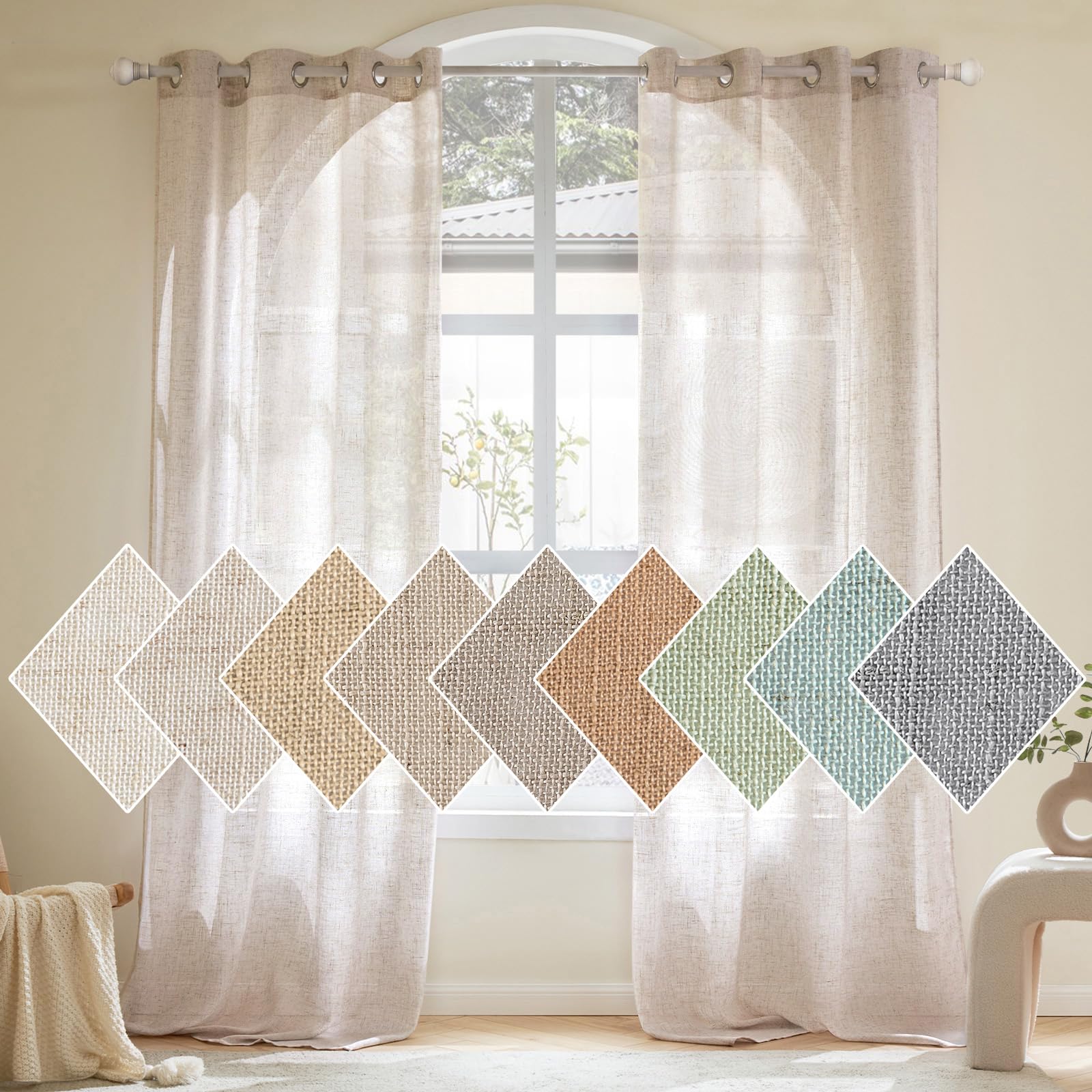
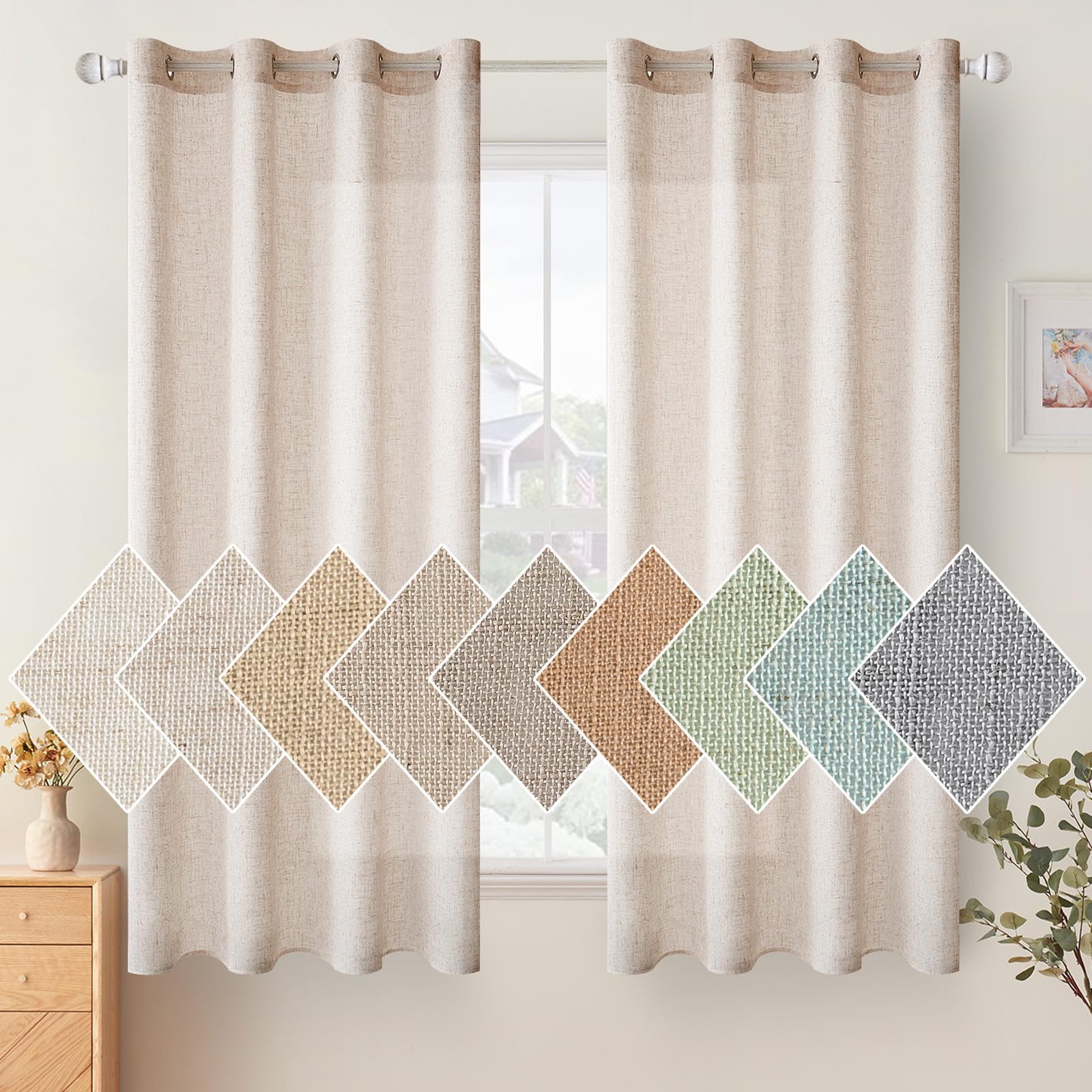
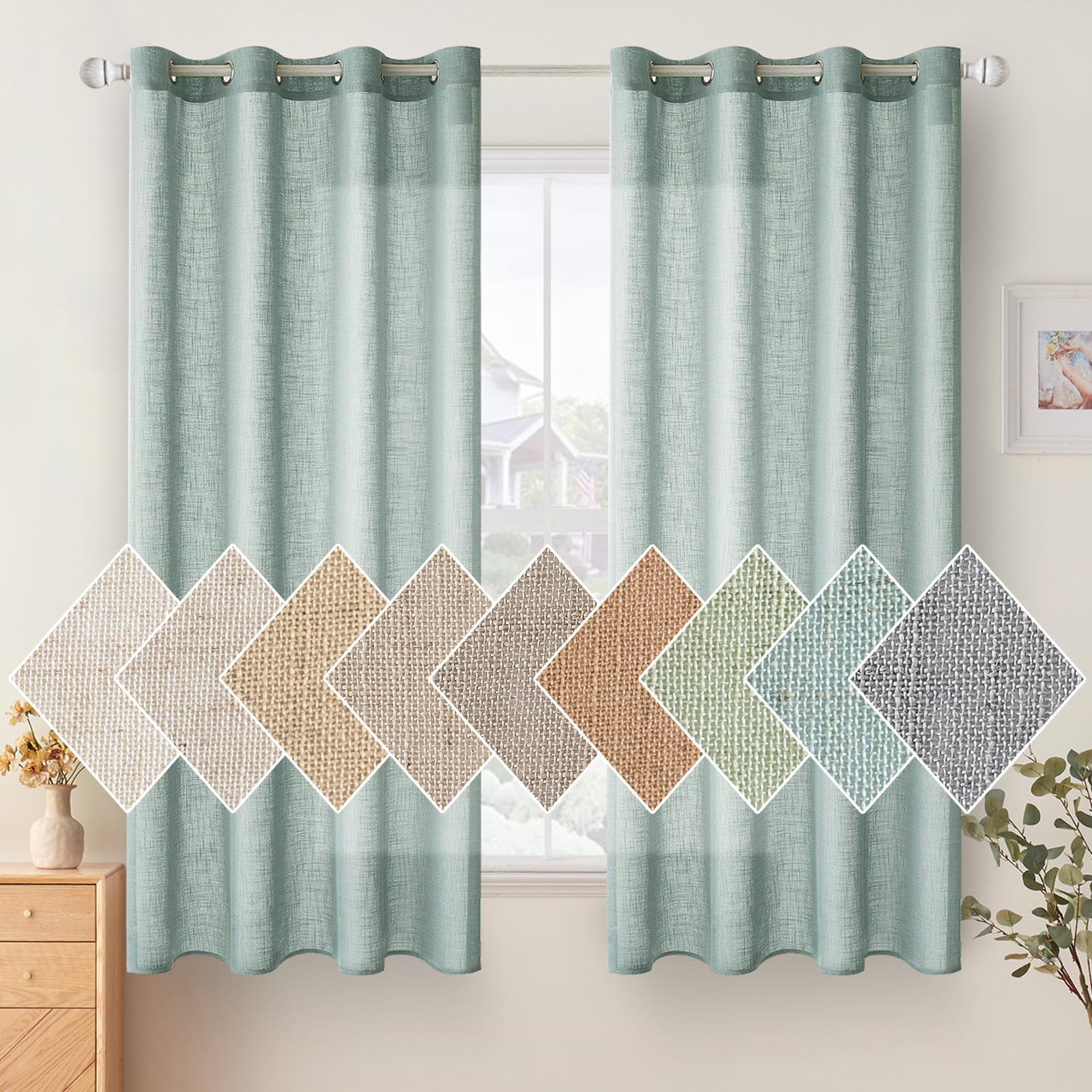
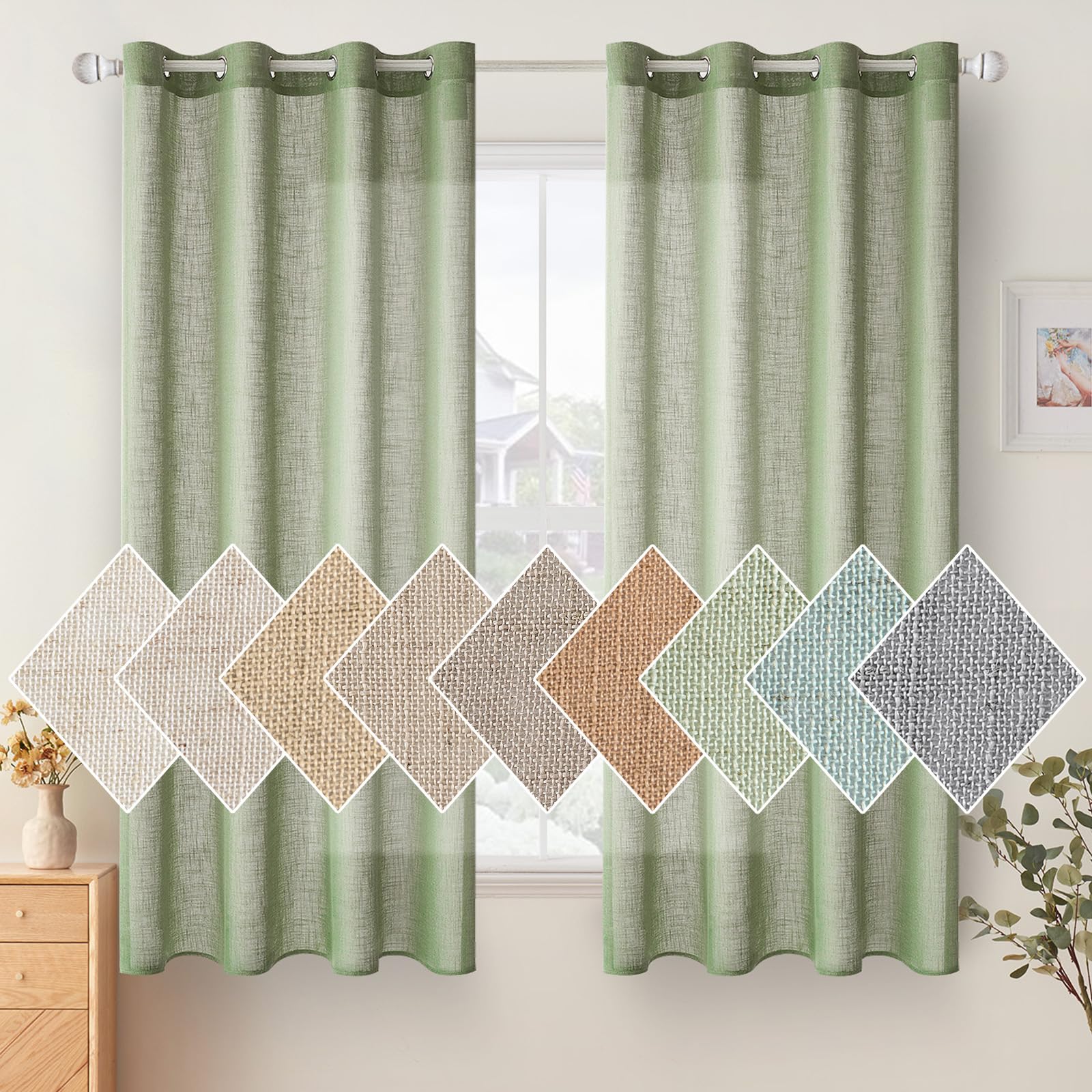
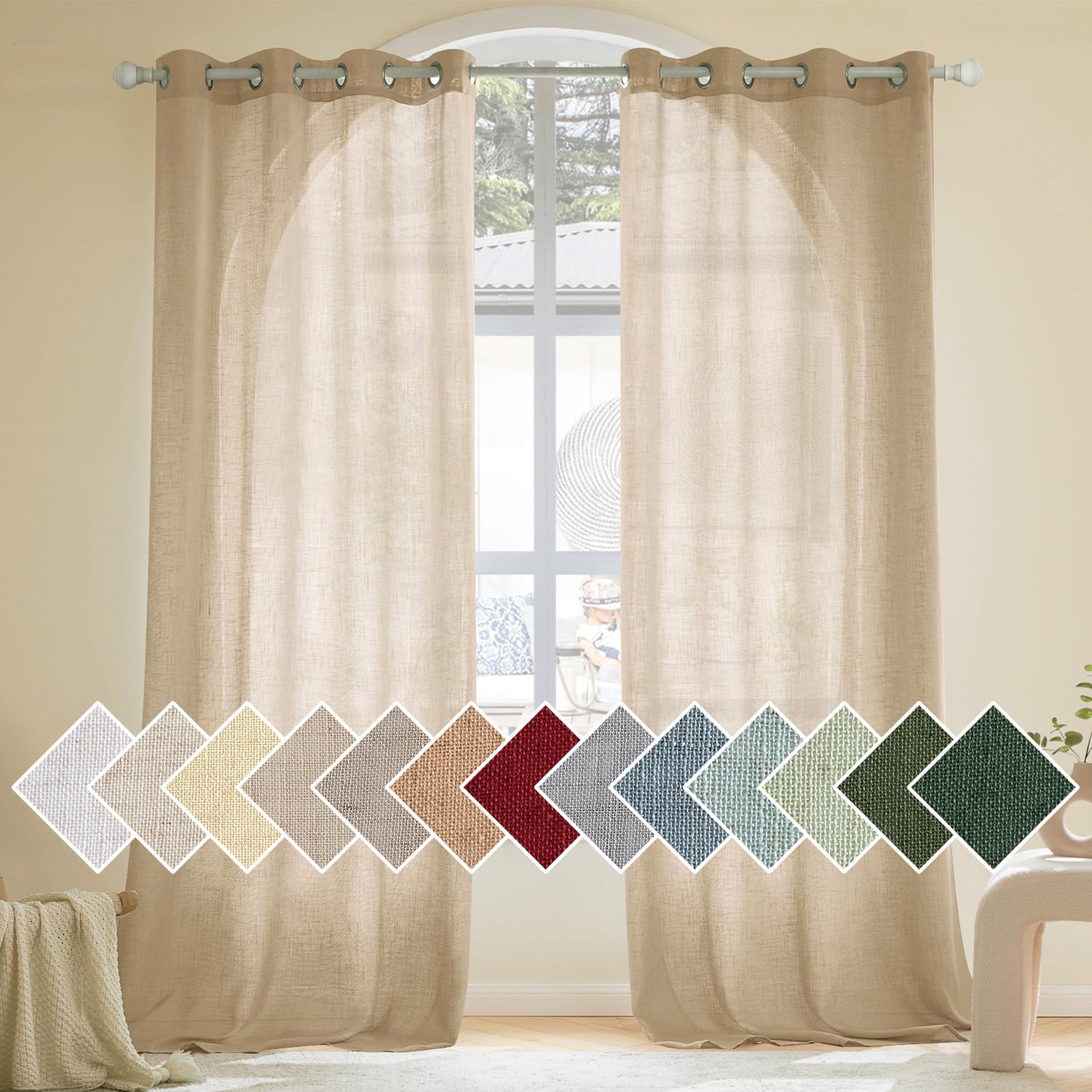
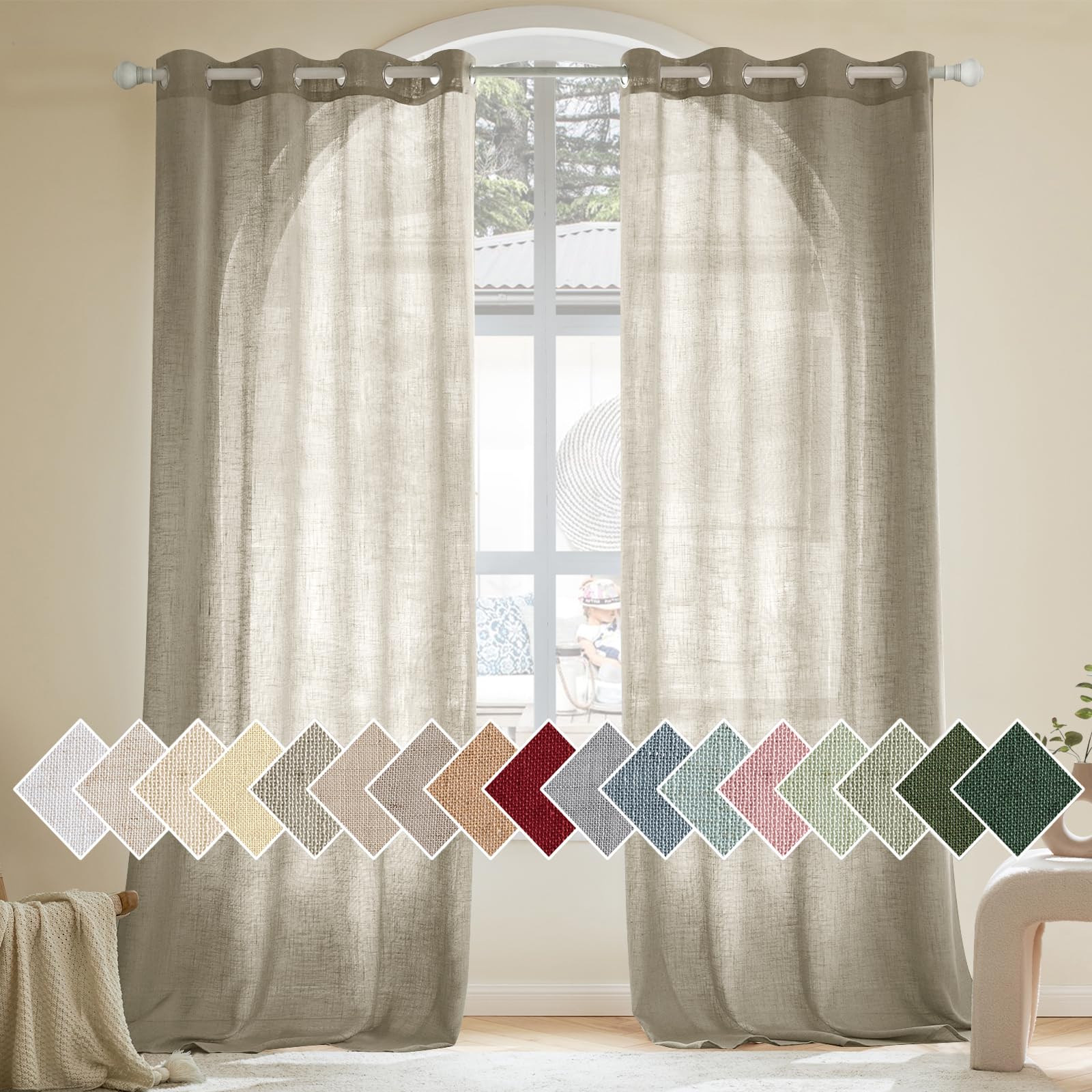
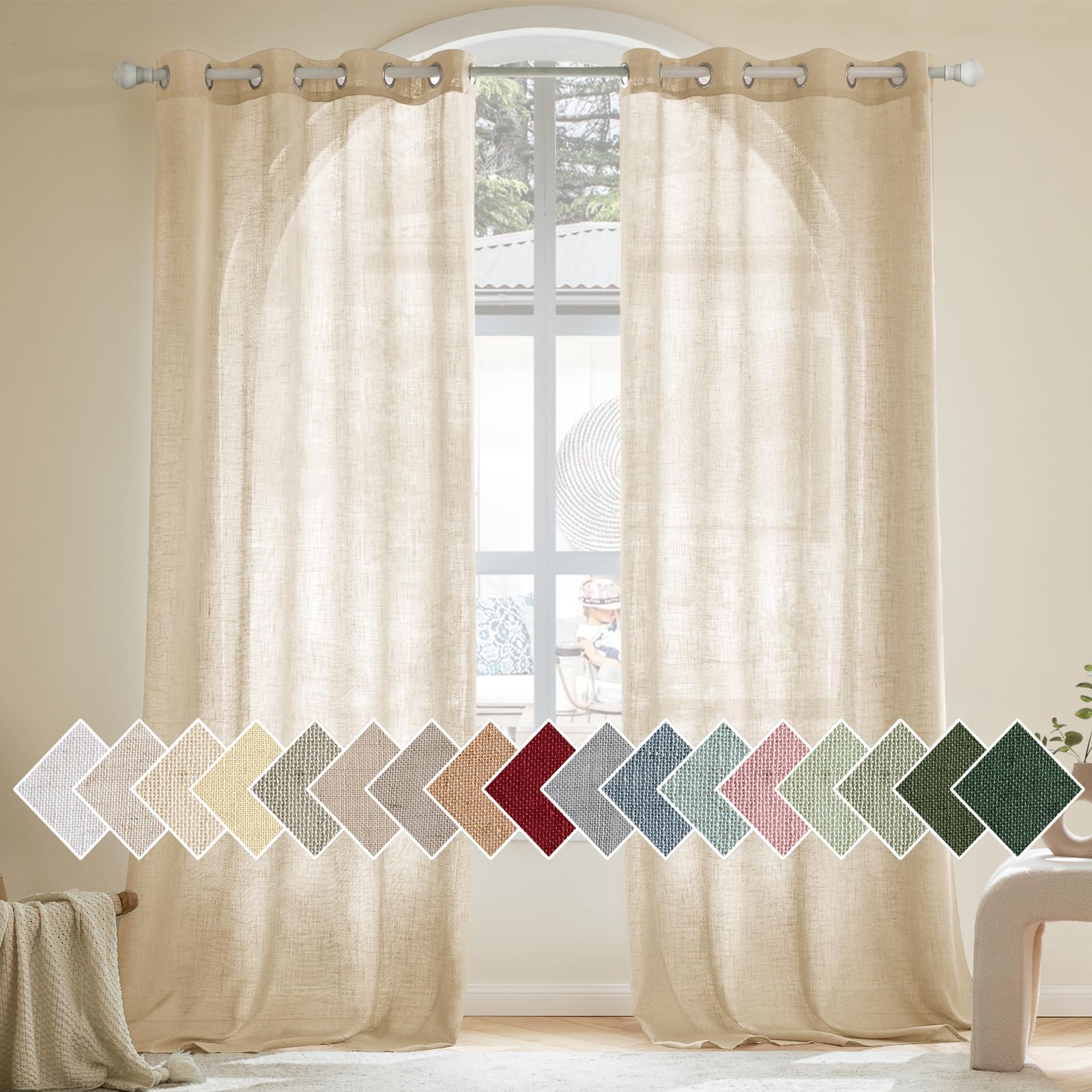
White; other colors can be discussed |
| Material |
Linen-look fabric; final fiber composition to be confirmed |
| Style |
Semi-sheer light-filtering window curtains |
| Size |
Custom sizes available |
| Package |
Panel quantity, accessories and private-label packaging to be agreed |
| Certification | OEKO-TEX Standard 100 |
| MOQ | 200 |
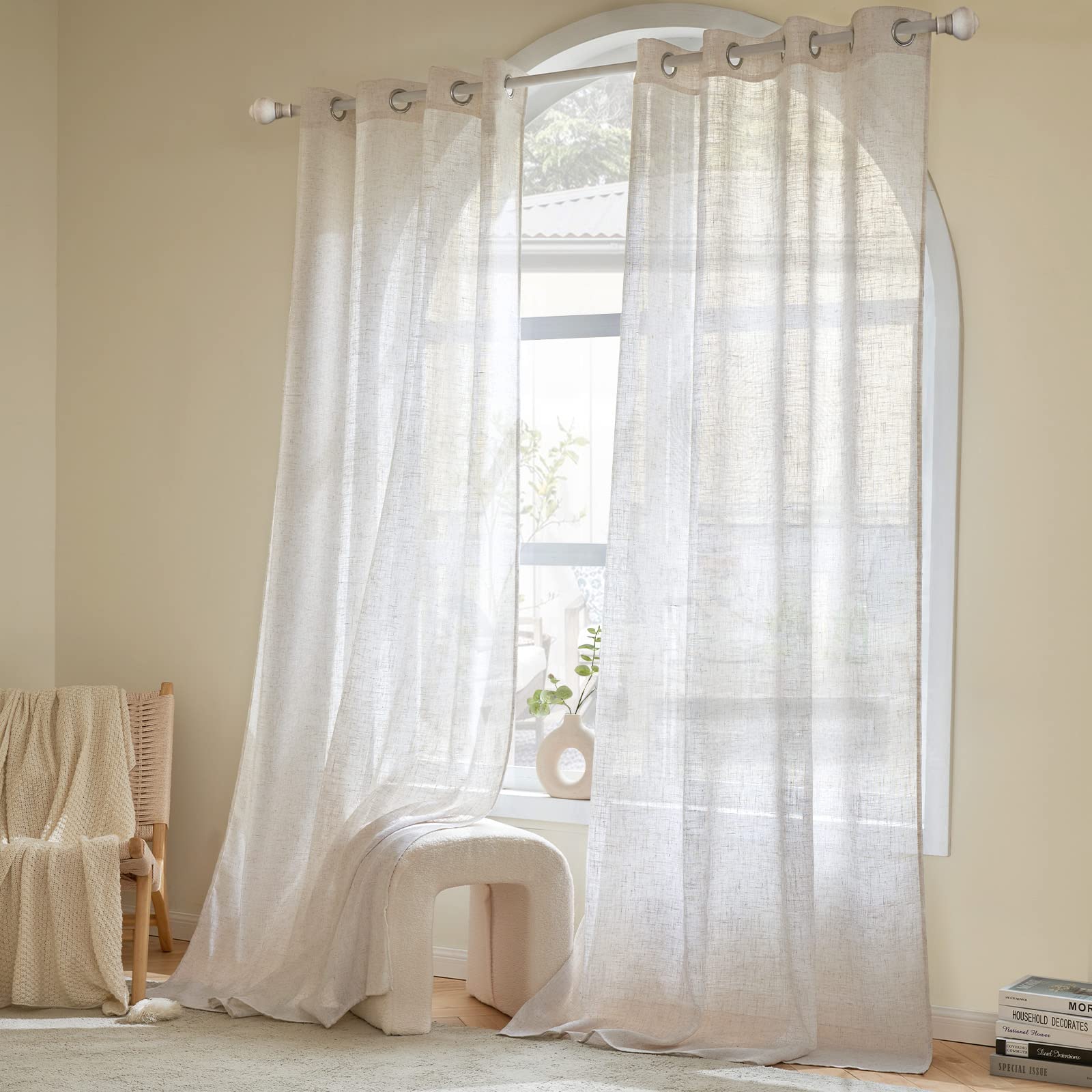
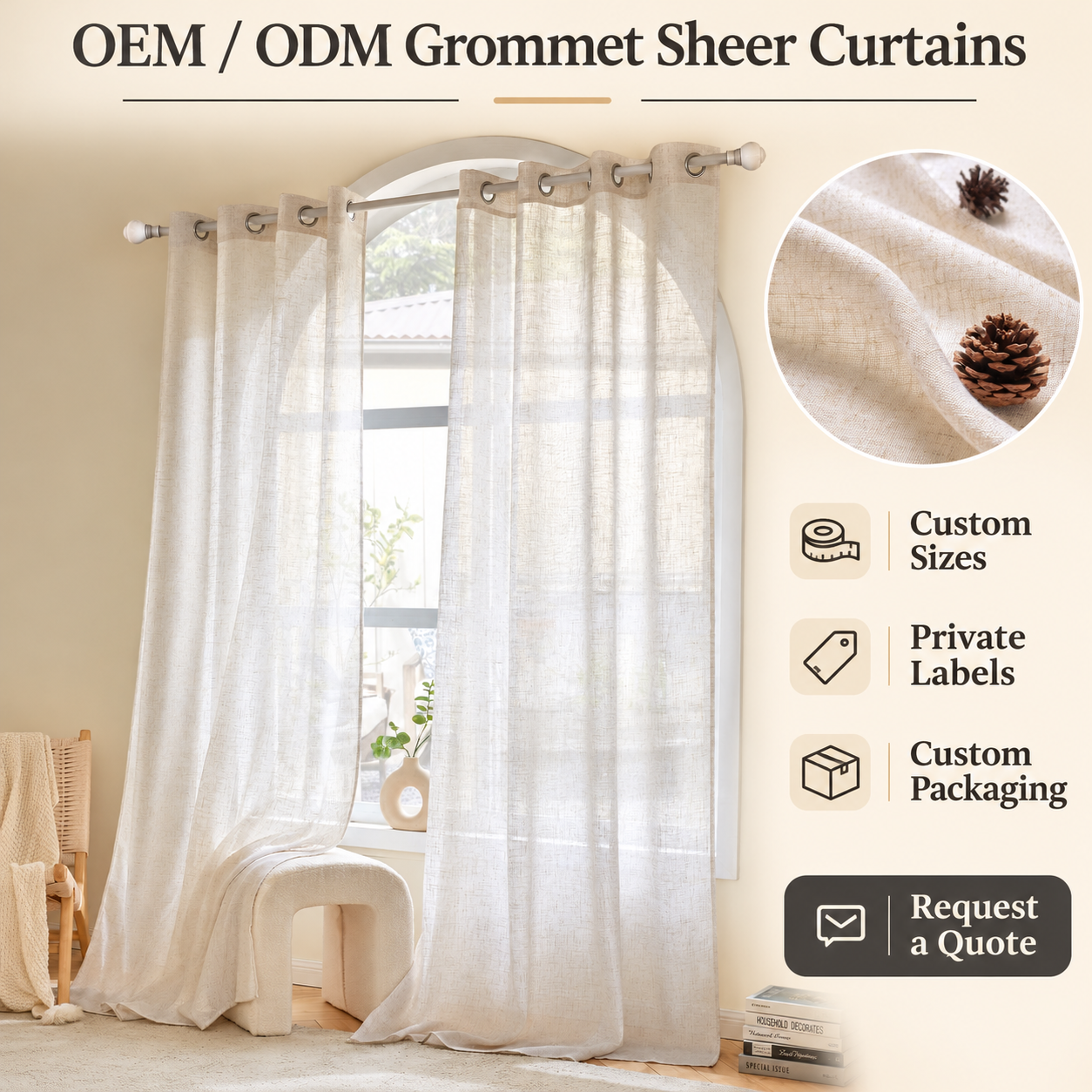
White linen-look texture adds a soft, woven character to these semi-sheer window curtains. Grommets guide the heading into regular folds along a compatible rod, while the light-admitting fabric keeps the window visually open. The plain surface works with both simple contemporary furniture and relaxed natural interiors. These panels are intended for daylight filtering and decorative screening; the final level of visibility depends on the selected fabric, gather ratio and indoor-to-outdoor lighting. Custom sizes allow buyers to develop the drop and fullness for their own window ranges.
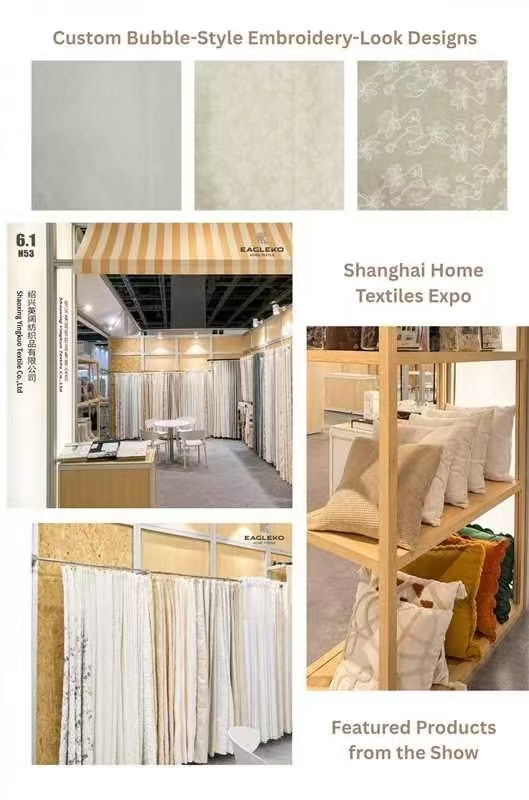
For buyers building a textured sheer collection, Shaoxing Yingkuo Textile Co., Ltd. (EAGLEKO HOME TEXTILE) can coordinate fabric samples, grommet specifications and finished-panel trials. Other colors can be discussed, and linen-look wording can be maintained consistently across product labels and packaging. Our one-stop sourcing advantage helps importers combine these curtains with opaque drapes, cushion covers and additional home textiles. The approved appearance standard and measurement convention provide the basis for OEM packaging and bulk quality checks.
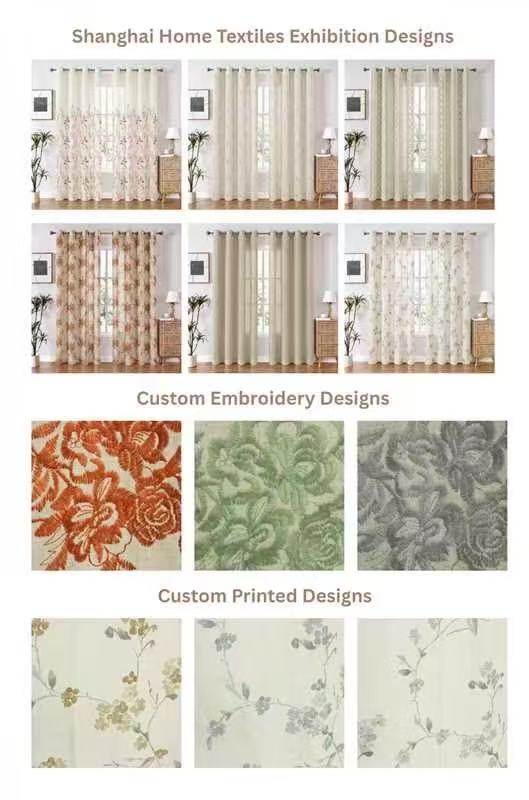
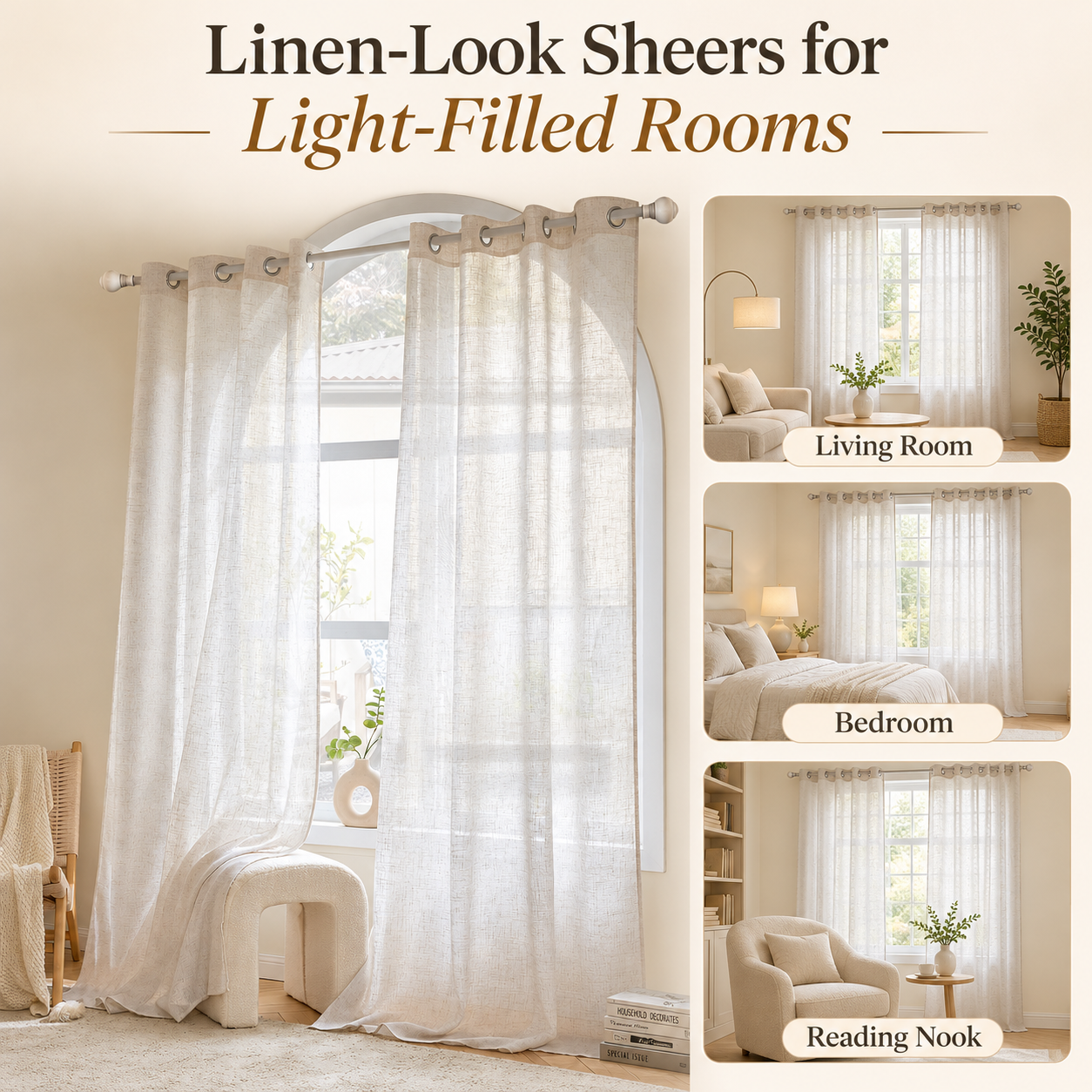
Bright Living Rooms — Soften the window with white textured folds while admitting daylight.
Bedroom Layering — Pair semi-sheer panels with a separately specified opaque curtain where stronger screening is needed.
Dining Room Windows — Coordinate the woven appearance with wood finishes and neutral table textiles.
Home Office Decor — Add a light textile layer while assessing the actual glare conditions at the workstation.
Home Furnishing Retail — Display the texture in backlight and show the grommet heading on a compatible rod.
E-commerce Curtain Collections — Present realistic transparency and explain the selected panel count and size convention.
Wholesale Decor Assortments — Combine custom drops and coordinated shades within a broader soft-furnishing range.
Linen Look Surface — A natural-looking woven texture brings visual detail to an unprinted panel.
White Neutral Base — The pale shade coordinates with a wide range of interior color schemes.
Semi-Sheer Light Effect — The fabric admits daylight while adding a decorative screen across the glass.
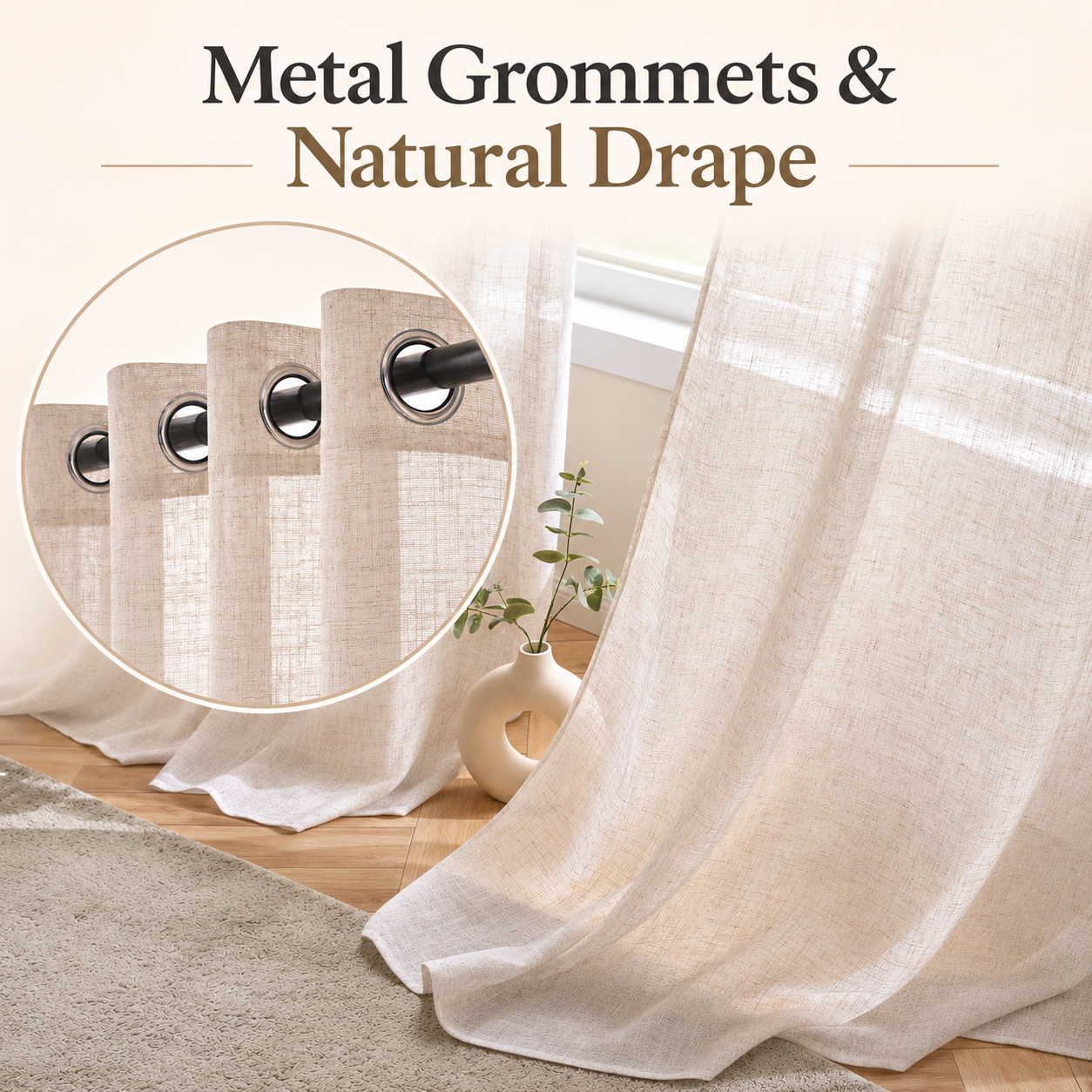
Grommet Heading — Rings arrange the upper fabric into folds on a suitable curtain rod.
Custom Drop Planning — Finished dimensions can be developed for the buyer’s preferred installation height.
Layering Potential — The panels can form part of a coordinated sheer-and-drape program.
Buyer-Specific Finishing — Ring finish, labeling and pack configuration can be discussed during development.
Q1: How should a buyer approve the linen-look effect?
A: Review a hung sample as well as a close fabric swatch. Agree on yarn appearance, texture scale and surface consistency under reflected and transmitted light. Keep the chosen sample as the visual standard. Linen look describes the appearance; the composition label must separately follow the confirmed fiber specification.
Q2: What is the best way to establish an acceptable transparency level?
A: Assess a full panel at the intended fullness against a representative window. View it from both sides in daylight and with interior lights on after dark. Record the acceptable visibility for the intended use, then align listing language with that result. Semi-sheer fabric should not be presented as complete nighttime privacy without evidence.
Q3: Which grommet measurements affect rod compatibility?
A: Confirm the rod diameter, ring internal opening and any join or bracket that affects movement. Trial the sewn heading on the actual hardware and check clearance and sliding behavior. Approve the ring material, finish and attachment quality together; a nominal opening dimension alone does not establish smooth operation.
Q4: How should custom width be related to the window opening?
A: Define the usable rod span and the desired gather ratio before setting flat panel width. Consider the fabric occupied at each side when the curtains are open. Specify whether the ordered size refers to one panel or the complete set, and approve a drawing showing the finished drop and measuring point.
Q5: What QC criteria help distinguish textile character from weaving faults?
A: Agree on acceptable variations in the linen-look yarn effect and keep examples with the control sample. Inspect for unintended holes, broken yarns, snags and uneven density under consistent lighting. Review several panels together so appearance is assessed across the production range rather than from one isolated section.
Q6: How can a white shade be maintained across reorders?
A: Retain the approved white standard and compare each new fabric lot under agreed lighting conditions. Coordinate panels intended for one set from the same accepted lot where practical. Review changes in texture or finishing alongside color, because differences in translucency can make similar whites appear mismatched at a window.
Q7: What should be included in a laundering and heading trial?
A: Use the proposed care routine on a finished panel and inspect dimensional change, seam puckering and the ring attachment area. Check the grommet finish for changes and rehang the curtain to review its folds. Approve the final wash and drying instructions from the selected fabric and hardware rather than a generic sheer-curtain label.
Q8: Which retail details need confirmation before bulk packing?
A: Fix the panel count, flat finished dimensions, ring specification and any supplied accessories. Include a measuring guide that distinguishes individual panels from total coverage. Check SKU and barcode correspondence for custom drops and colors, and agree on folding and protective packing. MOQ, pack customization and lead time are confirmed through quotation.
 EN