 EN

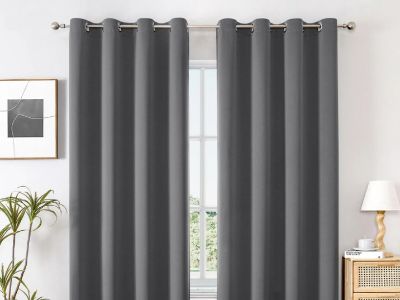
When it comes to sourcing custom back tab drapes, importers face the critical task of evaluating supplier quality to ensure they receive products that meet their standards. The process involves assessing various factors that can impact product performance, safety, and aesthetic appeal. This article will guide importers through the key considerations for evaluating supplier reliability, best practices for wholesale purchasing, materials used in custom drapes, cost factors, and common challenges faced during procurement.
Key Factors to Evaluate Supplier Reliability for Drapes
When evaluating suppliers for custom back tab drapes, importers should focus on several key factors that reflect the supplier's reliability and capability. First, quality control processes are paramount. A robust quality assurance system, which includes inspections at various production stages, ensures that the linen drapes meet the specified standards. Importers should inquire about the supplier's quality certifications and whether they conduct third-party testing, such as OEKO-TEX certification, which indicates that the textiles are free from harmful substances.
Second, manufacturing capabilities should align with the importer's product specifications. This includes understanding the equipment used in production and the supplier's ability to handle different customization requests. Importers should ask for details about the supplier’s production capacity and lead times to ensure they can meet demand without compromising quality.
Lastly, communication and responsiveness are essential. A reliable supplier should demonstrate transparency and be willing to provide detailed information about their processes, timelines, and potential challenges. This open line of communication can mitigate misunderstandings and delays in the supply chain.
Best Practices for Wholesale Purchasing of Custom Drapes
Wholesale purchasing of custom drapes requires a systematic approach to ensure that importers get the best value and quality. One best practice is to request samples before committing to a bulk order. Evaluating samples allows importers to assess the material, quality of workmanship, and design. It is advisable to test the samples under the actual conditions in which the modern drapes will be used to ensure compatibility and performance.
Another important practice is to clearly define specifications in the request for quotation (RFQ). This should include details like dimensions, materials, color options, and any special features required. Providing comprehensive information helps suppliers to give accurate quotes and reduces the chances of discrepancies during production.
Furthermore, establishing minimum order quantities (MOQs) can help manage costs while ensuring that suppliers can produce the drapes efficiently. Importers should also discuss potential for future orders, as establishing a long-term relationship can lead to better pricing and availability.
Materials Used in Custom Drapes
The choice of materials used in custom back tab drapes significantly affects their performance and visual appeal. Common materials include polyester, cotton, and blends, each with its own set of characteristics. For instance, polyester is known for its durability, ease of maintenance, and resistance to wrinkling, making it a popular choice for commercial applications.
Importers should also consider the fabric weight and weave. Heavier fabrics often provide better insulation and draping qualities, while lighter fabrics may be more suitable for casual settings. Additionally, the fabric's colorfastness and ability to withstand sunlight exposure are critical for maintaining appearance over time, especially in environments with high UV exposure.
Another consideration is eco-friendly materials. With increasing consumer demand for sustainable products, importers may want to look for suppliers that offer organic or recycled fabric options, which can enhance their product appeal in a competitive market.
Cost Considerations When Sourcing Custom Drapes
Understanding the cost structure involved in sourcing custom drapes is vital for importers aiming to manage their budgets effectively. Key factors influencing cost include material choice, complexity of design, and production methods. Higher-quality fabrics and intricate designs typically result in higher prices.
Additionally, importers should account for shipping and handling costs, which can vary based on destination and order volume. It is advisable to request an all-inclusive quote from suppliers that covers production, packaging, and shipping expenses to avoid unexpected costs later in the process.
Lead times also play a role in cost management. Orders with tighter deadlines may incur rush fees, so it’s essential for importers to communicate their timelines clearly and factor in production schedules when negotiating prices.
Importers should also explore potential discounts for larger orders or long-term contracts, as many suppliers are willing to negotiate pricing to secure ongoing business.
Common Problems Importers Face with Drapes and Solutions
Importers often encounter several common issues when sourcing custom drapes, but these can be mitigated with proper planning and communication. One frequent challenge is inconsistent quality. This can occur when suppliers fail to maintain quality control throughout production. To address this, importers should establish clear quality benchmarks and conduct regular inspections during production.
Another issue is delayed shipments, which can disrupt inventory management and sales plans. Importers can minimize this risk by working closely with suppliers to establish realistic timelines and maintaining a buffer stock to accommodate potential delays.
Lastly, miscommunication regarding specifications can lead to receiving products that do not meet expectations. Importers should ensure that all specifications are documented and confirmed through samples and prototypes before mass production begins. This practice helps to prevent costly mistakes and ensures that the final product aligns with the buyer’s vision.
By understanding these common challenges and implementing proactive strategies, importers can enhance their sourcing experience and improve the reliability of their supply chain for custom back tab drapes.