| Product Name |
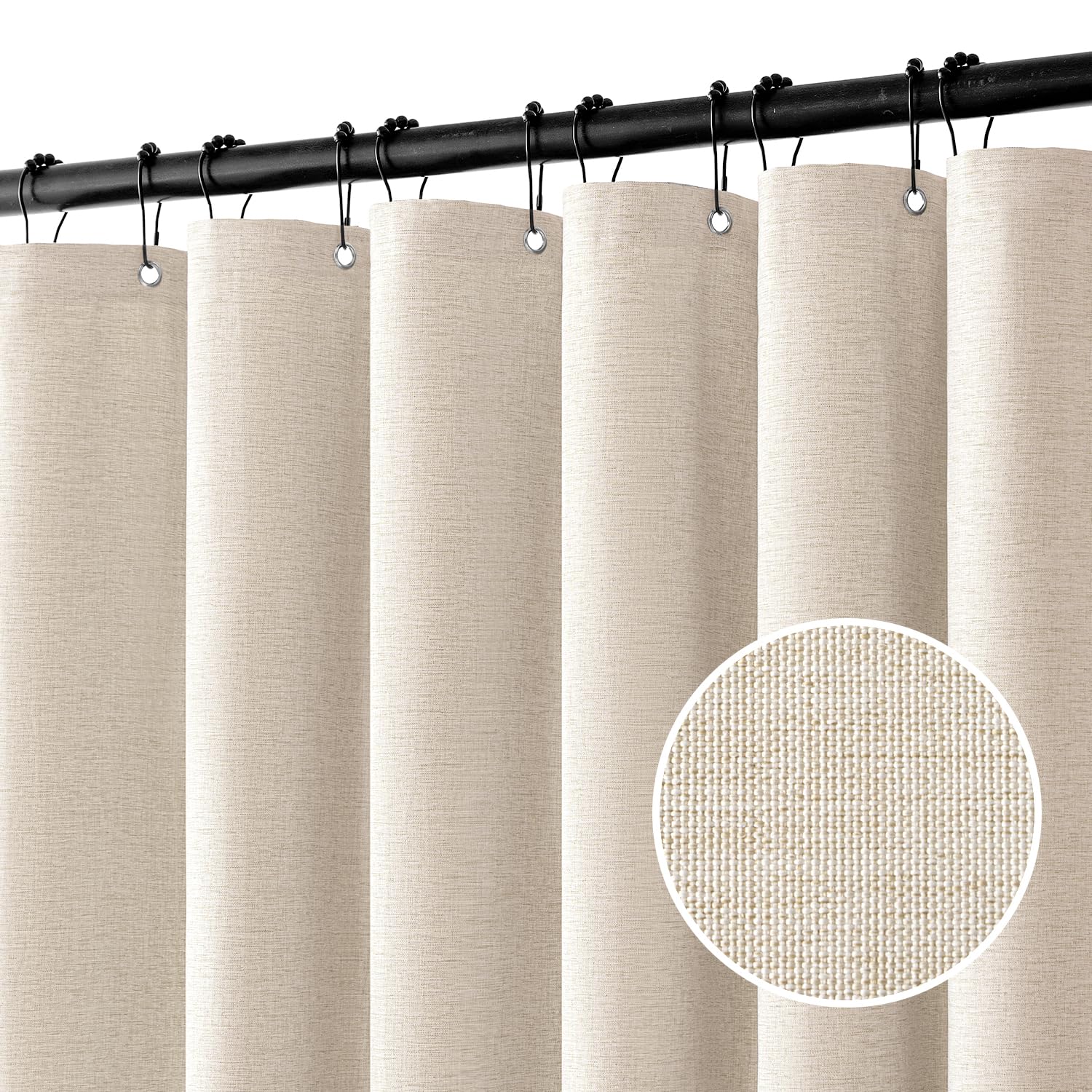
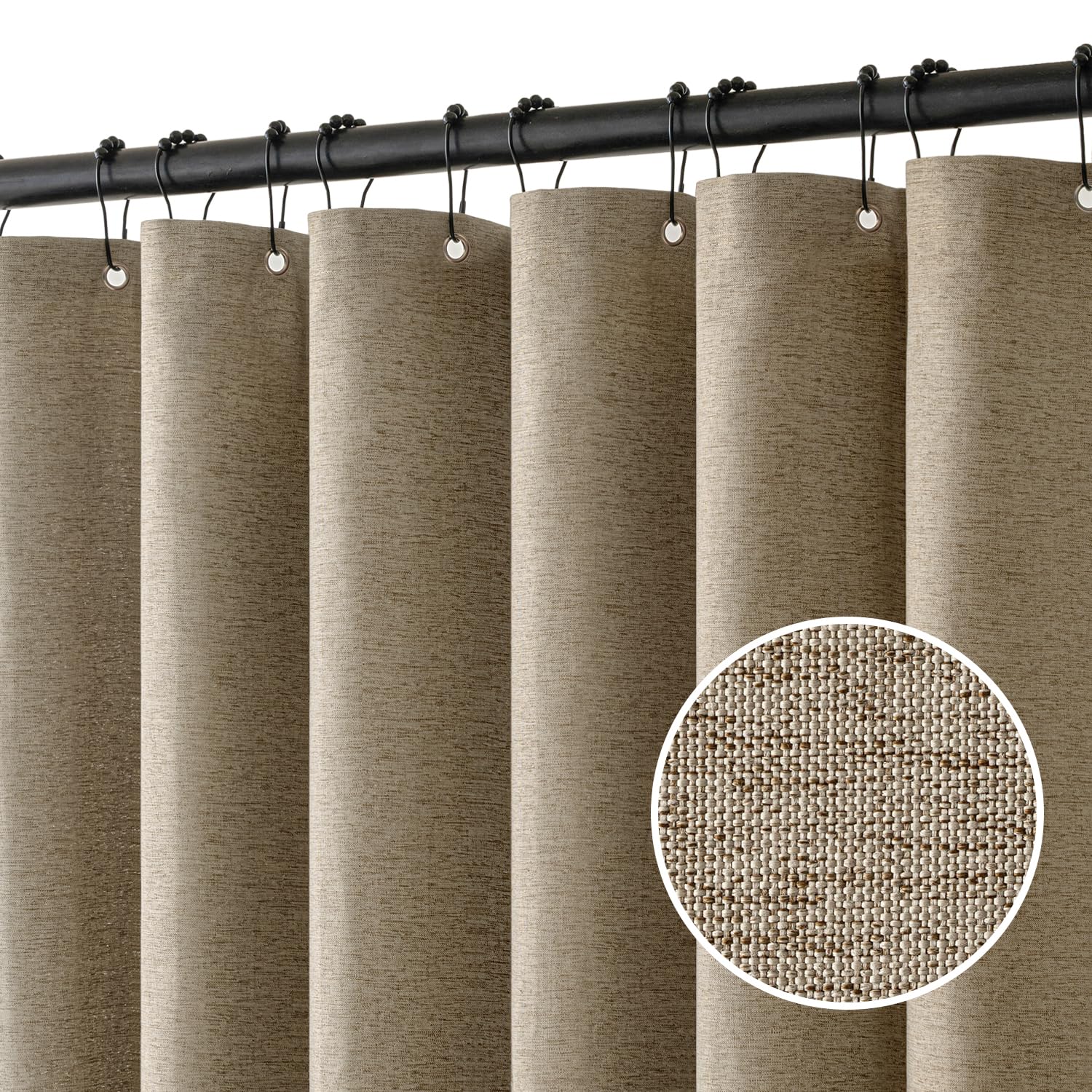
Cream Beige Faux Linen Fabric Shower Curtain |
| Color |
Cream beige reference shade; production color subject to physical approval |
| Material |
Polyester with a linen-look surface; final fiber specification to be confirmed |
| Style | Natural Look / Neutral Bathroom Décor |
| Size |
Reference variant 72 inches wide by 90 inches long; order dimensions subject to confirmation |
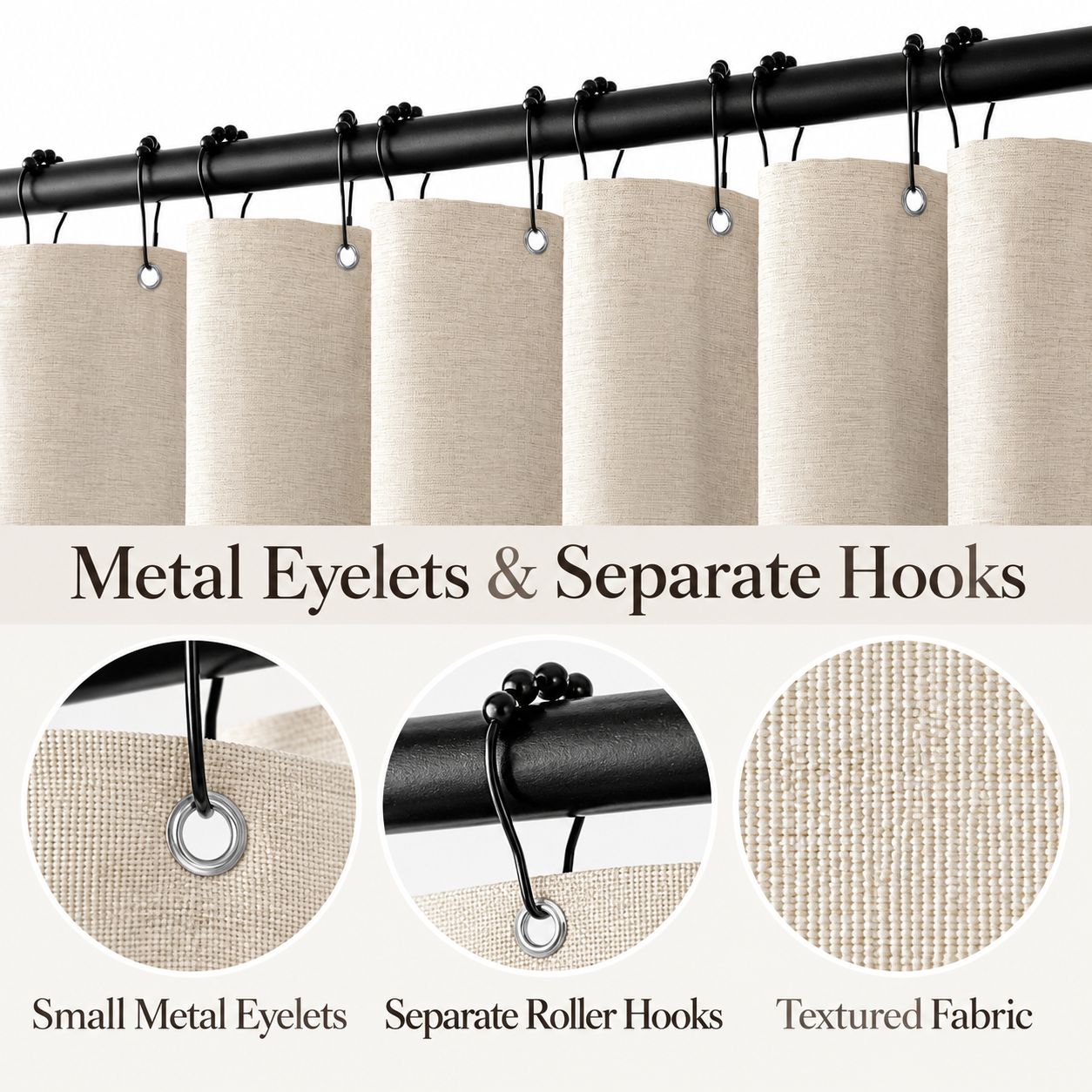
| Package | 1 Shower Curtain with Snap-in Liner / Custom Packaging Available |
| Certification | OEKO-TEX Standard 100 Available |
| MOQ | 200 |
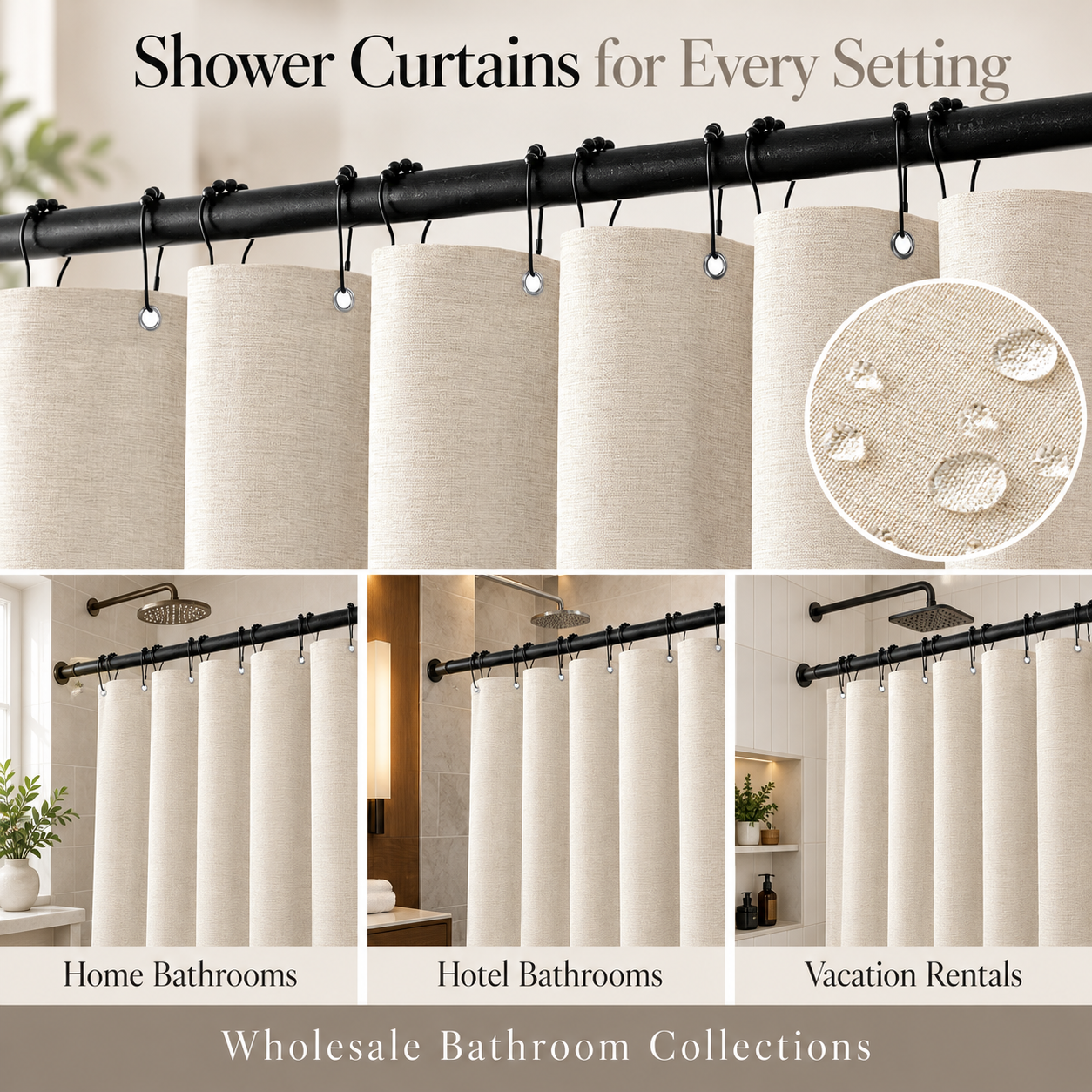
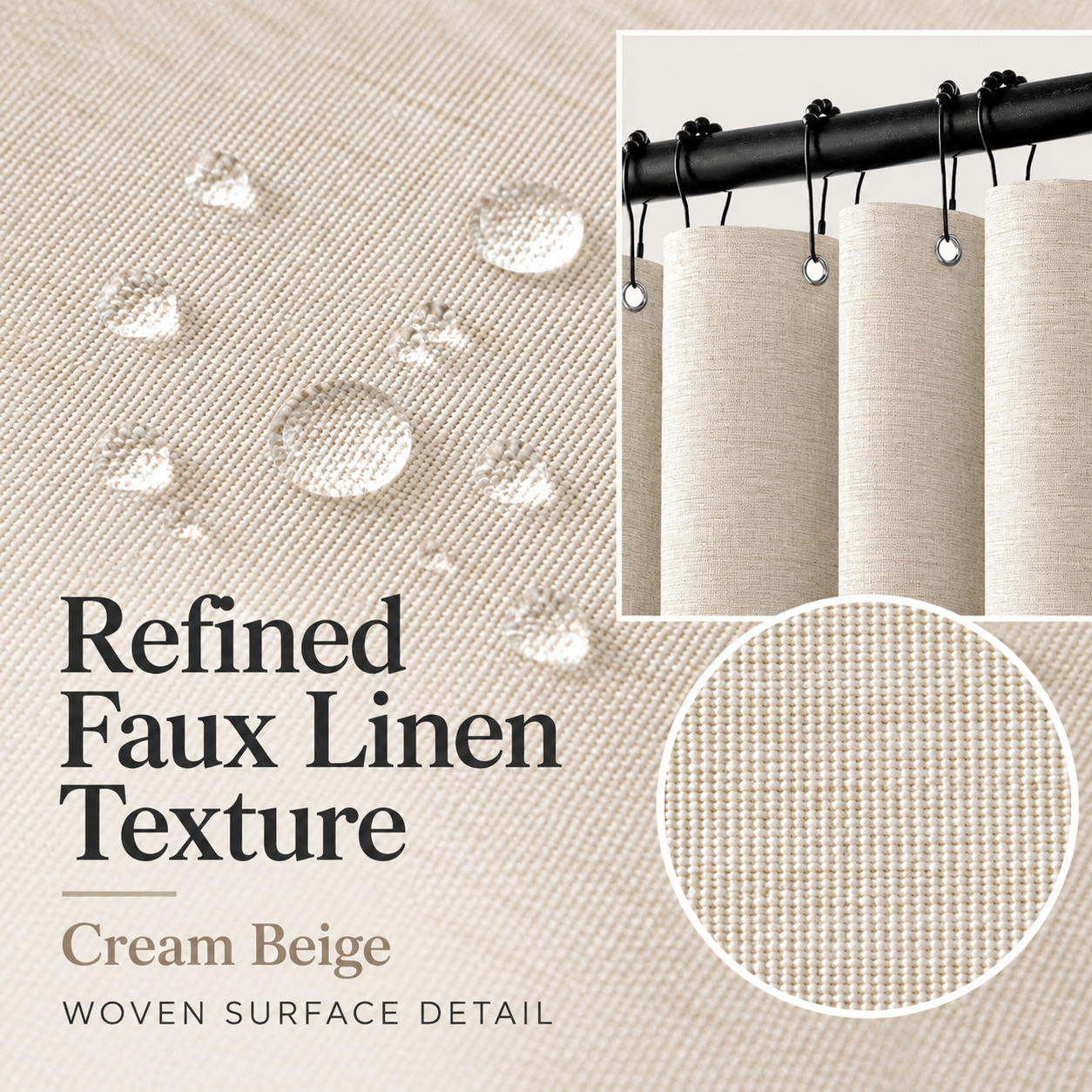
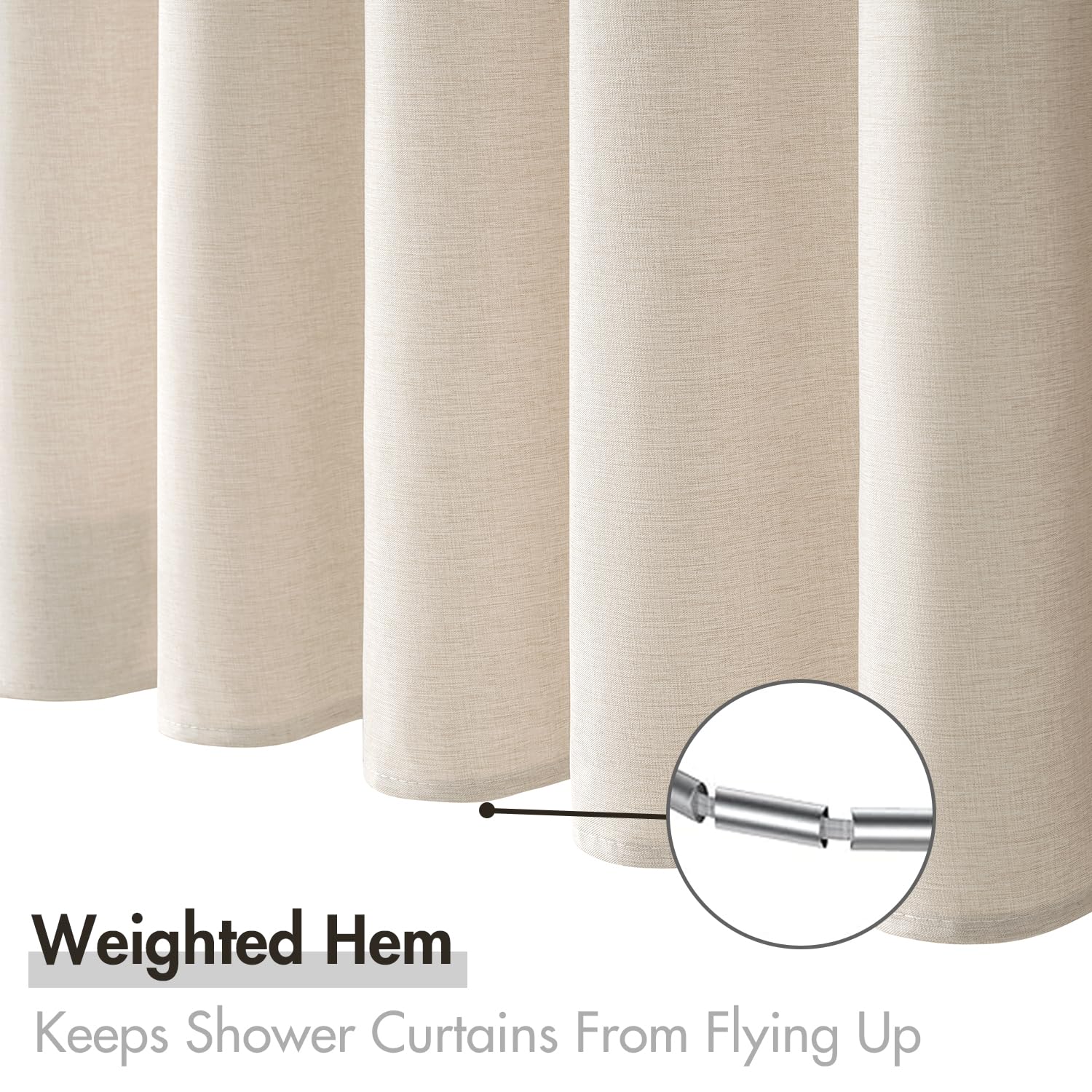
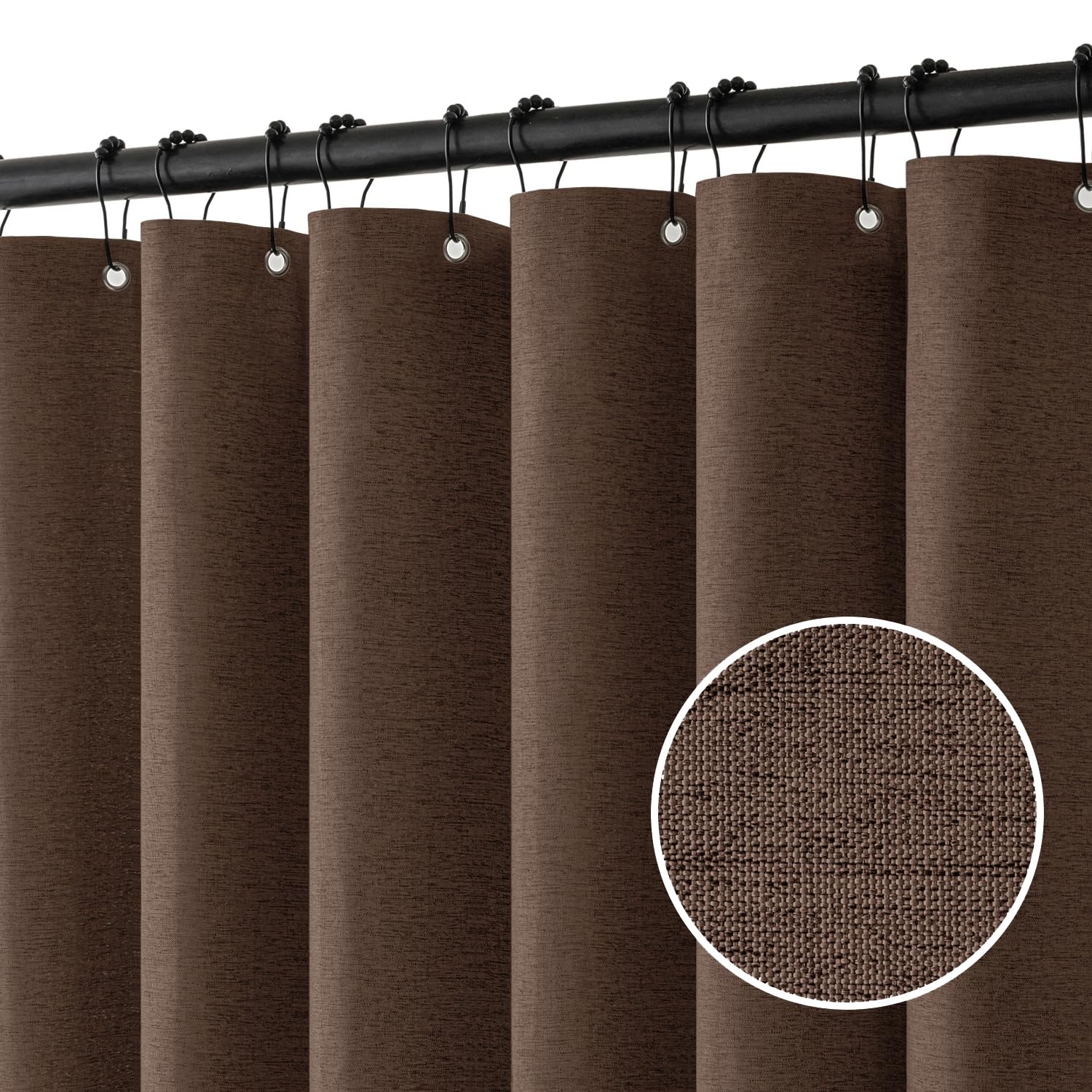
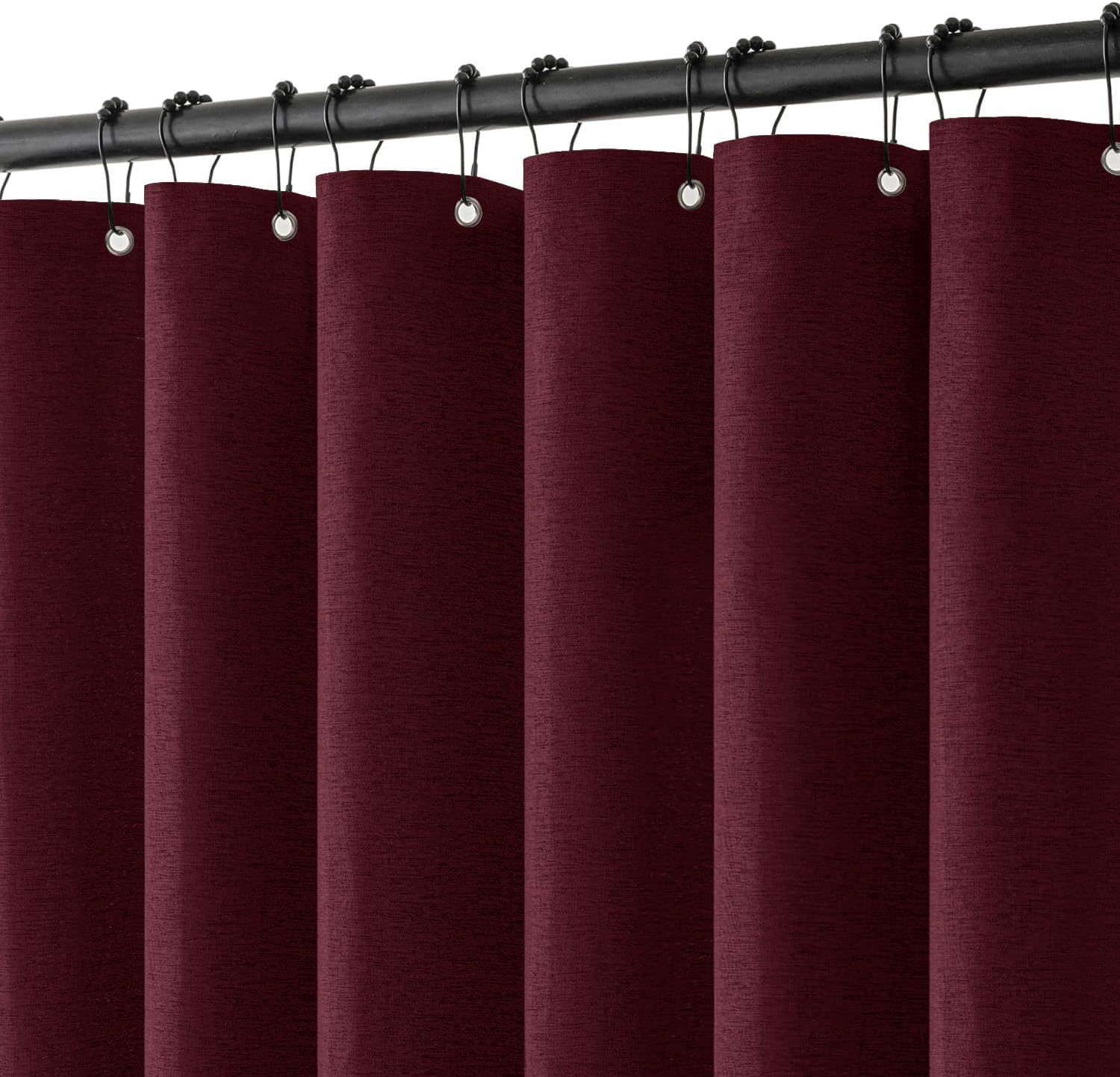
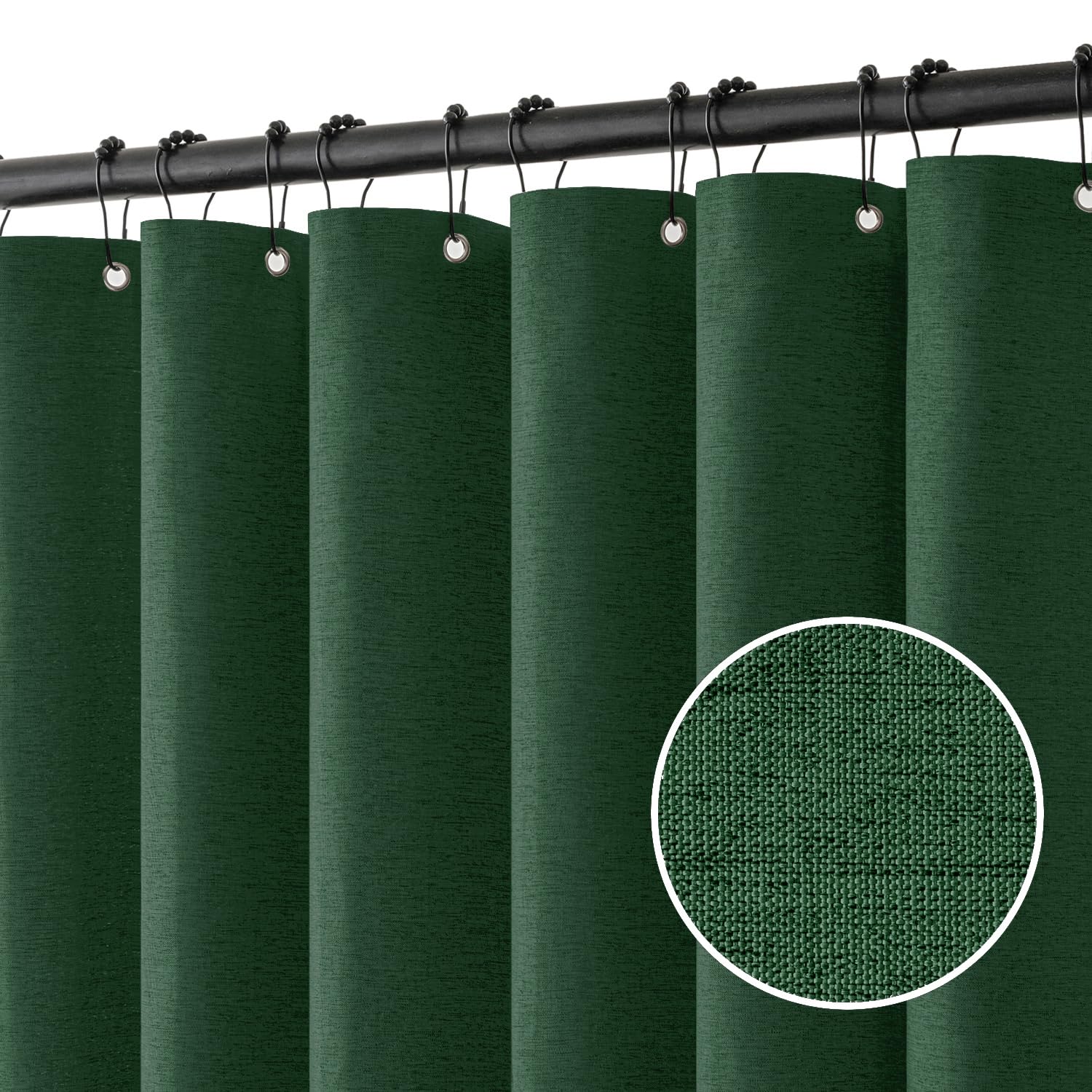
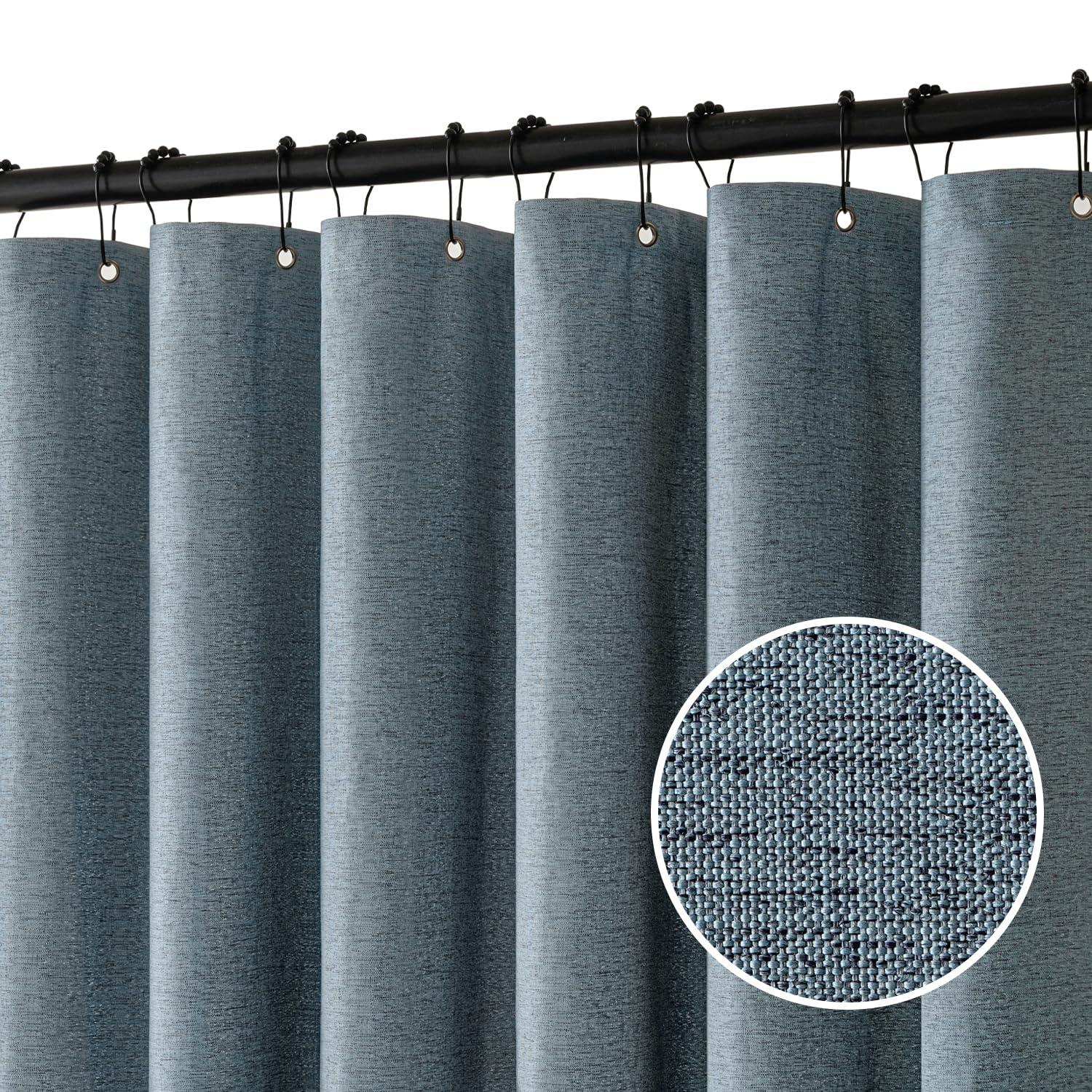
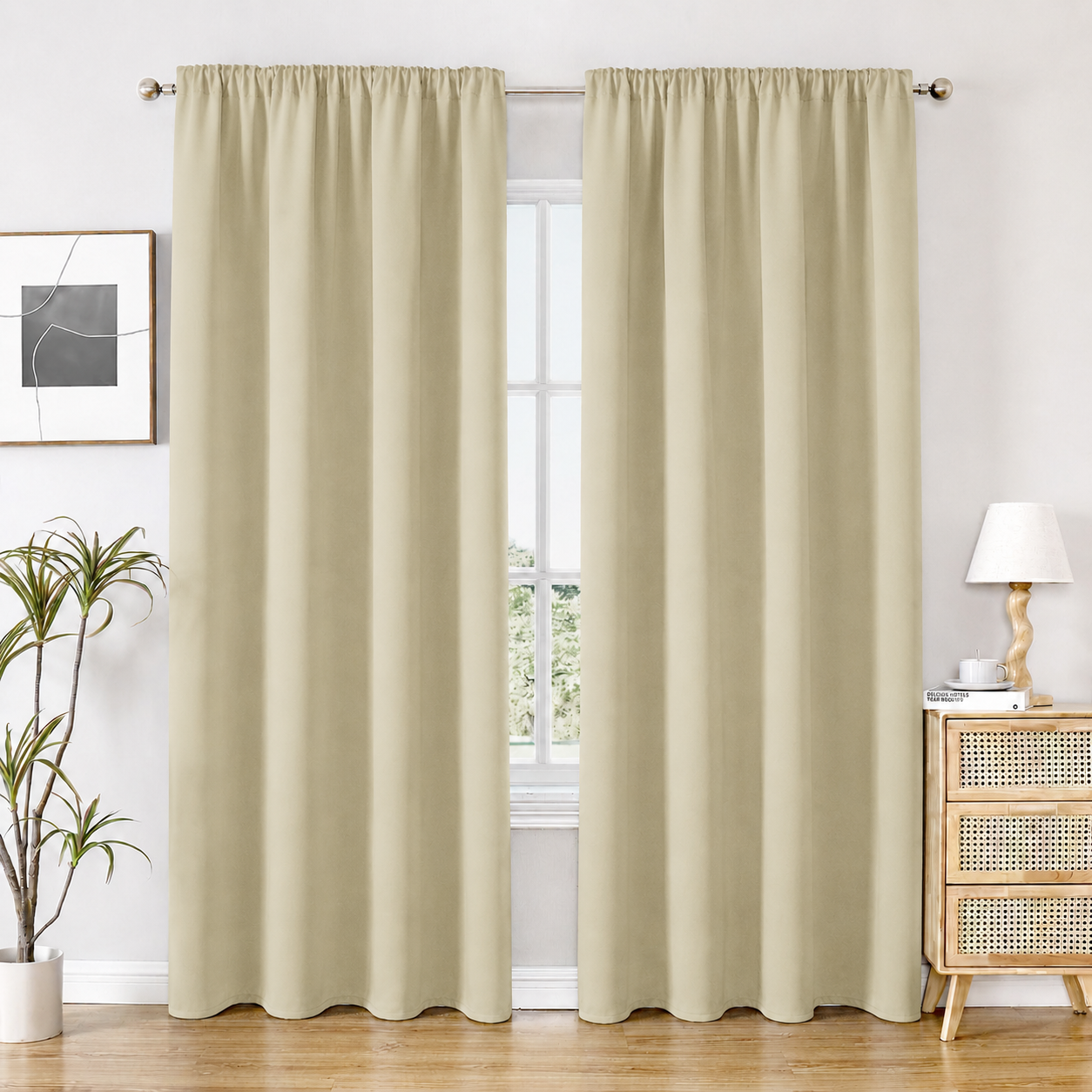
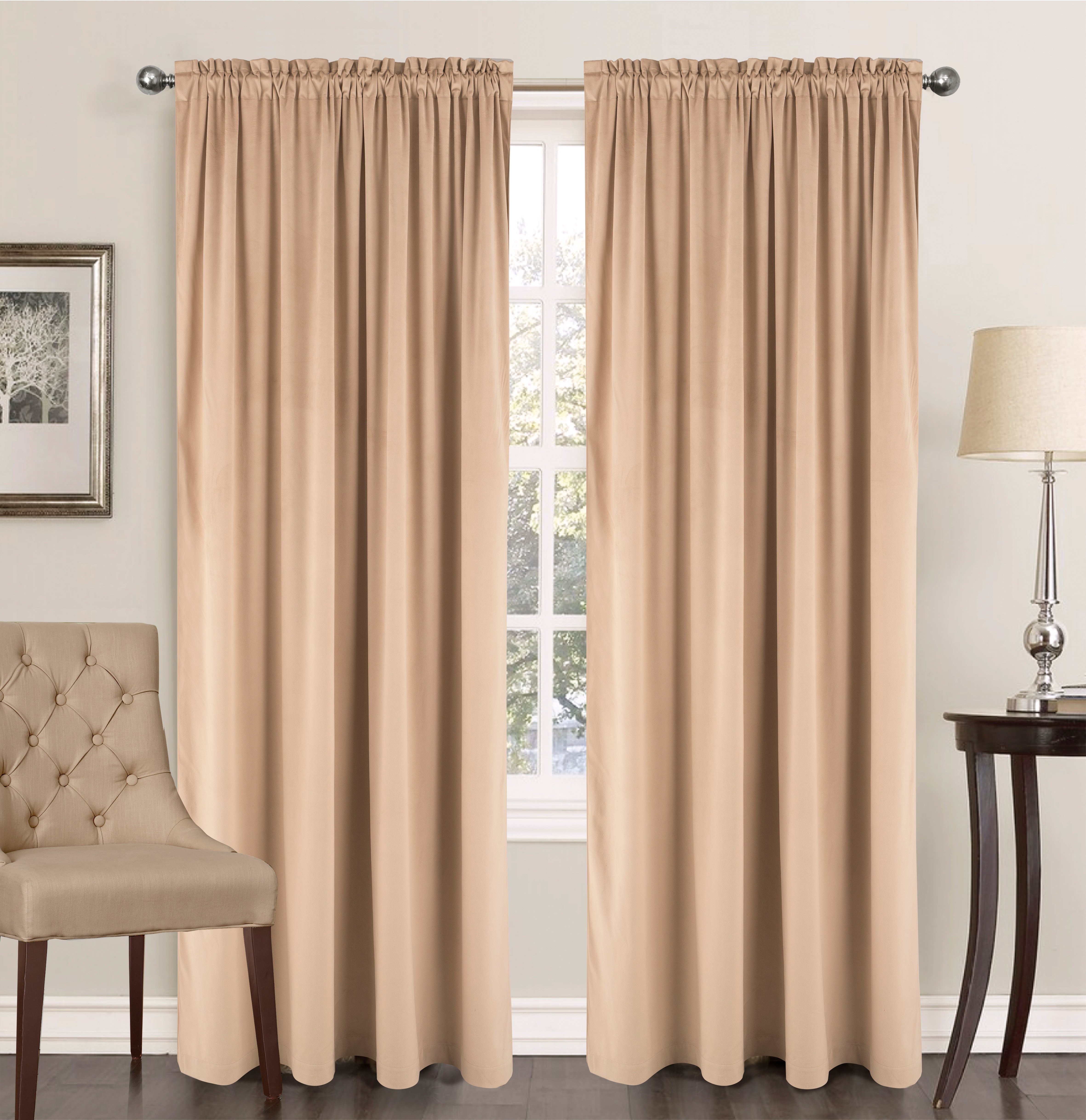
A cream beige ground and restrained linen-look weave make this shower curtain suited to bathrooms built around warm neutrals. Its surface adds a textile accent alongside smooth tiles and ceramic fittings, while the plain design leaves room for patterned towels or natural wood accessories. The reference construction is polyester with a weighted hem, offering a development direction for buyers who want a substantial fabric panel with a natural-looking face. This is a faux linen style rather than a verified natural-linen product. Water repellency, privacy and care suitability are confirmed on the selected finished sample.
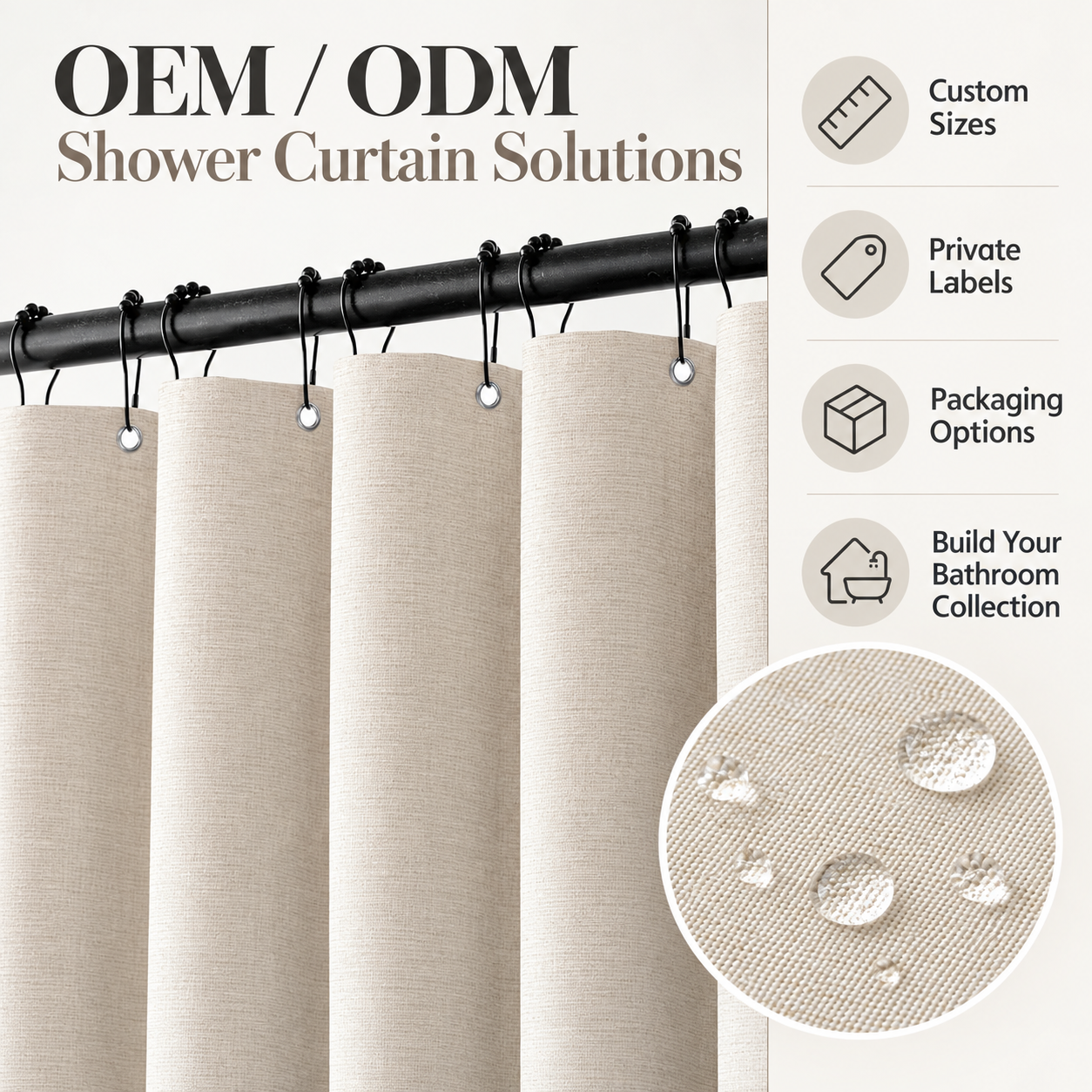
Neutral bathroom ranges require careful control of undertone and texture. Shaoxing Yingkuo Textile Co., Ltd. (EAGLEKO HOME TEXTILE) can discuss cream-shade standards, linen-look fabric options and finished-panel details as part of a buyer-specific sampling brief. One-stop sourcing can combine this bath curtain with window treatments, cushion covers and other complementary home textiles, helping buyers organize a consistent cross-category assortment. Labels, hook packs and retail presentation can be reviewed together; available customization, minimum quantities and lead time depend on the approved material and order plan.
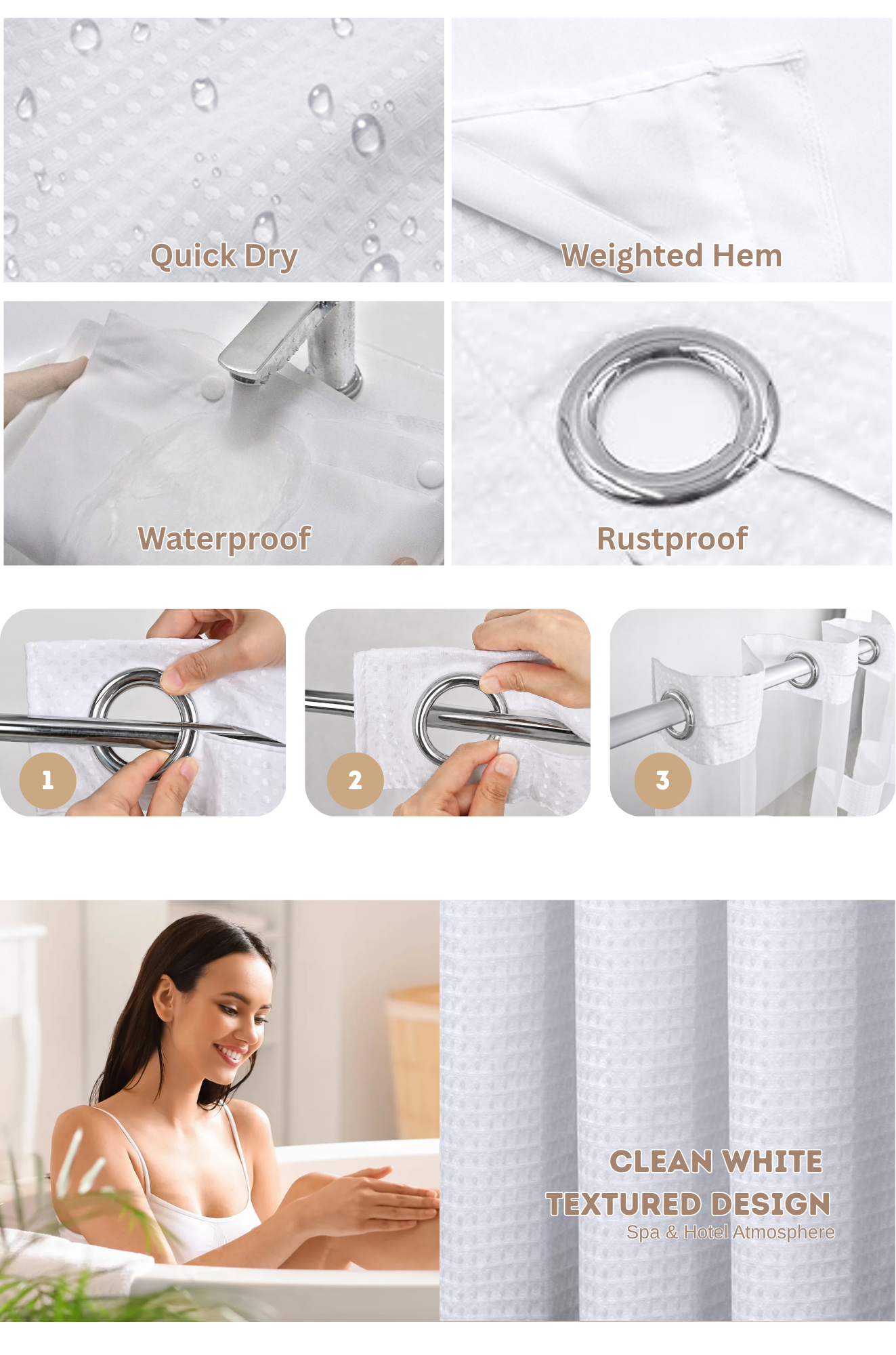
Warm Neutral Bathrooms — Coordinate the cream beige face with off-white tiles and wood accents.
Natural Look Retail Collections — Offer linen-look texture for buyers seeking a plain decorative bath panel.
Guest Bathroom Styling — Create a quiet textile background for coordinated towels and accessories.
E-commerce Home Ranges — Show the weave at close range and present the shade under balanced lighting.
Wholesale Bath Assortments — Build defined size and color SKUs around an approved cream standard.
Hospitality Sample Programs — Assess the panel with the intended liner, installation and laundry routine.
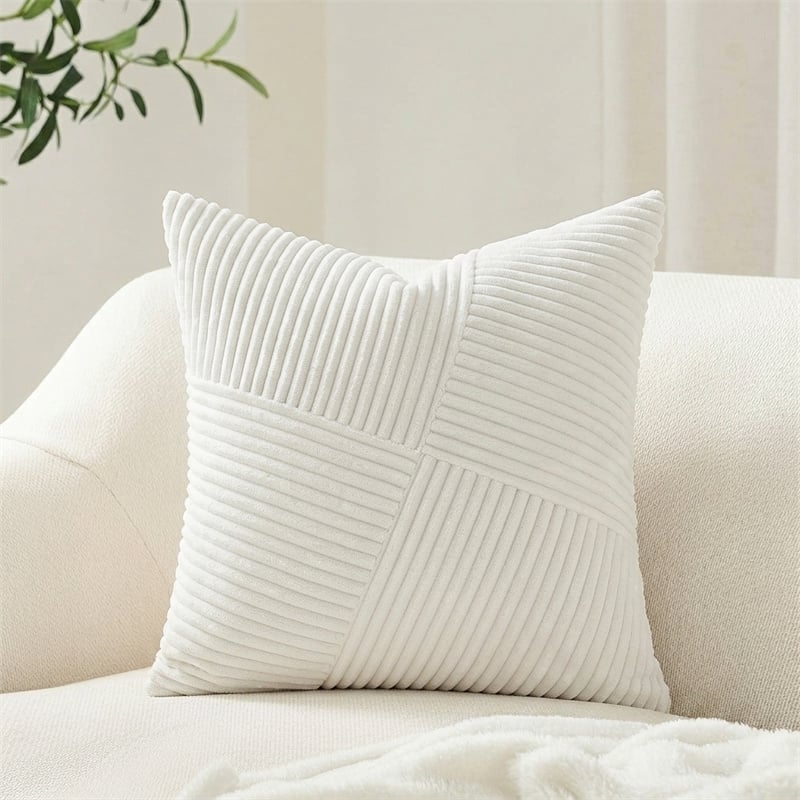
Coordinated Home Textiles — Combine neutral bath curtains with complementary products in one sourcing plan.
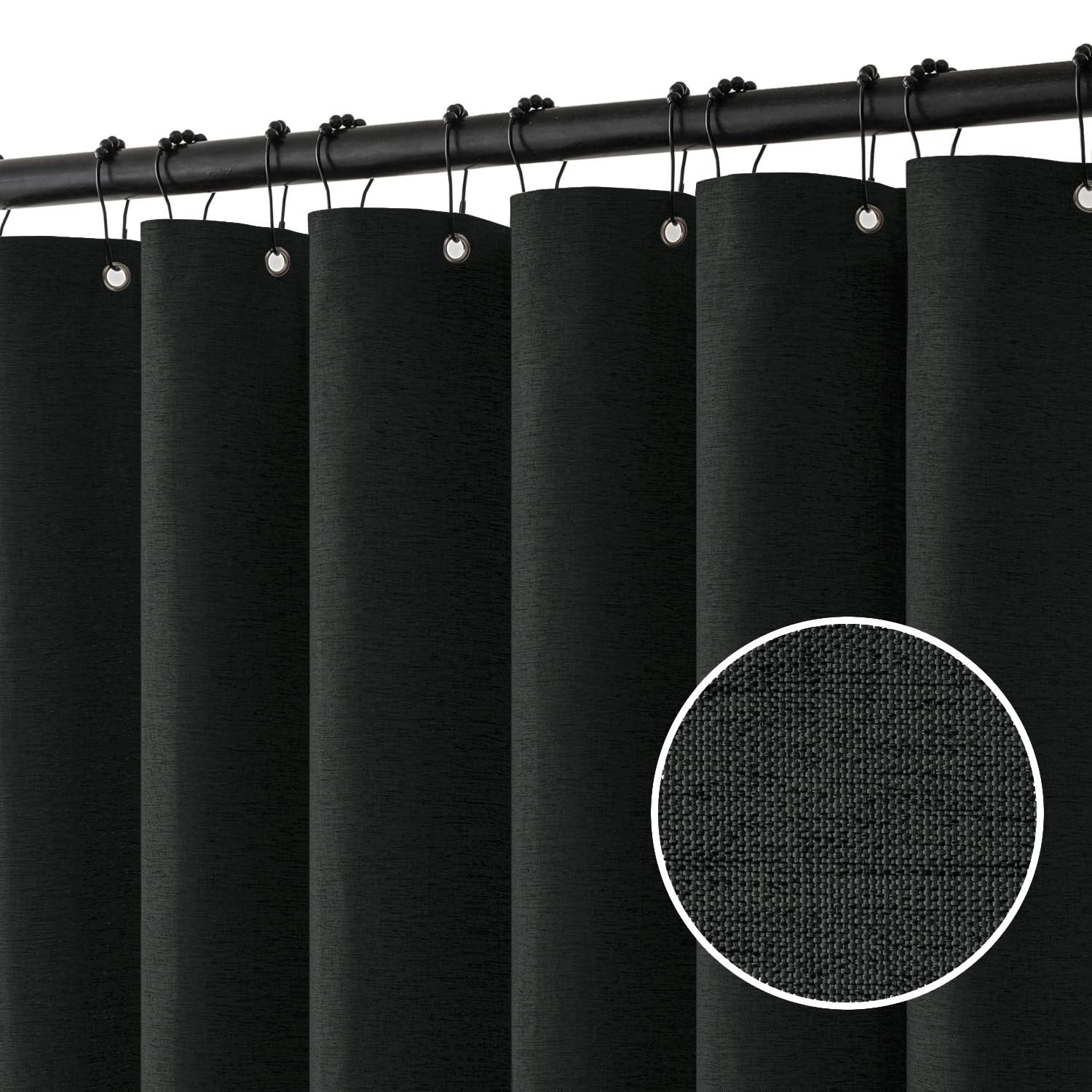
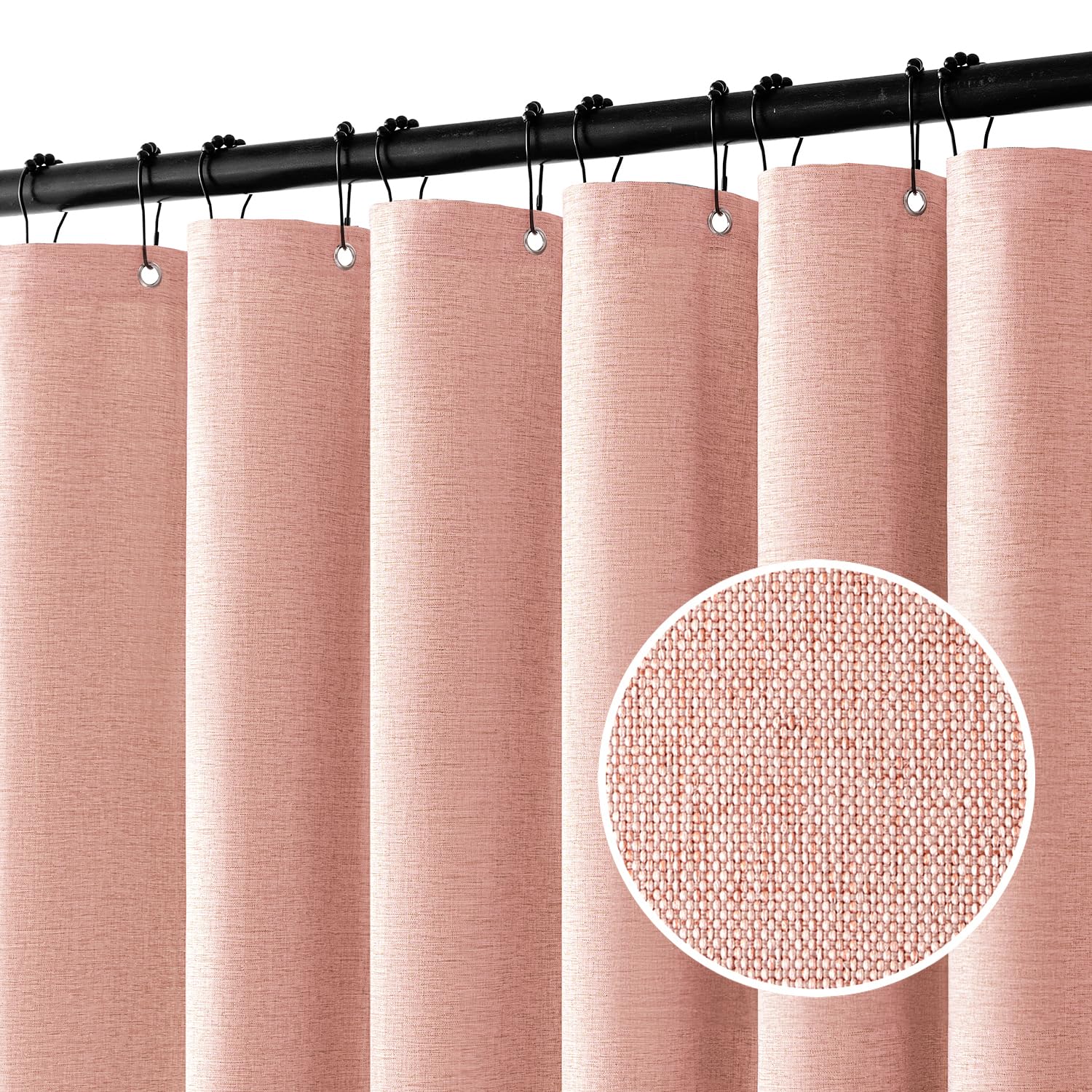
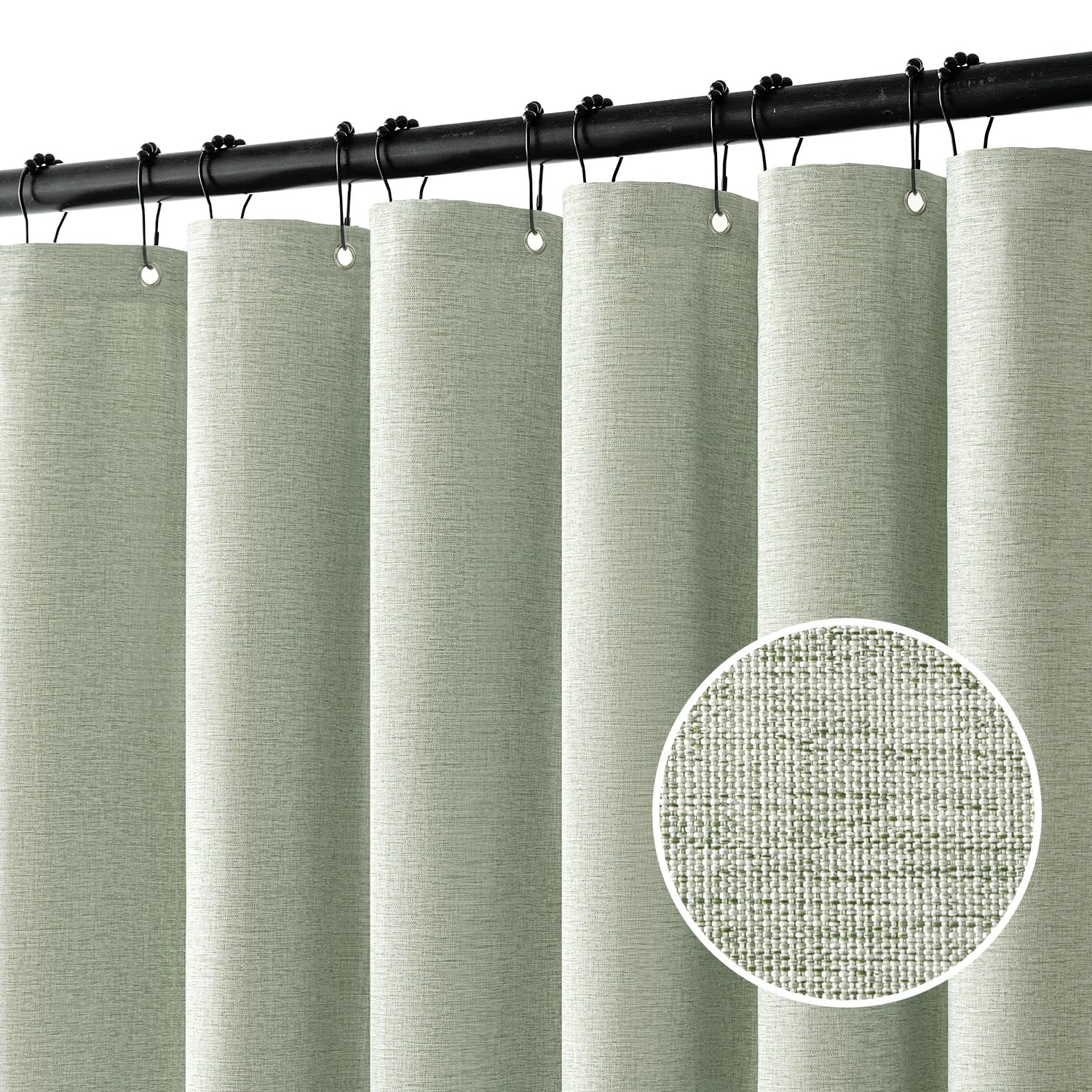
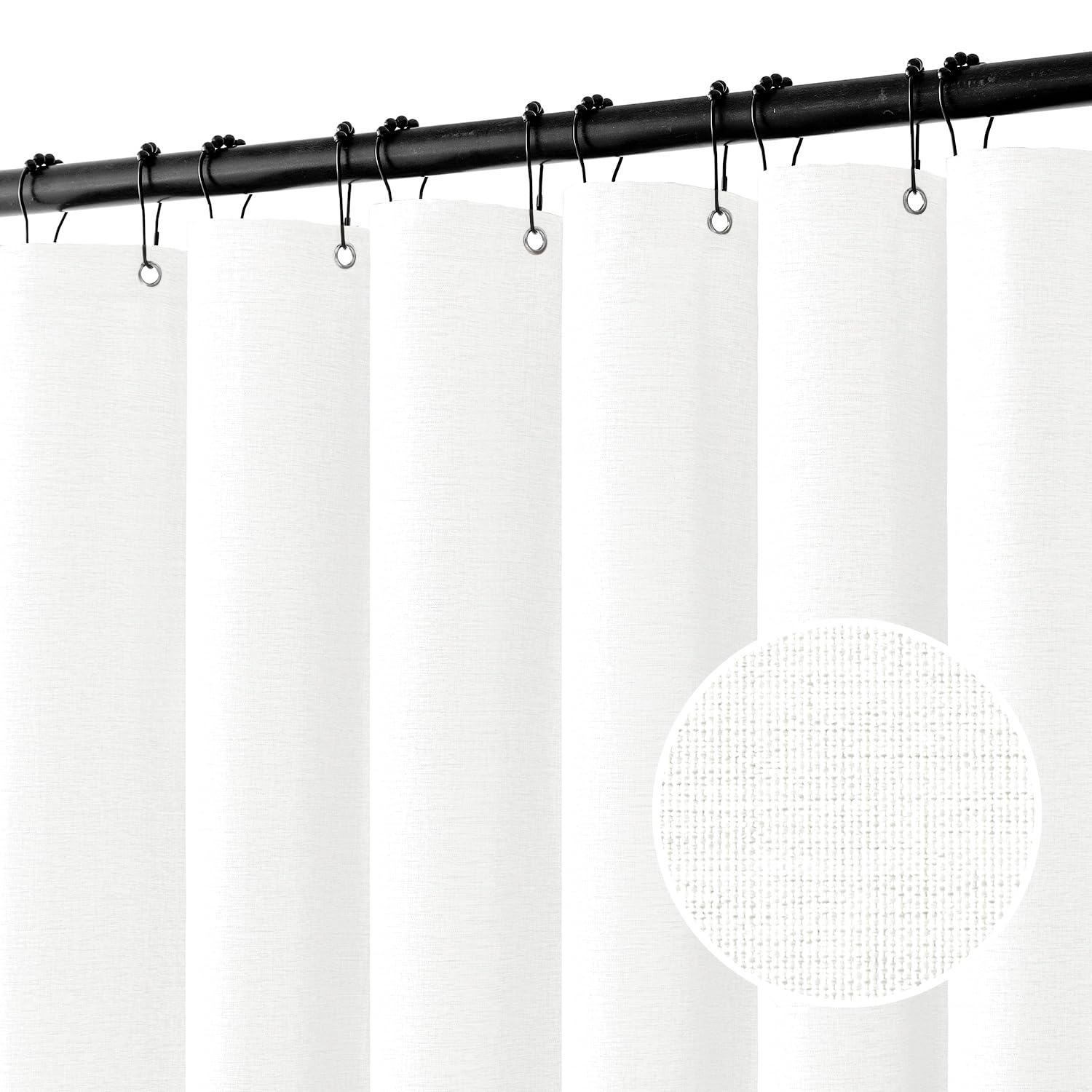
Subtle Woven Surface — A linen-look face adds visual interest to a plain-color bathroom textile.
Cream Beige Coordination — The warm neutral palette suits pale stone and natural interior finishes.
Unpatterned Presentation — A plain face provides flexibility when paired with decorative accessories.
Polyester Fabric Direction — The reference uses a synthetic linen-look construction; confirm the selected bulk specification.
Hem Development Options — A weighted finish may be reviewed during sampling to establish the desired drape.
Extended Panel Planning — Length can be specified around the installed hook position and base clearance.
Retail Pack Coordination — Curtain, accessories and care information can be developed as an agreed set.
Q1: How should linen-look terminology be handled on labels and product pages?
A: Separate appearance from fiber composition. A slubbed or textured face does not establish flax content. Confirm the yarn specification and any required composition testing, then use faux linen or linen-look wording where appropriate. Keep the title, fiber label and packaging consistent.
Q2: What distinguishes an intended slub from a fabric defect?
A: Approve reference swatches showing the expected yarn variation and the acceptable distribution of thicker sections. Identify unacceptable hard knots, broken ends or isolated streaks separately. Inspect a full panel because a small swatch may not reveal repeated bars or uneven texture across the width.
Q3: Why is cream beige difficult to approve from photographs?
A: The apparent undertone changes with lighting, adjacent tiles and camera white balance. Approve a physical standard under the buyer’s agreed light sources and compare bulk lots against it. Keep a sample with both shade and texture intact rather than relying on a digital color value alone.
Q4: How can buyers assess appearance after the fabric becomes damp?
A: Trial a finished sample with representative splash exposure and review temporary darkening, patchy wetting and recovery after drying. Repeat after the proposed care cycle. These observations help define care and usage instructions but do not establish mold resistance or waterproof performance.
Q5: Which checks show whether a water-repellent finish survives cleaning?
A: Agree on the claimed performance, a suitable test method and the number and conditions of wash pretreatments. Compare initial and post-wash results on the actual fabric. A demonstration of droplets beading on a new panel is insufficient evidence for a durable waterproof claim; specify a liner if required.
Q6: Can a pale faux linen curtain provide reliable privacy without a liner?
A: Assess the selected fabric against strong backlighting and repeat the viewing check when damp. Pale color and a dense hand feel do not by themselves establish opacity. Define an acceptable silhouette visibility under agreed conditions before deciding whether the panel needs a separate privacy liner.
Q7: What should be reviewed at hems on a visibly textured plain curtain?
A: Inspect side seams for puckering and bottom hems for waviness, since a quiet surface can make irregular edges conspicuous. Compare the panel hanging freely after conditioning. If an insert is used, confirm its enclosure and distribution so it does not create uneven tension or distort the lower edge.
Q8: How can neutral stock be kept consistent for later replenishment?
A: Retain an approved finished sample and record the fabric, shade, finishing and accessory specifications. Define how new dye lots will be approved before they are mixed with existing inventory. Review texture and hand feel alongside color so a replenishment does not appear to be a different product.
 EN