| Product Name |
Double Layer Blackout Grommet Curtains |
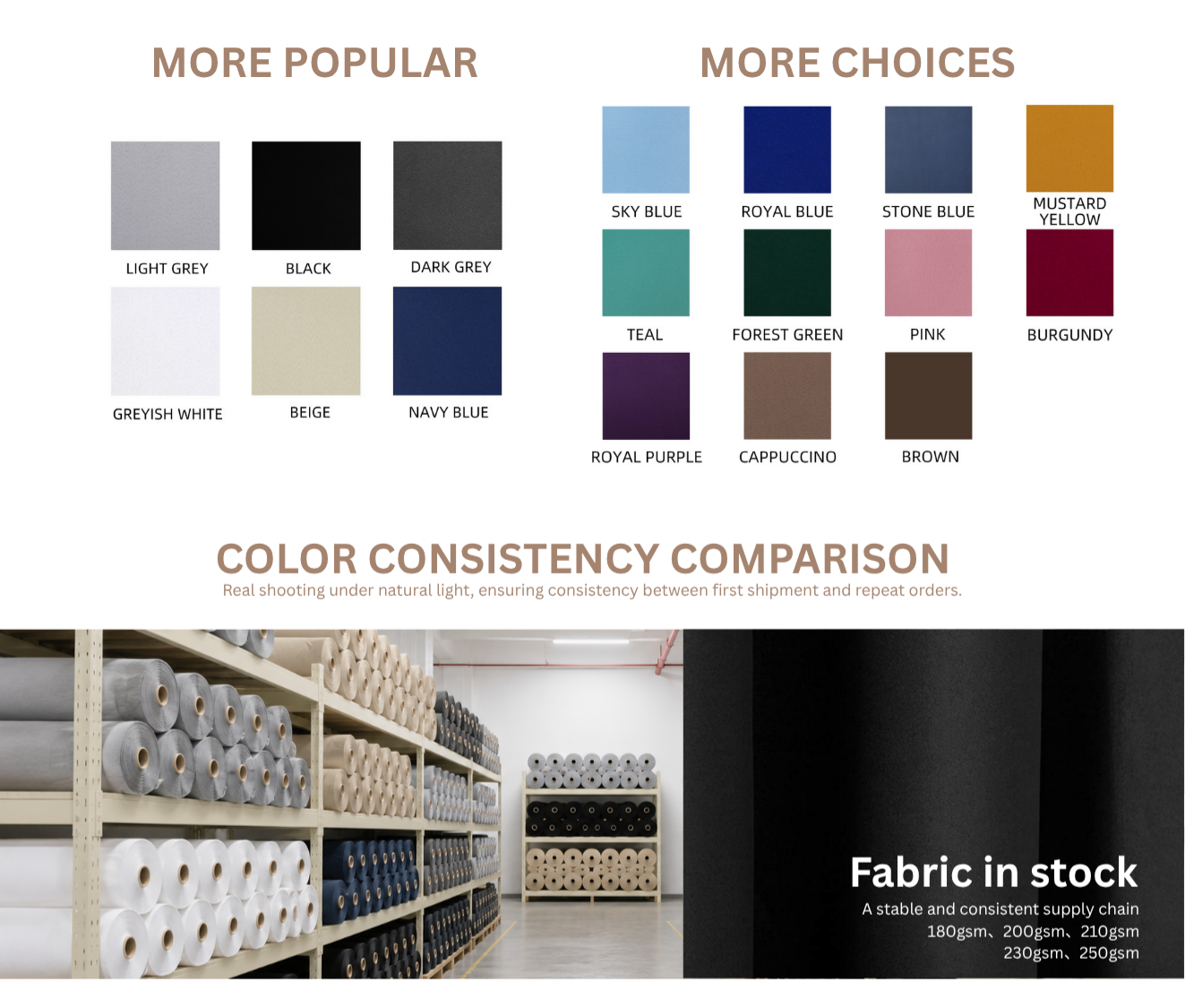
| Color | White / Custom Colors Available |
| Material | 100% Polyester |
| Fabric Weight | 180gsm / 200gsm / 210gsm / 230gsm / 250gsm |
| Size | 52×63 in / 52×72 in / 52×84 in / 52×90 in / 52×96 in / 52×108 in |
| Package | 1 Panel / 2 Panels per Set / Custom Packaging Available |
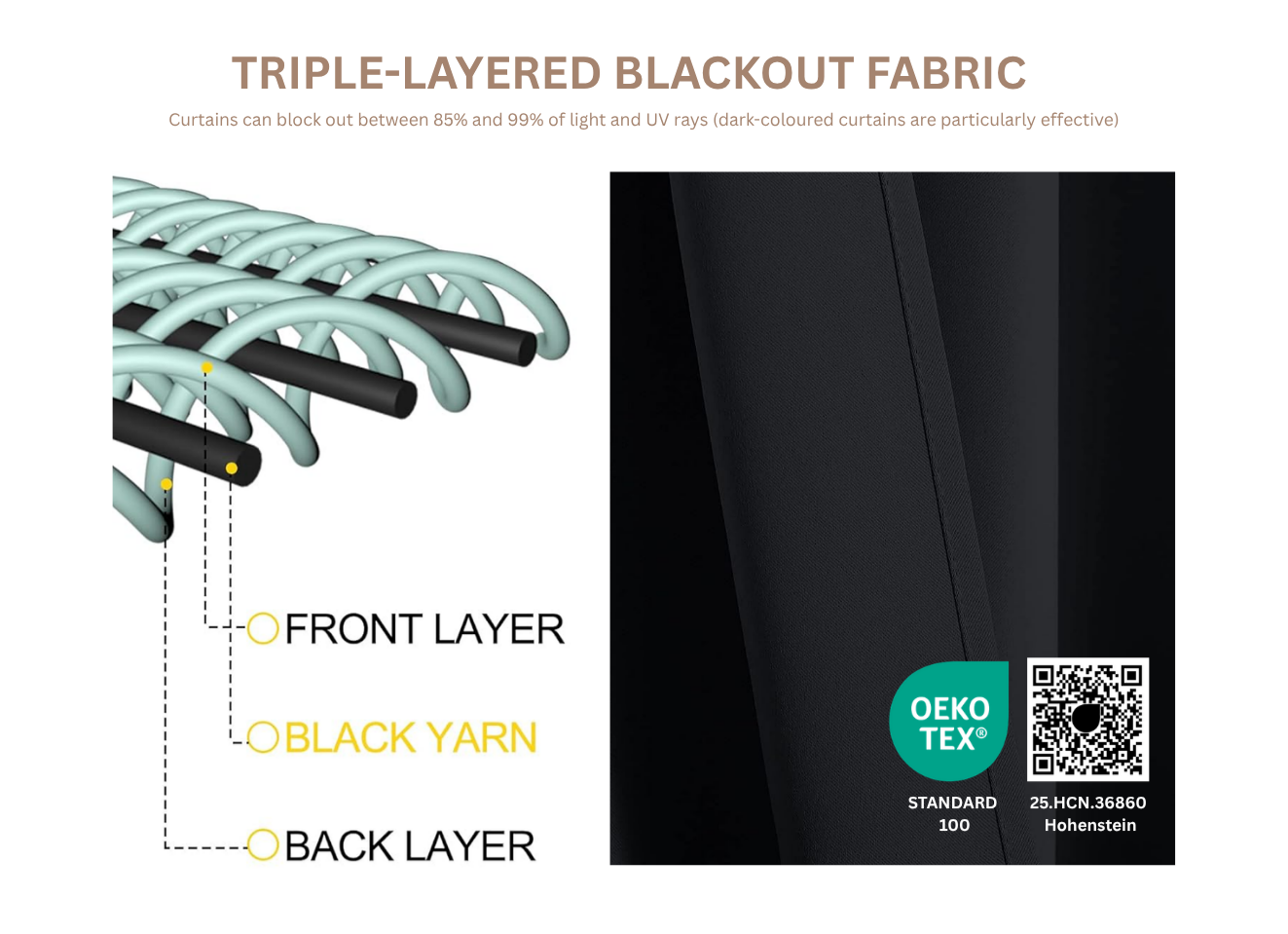
| Certification | OEKO-TEX Standard 100 |
| MOQ | 200 |
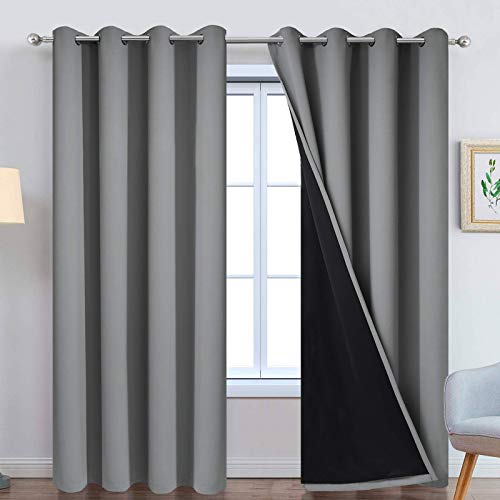
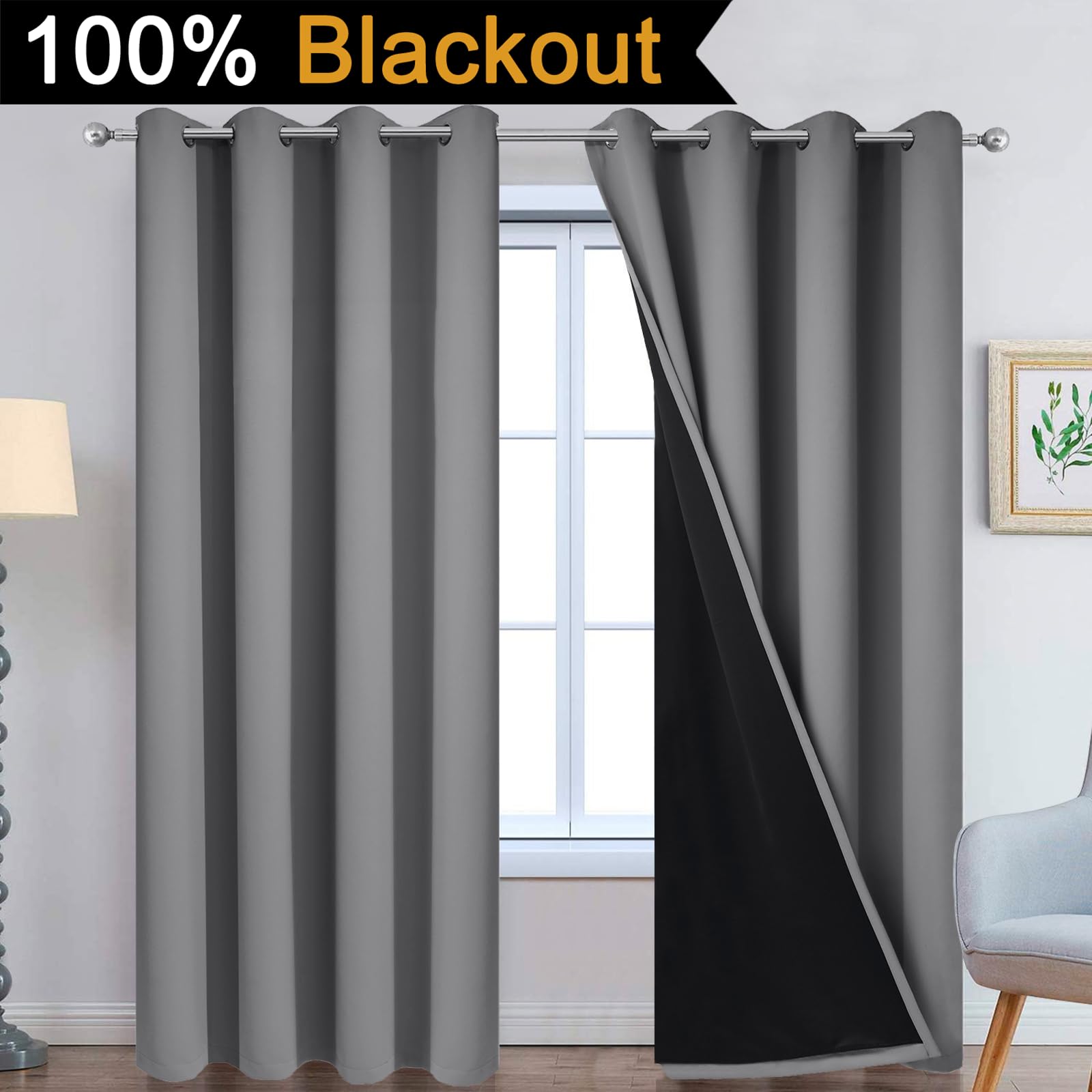
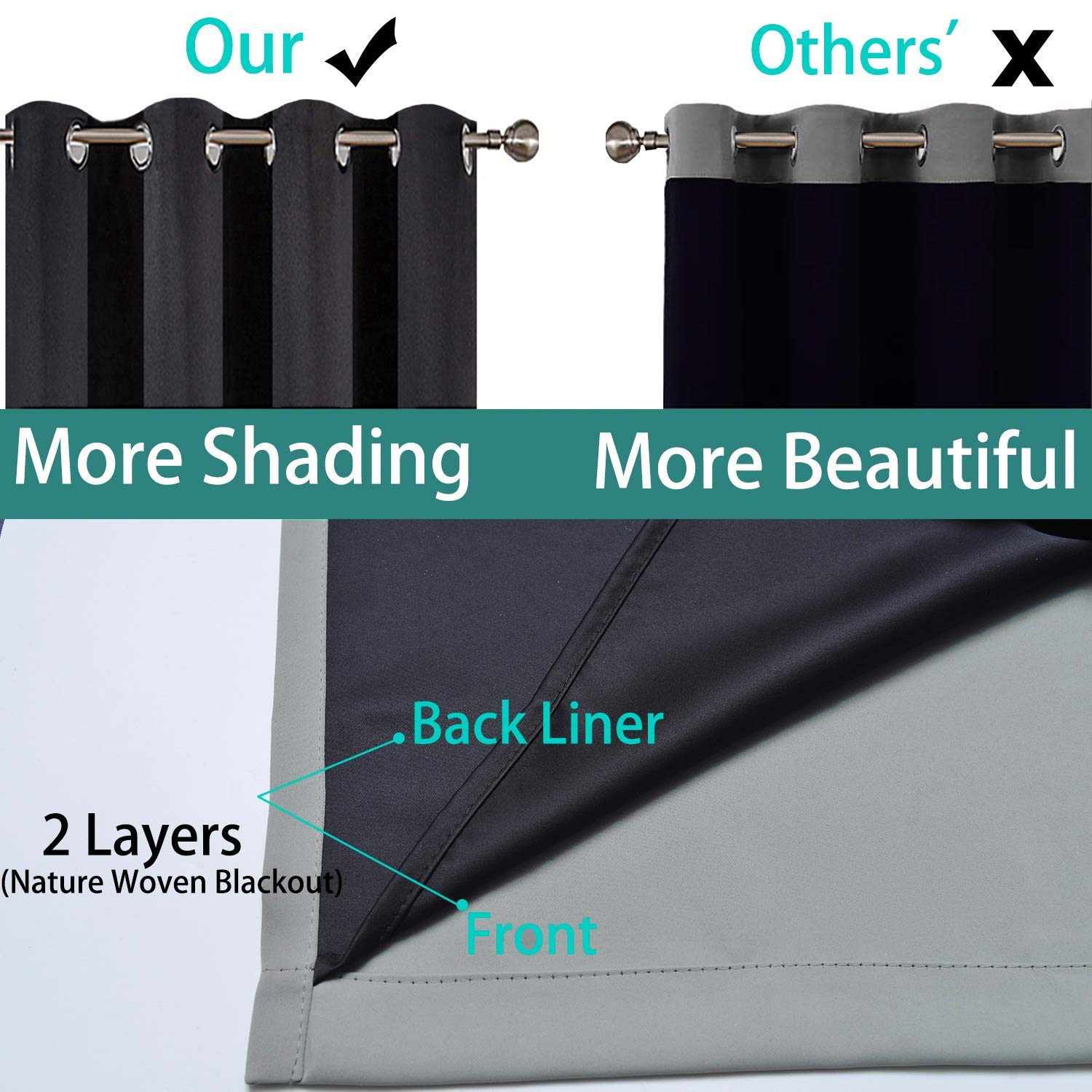
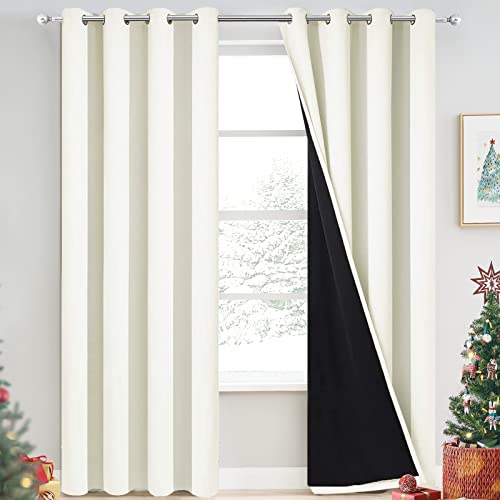
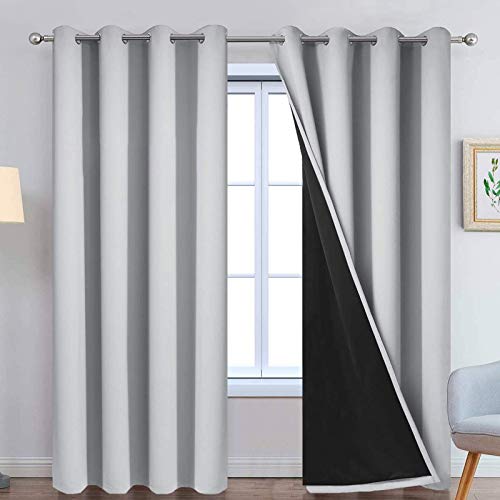
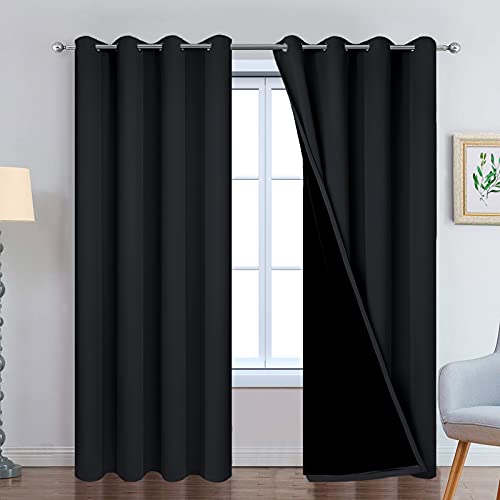
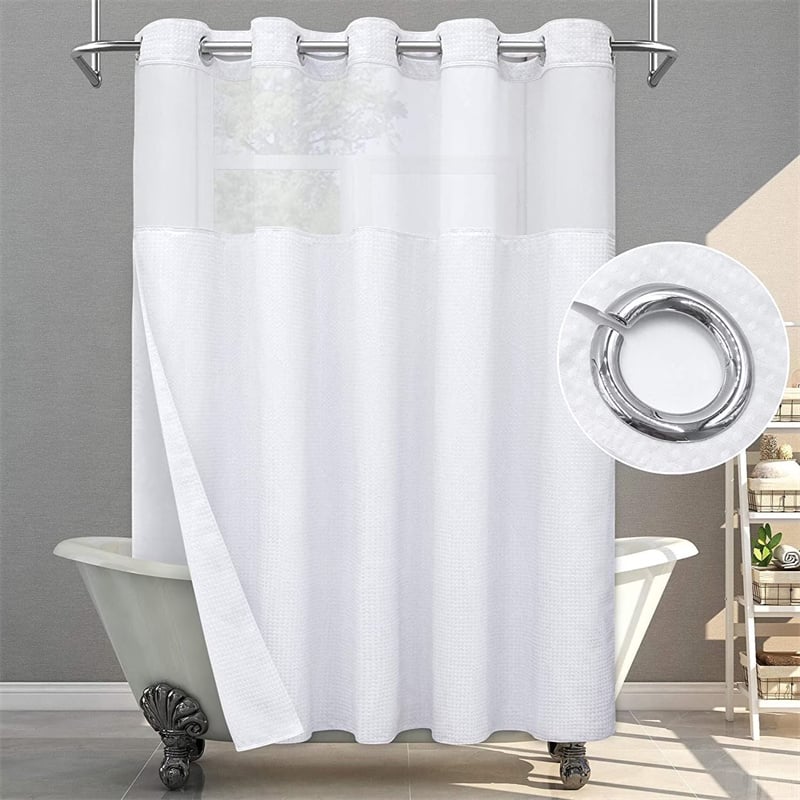
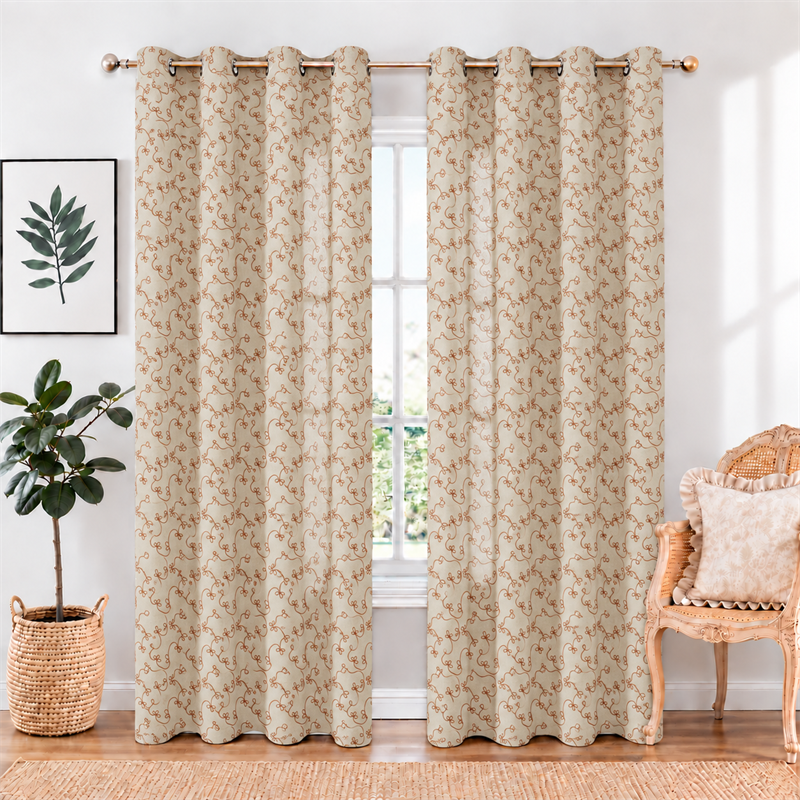
Double Layer Blackout Grommet Curtains pair a decorative front fabric with a separate light-blocking backing, creating a window treatment built for stronger room darkening and privacy. Unlike a single decorative panel, the layered construction separates the outward appearance from the functional lining, allowing buyers to specify the desired face color and lining solution. The grommet header forms broad folds on a compatible curtain rod, making this design suitable for bedrooms, media rooms and living areas where light control matters.
Shaoxing Yingkuo Textile Co., Ltd. supports EAGLEKO double-layer curtain programs through coordinated fabric selection, liner construction, stitching specifications, grommet finishing, measurement control and retail presentation. For wholesalers, importers and e-commerce brands, development can focus on a repeatable combination of face-fabric appearance, blackout performance and finished-panel consistency rather than treating the lining as an interchangeable accessory.
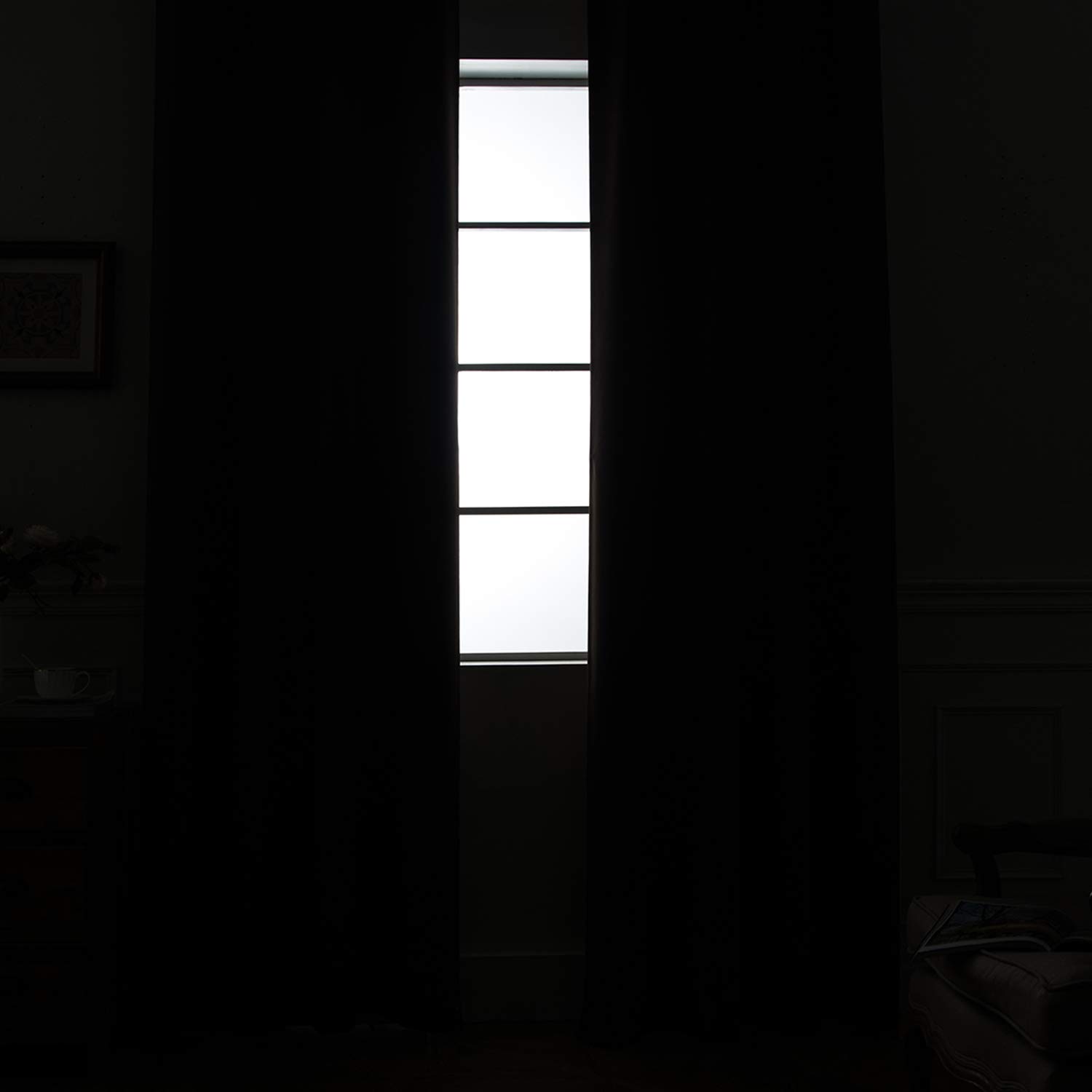
Bedroom Light Control — Layered panels help create a darker resting environment when installed with adequate window overlap.
Media Room Windows — A functional backing can help manage glare during daytime viewing.
Street-Facing Rooms — The opaque layered construction provides additional visual separation from outdoor activity.
Living Room Styling — A decorative face keeps the window treatment coordinated with furniture while the backing handles light reduction.
E-commerce Sales — A clearly defined face-fabric-and-liner construction supports product differentiation in online blackout curtain collections.
Seasonal Comfort Planning — A lined curtain may help moderate radiant heat and drafts, depending on fabric, window coverage and installation.
Retail Assortment Development — Multiple face colors can be paired with specified lining and header options for coordinated collections.
Dedicated Blackout Backing — The second layer is selected for light control instead of relying only on the appearance of the front fabric.
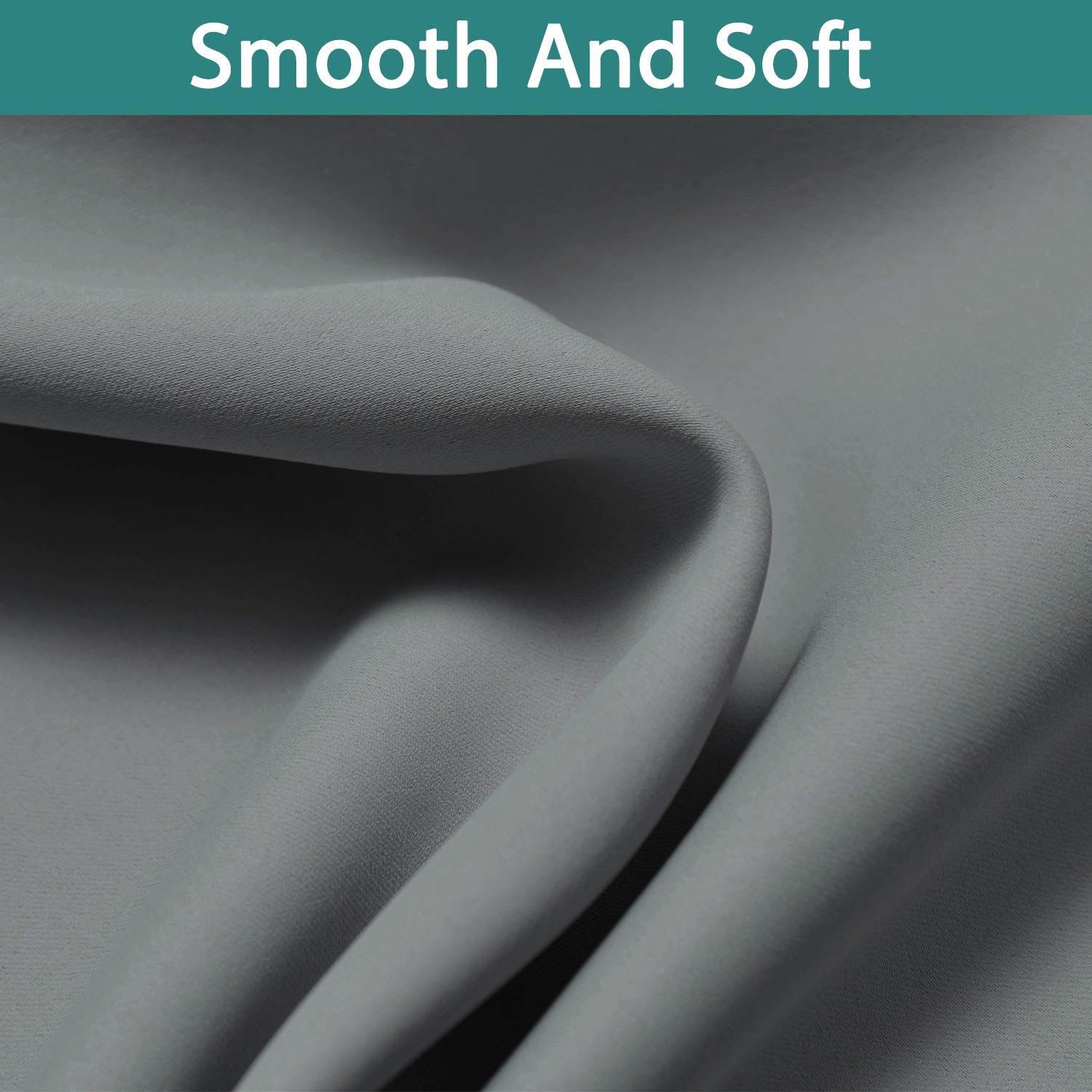
Decorative Face Flexibility — Front-fabric color and texture can be developed independently of the lining specification.
Added Privacy Coverage — Two-layer construction reduces direct visibility through the curtain when fully closed.
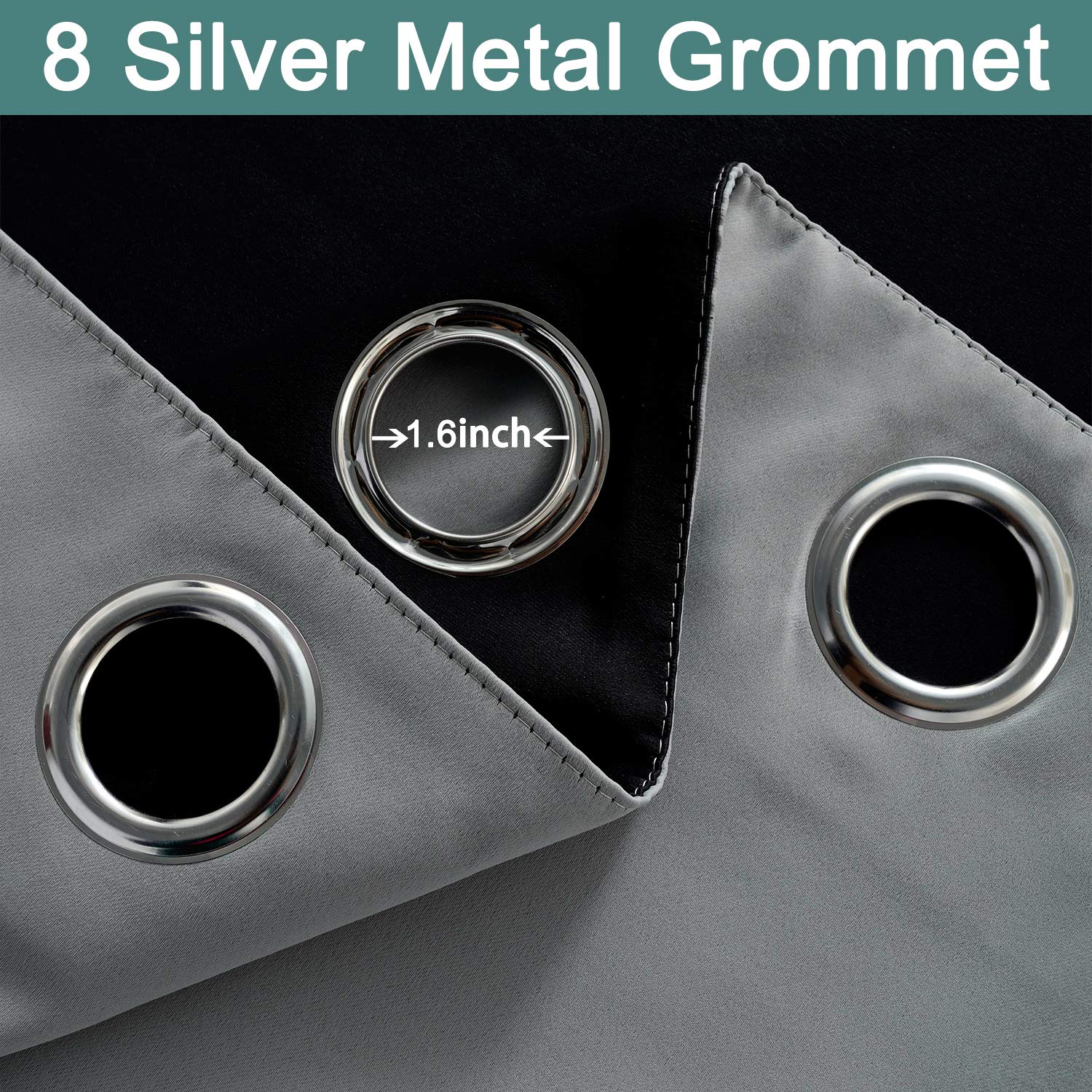
Grommet Fold Formation — Eyelet spacing supports even drape distribution and convenient movement along a compatible rod.
Window Coverage Options — Custom panel width and length allow planning for overlap, stack-back and preferred fullness.
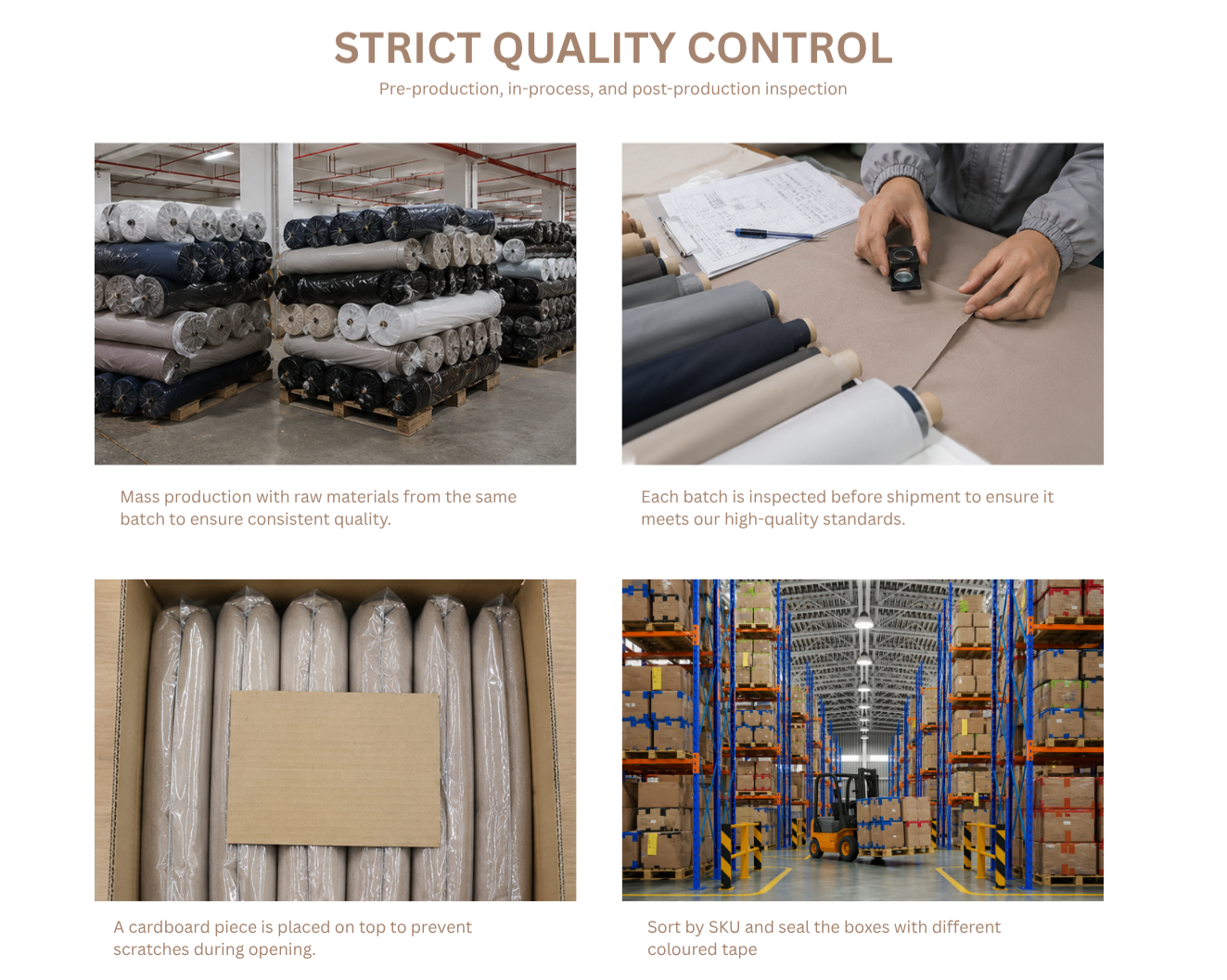
Construction-Level Quality Control — Liner alignment, joining seams, edge finishing and panel squareness can be checked during production.
B2B Collection Adaptability — Buyers can coordinate fabric, lining, header hardware, labels and packing formats for different sales channels.
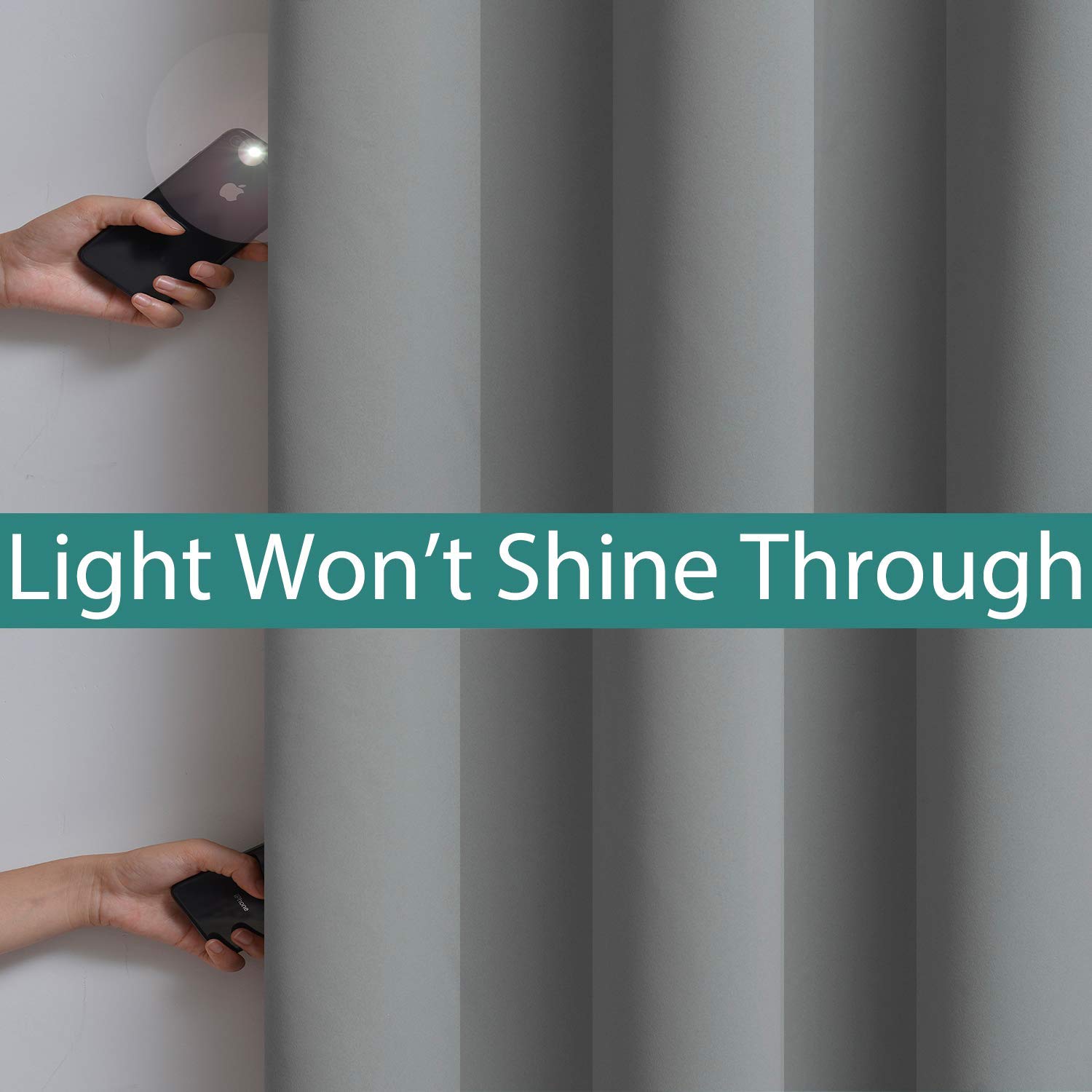
Q1: How should blackout performance be evaluated for a double-layer curtain?
A: Buyers should agree on a light-blocking test method and sample conditions before confirming any percentage claim. Actual room darkness also depends on installation gaps, panel overlap and surrounding window hardware.
Q2: What is the advantage of a separate blackout lining compared with a coated face fabric?
A: A separate lining lets the decorative face and functional backing be specified independently. Buyers should compare hand feel, appearance, care requirements, durability and total cost using approved samples.
Q3: Can the face fabric and backing shrink differently after washing?
A: Yes, different fabric constructions may respond differently to laundering. Dimensional-stability checks should be agreed for both layers and the assembled curtain before care instructions are finalized.
Q4: What quality issues are specific to two-layer curtain construction?
A: Important checks include lining alignment, puckering, seam tension, edge turning, bottom-hem balance and consistent finished length. These can be included in pre-production and final-inspection criteria.
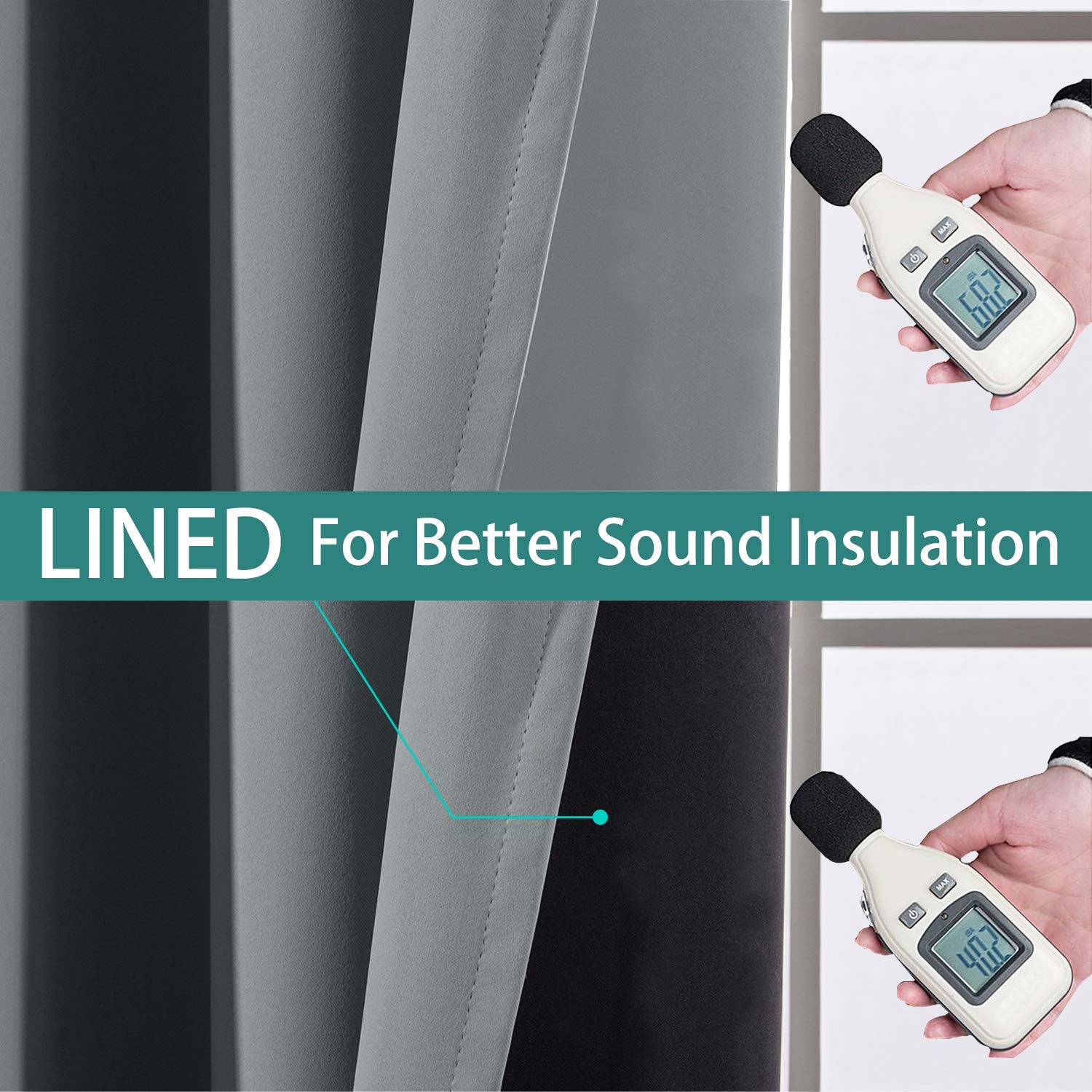
Q5: Does a lined curtain guarantee thermal insulation or noise reduction?
A: No. Additional layers may affect comfort, but measurable thermal or acoustic claims require relevant testing under defined conditions. Product copy should use only verified performance data.
Q6: How can a buyer prevent light leakage at the sides and top?
A: Confirm rod projection, mounting height, panel fullness and overlap allowances. Even a high-performing blackout fabric cannot eliminate light entering around an uncovered window edge.
Q7: What should be approved before moving from sample to bulk production?
A: Approve the face-fabric shade, lining construction, light-blocking target, finished dimensions, grommet placement, seam appearance, care label and packaging. Retain a signed reference sample for comparison.
Q8: Which customization details matter most for private-label retail orders?
A: Buyers should confirm size assortments, color tolerance, liner specification, applicable test requirements, packaging dimensions, labeling language and inspection criteria. MOQ and lead time are quoted after the final specification is agreed.
 EN
EN