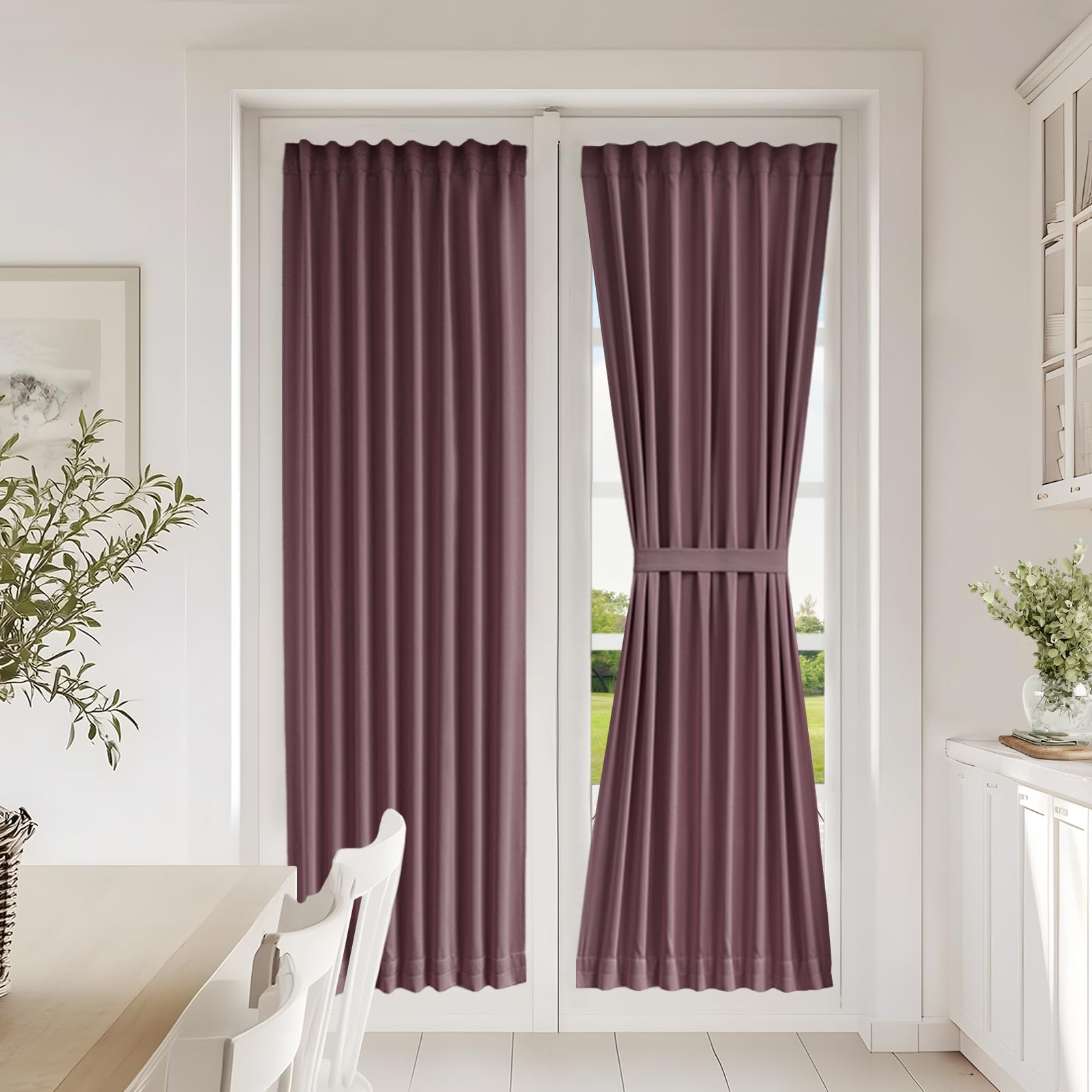
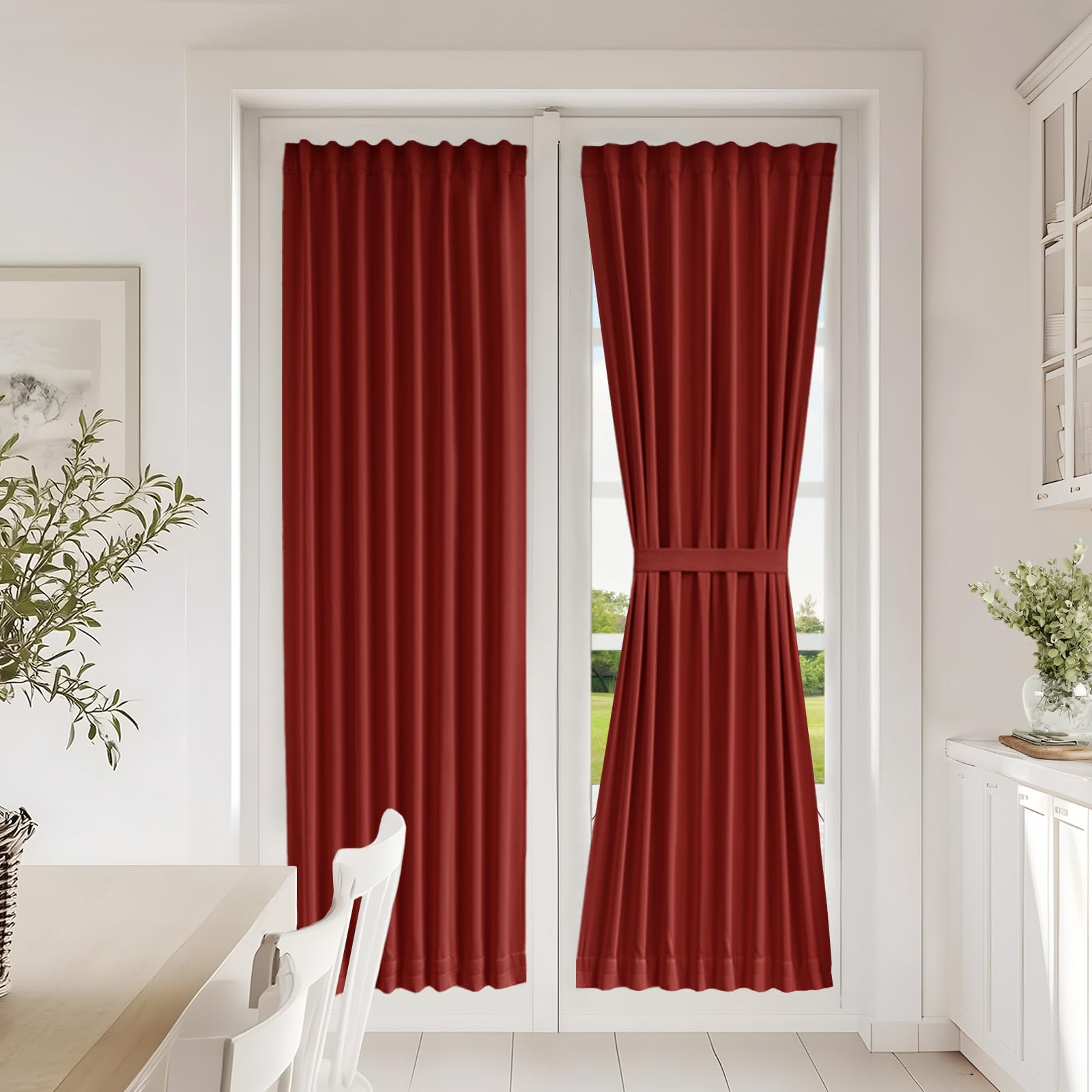
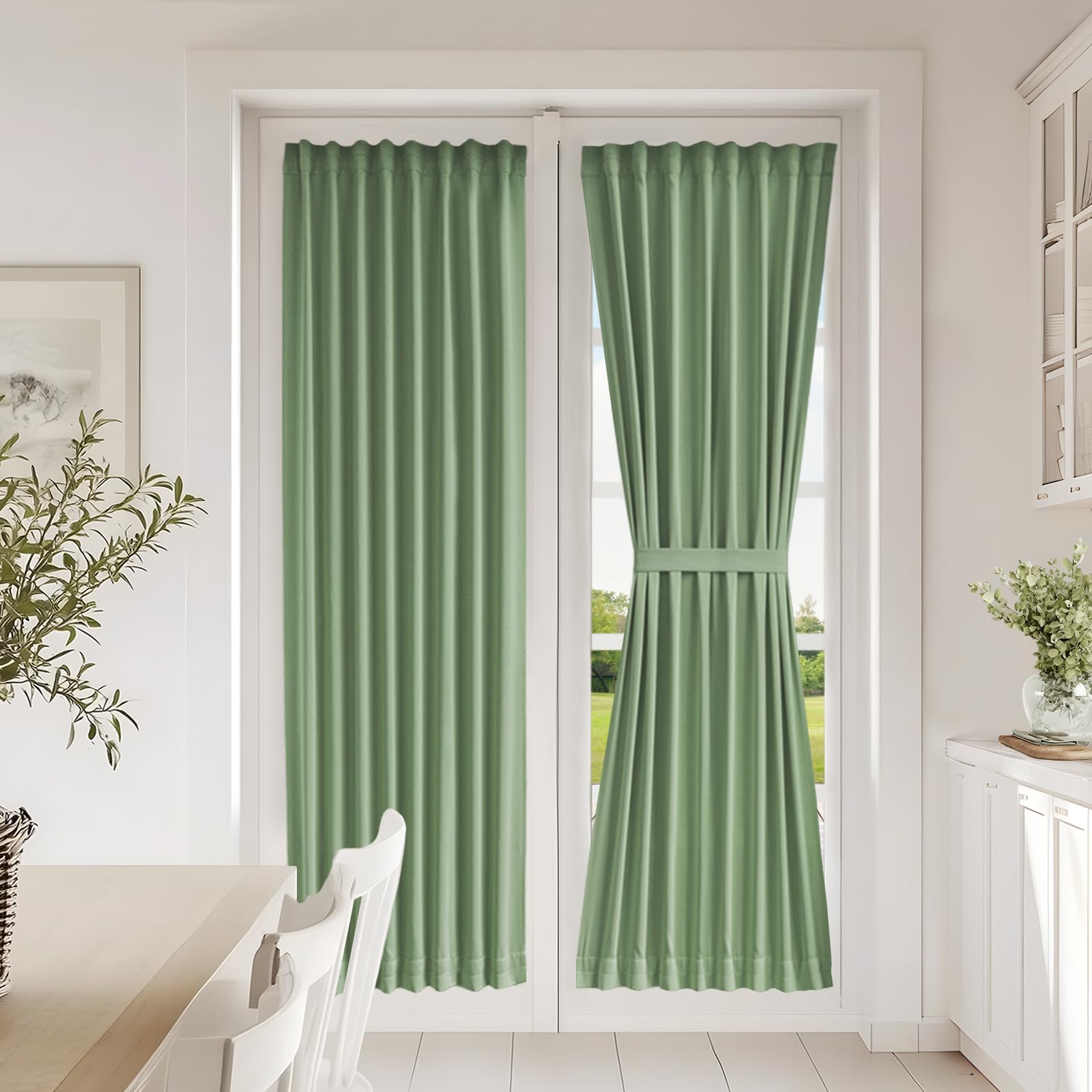
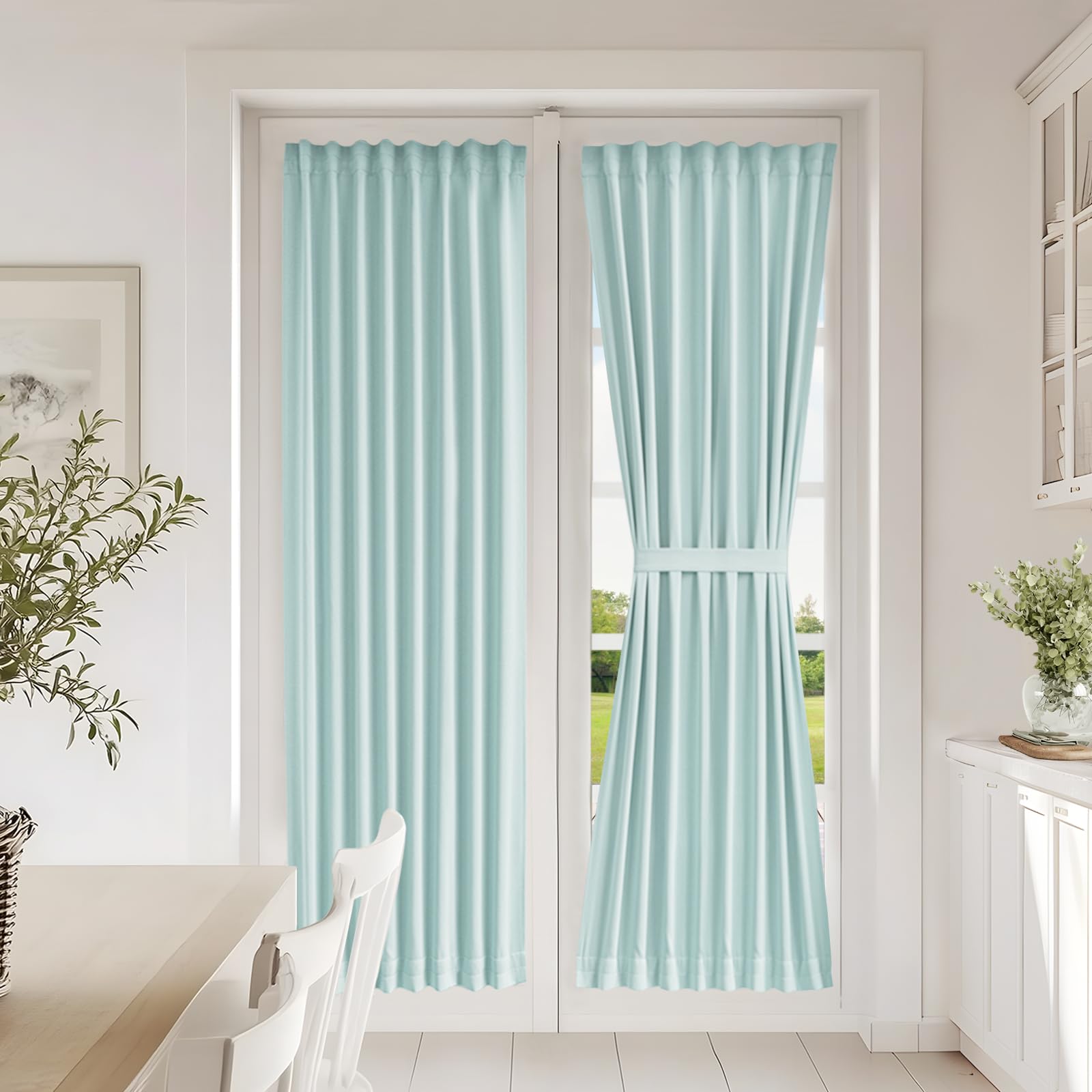
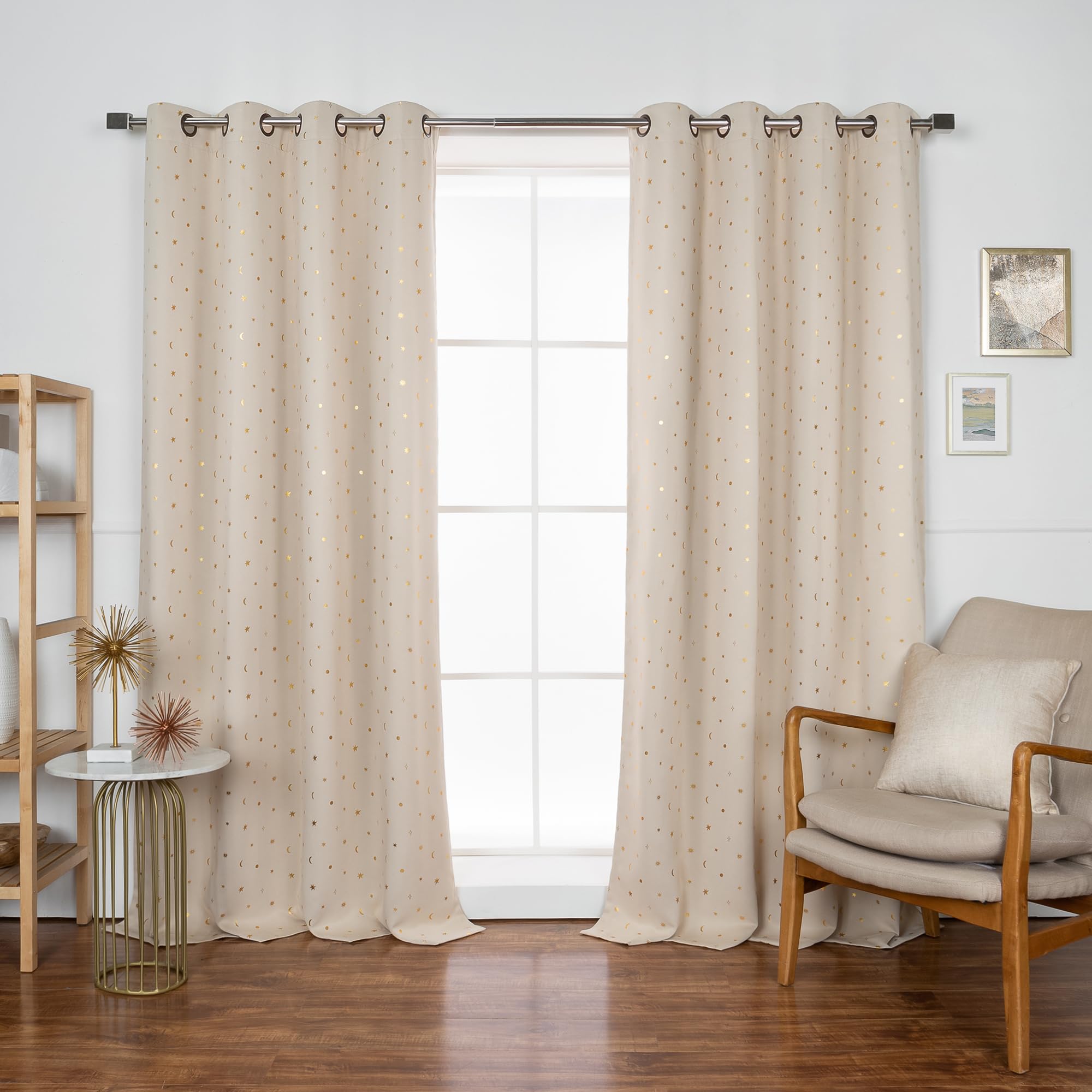
| Product Name |
Greyish White Light Filtering French Door Curtain with Two Mounting Options |
| Color |
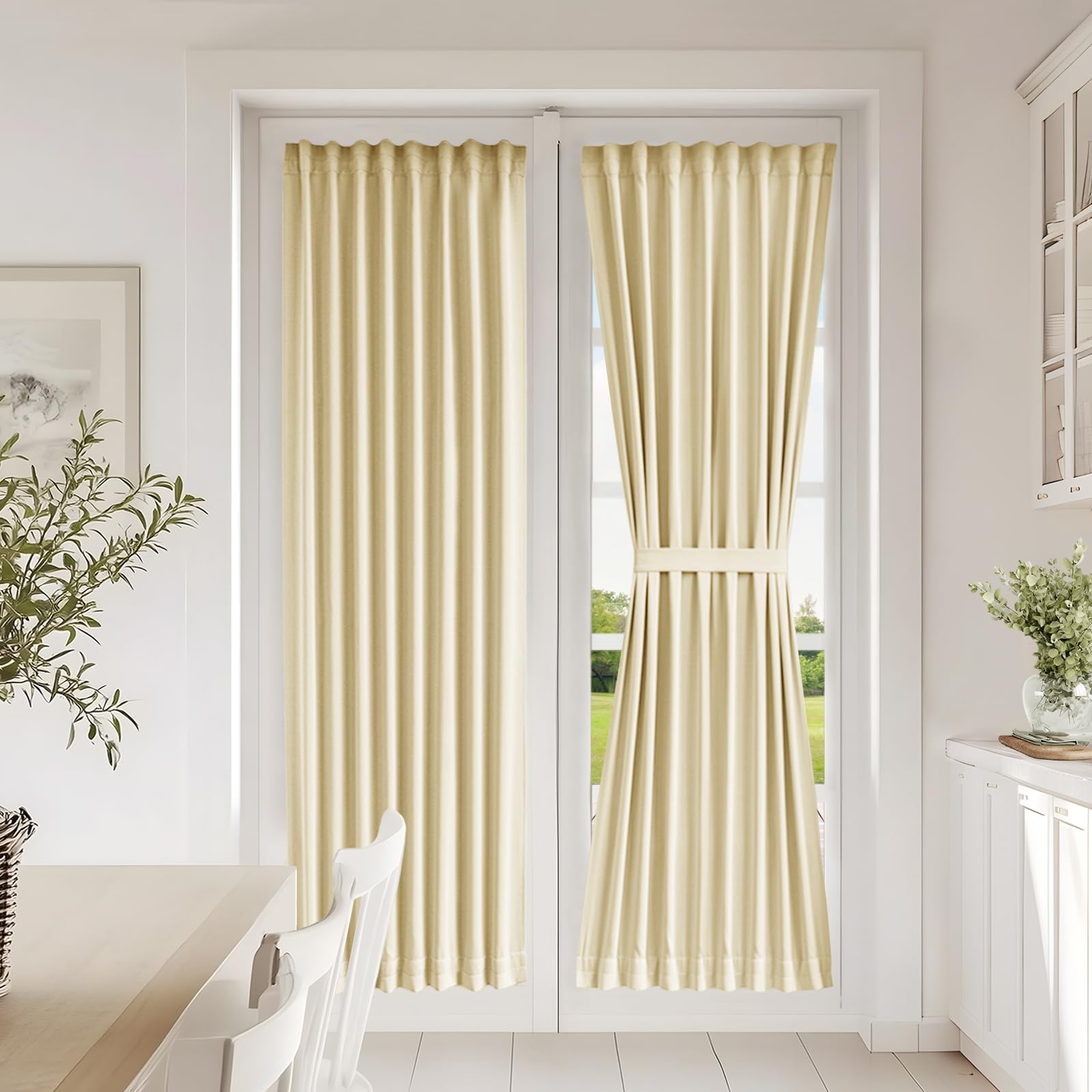
Greyish White; other colors can be discussed |
| Material |
Polyester; fabric construction and light transmission subject to sample approval |
| Style |
Door glass panel with adjustable tiebacks |
| Size |
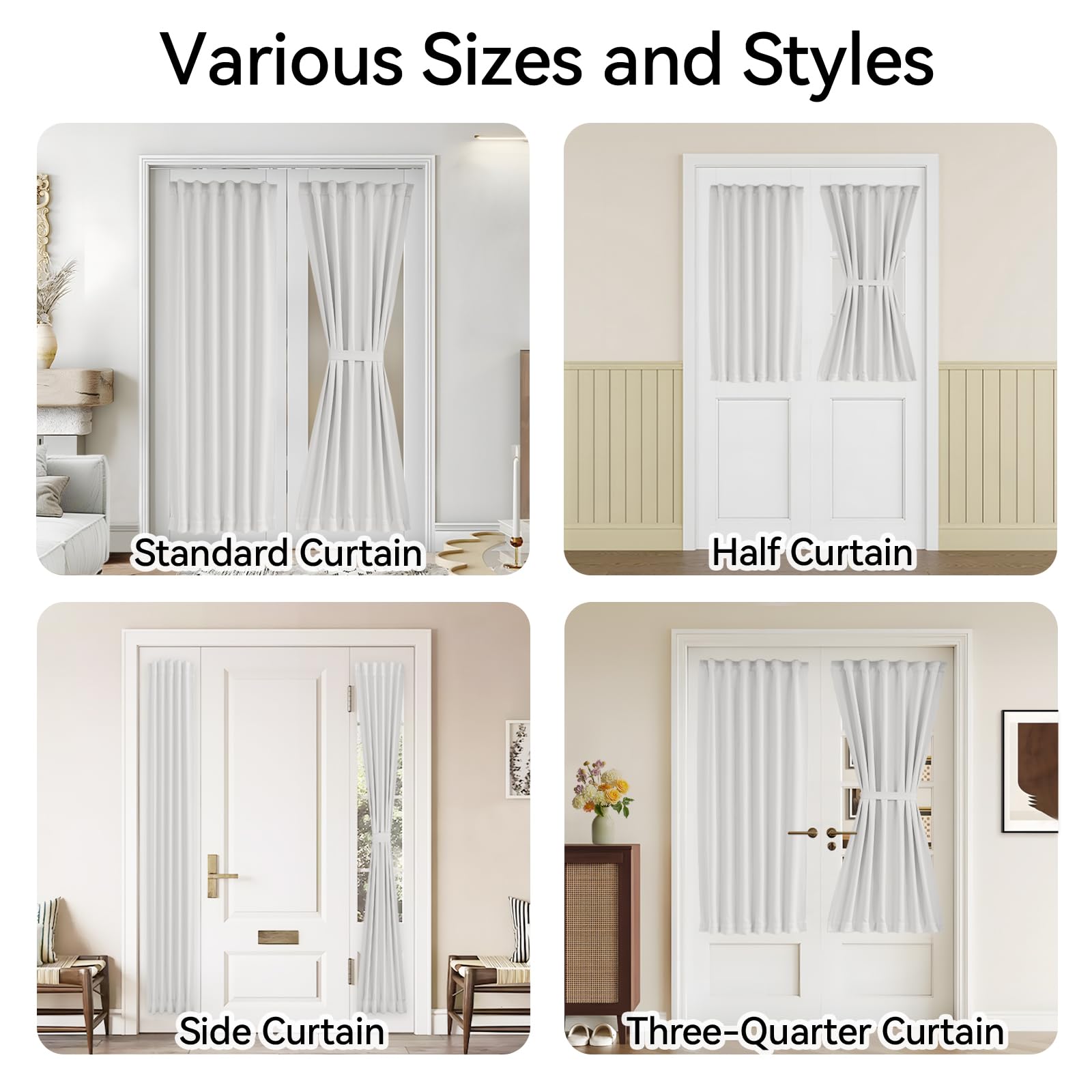
Custom sizes available |
| Package |
One panel with adhesive strips and tieback components; quantities and hardware inclusion to be agreed |
| Certification | OEKO-TEX Standard 100 |
| MOQ | 200 |
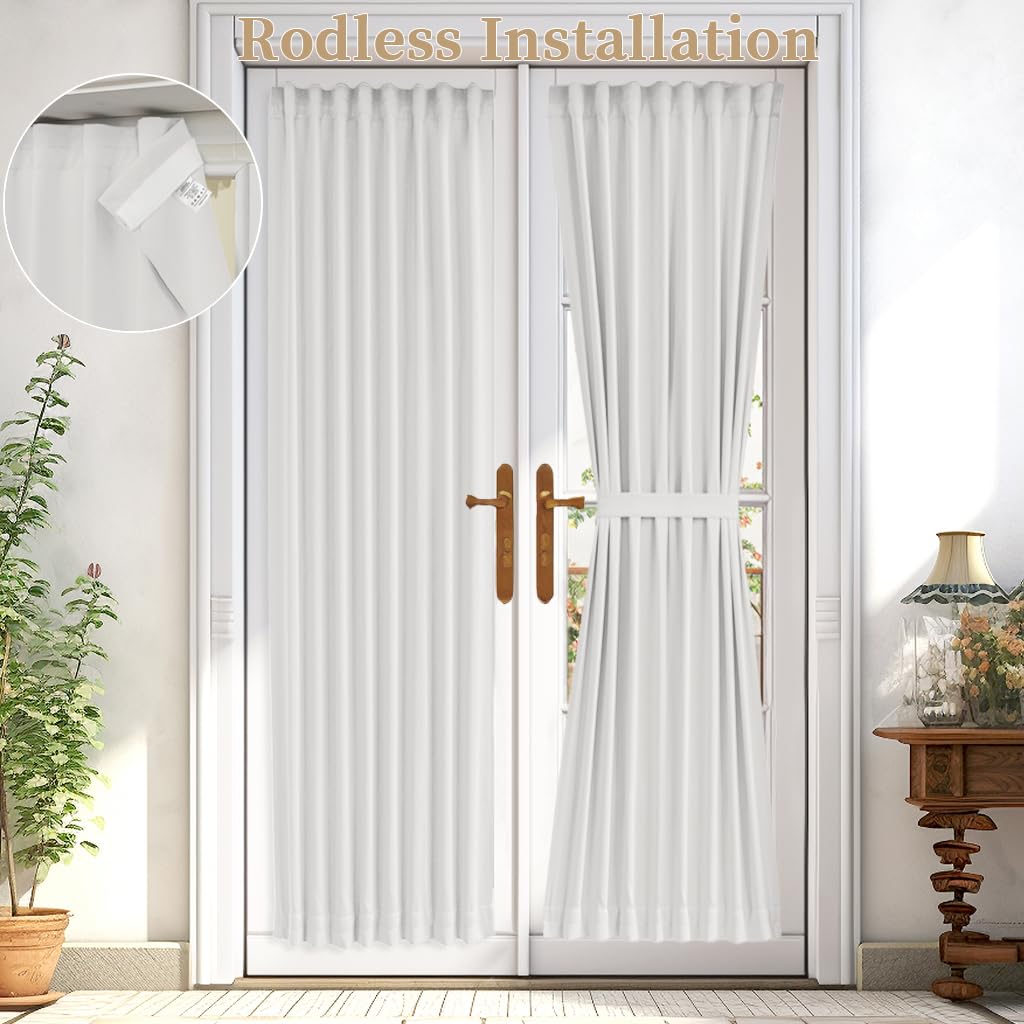
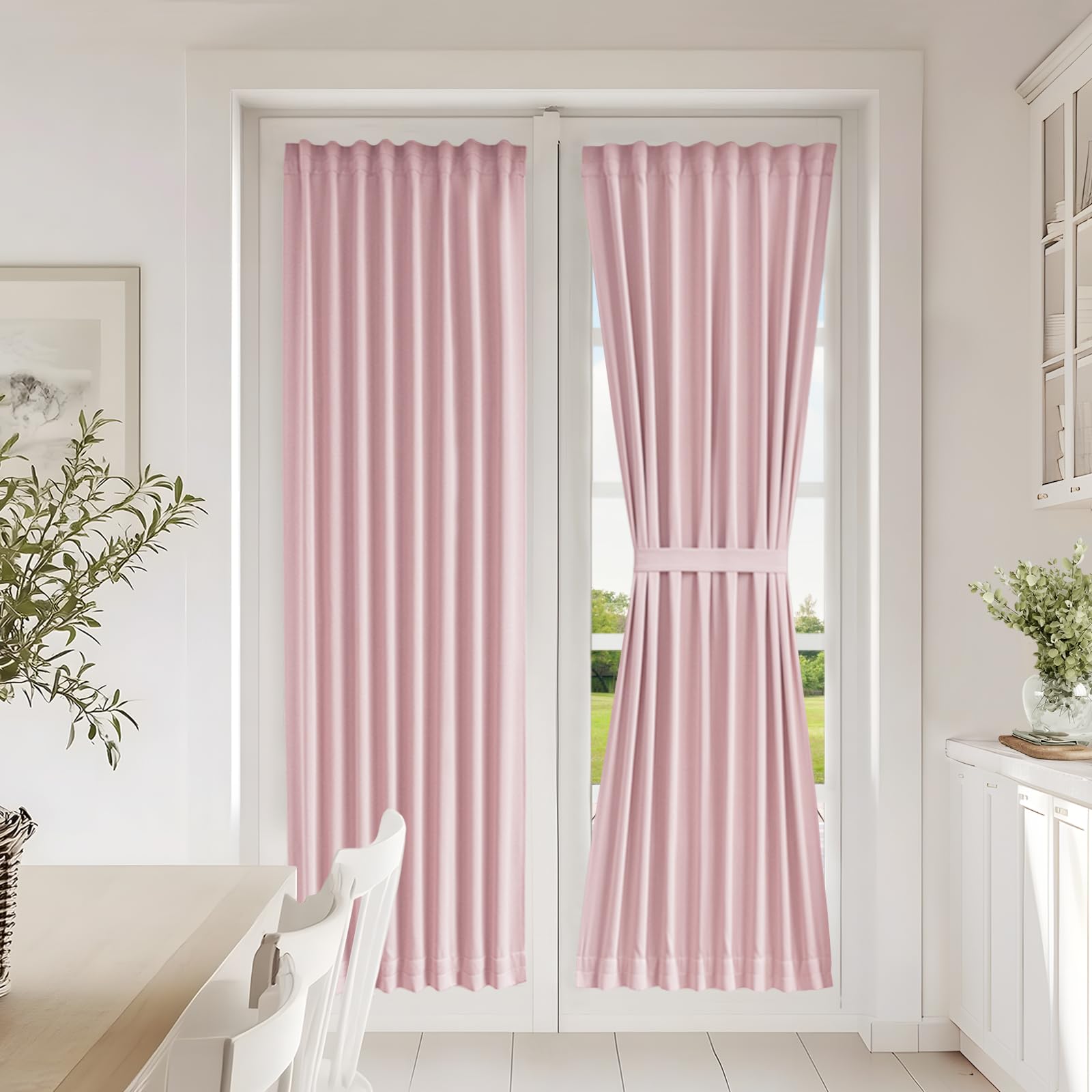
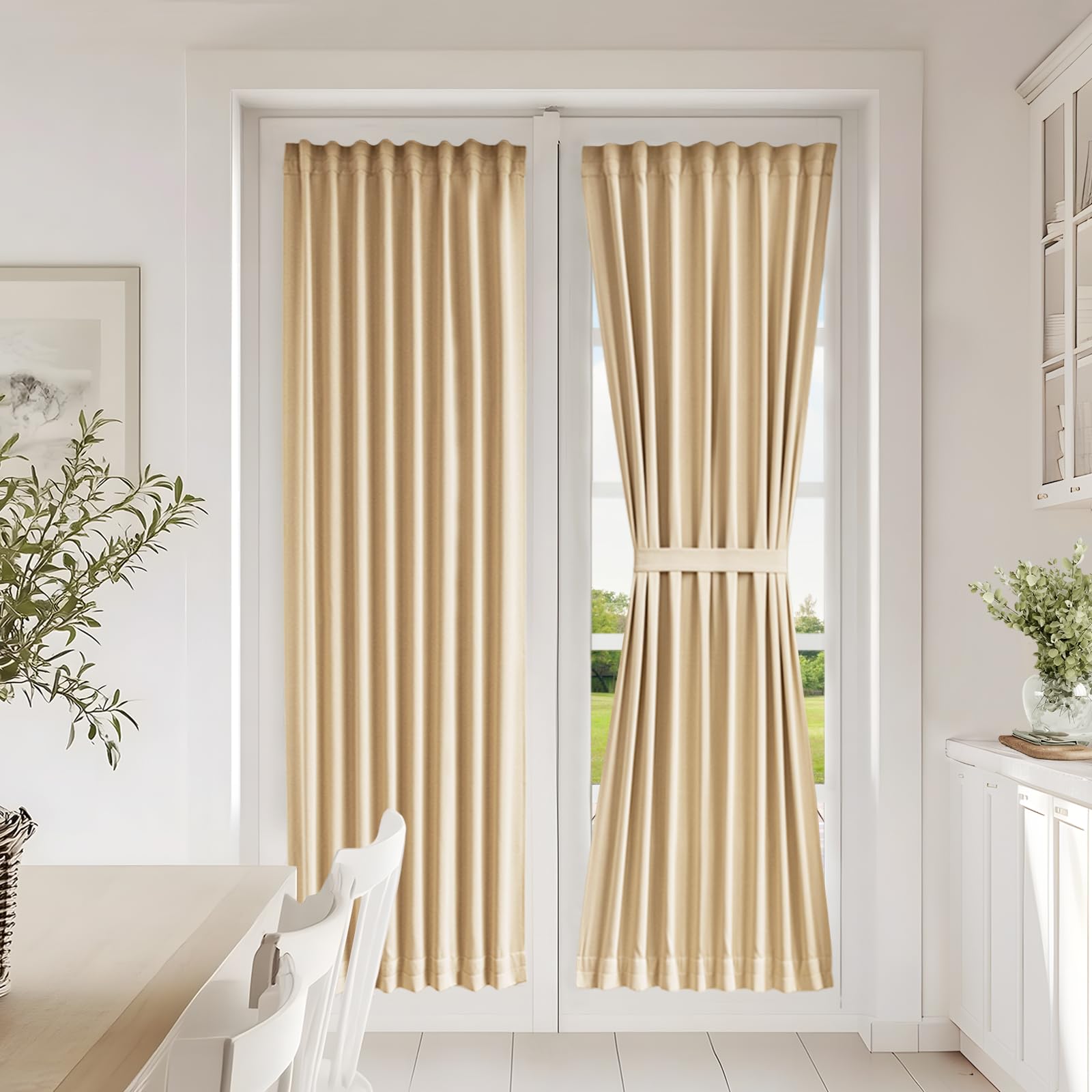
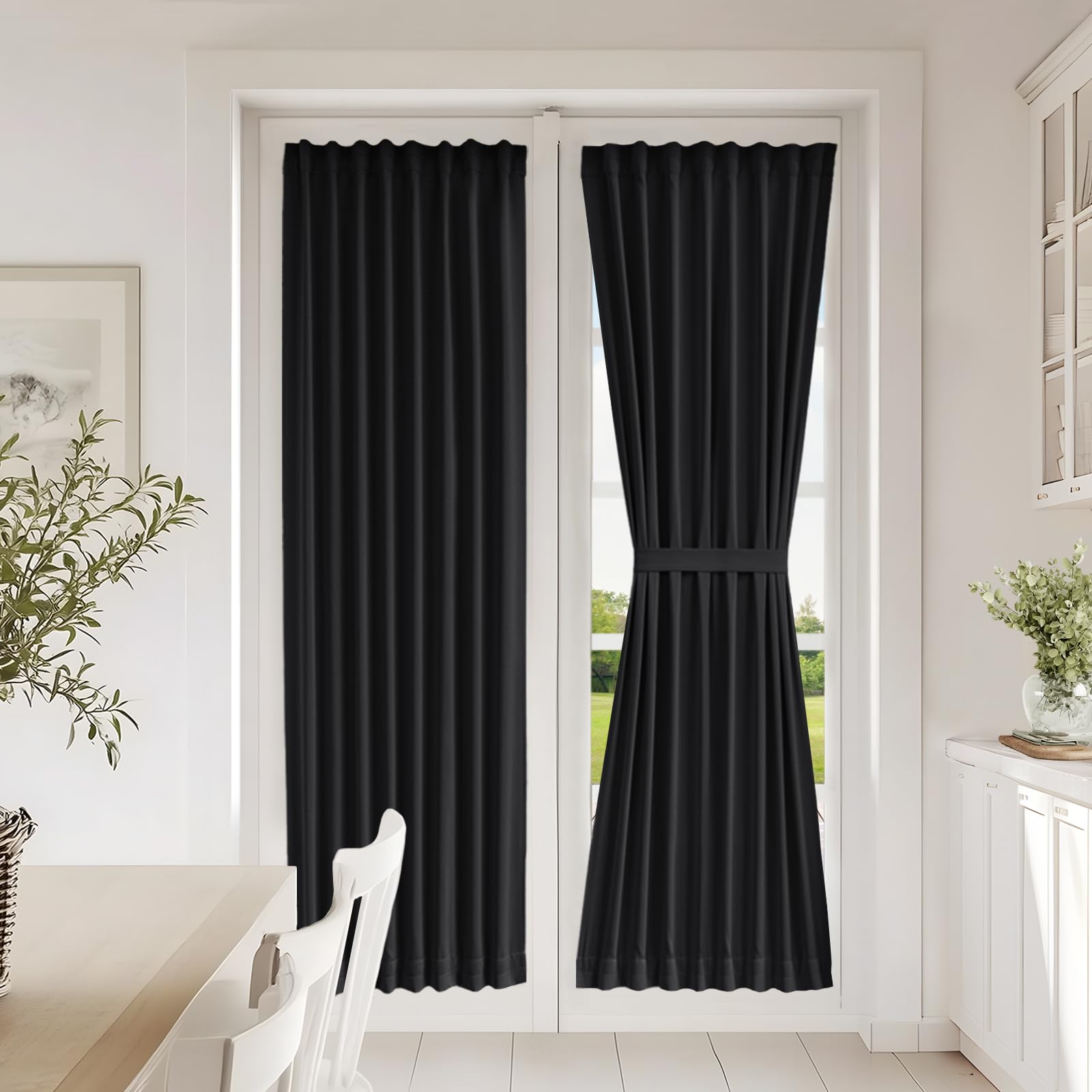
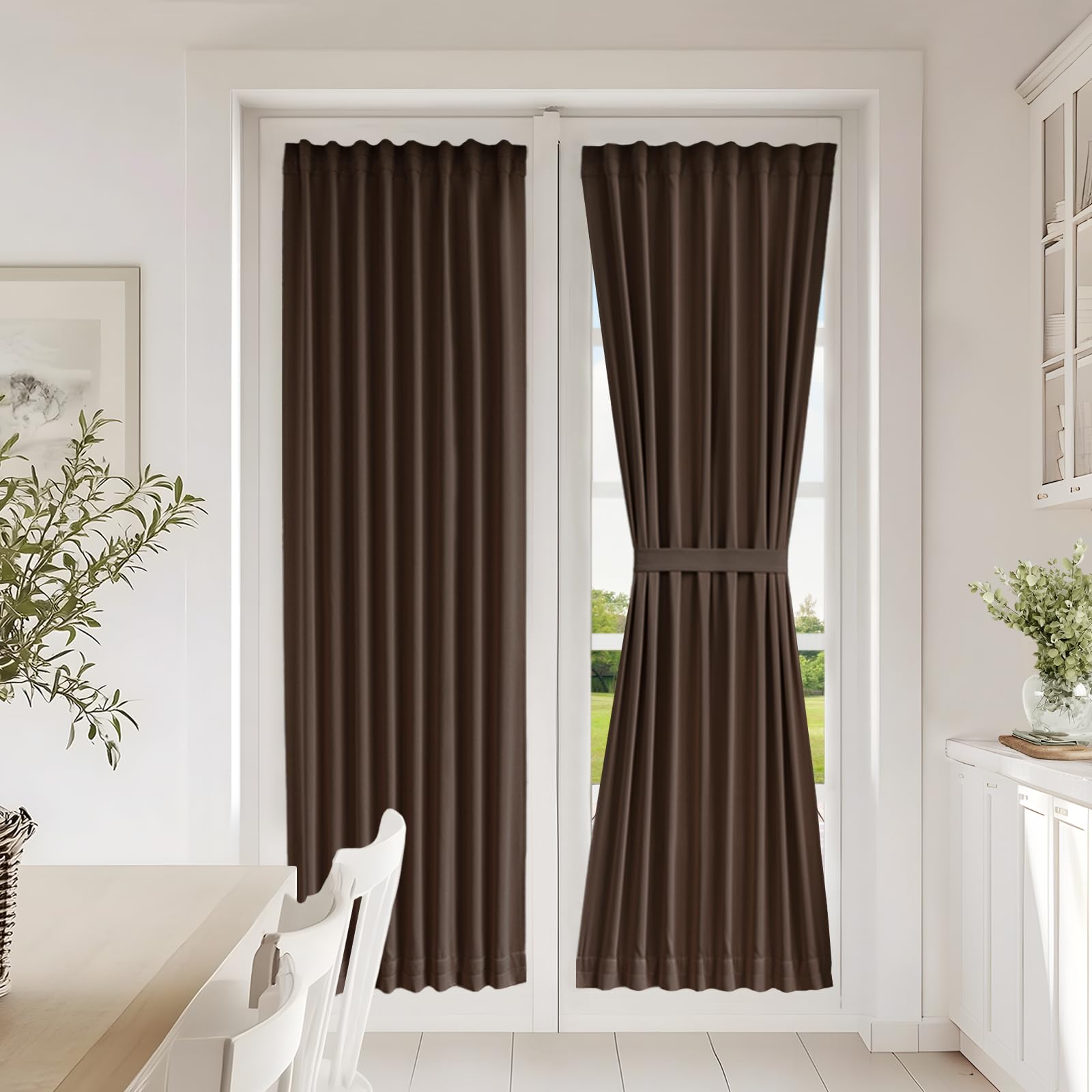
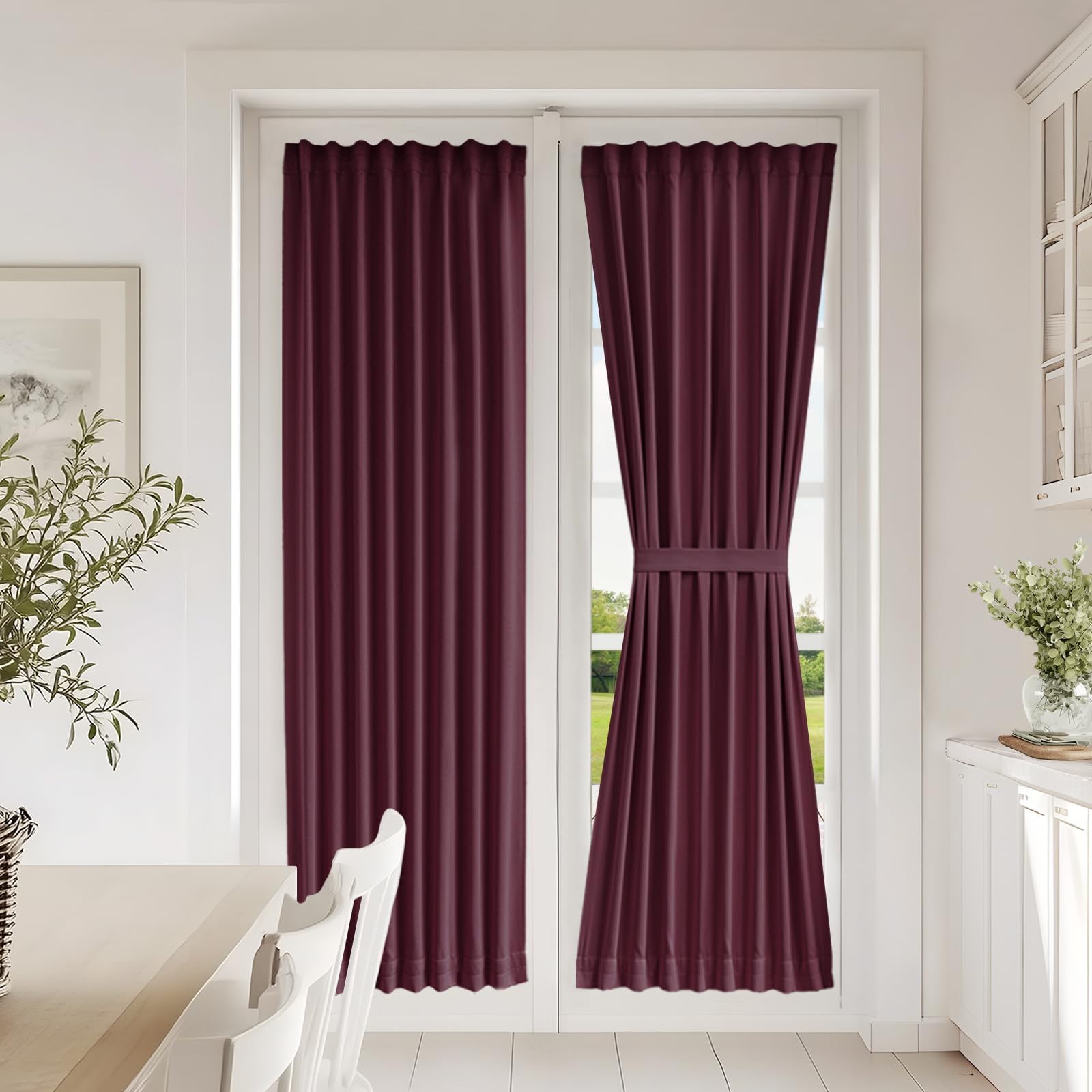
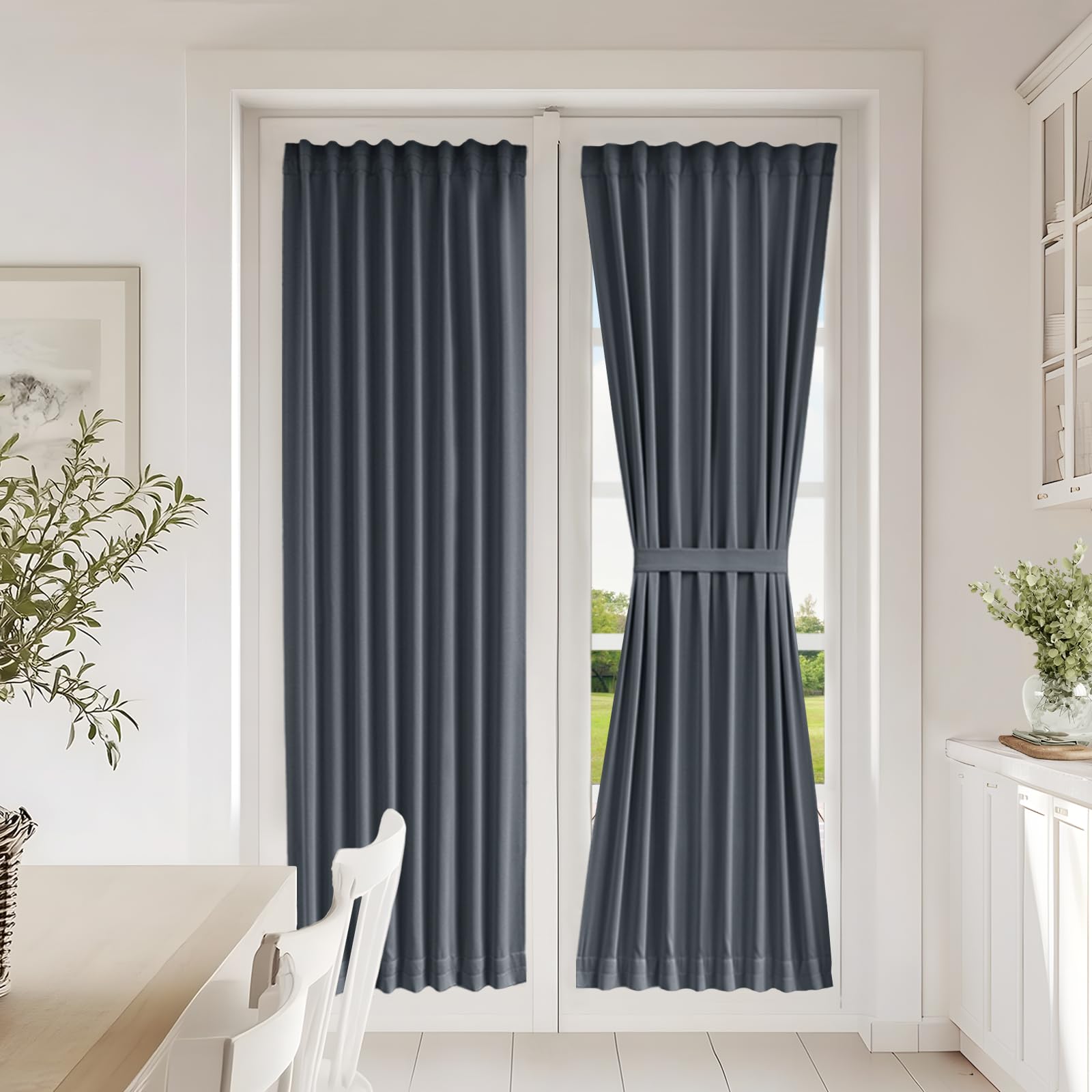
Two installation routes make this greyish white door panel adaptable to different door-treatment programs. A sewn hook-and-loop interface connects to adhesive strips on a suitable mounting surface, while pockets at the top and bottom provide an alternative for compatible sash rods. Adjustable tiebacks gather the fabric to expose more glass. The plain polyester face keeps the panel easy to coordinate with surrounding furnishings, and its light-filtering role can be developed around the buyer’s selected fabric and coverage requirements.
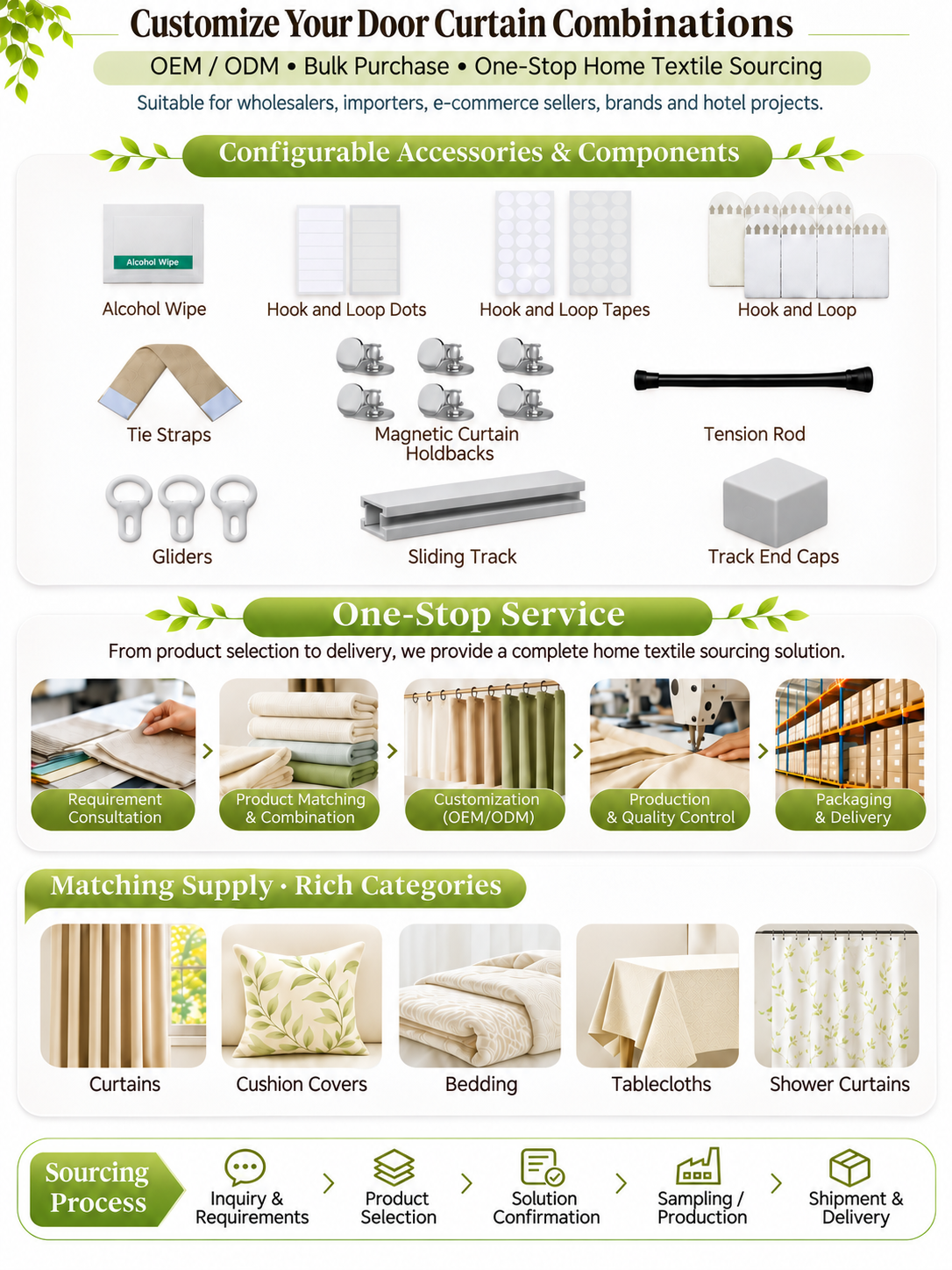
Shaoxing Yingkuo Textile Co., Ltd. (EAGLEKO HOME TEXTILE) can help buyers specify the panel and mounting accessories as a complete retail item, with a separate installation sample for each method. Other colors can be discussed during fabric selection. Our one-stop sourcing advantage supports consolidated purchasing of door panels, window curtains and complementary home textiles. OEM labeling, illustrated instructions and pack formats can be coordinated with the approved specifications; quantities and delivery schedules are established in the quotation.
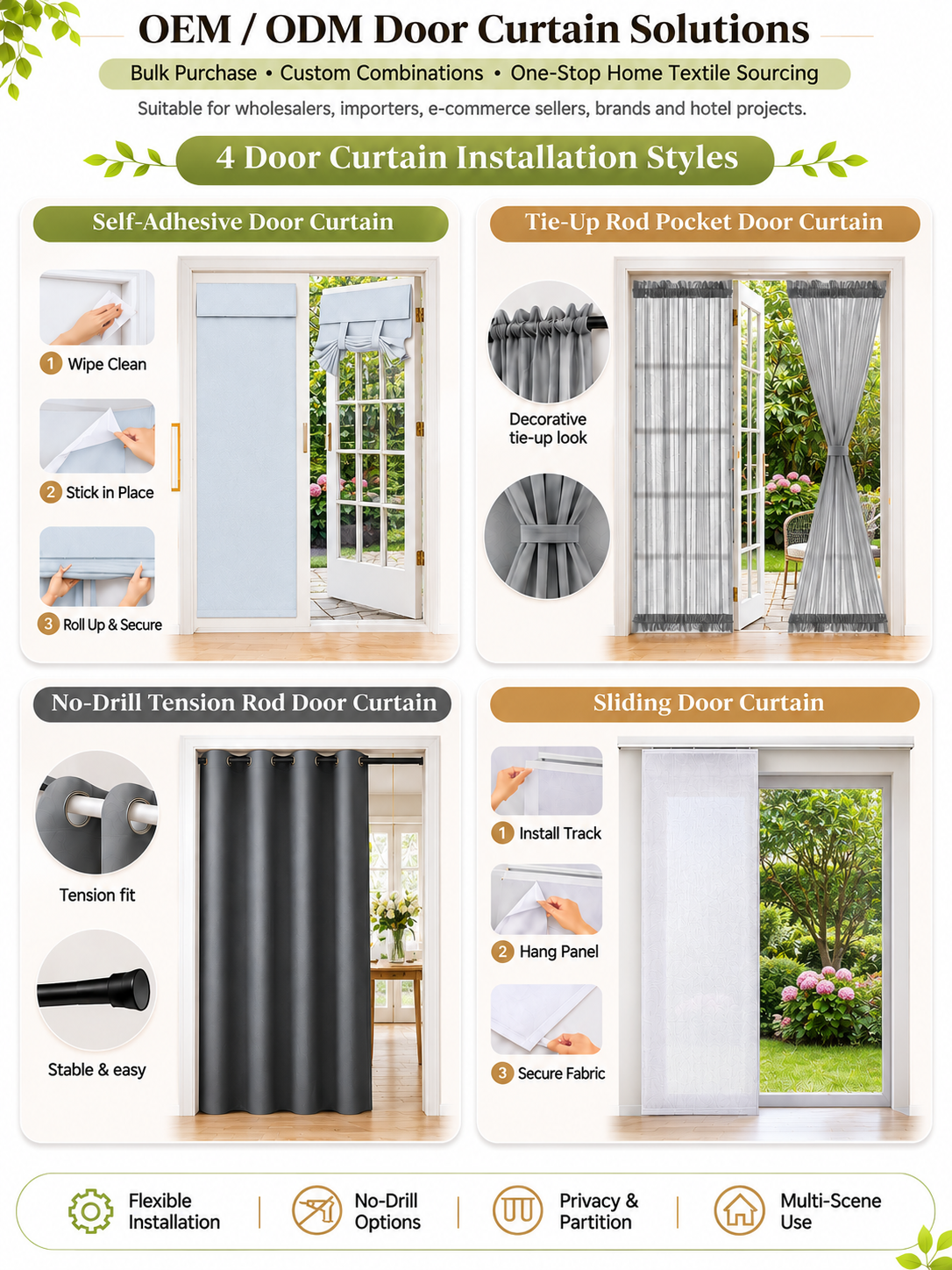
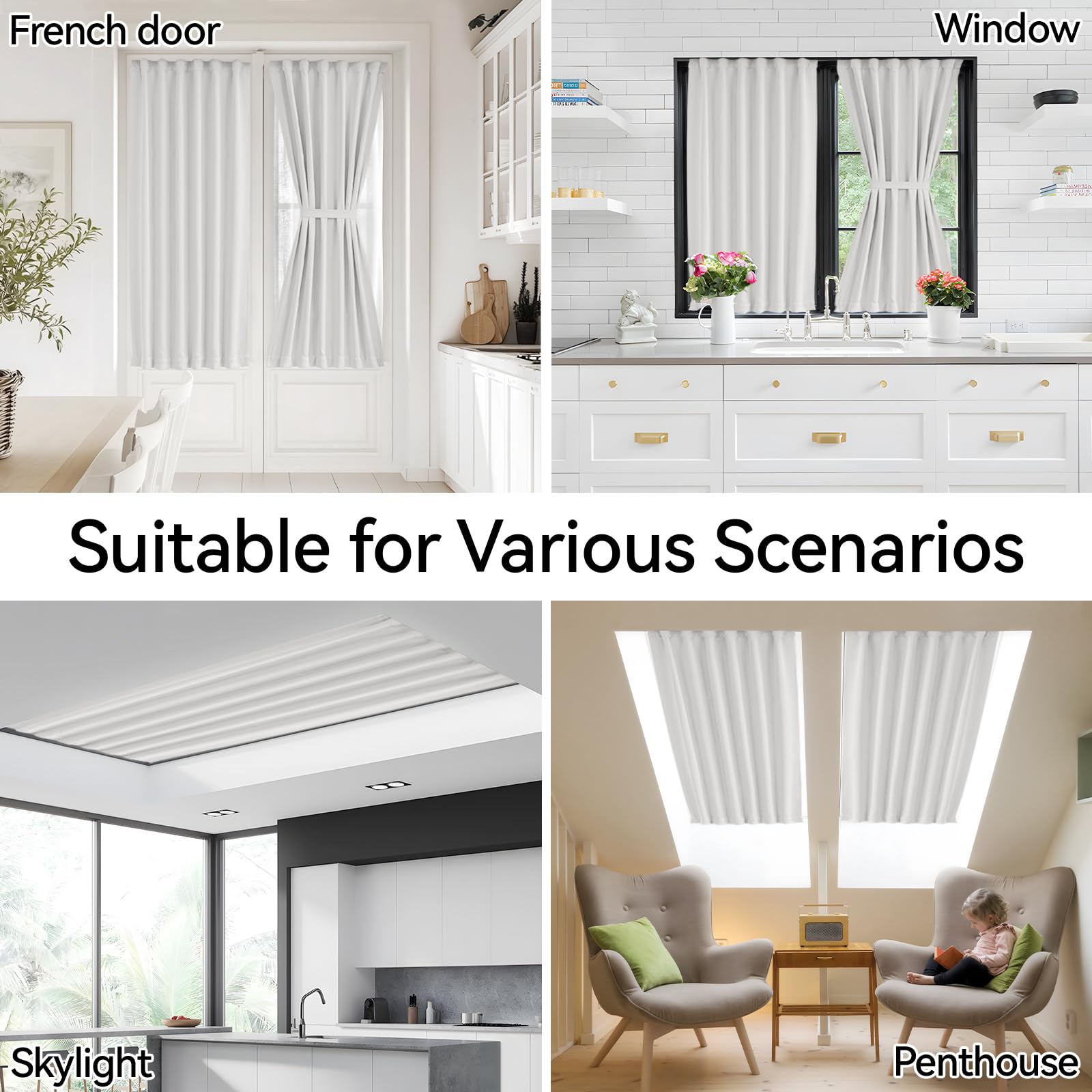
French Door Glass — Select an installation method that suits the available frame and intended operation.
Sidelight Openings — Develop a narrow panel with sufficient overlap and usable fastening space.
Patio Door Interiors — Check the panel position against handles and the full movement of the door.
Home Office Glazing — Gather or release the fabric to vary the exposed glass area during the day.
E-commerce Accessory Ranges — Explain both mounting routes and the components needed for each.
Retail Window Treatment Displays — Demonstrate adhesive attachment and sash-rod fitting on separate sample openings.
Wholesale Home Textile Programs — Coordinate panel colors and accessory kits across custom size assortments.
Two Installation Routes — Adhesive attachment and sewn rod pockets provide distinct fitting choices.
Detachable Fabric Interface — Hook-and-loop fastening allows the panel to separate from the mounting strip.
Rod Pocket Alternative — Upper and lower channels accommodate a compatible sash-rod arrangement.
Adjustable Gathering — Tiebacks vary the exposed glass area without changing the mounting position.
Quiet Neutral Color — Greyish white supports simple interior palettes and coordinated textile collections.
Custom Panel Development — Dimensions can account for the glass, frame and selected installation method.
Accessory Specification Control — Strips, sewn fastening areas and tiebacks can be recorded in one packing specification.
Q1: Can one finished panel be approved for both mounting methods?
A: Yes, if both routes are included in development. Fit the same sample using adhesive attachment and compatible rods, then inspect coverage, fabric tension and hardware clearance in each configuration. Record any method-specific restrictions in the instructions instead of assuming a successful fitting in one configuration validates the other.
Q2: What must match between the sewn fastening and adhesive strips?
A: Agree on the mating hook-and-loop surfaces, strip width and their positions on the panel. Evaluate engagement across the intended contact area and confirm that users can detach the fabric without pulling the mounting strip from its surface. Retain approved component samples so replacement strips and future production lots remain compatible.
Q3: How should a buyer assess whether the pale fabric provides enough privacy?
A: Review a full panel under the intended daytime and nighttime lighting, including strong backlighting and indoor lights after dark. Agree on acceptable visibility through the selected fabric before approving the SKU. Light filtering does not automatically establish nighttime privacy or complete blackout, and marketing wording should reflect the approved result.
Q4: Which custom-size details depend on the chosen installation method?
A: For adhesive fitting, identify usable contact space and the required overlap around the glass. For rod fitting, record rod positions, pocket allowance and clearance for inserting the hardware. Define finished panel dimensions separately from opening measurements and validate the drawing with a fitting sample before releasing bulk cutting.
Q5: How can the mounting system be evaluated on different door finishes?
A: Identify the actual substrate, finish and surface preparation for the proposed installation. Trial the selected adhesive on representative surfaces and assess holding behavior and removal under the expected conditions. Specify any exclusions in the pack; visually similar painted, coated or textured doors may behave differently with the same strip.
Q6: What checks matter where sliding doors or close-clearance doors are involved?
A: Move the door through its full travel with the panel both released and gathered. Inspect contact with the adjacent panel, frame, lock and handle, including any protruding fasteners. If the fabric or mounting parts occupy the operating clearance, revise the fitting location or exclude that installation from the intended applications.
Q7: How should laundering and repeated refitting be validated?
A: Separate washable textile parts from adhesive-backed components in the care plan. Trial the proposed laundry routine and check size change, pocket shape, tieback condition and the sewn fastening interface. Refit the panel afterward using both approved mounting routes. Base the care label on the chosen materials and the observed results.
Q8: What should a two-method installation pack explain?
A: Provide a separate sequence for each installation route, showing surface preparation for adhesive fitting and rod requirements for pocket fitting. Identify every supplied component and state whether rods are included. Use clear SKU labels for custom sizes and verify accessory counts so buyers can follow their chosen route without discovering missing parts.
 EN