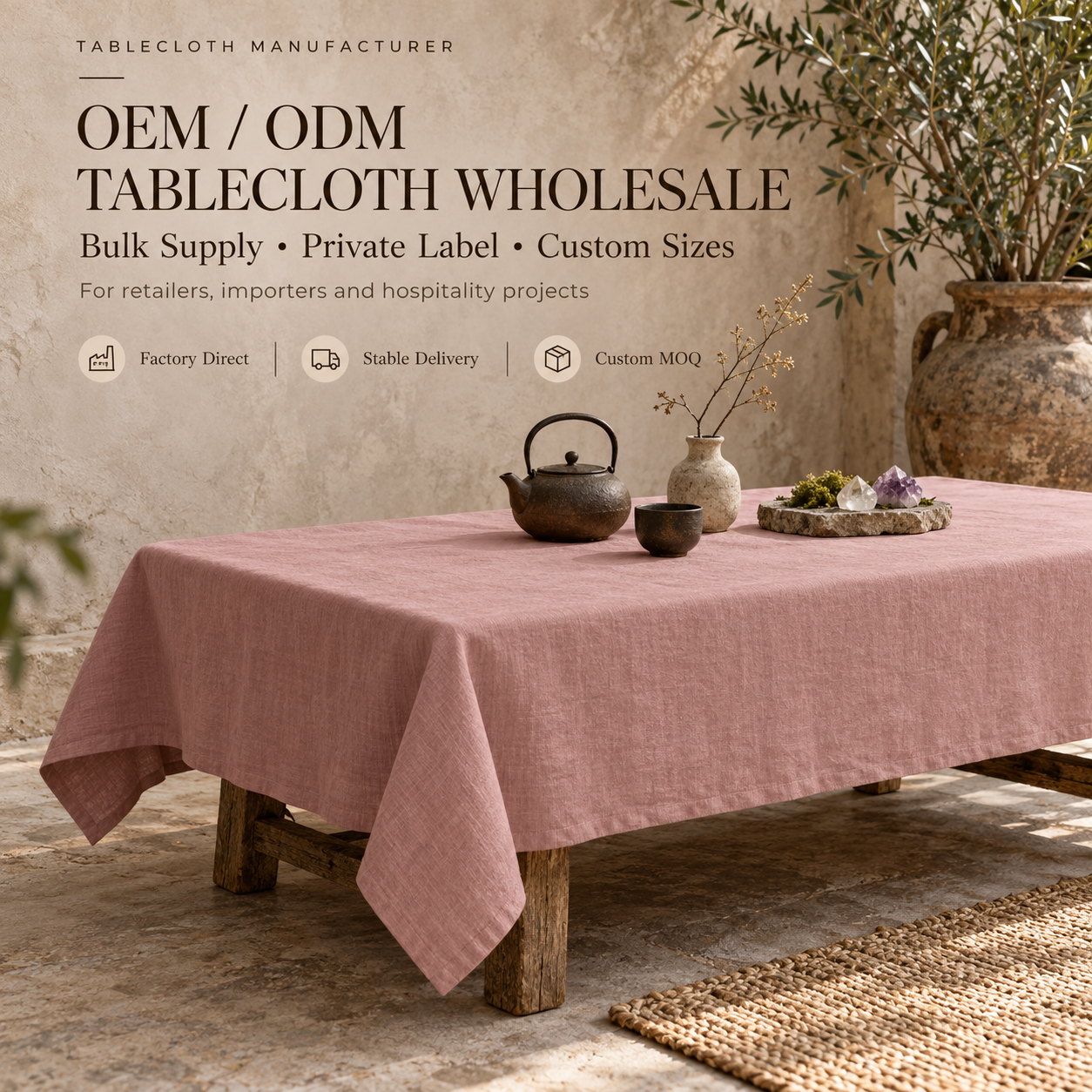
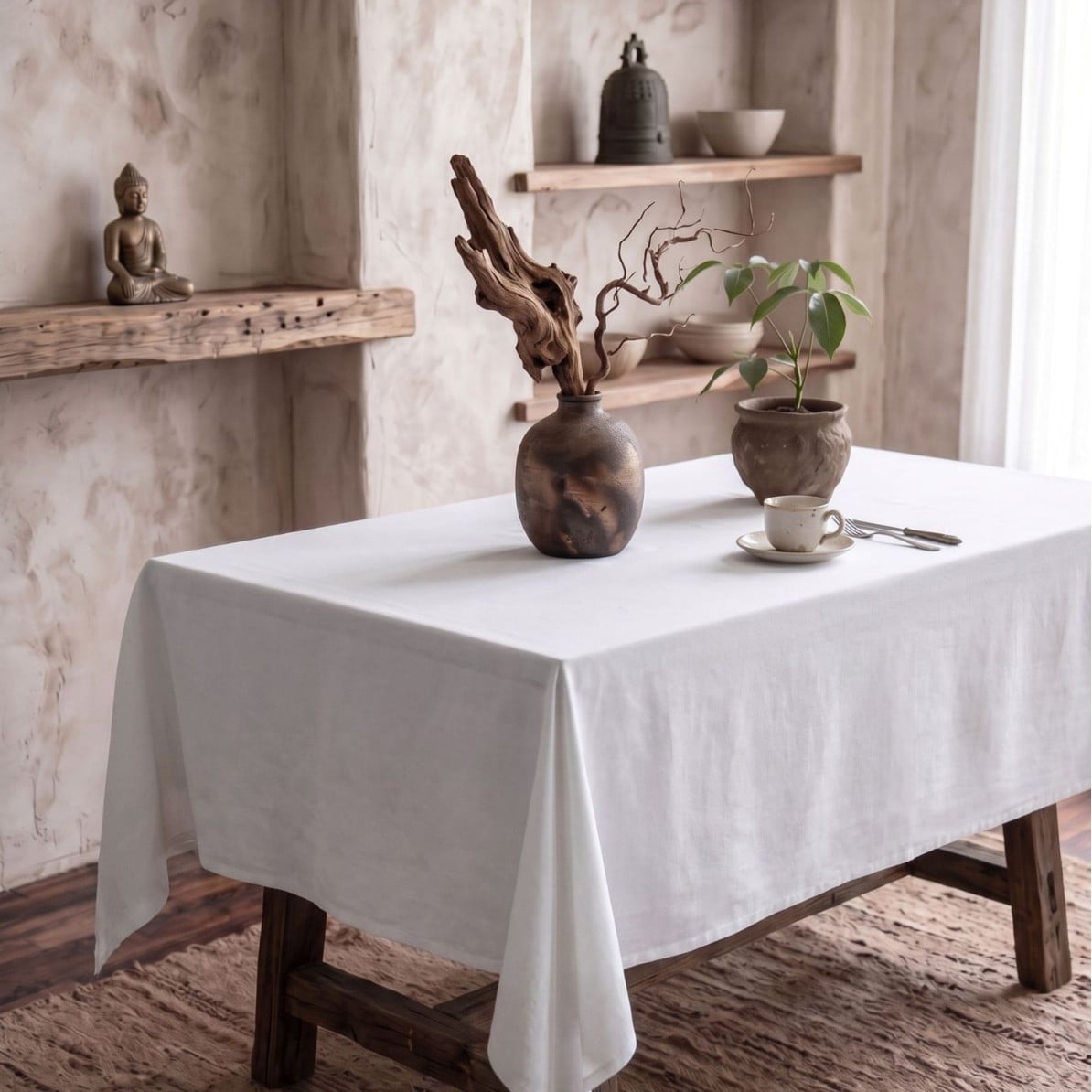
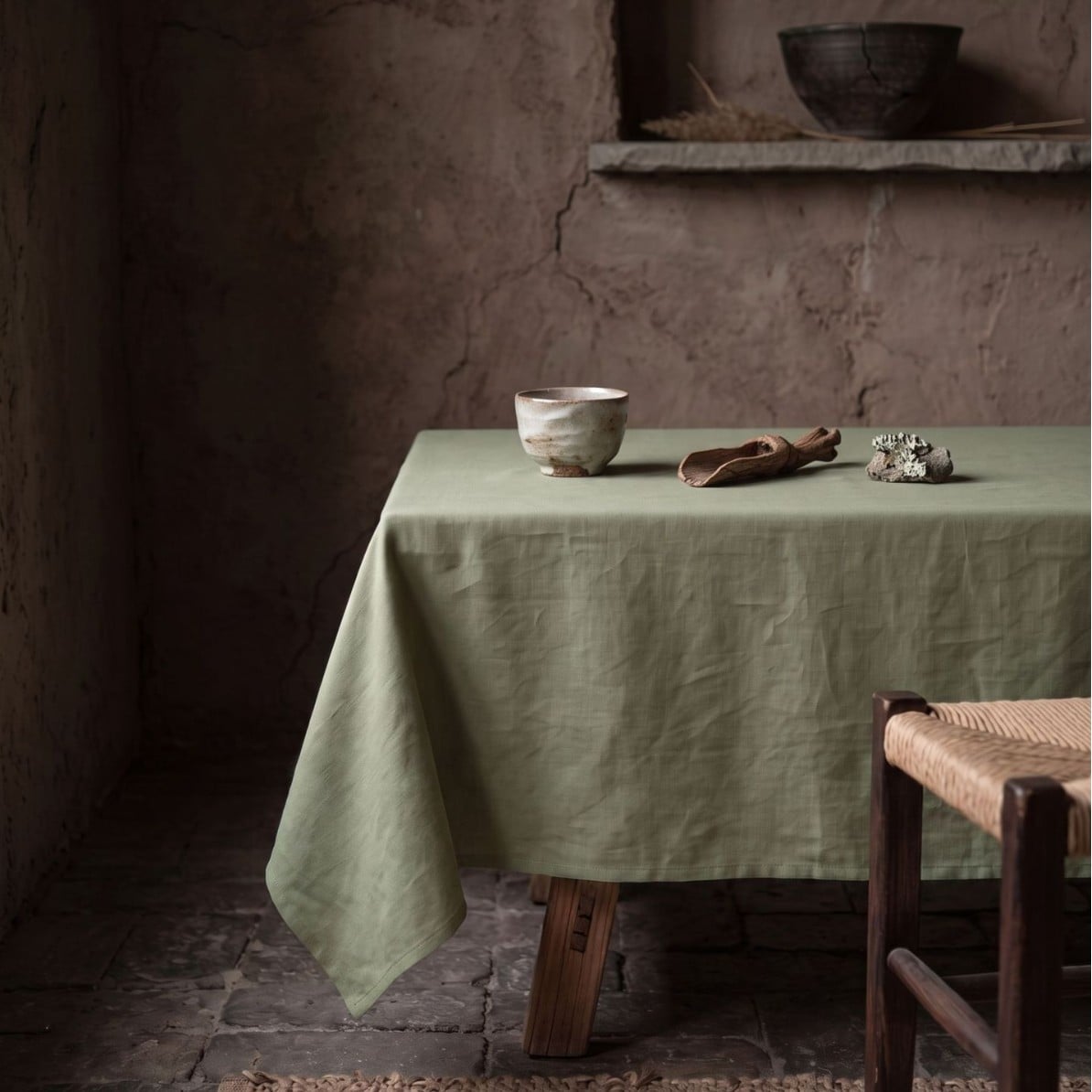
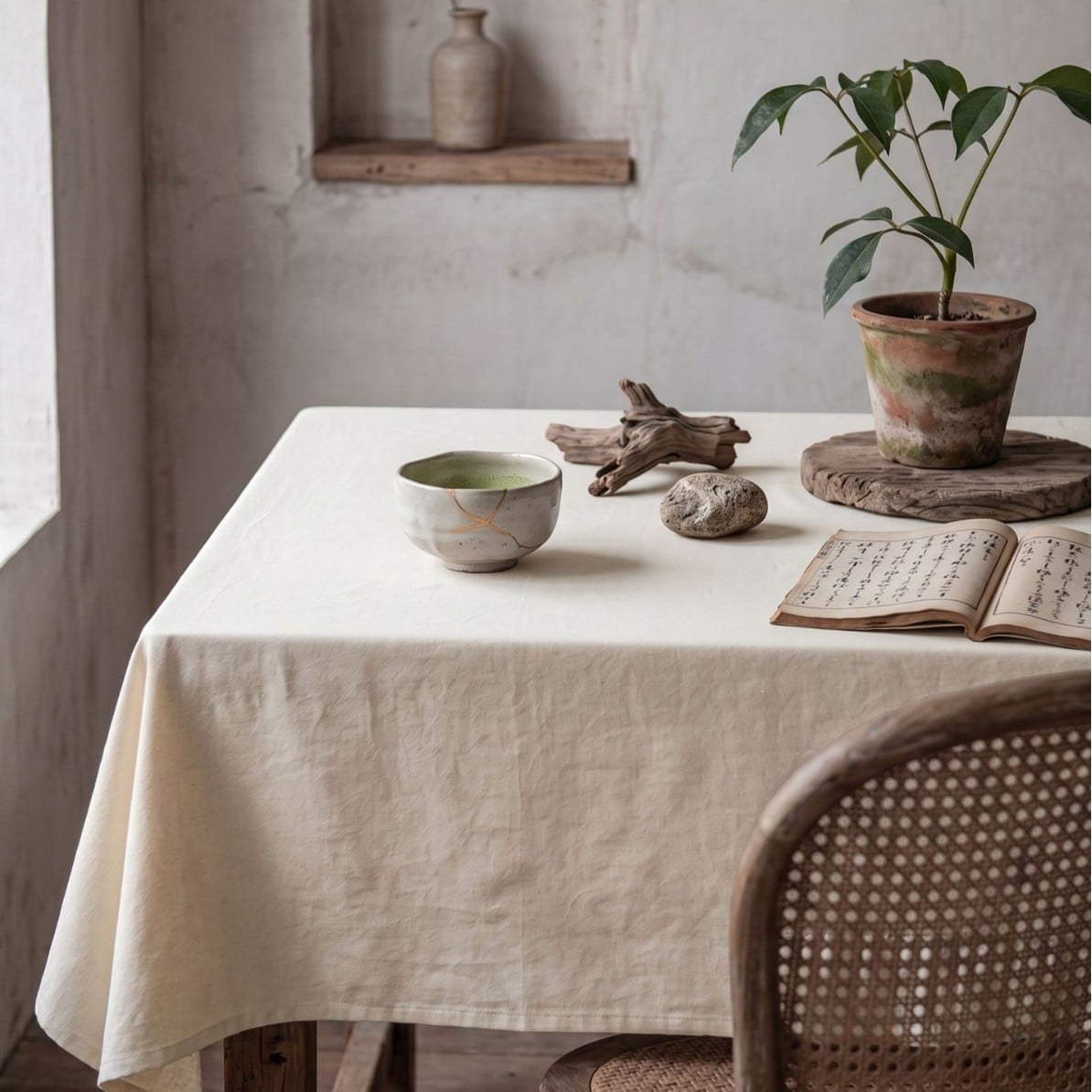
| Product Name |
Solid Color Cotton Linen Blend Scalloped Edge Tablecloth |
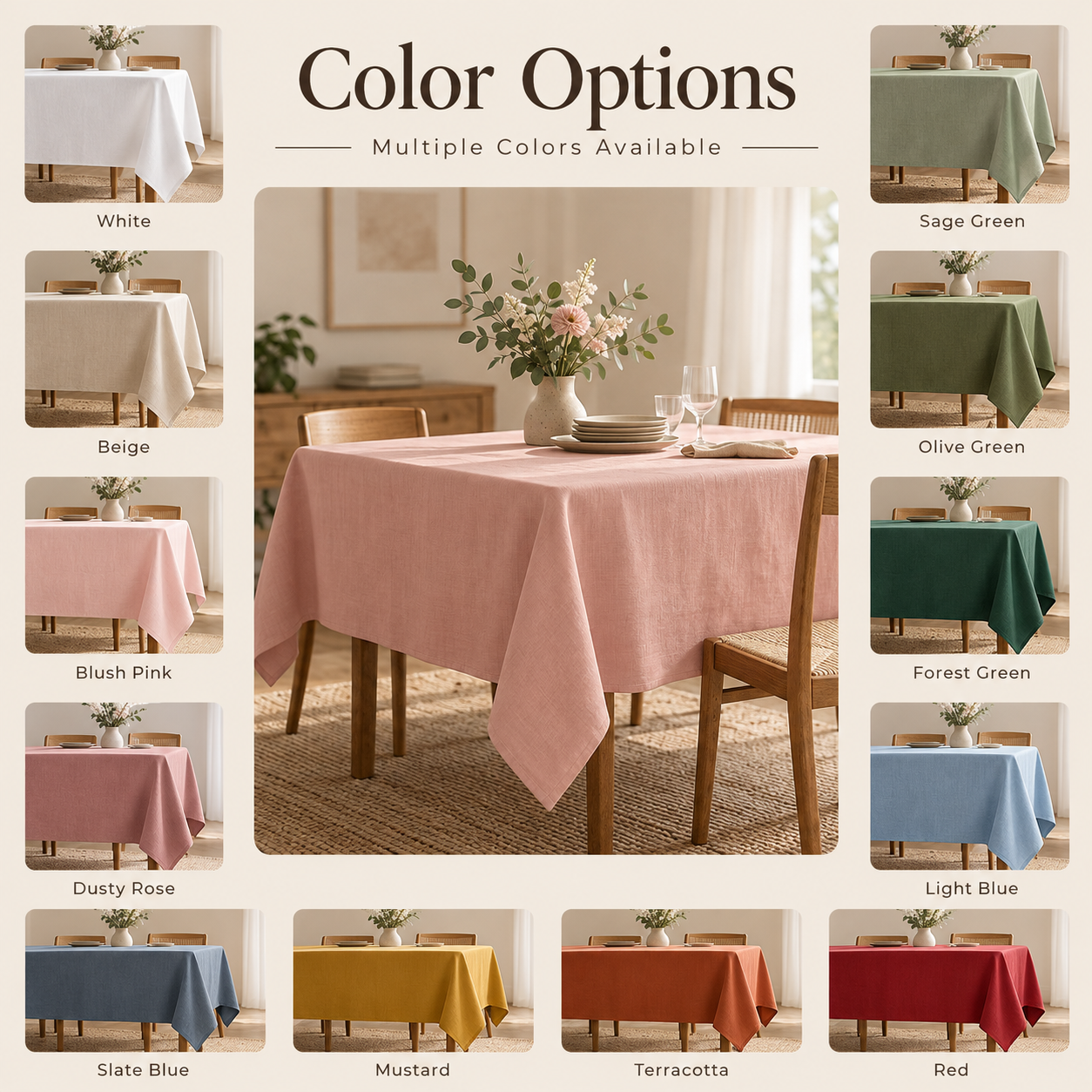
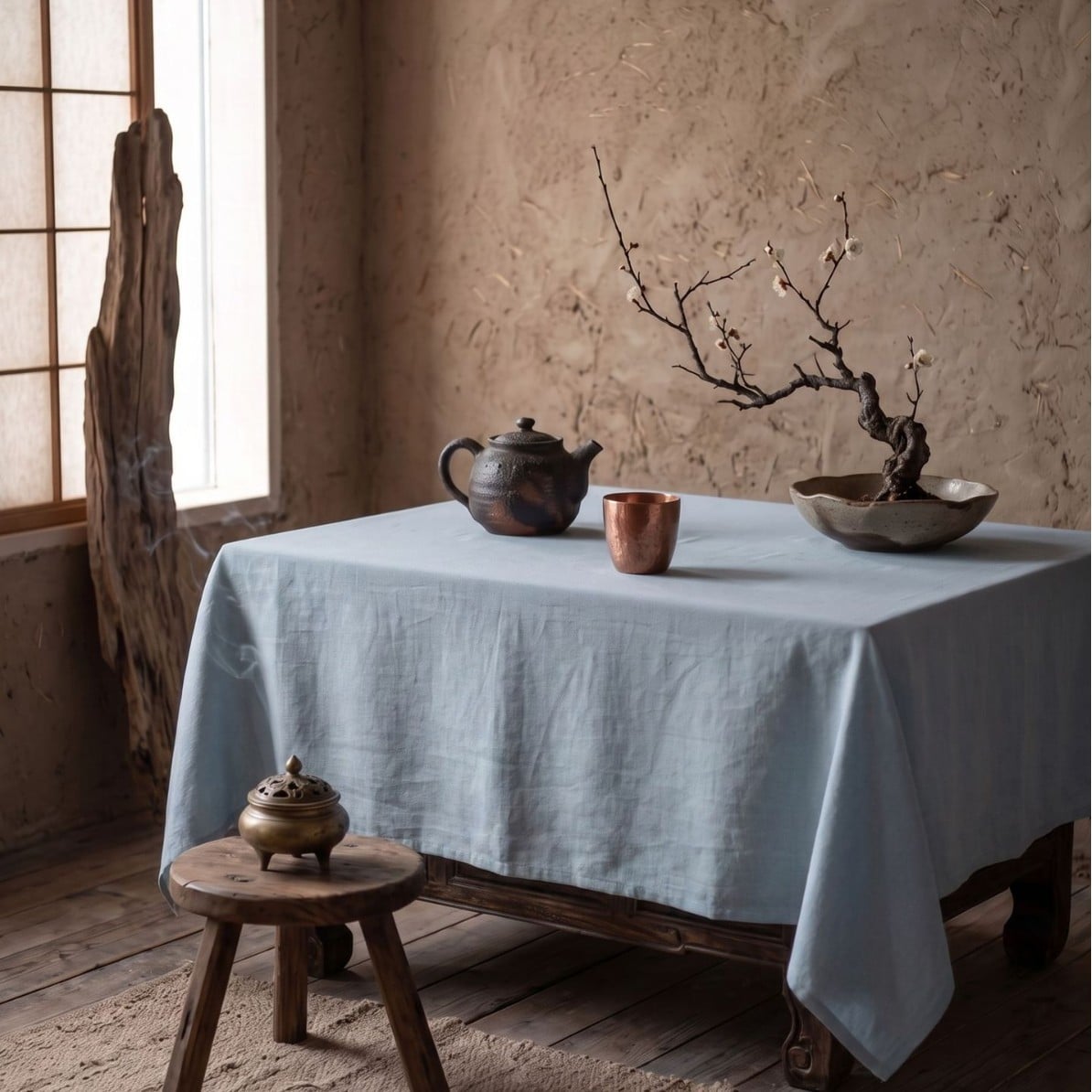
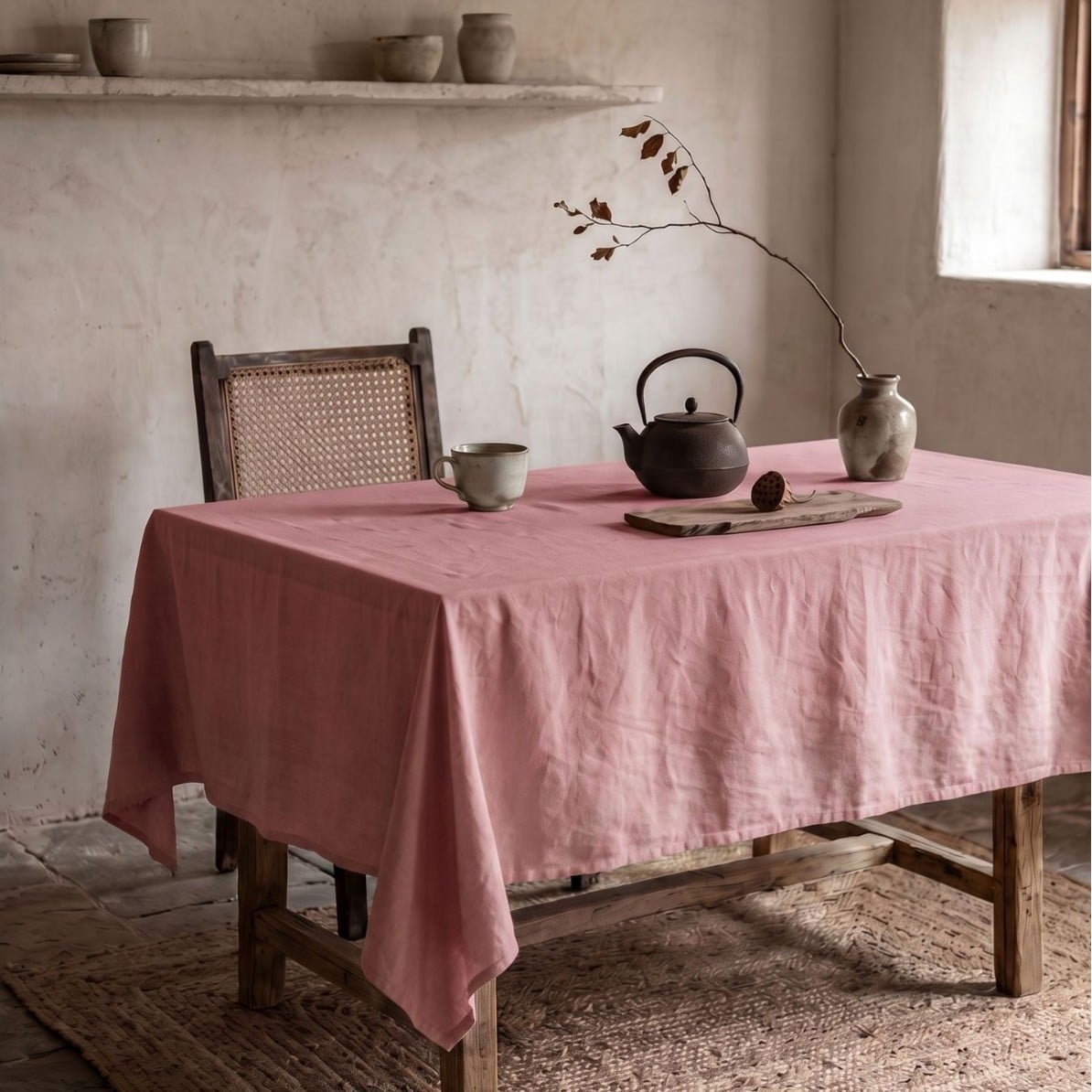
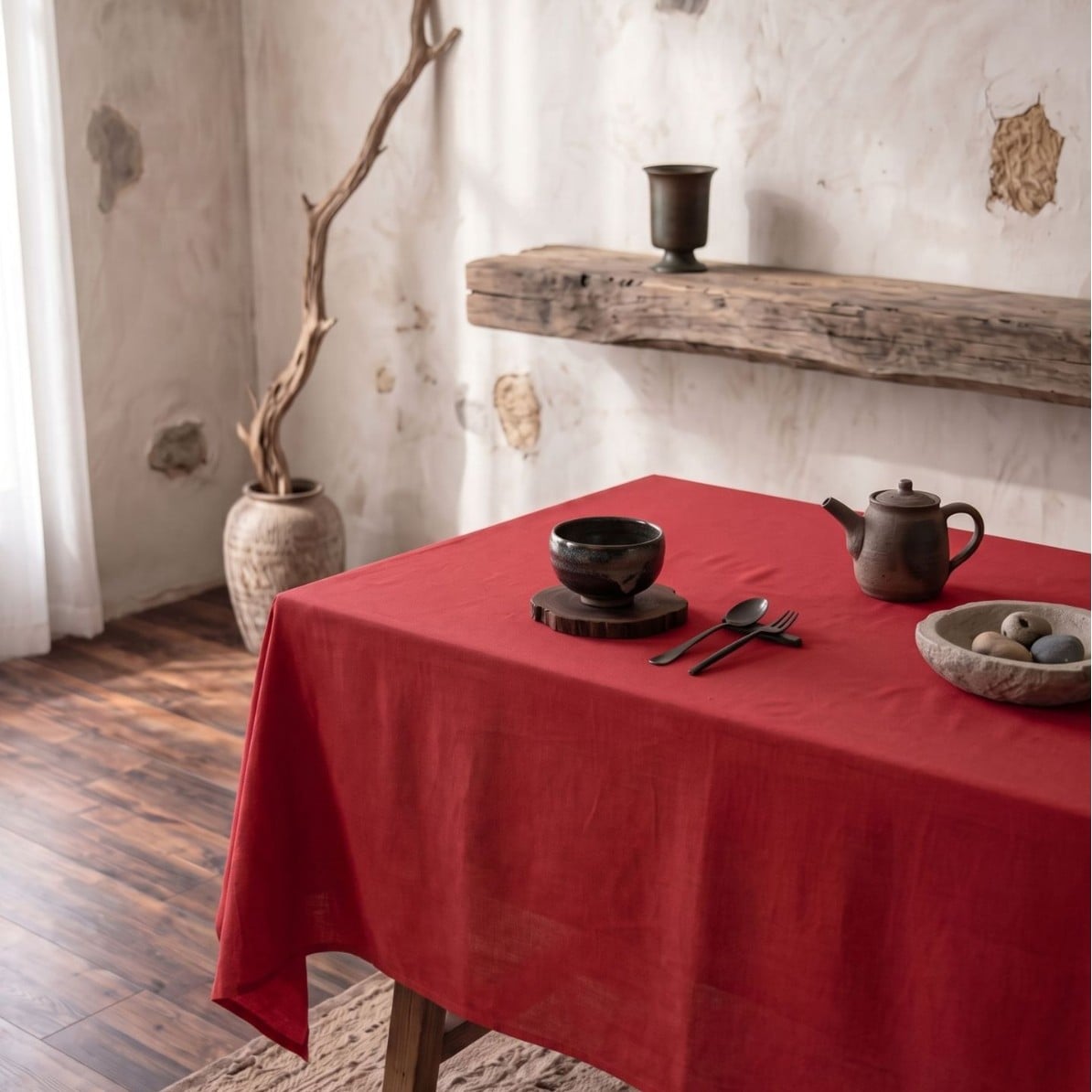
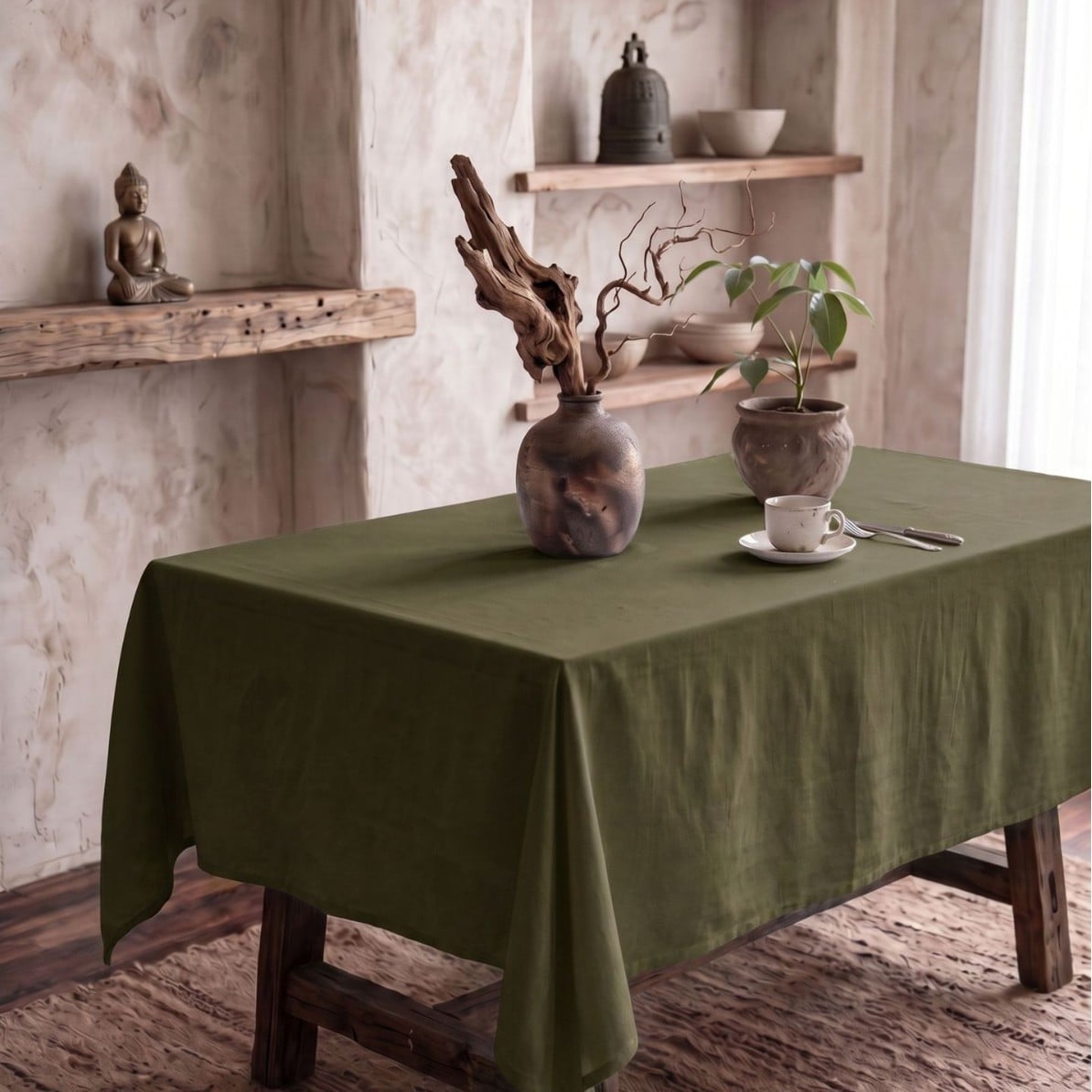
| Color | Multiple Solid Colors (Reference Includes White, Pink, Red, Green and Blue Tones) |
| Material | Polyester-Cotton Blend (Reference Listing: 30% Cotton; Balance Not Explicitly Specified) |
| Style |
Japanese-Inspired / Minimalist / Soft Vintage |
| Size | 100 × 135 / 135 × 135 / 135 × 160 / 135 × 180 / 135 × 200 cm; Additional Sizes Subject to Confirmation |
| Package | Folded Individually / Retail or Bulk Packing by Agreement |
| Certification | OEKO-TEX Standard 100 |
| MOQ | 200 |
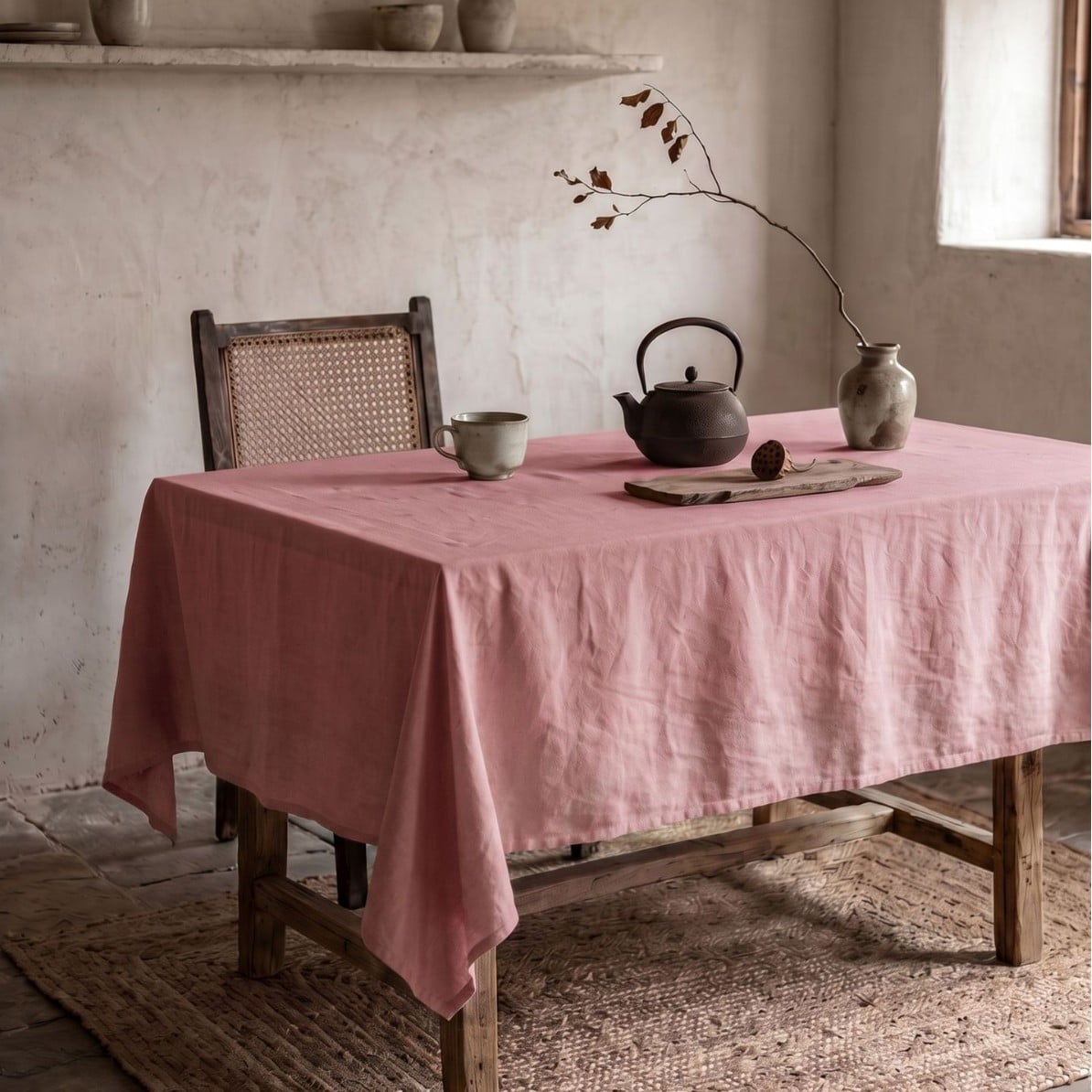
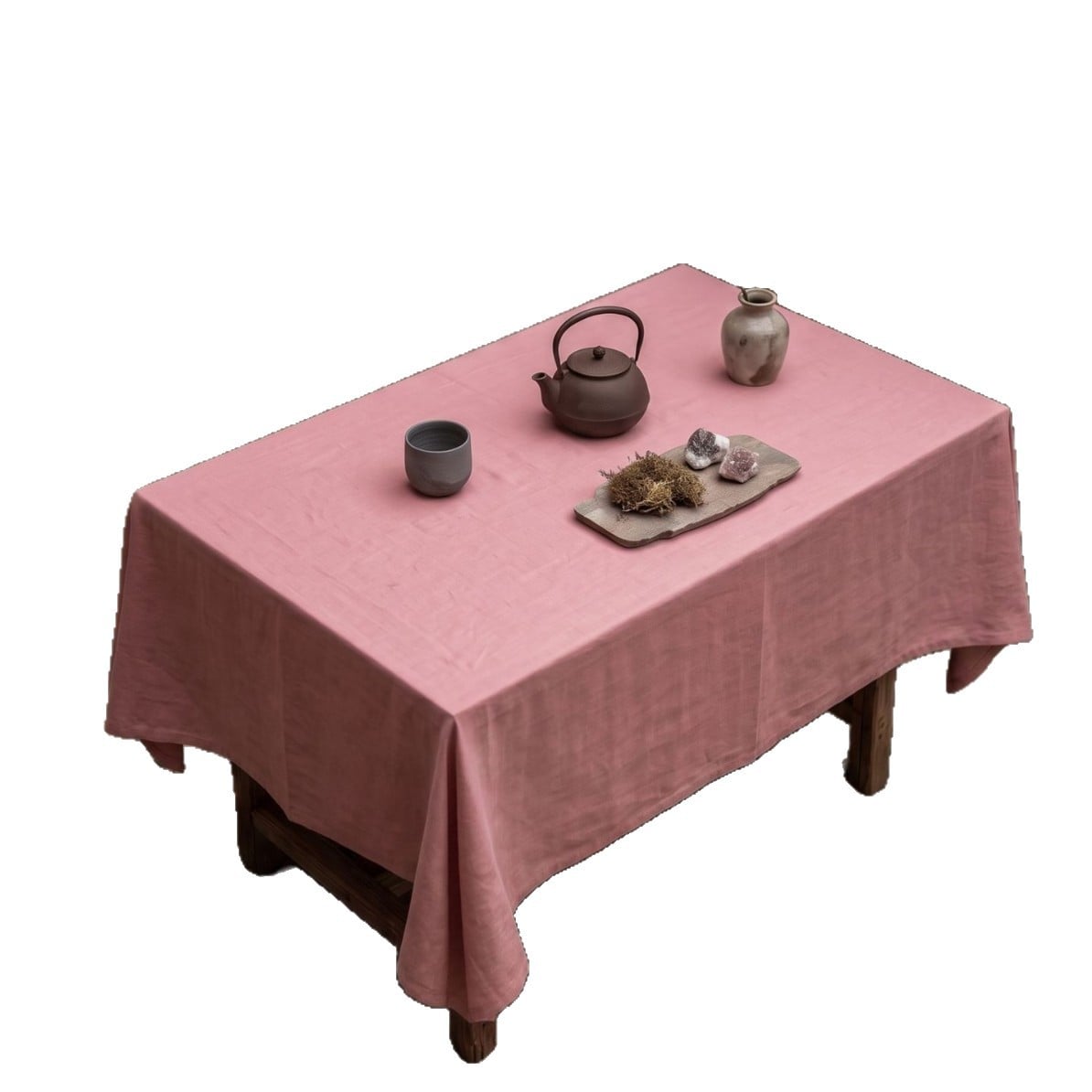
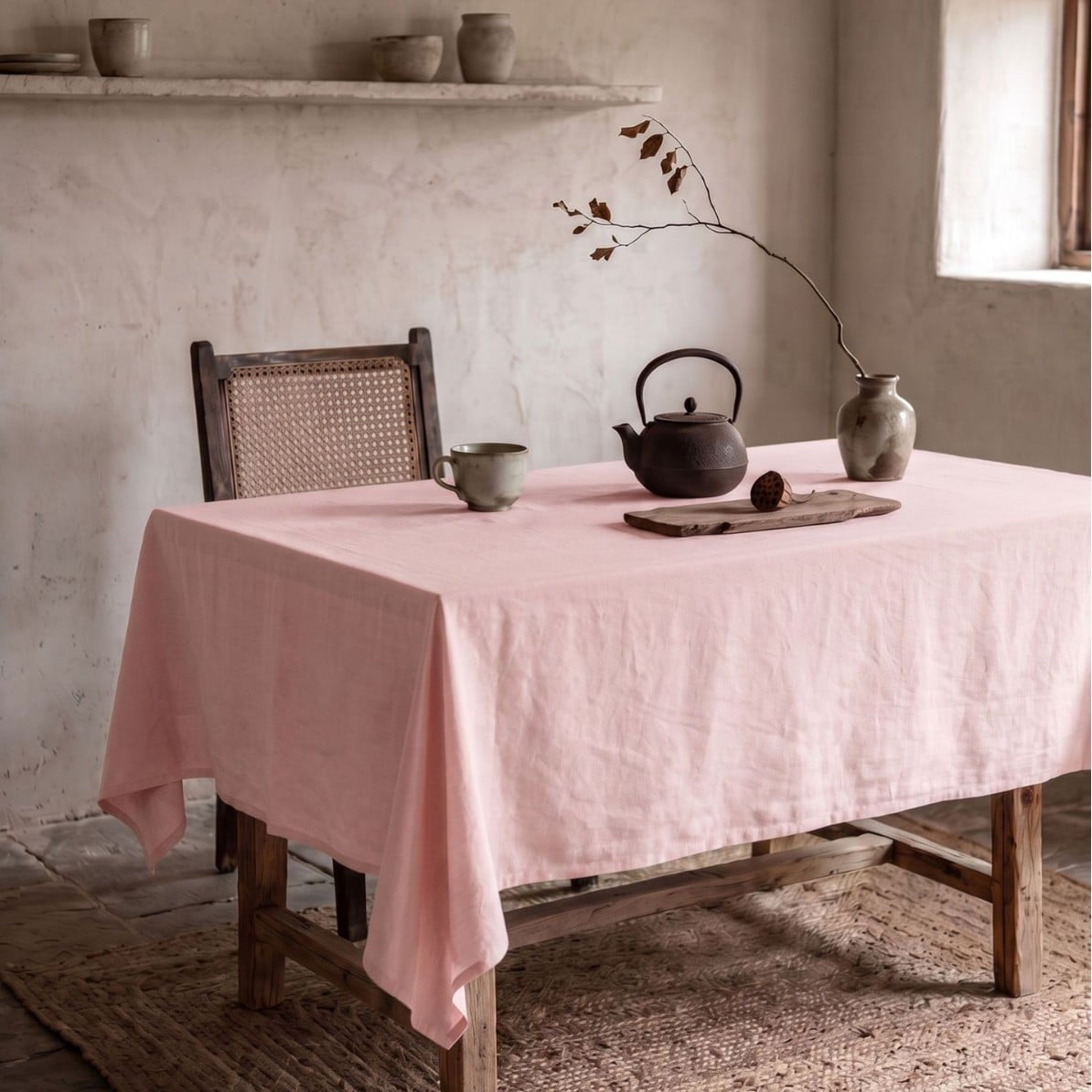
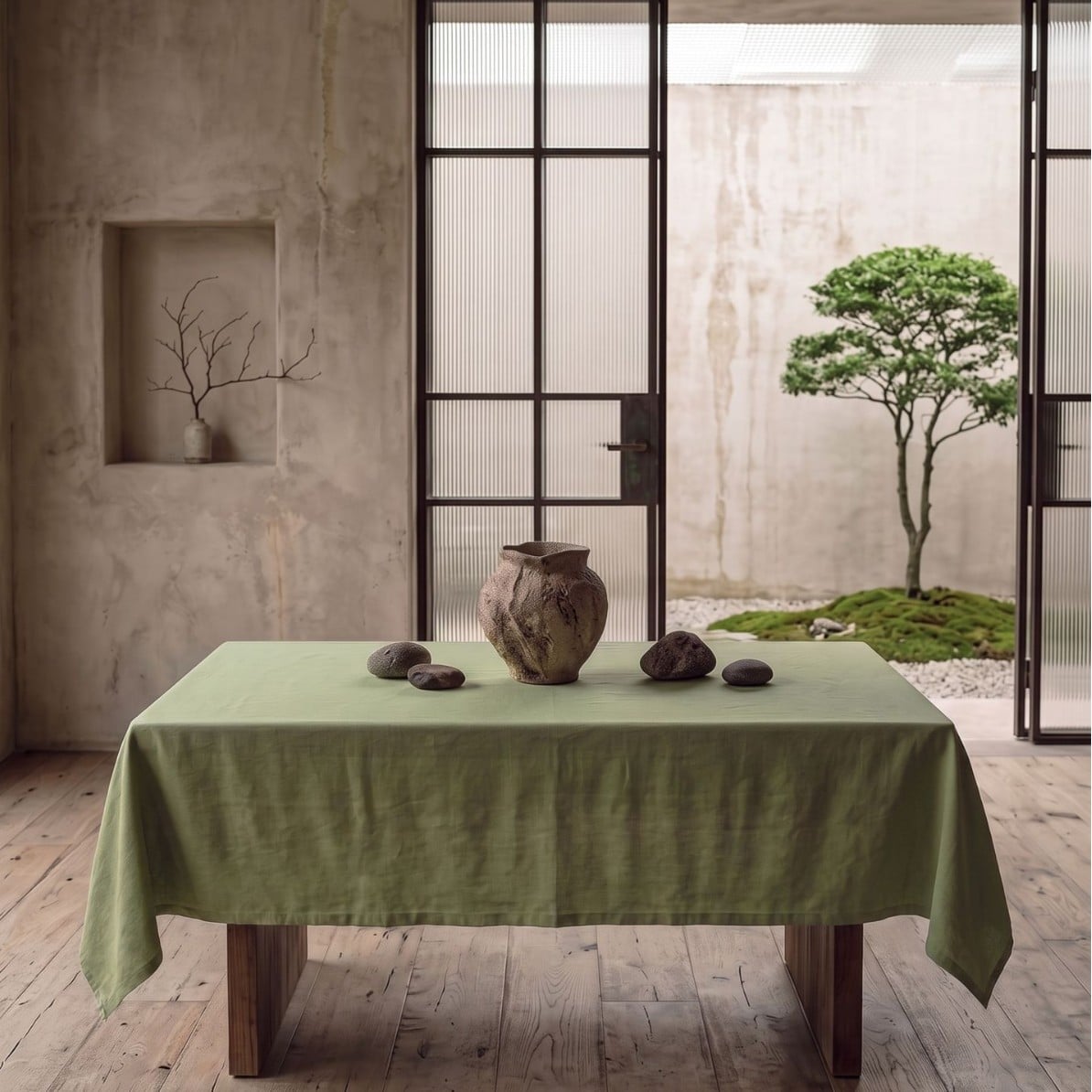
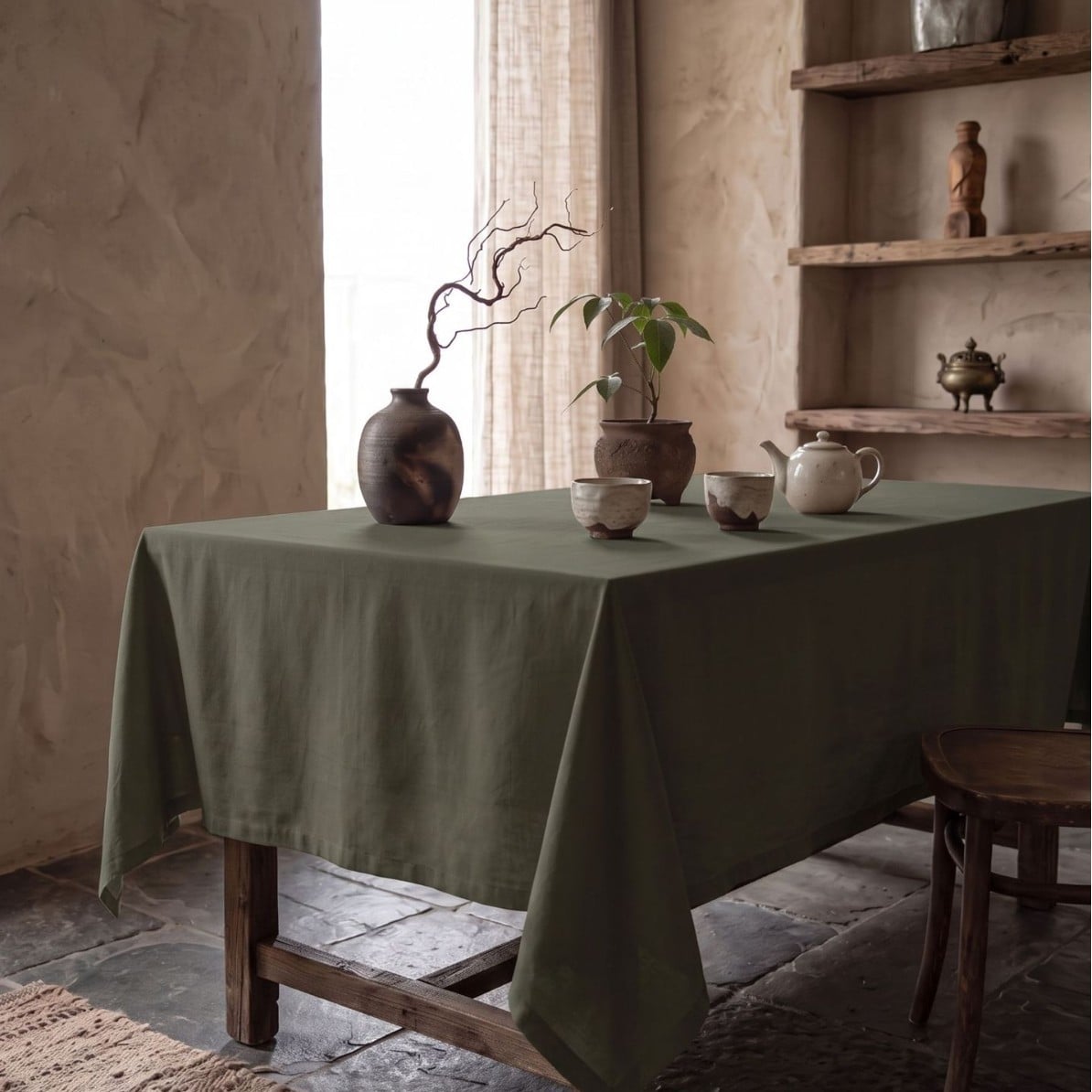
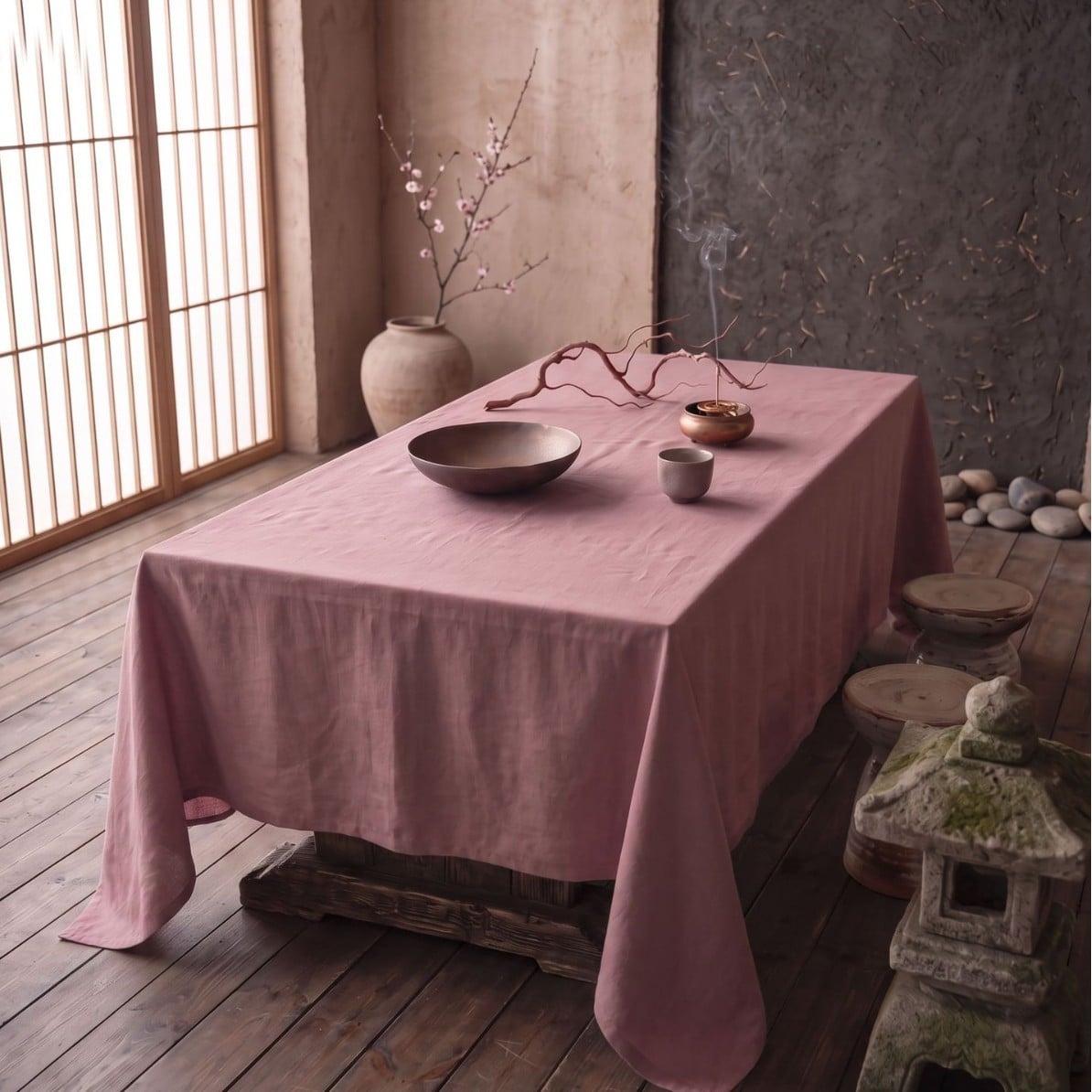
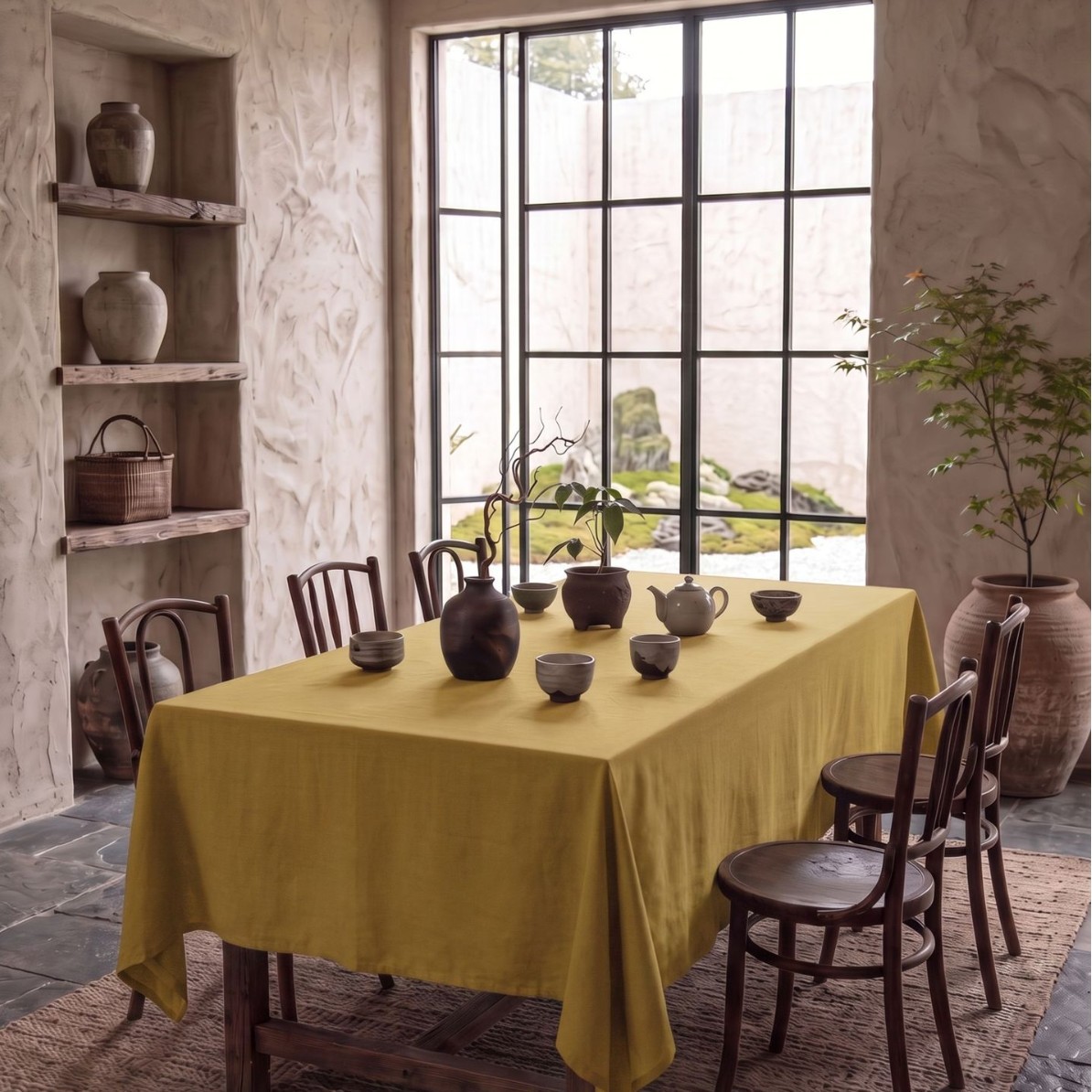
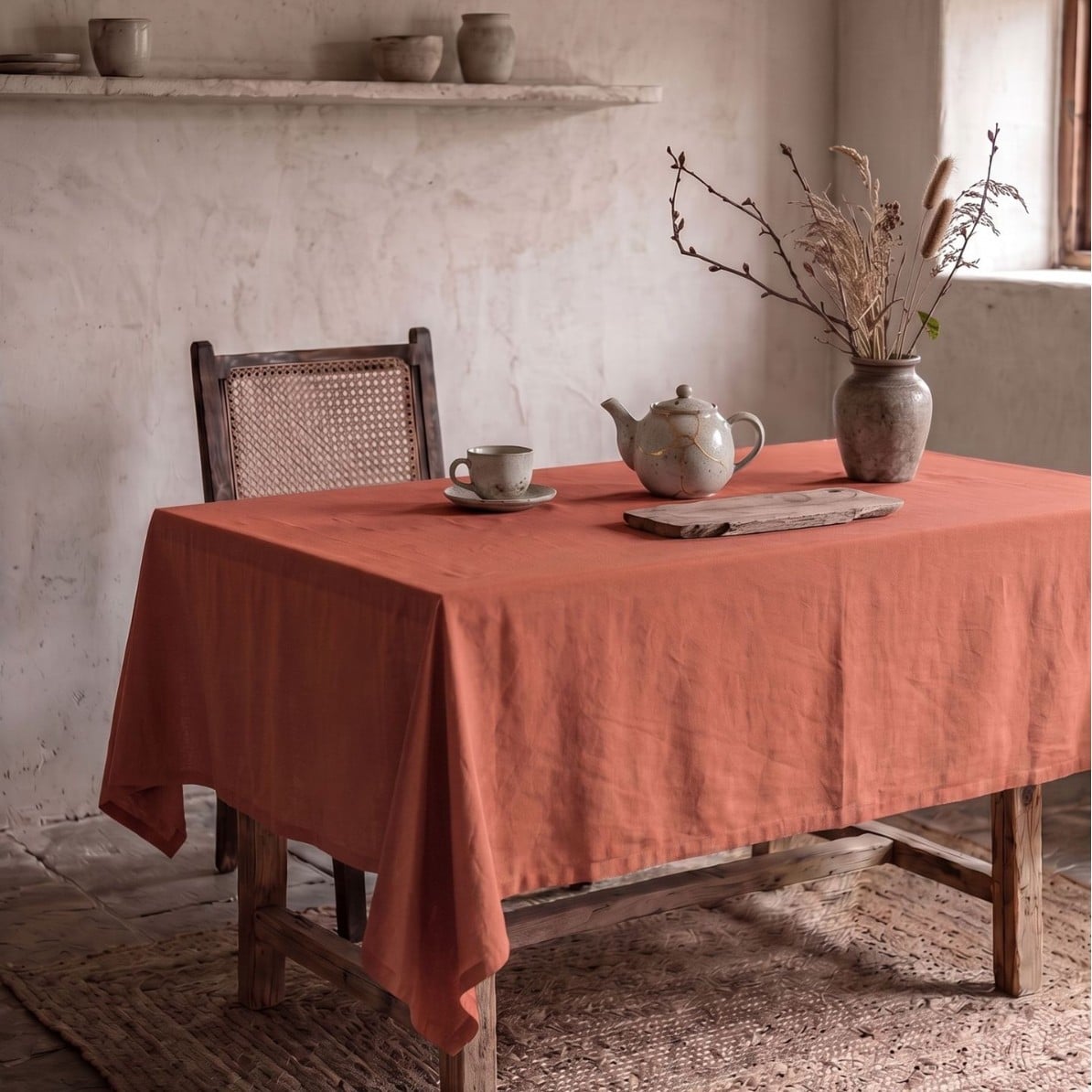
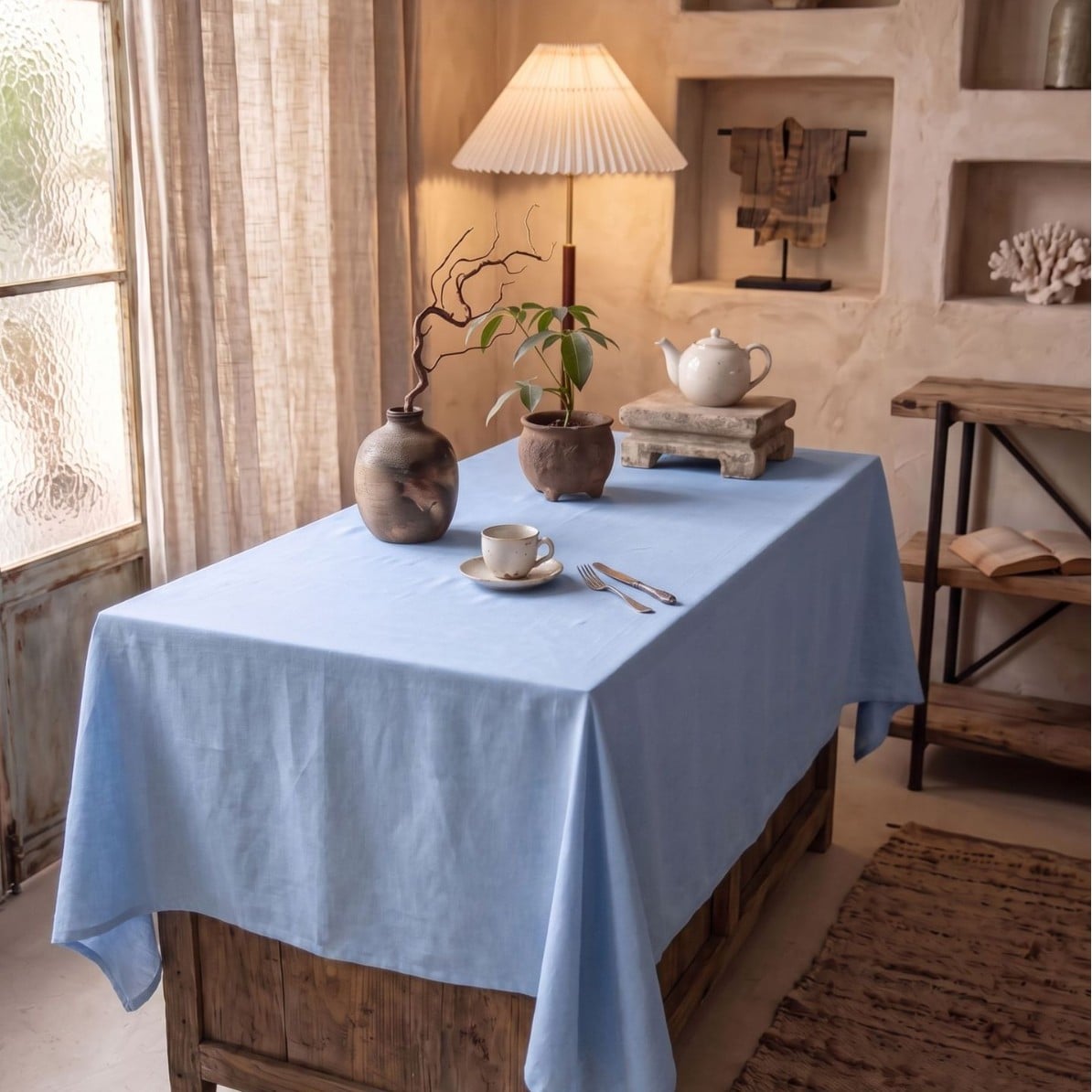
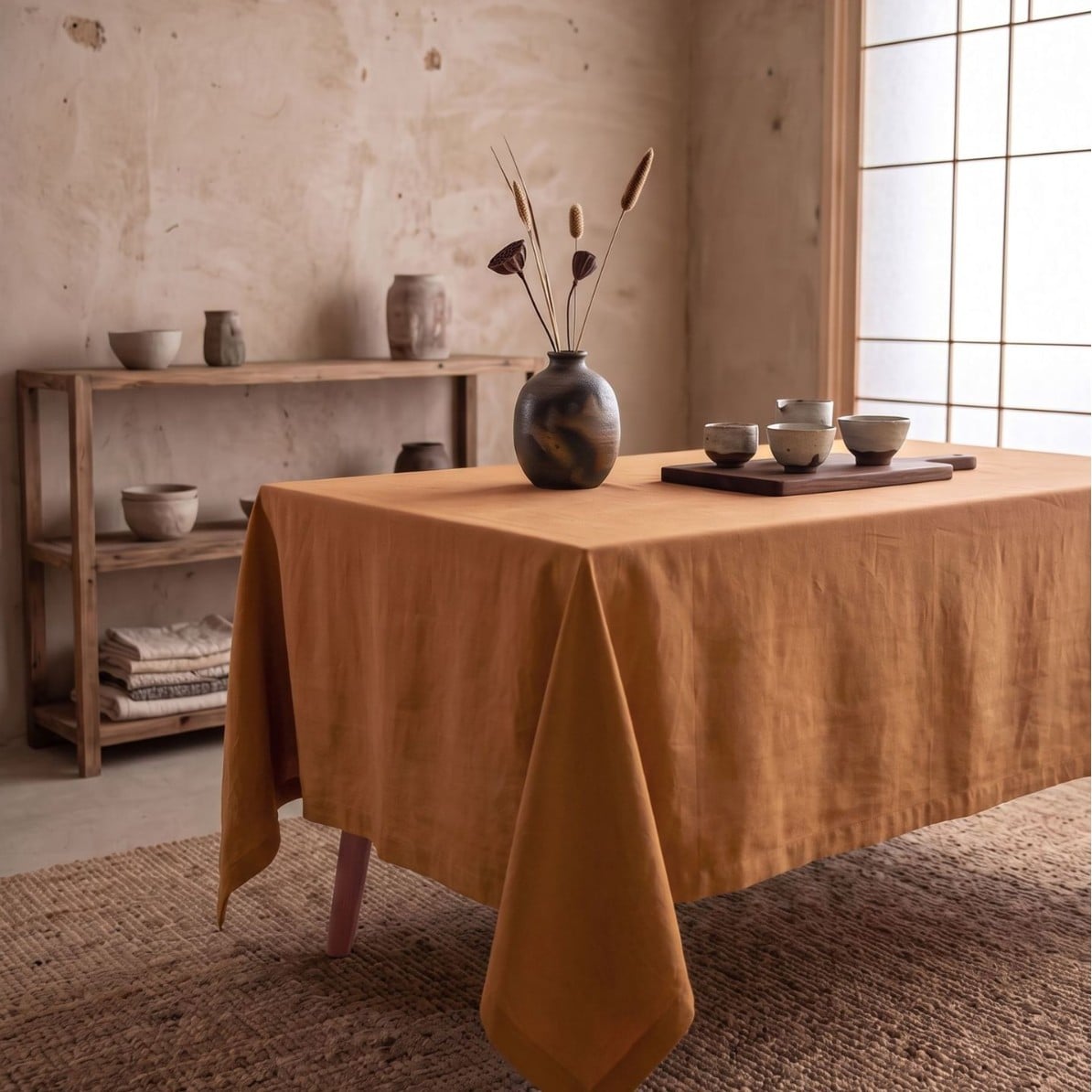
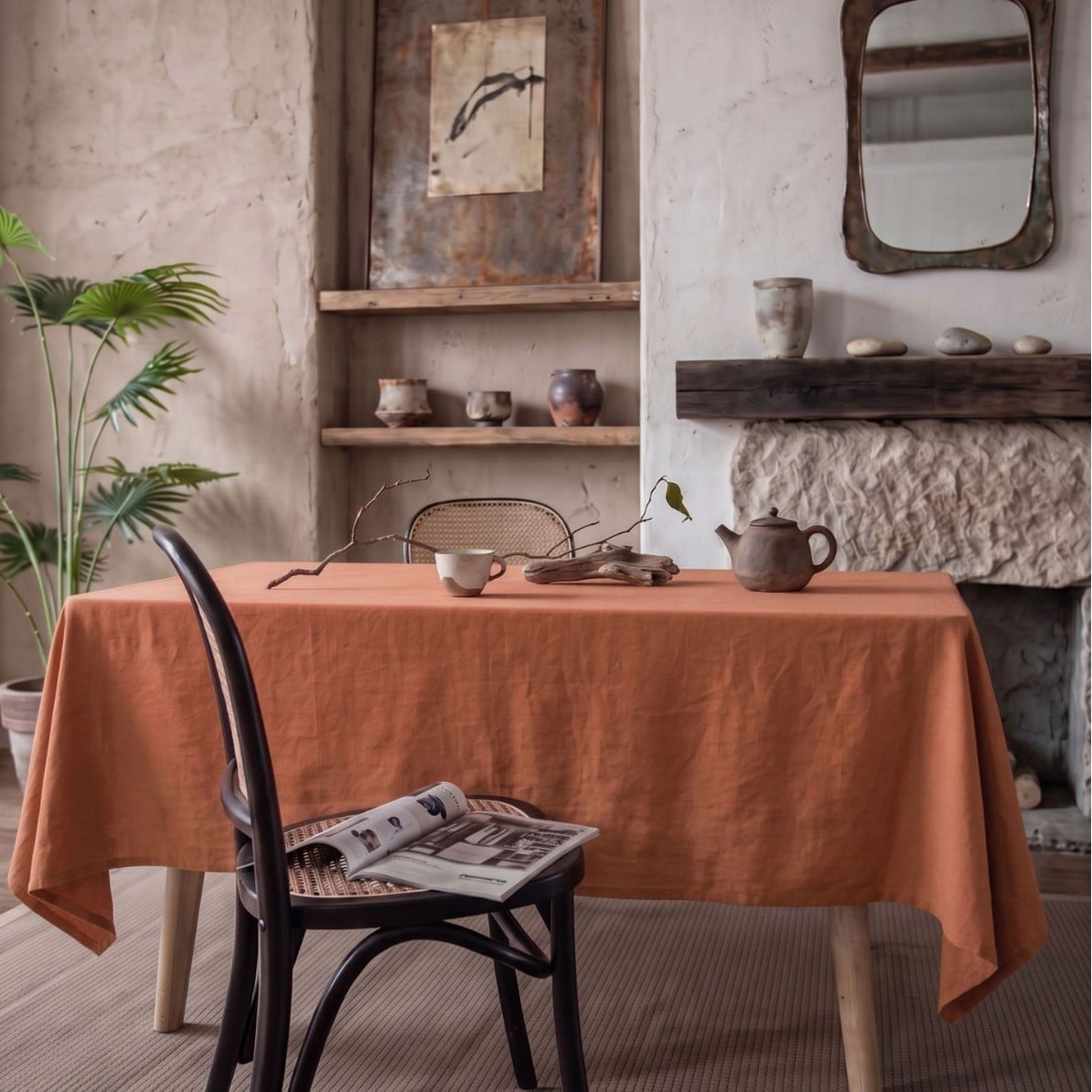
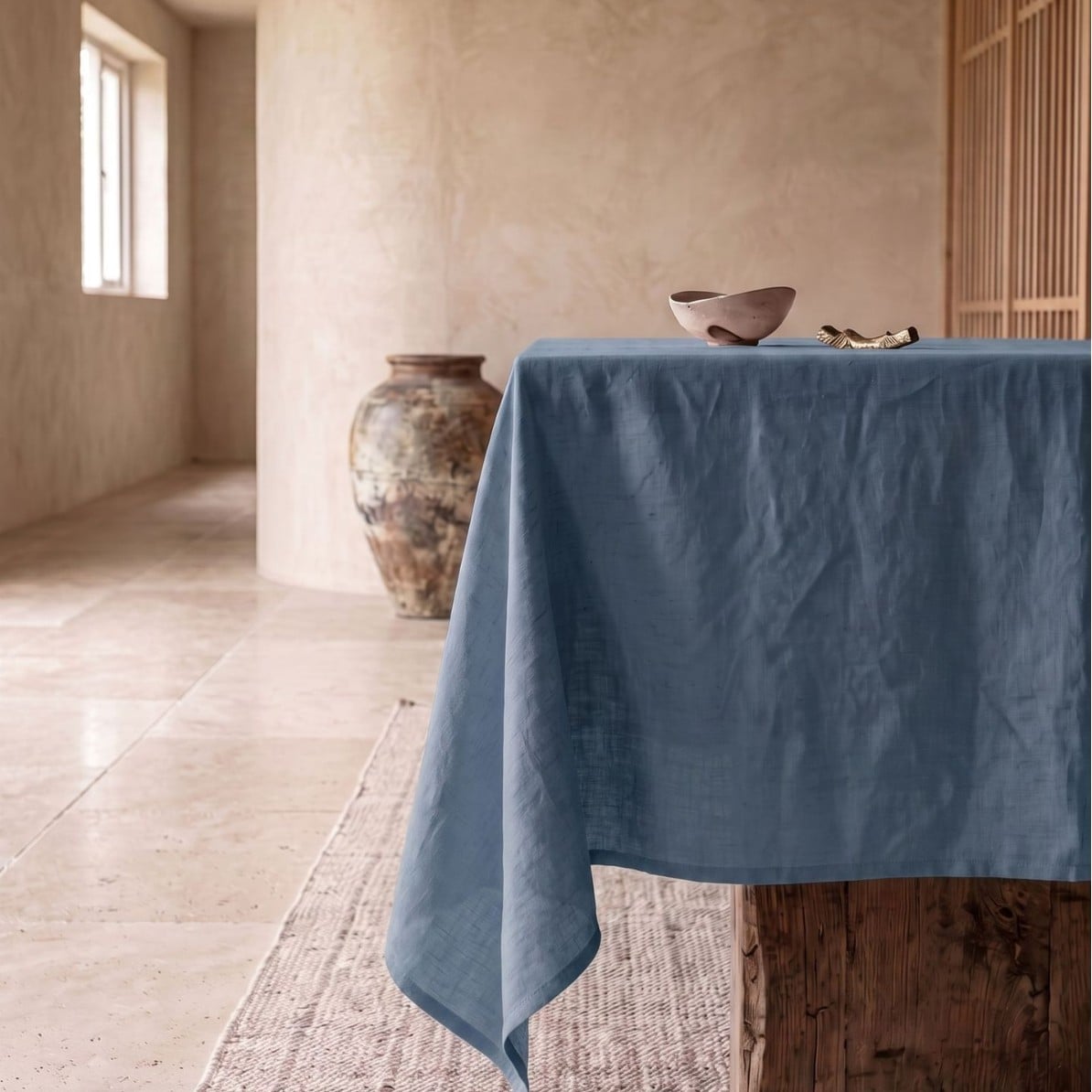
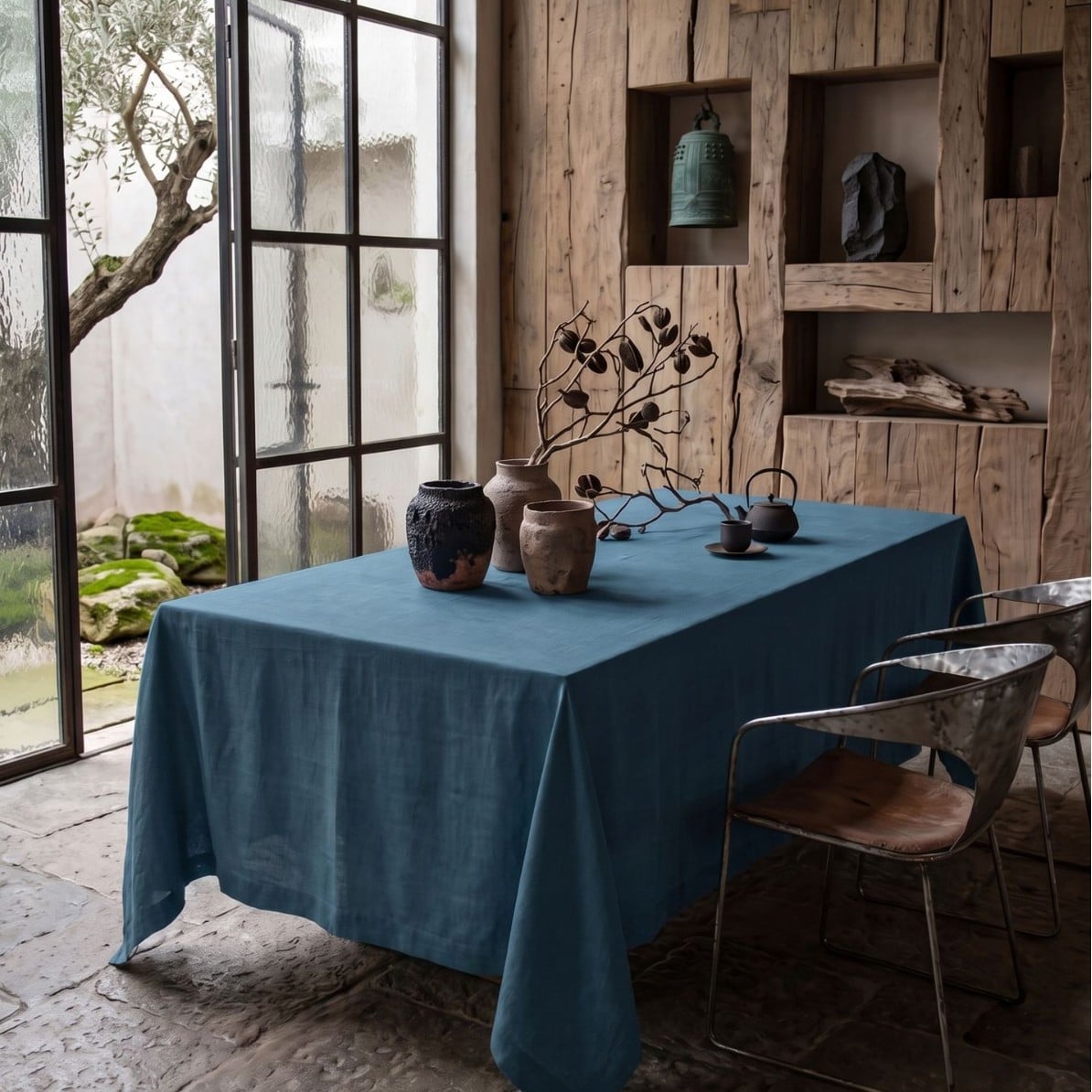
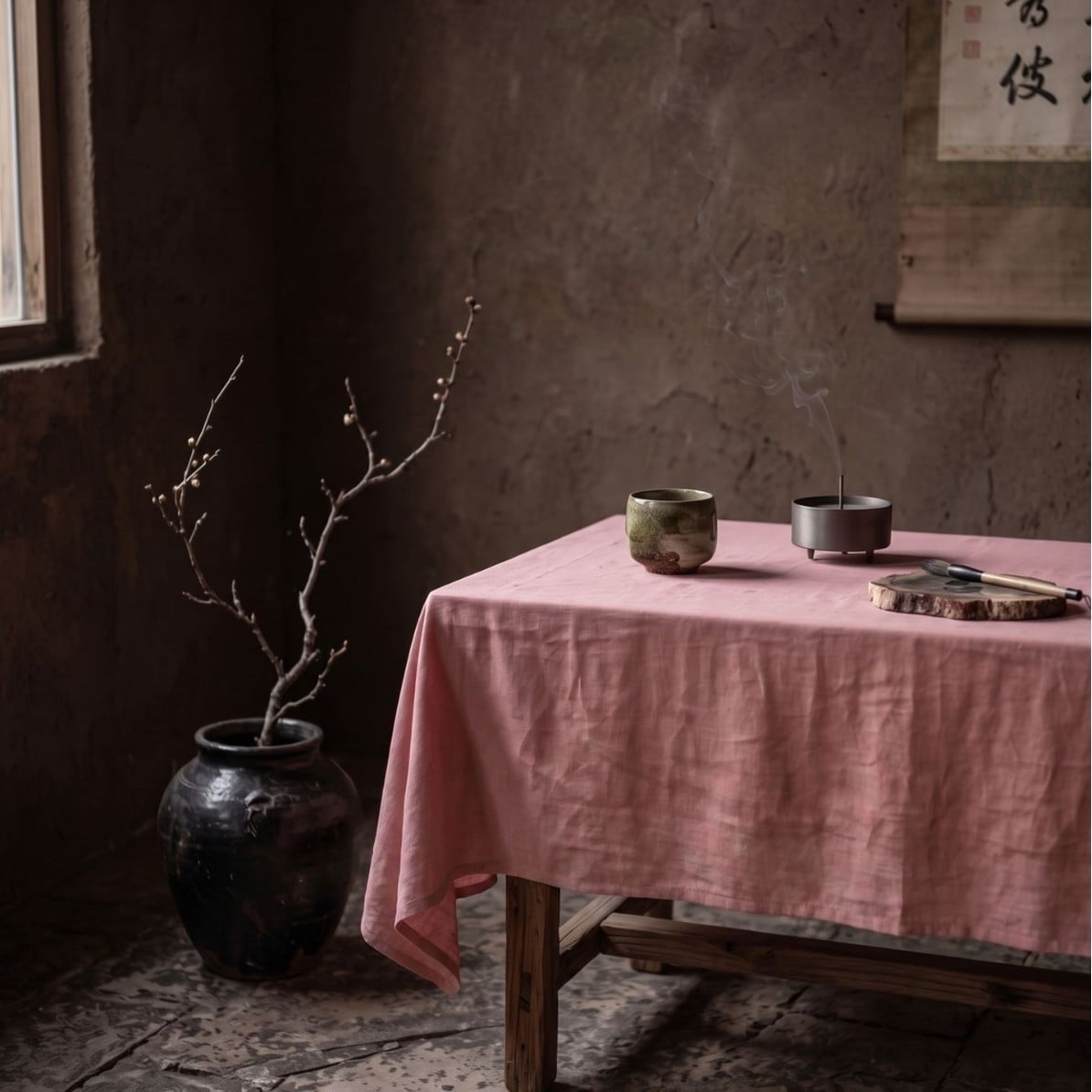
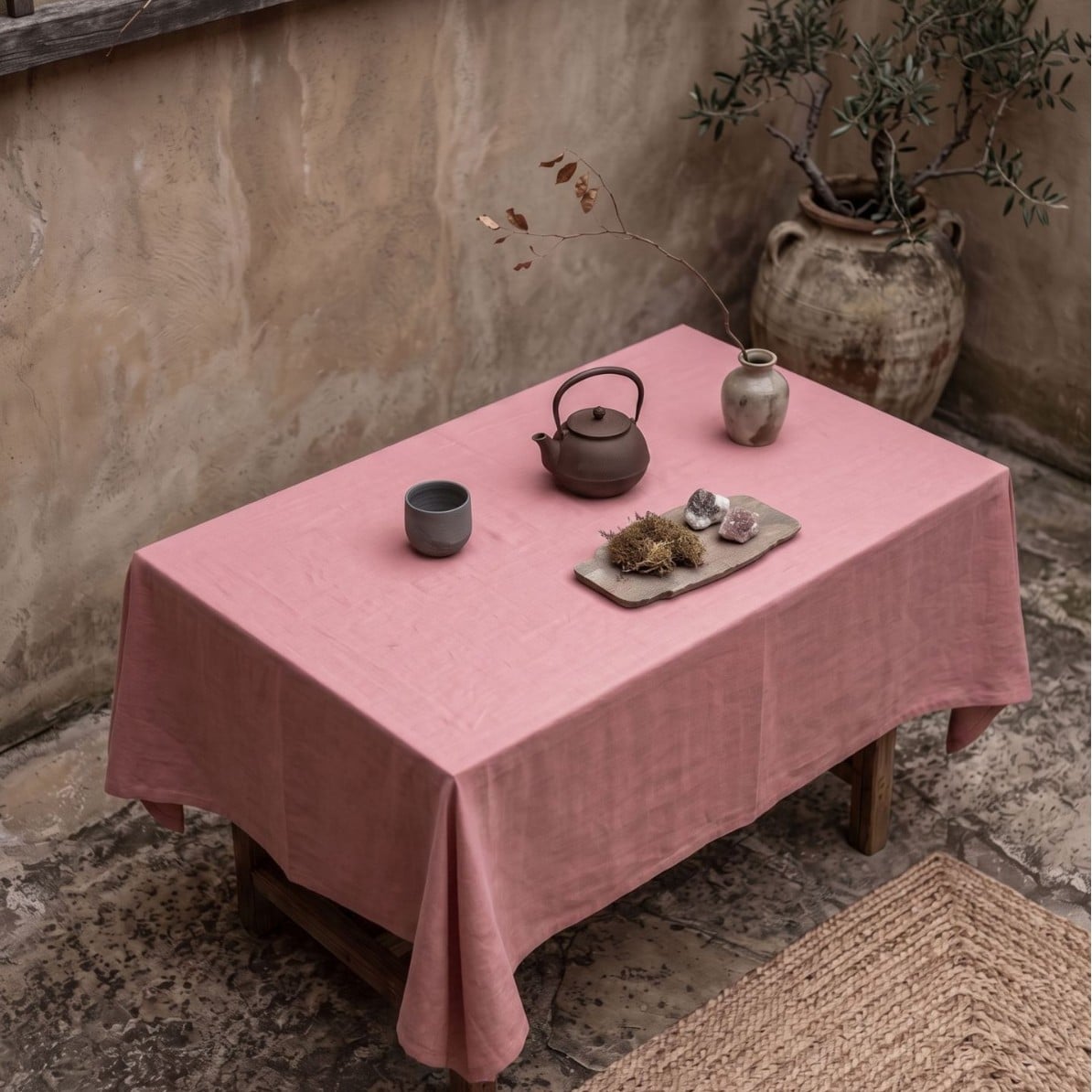
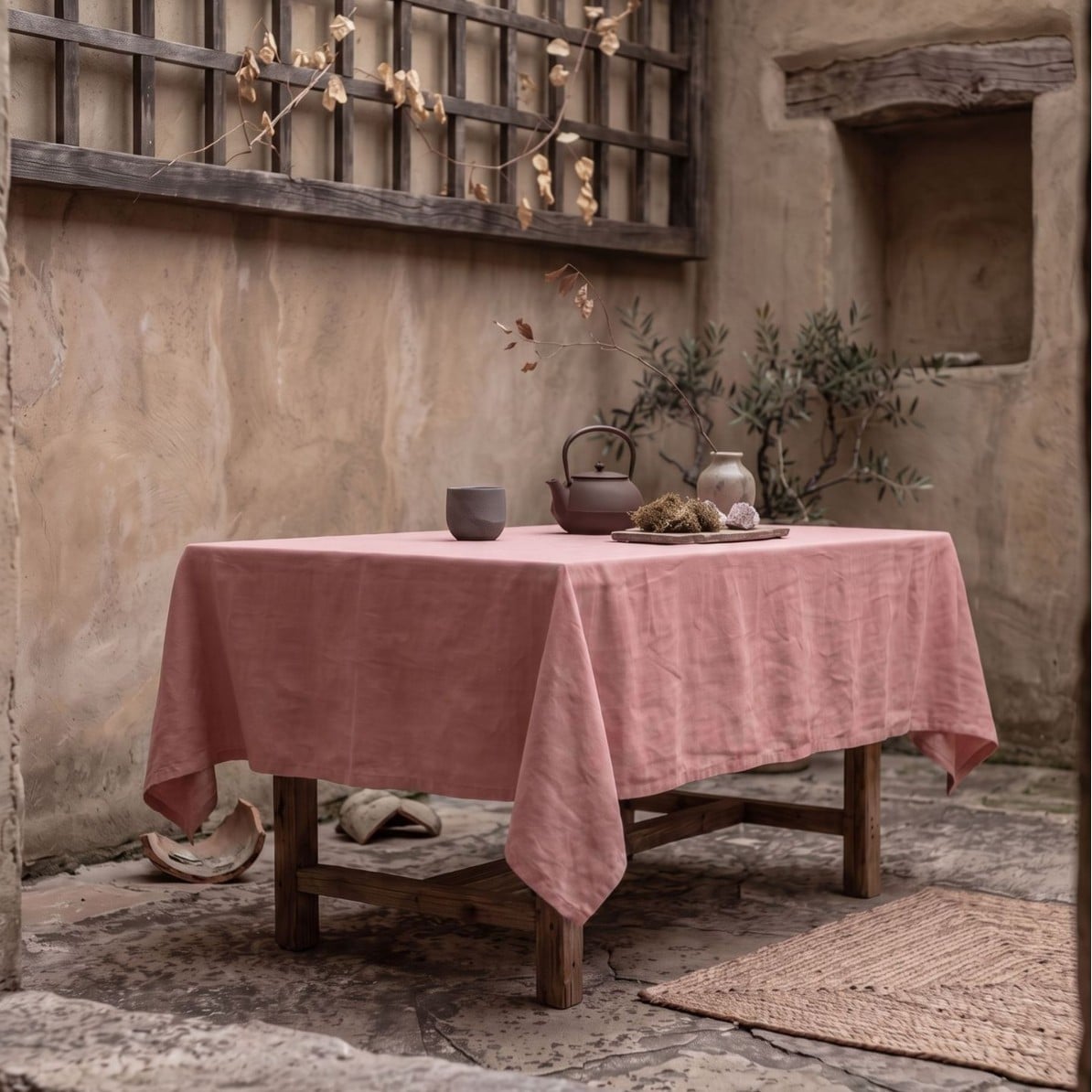
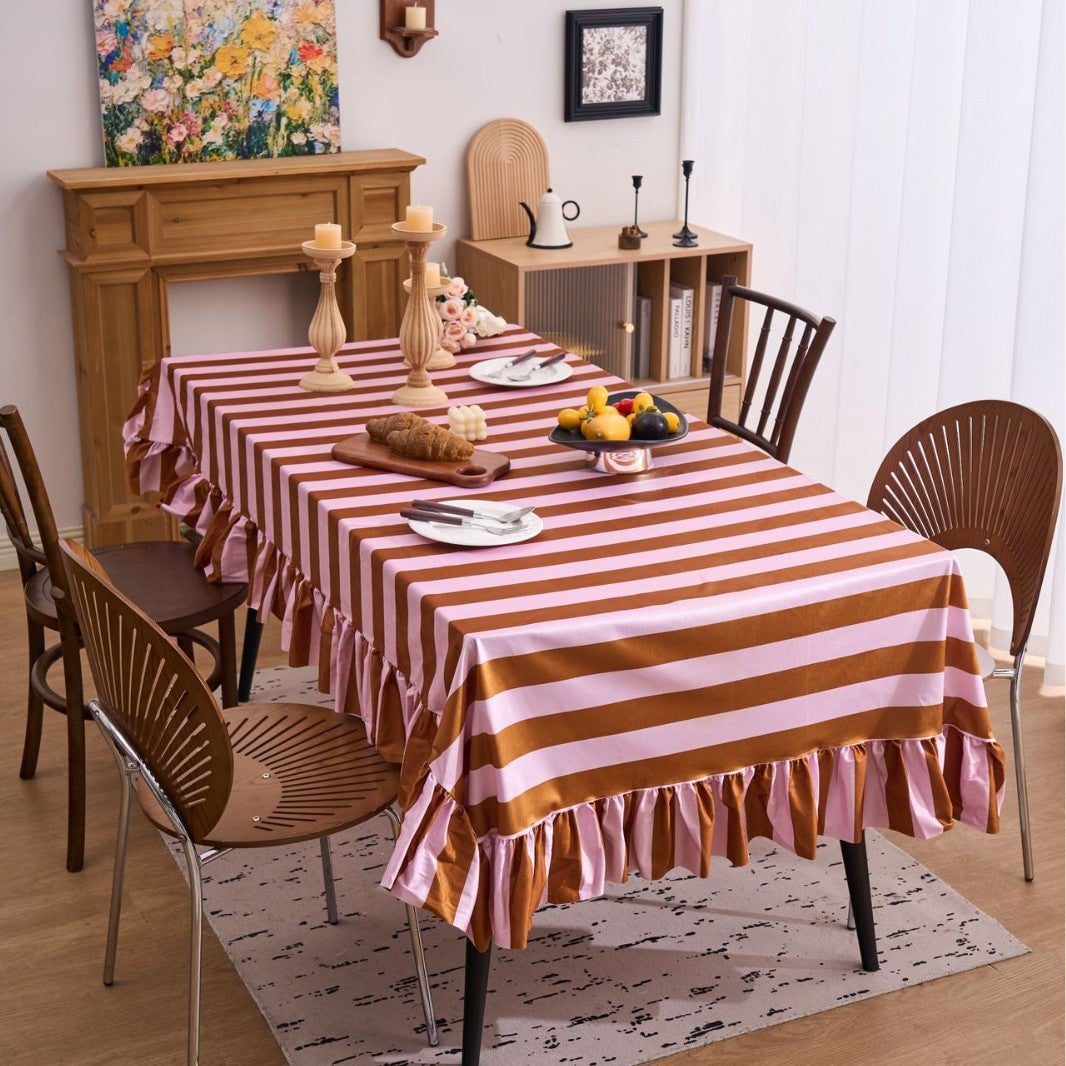
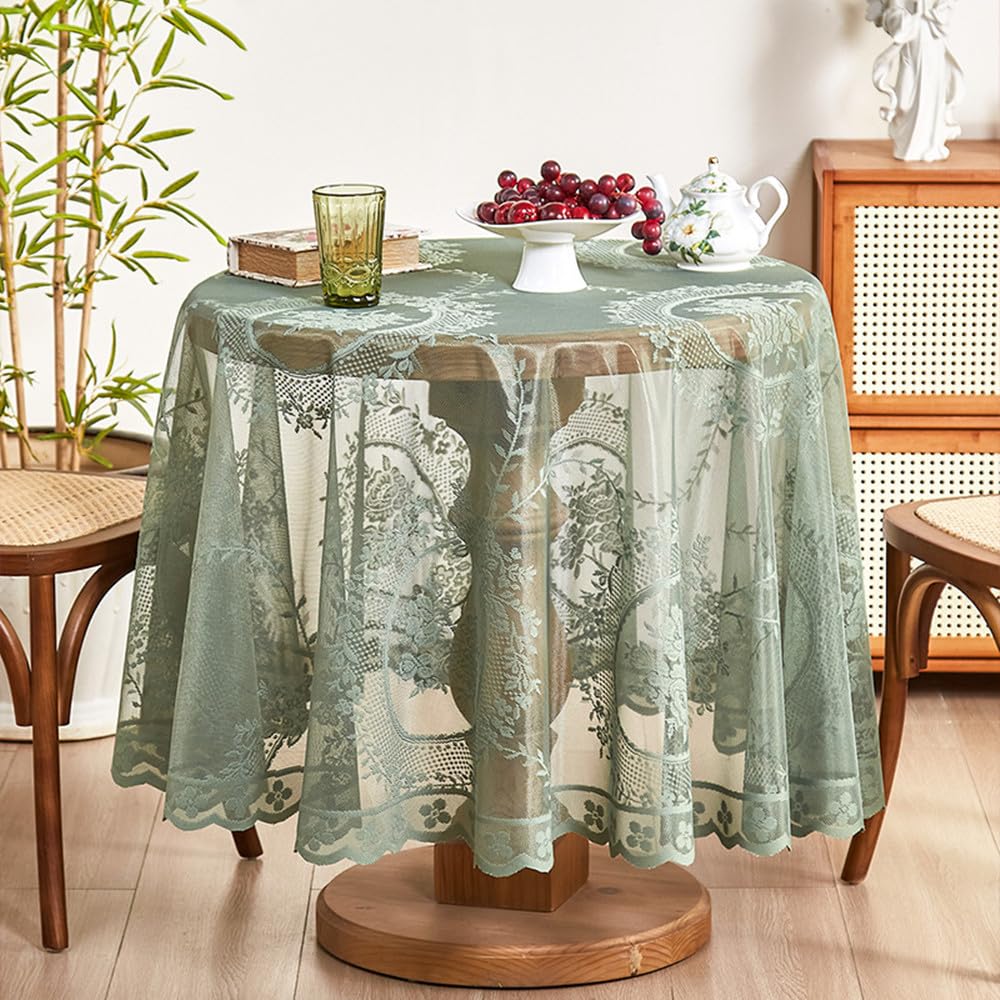
A gently shaped scalloped border brings a quiet decorative touch to this solid-color tablecloth. The soft, muted surface creates a clean setting for ceramics, candles and everyday meals, while the curved edge softens the otherwise straight lines of a rectangular dining table. Its understated look suits Japanese-inspired spaces and relaxed interiors where fabric texture and subtle finishing matter more than bold prints.
Shaoxing Yingkuo Textile Co., Ltd. develops EAGLEKO solid-color table linen for home textile brands, online retailers and tableware collections. This design offers a useful foundation for coordinated color ranges, with particular attention to the continuity of the scalloped edge at corners, stable fabric hand feel and shade consistency. Buyers can confirm the fiber composition, dimensions, finishing standard, care instructions and branded packaging through sample approval before bulk production.
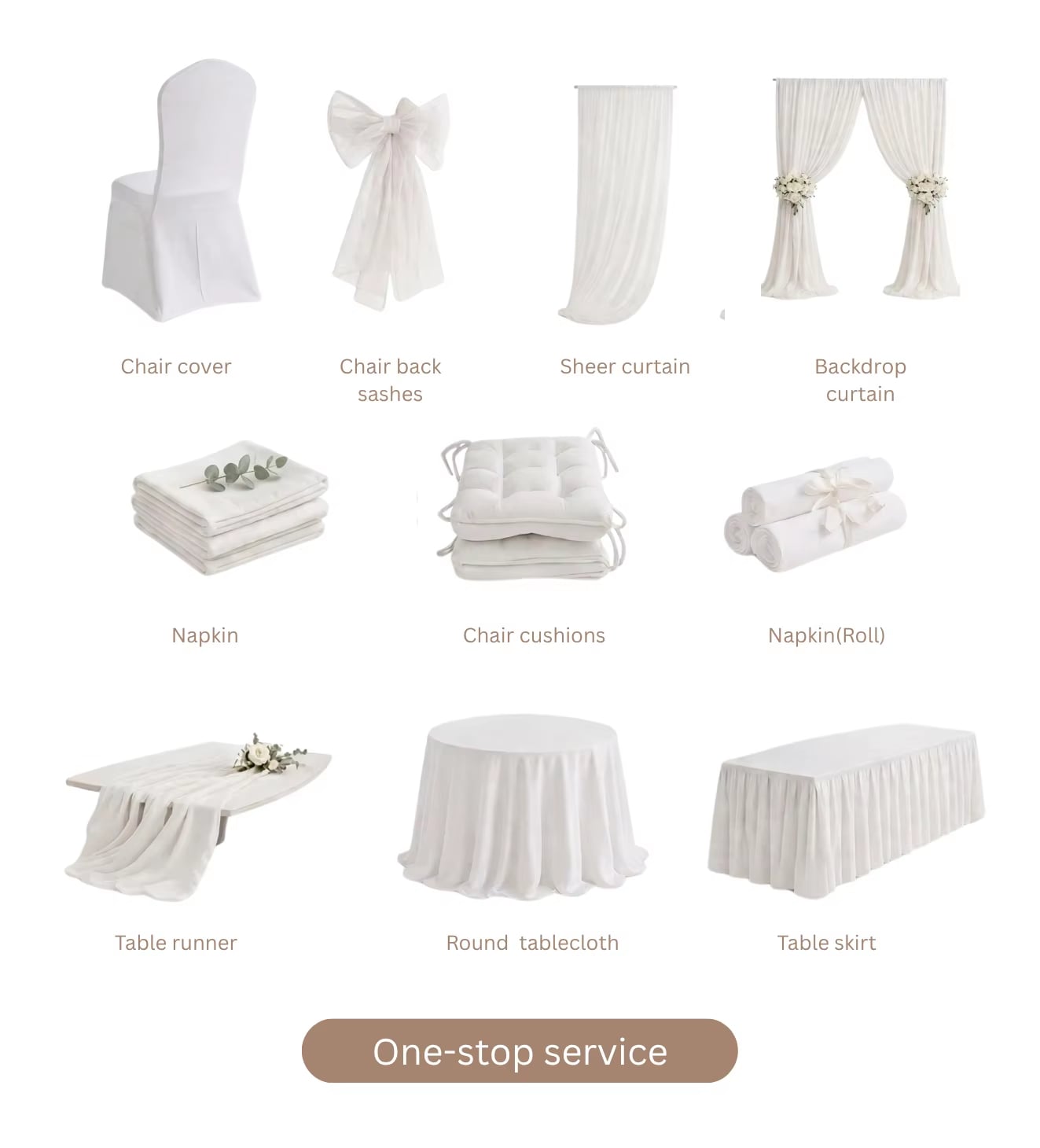
Everyday Dining — A simple striped surface creates a tidy setting for family meals.
Modern Farmhouse Interiors — Black lines contrast naturally with wooden furniture and neutral accessories.
Kitchen Breakfast Tables — The restrained pattern suits casual coffee and breakfast arrangements.
Apartment Dining Areas — Fine stripes provide visual detail without overpowering compact interiors.
E-commerce Sales — A recognizable black-and-white stripe offers clear product photography and search positioning.
Café and Casual Hospitality — Coordinated table coverings create a consistent, understated dining look.
Private-Label Home Collections — Multiple dimensions can support coordinated retail assortments.
Distinctive Scalloped Border — A curved perimeter adds decorative definition without ruffles or lace.
Unprinted Color Surface — Allows tableware and centerpieces to remain the visual focus.
Soft-Toned Assortment — Supports cohesive color stories across tabletop collections.
Versatile Rectangular Shape — Suitable for common dining-table formats with an appropriately chosen drop.
Blended Textile Hand Feel — Combines a natural-looking surface with a practical blended-fiber construction.
Simple Styling Flexibility — Works with rustic wood, contemporary dining furniture and neutral décor.
Private-Label Potential — Edge geometry, color references, finished sizes and labeling can be agreed for B2B programs.
Q1: What specifications should define the scalloped edge for bulk production?
A: Agree on the curve depth, repeat length, edge stitch type and how the curves terminate at each corner. An approved full-size sample is more reliable than a small fabric swatch for checking the finished silhouette.
Q2: How can irregular corners be avoided when a curved border runs around a rectangular cloth?
A: Specify a corner-transition drawing or physical reference. Inspect whether the scallops meet symmetrically and whether the fabric lies flat without pulling or pointed corners.
Q3: How should buyers compare the hand feel of different solid-color lots?
A: Review fabric weight, weave appearance, finishing and drape alongside shade. Even when the color is approved, changes in finishing can affect how the cloth hangs over the table edge.
Q4: Is the listed fabric definitely linen?
A: The supplier screenshot describes a polyester-cotton blend and separately indicates 30% cotton; it does not verify linen content. Confirm the complete fiber breakdown before using “linen” in mandatory composition labels or marketing claims.
Q5: What matters when approving a pale or pastel color assortment?
A: Assess each shade against a physical standard under more than one light source. For light colors, also review show-through over dark tabletops and whether seams or edge folds appear noticeably darker.
Q6: How should finished dimensions be checked when the edge is scalloped?
A: Define whether length and width are measured to the outermost scallop points. Use the same measurement method in samples, inspection reports and customer size charts to prevent avoidable discrepancies.
Q7: What care testing is relevant before retail launch?
A: Evaluate dimensional change, edge waviness and shade retention after the intended washing method. Confirm the care label from actual sample results rather than assuming all blended fabrics behave alike.
Q8: How can an online seller reduce confusion between this product and a standard rectangular cloth?
A: Show the complete tabletop view and a close-up of the curved hem, publish finished measurements and realistic drop examples, and distinguish the scalloped construction clearly in SKU names and packaging.
 EN