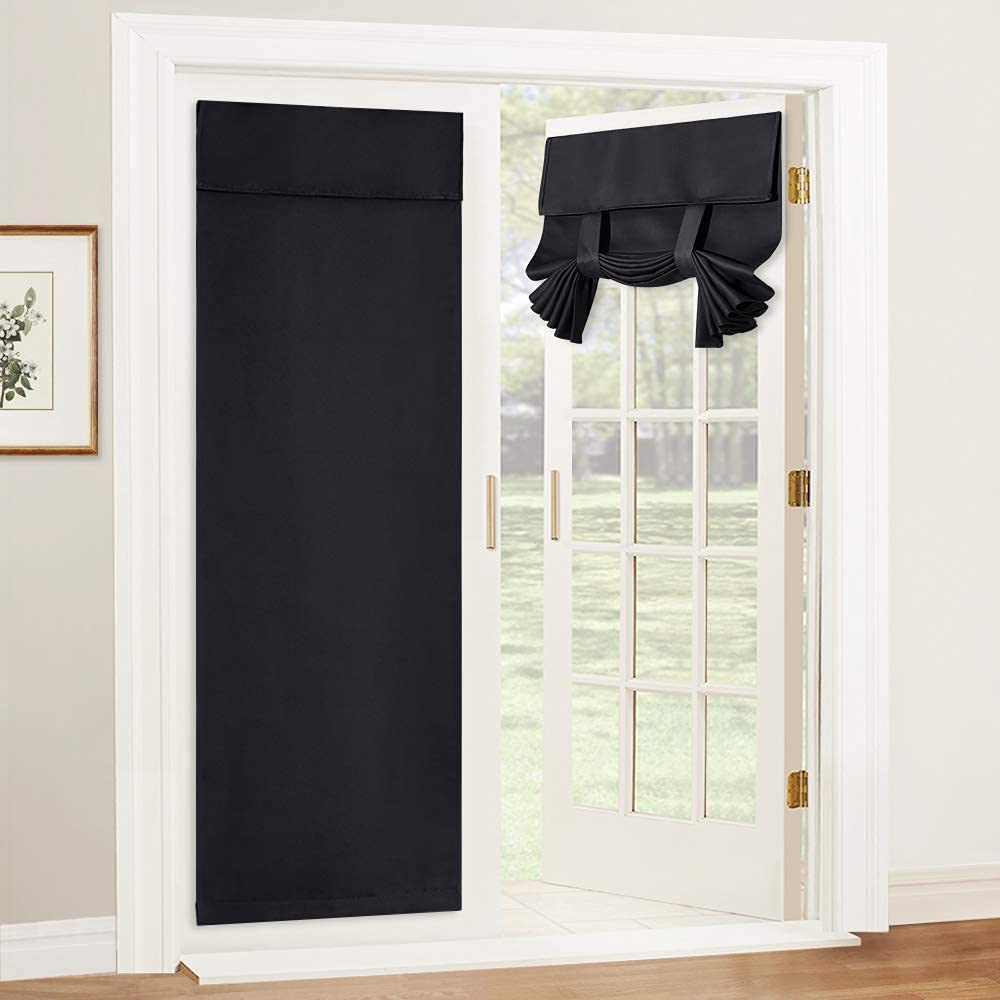
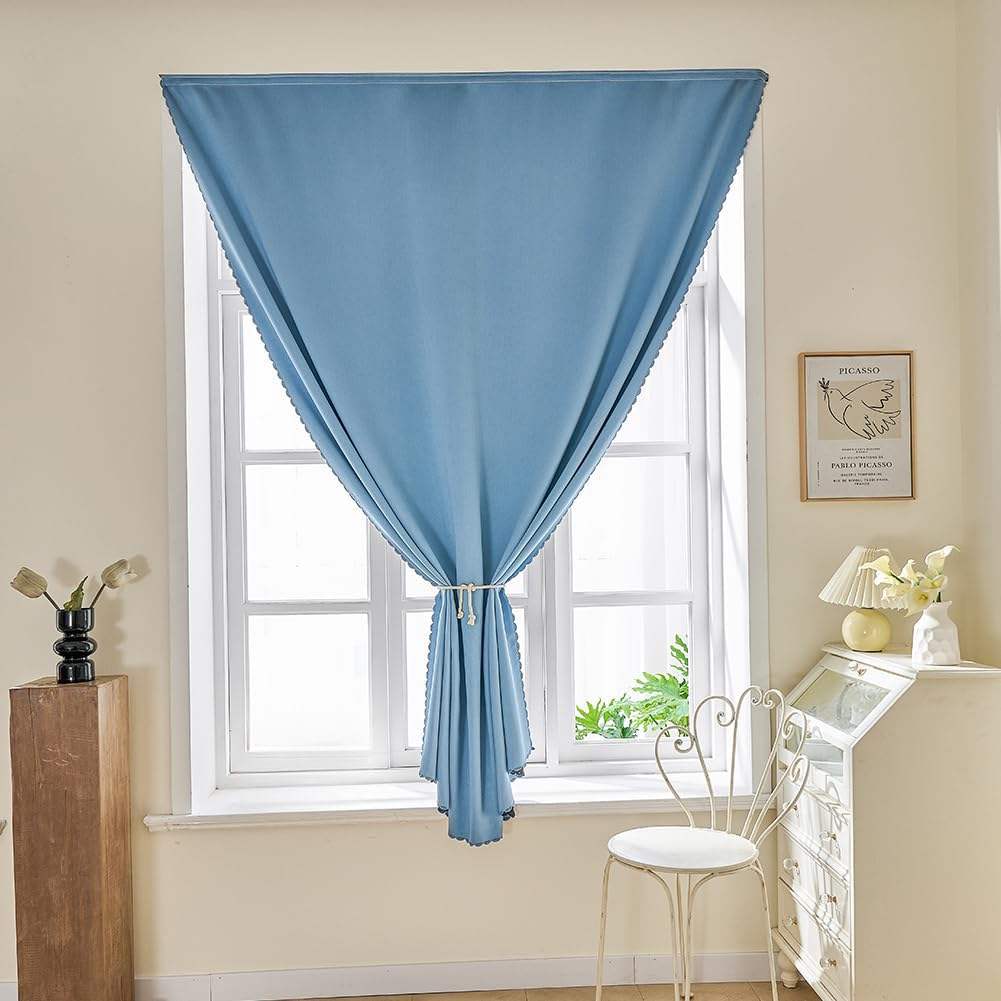
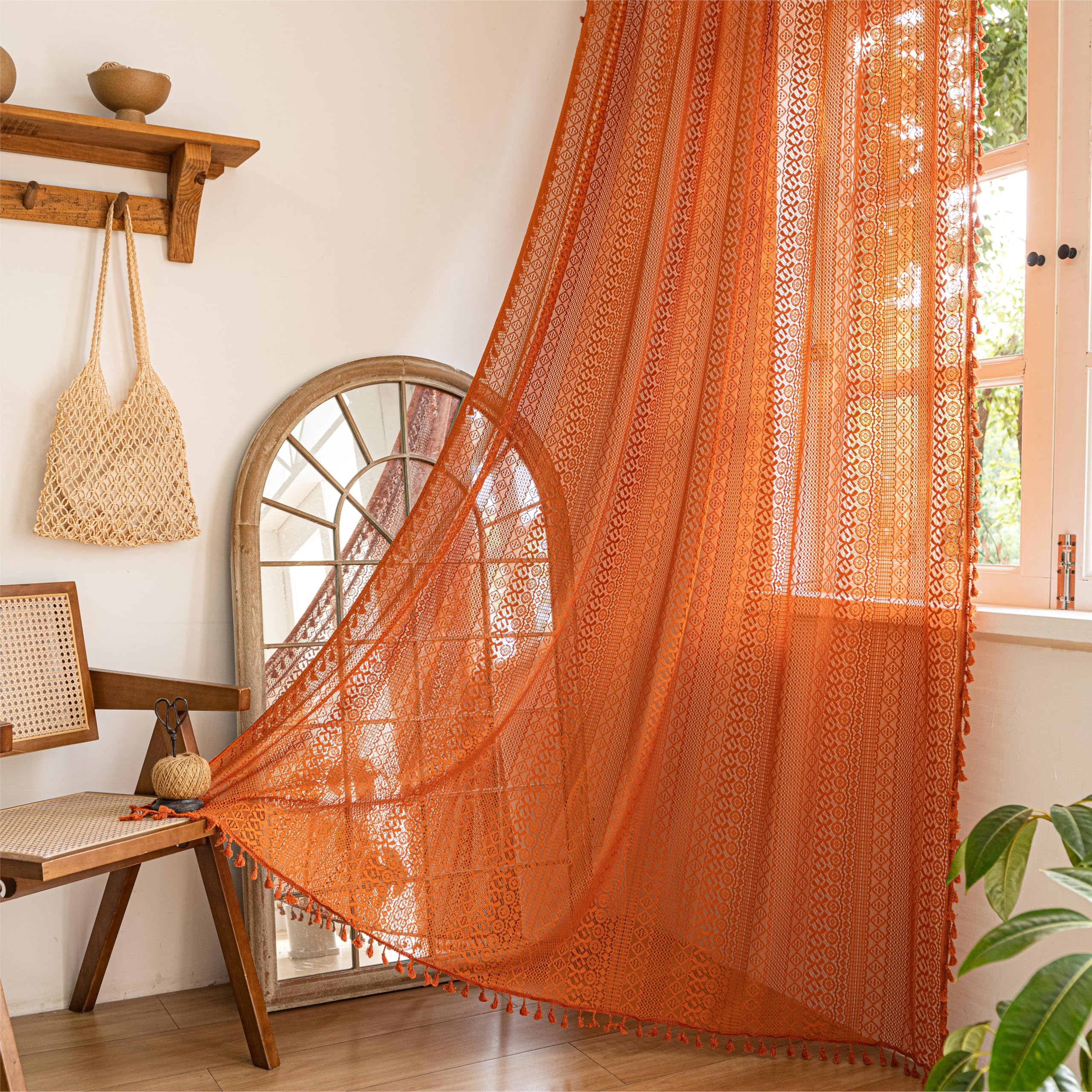
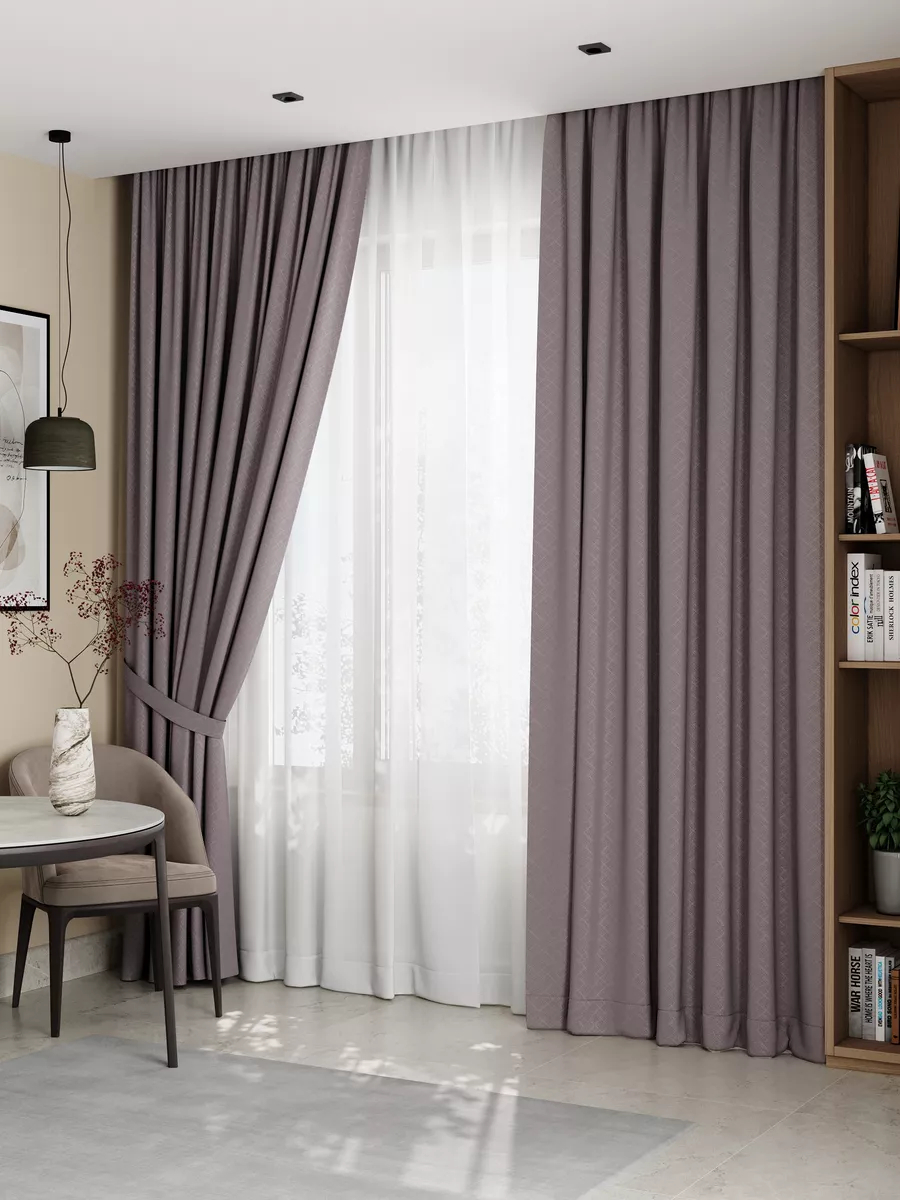
| Product Name |
Portable Blackout Curtain for French Door Glass Windows |
| Color |
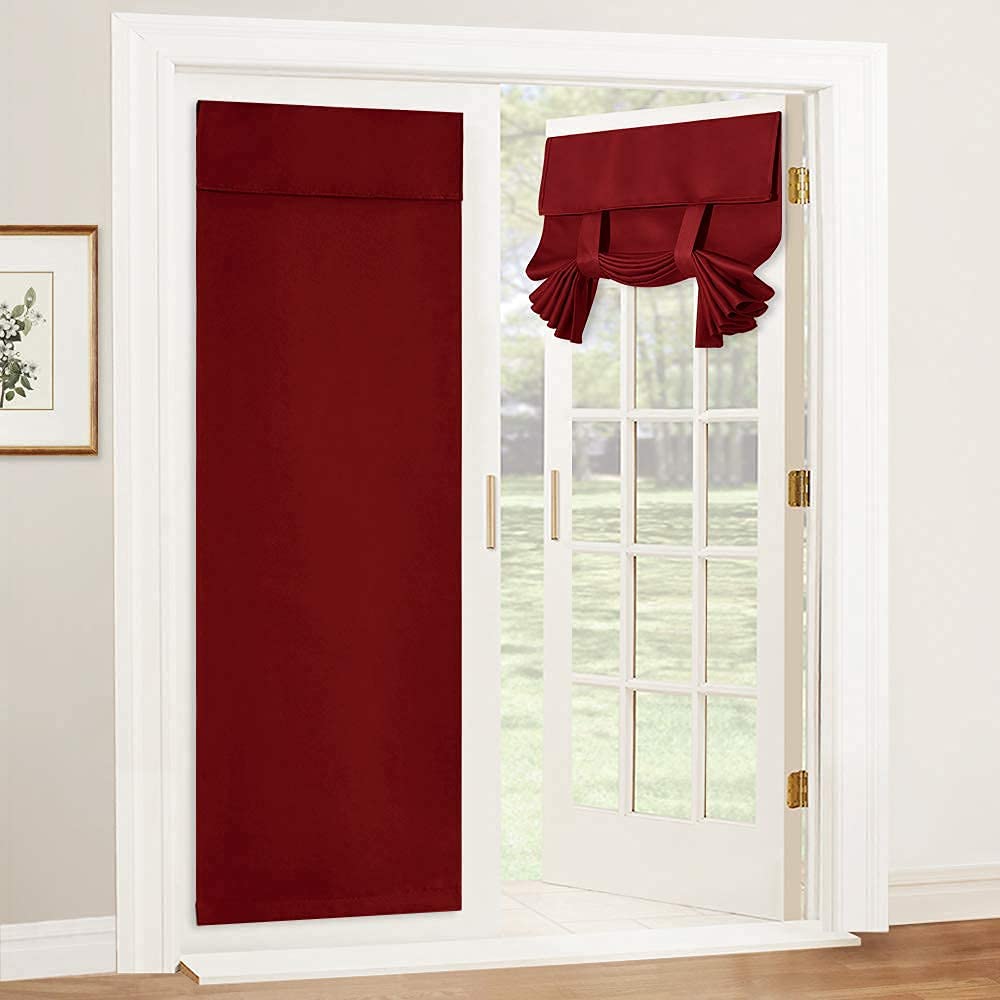
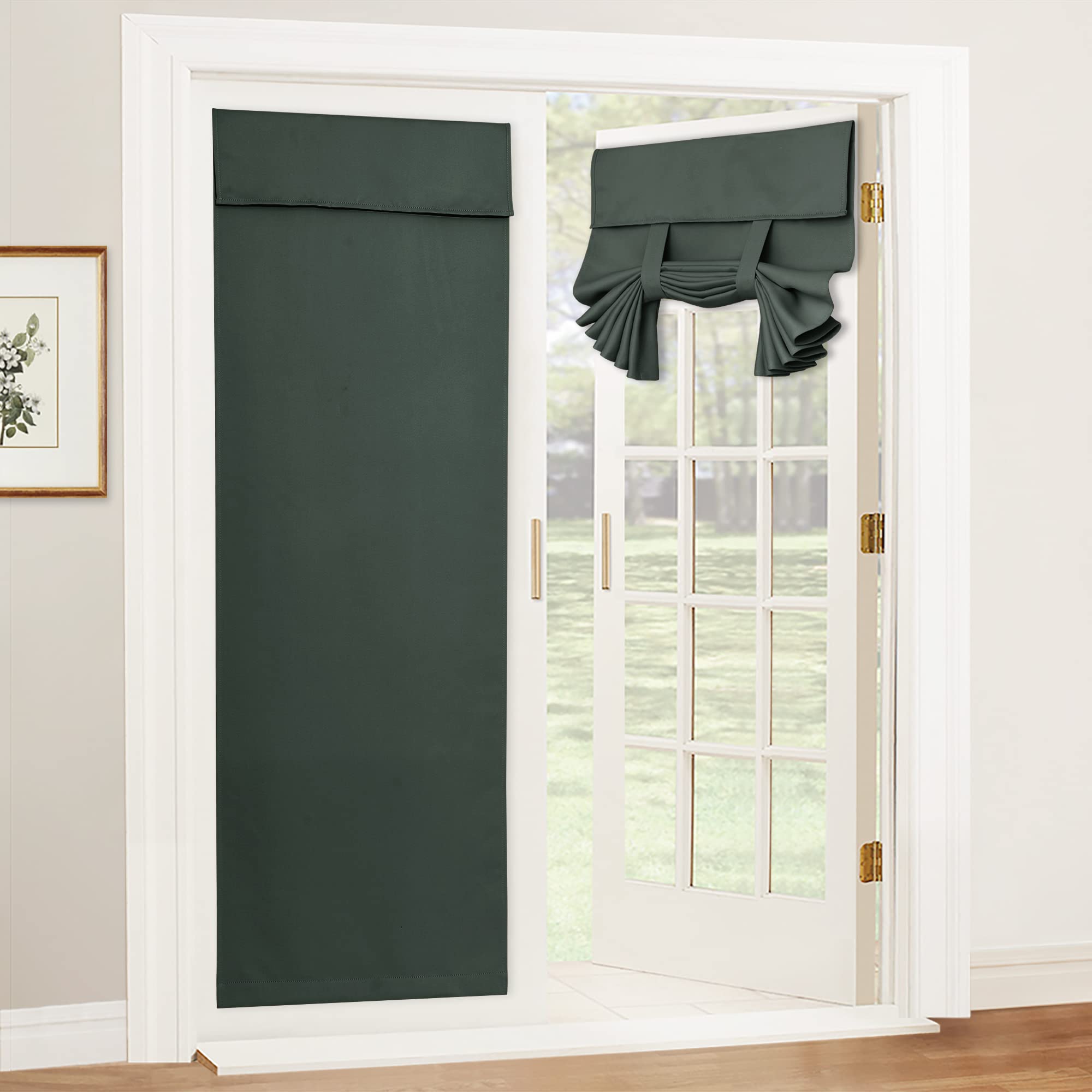
Black; other colors can be discussed |
| Material |
Polyester; final light-blocking fabric subject to sample approval |
| Style |
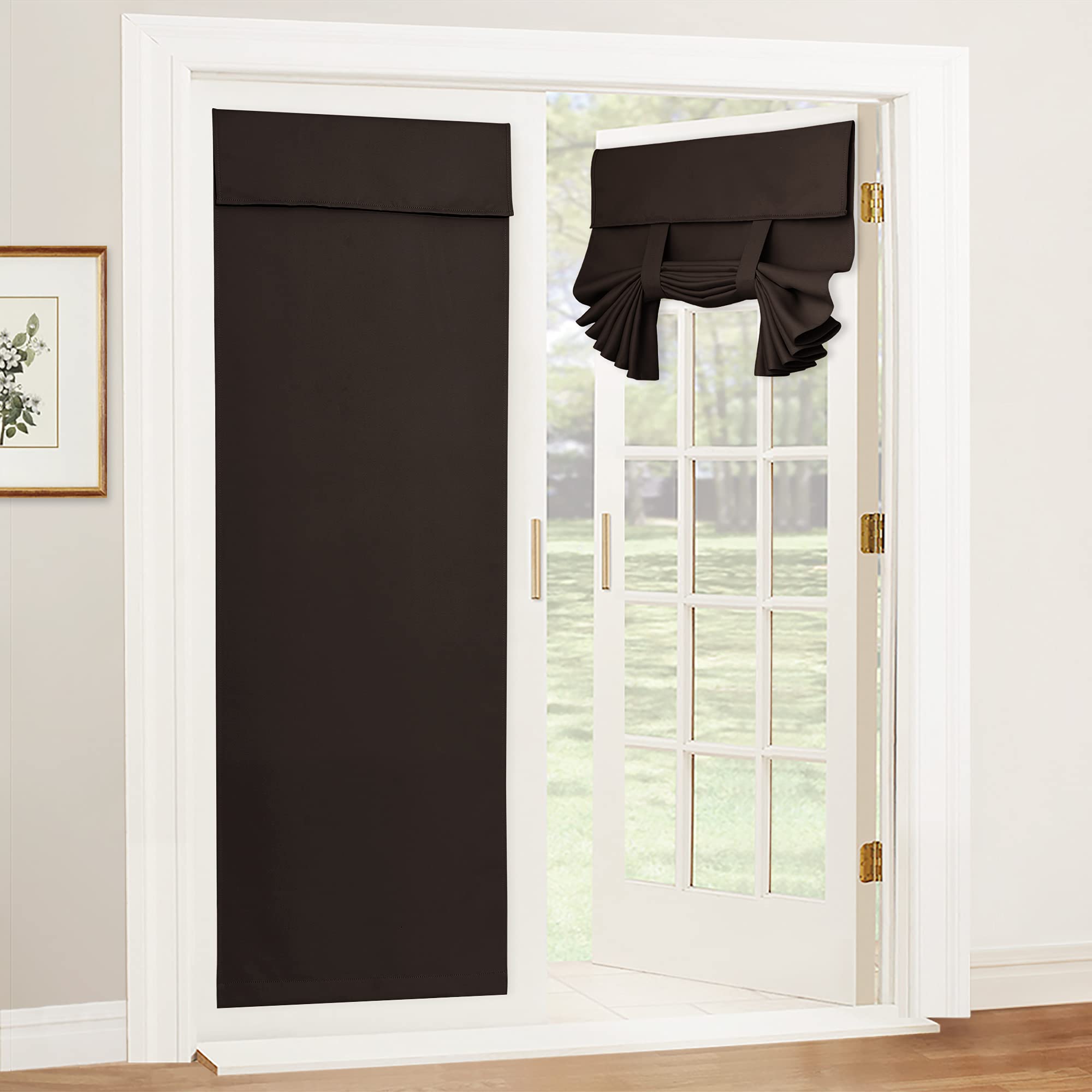
Tie Up Door Window Curtain / Adjustable Privacy |
| Size |
Custom sizes available |
| Package |
One curtain panel with mounting strip and tie-up components; exact contents subject to order |
| Certification | OEKO-TEX Standard 100 |
| MOQ | 200 |
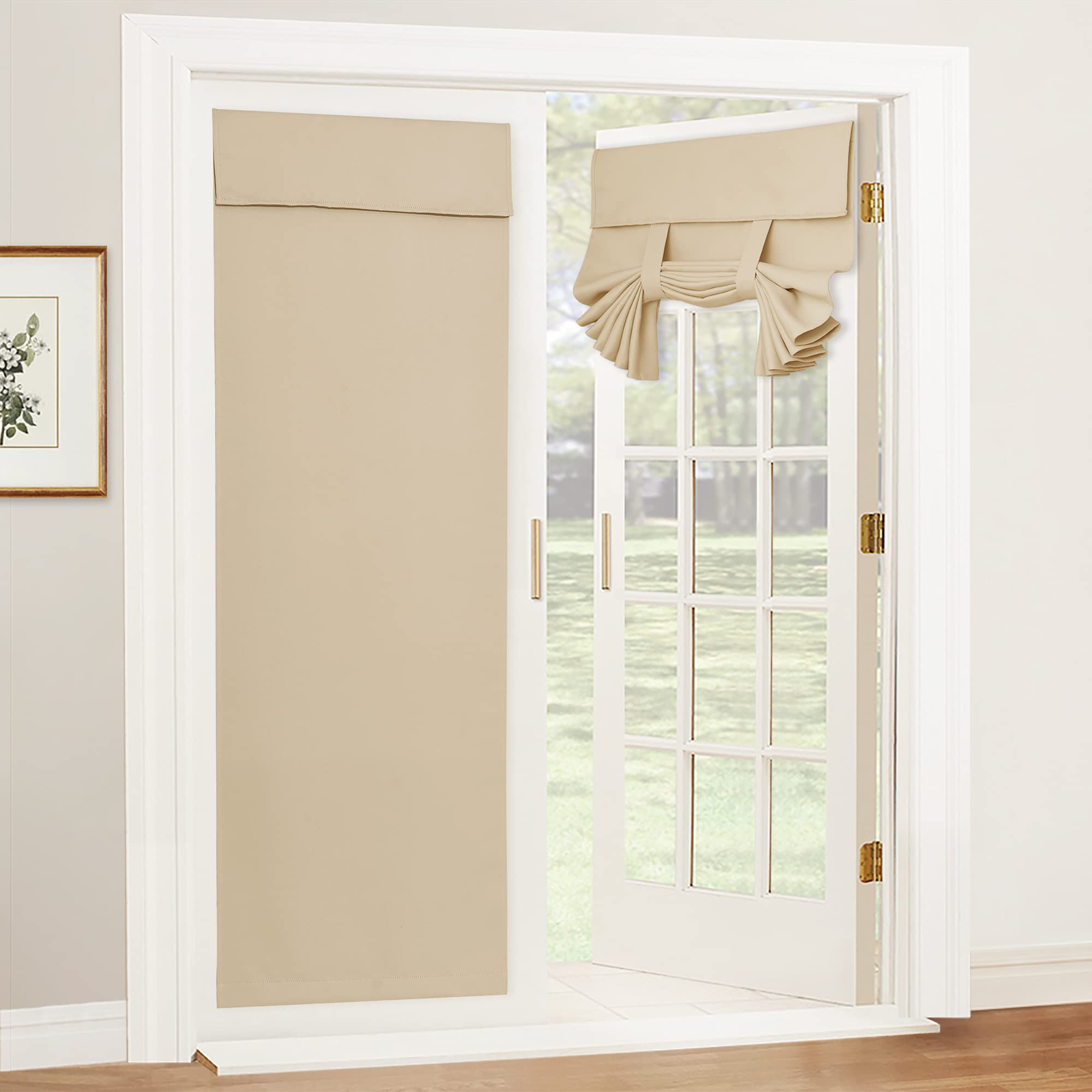
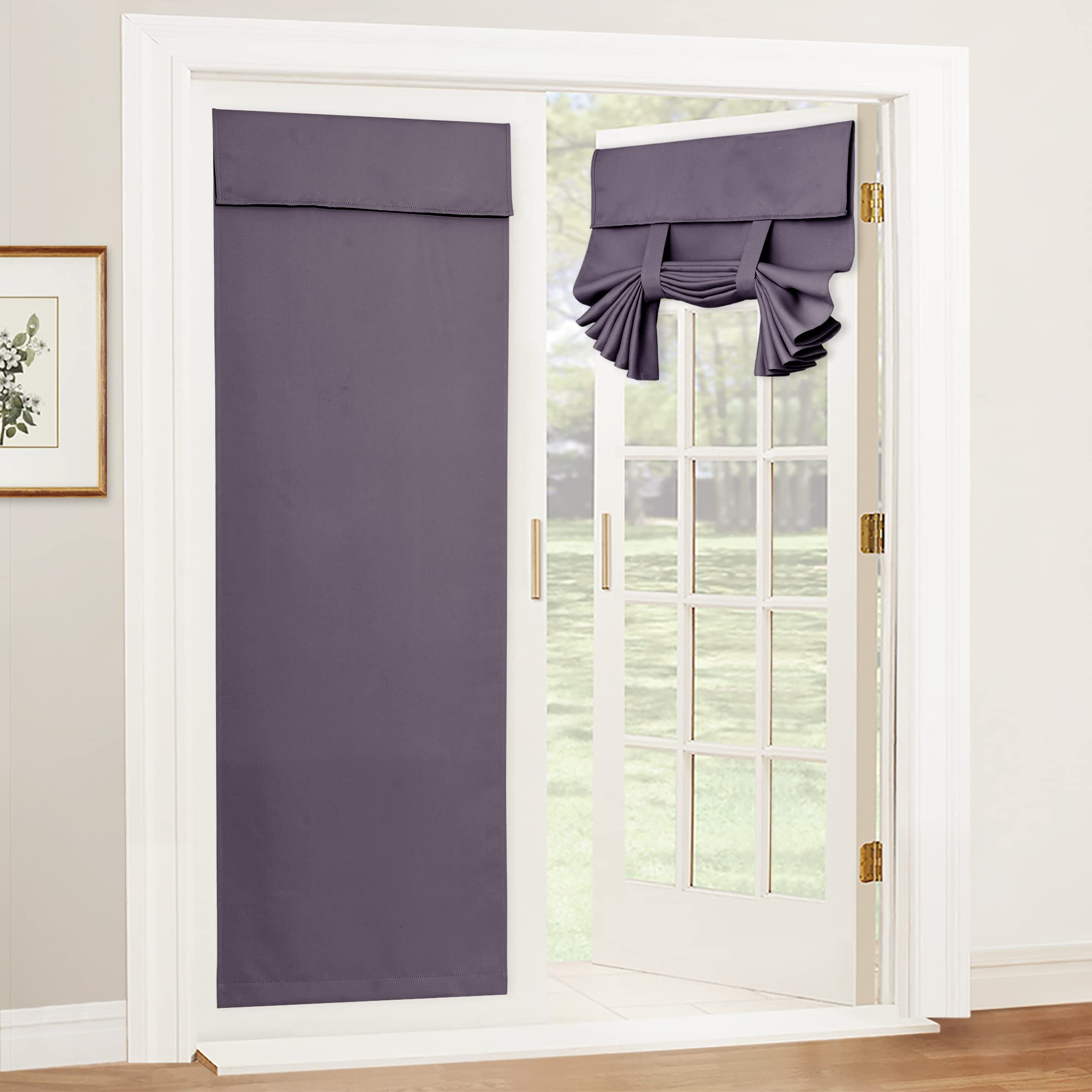
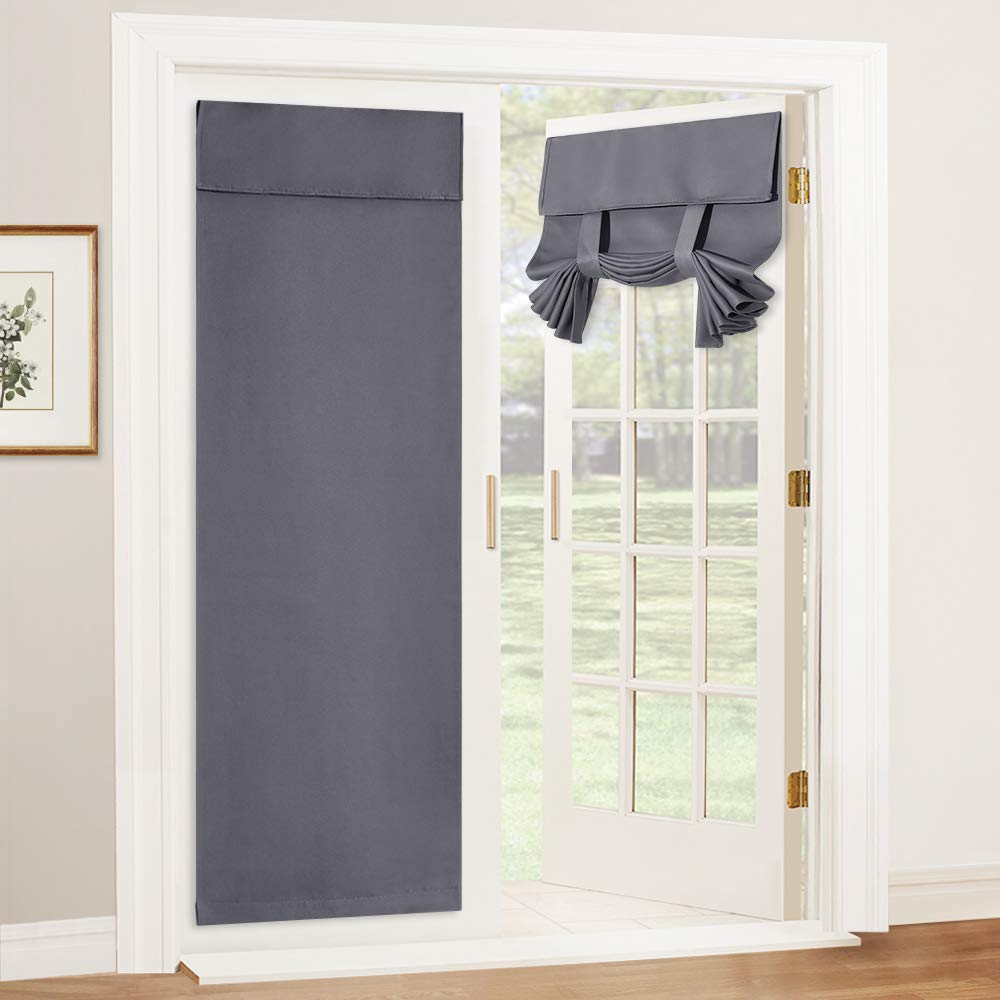
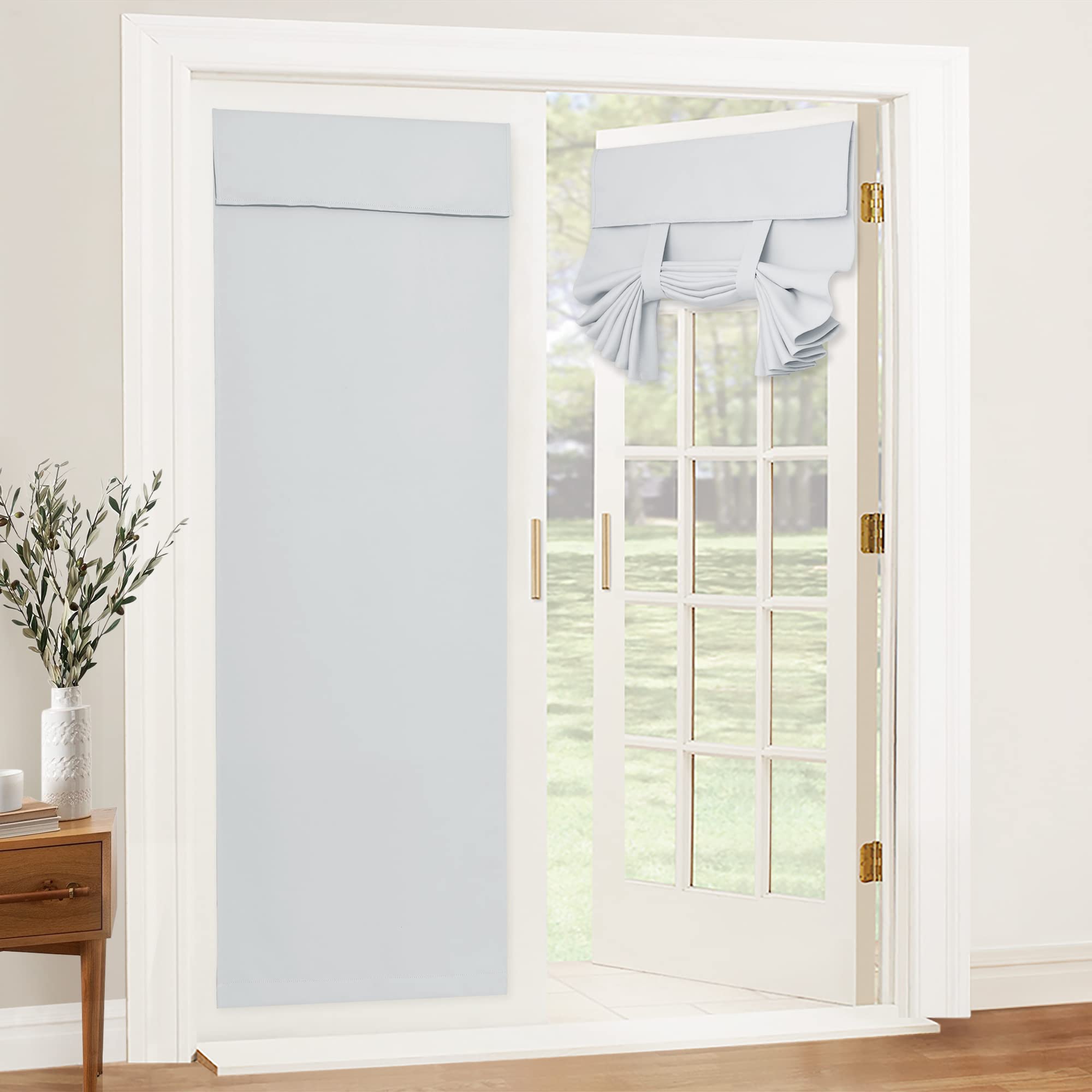
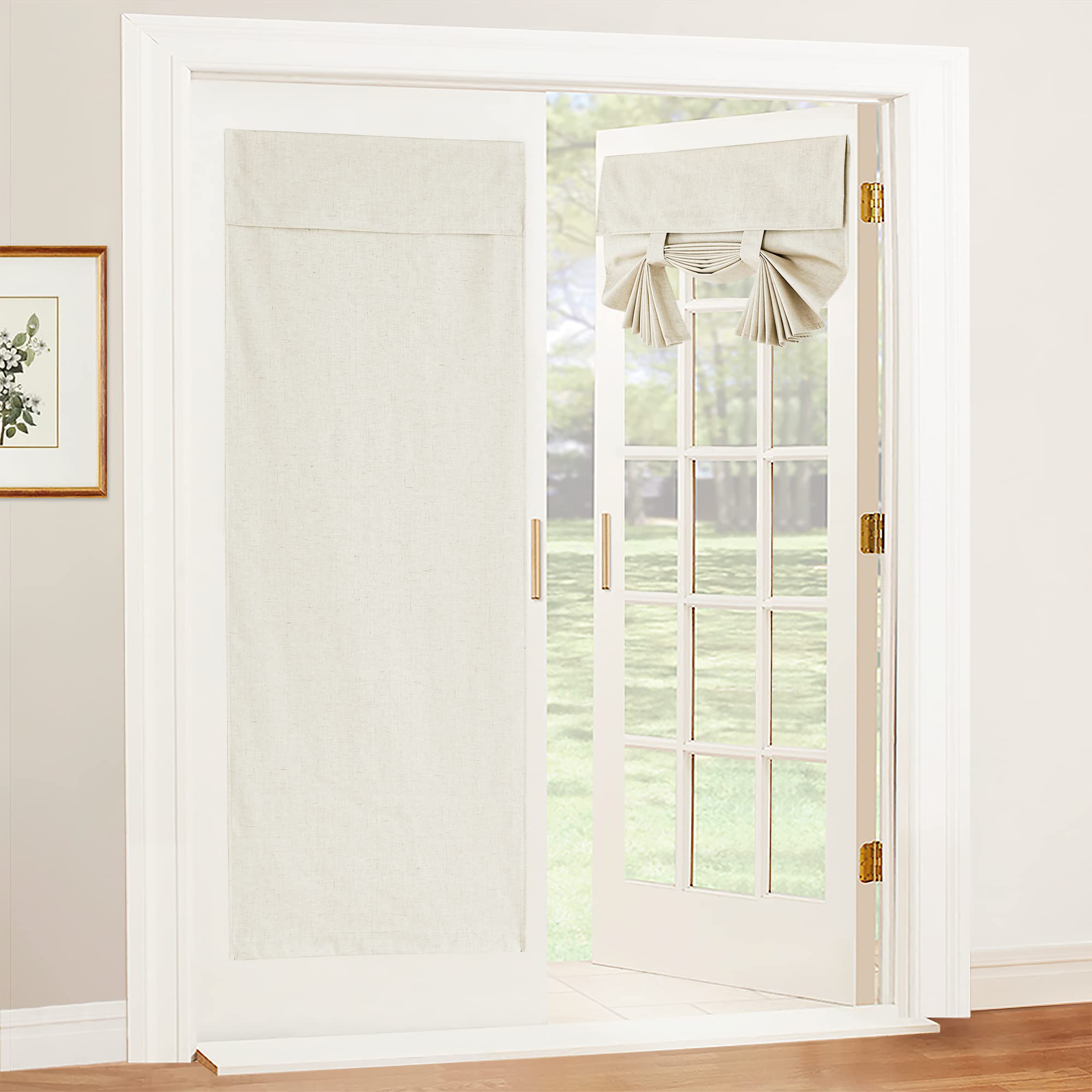
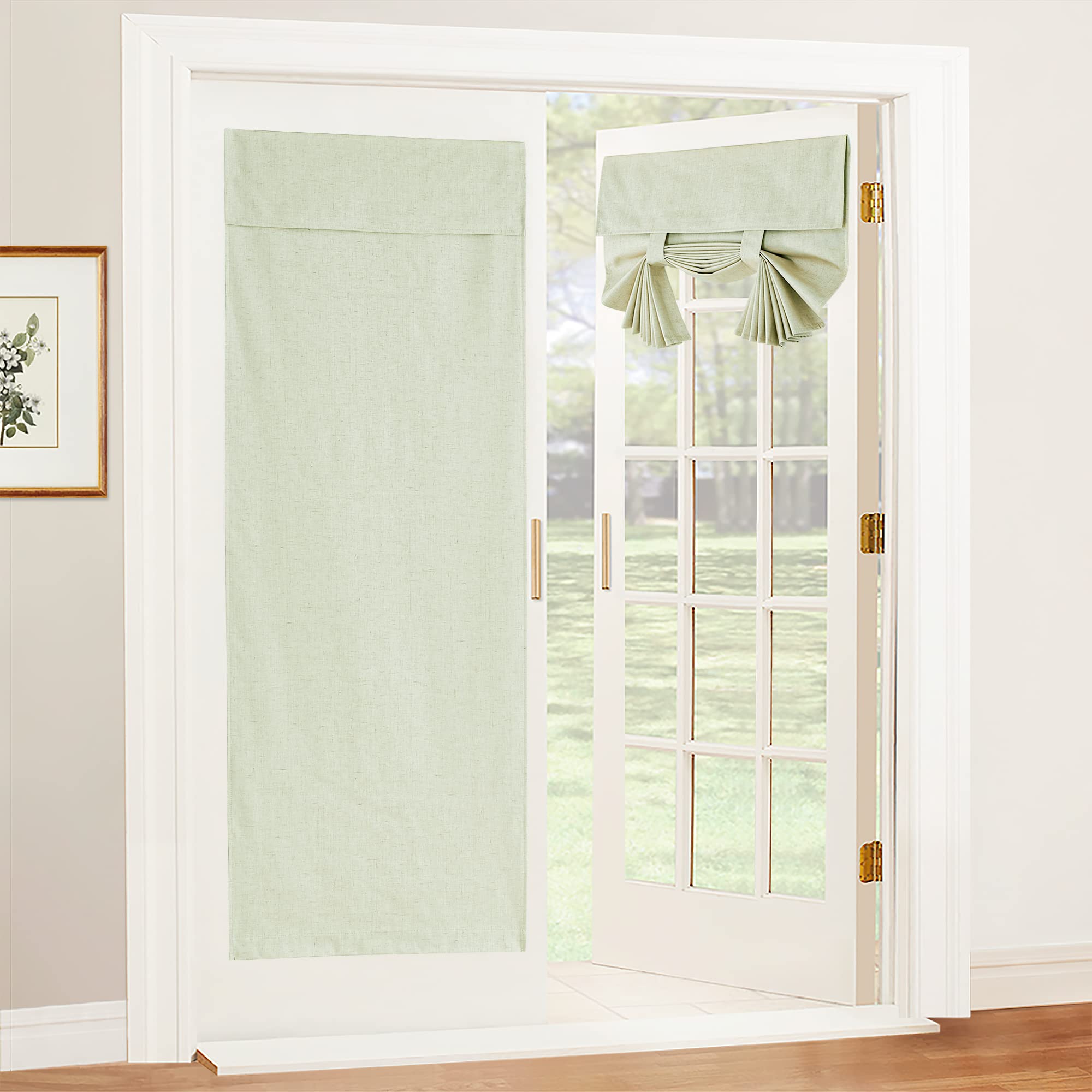
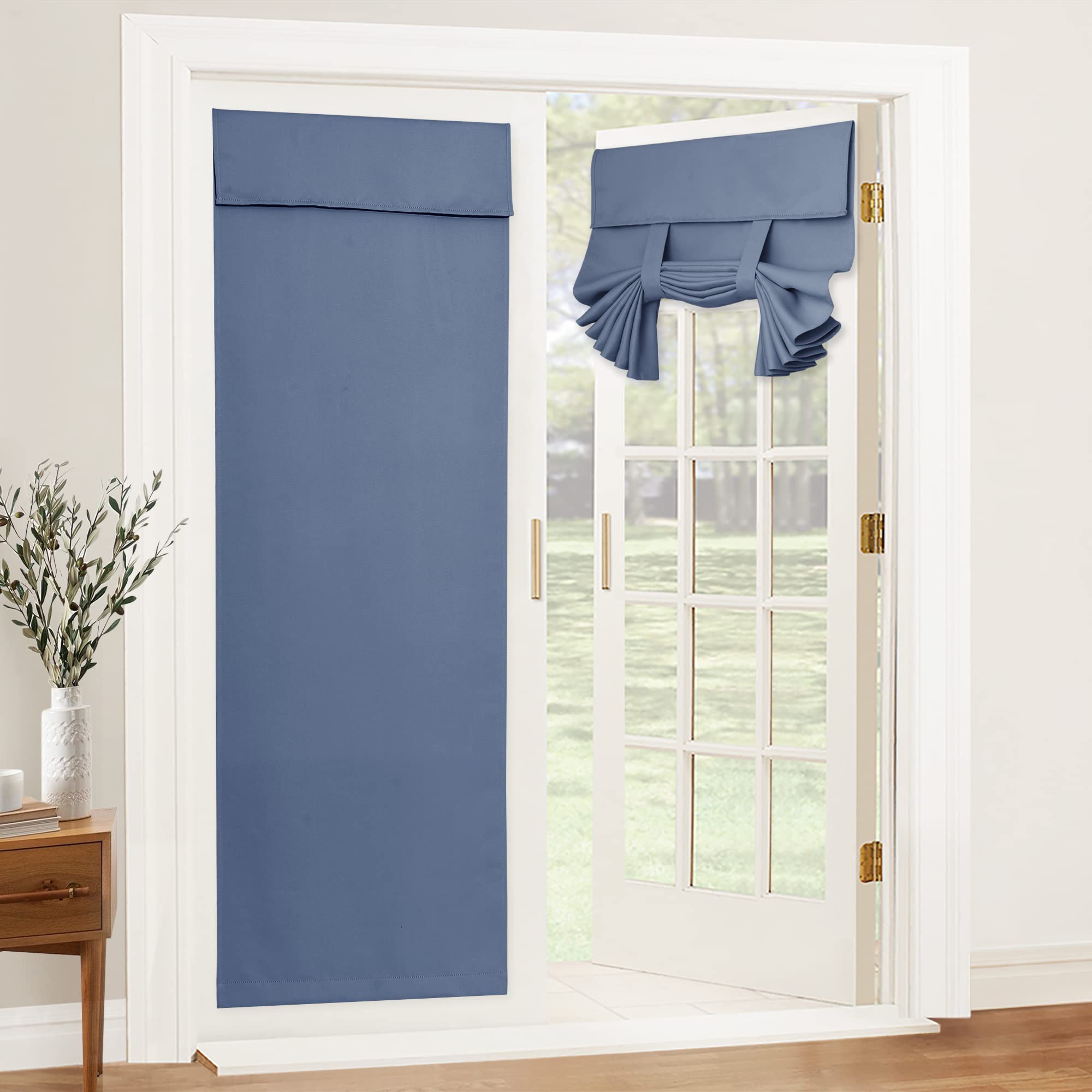
This black door-window curtain combines a simple polyester panel with an adhesive mounting format and a tie-up arrangement. Lower the panel to cover the glazing or secure it higher to admit daylight and reveal the view. The solid face keeps the treatment visually quiet on French doors and other suitable interior-facing glazed doors. Custom sizes are available to suit different glass areas and mounting allowances. Fabric light control, edge coverage and attachment suitability are approved for the intended installation rather than assumed from the color alone.
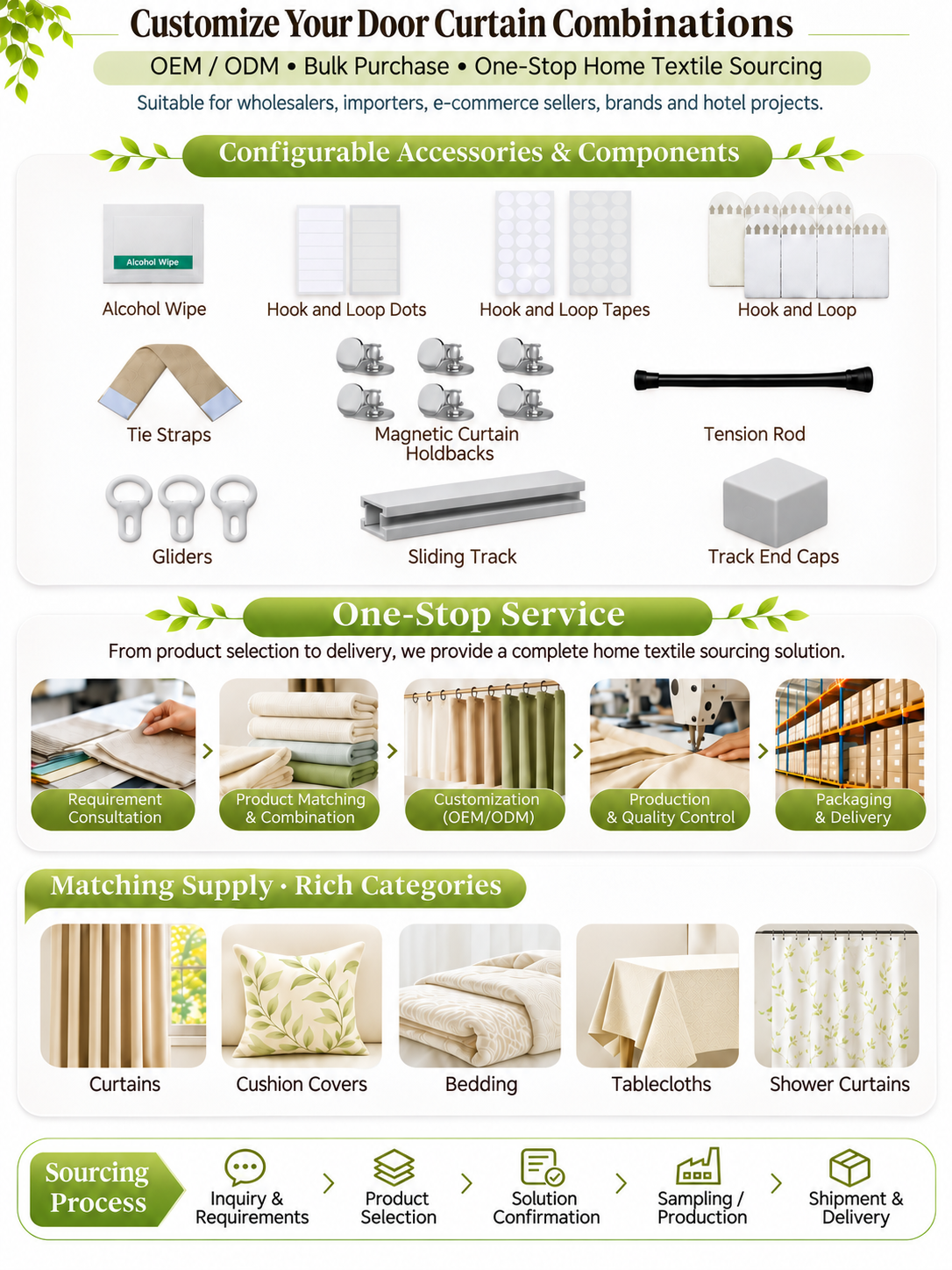
Shaoxing Yingkuo Textile Co., Ltd. (EAGLEKO HOME TEXTILE) can develop this door-glass curtain around the buyer’s opening dimensions, mounting surface and preferred tie-up format. Sampling can evaluate the fabric, attachment strip and handling instructions as one retail kit. Other colors can be discussed, while one-stop sourcing allows the product to be combined with window curtains, cushion covers and additional home textiles. Private-label packaging, adhesive selection, order quantities and delivery timing are established through technical review and quotation.
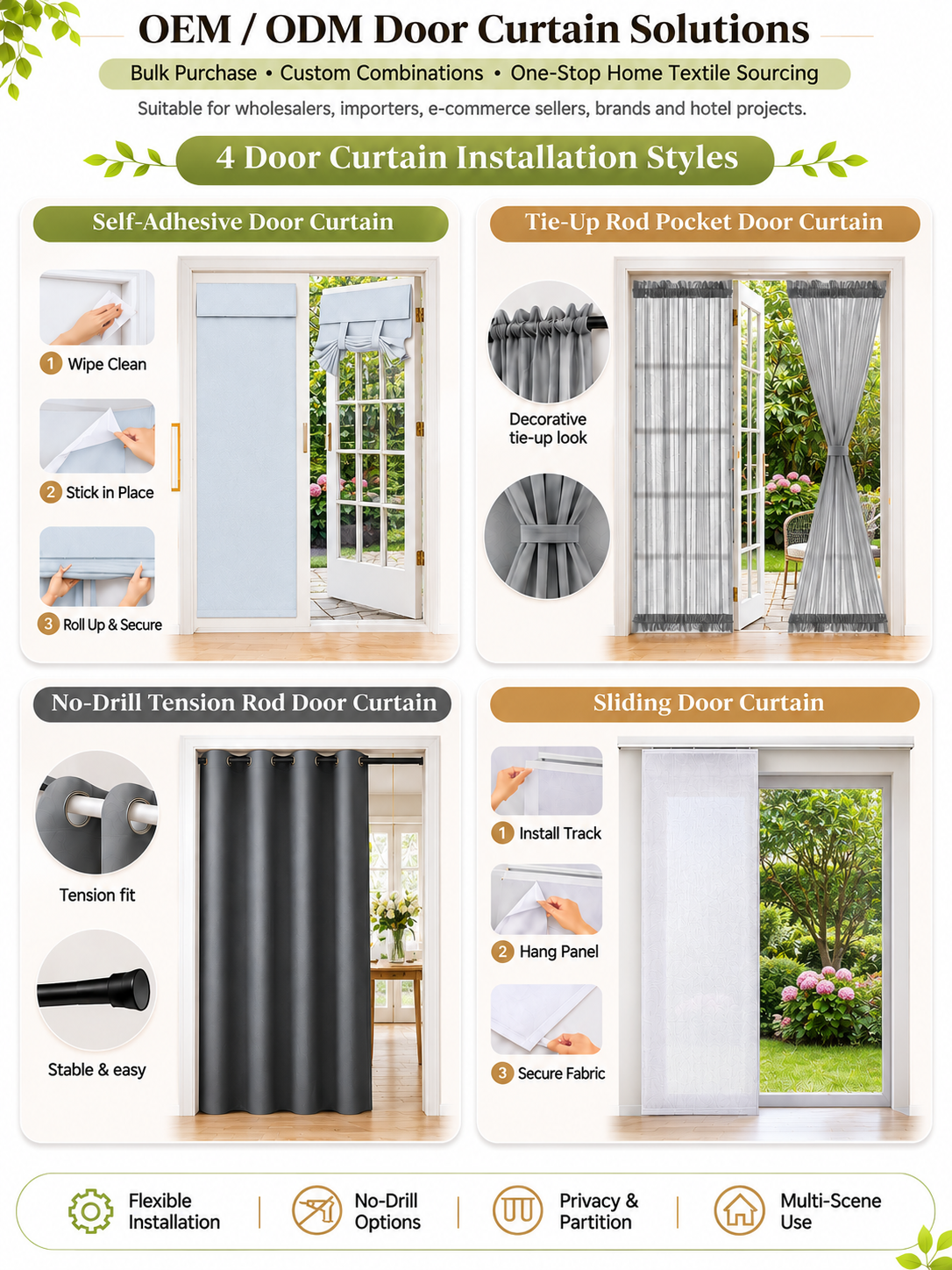
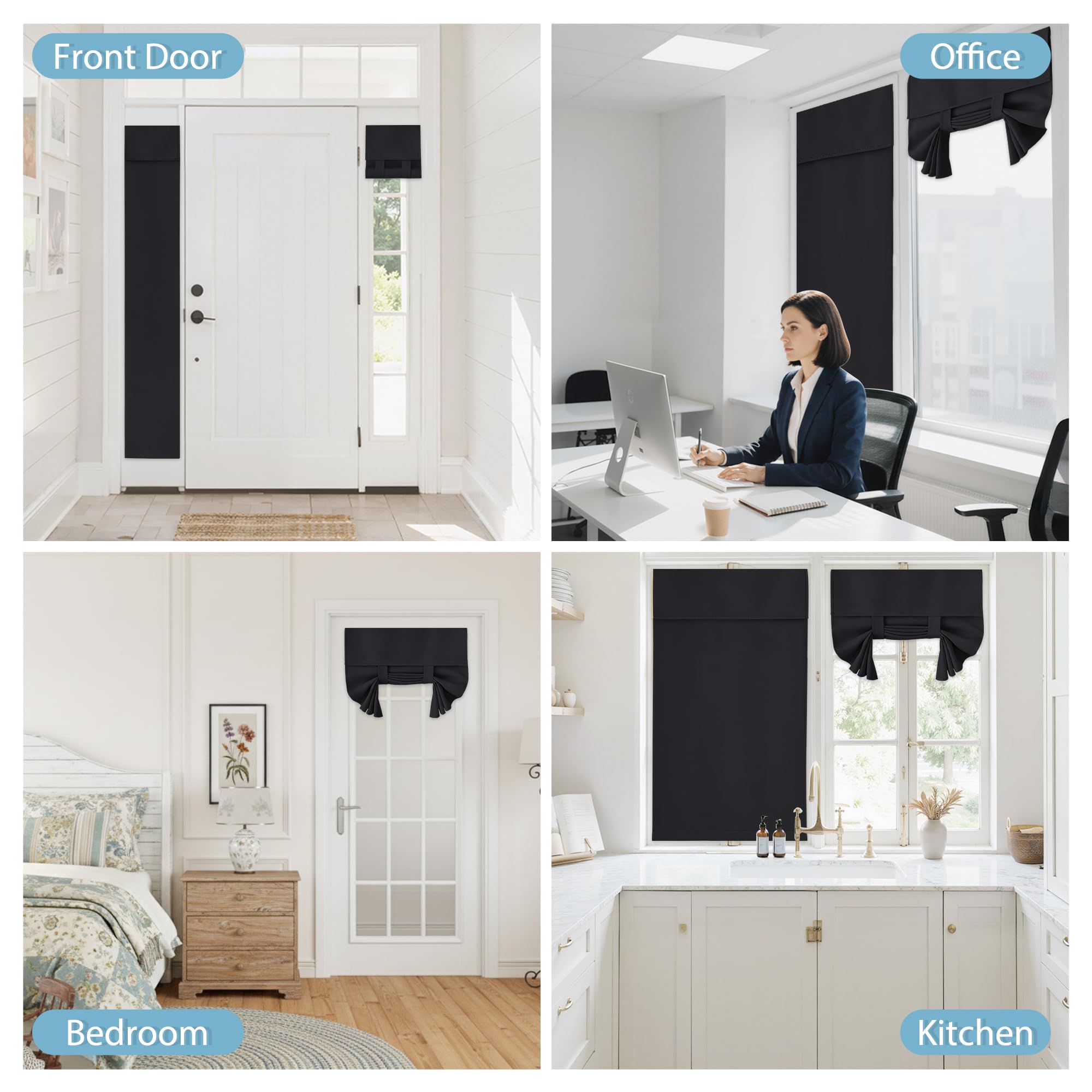
French Door Glass — Cover the glazed section while checking handle access and clear attachment space.
Entry Door Privacy — Evaluate a lowered panel for the required privacy on suitable interior-facing door surfaces.
Home Office Door Windows — Allow users to alternate between covered glazing and a raised daylight position.
Bedroom Glazed Doors — Specify coverage and light reduction for the actual glazing and surrounding frame.
E-commerce Sales — Explain the mounting surface requirements, tie-up operation and included kit components clearly.
Home Furnishing Retail — Demonstrate the raised and lowered positions on a suitable sample door.
Wholesale Accessory Programs — Develop custom panel sizes and coordinated mounting kits with clear labels and installation guidance.
Adjustable Glass Coverage — A tie-up arrangement allows the fabric to be secured higher or lowered over the glazing.
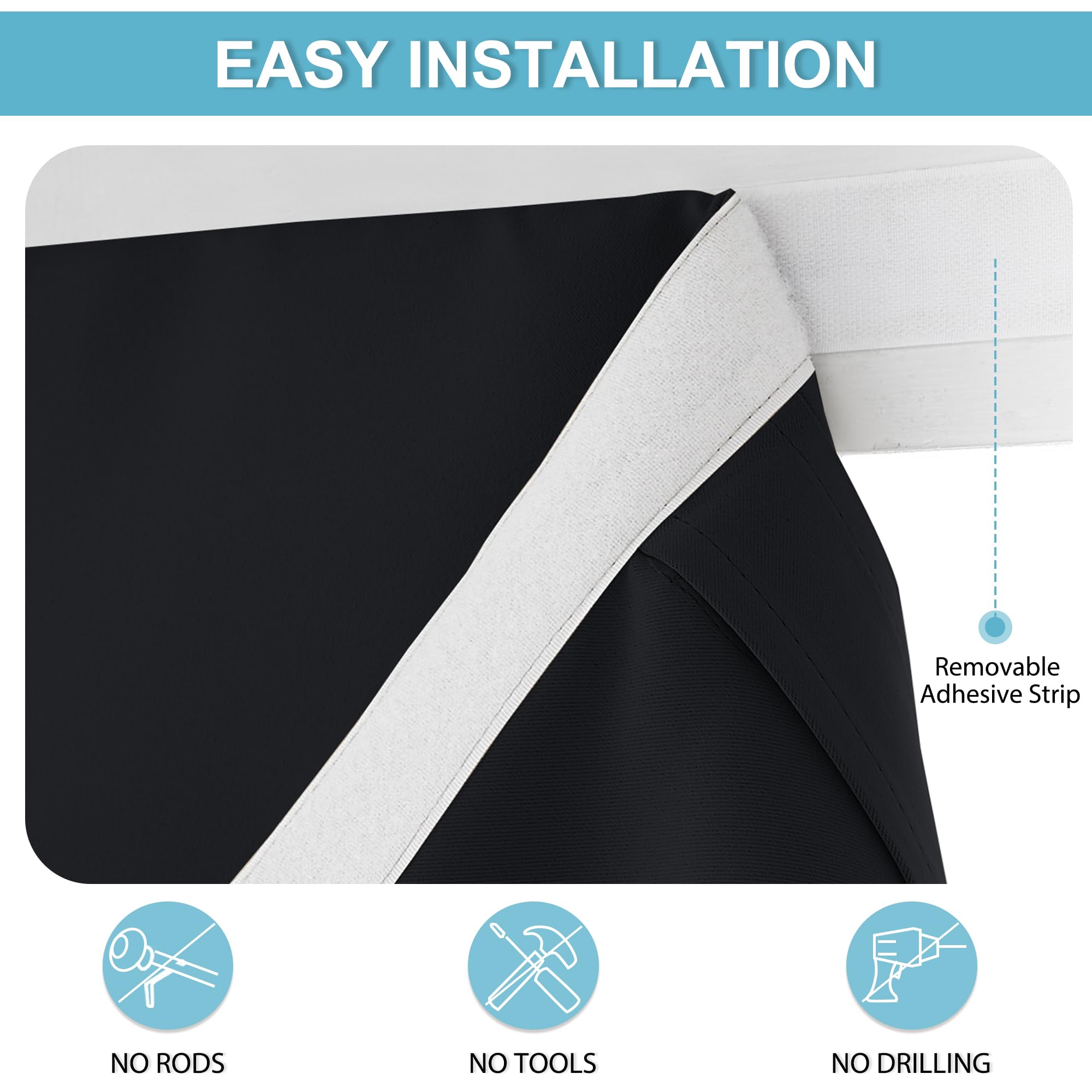
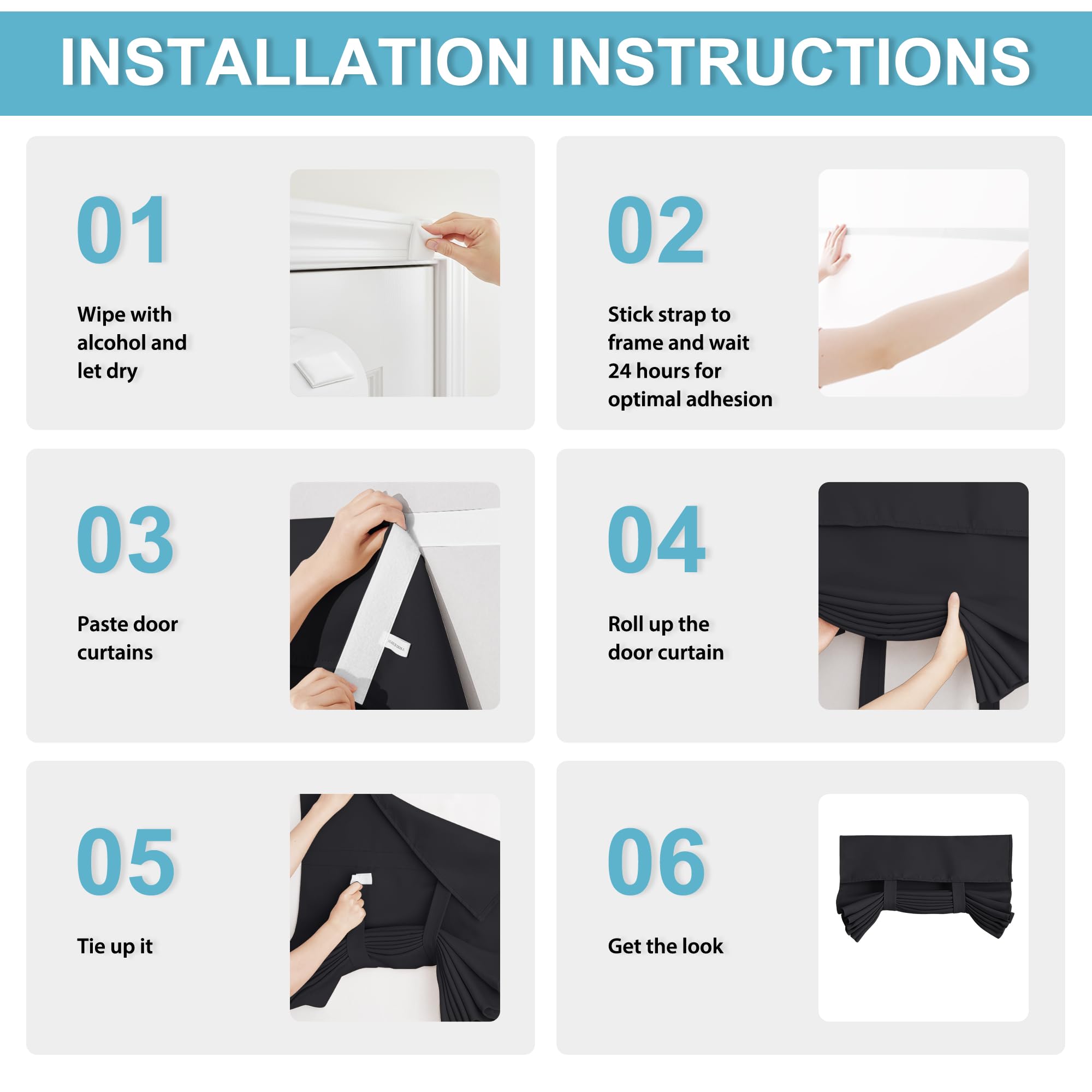
Adhesive Mounting Format — The mounting strip offers an installation route without a curtain rod, subject to surface suitability.
Plain Black Appearance — The solid face blends with simple door and interior color schemes.
Custom Panel Sizing — Dimensions can be planned around the glass, frame and attachment allowances.
Detachable Fabric Planning — The attachment interface can be specified for panel removal and refitting.
Compact Retail Kit — Panel, mounting strip and tie-up components can be packed as one clearly itemized product.
Additional Shade Development — Other colors can be discussed with light-control targets evaluated for the selected fabric
Q1: Which door surfaces should be checked before choosing an adhesive strip?
A: Identify the substrate and finish, including any paint, coating or textured area. Trial the proposed adhesive on that surface under the expected indoor conditions and agree on preparation and curing instructions. Do not assume that one strip will perform equally on glass, painted wood, metal and plastic, or promise damage-free removal without suitable evidence.
Q2: How should custom dimensions account for both privacy and mounting space?
A: Measure the glazed area, surrounding clear frame and any handle or lock projections. Define the desired overlap and attachment position separately from the finished fabric dimensions. Review a full-size sample lowered and raised so the mounting allowance does not compromise coverage or interfere with door operation.
Q3: What should be evaluated when the door is opened and closed repeatedly?
A: Trial the complete kit on the intended door and inspect attachment lift, panel movement and contact with handles or nearby surfaces. Check whether the gathered fabric remains secure in the raised position. Include the expected handling pattern in development because static hanging alone does not establish resistance to repeated door movement.
Q4: How can the tie-up arrangement be specified for convenient daily use?
A: Agree on the number, position and fastening method of the tie-up components, then test the accessible operating height on a full-size installation. Confirm that both sides lift evenly and that the raised fabric does not cover the handle or obstruct passage. Review loose straps and reachable components for the intended user environment before approving the design.
Q5: What evidence is needed for a blackout claim on a door-glass curtain?
A: Test the selected fabric under an agreed light-transmission method and identify the shade tested. Assess the installed opening separately for light around the sides and mounting edge. Approve the required overlap and fabric build together; the performance of the material does not automatically establish complete darkness in the room.
Q6: How should washing instructions distinguish the fabric from the adhesive components?
A: Specify which parts are removed before laundering and whether the mounting strip stays on the door. Trial the fabric and sewn attachment interface under the proposed care routine, checking shrinkage and refastening. Do not wash adhesive-backed components unless that procedure has been evaluated, and include clear reinstallation guidance in the pack.
Q7: Which checks help an attachment system remain compatible across reorders?
A: Record strip width, mating interface, adhesive specification and sewn placement with the approved kit. Compare replacement components against retained samples and trial their fit before mixing lots. If the supplier or material changes, reassess attachment behavior and removal instructions rather than treating visually similar strips as interchangeable.
Q8: What should private-label packaging say about installation and kit contents?
A: Itemize the curtain, mounting strip and tie-up components, with separate instructions for preparation, attachment and daily operation. State the approved surface limitations and explain how custom dimensions are measured. Trial the folded pack so accessories do not mark the fabric, and verify that each SKU contains the correct strip length and component count.
 EN