| Product Name |
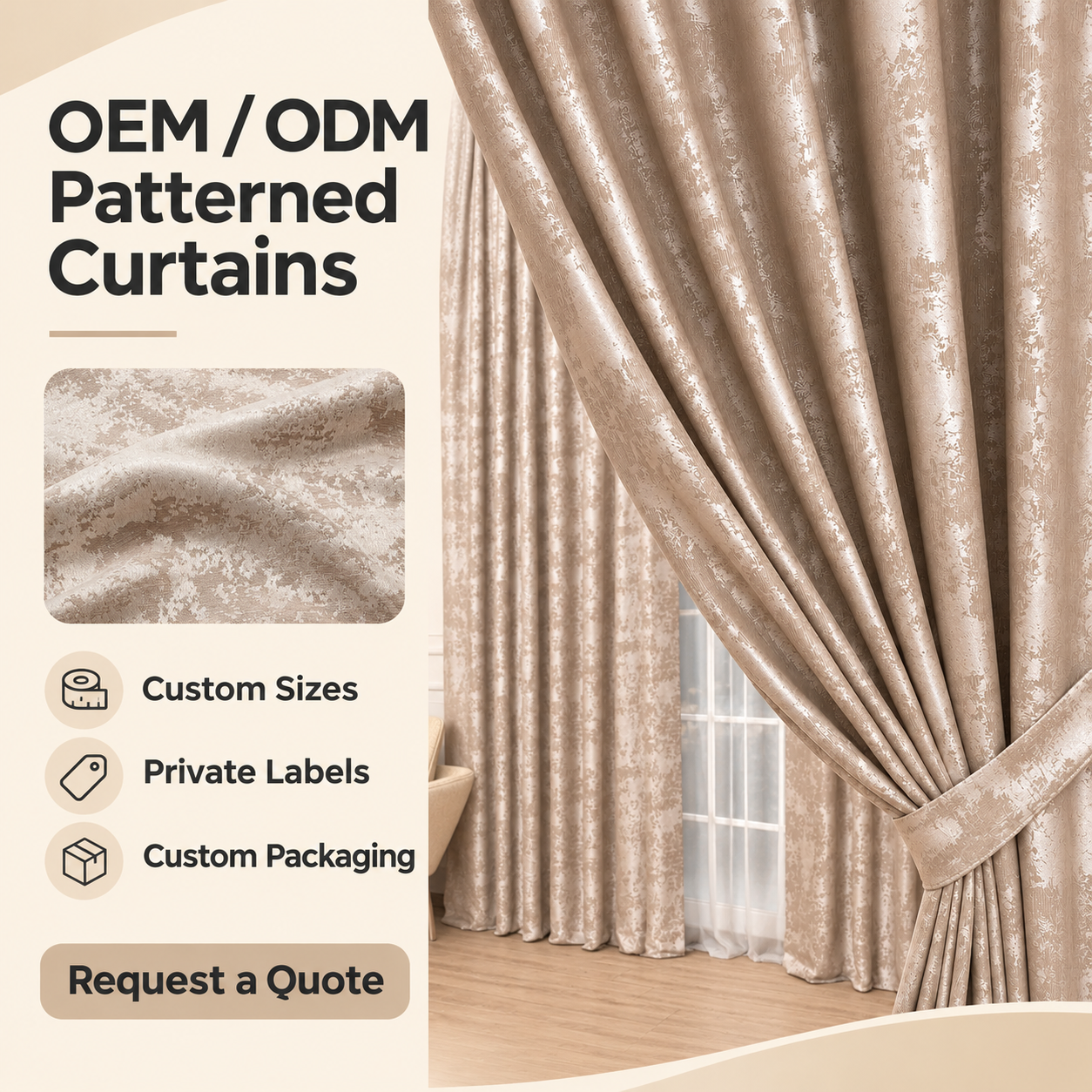
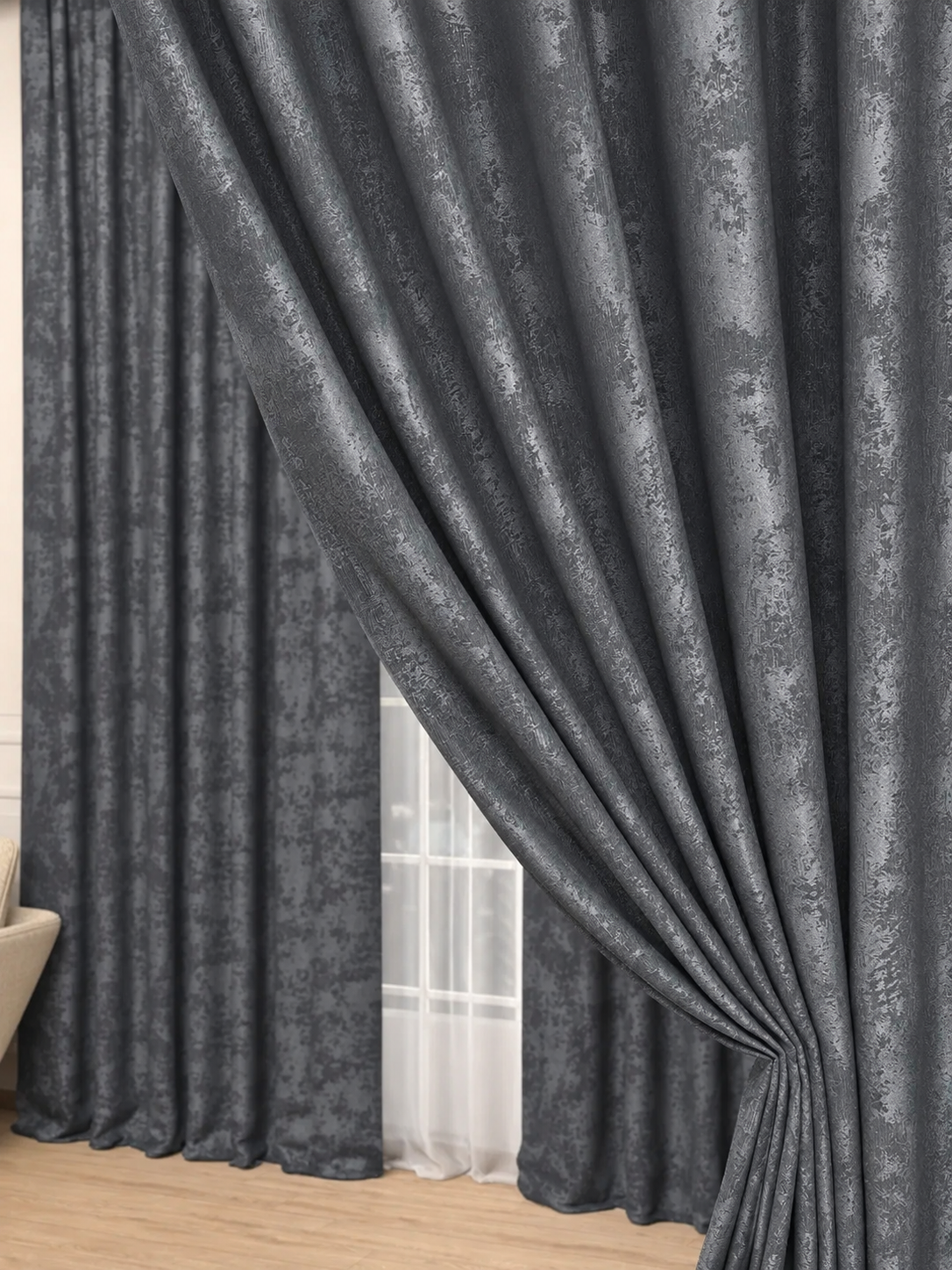
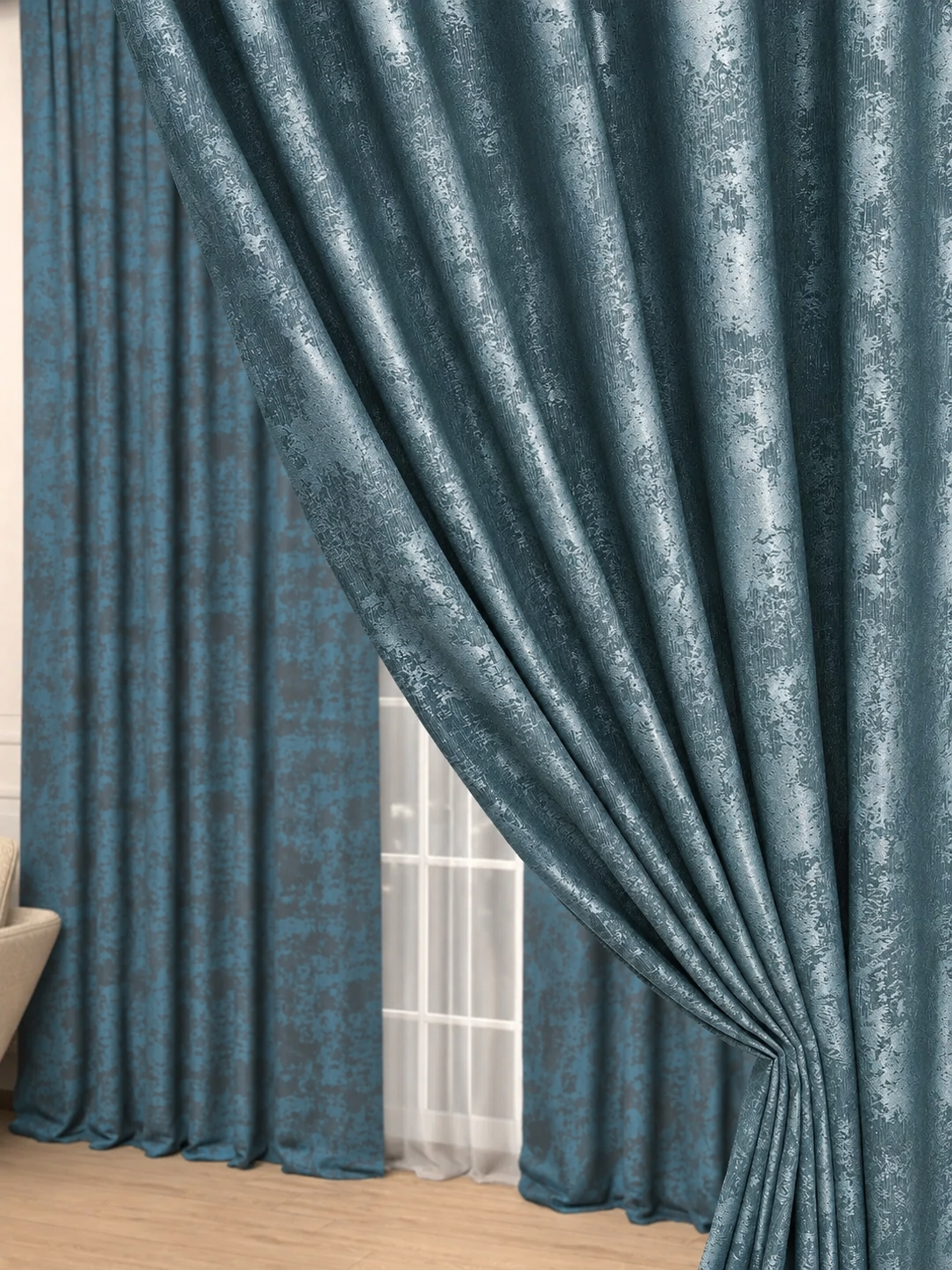
Sand Beige Marble Pattern Polyester Curtains |
| Color |
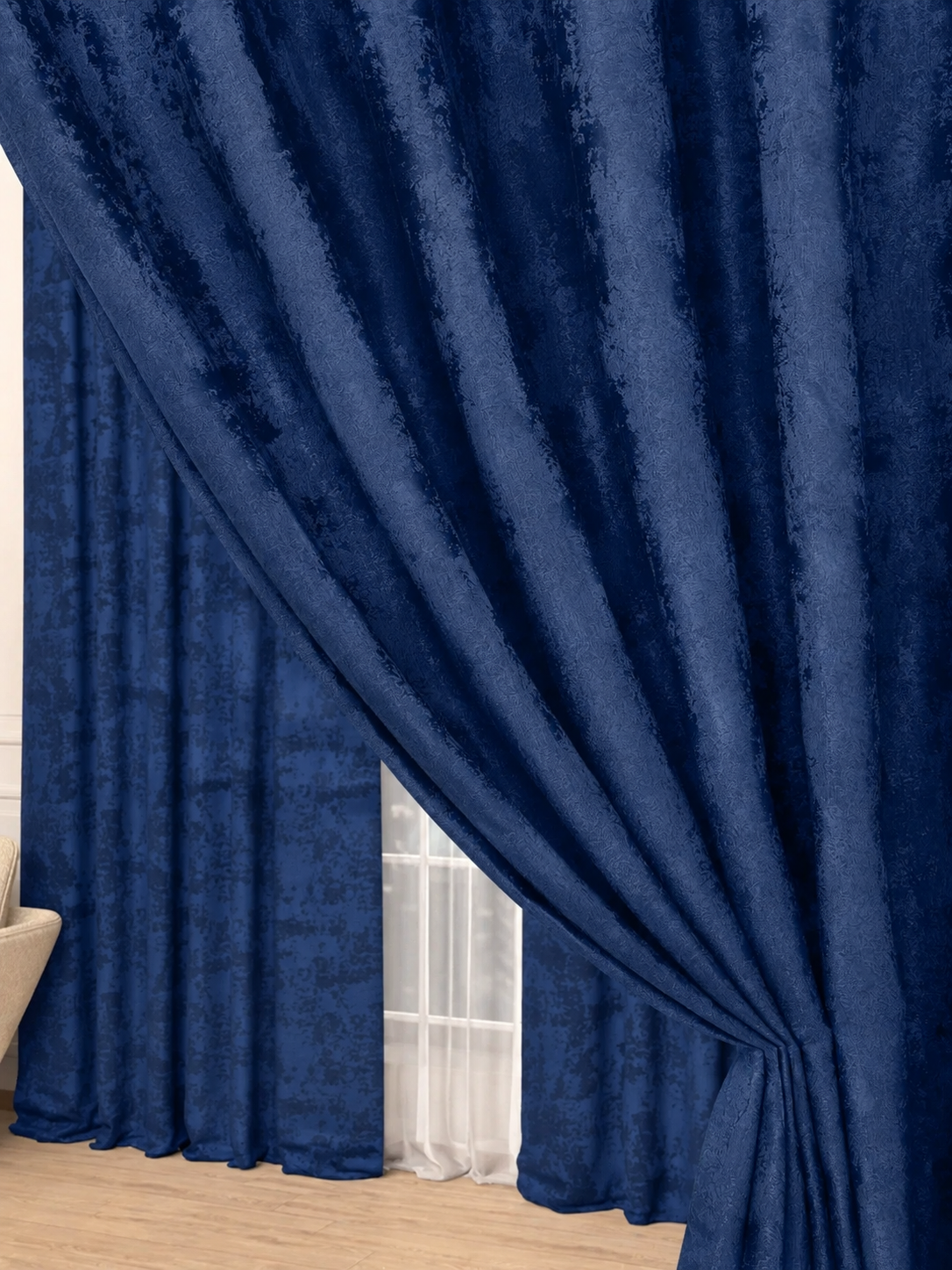
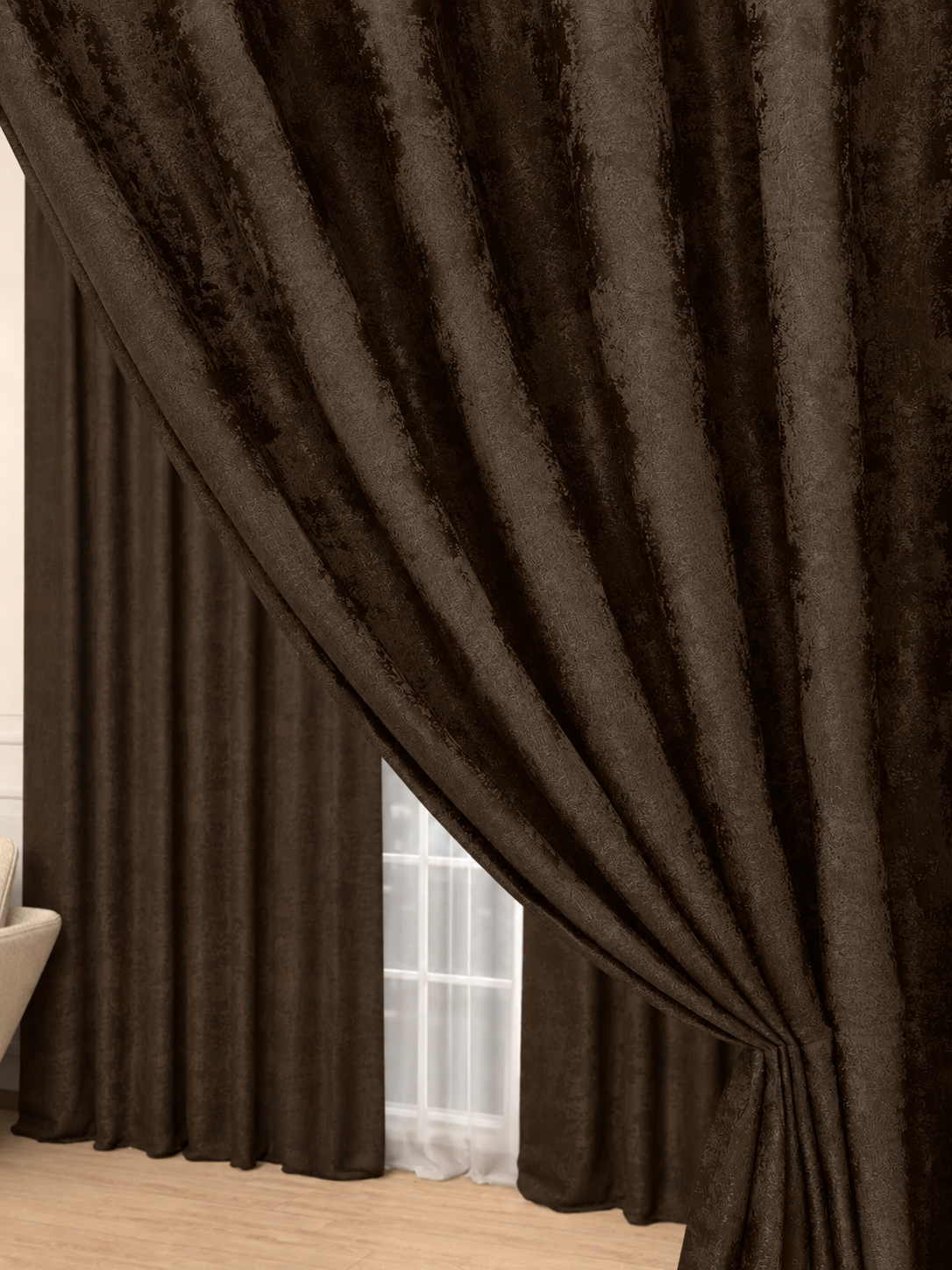
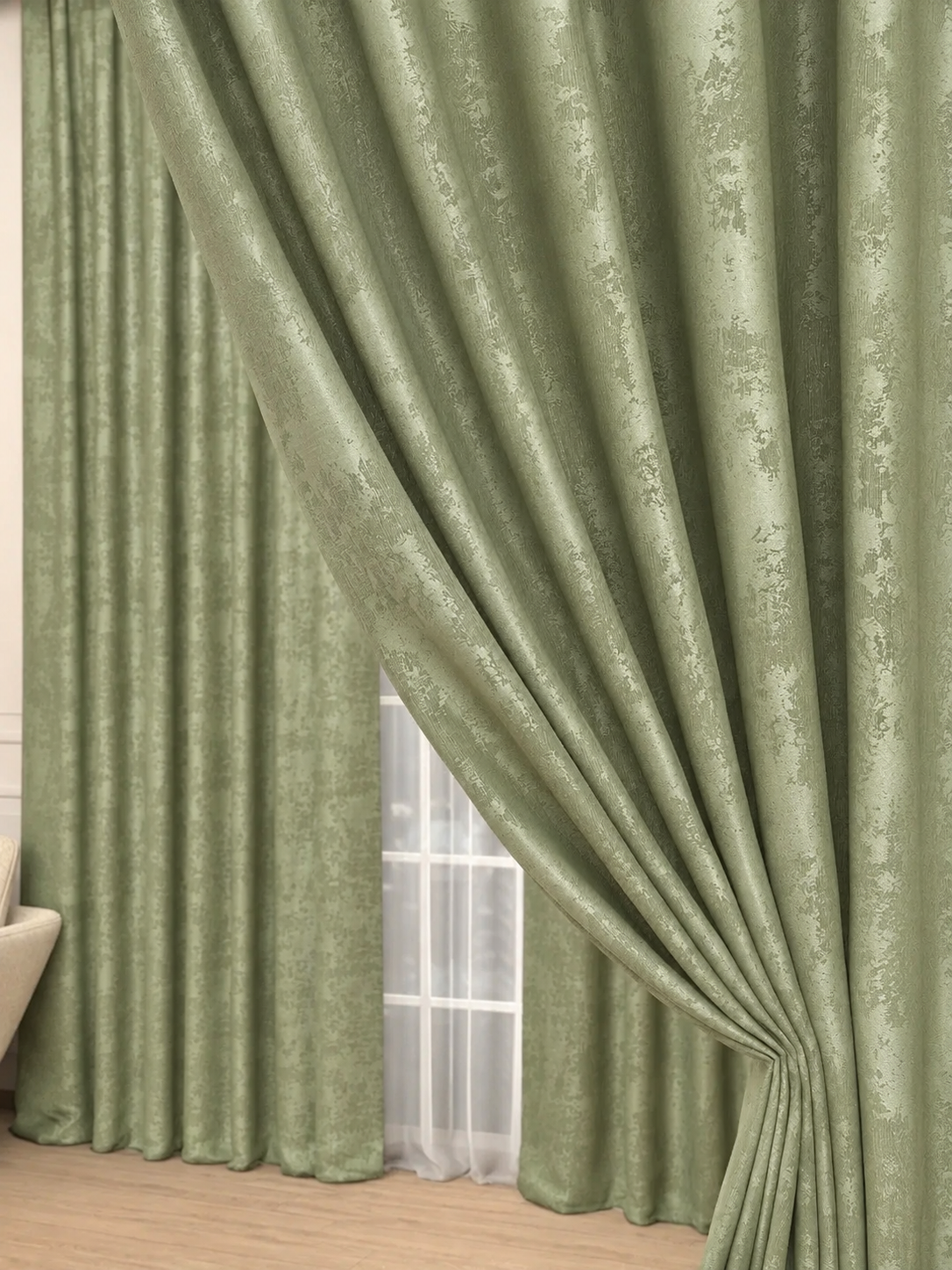
Sand Beige; additional color development subject to physical sample approval |
| Material |
Polyester; final fabric specification subject to sample approval |
| Style | Decorative Drapery / Classic and Contemporary Interiors |
| Size |
Custom sizes available |
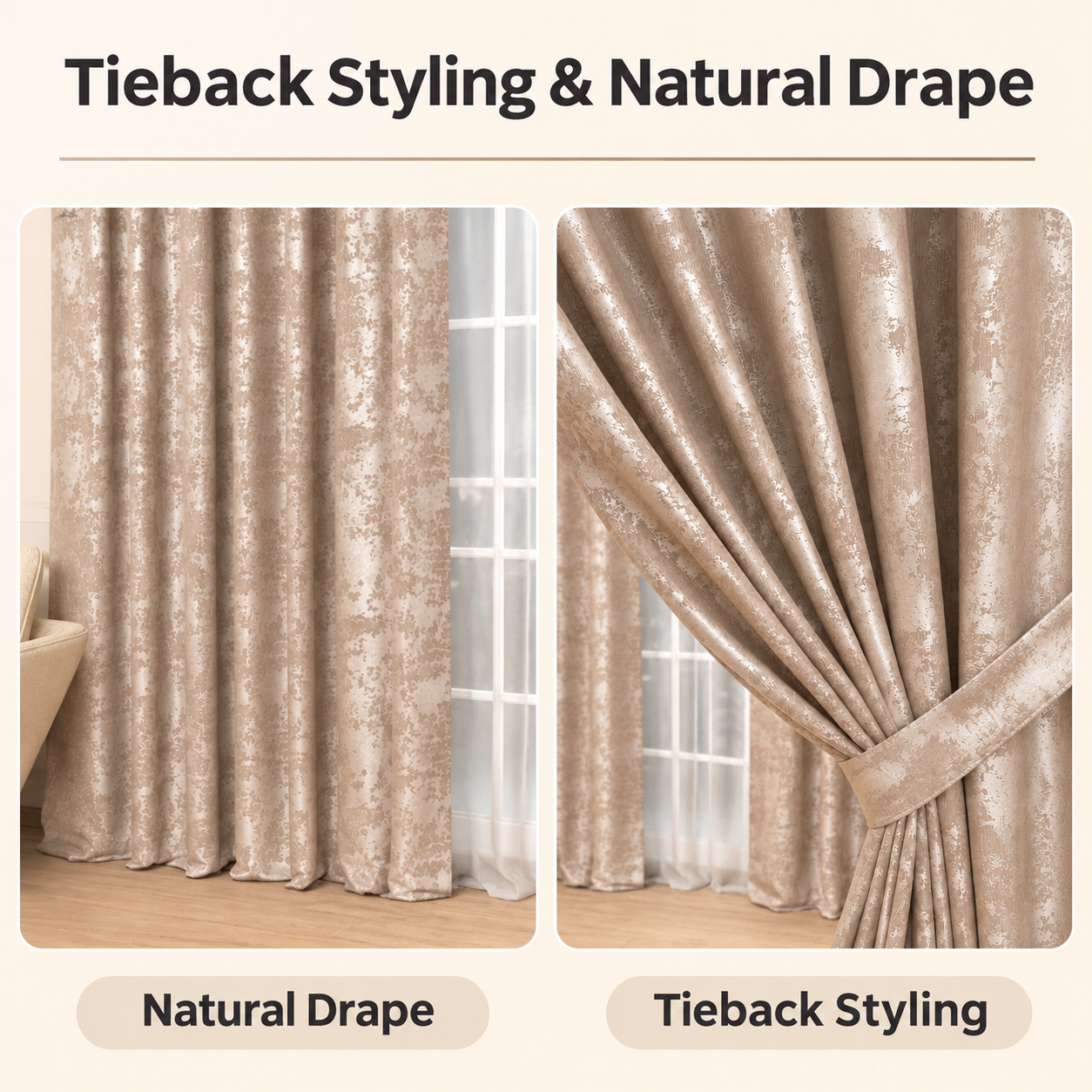
| Package | Two curtain panels; tieback inclusion and private-label packing to be agreed |
| Certification | OEKO-TEX Standard 100 Available |
| MOQ | 200 |
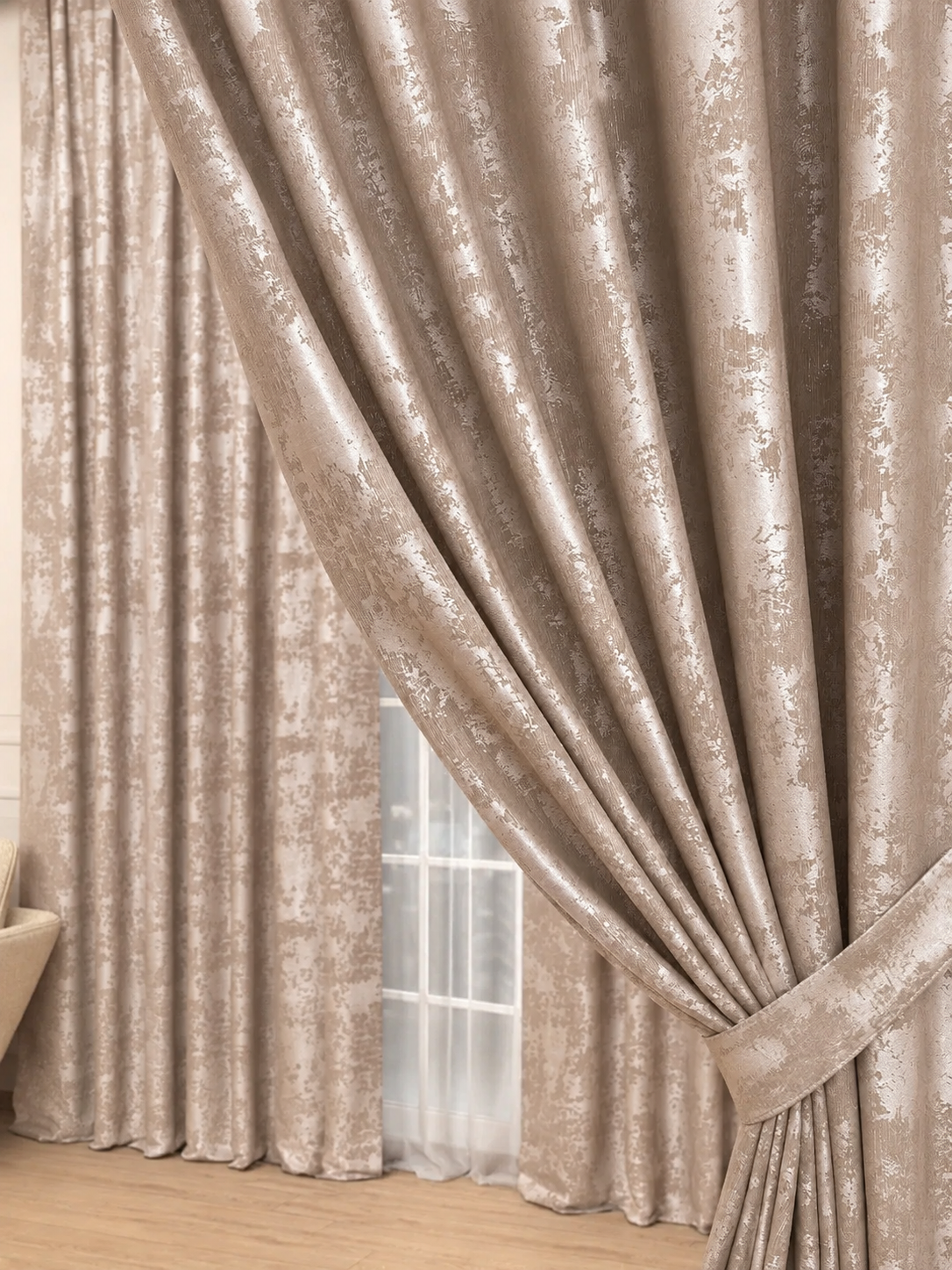
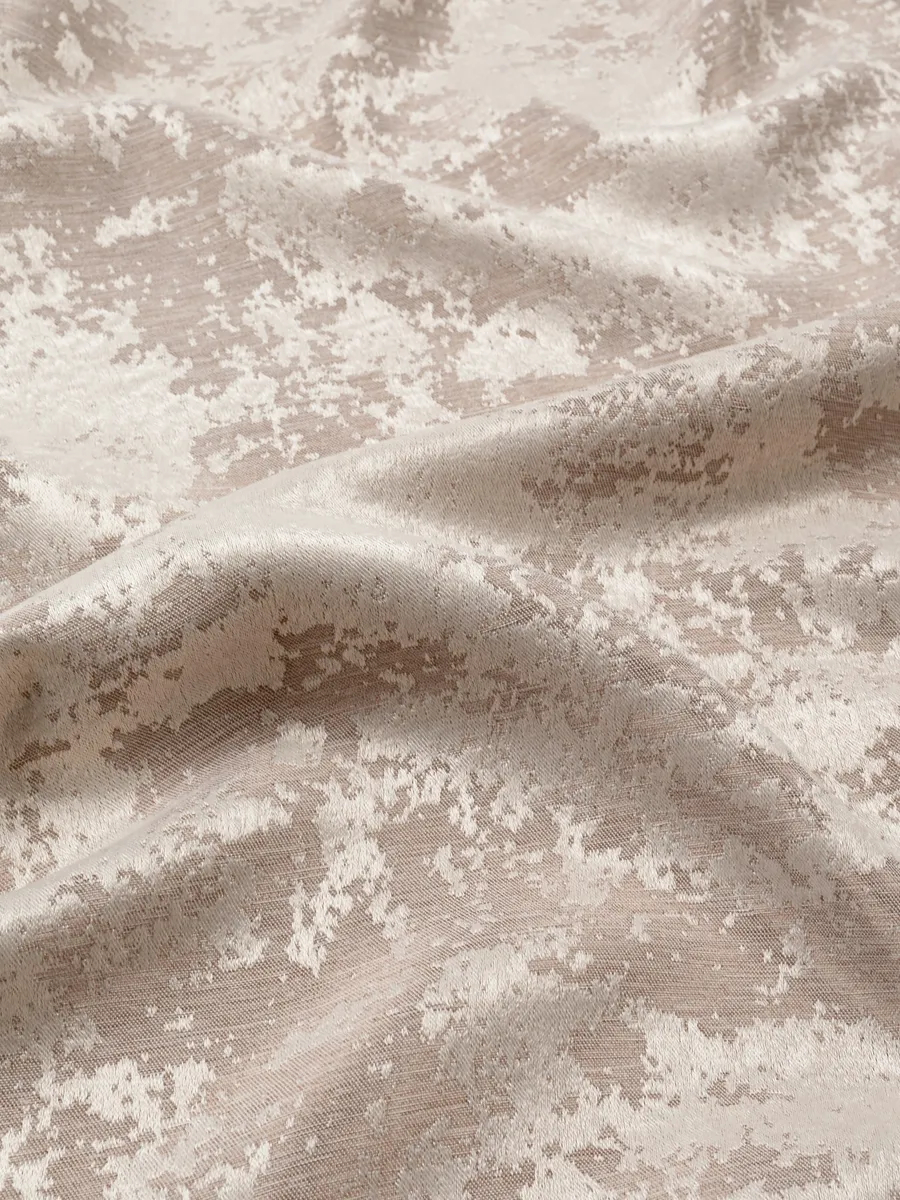
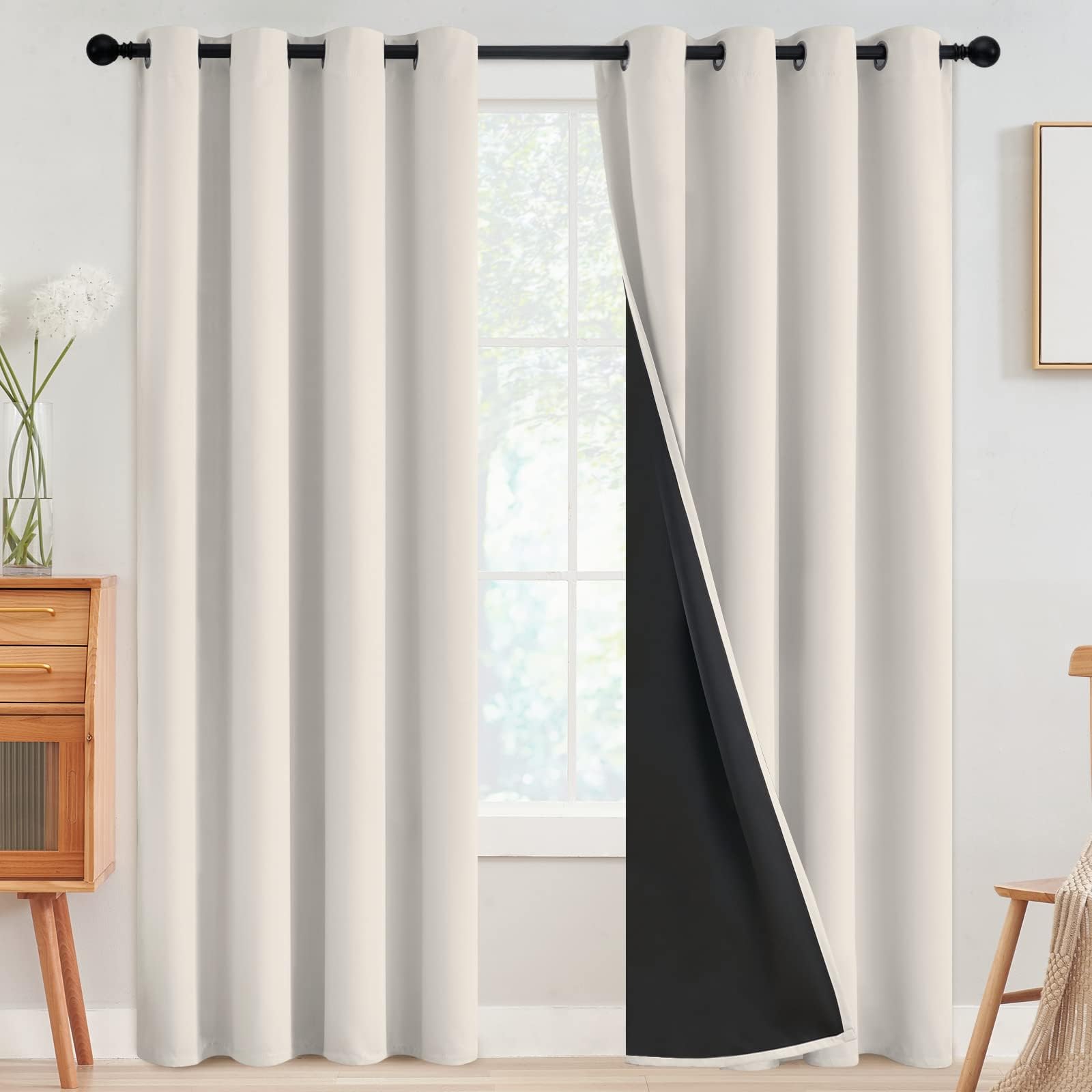
Sand beige tones and irregular marble-inspired markings give these polyester curtains a layered decorative surface. Pale mottled areas break up the warmer ground color, creating depth that remains visible across the hanging folds. The design suits interiors seeking a more expressive alternative to solid neutrals, especially alongside wood, stone and softly upholstered furniture. A paired-panel format supports balanced window styling, while custom sizes allow the drop and fullness to be planned around the opening. The pattern-production method and final fabric handle are established through finished sample approval.
Shaoxing Yingkuo Textile Co., Ltd. (EAGLEKO HOME TEXTILE) can develop this marble-pattern curtain direction around a physical shade standard, agreed motif scale and buyer-selected heading. Sampling can address paired-panel appearance, sewing details and the retail presentation required for the target channel. One-stop sourcing brings the curtains together with complementary cushion covers, throws and other home textiles for coordinated assortment purchasing. Additional colors, packaging options, minimum quantities and production lead times are reviewed in the quotation, with the approved fabric and finished panel guiding bulk consistency.
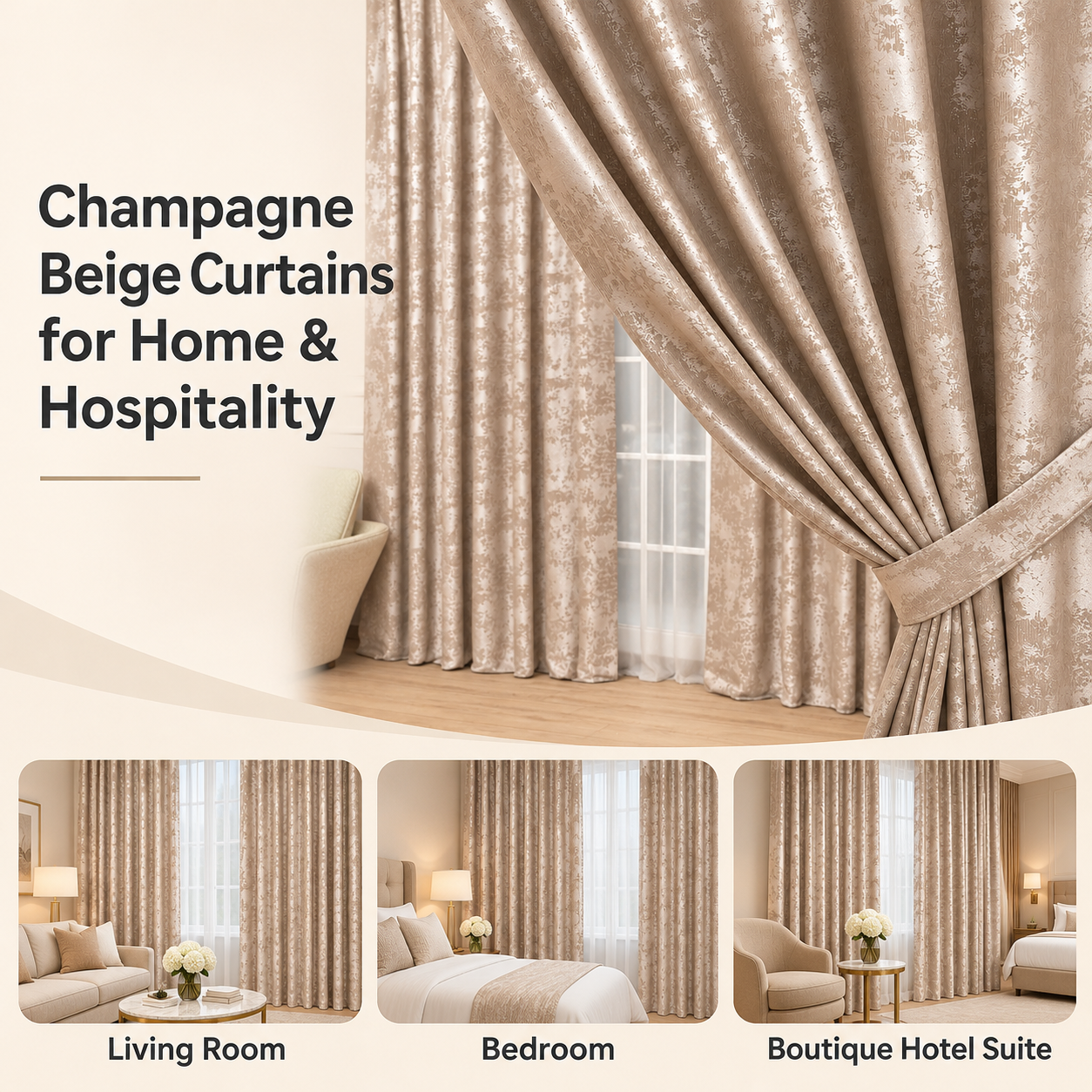
Neutral Living Rooms — Introduce a mottled decorative surface alongside beige upholstery, wood furniture and stone finishes.
Classic Bedroom Styling — Use the tonal marble effect to add detail around a window without a bright accent color.
Residential Design Projects — Specify heading, custom drop and fullness to suit the room’s architecture and installation hardware.
Home Furnishing Retail — Show a full hanging panel and a fabric close-up so shoppers can assess motif scale and highlights.
E-commerce Sales — Use consistent lighting across product views to communicate the warm ground shade and pale markings accurately.
Wholesale Decorative Ranges — Build coordinated color extensions with approved pattern scale and fabric appearance standards.
Cross Category Collections — Coordinate the curtain palette with cushion covers and other soft furnishings without requiring identical fabric constructions.
Marble Inspired Markings — Irregular mottling gives the panel a distinctive surface without a regular geometric grid.
Warm Sand Beige Palette — The neutral ground works with both classic furnishing schemes and restrained contemporary rooms.
Tonal Surface Contrast — Pale markings create visible depth across the folds while remaining within a coordinated palette.
Polyester Fabric Base — The material provides a practical starting point for approving handle, drape and care requirements.
Custom Drop and Width — Panel dimensions can be planned around the intended mounting position and window span.
Paired Panel Styling — A two-panel format allows buyers to define the desired relationship between the left and right drapes.
Collection Development — Heading, shade and packaging choices can be coordinated for a buyer’s decorative textile range.
Q1: How should the marble effect be specified without assuming a production method?
A: Approve a physical fabric sample and record the motif scale, contrast, handle and surface appearance. Confirm whether the selected effect is produced by weaving, printing or another finishing process before writing technical specifications. Similar-looking marble effects may behave differently in laundering and abrasion, so visual approval alone should not define the manufacturing method.
Q2: Should the marble markings align between the two curtain panels?
A: Decide whether the set requires matched placement or an intentionally varied composition. Irregular motifs may not have an obvious joining point, but a strongly different distribution of pale markings can make a pair look unbalanced. Review the pair flat and gathered, then agree on cutting orientation and acceptable variation before production.
Q3: How can sand beige color approval account for the lighter surface markings?
A: Evaluate both the ground shade and the pale motif under consistent lighting, including a hanging panel viewed from several angles. Keep an approved physical standard rather than relying on screen images. Define whether a change in perceived brightness comes from shade, motif coverage or surface reflection before deciding that a lot is acceptable.
Q4: What should be reviewed before adapting the design to extra-wide custom curtains?
A: Confirm fabric-width limits, repeat dimensions and any required joining seams. Plan seam placement so the mottled areas do not create an abrupt stripe or an obvious break across the panel. Approve a full-width layout and hanging sample before quoting the construction as a seamless or pattern-matched product.
Q5: Which checks help preserve the marble appearance after washing?
A: Trial the selected finished fabric under the intended care cycle and assess ground color, motif contrast, surface change and dimensions. Where a surface finish is used, review its durability under washing and rubbing. Set care instructions from the actual construction and avoid assuming that all polyester marble-pattern fabrics can use the same temperatures or drying routine.
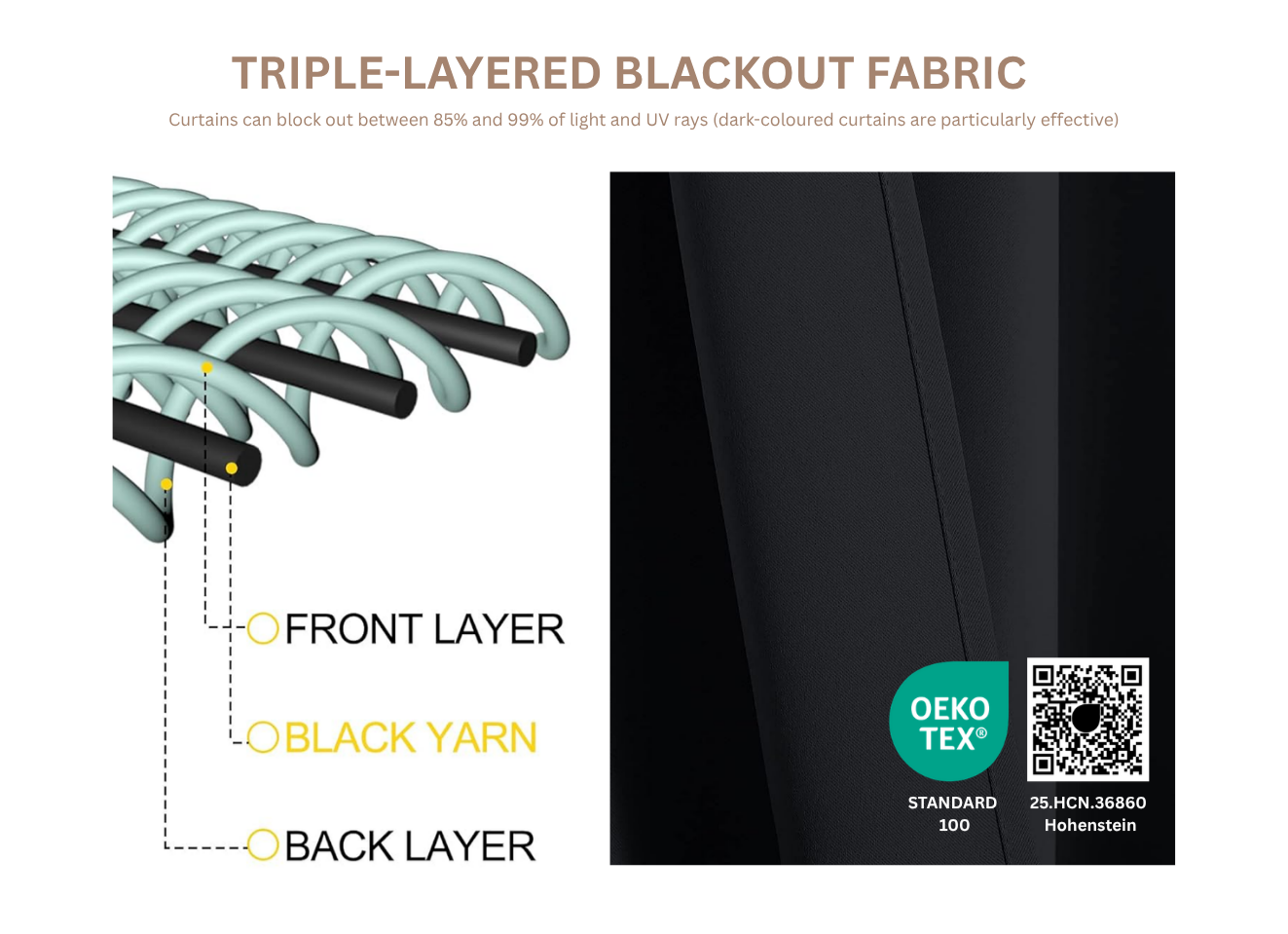
Q6: How should buyers specify light control for this decorative curtain?
A: Define the required privacy and light-transmission target separately from the marble appearance. Evaluate the chosen fabric under backlighting and agree on testing where a numerical claim is intended. If a lining is requested, approve its effect on handle, face shade and hanging balance; decorative density does not by itself establish blackout performance.
Q7: What must be confirmed before choosing a heading for rods or tracks?
A: Provide the intended hardware, opening method and length measurement point. Review how the heading gathers the motif and whether reinforcement is needed for the selected panel size. Approve a finished panel with the actual hooks, rings or rod arrangement so the custom dimensions correspond to the installed drop and usable coverage.
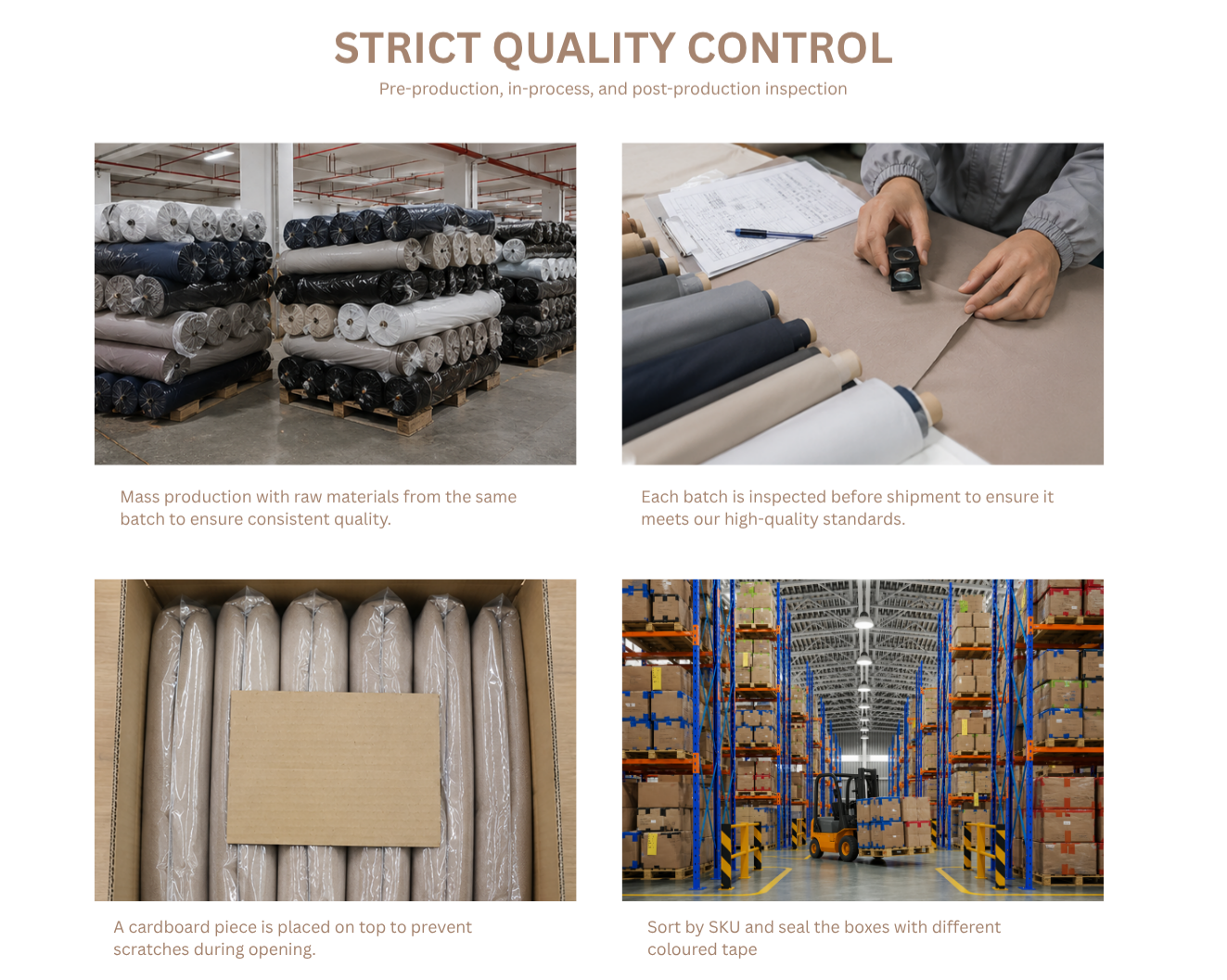
Q8: How can packaging and lot controls reduce appearance complaints on replenishment orders?
A: Retain an approved fabric standard and finished panel, with records of shade, motif scale, cutting orientation and sewing details. Trial packing to assess persistent creases and surface impressions after storage. Compare later lots in a consistent hanging setup and label matching pairs together so panels from visibly different production lots are not mixed.
 EN