| Product Name |
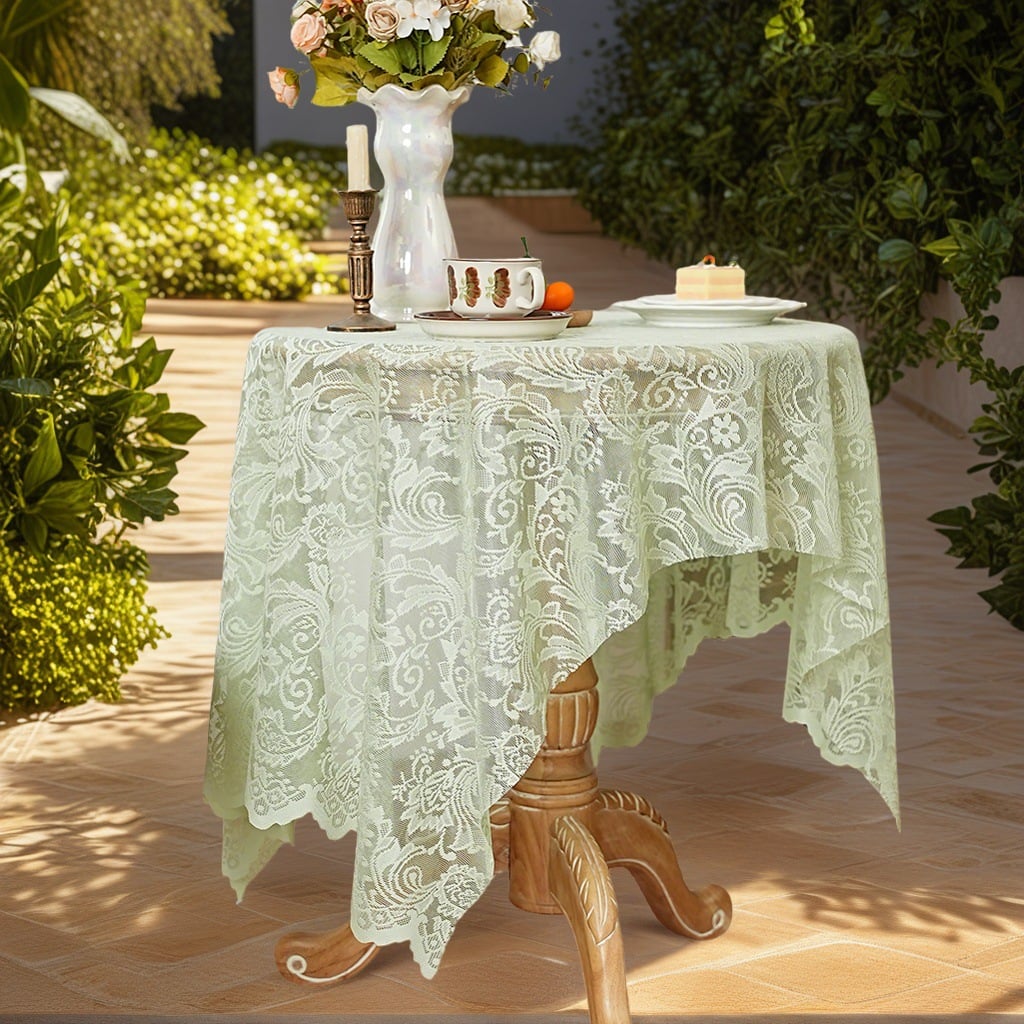
Sage Green Floral Lace Oblong Tablecloth |
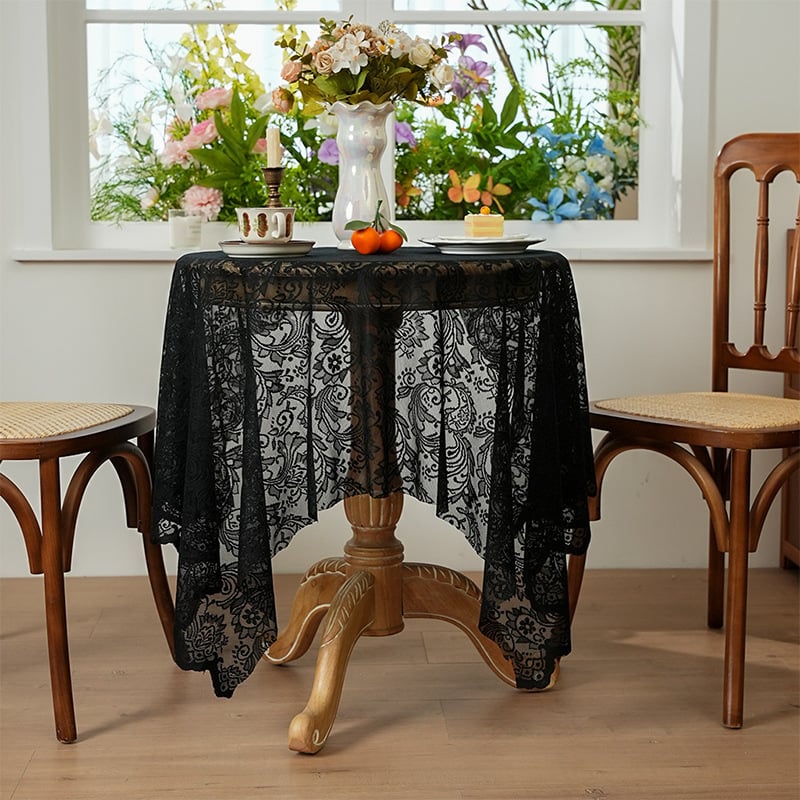
| Color | Light Green / White / Ivory / Black (Reference Color Options) |
| Material | Polyester Lace Fabric (Reference Listing) |
| Style |
Vintage Shabby Chic / French Country / Garden-Inspired |
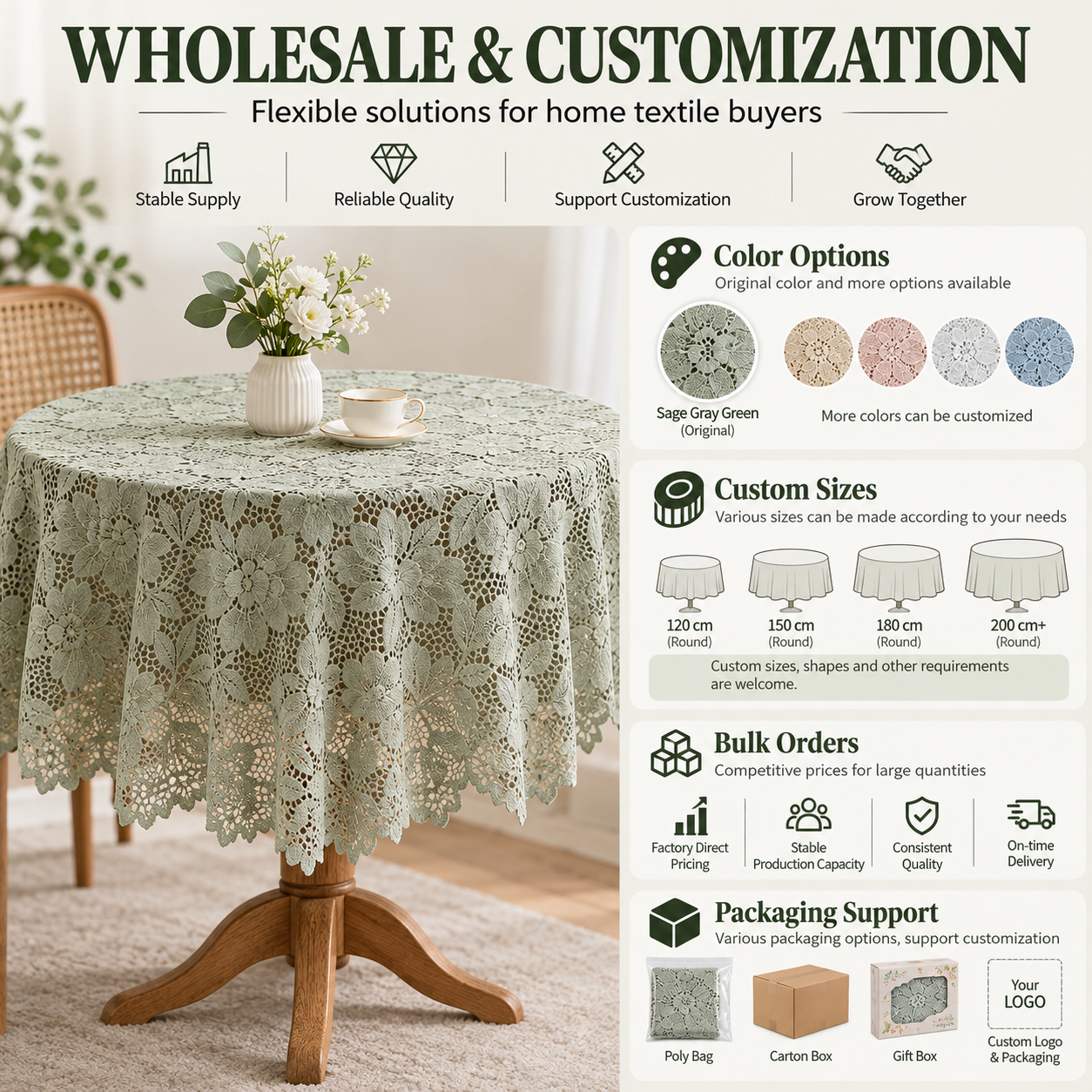
| Size | 140 × 100 cm, 140 × 140 cm, 140 × 180 cm, 140 × 220 cm (Reference Options) |
| Package | Folded Individual Pack; Private-Label Packing Available |
| Certification | OEKO-TEX Standard 100 |
| MOQ | 200 |
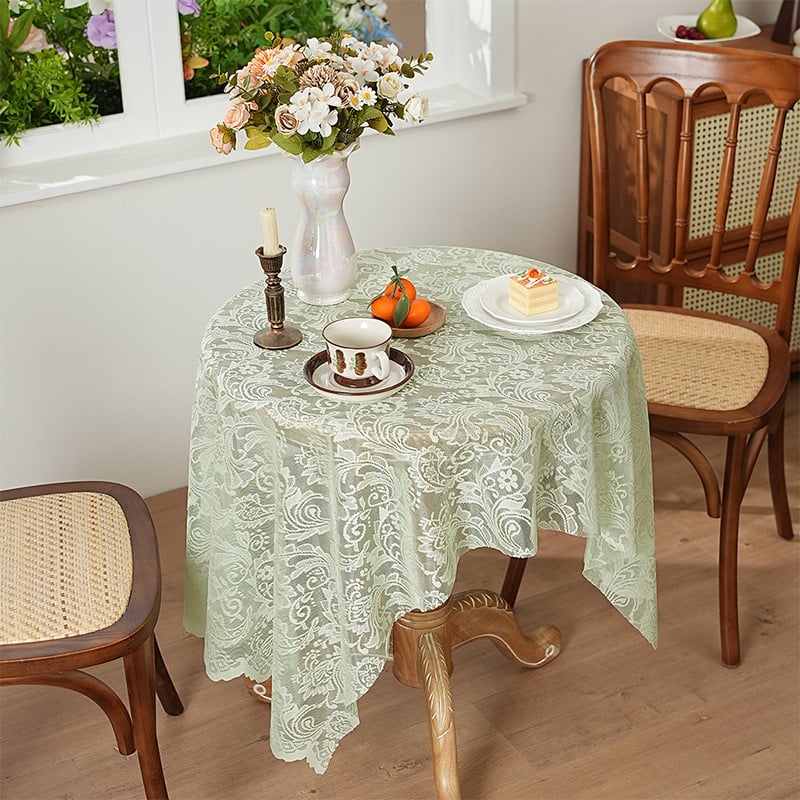
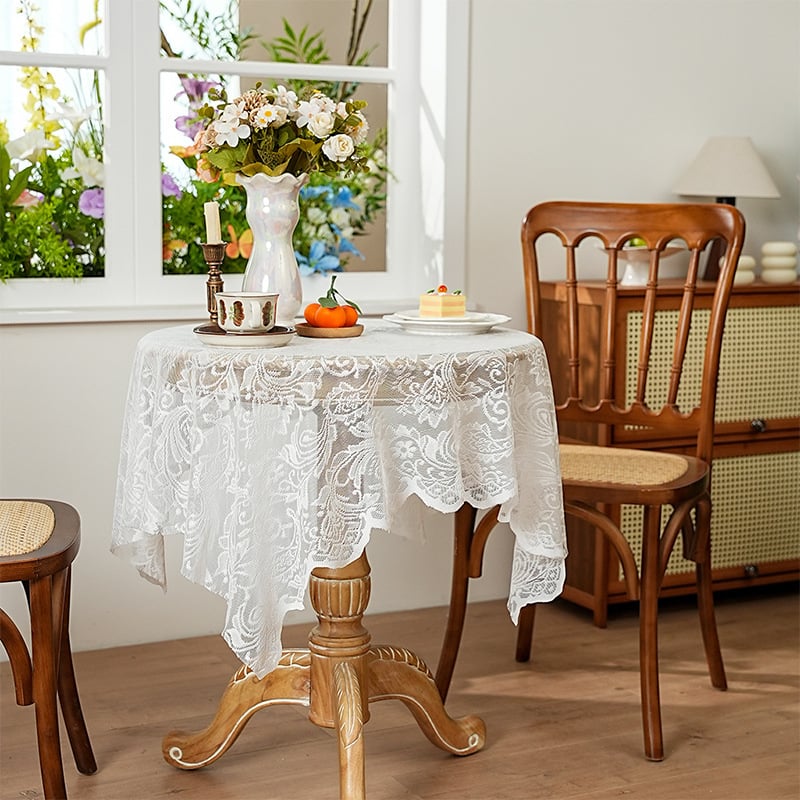
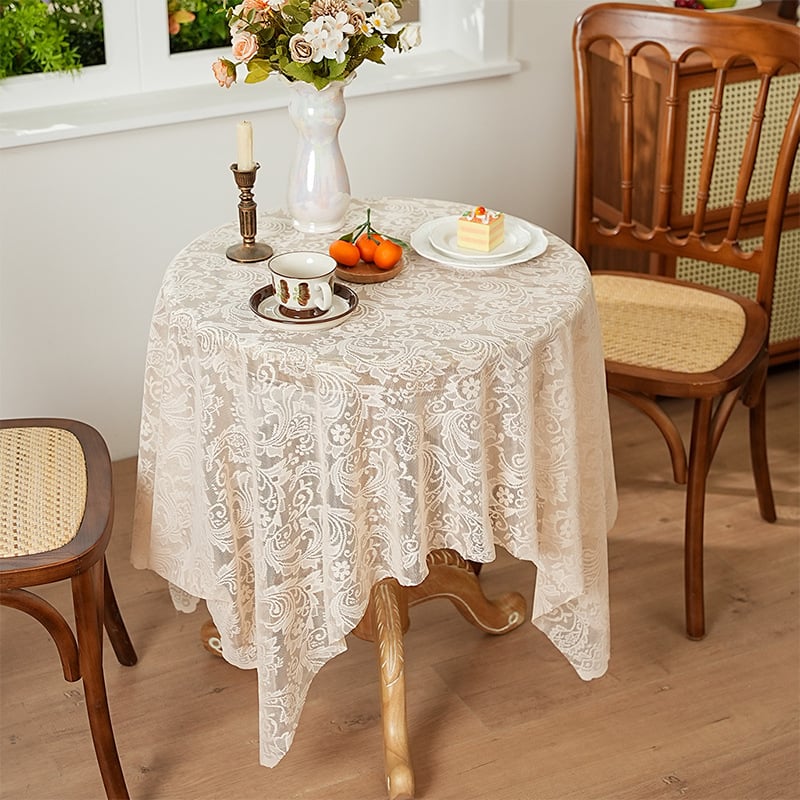
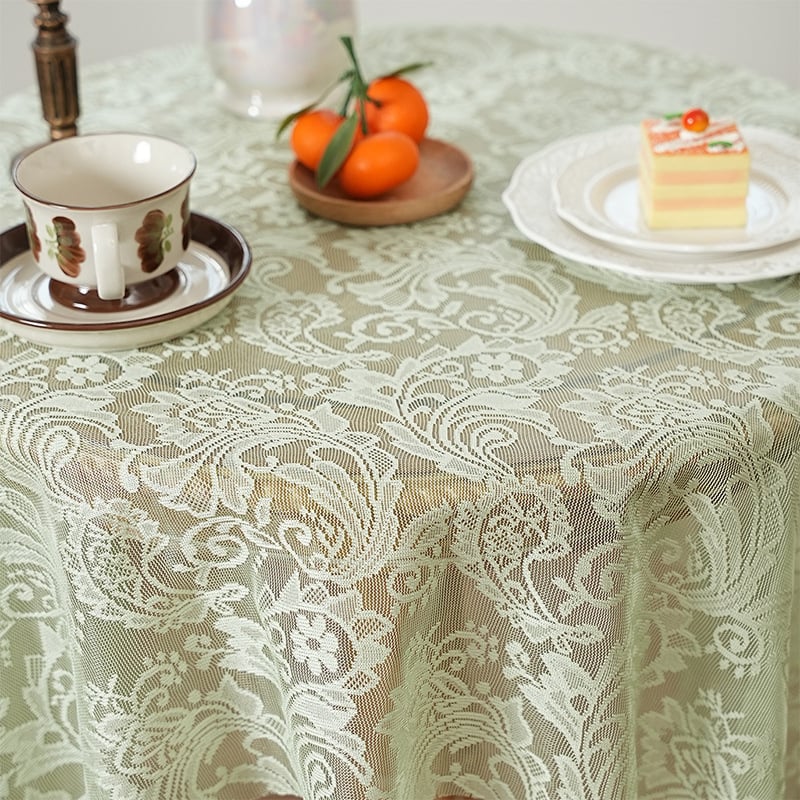
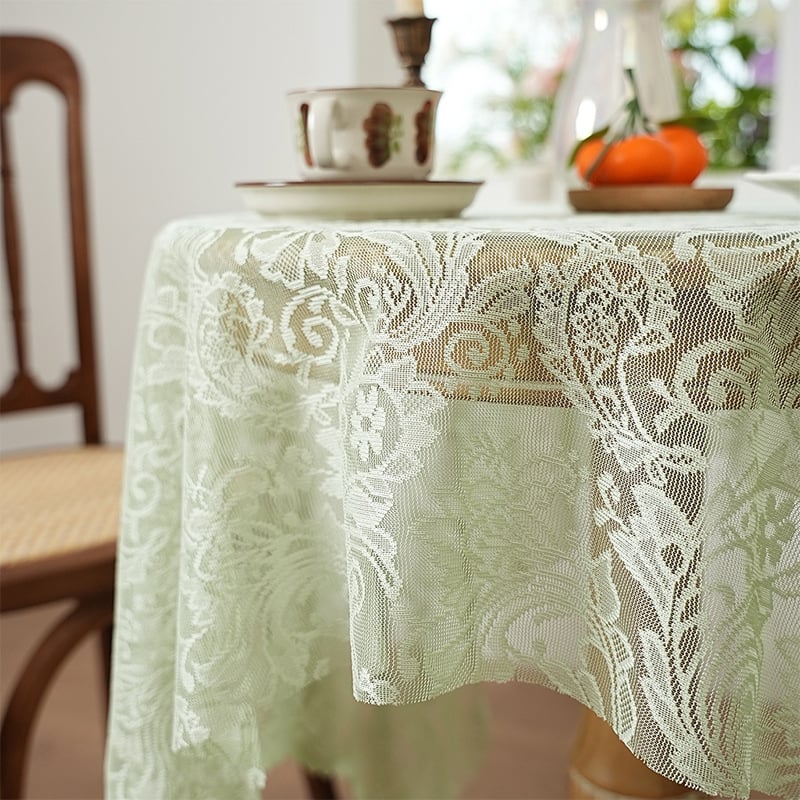
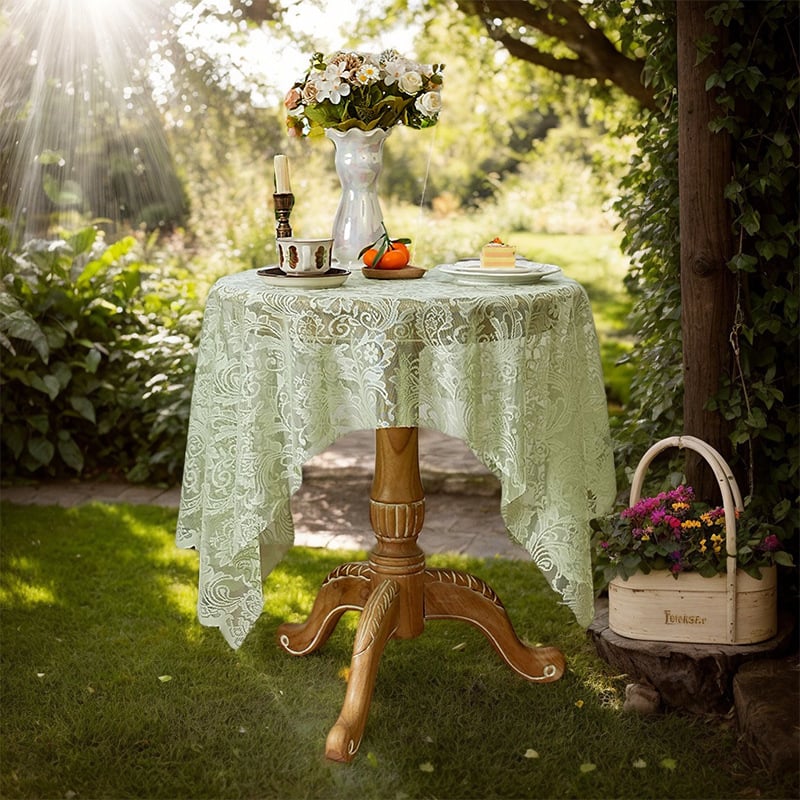
Inspired by romantic garden interiors, this sage green floral lace tablecloth uses an intricate all-over botanical design to bring softness to a dining setting. Its semi-sheer surface lets natural wood and underlying table linens remain visible, while the ornamental lace edge creates an elegant silhouette at the corners. On a small round bistro table, a rectangular piece can be styled diagonally for a distinctive cascading look; on rectangular furniture, it becomes a delicate decorative layer rather than a heavy-duty cover.
For EAGLEKO, Shaoxing Yingkuo Textile Co., Ltd. supports the development of decorative lace table linen collections for home décor retailers, e-commerce brands and event stylists. Projects can be specified by finished dimensions, floral pattern layout, lace transparency, edge definition and coordinated color palette. Sample review helps buyers assess the drape on their target furniture and confirm the finished appearance before production.
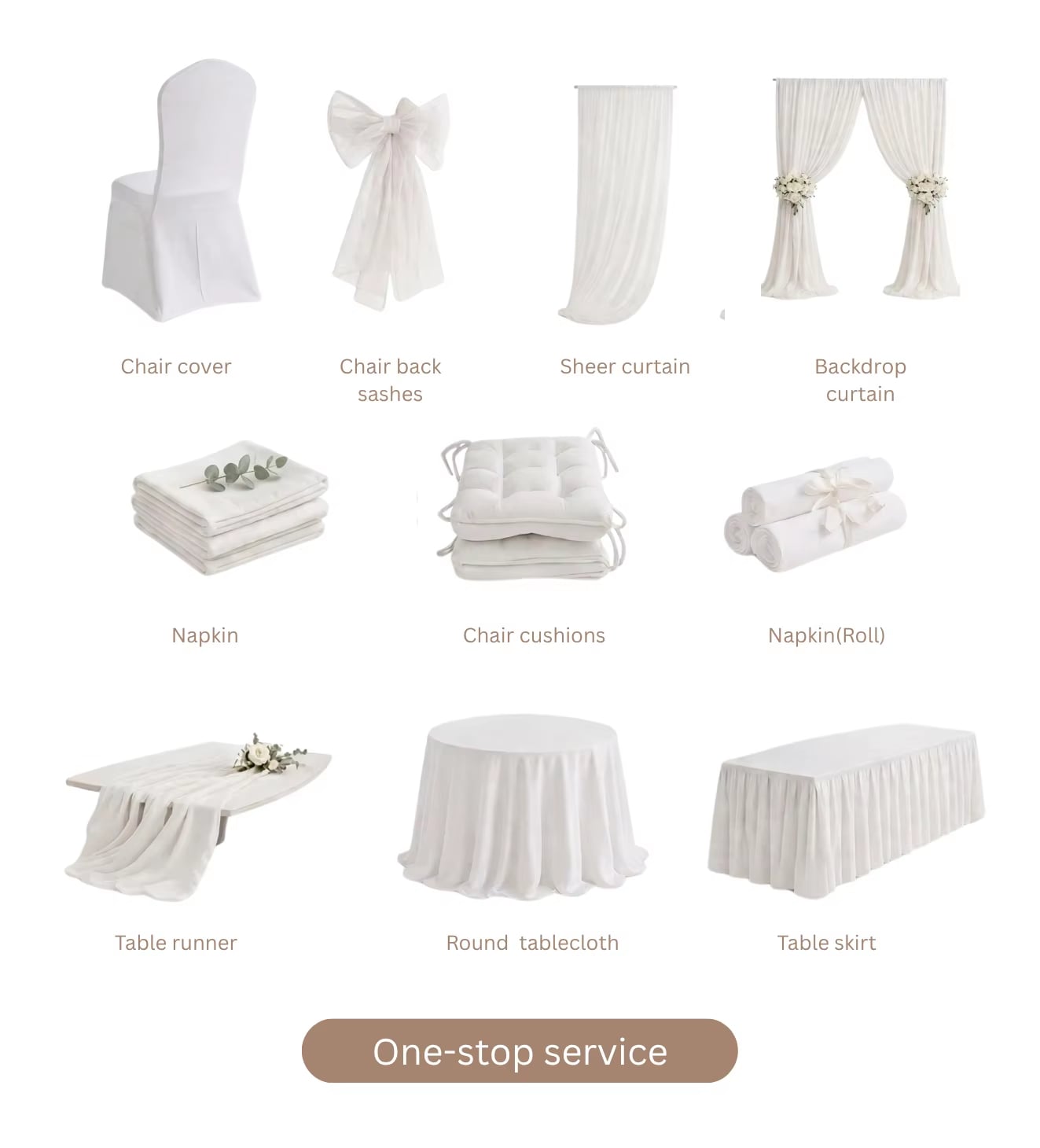
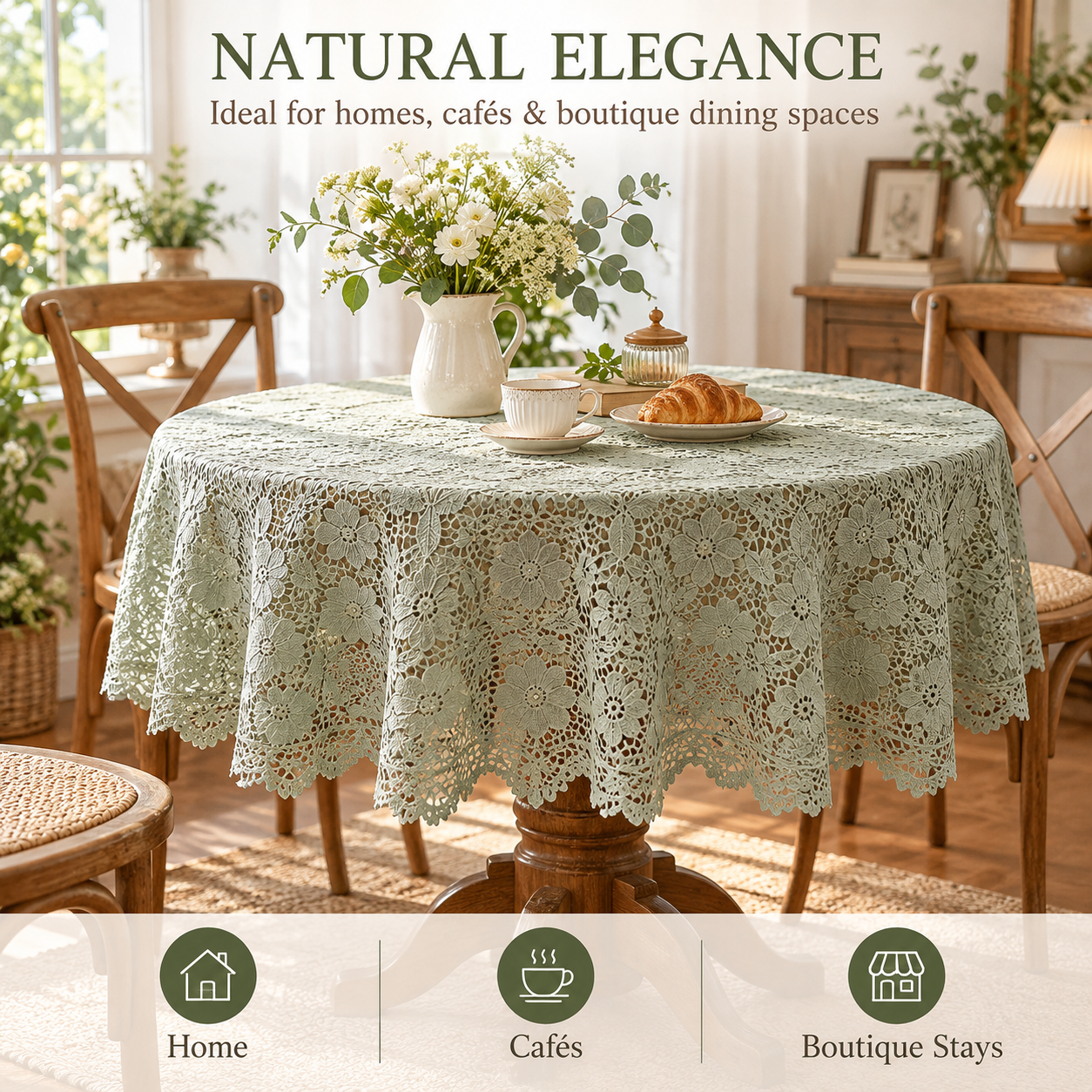
Garden Tea Corner — A light botanical overlay complements flowers, ceramics and wicker seating.
Vintage Bistro Table — A rectangular cloth styled diagonally creates decorative pointed corners on a compact round table.
Wedding Welcome Display — Openwork lace softens guest-book tables and floral arrangements.
French Country Kitchen — Sage green lace layers naturally over timber and neutral cotton table linen.
Boutique Home Décor Retail — Floral motifs and edge details give shoppers a recognizable decorative signature.
E-commerce Sales — Close-up lace imagery and styled furniture photos explain transparency and drape.
Seasonal Table Styling — A light green textile accent refreshes spring gatherings and intimate celebrations.
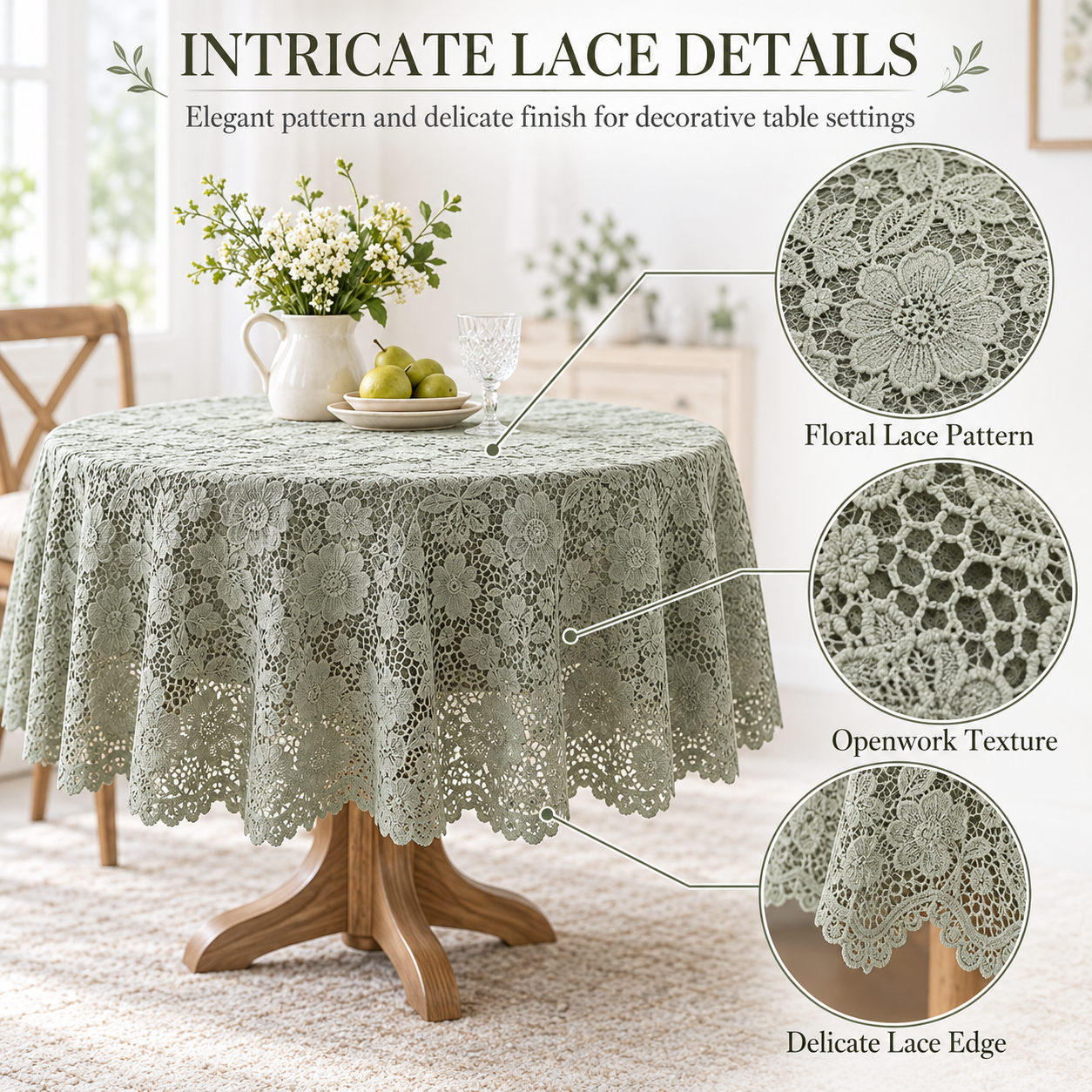
Intricate Botanical Motifs — Ornamental flowers and scrolling foliage create depth without printed ink.
Semi-Sheer Construction — The surface beneath remains part of the overall decorative effect.
Graceful Corner Draping — Oblong shapes can create a cascading diagonal display on small round tables.
Decorative Lace Perimeter — The shaped edge frames the cloth without an added striped ruffle.
Soft Green Palette — The muted tone complements natural wood, white crockery and floral styling.
Layering Versatility — Works as a standalone decorative cover or over a contrasting solid undercloth.
Assortment Potential — Coordinated colorways and multiple lengths support home décor product ranges.
Q1: What should buyers verify when photographing the cloth on a round table?
A: A rectangular lace cloth draped diagonally creates uneven corner drops by design. Approve photographs showing the actual product shape and measurements, and avoid presenting it as a purpose-cut round tablecloth.
Q2: How can the lace motif remain visually balanced across different lengths?
A: Request layout artwork or a production sample showing motif repeat, center placement and border termination for each size. Larger lengths may change the number of repeats, so inspect the finished design rather than only a small swatch.
Q3: What differences between lace texture and embroidered decoration should be clarified?
A: Confirm whether the floral elements are integral to the lace construction or added by a separate embroidery process. The product should be described according to the approved physical sample, especially for marketplace material claims.
Q4: How should buyers assess visibility of the tabletop beneath the lace?
A: Place samples on wood, white and dark surfaces under normal indoor lighting. Record the intended styling effect and ensure listing photography represents the actual degree of openness and transparency.
Q5: What is a practical inspection method for irregular decorative edges?
A: Lay the cloth flat without stretching it, inspect the complete perimeter for broken loops or loose yarns, and compare opposite sides and corner shapes to an approved reference. Do not force the lace into a perfectly straight edge if its pattern is intentionally shaped.
Q6: How can folding and storage damage be reduced for delicate lace orders?
A: Trial the proposed fold size and inner packaging, checking for catches from labels, sharp inserts and rough carton surfaces. Evaluate appearance after unpacking and agree on presentation requirements for retail or gift packs.
Q7: Is this suitable as a primary table protector for cafés or catering?
A: It is best positioned as decorative table linen. Openwork lace leaves parts of the surface exposed and should not be marketed as waterproof, spillproof or scratch-resistant unless separately demonstrated.
Q8: What information is needed for private-label assortment approval?
A: Confirm the actual fiber content, each finished size, acceptable dimensional variation, pattern layout, shade standard, care guidance, packaging artwork and inspection criteria. Any claims about machine washability should be validated for the selected fabric.
 EN