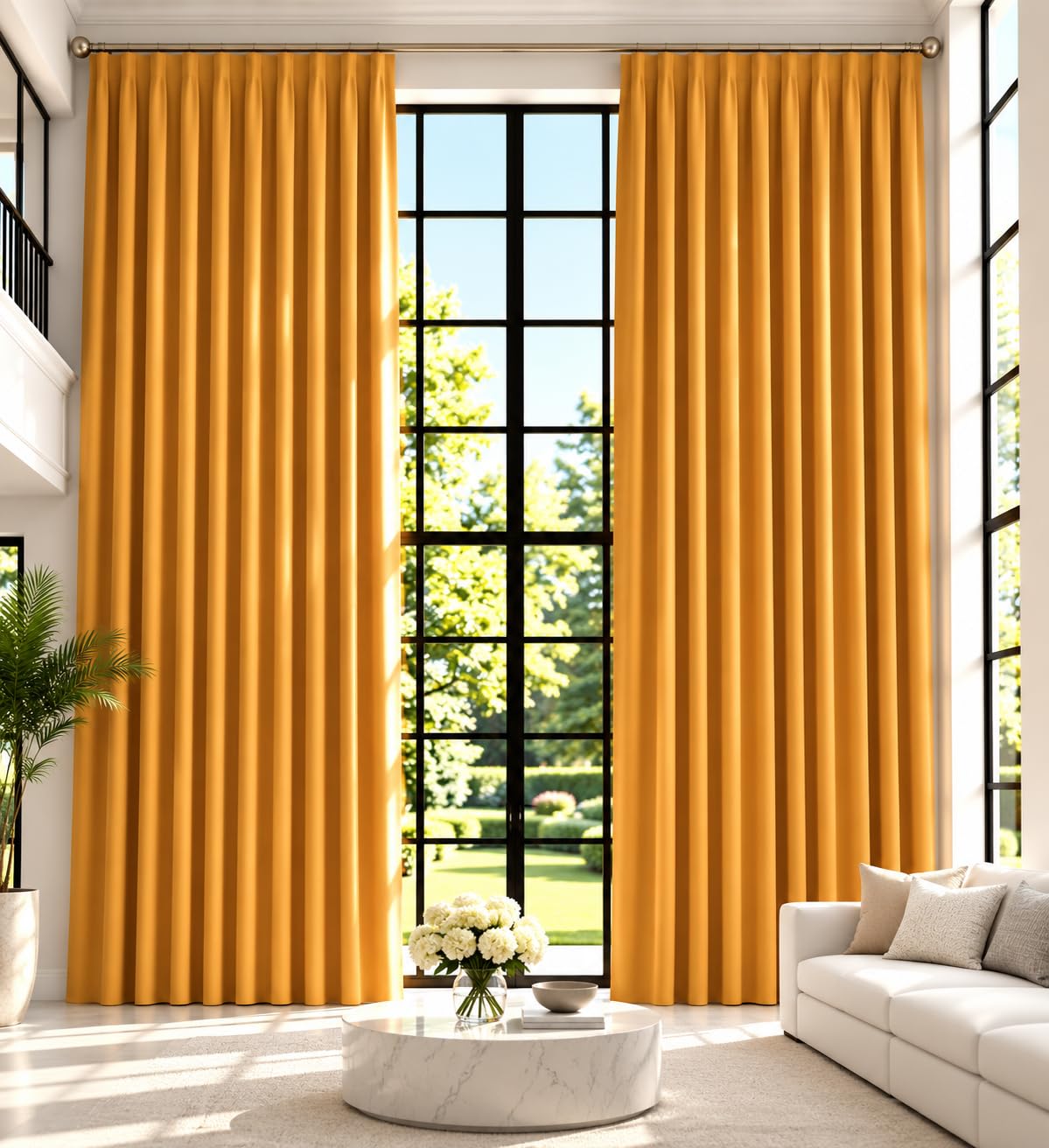
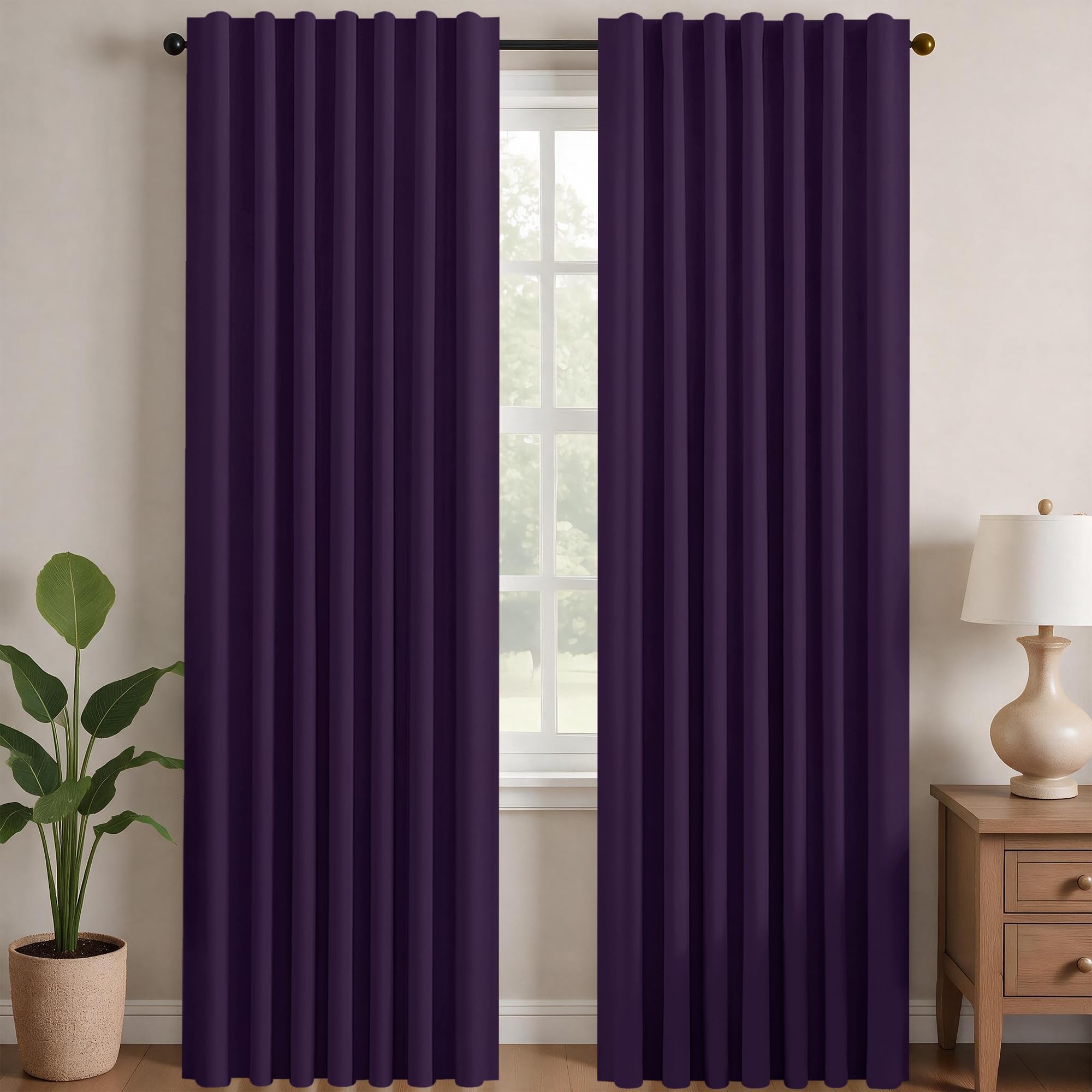
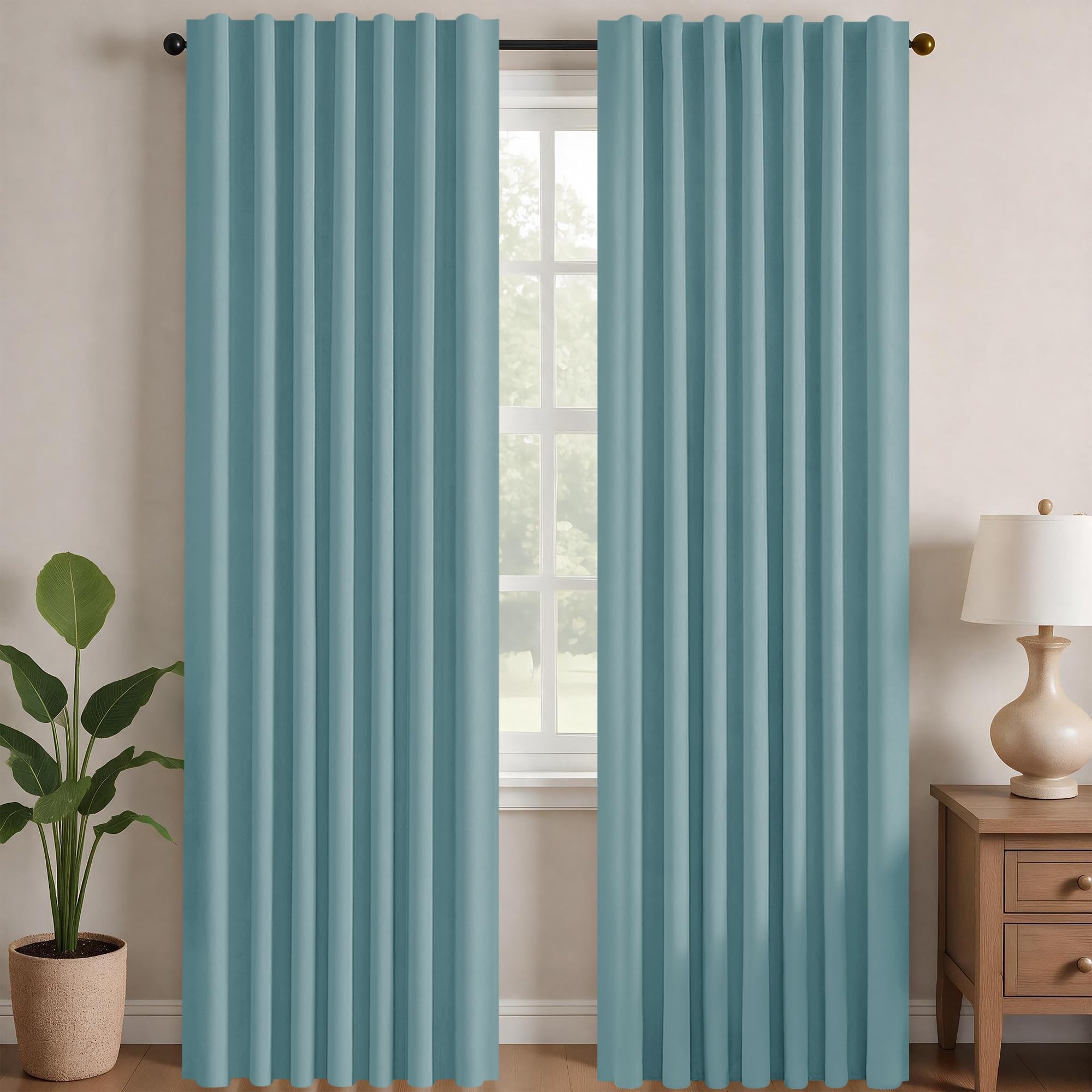
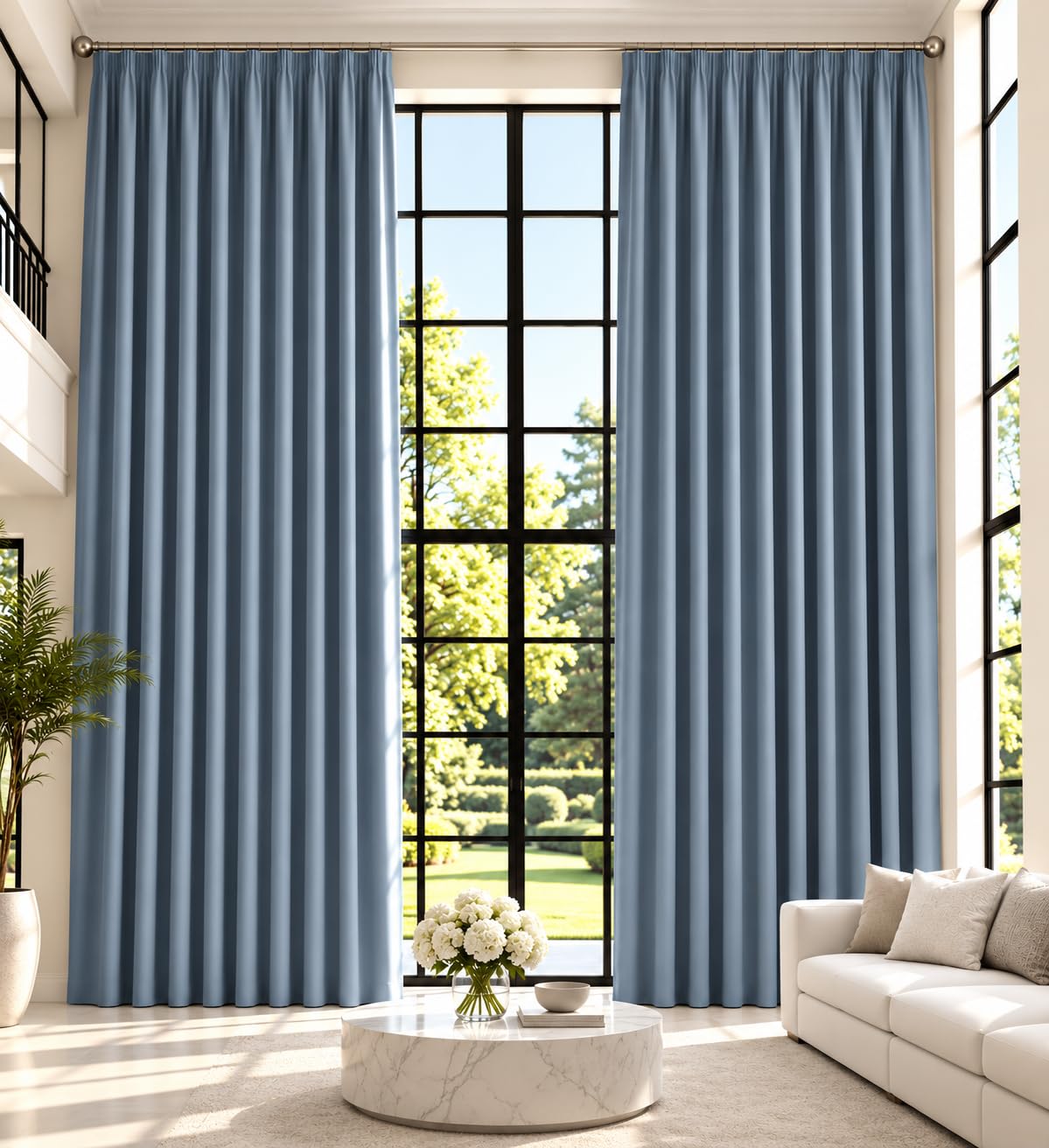
| Product Name |
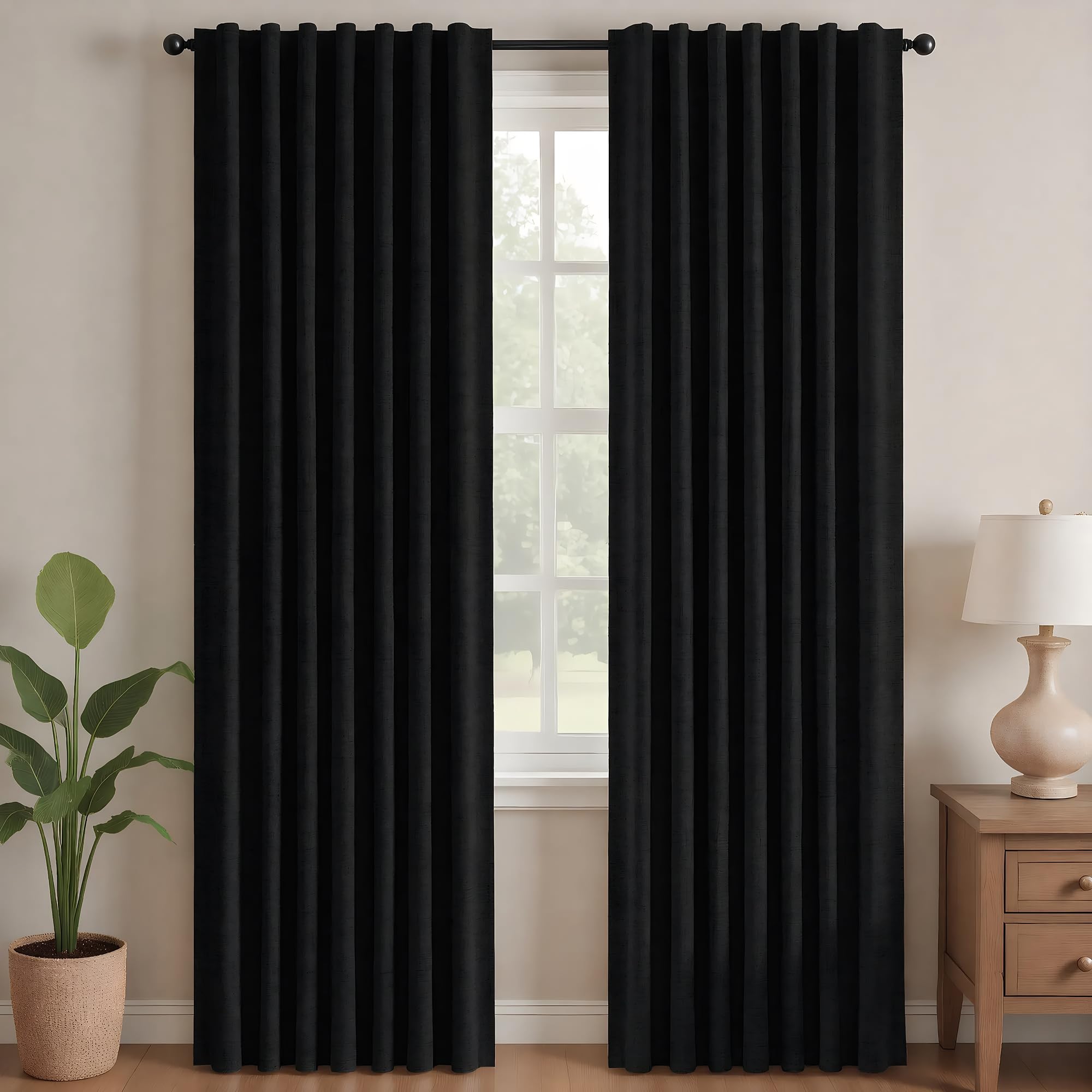
Solid Black Polyester Blackout Curtain Panels |
| Color |
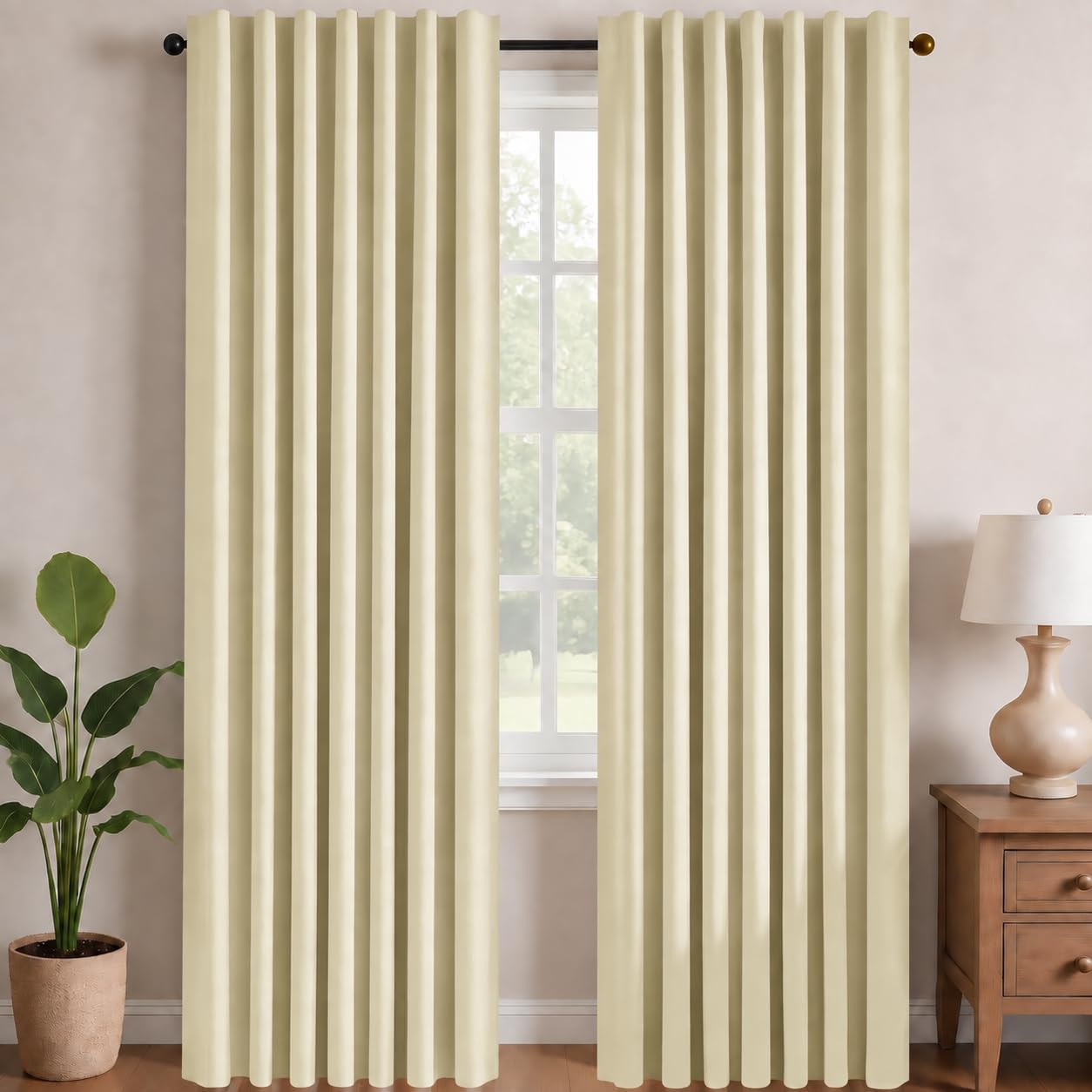
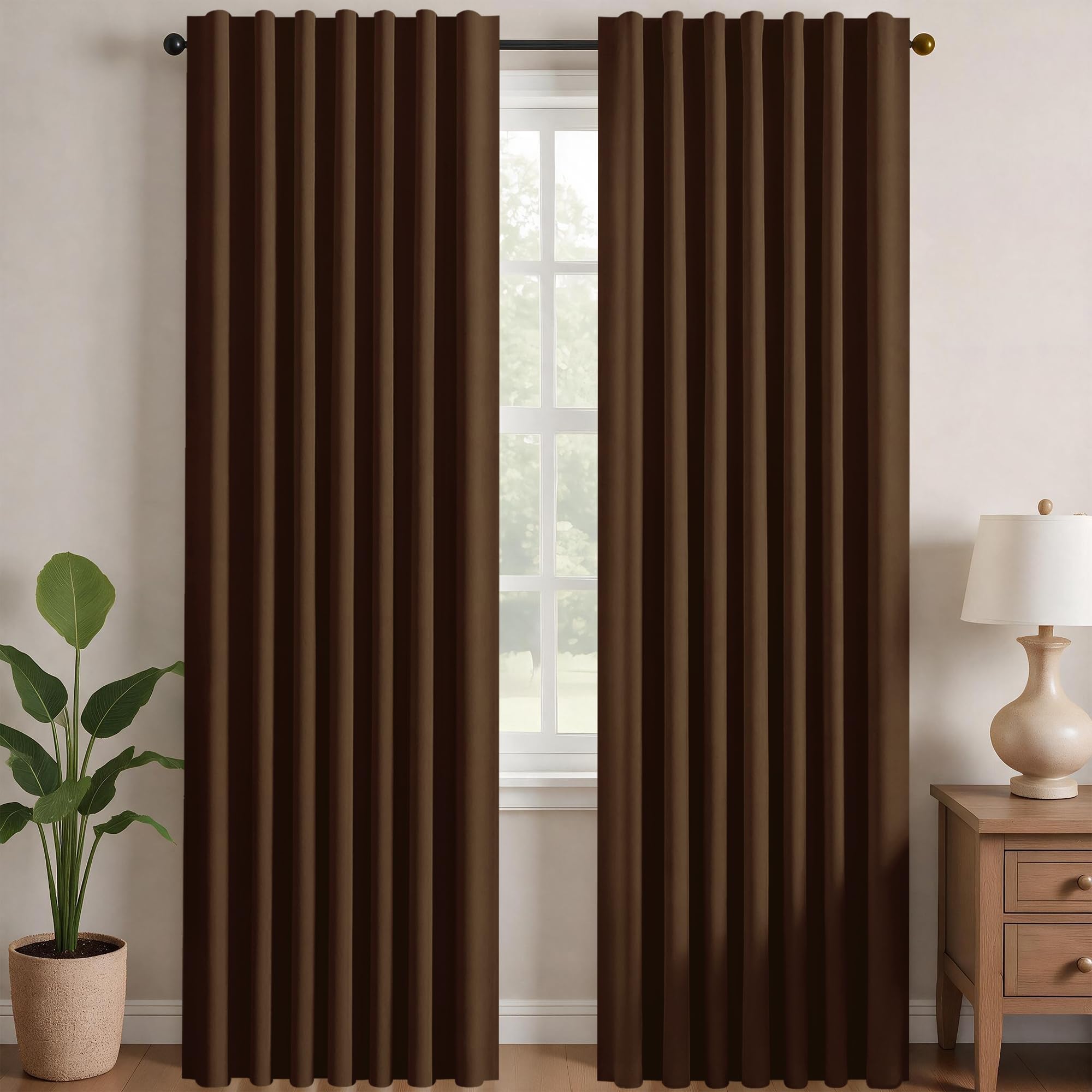
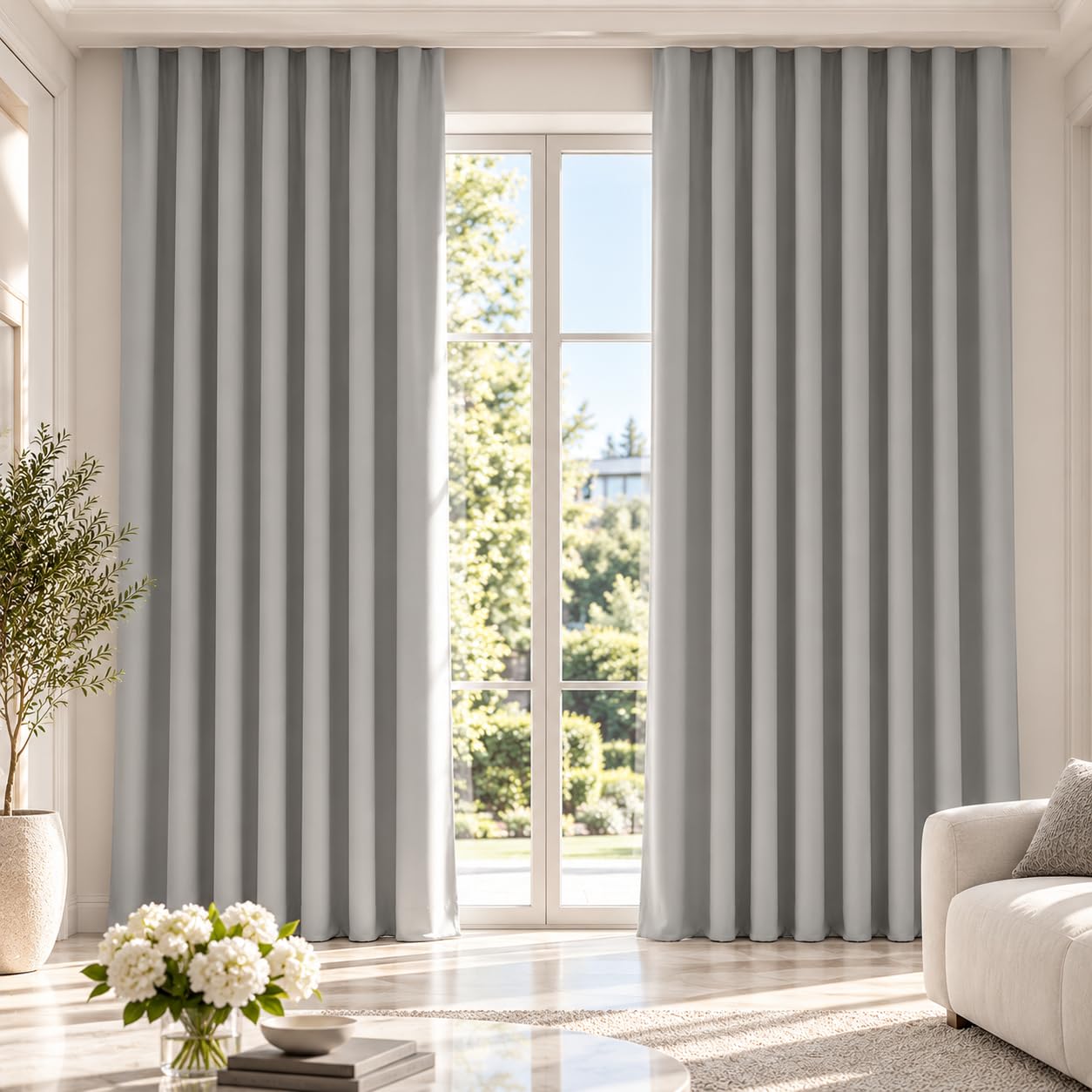
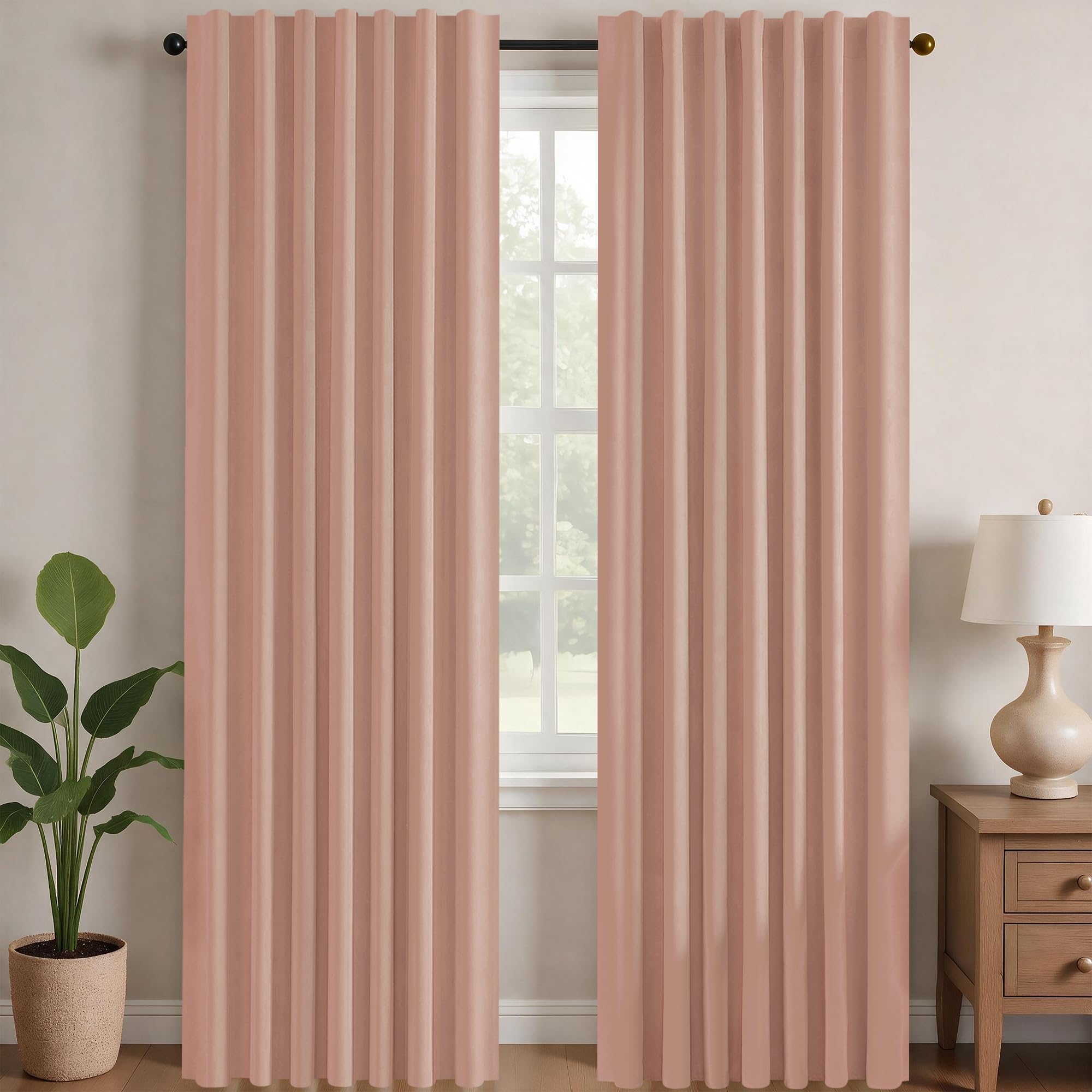
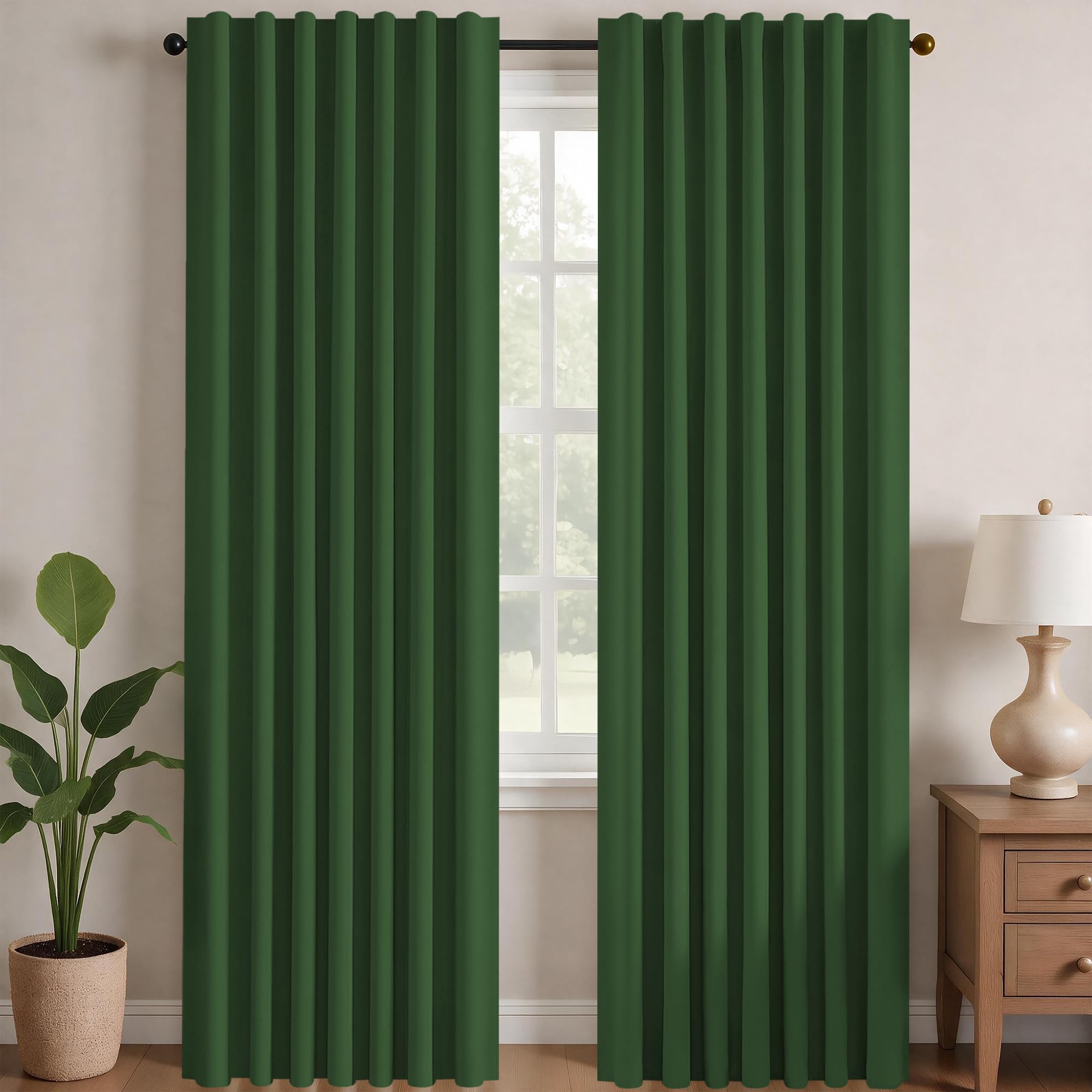
Solid black reference color; additional shades subject to sample approval |
| Material |
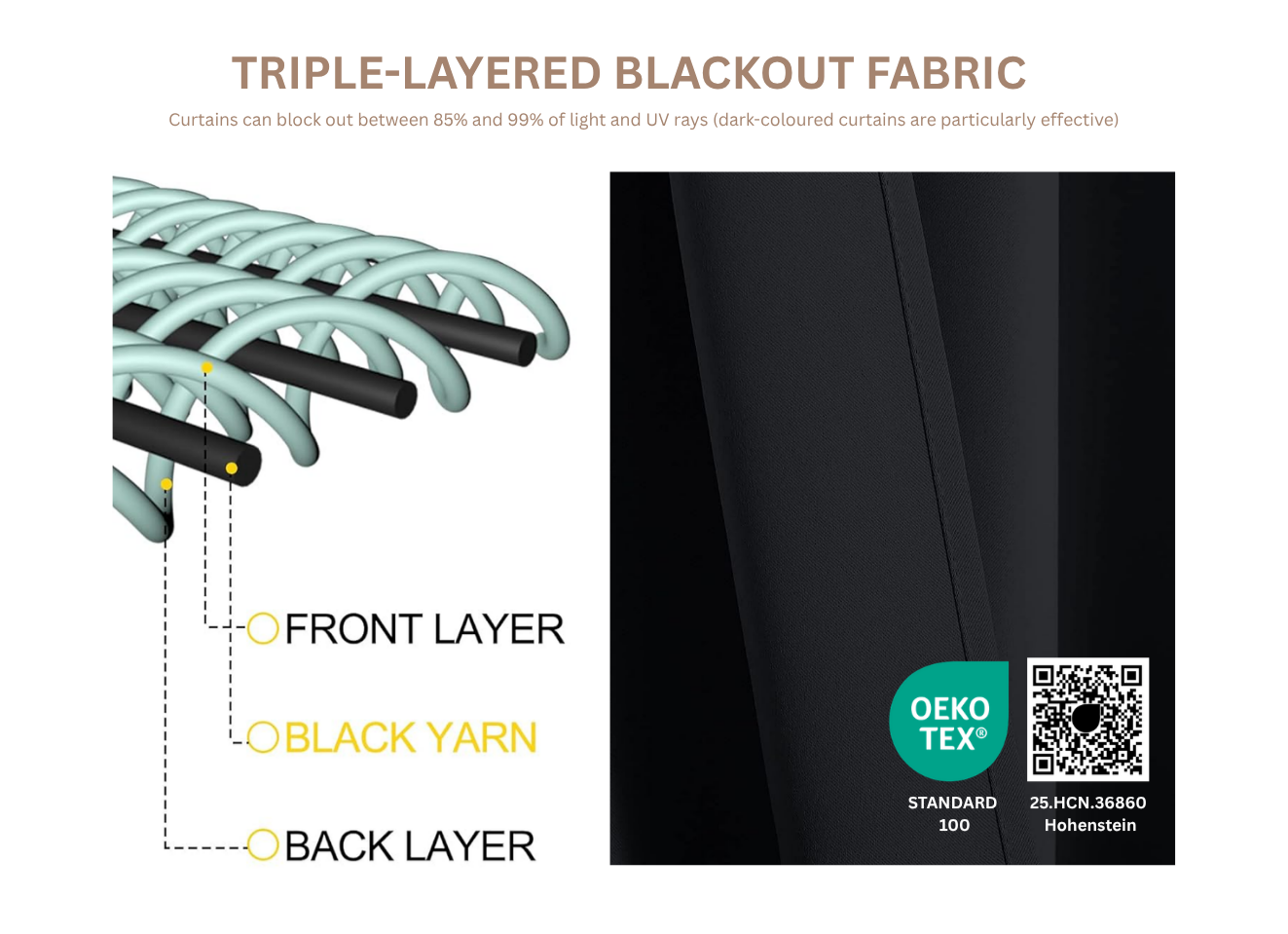
Polyester reference fabric; final composition and light-blocking construction to be confirmed |
| Style |
Minimalist / Room Darkening Window Treatments |
| Size |
Reference size 52 inches wide by 84 inches long per panel; custom sizing subject to confirmation |
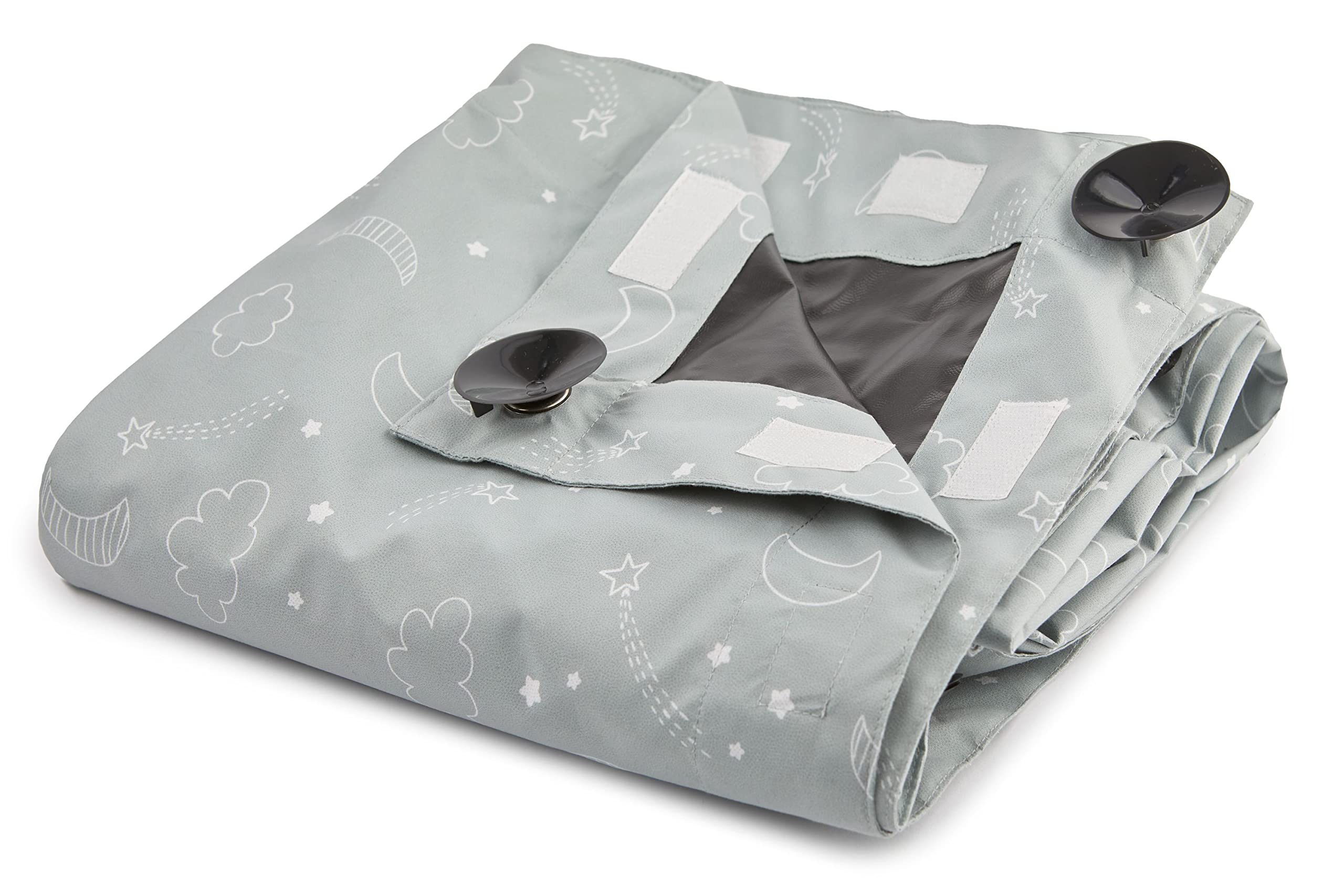
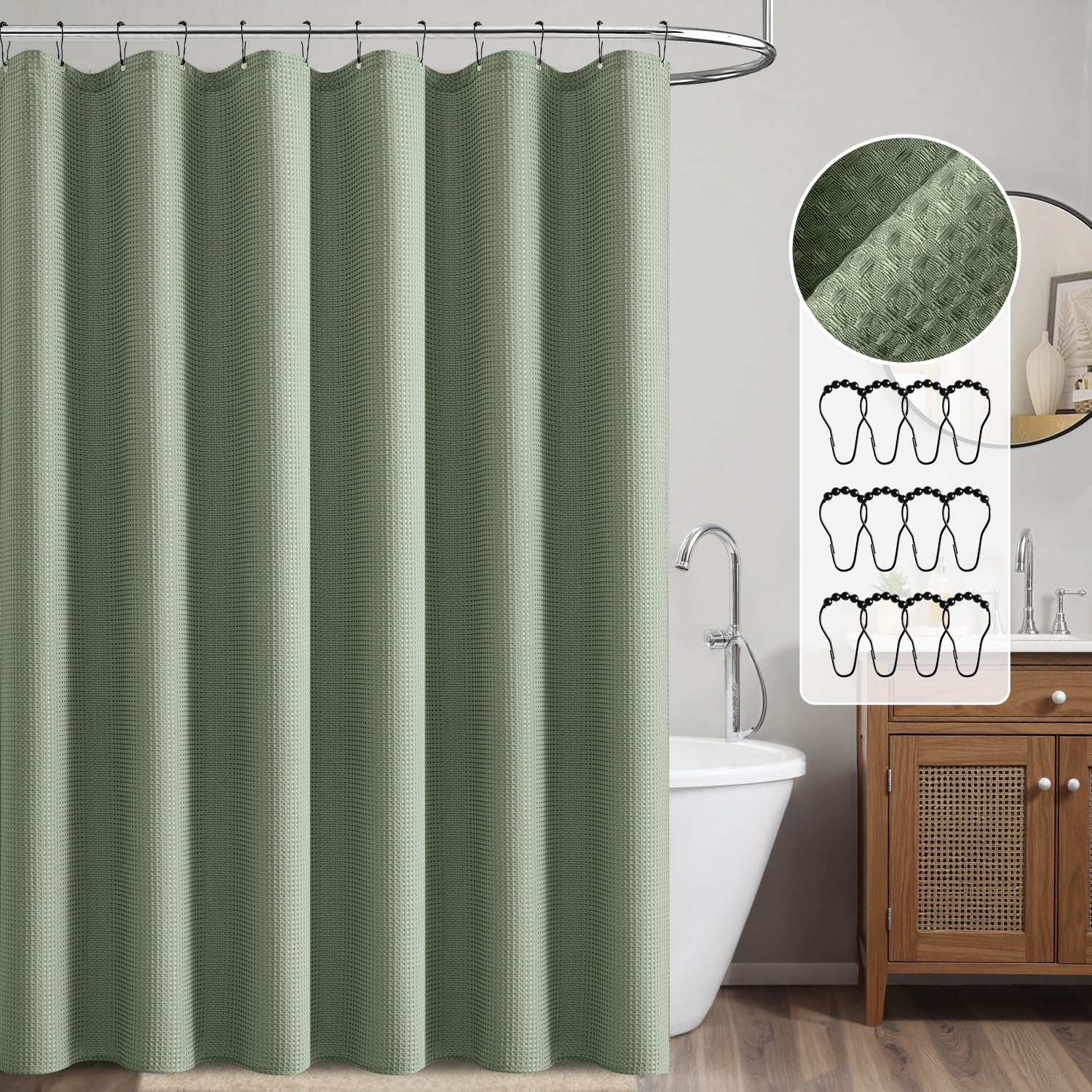
| Package | 1 Shower Curtain with Snap-in Liner / Custom Packaging Available |
| Certification | OEKO-TEX Standard 100 Available |
| MOQ | 200 |
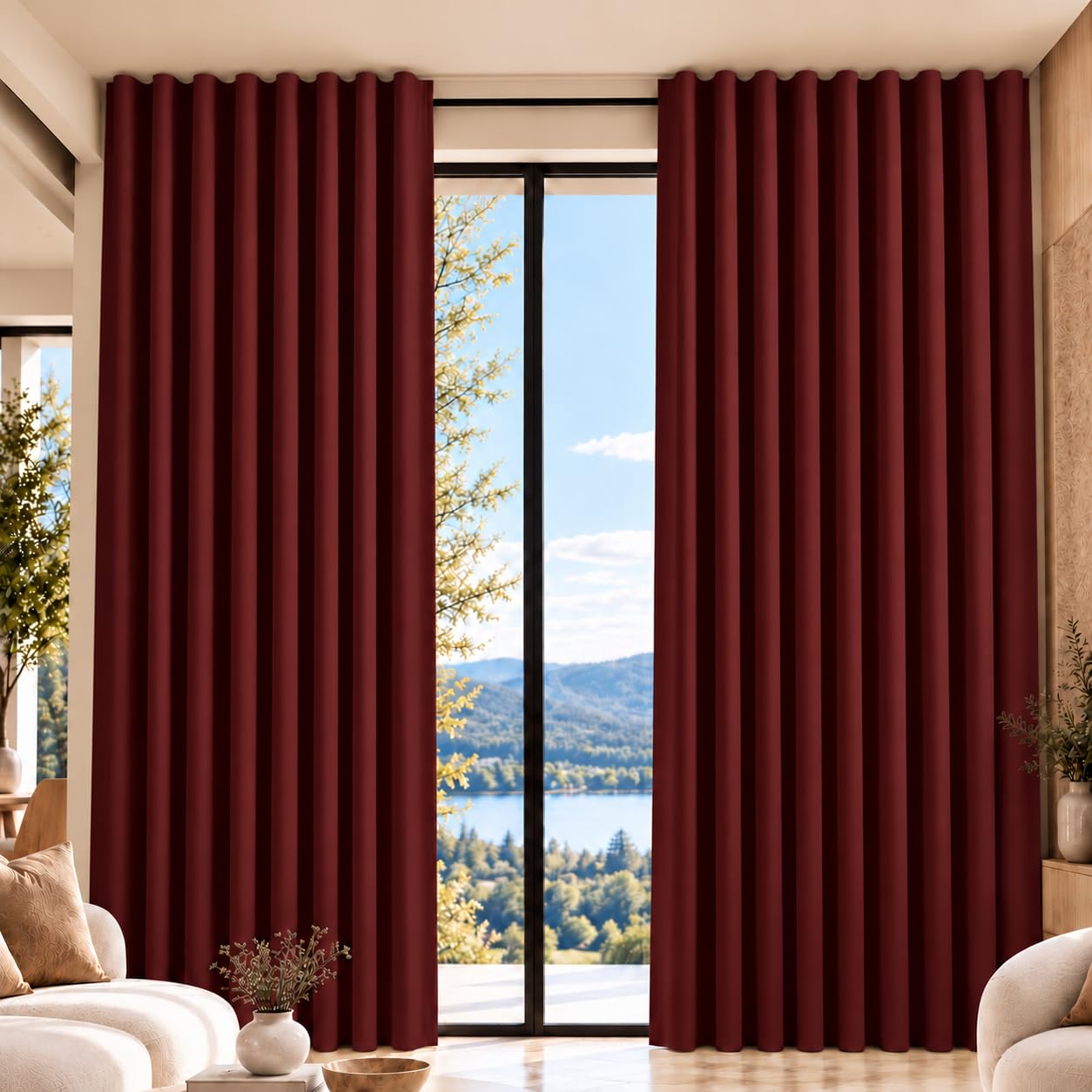
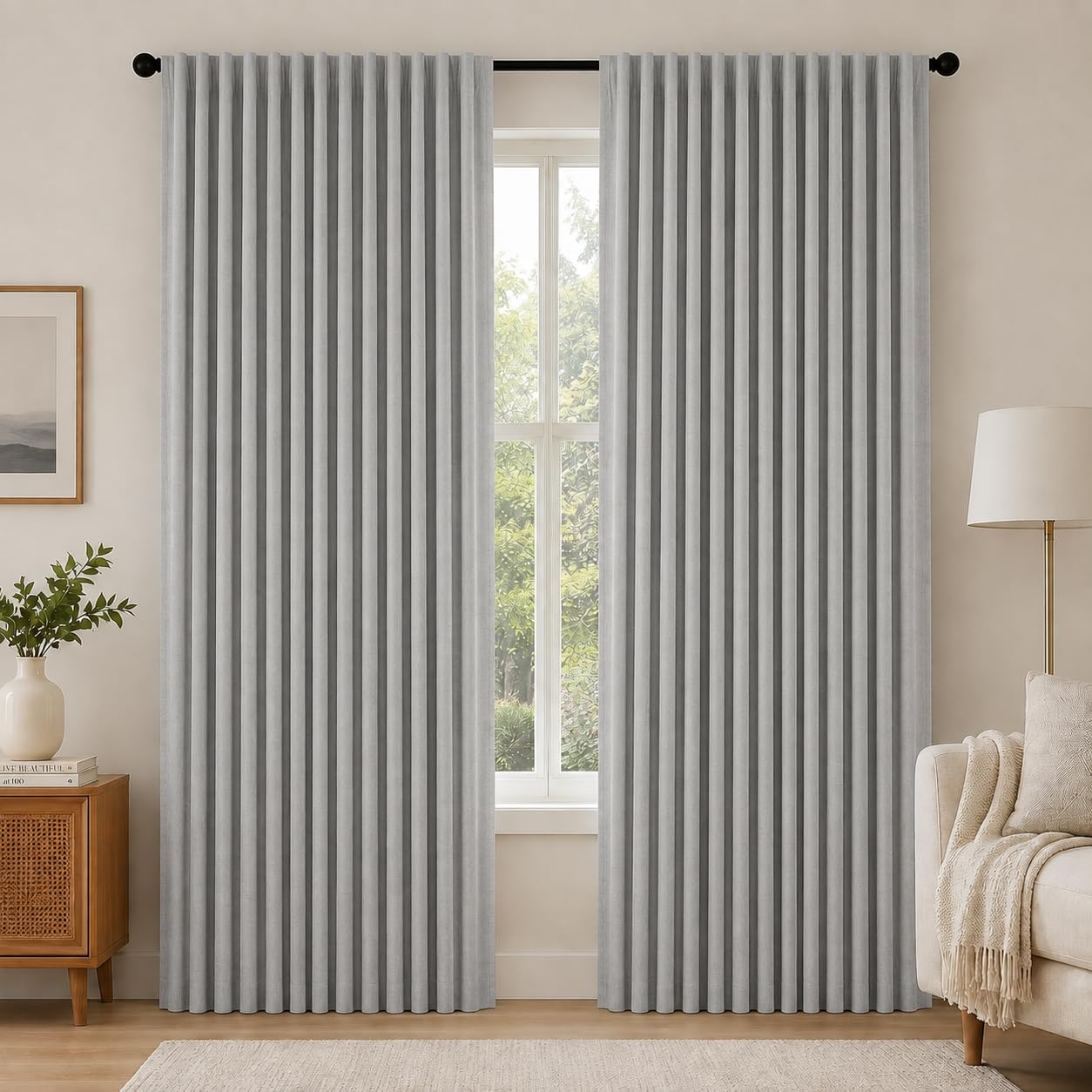
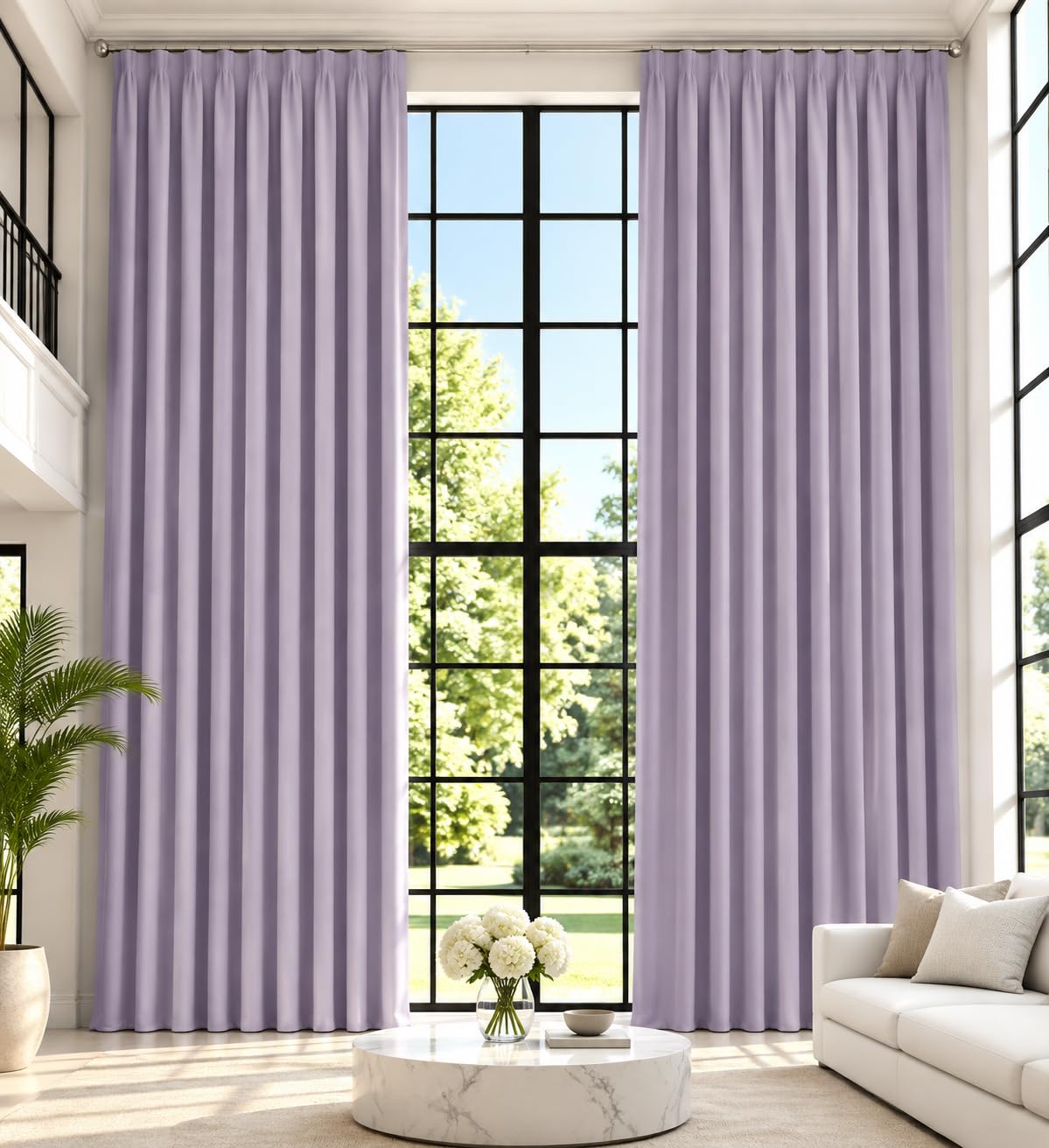
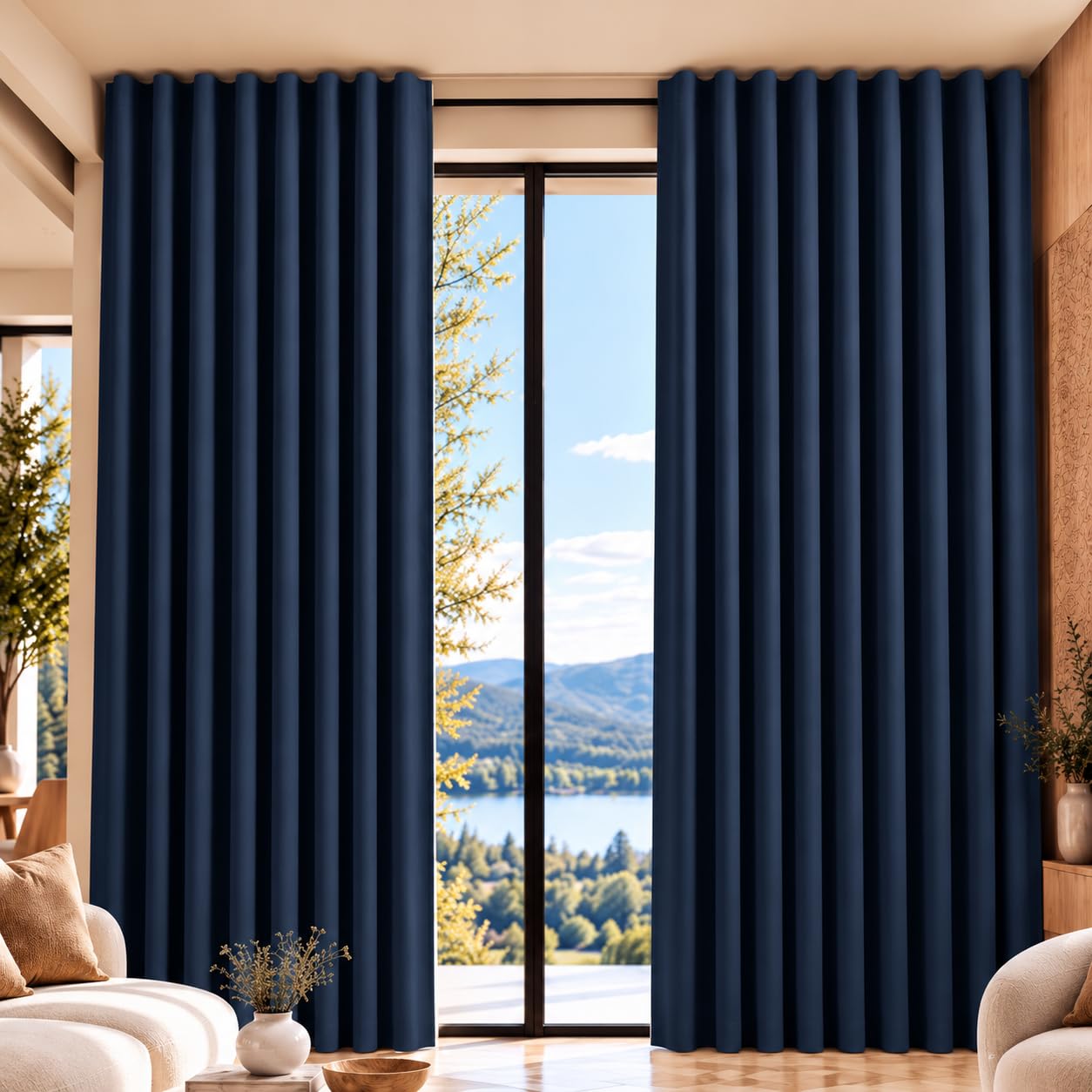
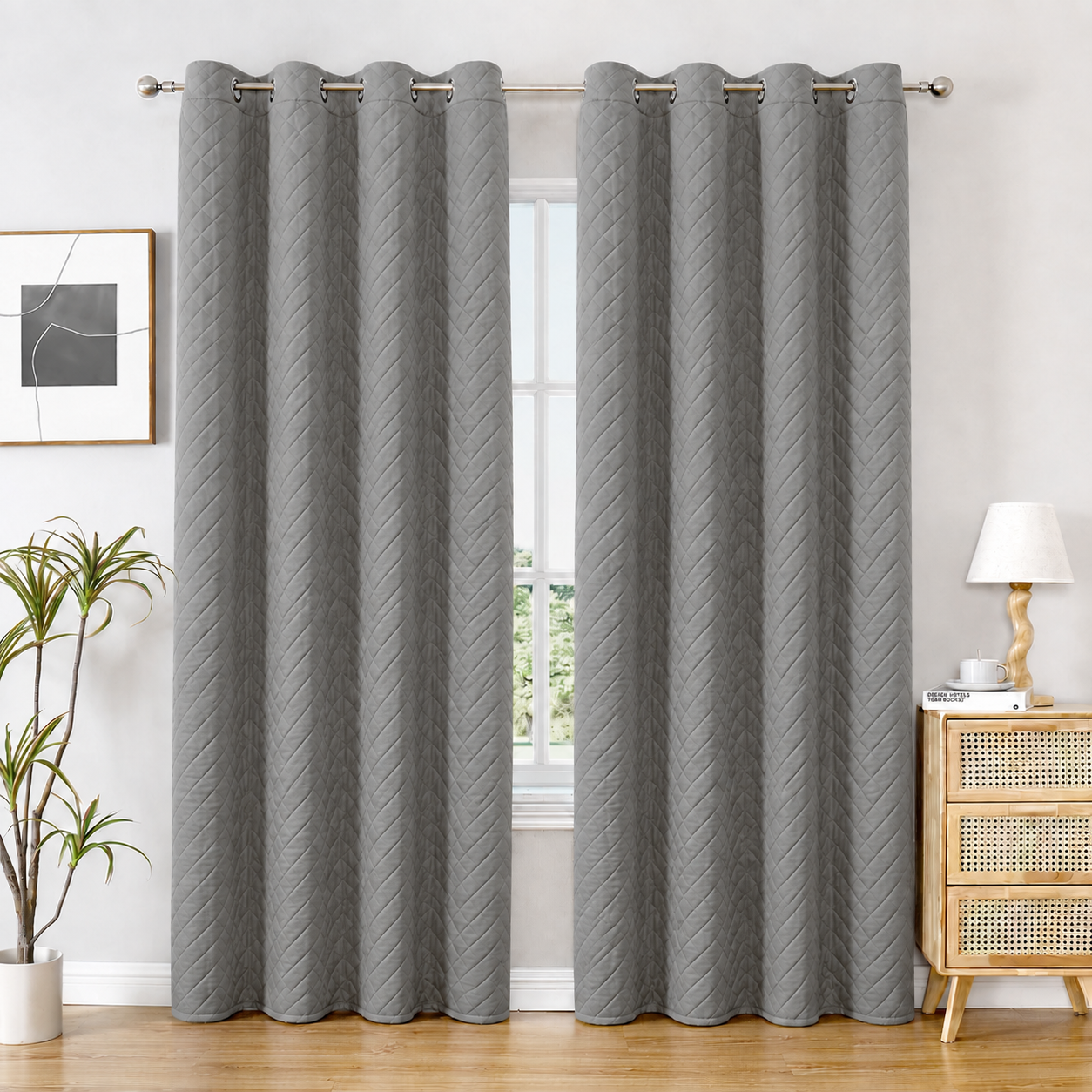
A continuous black surface gives these curtain panels a restrained appearance that works with both patterned furnishings and plain interiors. With no decorative print to dictate a color scheme, the fabric places emphasis on drape, seam quality and an even finished drop. The design is intended for buyers developing a core room-darkening range for bedrooms and living spaces. Approve the selected fabric against the required light transmission, hand feel and hanging appearance; the depth of the black shade alone is not a verified measure of blackout performance.
Shaoxing Yingkuo Textile Co., Ltd. (EAGLEKO HOME TEXTILE) can discuss a core solid-color curtain program based on an approved fabric standard, size plan and retail presentation. Our one-stop sourcing approach allows buyers to combine these plain panels with sheers, decorative curtain styles, cushion covers and other home textiles in a coordinated order. For replenishment-led ranges, sample retention, batch identification and packaging consistency can be included in the purchasing brief. Header options, custom colors, MOQ and lead time are reviewed against the final specification rather than assumed from the reference listing.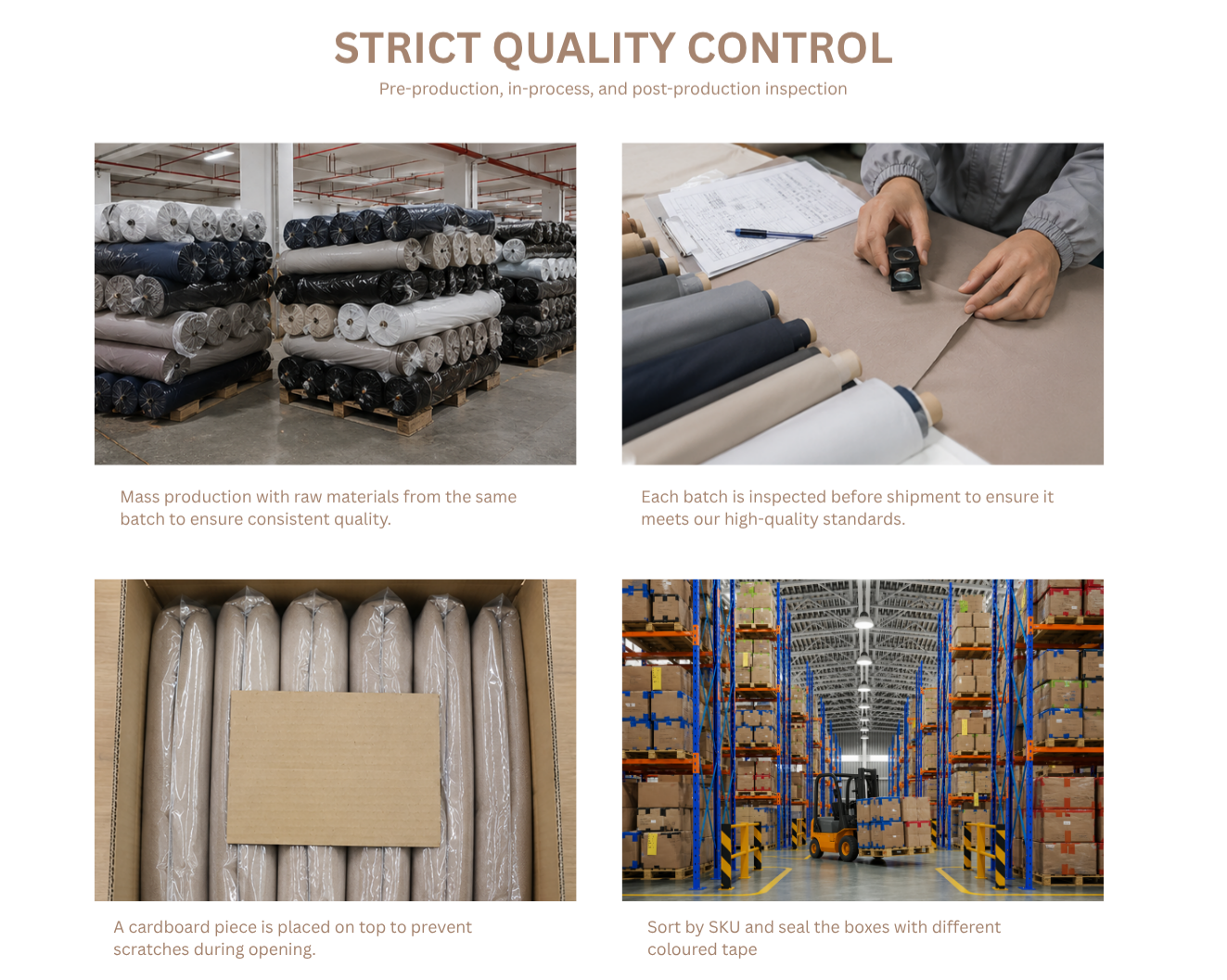
Core Bedroom Ranges — Develop a plain window option around the buyer’s approved darkening requirement.
Living Room Collections — Coordinate black fabric with patterned cushions, rugs or wall finishes.
Daytime Rest Spaces — Assess the installed system for perimeter light entering around the panels.
Home Office Windows — Review glare control with the actual screen position and room lighting.
Minimalist Retail Assortments — Use a plain dark panel as a foundation SKU within a wider color range.
E-commerce Sales — Explain per-panel dimensions, pack quantity and the confirmed header clearly.
Wholesale Replenishment Programs — Maintain an approved fabric and shade reference for repeat ordering.
Uninterrupted Solid Face — Plain black fabric gives a restrained visual frame to the window.
Broad Décor Coordination — The absence of a motif simplifies pairing with patterned home textiles.
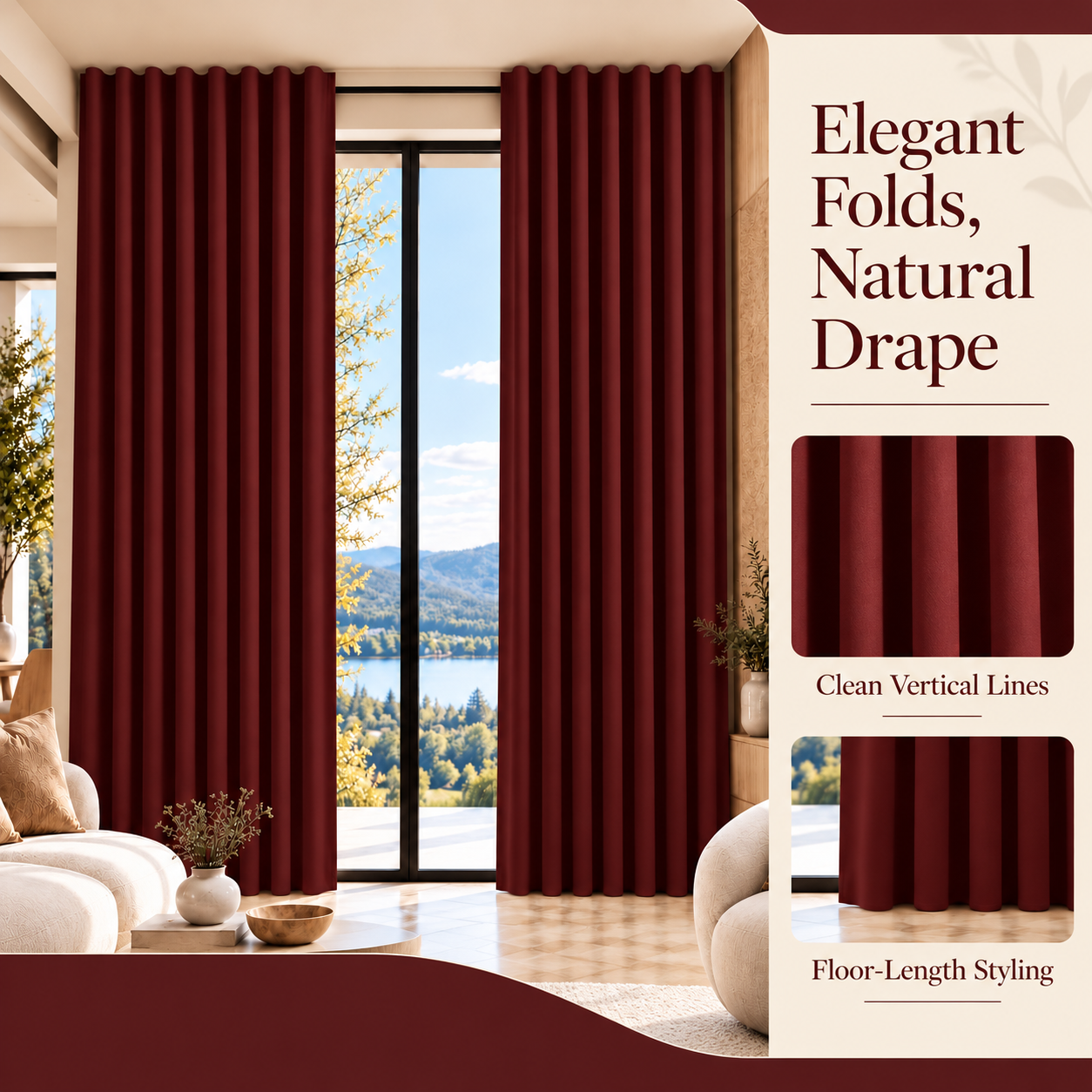
Drape Focused Styling — Fabric handle and hanging profile become the central visual features.
Core SKU Potential — A solid style can form part of an ongoing retail curtain assortment.
Buyer Defined Header — The final hanging construction can be reviewed for the intended installation.
Performance Led Selection — Light-control requirements can guide approval of the actual fabric.
Cross Category Sourcing — Complementary sheers and home textiles can be considered in the same purchasing plan.
Q1: How should a buyer distinguish woven blackout fabric from a coated or lined construction?
A: Request a construction specification and examine both faces and a cut edge. Confirm whether light control comes from the weave, a coating or a separate lining. This affects handle, care, cost and testing, so the construction should be agreed before comparing quotations.
Q2: What is the right way to set a darkness requirement for a core curtain range?
A: Define an agreed transmission method and acceptance criterion for each selected fabric and shade. Include checks for sewing-related light points. Separately review a hanging sample for overlap and edge coverage, because a fabric result does not guarantee a fully dark installed room.
Q3: Why do plain black panels sometimes look mismatched when hung together?
A: Differences in fabric orientation, surface sheen or dye undertone may become visible across folds. Compare a full pair under consistent lighting, checking face and reverse as well as shade. Keep the approved cutting direction and fabric standard with the repeat-order specification.
Q4: Which seam defects deserve special attention on an unprinted curtain?
A: A plain face can make puckering, wavy hems and unequal drops conspicuous. Inspect finished panels after conditioning and compare paired lengths at multiple points. Review stitch tension and hem balance on a hanging sample instead of accepting a flat dimensional check alone.
Q5: Can one wash approval cover all fabrics in a solid-color blackout assortment?
A: Only where the relevant constructions and finishes have been shown to behave comparably. Trial the actual finished samples for dimensional change, color transfer and surface alteration. Set care wording from that evidence and reassess if the base cloth, lining or finishing process changes.
Q6: What is needed before making thermal or sound-reduction claims?
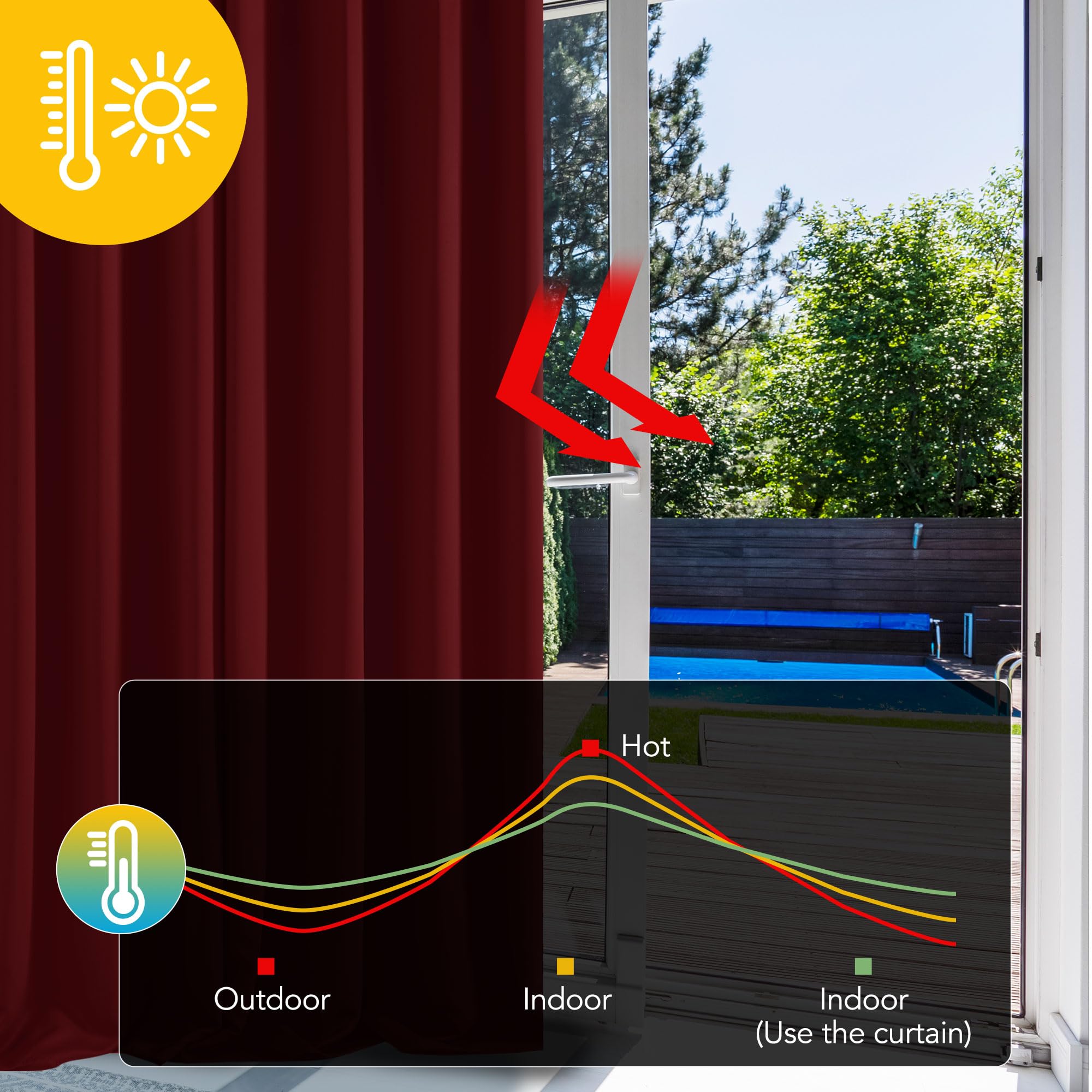
A: Define the claimed outcome and obtain evidence appropriate to the finished material or installed system. Fabric thickness or softness alone does not establish energy savings or an acoustic rating. Keep decorative, privacy and light-control benefits separate from unverified thermal or sound figures.
Q7: How should header compatibility be confirmed when the listing is incomplete?
A: Approve the exact header on a finished sample and record the mounting dimensions, hardware clearance and drop-measurement datum. Check movement on the intended rod or track. Do not assume that different sizes or color variants share the same header construction.
Q8: How can buyers reduce variation when replenishing a long-running plain SKU?
A: Record fabric construction, finish, shade, size tolerances and pack contents against a retained reference. Identify production lots so new panels can be compared before inventory is mixed. Review any substitution before cutting and update product information if care or performance changes.
 EN