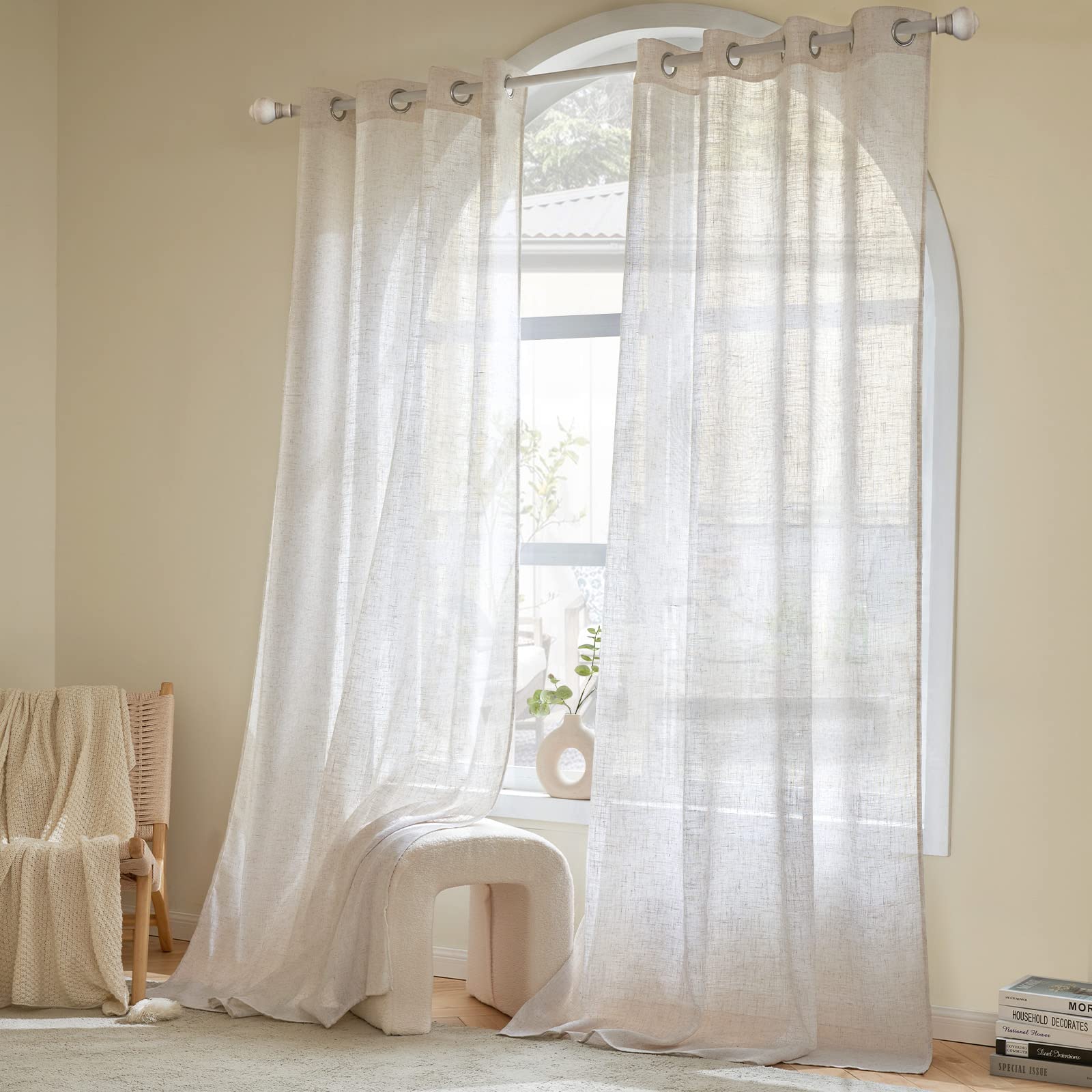
| Product Name |
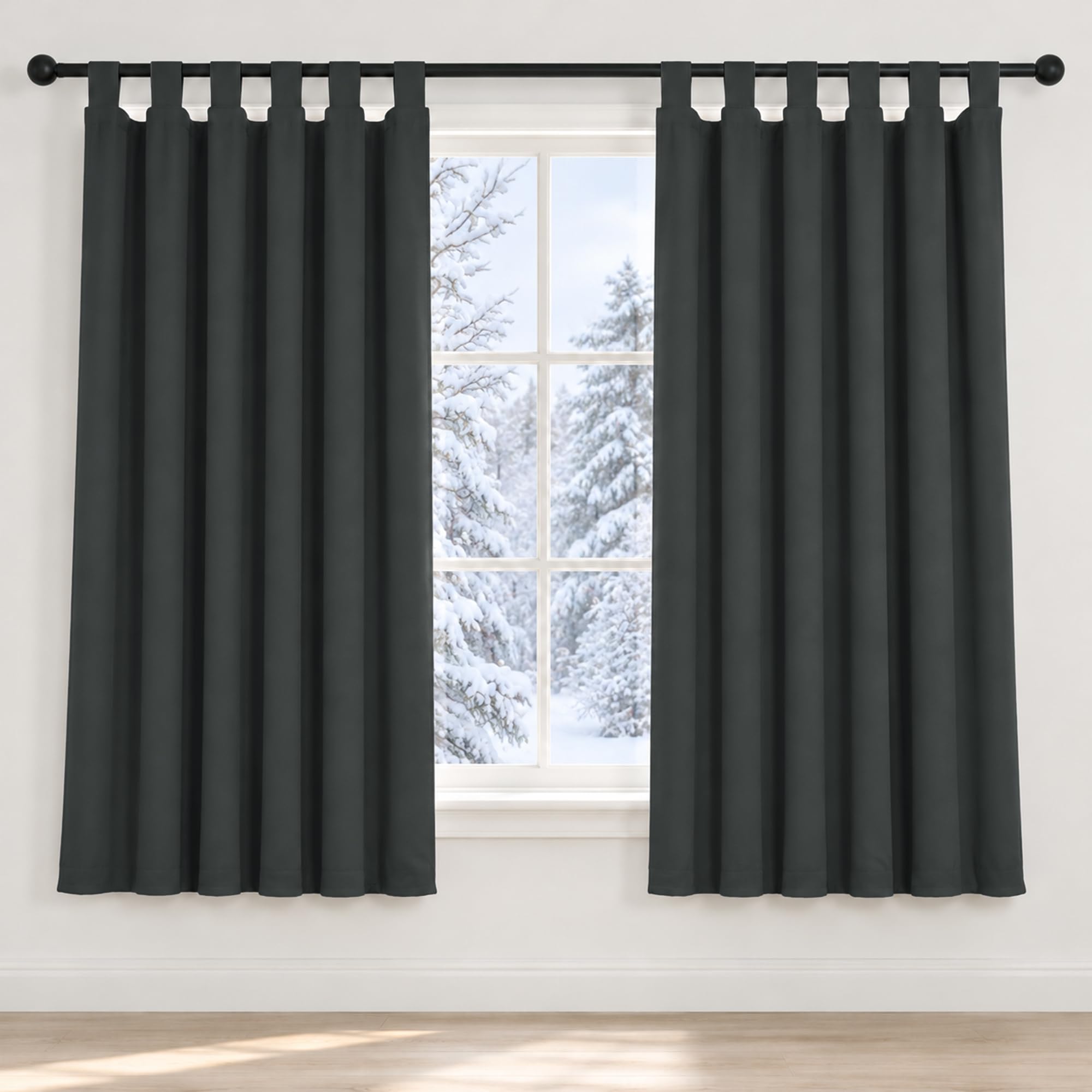
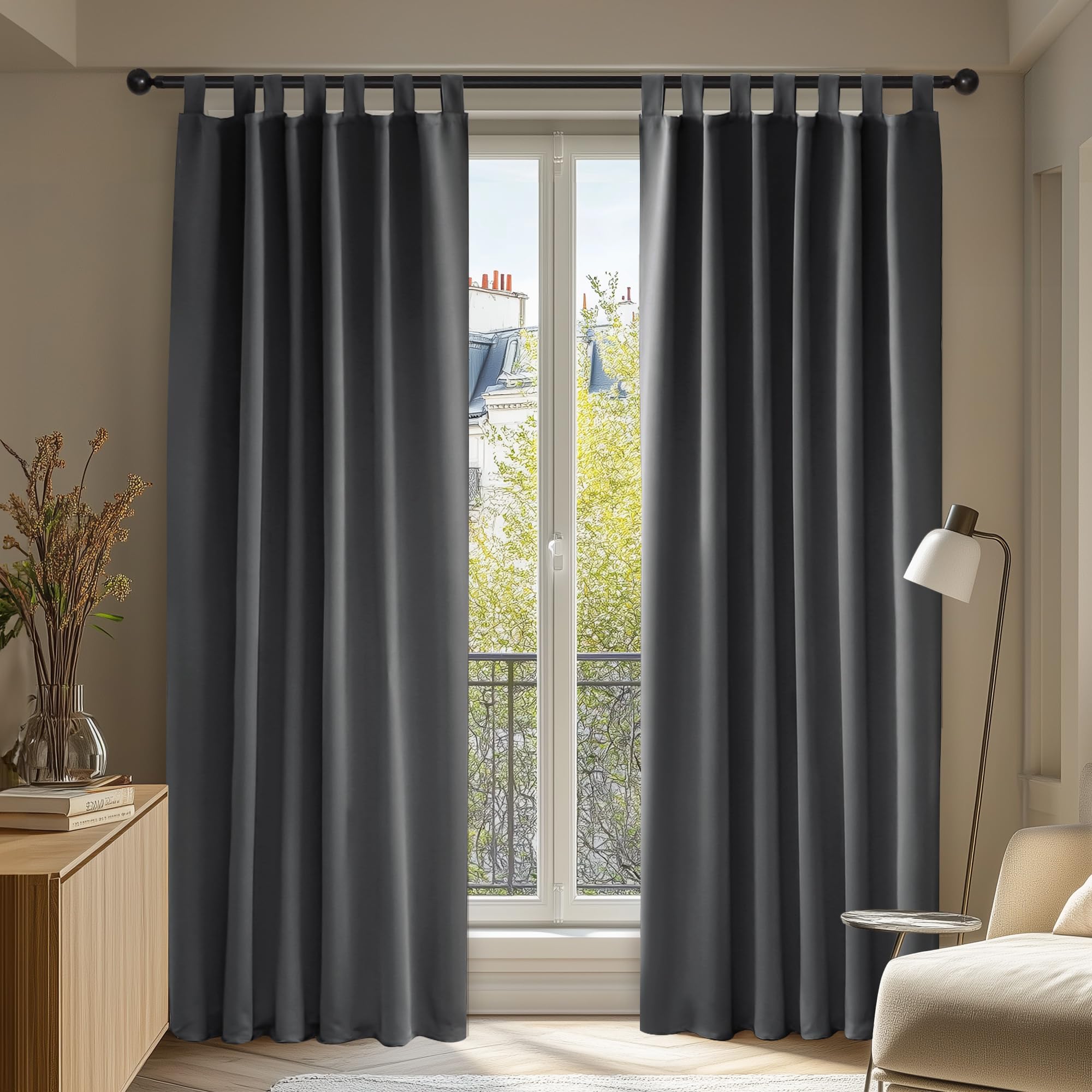
Dark Grey Tab Top Room Darkening Curtains |
| Color |
Dark grey; bulk shade subject to approved physical standard |
| Material |
Polyester; reference listing specifies 100 percent polyester |
| Style | Short Window Panel / Casual Contemporary Décor |
| Size |
Reference width 140 cm by fabric-body height 120 cm per panel; tab inclusion in total drop to be confirmed |
| Package | 1 Shower Curtain with Snap-in Liner / Custom Packaging Available |
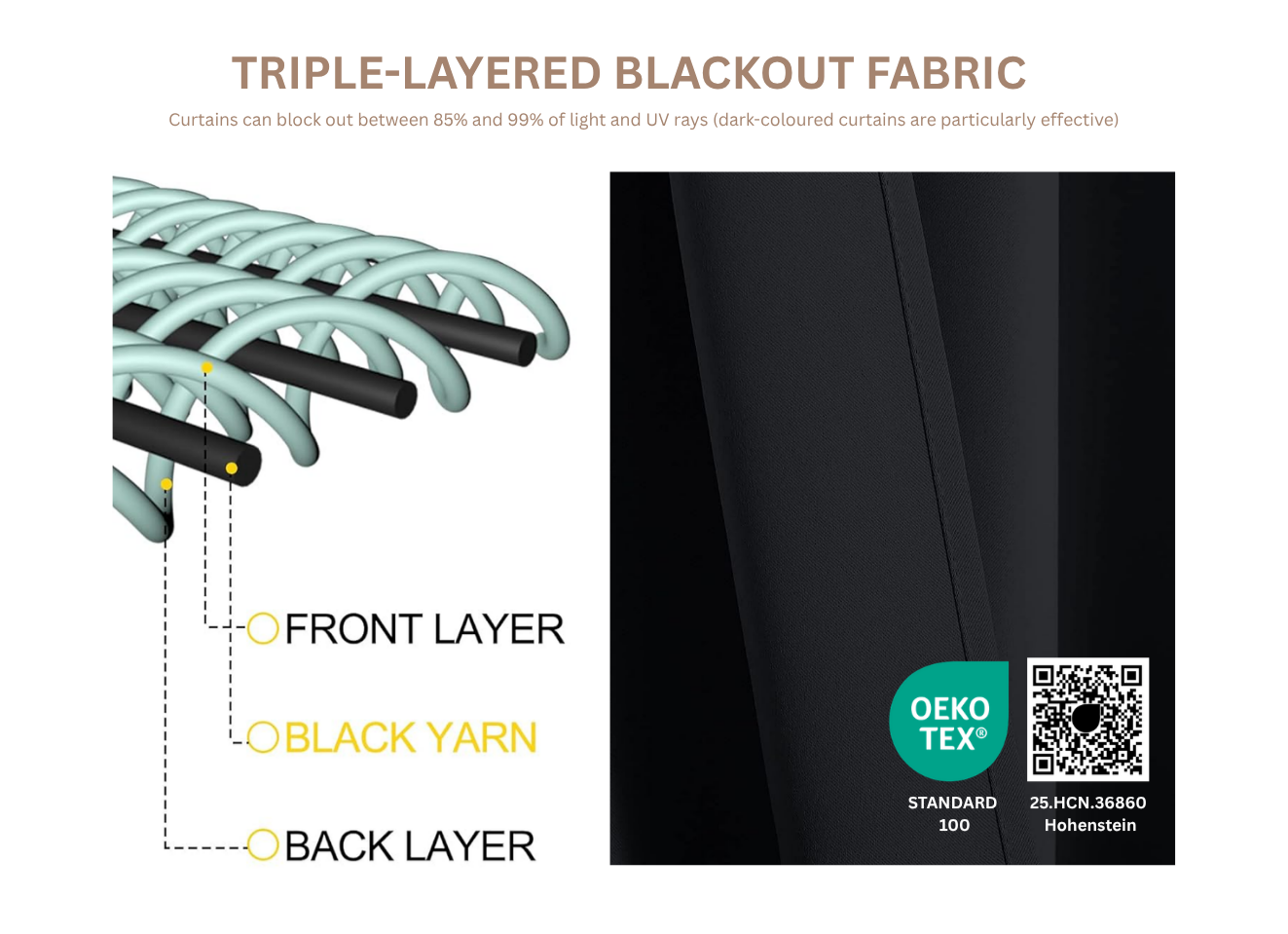
| Certification | OEKO-TEX Standard 100 Available |
| MOQ | 200 |
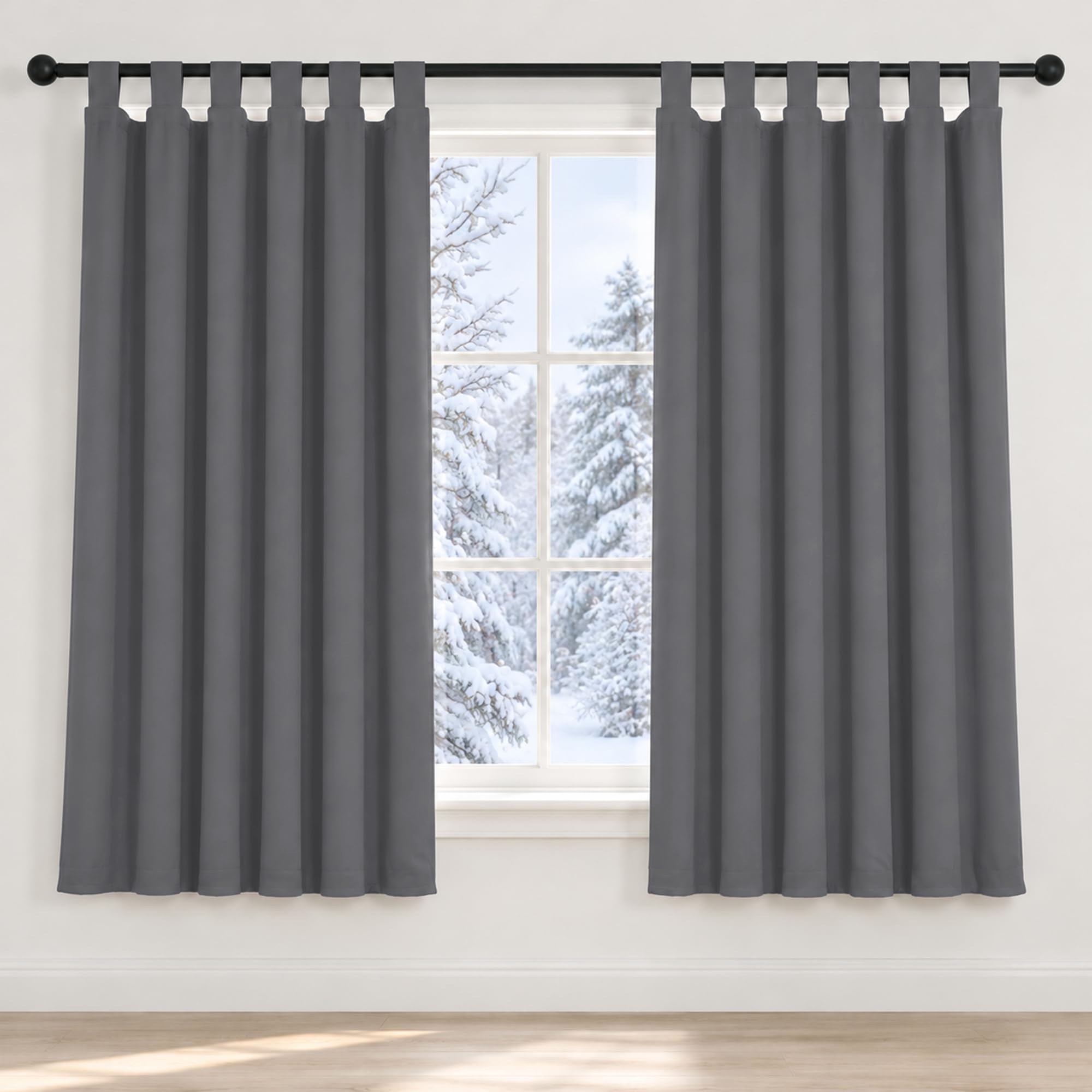
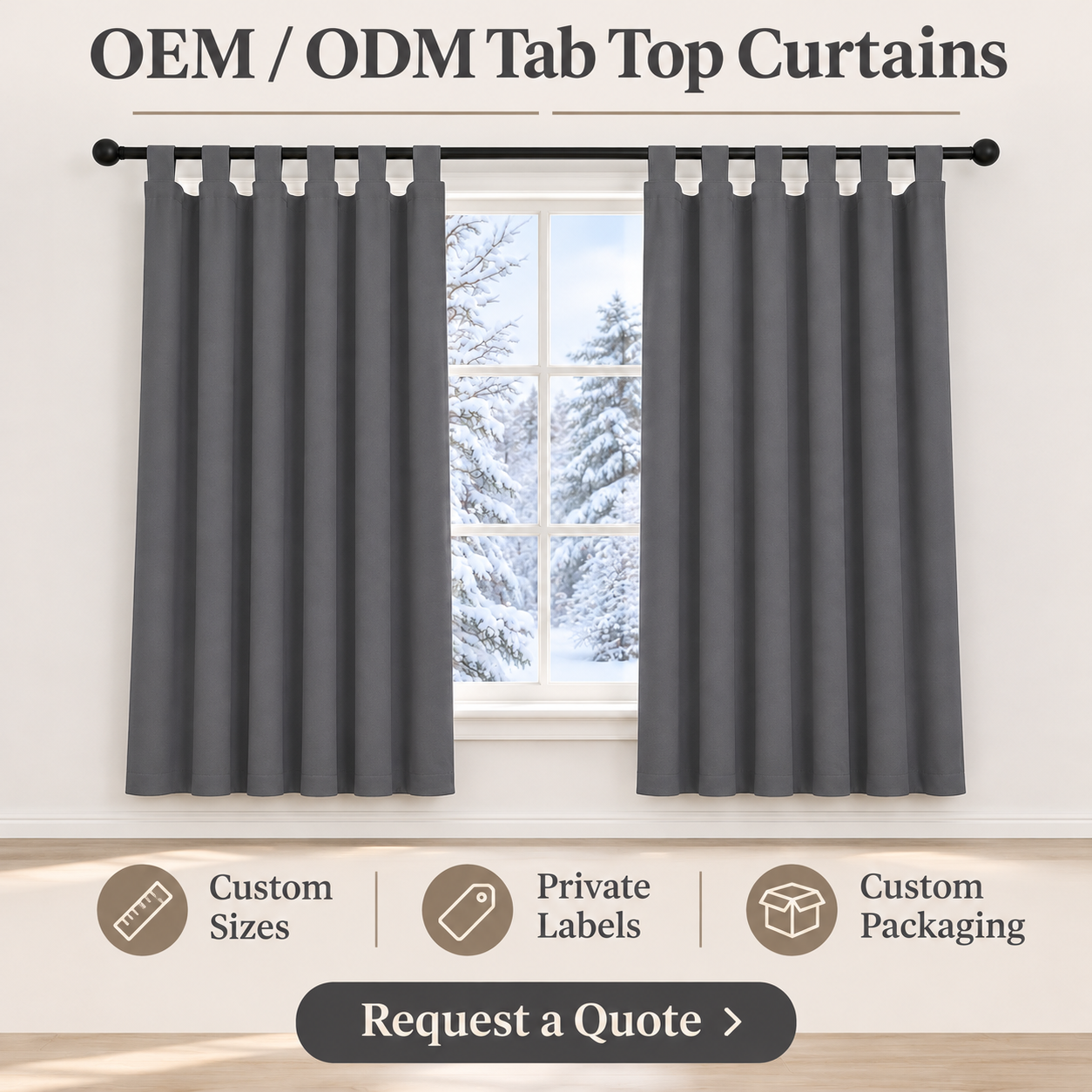
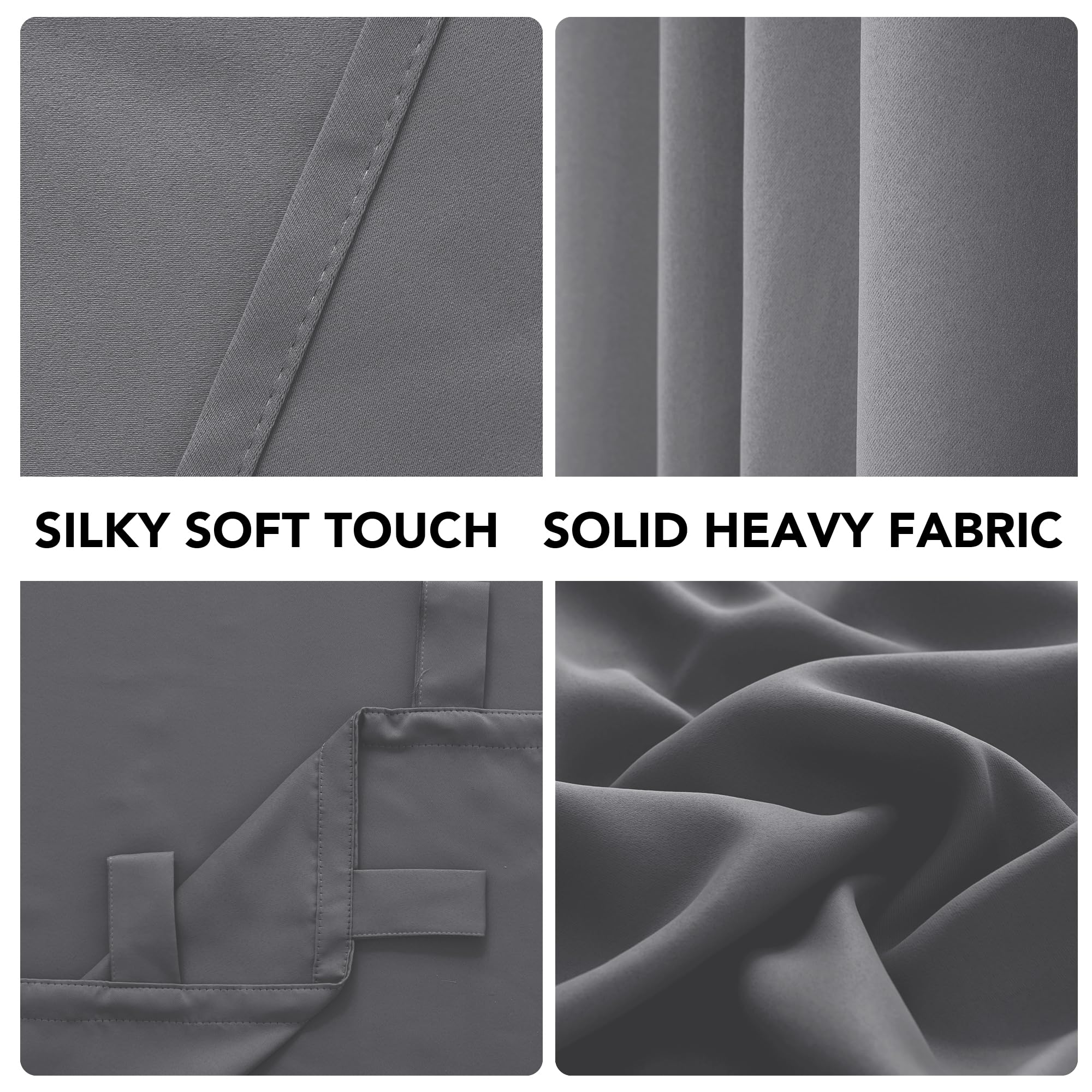
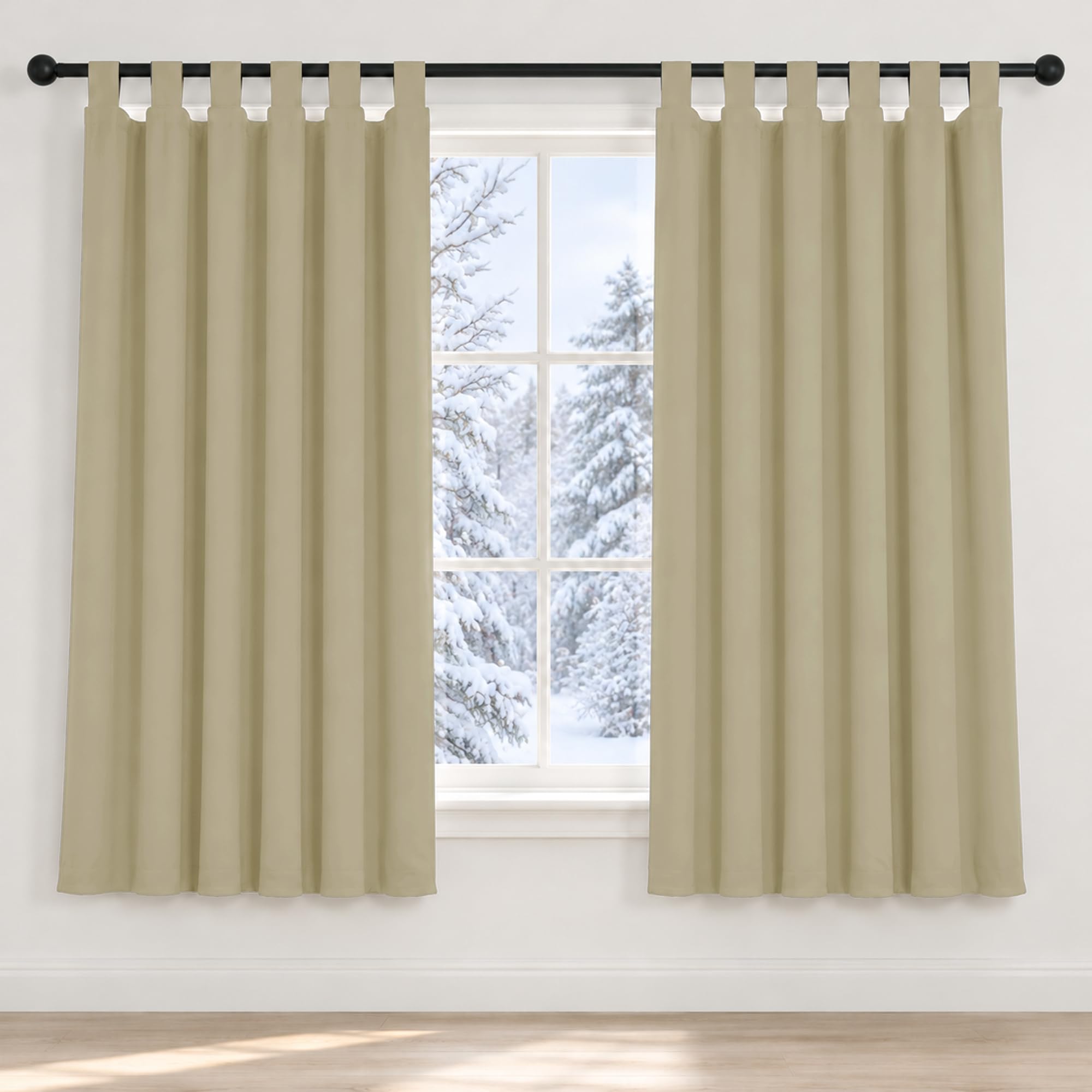
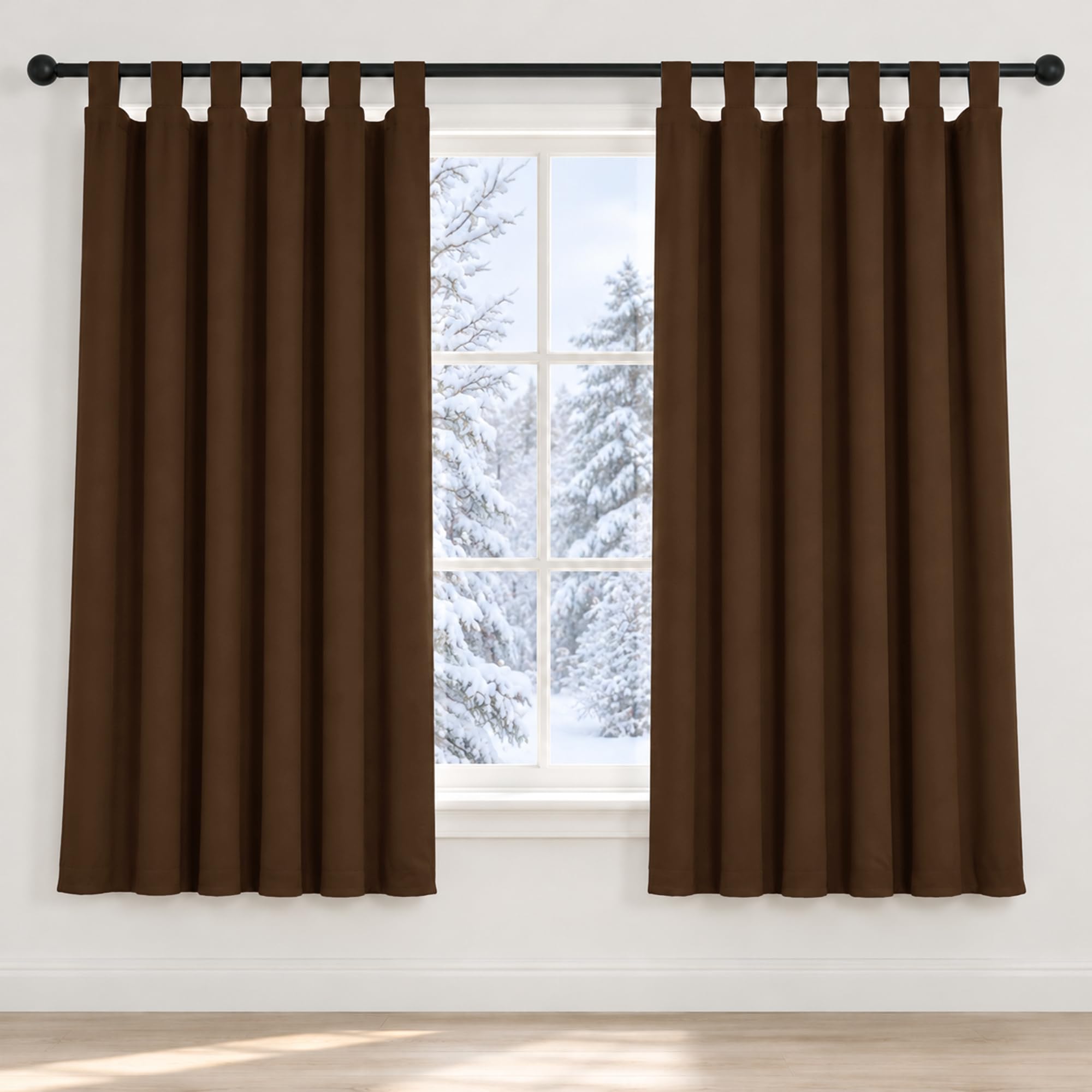
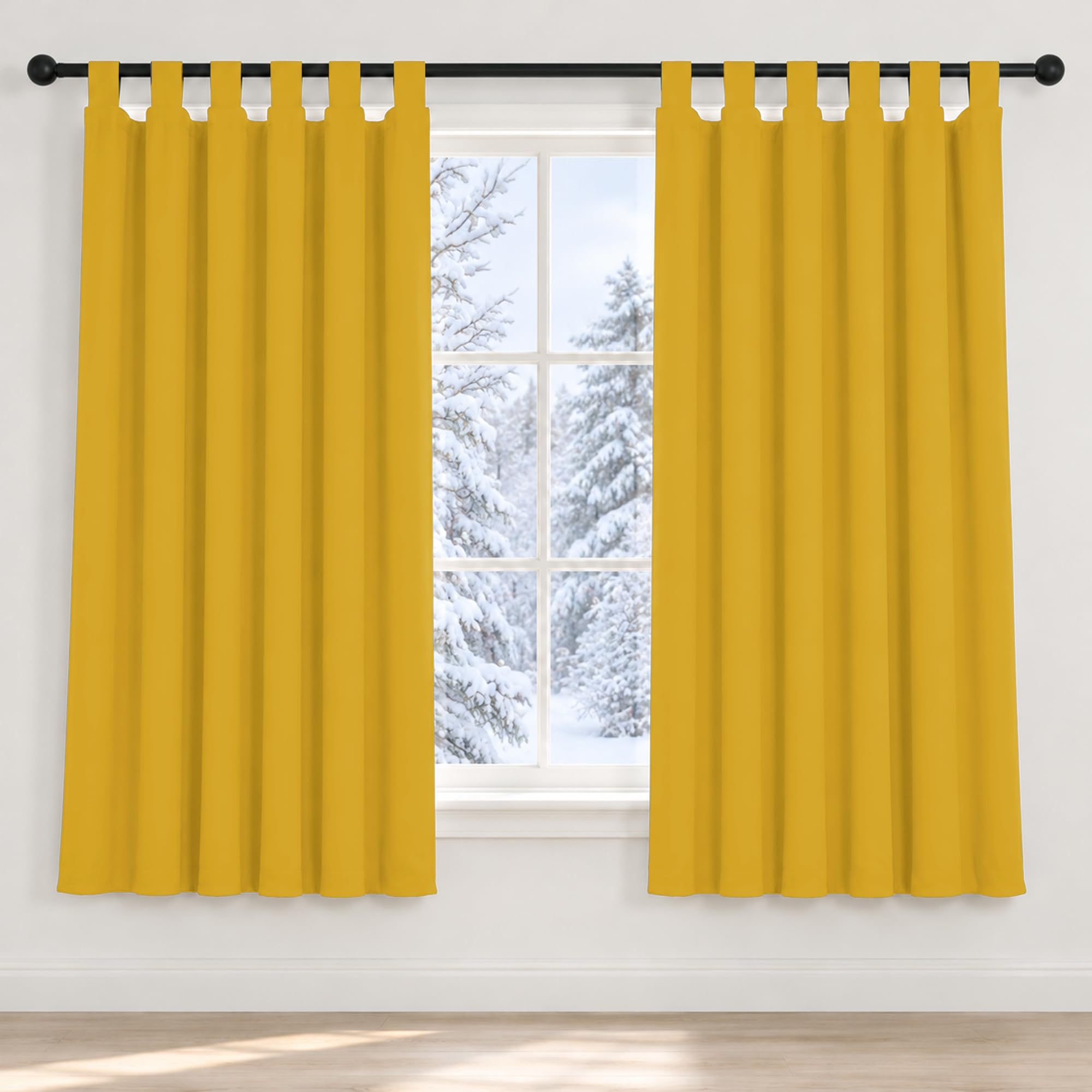
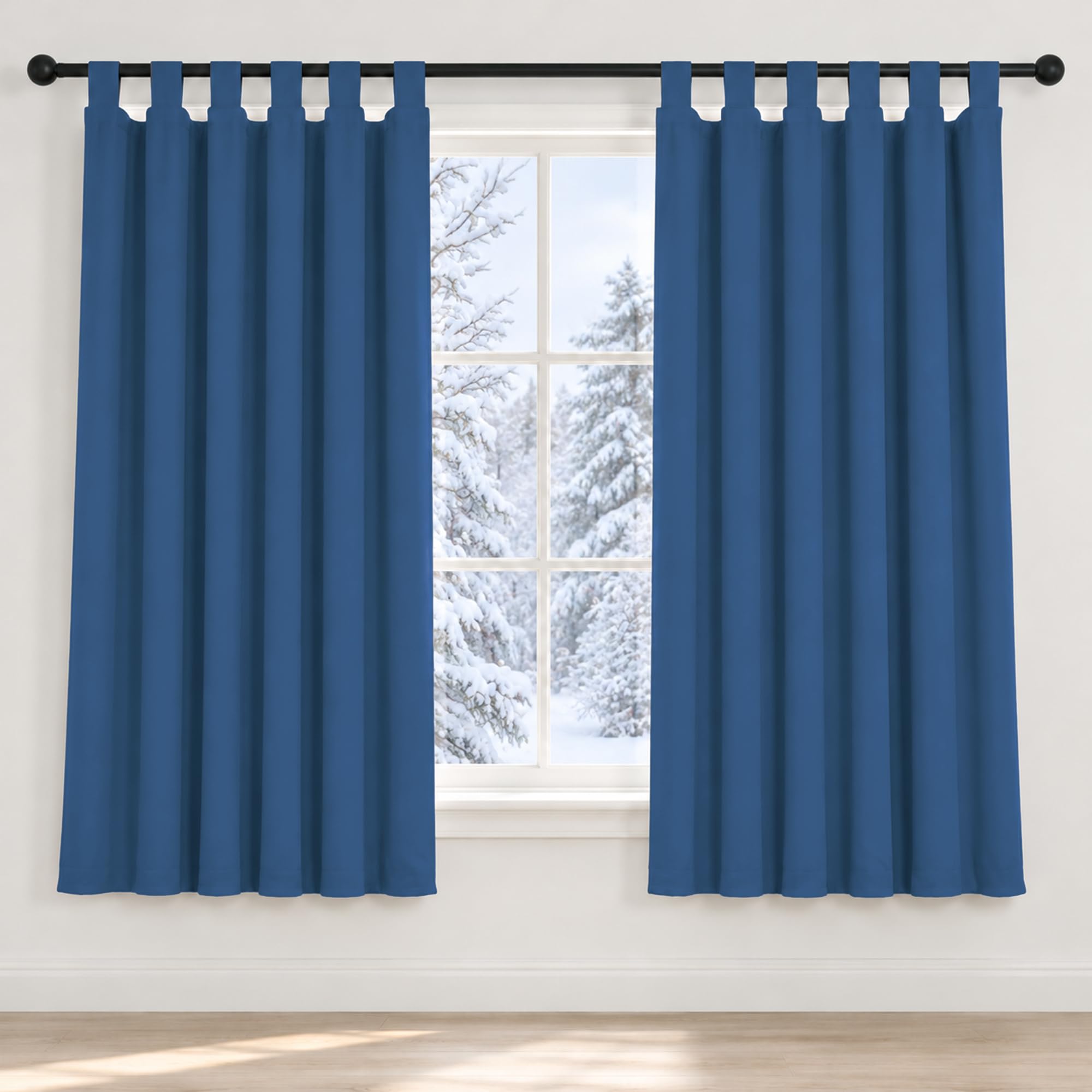
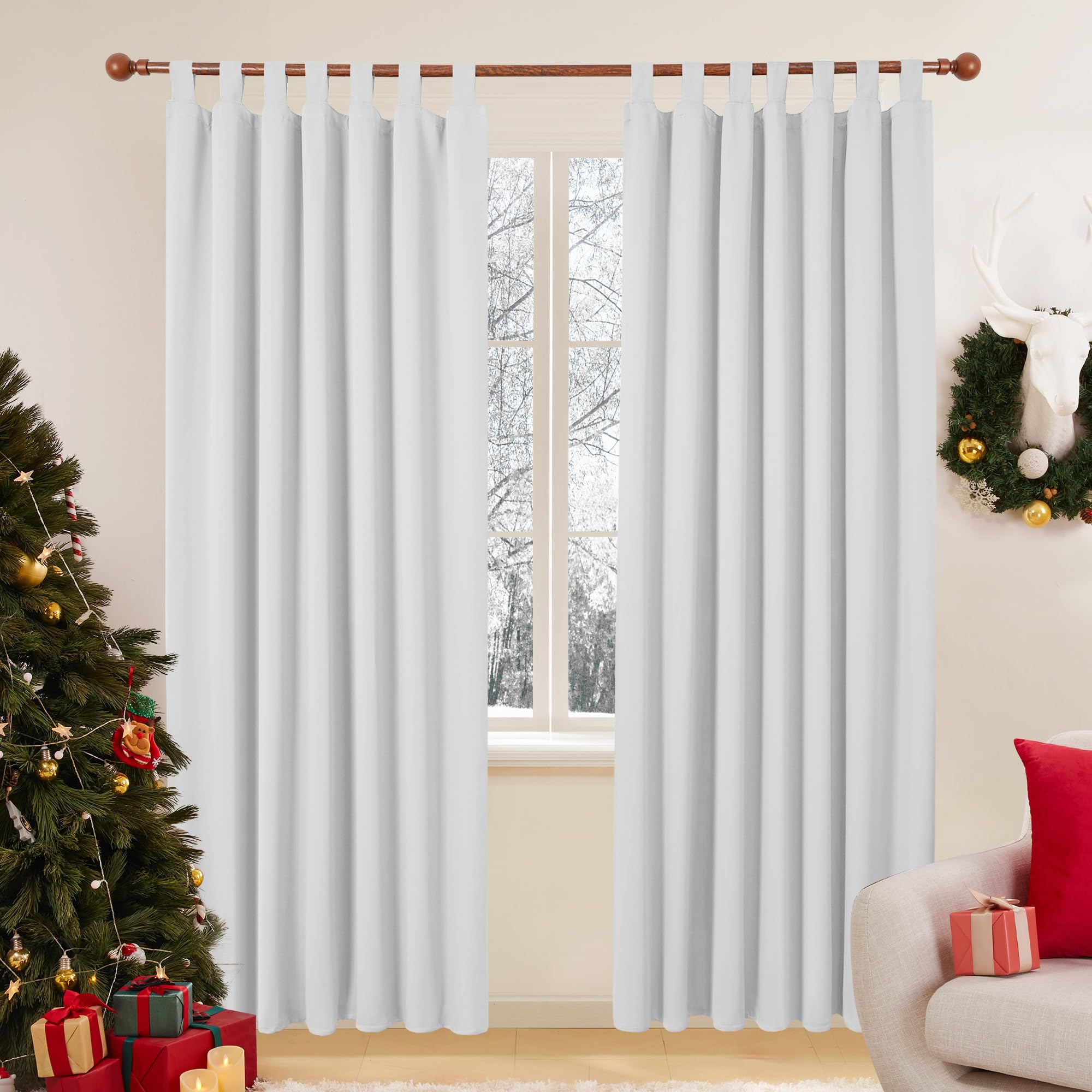
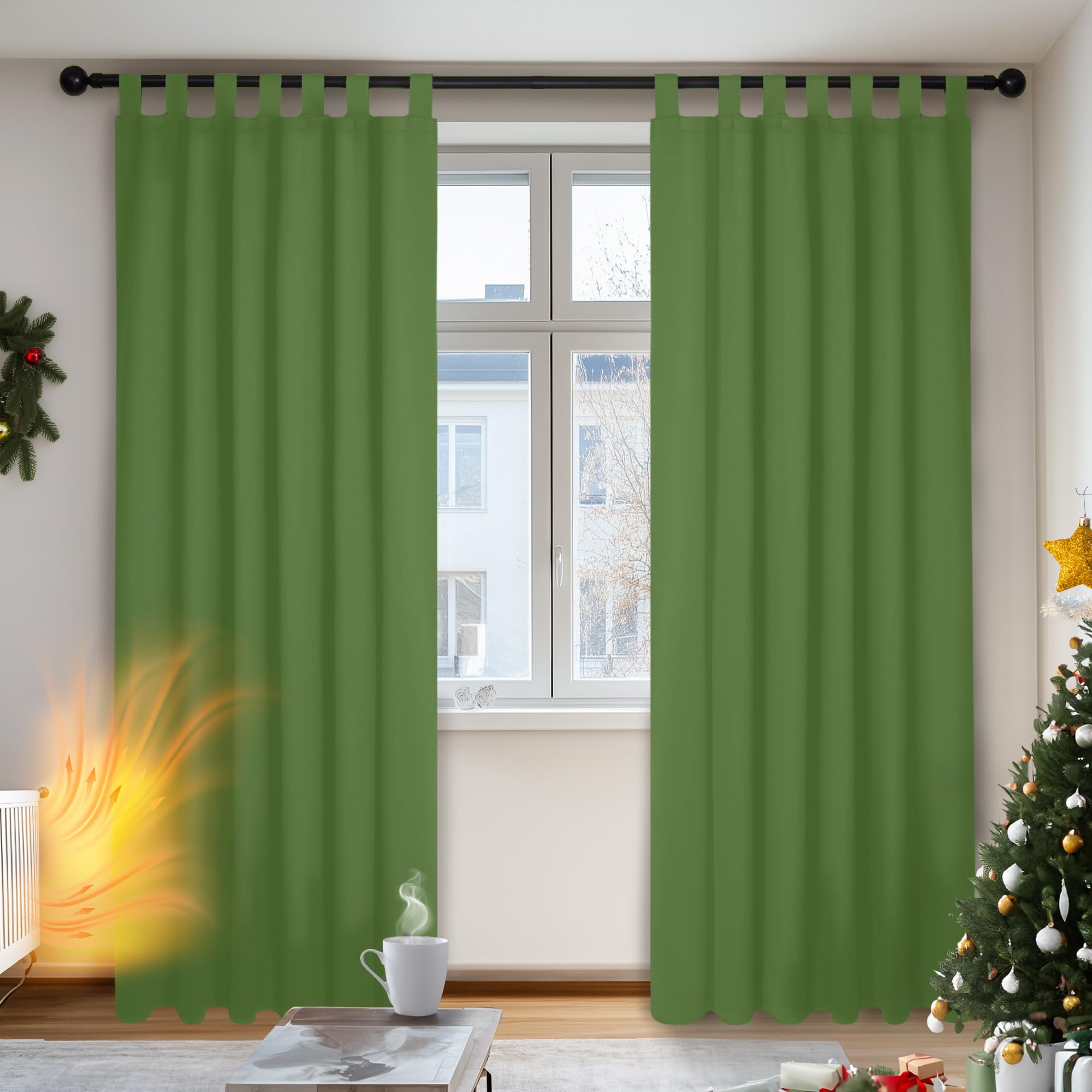
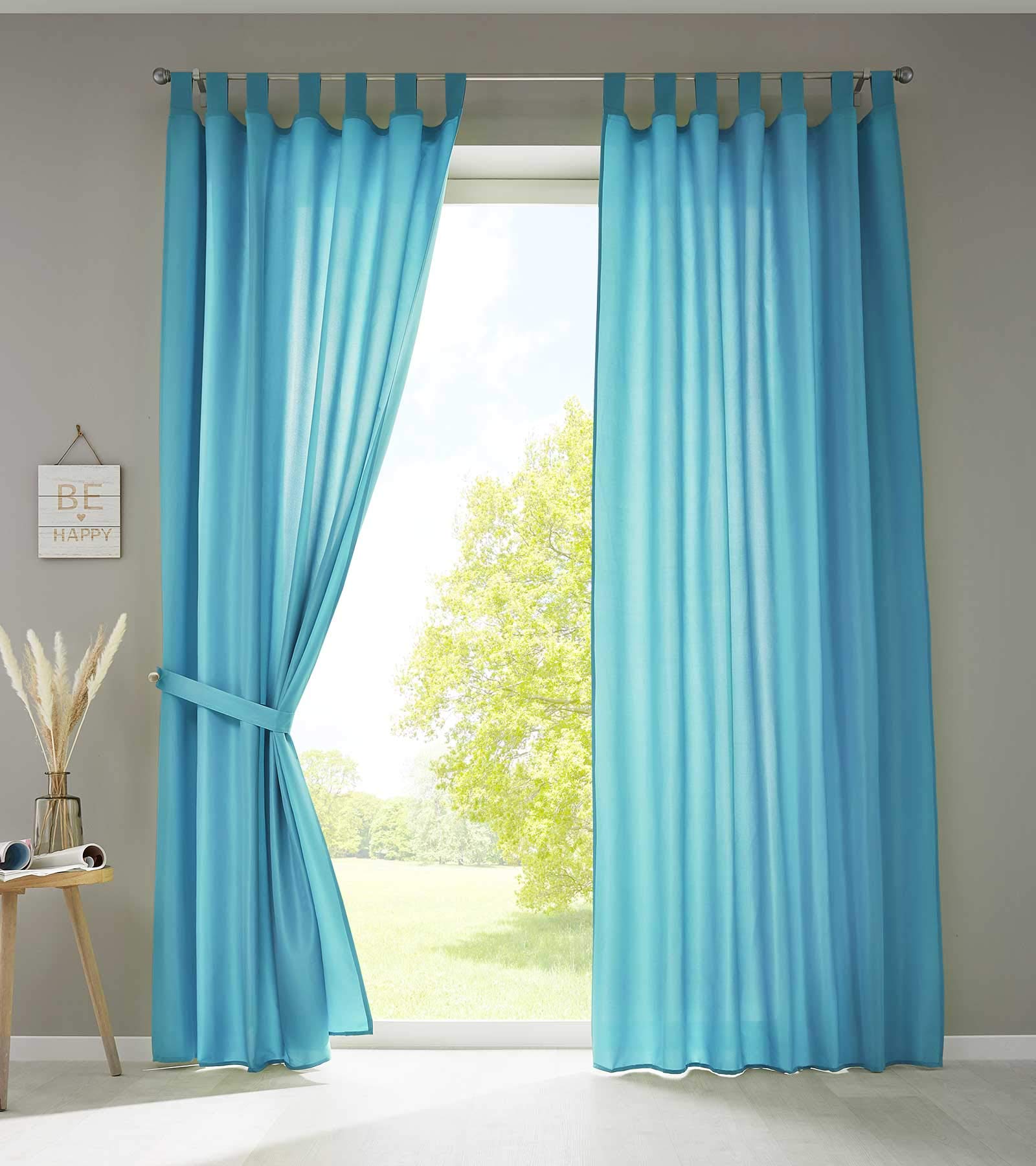
Dark grey fabric and exposed matching tabs give these curtains a simple, relaxed heading. The tabs leave the rod visible between attachment points and form broad folds down the solid-color panels. A shorter fabric body offers an alternative to floor-length drapes for appropriately measured windows. The reference uses polyester and describes a dark intermediate layer for room darkening. Final light reduction depends on the selected fabric, color and installation; the open spaces above the body should be considered when planning coverage.
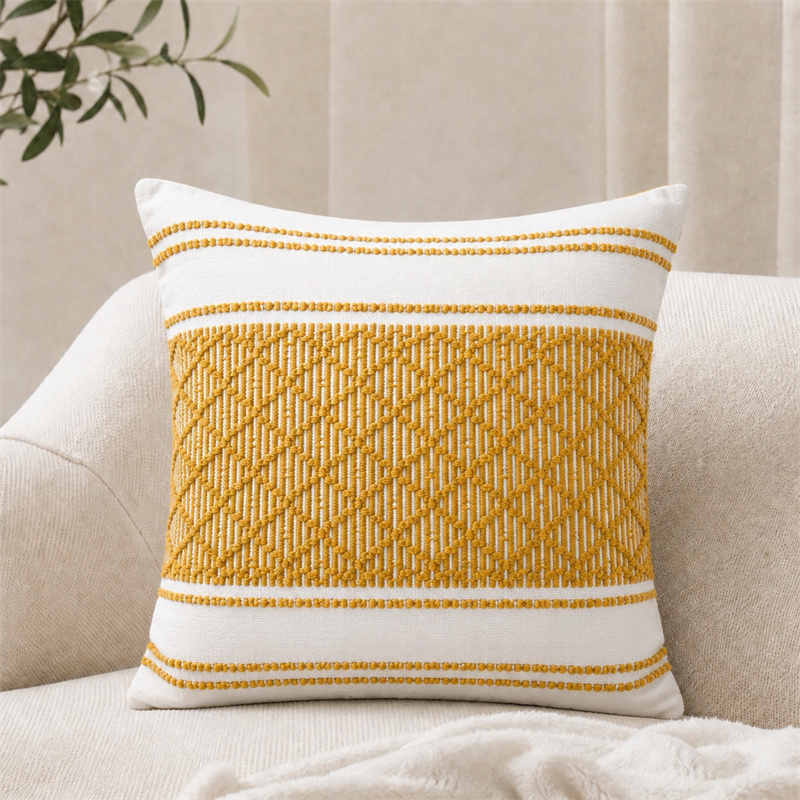
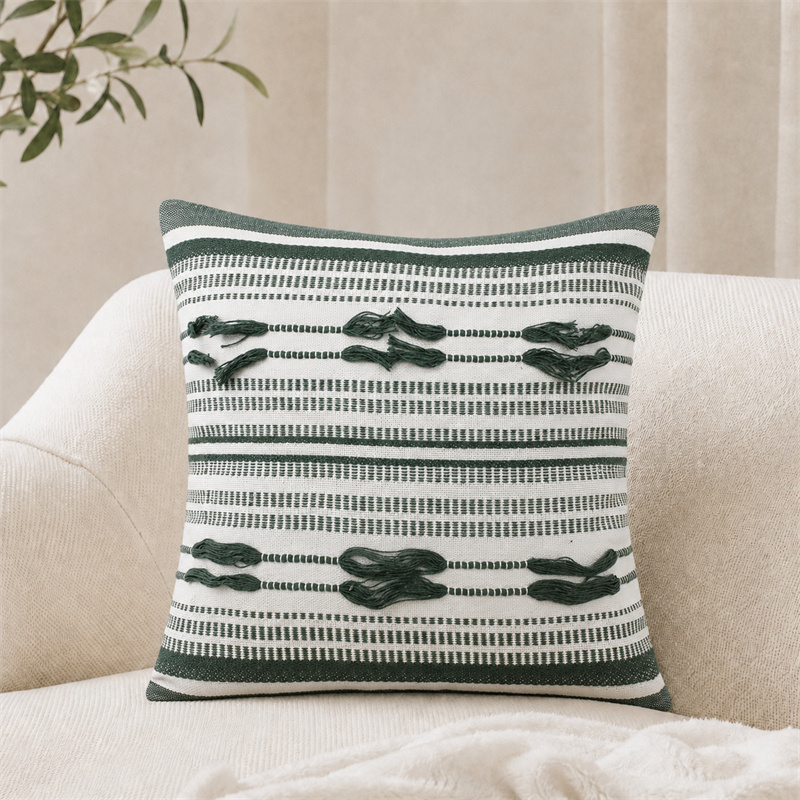
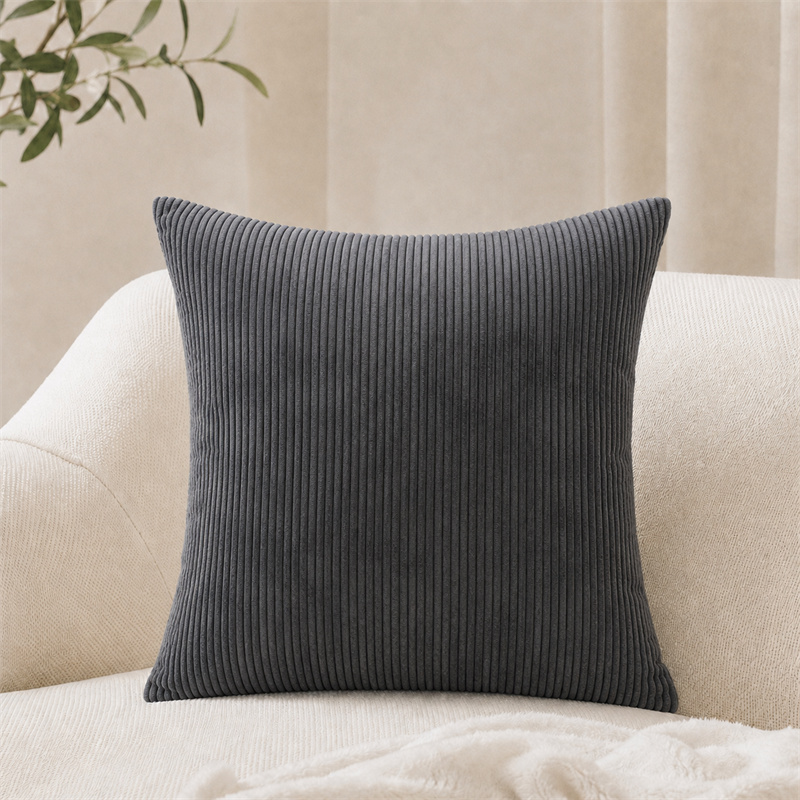
Shaoxing Yingkuo Textile Co., Ltd. (EAGLEKO HOME TEXTILE) can develop this tab-top format around the buyer’s rod dimensions, required drop and preferred fabric handle. Sampling can establish tab proportions, reinforcement and paired-panel consistency before bulk approval. Through one-stop sourcing, buyers can coordinate these curtains with sheers, cushion covers and other home textiles for retail or wholesale assortments. Size extensions, care labels and private-label packaging can be reviewed together, with minimum quantities, customization scope and production timing confirmed in the quotation.
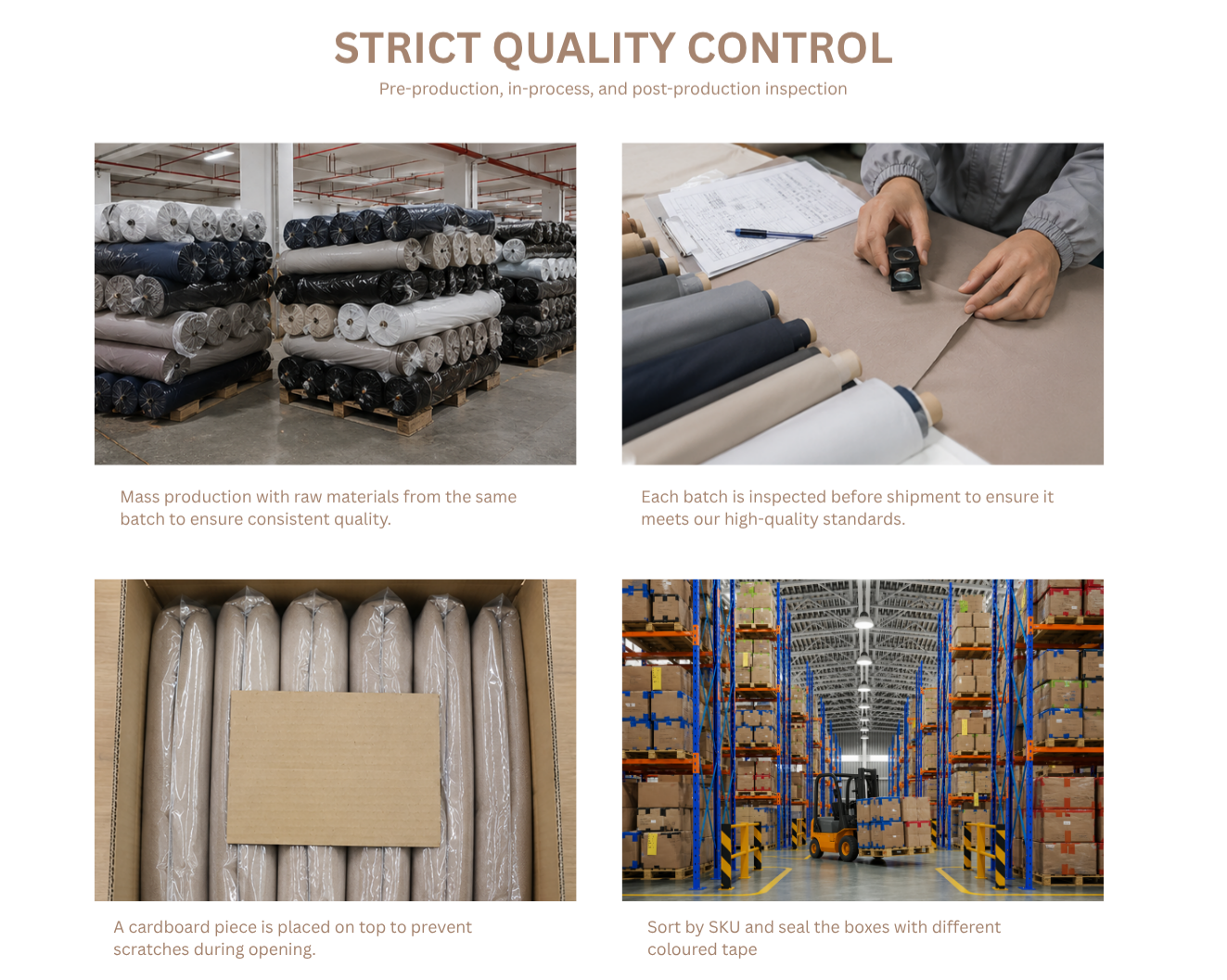
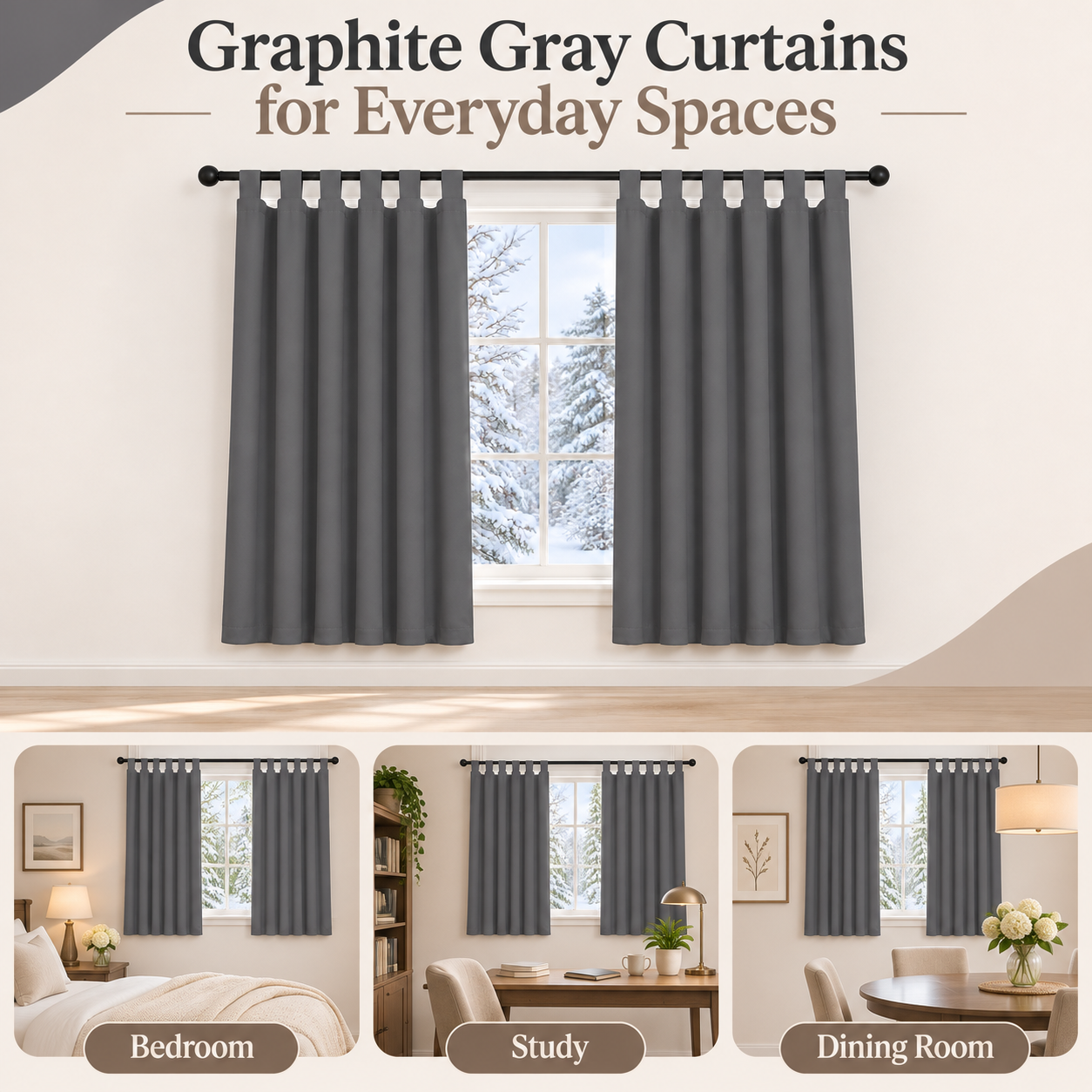
Short Bedroom Windows — Plan the mounting height and side coverage for a shorter panel where floor-length curtains are unnecessary.
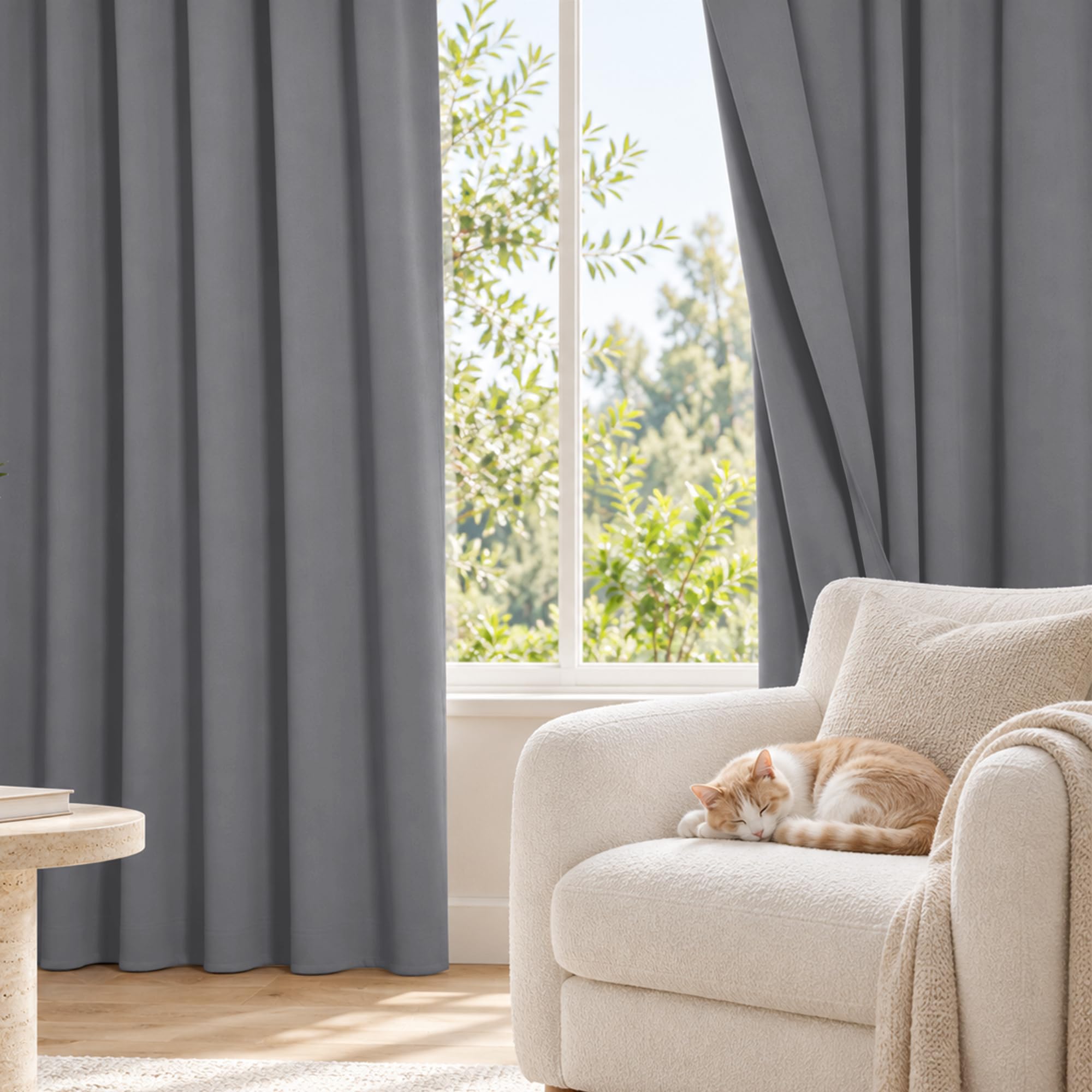
Casual Living Rooms — Combine solid dark grey panels with simple rods and understated furniture.
Home Office Windows — Assess the installed panel position to reduce direct glare while maintaining convenient window access.
Home Textile Retail — Display the exposed tabs clearly so shoppers understand the heading and total hanging drop.
E-commerce Sales — Include a measurement diagram distinguishing fabric-body height from the overall tab-to-hem length.
Wholesale Size Programs — Build a controlled range of shorter and longer drops around an approved heading construction.
Rental Interior Updates — Use compatible existing rods where their diameter and load capacity have been checked against the sample.
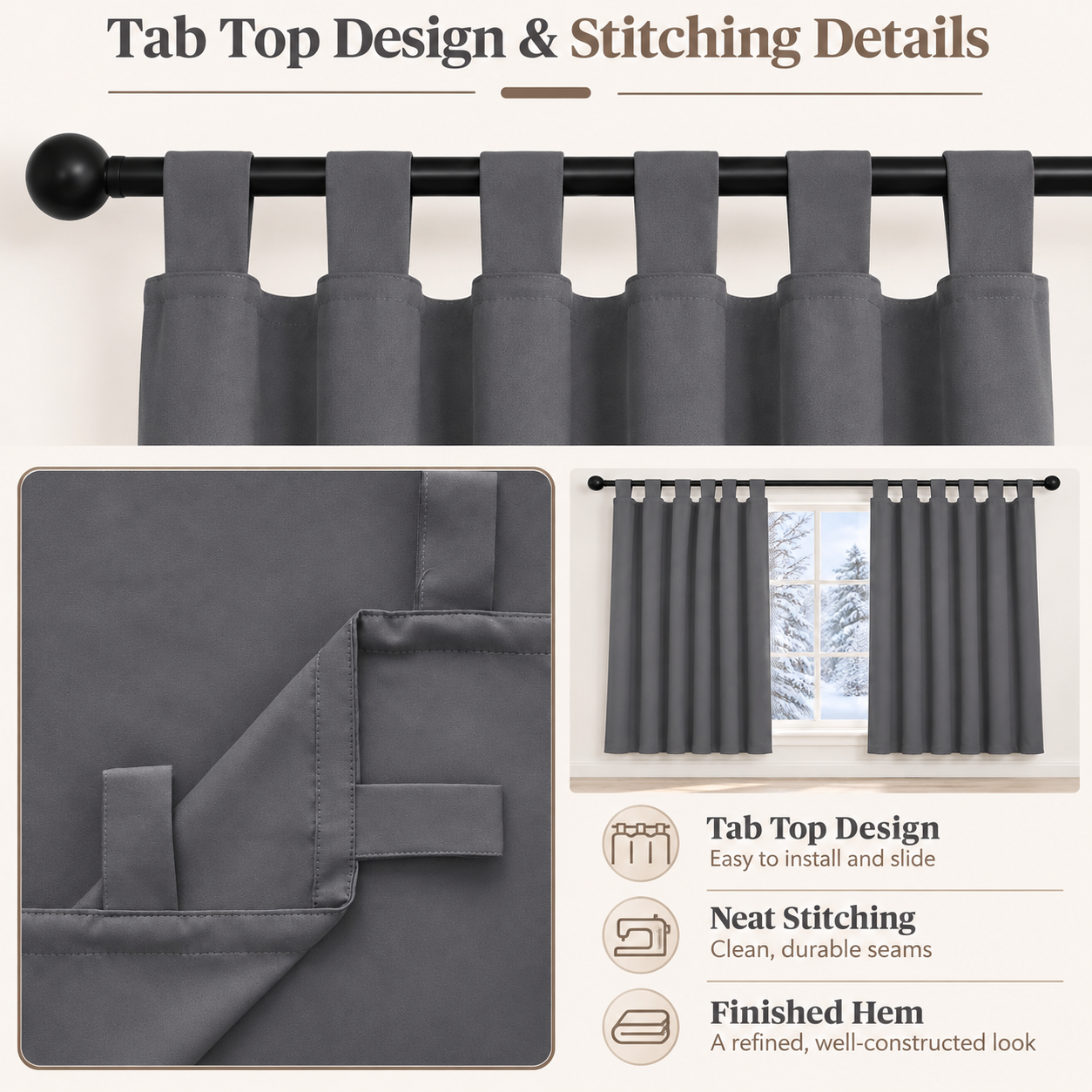
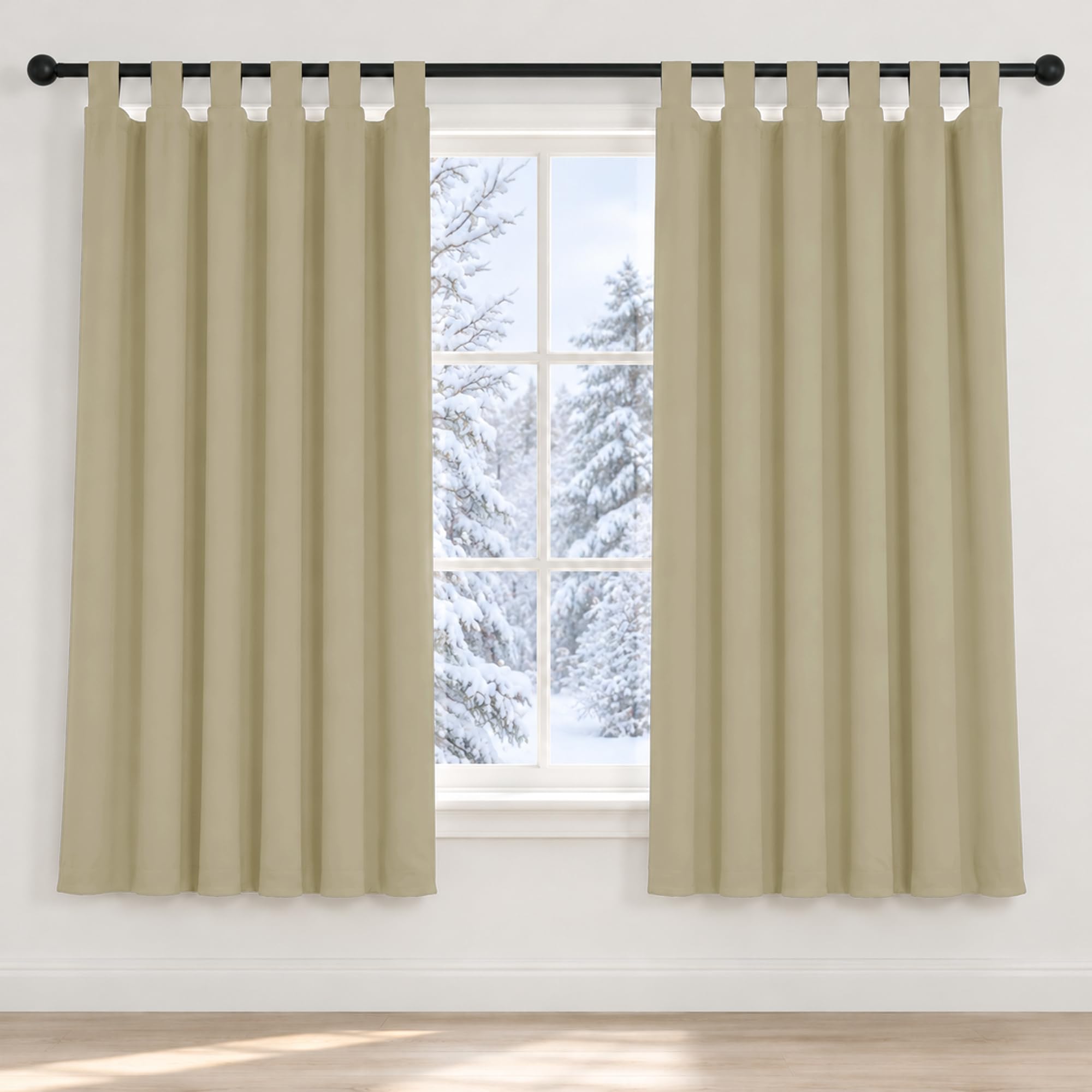
Exposed Fabric Tabs — Matching loops create a visible fabric heading with no metal eyelets.
Solid Dark Grey Shade — A restrained color works across modern and casual interior collections.
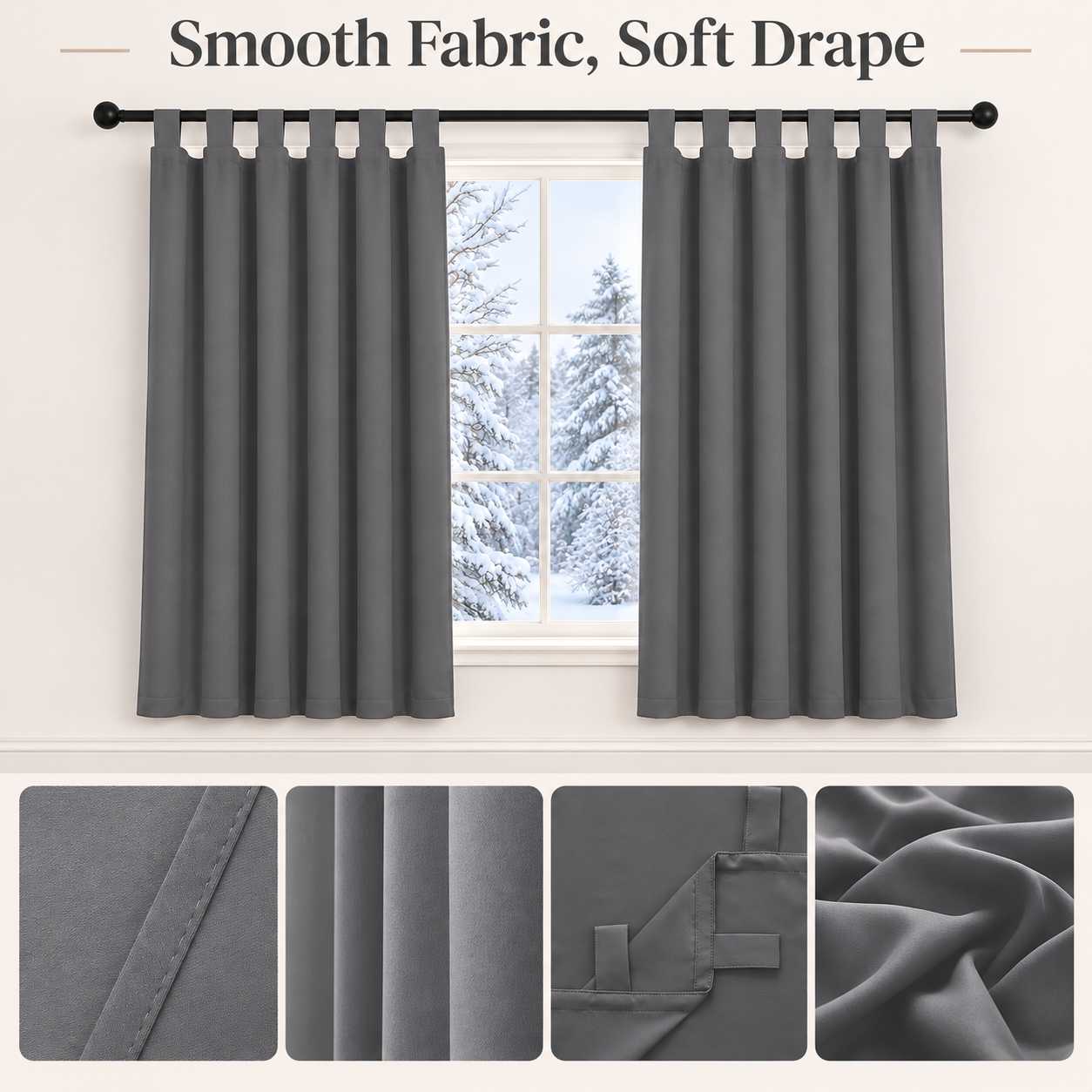
Soft Fold Formation — Spaced tabs allow broad folds to develop along the panel body.
Short Panel Reference — The 120 cm fabric-body reference supports assortment planning for smaller window drops.
Polyester Construction — The reference fabric provides a starting point for sample approval of handle, drape and care.
Paired Panel Format — Two panels allow balanced placement and a central opening on a suitable rod.
Buyer Defined Heading — Tab clearance, length and reinforcement can be specified with the intended installation in mind.
Q1: Does the 120 cm reference height include the exposed tabs?
A: The reference text measures height from the top fabric edge, so buyers should not assume that the stated body height equals the complete hanging drop. Request a drawing showing body height, tab length and the installed bearing point on the rod. Approve the measurement convention on a finished sample before creating size labels or cutting bulk panels.
Q2: How should tab dimensions be matched to the intended rod?
A: Provide the rod diameter and check the internal tab clearance on an actual hanging sample. Allow room for the fabric to move over rod joints, while avoiding tabs so long that they expose an unwanted gap above the panel body. Confirm whether the rod can be removed for installation, since closed sewn tabs normally need to be threaded onto it.
Q3: What reinforcement checks matter at each tab attachment?
A: Agree on tab width, fabric layers, seam allowance and the attachment stitch pattern. Inspect the finished heading under its own hanging weight and after the intended care routine for stretching, puckering and seam damage. Establish acceptance criteria for the selected fabric rather than assuming that a tab count alone proves adequate support.
Q4: Can a tab-top curtain provide the same installed darkness as a closed heading?
A: The fabric may reduce transmitted light, but exposed spaces between the tabs allow light around the top edge. Assess the complete installation, including rod height, wall clearance and side overlap, against the buyer’s target. Test the selected fabric separately and avoid transferring the reference listing’s percentage claims to another construction.
Q5: How should width and tab spacing change when larger sizes are developed?
A: Specify the combined flat width and intended fullness first, then establish tab count and spacing for each panel width. Simply keeping seven tabs on a much wider panel may change the fold pattern and loading at the attachments. Review a full-size sample open and closed before approving a new width.
Q6: What should be checked when shorter curtains are used near a sill or radiator?
A: Measure the complete hanging drop with the intended rod and tab position, then check clearance from the sill, handles and any heat source. Follow the appliance manufacturer’s clearance requirements and avoid obstructing airflow. Curtains do not have a verified heat-resistance or flame-retardant rating unless the ordered material has supporting evidence.
Q7: How can washing trials reveal problems specific to the tab heading?
A: Measure the body and tabs separately before and after the proposed care cycle. Check whether unequal dimensional change causes an uneven hem or twisted loops, and inspect seam strength and surface appearance. Set washing and ironing instructions from the chosen finished fabric and heading rather than copying a reference seller’s temperature limits.
Q8: Which controls help replenishment orders hang consistently with earlier stock?
A: Retain an approved finished panel and record shade, body dimensions, tab length, tab spacing and hem construction. Compare new lots under consistent lighting and hang a pair to review drop and fold balance. Confirm changes to fabric finishing or sewing settings before accepting the new lot as interchangeable retail stock.
 EN