| Product Name |
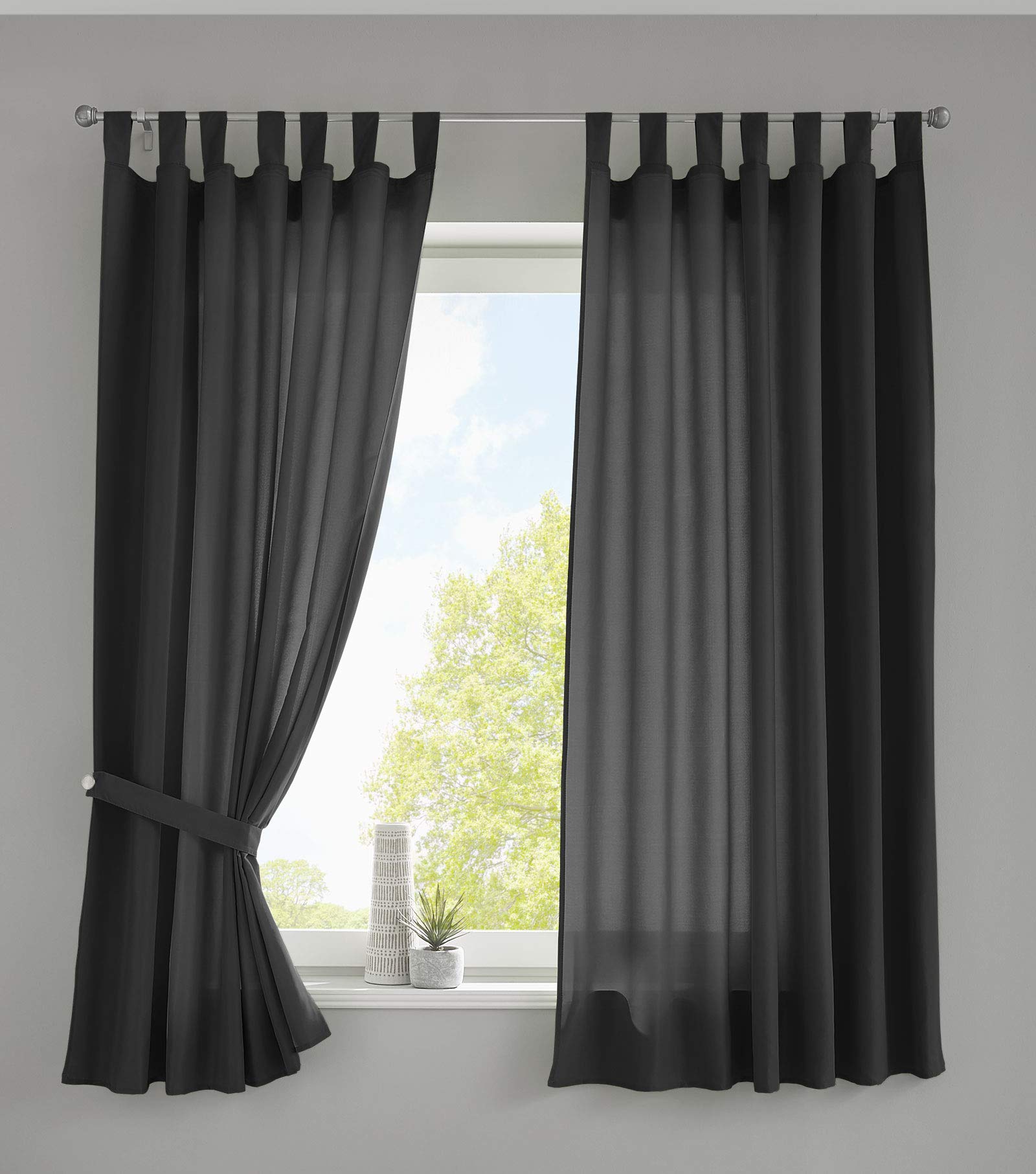
Grey Microsatin Light Filtering Curtains with Tab Tops and Gathering Tape |
| Color |
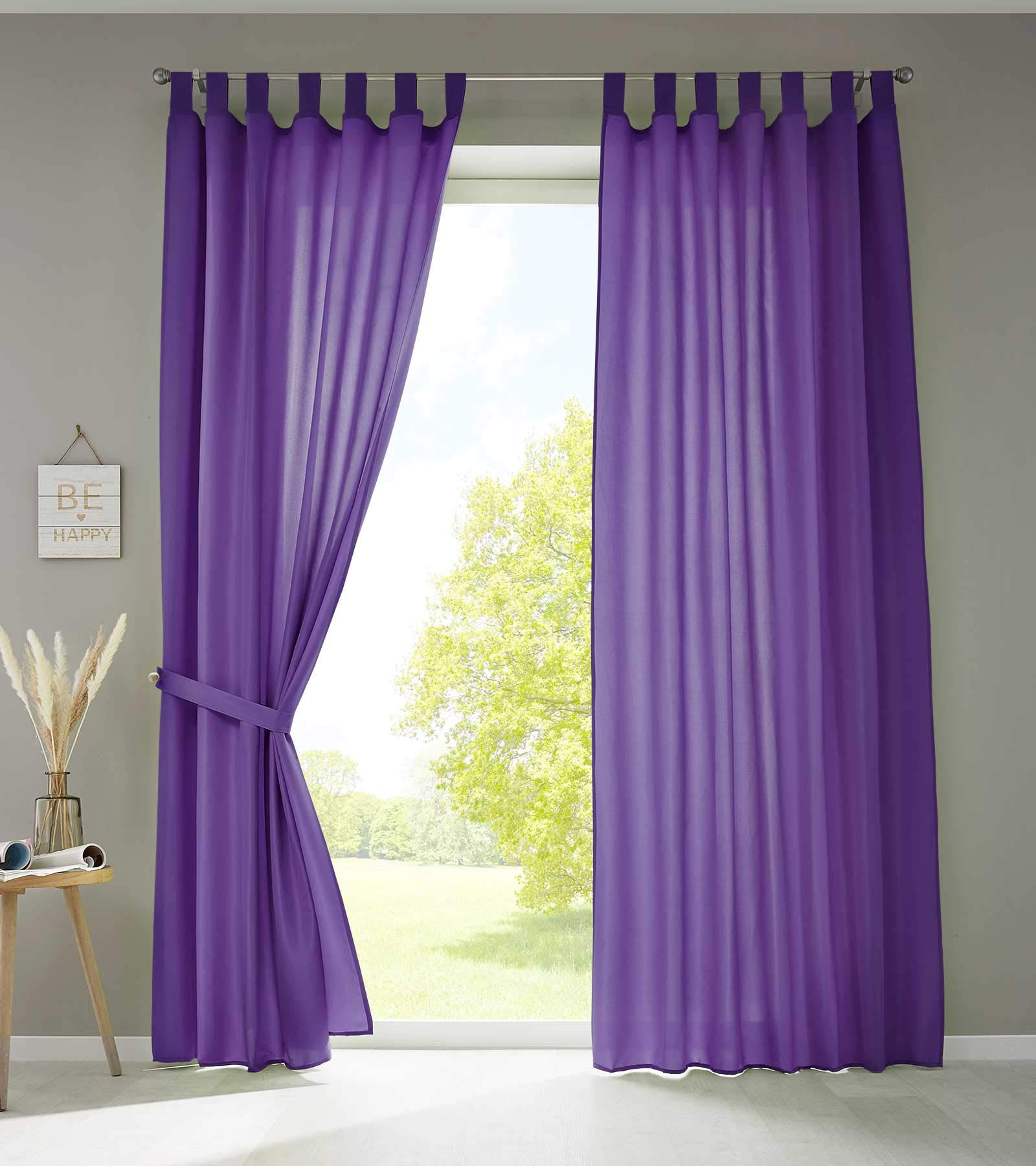
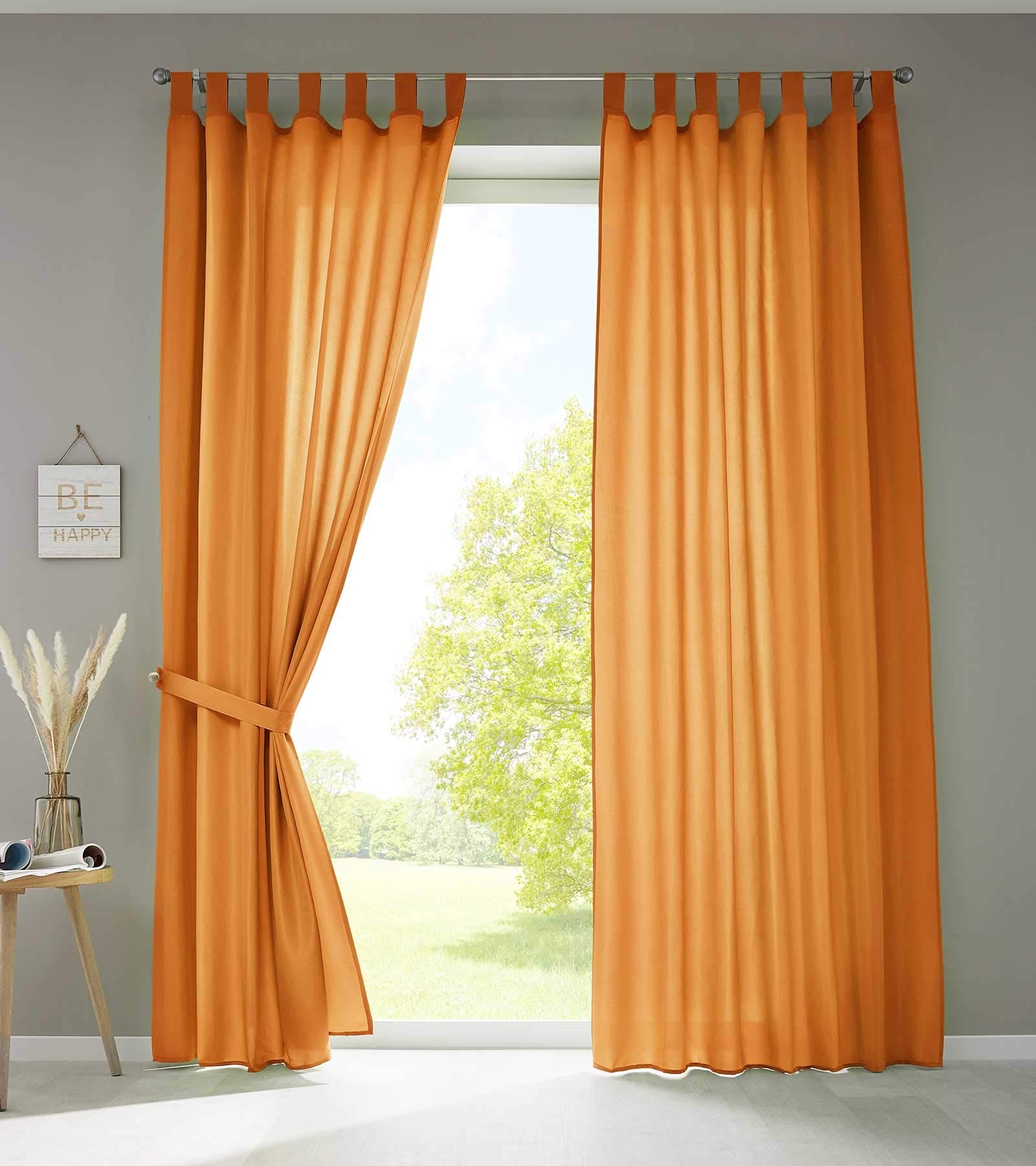
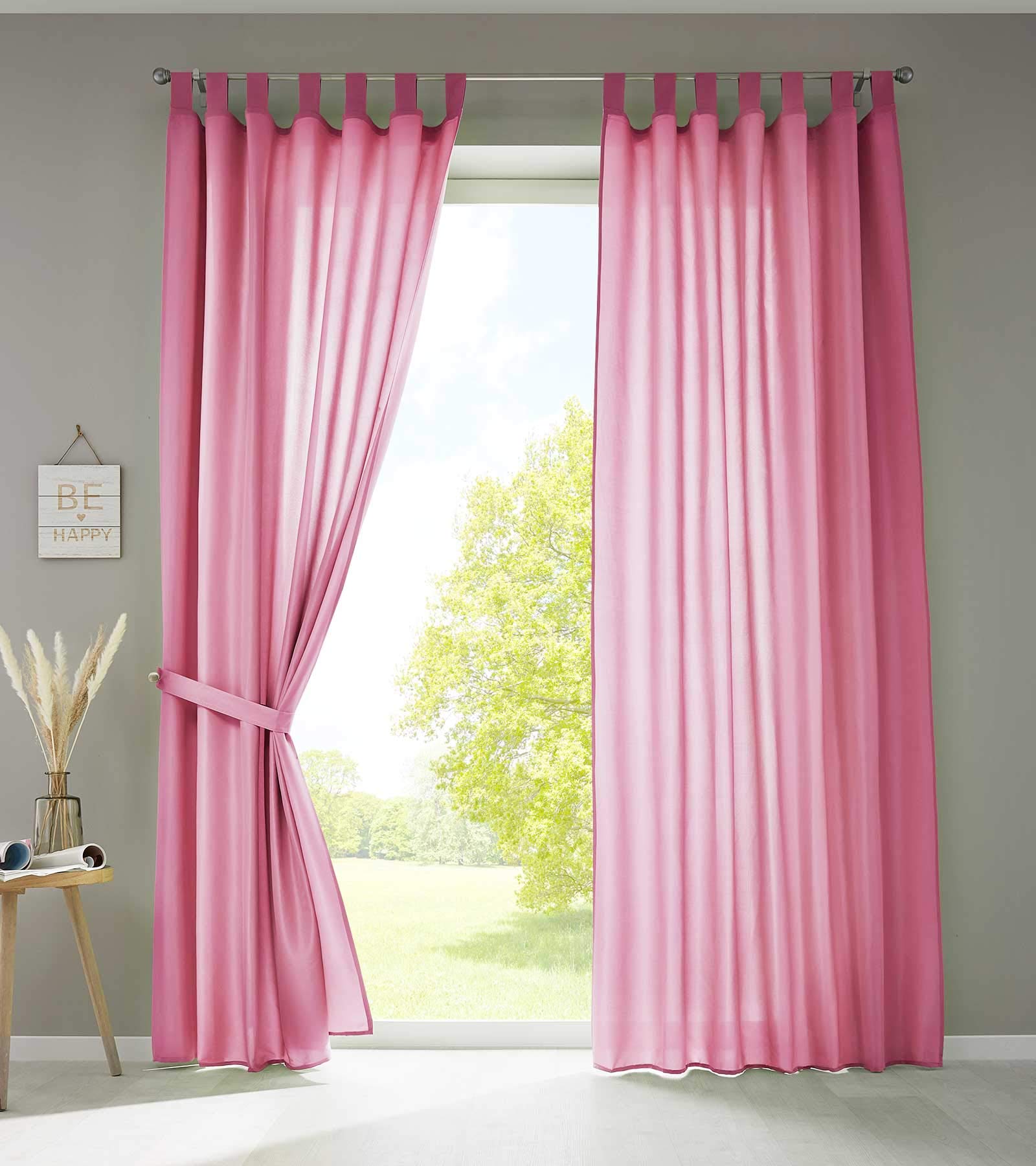
Grey; other colors can be discussed |
| Material |
Polyester microsatin; final fabric specification subject to sample approval |
| Style |
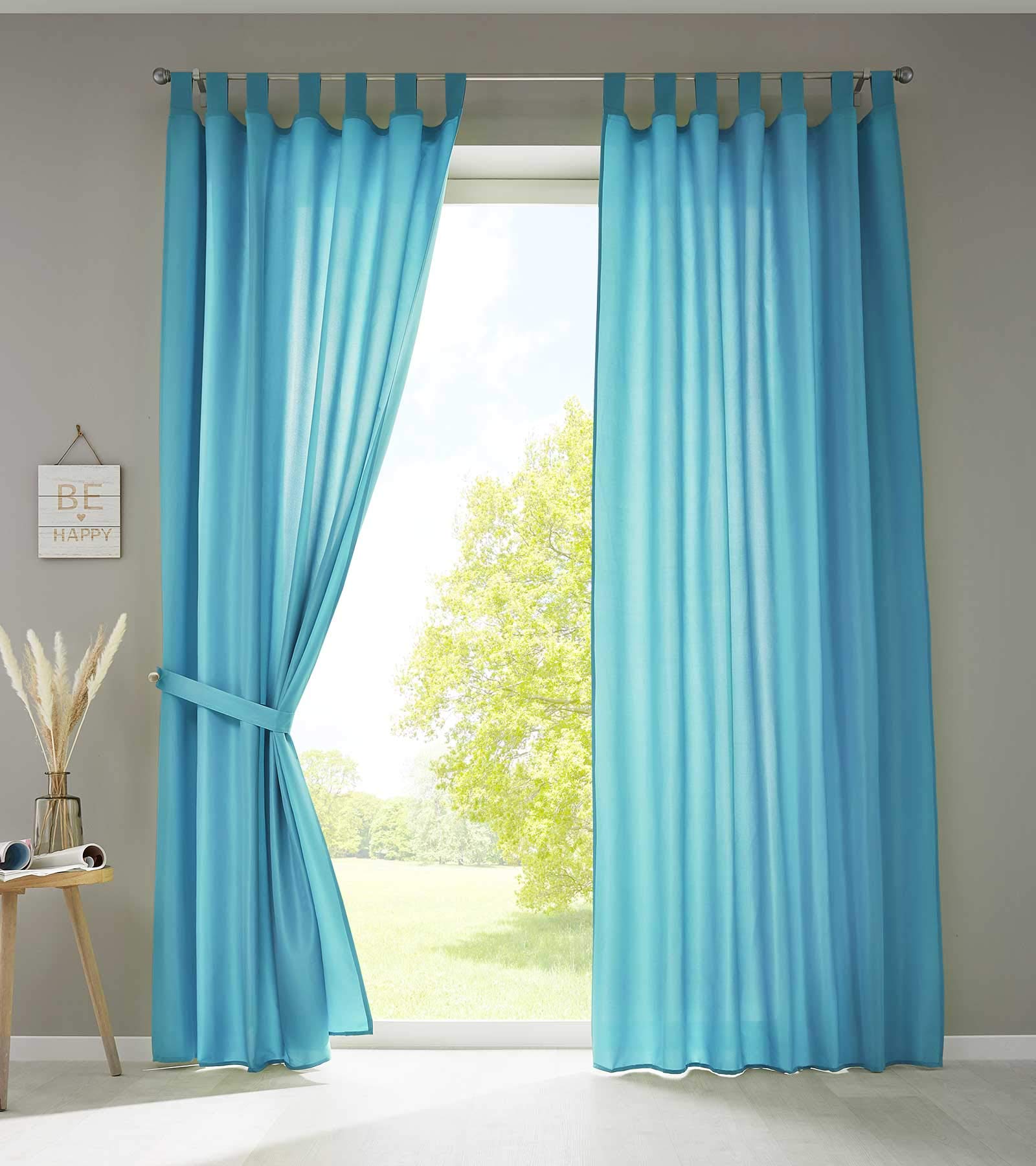
Soft plain curtains with matching tiebacks |
| Size |
Custom sizes available |
| Package |
Confirm selected pattern, color, finished size, folding method, care label and retail packaging requirements before bulk production |
| Certification | OEKO-TEX Standard 100 |
| MOQ | 200 |
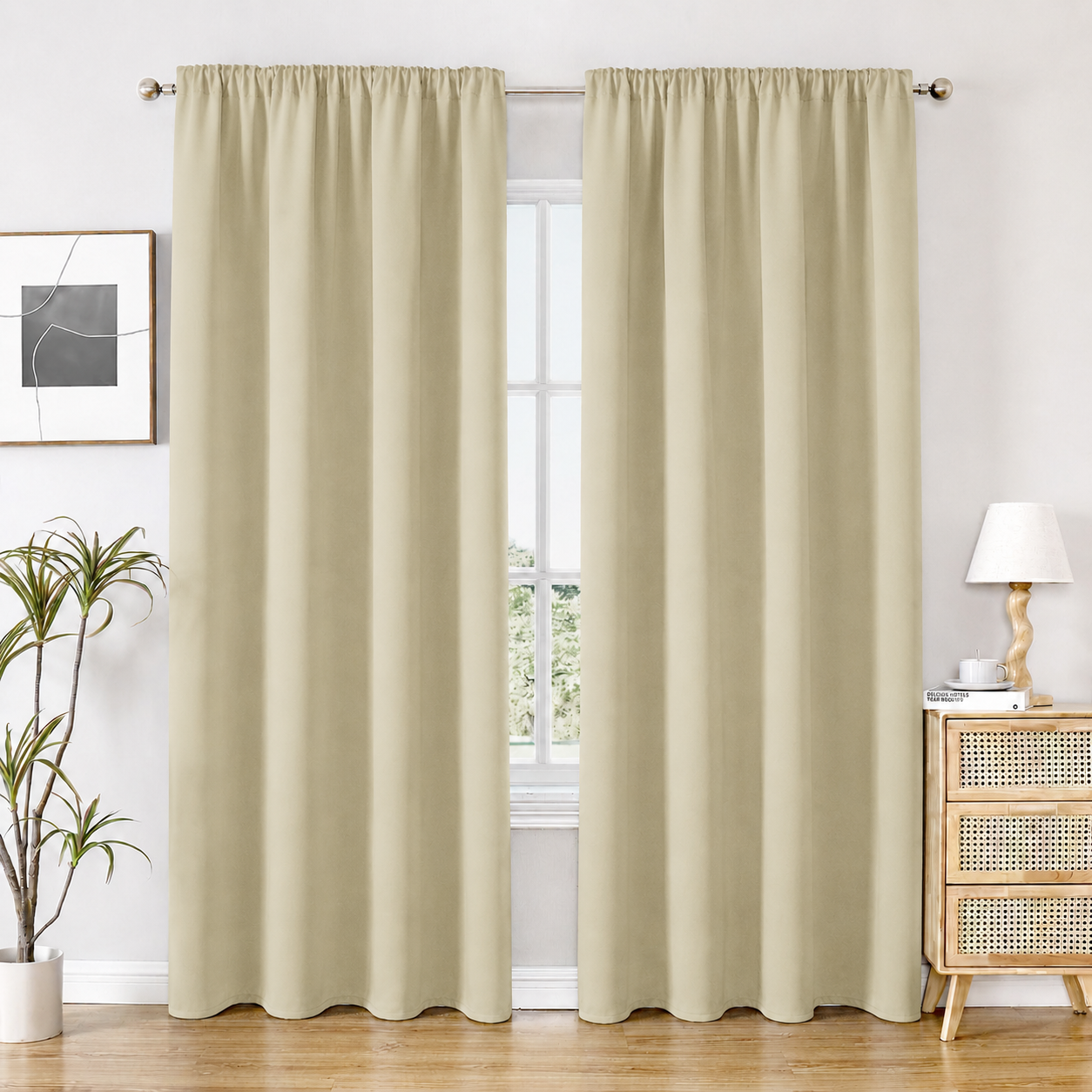
Grey microsatin brings a smooth textile face and soft folds to everyday window dressing. These polyester curtains combine fabric tabs with an additional gathering tape, allowing a rod or track configuration to be developed for the intended installation. Matching tiebacks draw the panels away from the glazing when a wider view is wanted. The fabric admits softened daylight while providing a more screened appearance than an open sheer. Final visibility should be assessed in the room’s lighting, particularly when the interior is illuminated after dark.
Shaoxing Yingkuo Textile Co., Ltd. (EAGLEKO HOME TEXTILE) can coordinate this plain microsatin curtain range around the buyer’s preferred heading configuration, finished drop and pack format. Custom sizes and other colors can be discussed during sample development. Our one-stop sourcing advantage helps wholesalers combine these curtains with sheers, cushion covers and other home textiles in a consolidated purchase. A signed-off fabric and sewing specification can define the surface appearance, tieback matching and installation details for bulk supply and private-label presentation.

Living Room Windows — Use grey panels to soften daylight and coordinate with neutral furnishings.
Dining Spaces — Frame the window with plain draped fabric and matching tiebacks.
Bedroom Daytime Dressing — Offer a decorative daylight layer where full darkness is not the main requirement.
Rod-Based Retail Ranges — Show the fabric tabs clearly and specify compatible rod dimensions.
Track Curtain Programs — Develop the gathering-tape configuration around the buyer’s hooks and runners.
E-commerce Sales — Explain the selected hanging mode and how the finished drop is measured.
Wholesale Home Textile Collections — Coordinate plain curtain shades with complementary soft furnishings.
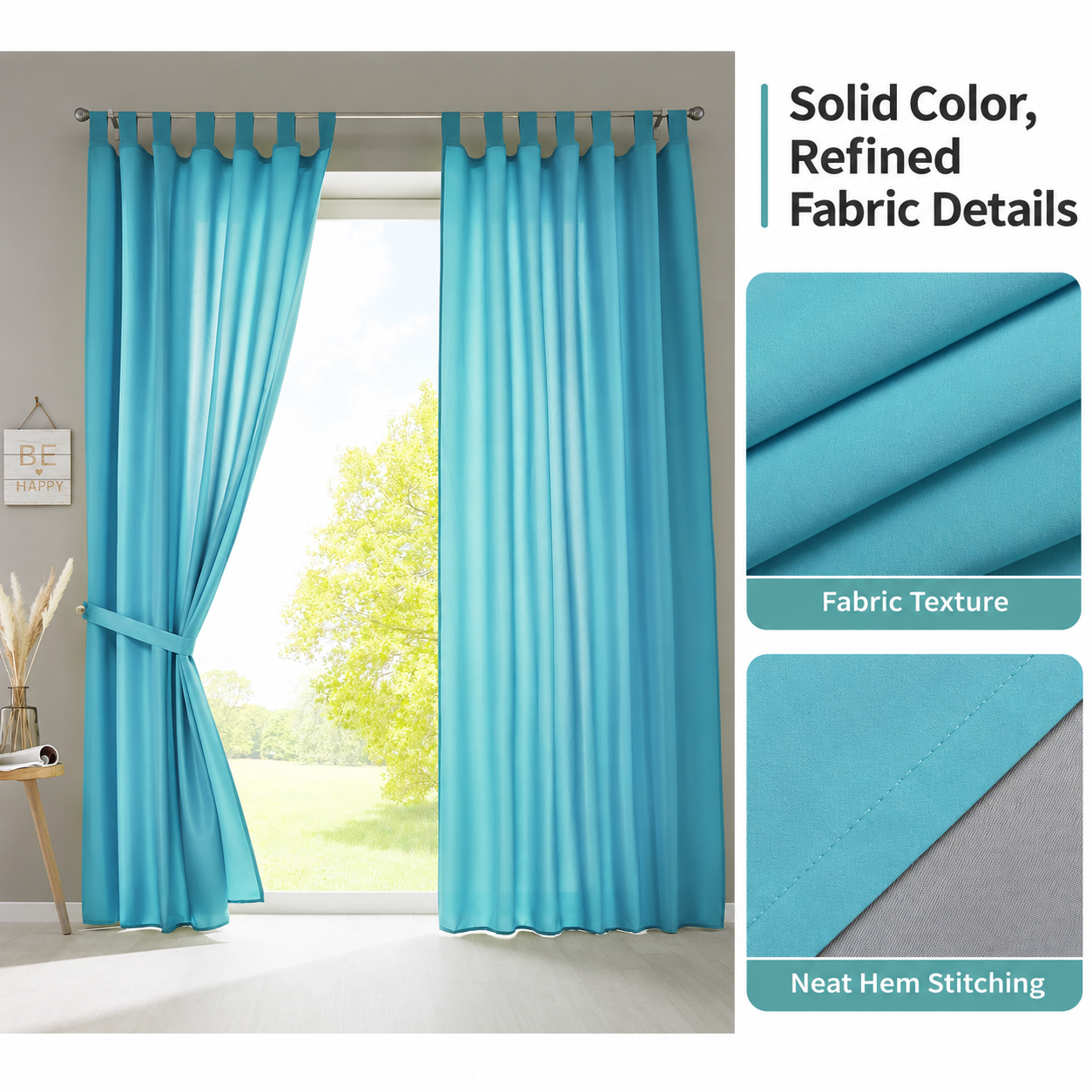
Smooth Microsatin Face — A plain textile surface gives the folds a clean and understated appearance.
Soft Light Admission — The fabric allows daylight through while reducing the openness of the view.
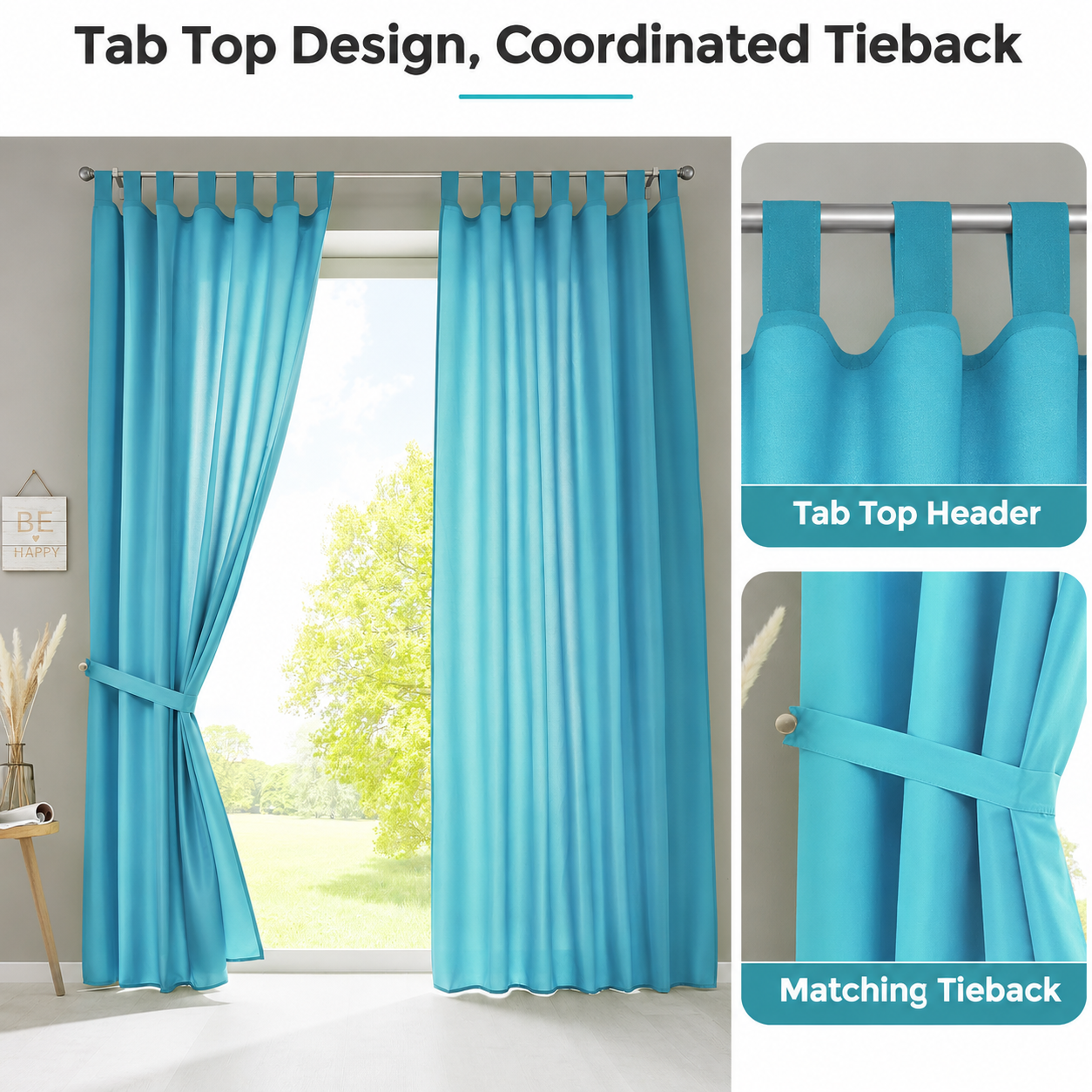
Fabric Tab Heading — Tab tops provide a visible loop-style presentation on compatible rods.
Additional Gathering Tape — The tape offers a route for developing a track-compatible heading.
Matching Tieback Pair — Coordinated tiebacks support an open-window arrangement for both panels.
Custom Finished Drops — Sizes can be developed according to the selected suspension point.
Plain Color Assortments — Additional shades can be discussed for coordinated wholesale collections.
Q1: Why must the hanging method be agreed before specifying the finished drop?
A: Tabs and tape hooks suspend the fabric from different positions. Define the installed measuring point for the chosen configuration and show it in the order drawing. Approve a hung sample before cutting bulk panels, so a length intended for tab mounting is not mistakenly treated as the same drop on a track.
Q2: Can the same heading be supplied for both rods and tracks?
A: The proposed design includes tabs and gathering tape, but the finished arrangement must be reviewed for each application. Agree on how unused tabs are managed and whether separate versions are more suitable for the range. Do not instruct users to cut or alter the heading unless that conversion has been developed and clearly documented.
Q3: Which hardware information is needed for gathering-tape development?
A: Provide the hook type, tape insertion positions and runner arrangement for the intended track. Review the desired fullness and the relationship between the fabric top edge and the rail. Trial a complete panel to check gathering, hook retention and clearance; tape appearance alone does not establish compatibility with every track system.
Q4: How can microsatin appearance be assessed consistently?
A: Compare an approved hung sample with production fabric under both direct and diffuse light. Check shade, surface smoothness and any directional difference before cutting. Inspect panels together as a pair, since small changes in orientation or shade can become more noticeable when two smooth faces hang beside each other.
Q5: What privacy and light-control claims suit this fabric category?
A: Evaluate daytime screening and nighttime visibility separately using the selected fabric and fullness. A light-admitting panel may still reveal outlines when the room is lit. Use tested evidence for any numerical light claim, and position the product according to the approved appearance rather than describing it as blackout solely because it offers visual screening.
Q6: What should a care trial check beyond basic washability?
A: Examine dimensional change, seam puckering, surface marking and tieback distortion after the proposed care routine. Hang the panels again in the approved configuration and check whether the hems remain level. Final washing, drying and ironing instructions should reflect the selected fabric and heading components, including their response to heat.
Q7: Which sewing details should be checked on a two-panel set?
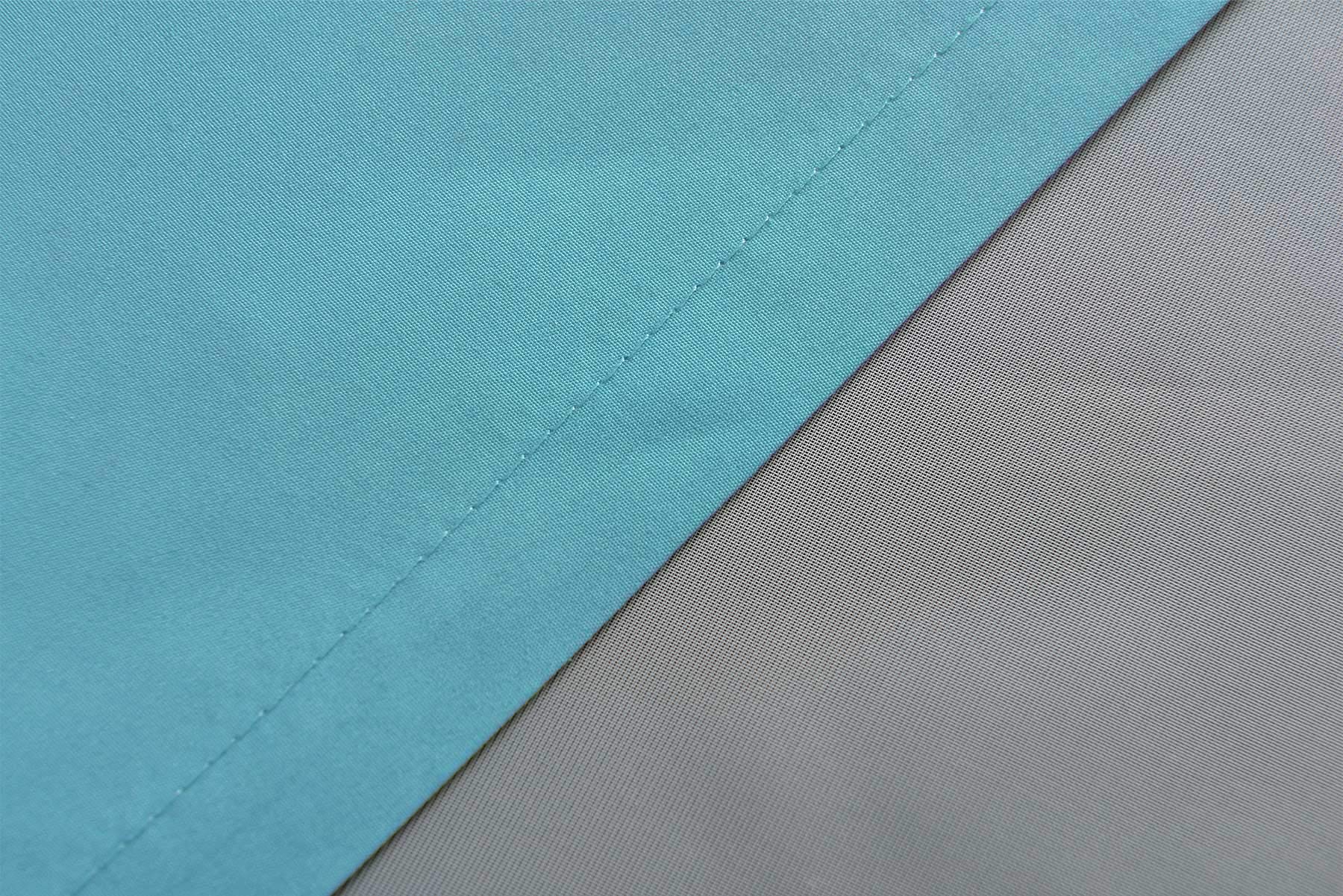
A: Inspect tab spacing and length, tape placement and parallel seams across both headings. Compare finished drops and hem levels using the agreed measurement convention. Check tieback shade and finish against the panels, then pair and pack pieces together so the set meets the same visual and dimensional standard.
Q8: What packaging details help prevent errors across custom sizes?
A: State each panel’s finished size, the set quantity and the intended mounting configuration. Include a measuring diagram and identify whether hooks or rods are supplied. Assign a distinct SKU for each color and size combination and check tieback counts at packing. MOQ, labeling options and delivery timing are confirmed against the final assortment quotation.
 EN