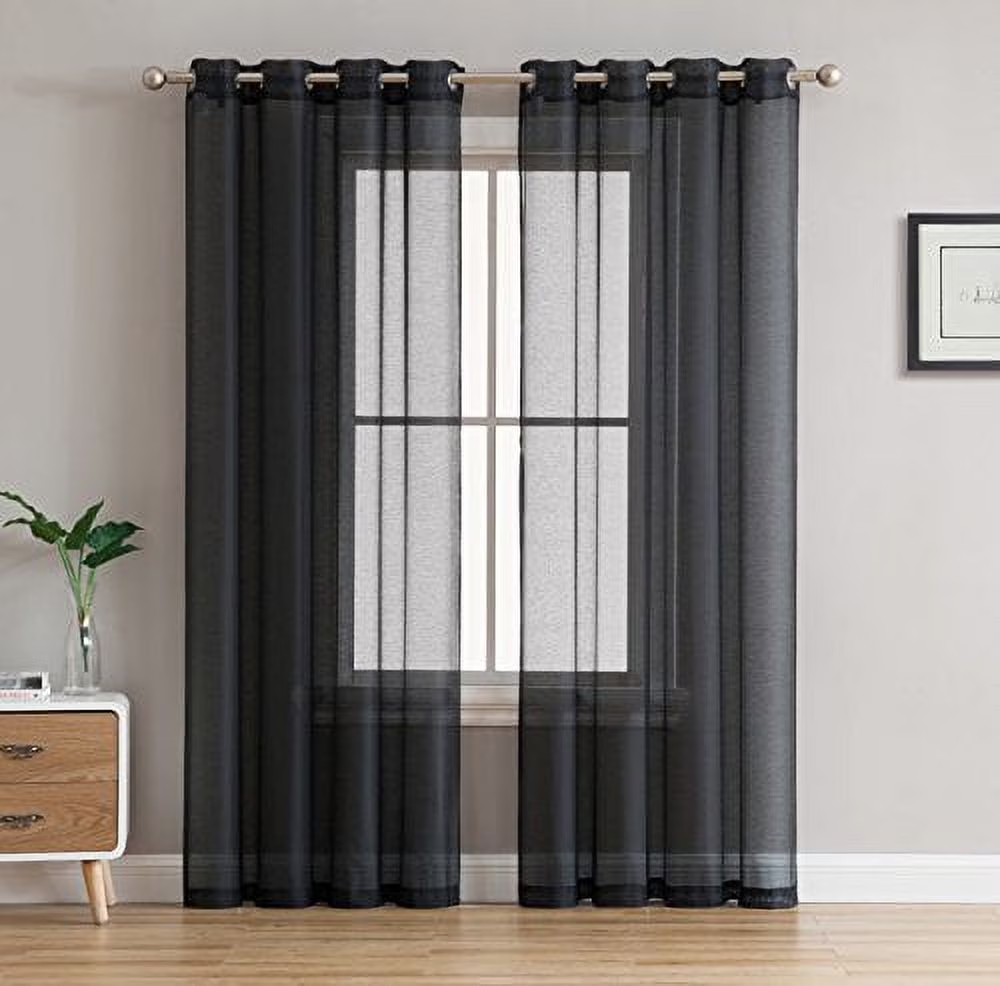
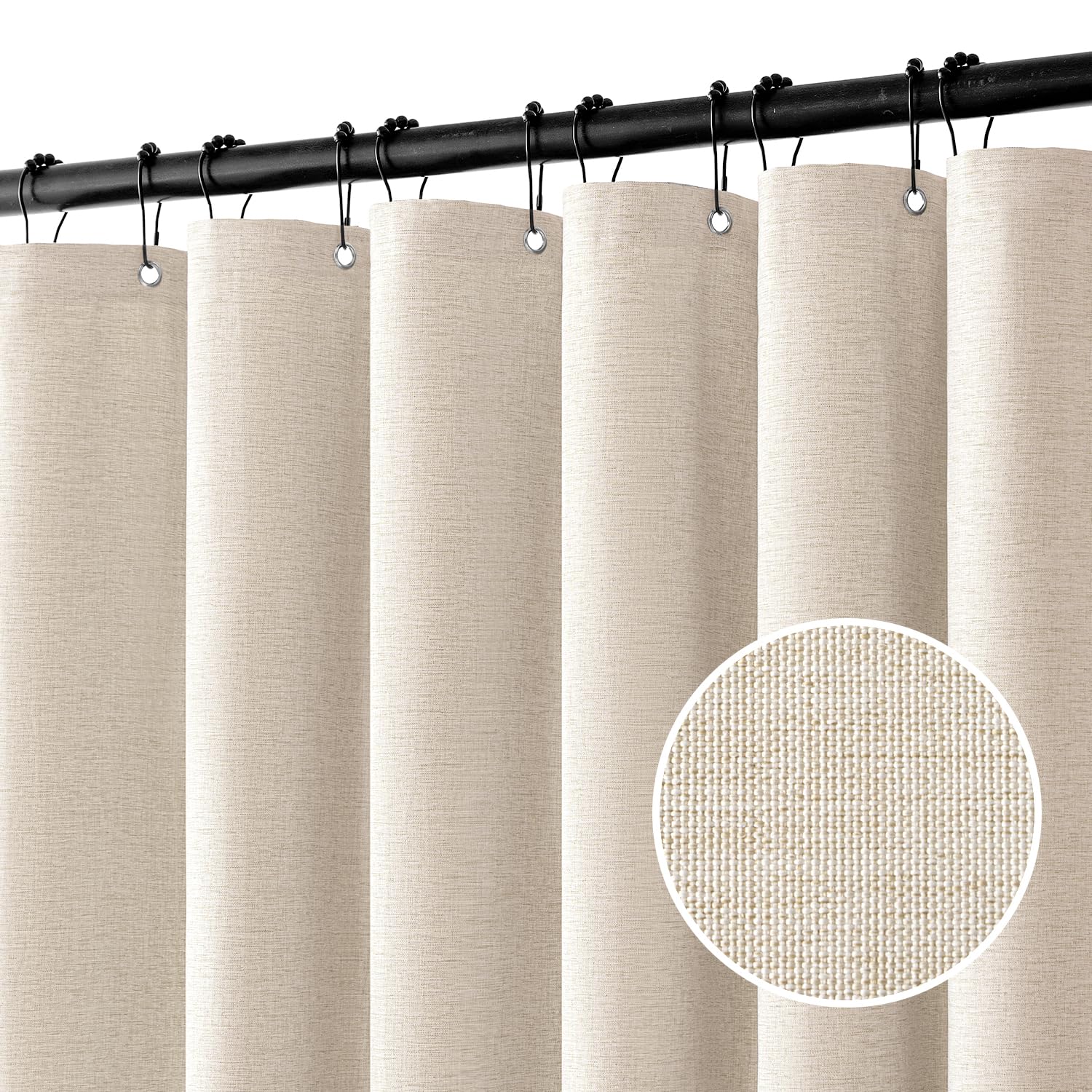
| Product Name |
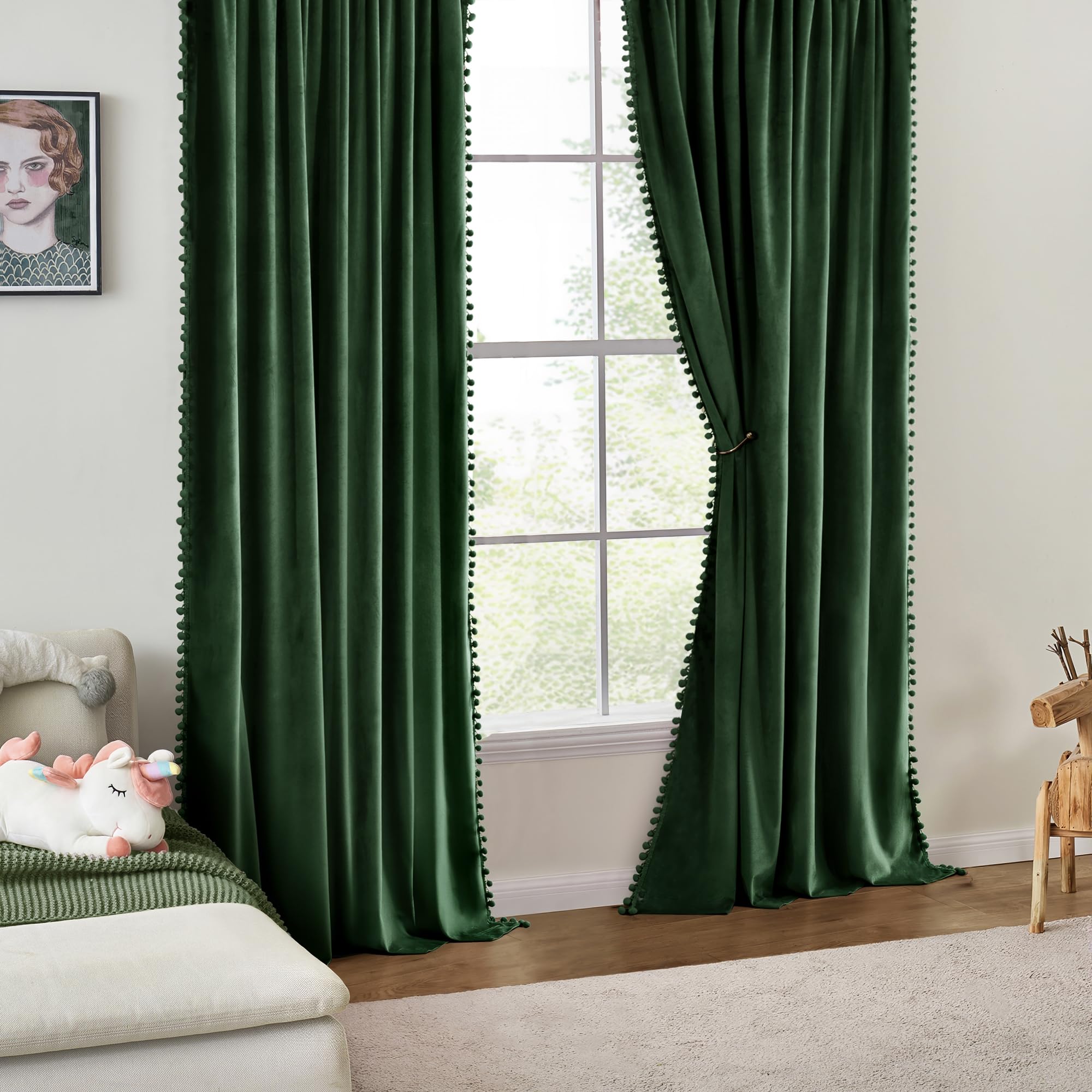
Emerald Green Pom Pom Trim Velvet Rod Pocket Curtains |
| Color |
Emerald green; bulk shade subject to approved physical standard |
| Material |
Velvet fabric |
| Style | Decorative Room Darkening / Soft Draped Finish |
| Size |
Reference panel 52 inches wide by 84 inches long; custom dimensions subject to quotation |
| Package | 1 Shower Curtain with Snap-in Liner / Custom Packaging Available |
| Certification | OEKO-TEX Standard 100 Available |
| MOQ | 200 |
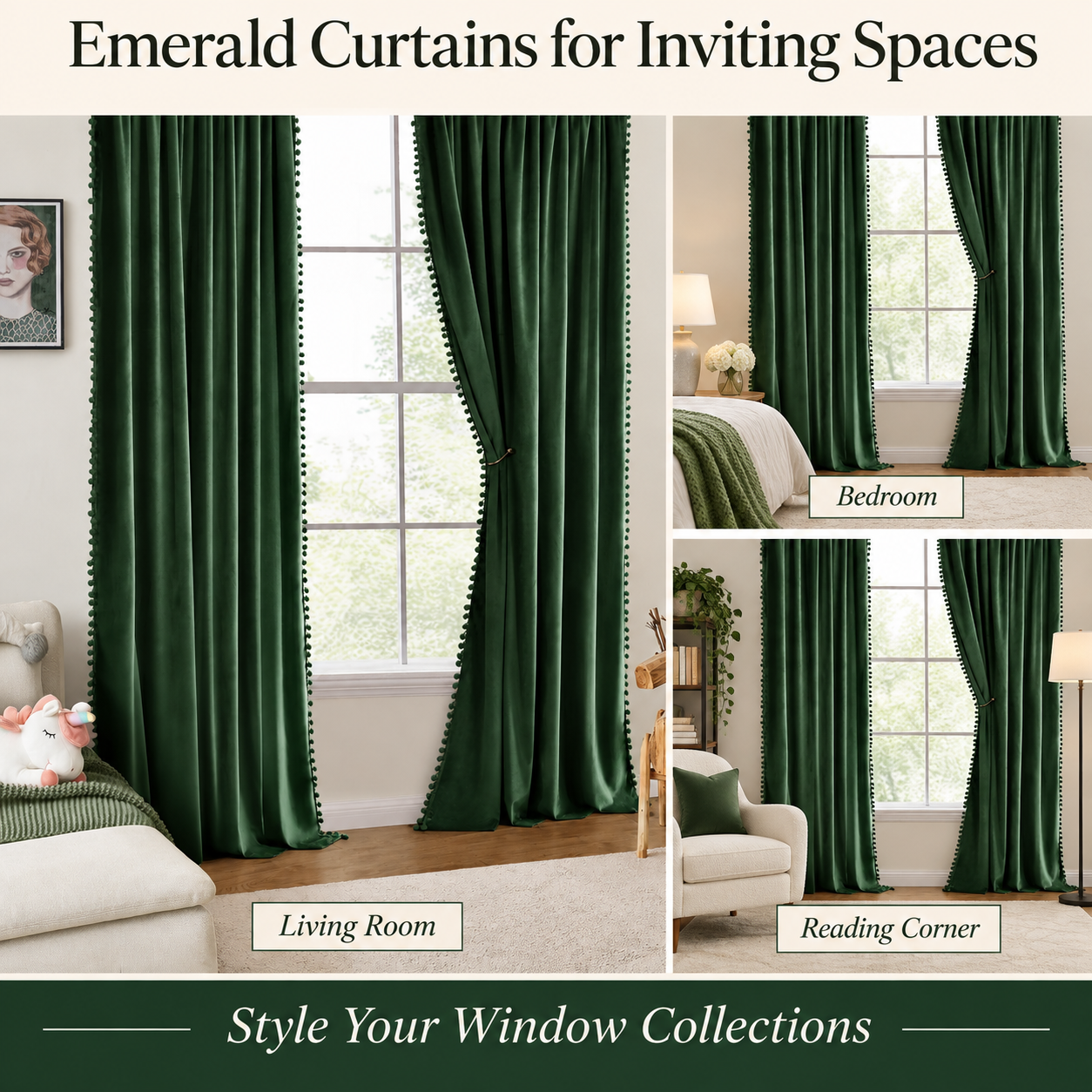
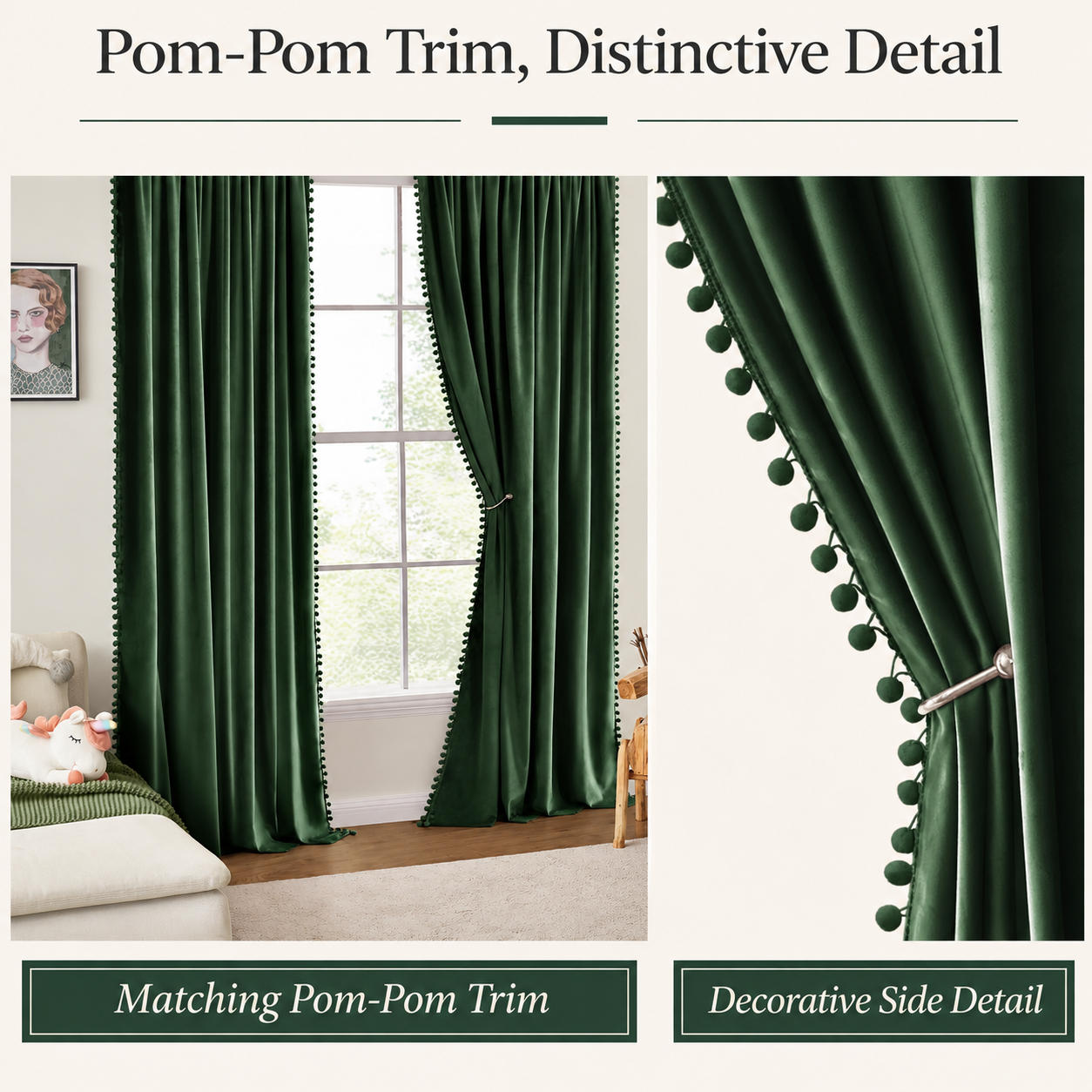
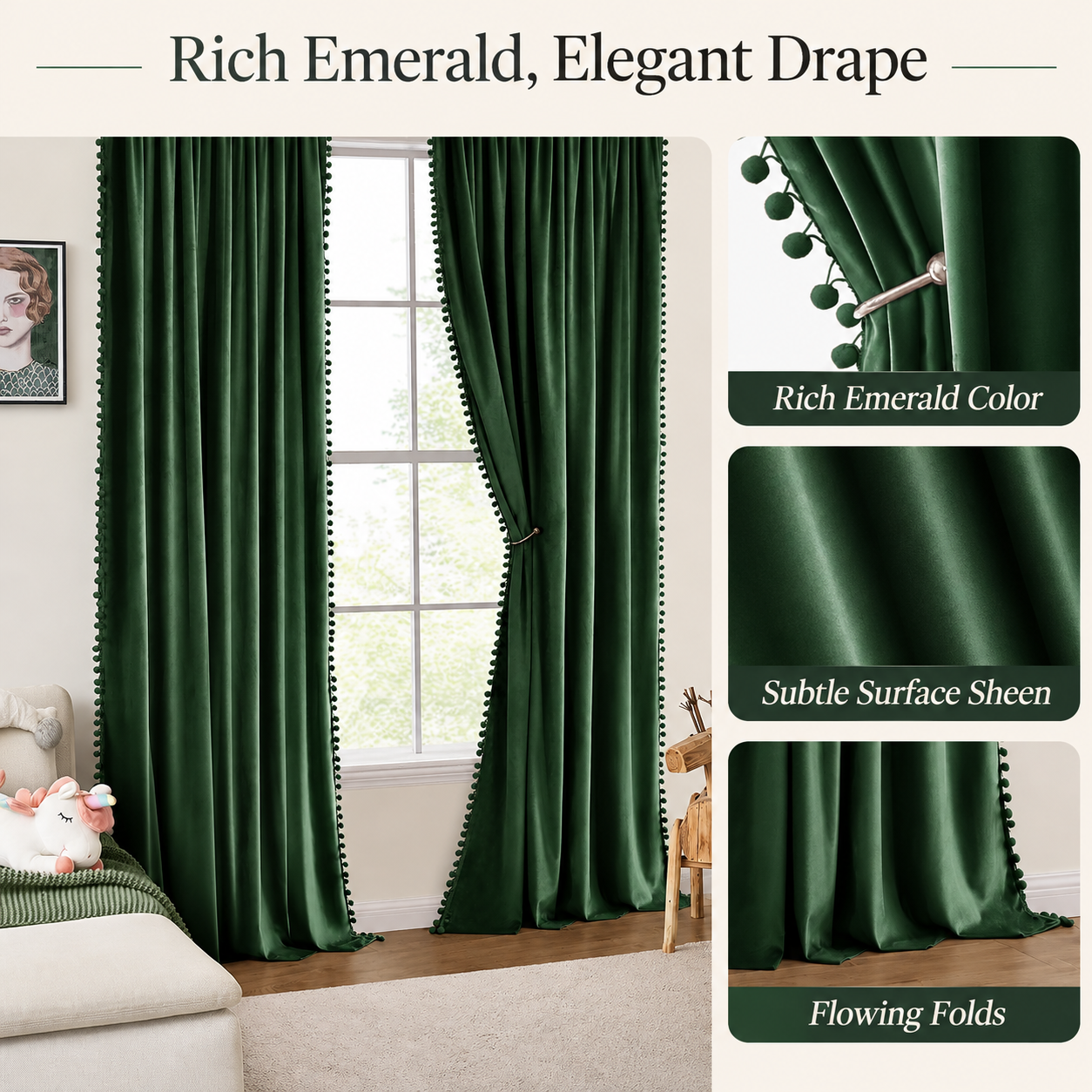
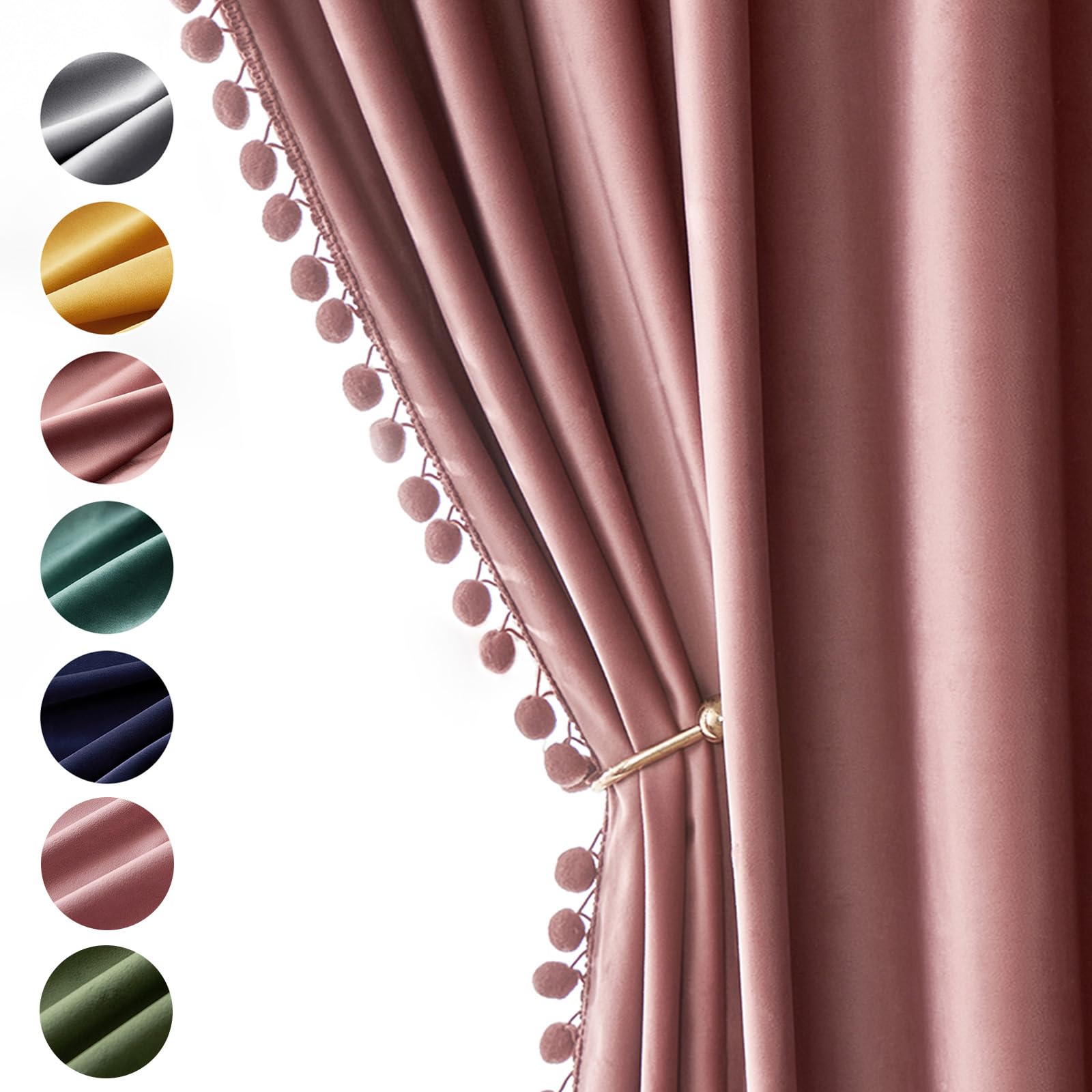
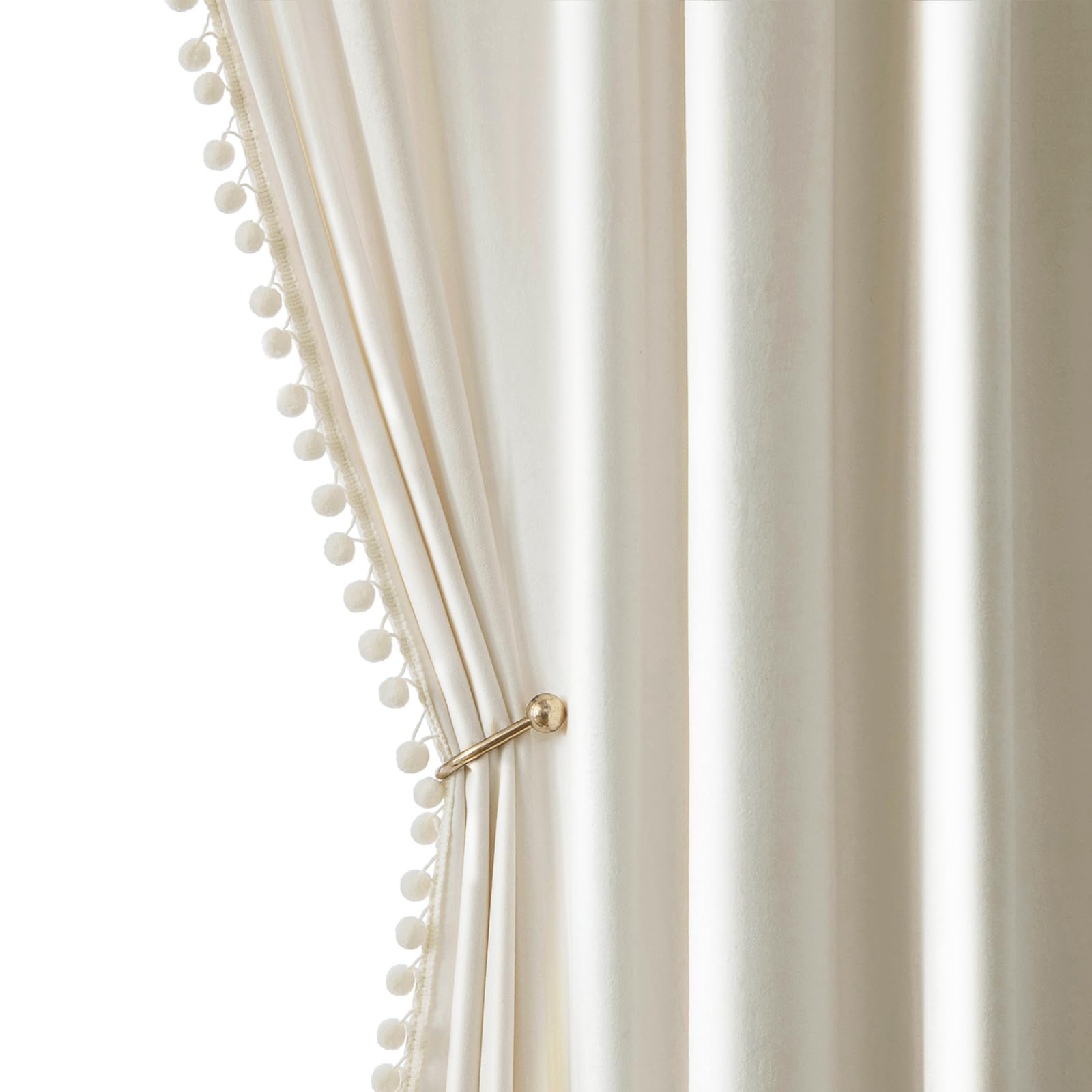
Deep emerald velvet and rounded pom pom edging give these curtains a distinctive decorative profile. The plush face catches light across the folds, while matching trim outlines the panel edges without adding a contrasting color. A rod pocket creates gathered fullness at the top for a soft, continuous drape. This design suits buyers seeking a tactile room-darkening curtain with a playful finishing detail. Finished-fabric light control should be approved on samples; velvet appearance alone does not establish total blackout or measured thermal performance.
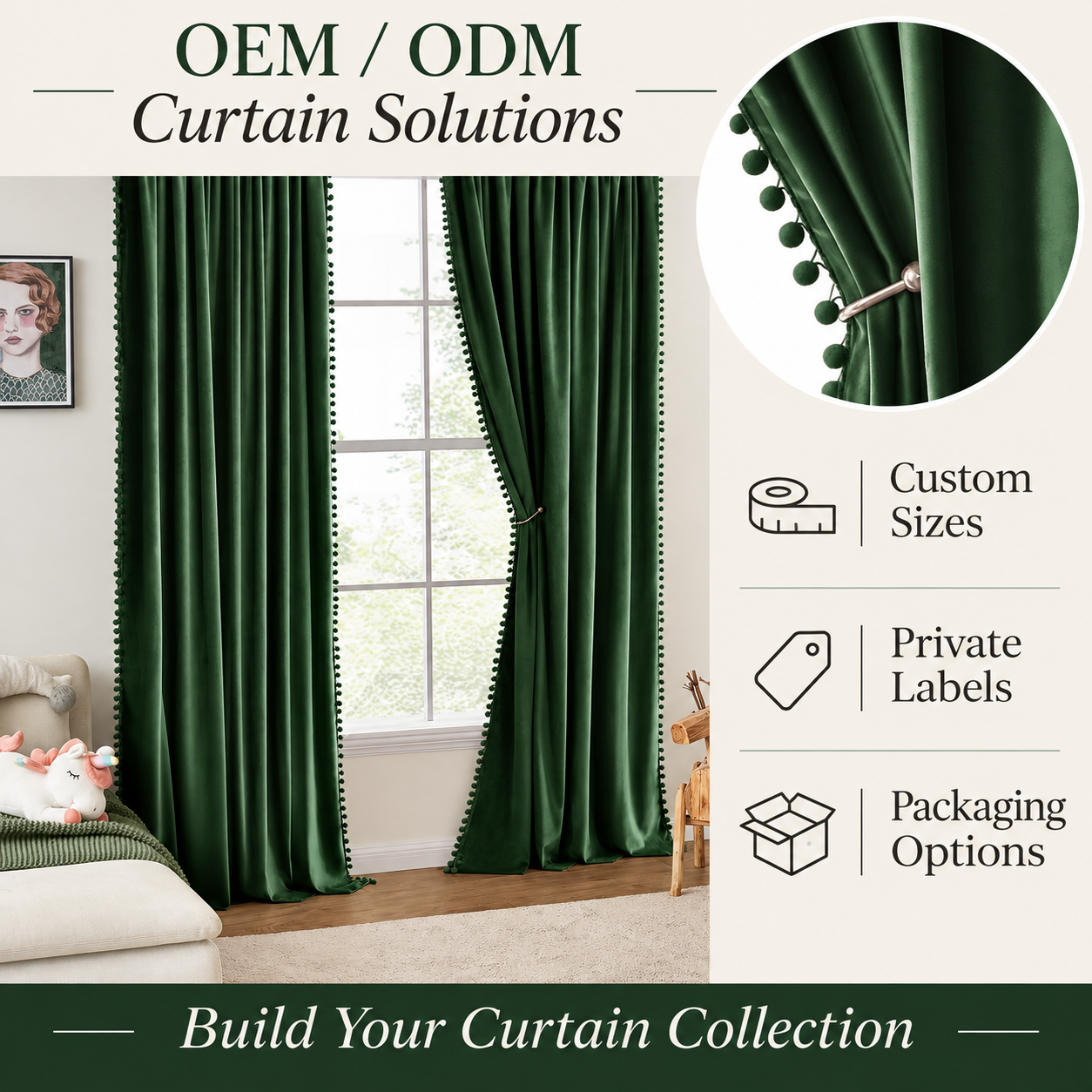
Shaoxing Yingkuo Textile Co., Ltd. (EAGLEKO HOME TEXTILE) can develop this velvet-and-trim combination around an agreed shade, pile direction and finished size. Buyers can review pom pom scale, attachment quality and retail presentation during sampling, then combine the curtain with cushion covers, throws and other home textiles through one-stop sourcing. The quotation establishes the available customization, order quantity and delivery schedule, while an approved finished sample provides the reference for bulk production and private-label packaging.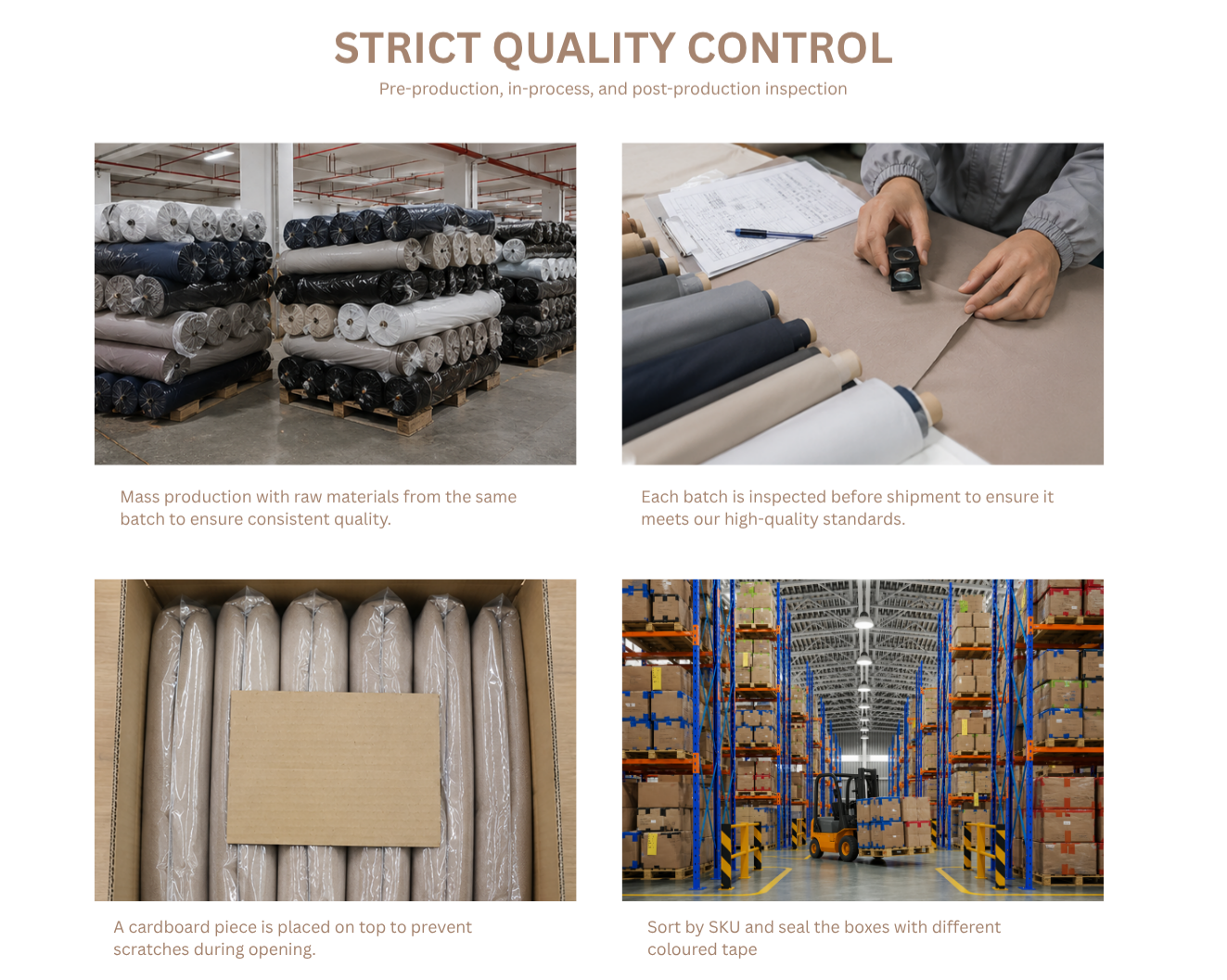
Decorative Bedrooms — Frame a sleeping area with deep green velvet and an outlined panel edge; evaluate light control for the intended room.
Living Room Collections — Pair the solid velvet face with wood, brass-toned accessories and neutral upholstery.
E-commerce Sales — Show pile reflections, trim close-ups and the installed gathered width to support accurate customer expectations.
Boutique Home Retail — Offer a decorative alternative to plain velvet panels within coordinated soft-furnishing displays.
Seasonal Merchandising — Use emerald green in festive assortments while retaining a solid-color design suitable for year-round interiors.
Wholesale Assortments — Develop coordinated color options with approved trim shades and consistent panel construction.
Residential Styling Projects — Specify rod clearance, stack space and finished drop for small projects seeking a soft decorative window treatment.
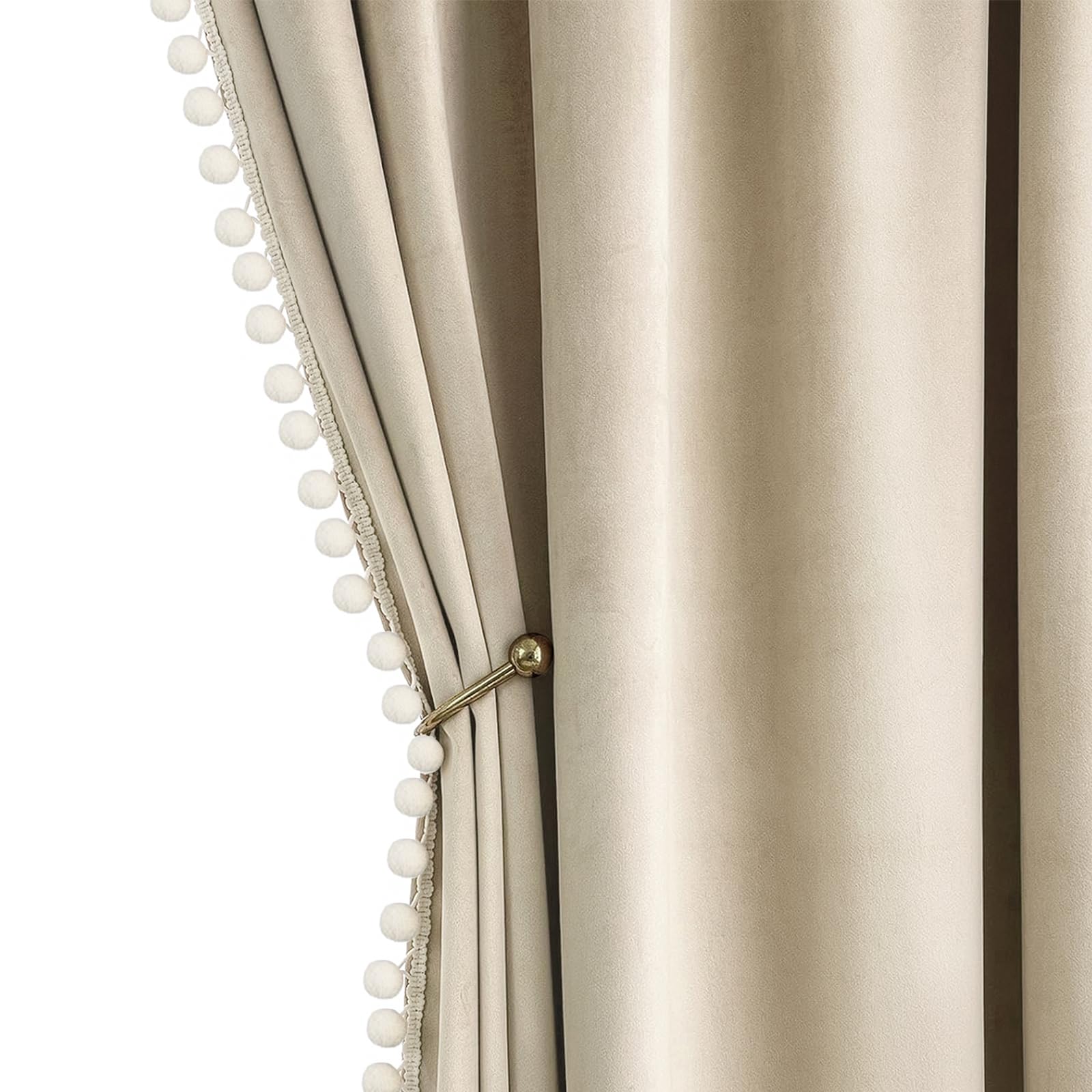
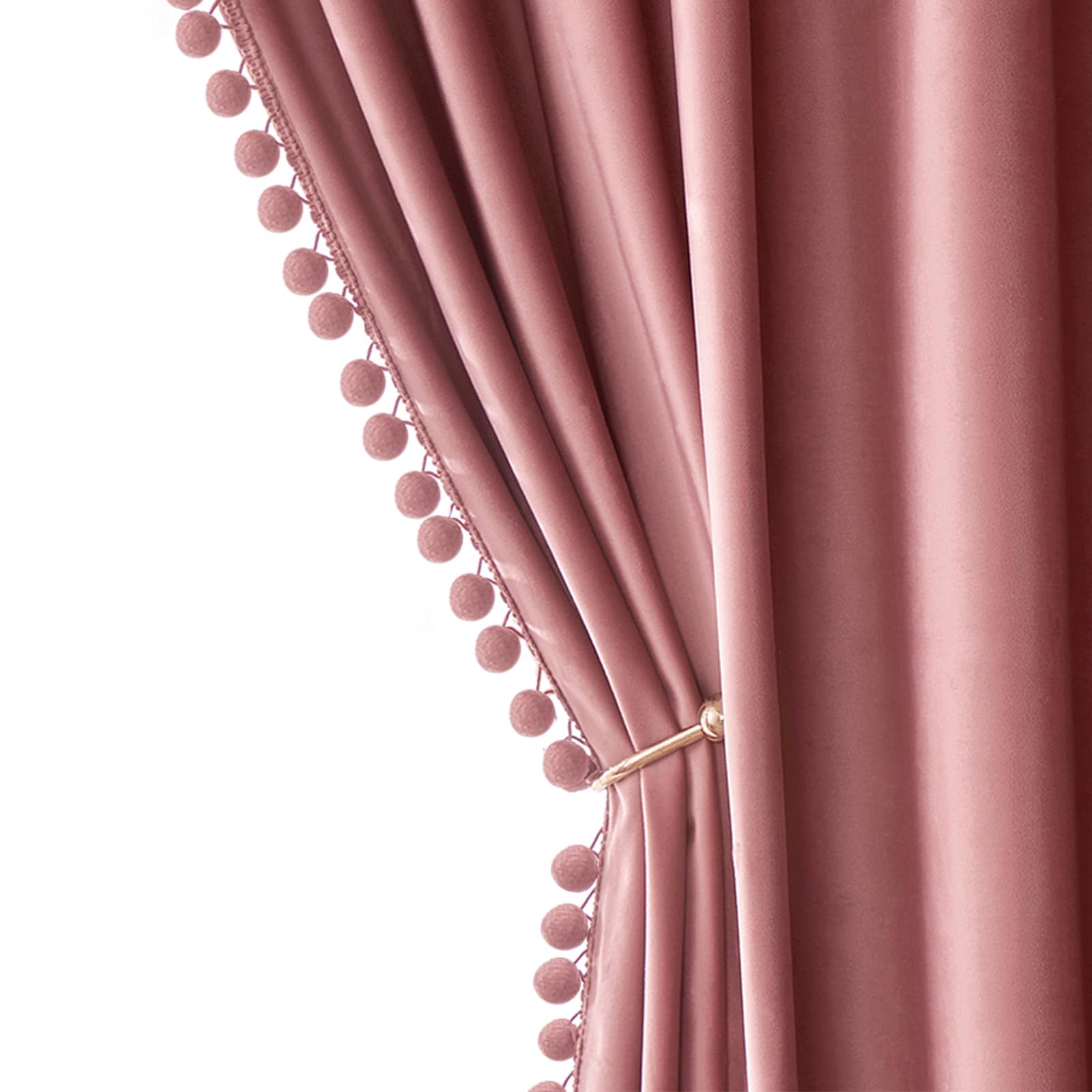
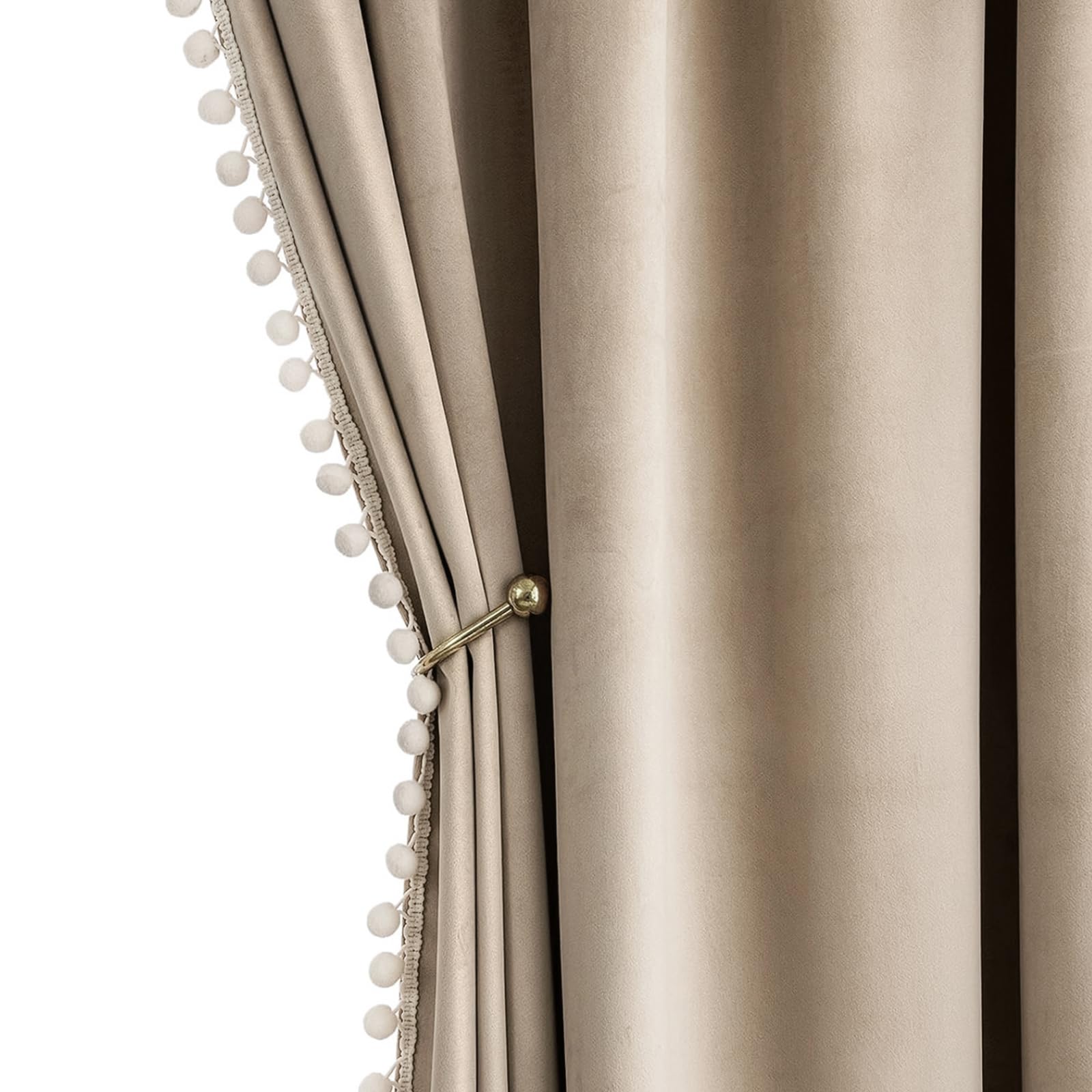
Matching Pom Pom Edge — Rounded trim adds a clear decorative outline while staying within the emerald palette.
Light Responsive Velvet — The pile creates tonal depth across folds and changes appearance with the viewing angle.
Gathered Rod Pocket — A continuous top channel supports a soft gathered heading without visible metal eyelets.
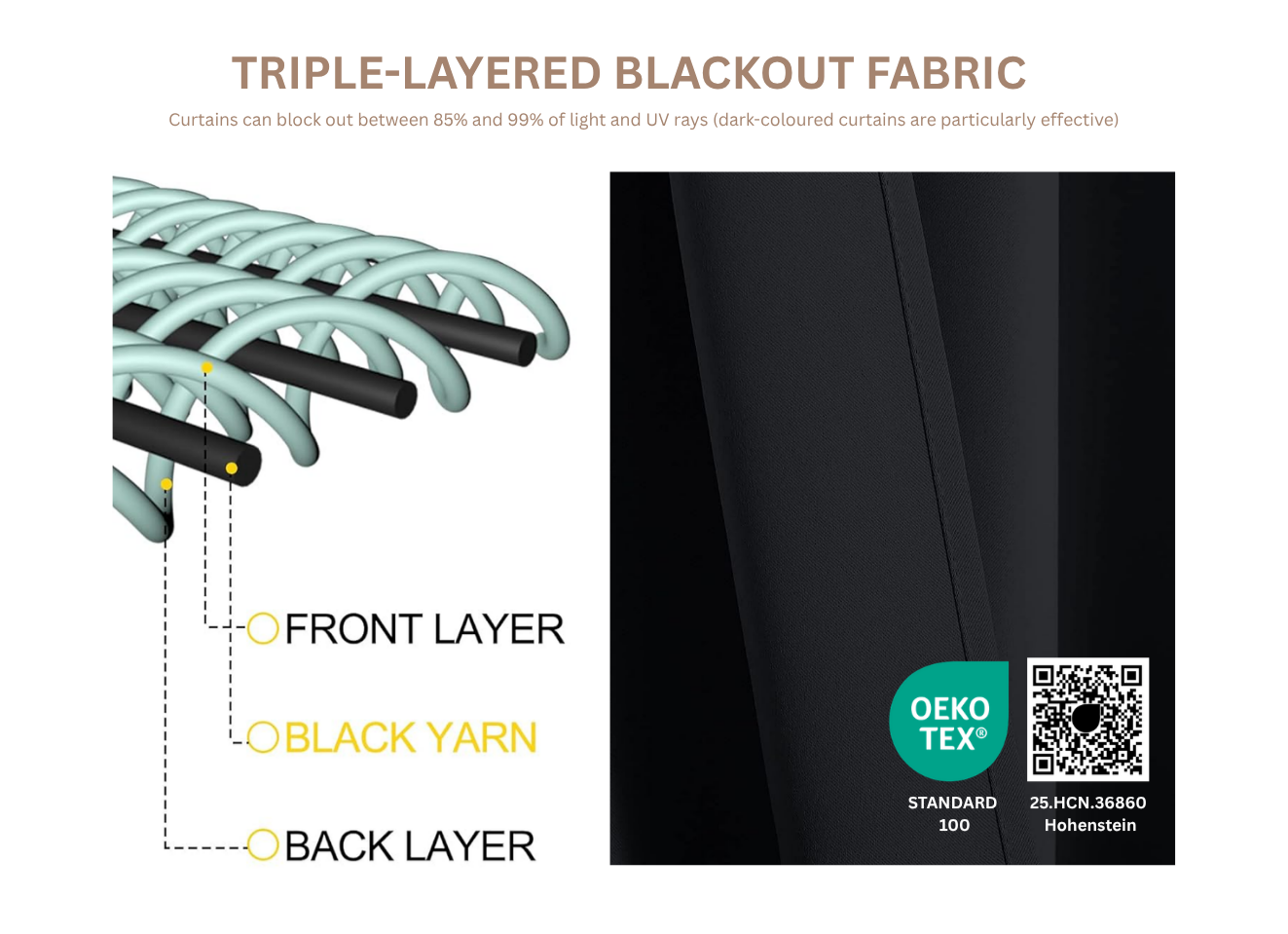
Room Darkening Direction — The substantial velvet design can be evaluated for light reduction against the buyer’s sample standard.
Pair Presentation — A two-panel reference format supports balanced styling on either side of a window.
Coordinated Trim Development — Pom pom size, spacing and shade can be reviewed as part of the finished sample specification.
Collection Building Potential — A distinctive edge detail provides a starting point for coordinated curtains and complementary home textiles.
Q1: How should emerald velvet shade be approved when its appearance changes with direction?
A: Mark the pile direction on the approved sample and inspect production panels in the same orientation under agreed lighting. Review both flat fabric and hanging folds, since reflected highlights can resemble a dye mismatch. Keep a physical shade standard and compare paired panels together before packing.
Q2: What checks should be agreed for pom pom attachment?
A: Specify the trim tape, seam position and secured ends, then evaluate a finished panel for loose balls, exposed threads and uneven spacing. Agree on attachment-strength and wash trials appropriate to the market rather than promising that trim cannot detach. Where accessible to children, review the construction and applicable safety requirements before approving the product.
Q3: Can the reference listing’s blackout and insulation claims be used for a private-label order?
A: Only use claims supported by the selected finished construction and relevant evidence. Define a light-transmission test method and sample conditioning, and assess installed edge gaps separately. Energy savings, acoustic reduction and total blackout require their own substantiation; a thick velvet hand feel is not a substitute for testing.
Q4: How does rod pocket installation affect sizing and everyday operation?
A: Confirm rod diameter, pocket circumference and the chosen length measurement point before sampling. Gathering reduces the usable coverage of a flat panel, so quote both panel width and intended fullness. Trial opening and closing on the actual rod, especially where velvet weight and trim may increase resistance or occupy stack space.
Q5: What should be evaluated when changing the trim size or panel width?
A: A larger pom pom or denser trim can change the edge weight, hanging balance and folded pack volume. Approve a full-length sample to check whether the side seam curls or twists. For wider panels, also confirm fabric-width limits and whether a joining seam would be required before setting the retail specification.
Q6: How can washing and drying instructions be established without damaging the pile or trim?
A: Trial the complete panel, including the trim, under the intended wash and drying routine. Check pile recovery, color transfer, panel dimensions and pom pom shape after conditioning. Set the care label from those results; review low-temperature steaming on a hidden area and avoid assuming that the reference seller’s laundry directions suit another fabric.
Q7: Which inspection points prevent mismatched curtain pairs?
A: Check finished lengths together, confirm both panels use the same pile orientation, and compare trim shade and edge placement. Inspect hems for puckering and ensure the planned trim arrangement is consistent on the left and right panels. Record dimensional tolerances and an agreed inspection plan in the purchase specification.
Q8: How should retail packaging protect velvet and communicate the product accurately?
A: Trial folds and compression to assess persistent pile marks and flattened pom poms after storage. Keep hard accessories away from the velvet face and confirm whether tiebacks or rods are excluded. Packaging should state flat panel dimensions, panel count, fiber composition and validated care instructions; approve unpacking guidance before final photography and carton planning.
 EN