| Product Name |
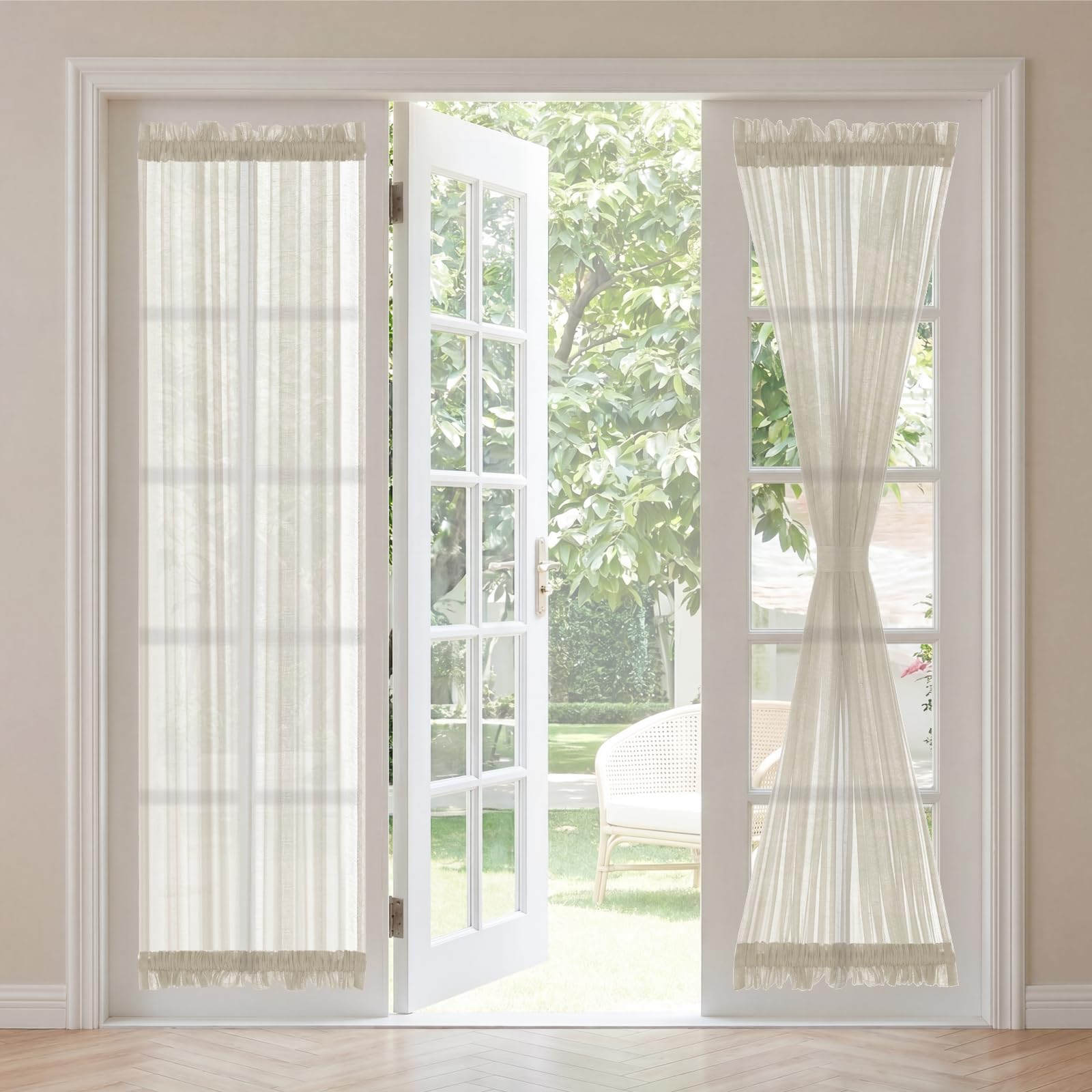
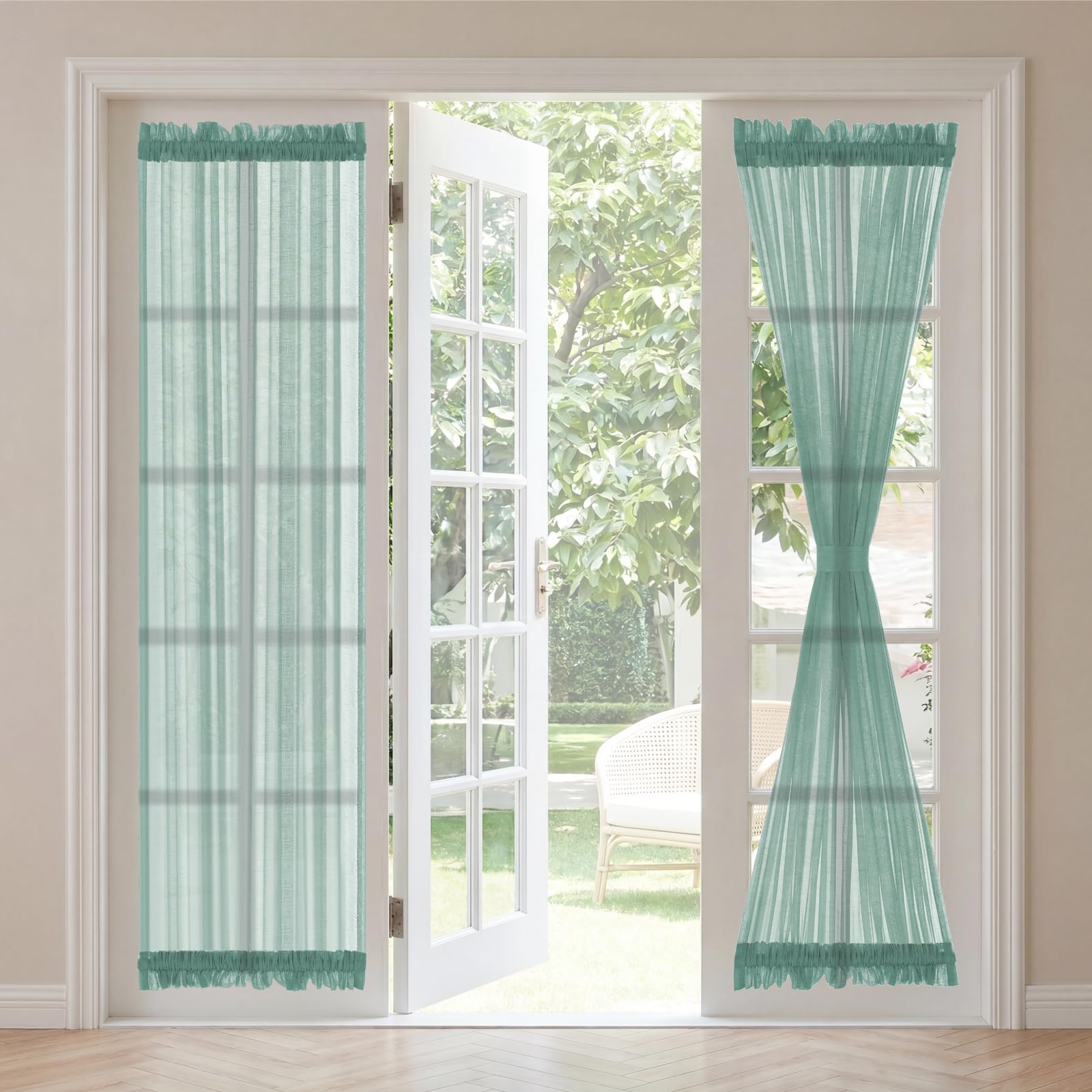
Taupe Open Weave Linen Blend Semi Sheer French Door Curtain |
| Color |
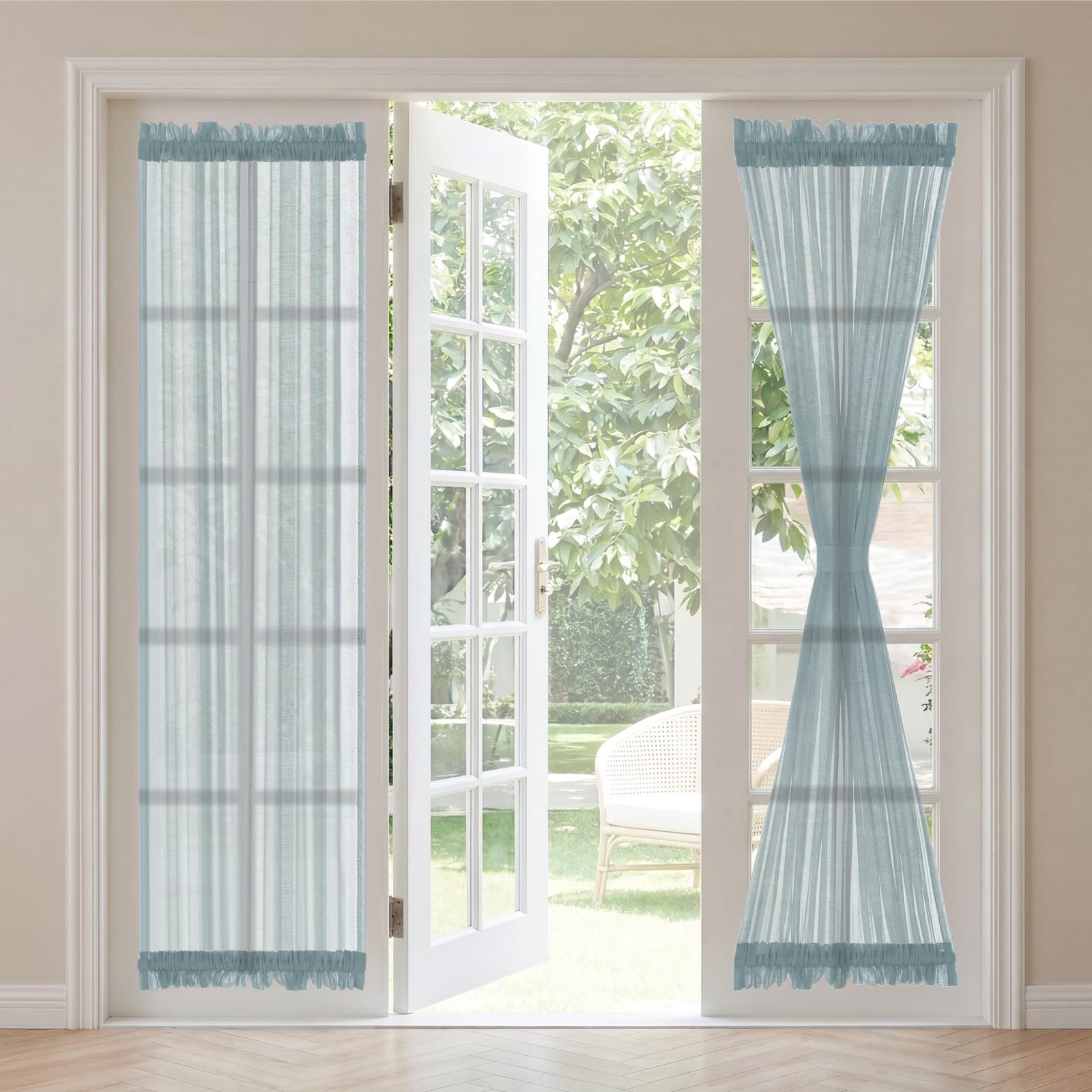
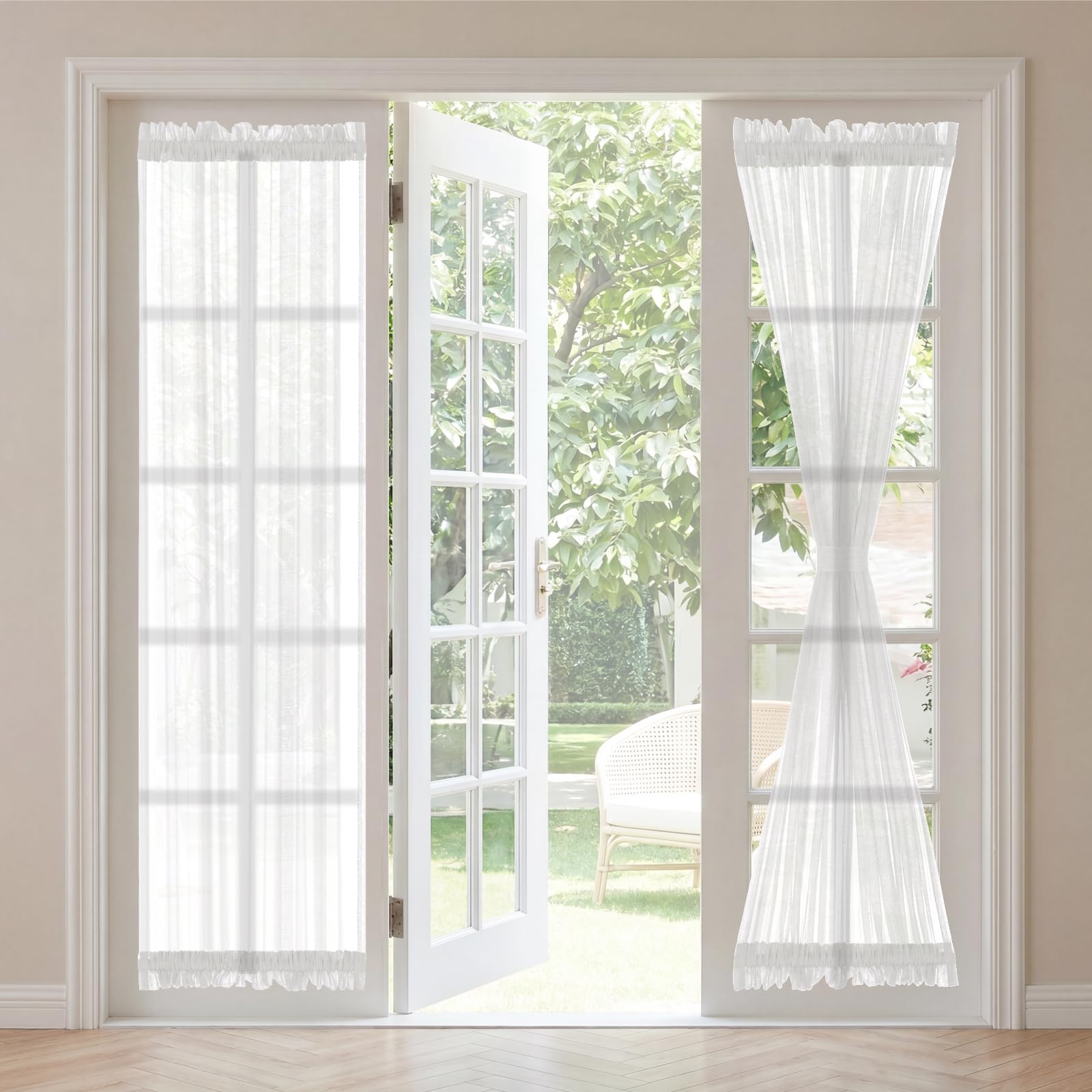
Taupe; other colors can be discussed |
| Material |
Linen-blend fabric; final fiber percentages subject to confirmation |
| Style |
Semi-sheer glass-door panel with matching adjustable tieback |
| Size |
Custom sizes available |
| Package |
One panel with matching tieback; rods and final contents subject to order |
| Certification | OEKO-TEX Standard 100 |
| MOQ | 200 |
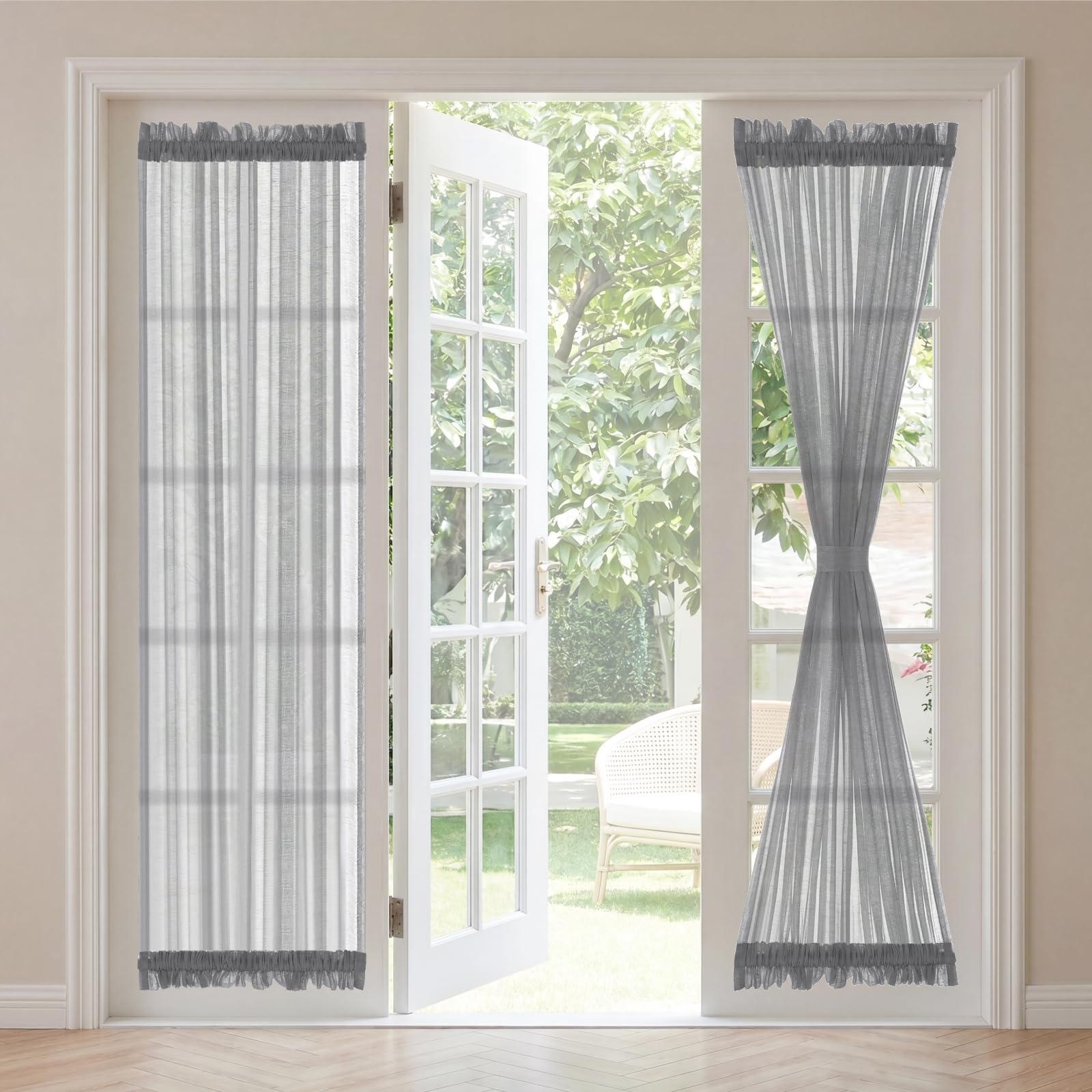
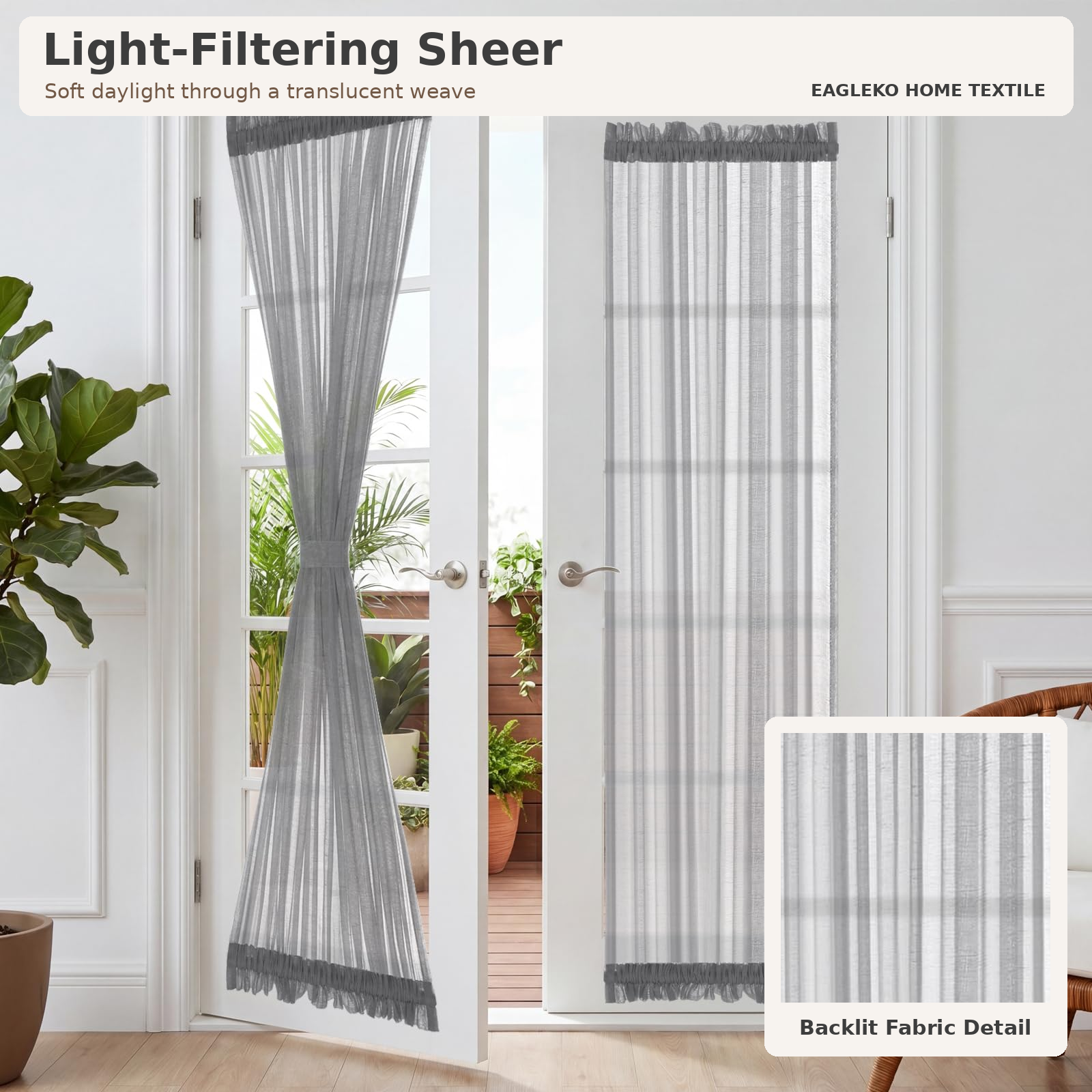
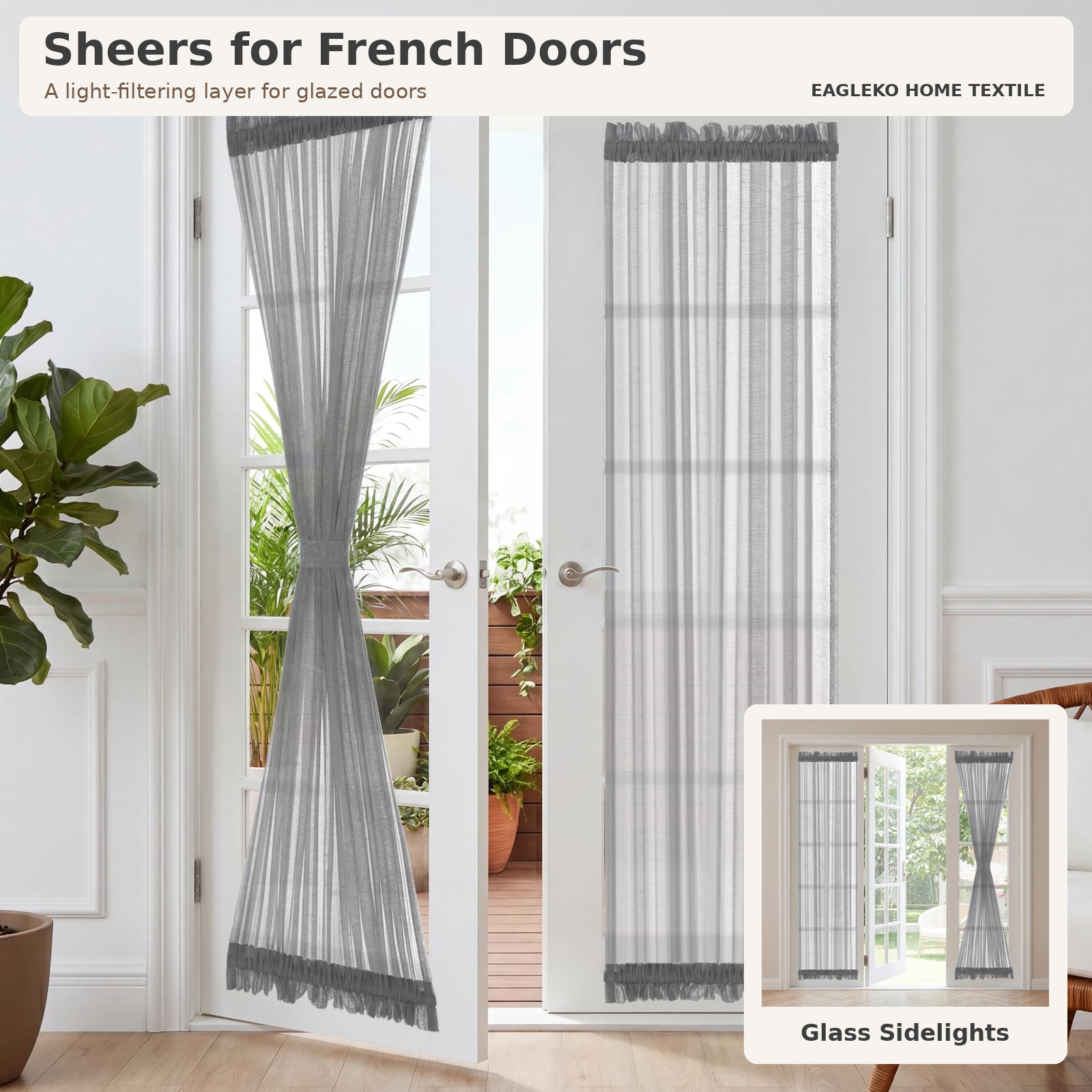
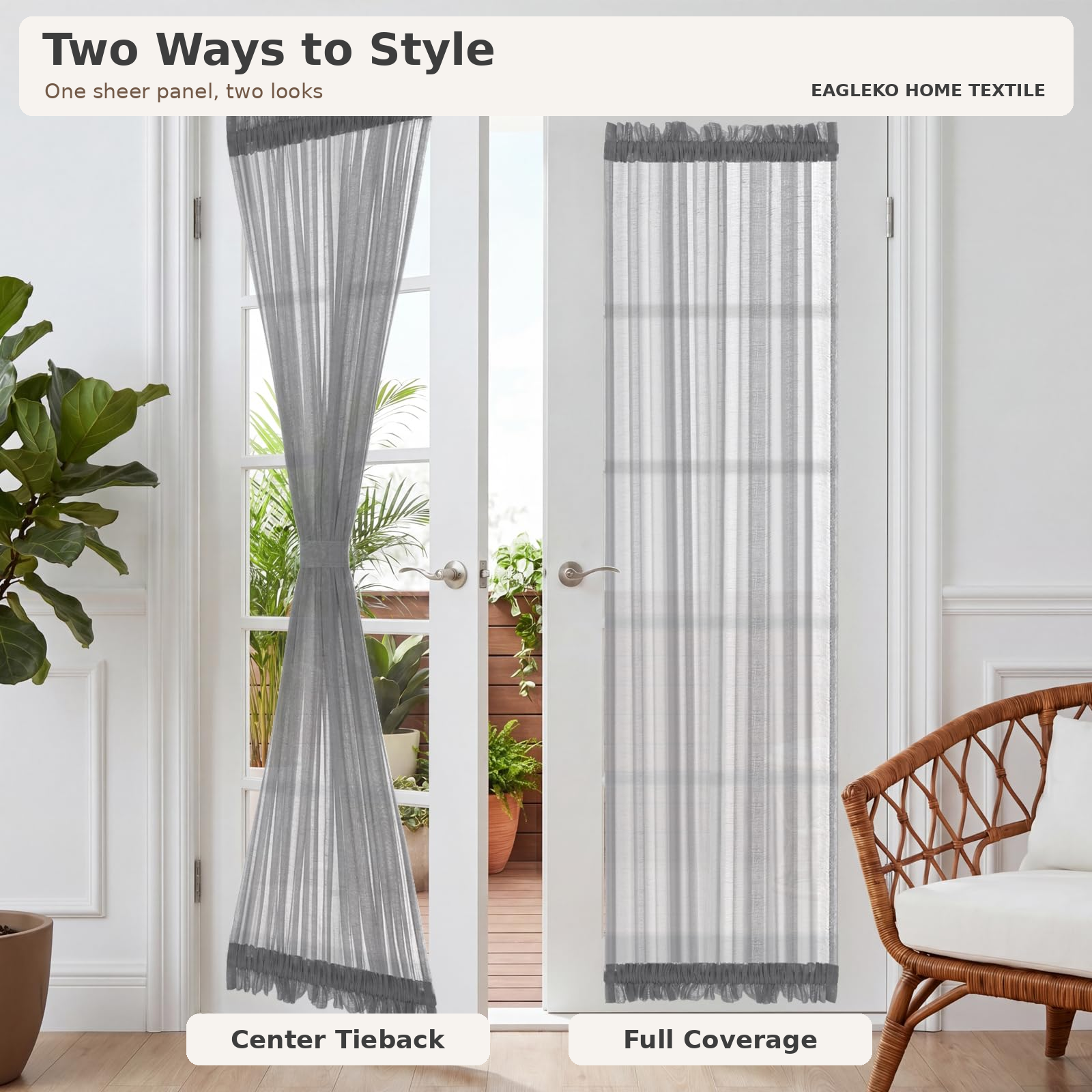
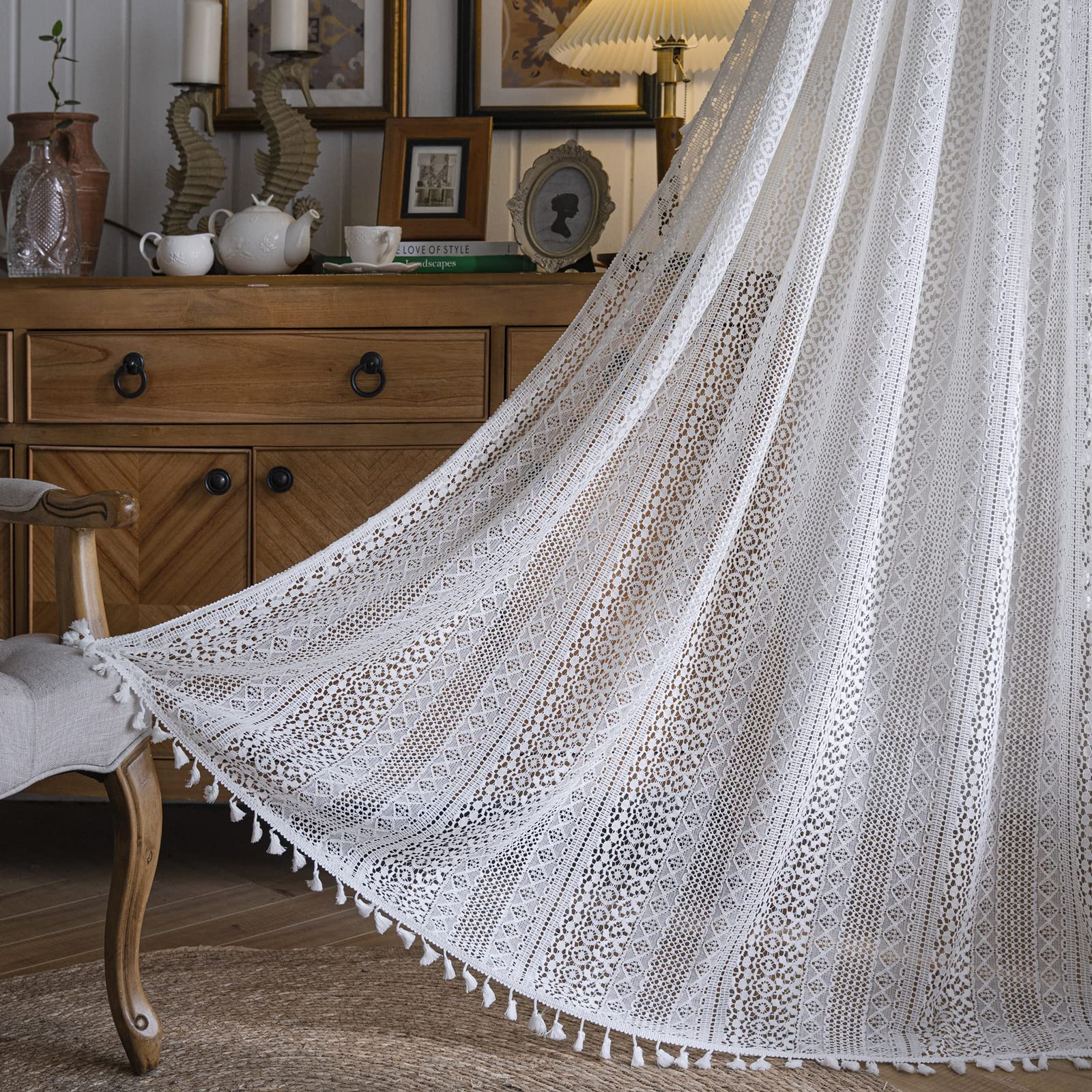
Open-weave texture gives this taupe door curtain a relaxed appearance while allowing daylight to pass through the fabric. The linen-blend panel is held at its upper and lower edges by compatible sash rods, producing soft gathers across the glazing. A matching adjustable tieback draws the middle inward to open the view. Designed as a semi-sheer treatment, it suits rooms where gentle light diffusion and textile decoration are the priority. The degree of screening depends on the fabric openness, fullness and lighting on either side of the door.
A coordinated door-and-window textile range can begin with a shared fabric standard at Shaoxing Yingkuo Textile Co., Ltd. (EAGLEKO HOME TEXTILE). Buyers can discuss custom dimensions, additional colors and tieback details, then assess a finished installation sample before ordering. Our one-stop sourcing advantage brings these door panels together with conventional sheers, decorative curtains and other home textiles for consolidated purchasing. Composition labels, fabric appearance criteria and private-label packaging can be established during sampling and carried into the bulk specification. 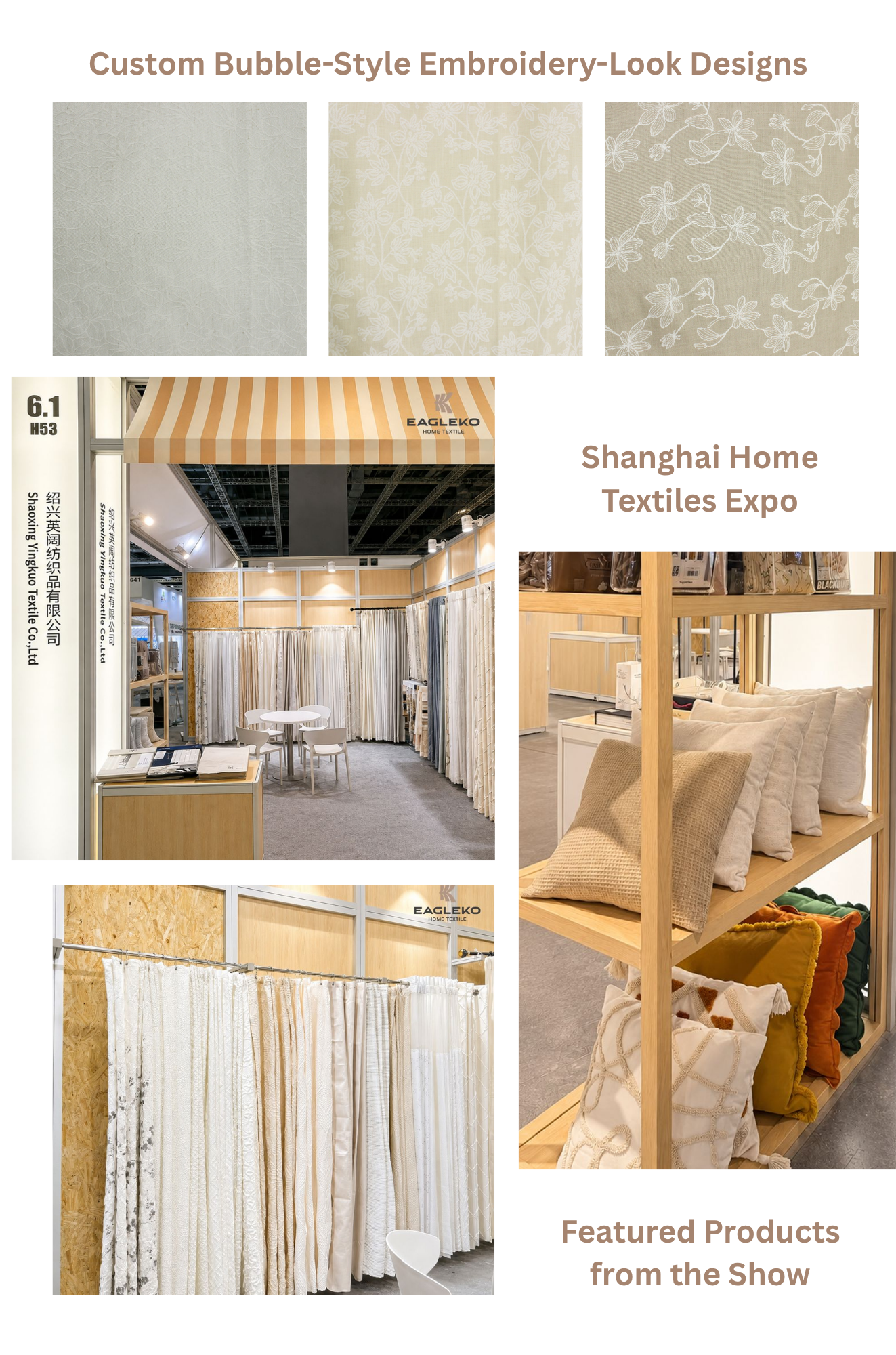
Daylit Living Rooms — Add a soft textile layer to glazed doors while retaining a bright interior feel.
Dining Room French Doors — Coordinate taupe texture with natural wood and neutral furnishing schemes.
Interior Glass Partitions — Use decorative screening where a filtered view is acceptable.
Door and Window Collections — Develop matching sheer curtains and fitted door panels from an approved fabric selection.
Home Decor Retail — Show the open weave in backlight and demonstrate the gathered center.
E-commerce Curtain Sales — Present realistic transparency and explain how lighting changes visibility.
Wholesale Soft Furnishings — Offer custom door-panel formats alongside coordinated interior textile assortments.
Daylight Diffusion — The semi-sheer construction softens the appearance of light passing through the glass.
Visible Woven Texture — An open textile structure adds interest without a printed motif.
Warm Taupe Shade — The neutral color supports coordinated natural-style interiors.
Retained Upper and Lower Edges — Rod pockets hold the panel in a fitted arrangement on suitable door hardware.
Adjustable Center View — The tieback lets users gather the middle and expose more of the glazing.
Custom Proportion Development — Finished dimensions and fullness can be planned for different door openings.
Collection Matching — Fabric, shade and tieback details can be coordinated with other window treatments.
Q1: How should buyers assess privacy for a semi-sheer door curtain?
A: View a full-size panel from both sides with daylight outside and again with the room lit after dark. Agree on the acceptable visibility of people and objects at normal viewing distances. Where full nighttime privacy is required, develop a separate opaque treatment; increasing decorative gathers alone should not be treated as proof of complete screening.
Q2: How can weave openness be controlled from sampling to bulk production?
A: Keep a fabric standard that shows the intended yarn character and spacing. Inspect production material against a contrasting background and in transmitted light, checking unexpected gaps, uneven density and weaving faults. Agree on acceptable texture variation separately from defects so inspection teams do not reject intentional fabric character or overlook damaged areas.
Q3: Which construction checks are useful for a loosely woven pocket?
A: Evaluate seam security and yarn movement around the rod channel with the intended hardware inserted. Trial reinforcement or a revised seam construction if the fabric opens under normal handling. Approve the pocket edge appearance as well as its fit, since excessive reinforcement can become visually prominent through a semi-sheer fabric.
Q4: What must be confirmed before describing the product as a linen blend?
A: Establish the final fiber composition and percentages for the selected material. Use testing where required by the buyer or destination market, and align the sewn label with the approved specification. Texture alone does not establish flax content, and recycled-content or chemical-safety claims require their own applicable supporting documentation.
Q5: How do fullness and rod spacing affect the finished appearance?
A: Review the actual fabric on the intended rod span, including the upper and lower mounting distance. Check the released panel for even gathers and the tied position for a balanced center opening. Record the finished width, length and measurement convention in the drawing so later size variations preserve the approved proportions.
Q6: What should a buyer examine after laundering a linen-blend sample?
A: Check dimensional change, skew, yarn displacement and the appearance of pocket seams. Refit the panel on the original rods to assess its length and gather distribution. Examine the tieback separately for distortion. Set the care instructions and any production allowance from the final fabric trial rather than transferring a generic laundry label.
Q7: How can matching door and window panels remain visually consistent?
A: Compare the finished pieces together under the same lighting, accounting for their different fullness and backing conditions. Coordinate fabric lots and texture direction where practical, and keep a shared shade standard. Inspect adjacent door panels as a set because a difference that is subtle in a small swatch can become obvious across a glazed opening.
Q8: What information reduces returns in a semi-sheer retail program?
A: State the transparency category clearly and include images or diagrams that show the fabric in realistic lighting. Explain the upper and lower rod arrangement, finished-size convention, tieback contents and whether rods are supplied. Separate semi-sheer SKUs from opaque products in labels and listings, and verify pack contents against the approved order specification.
 EN