| Product Name |
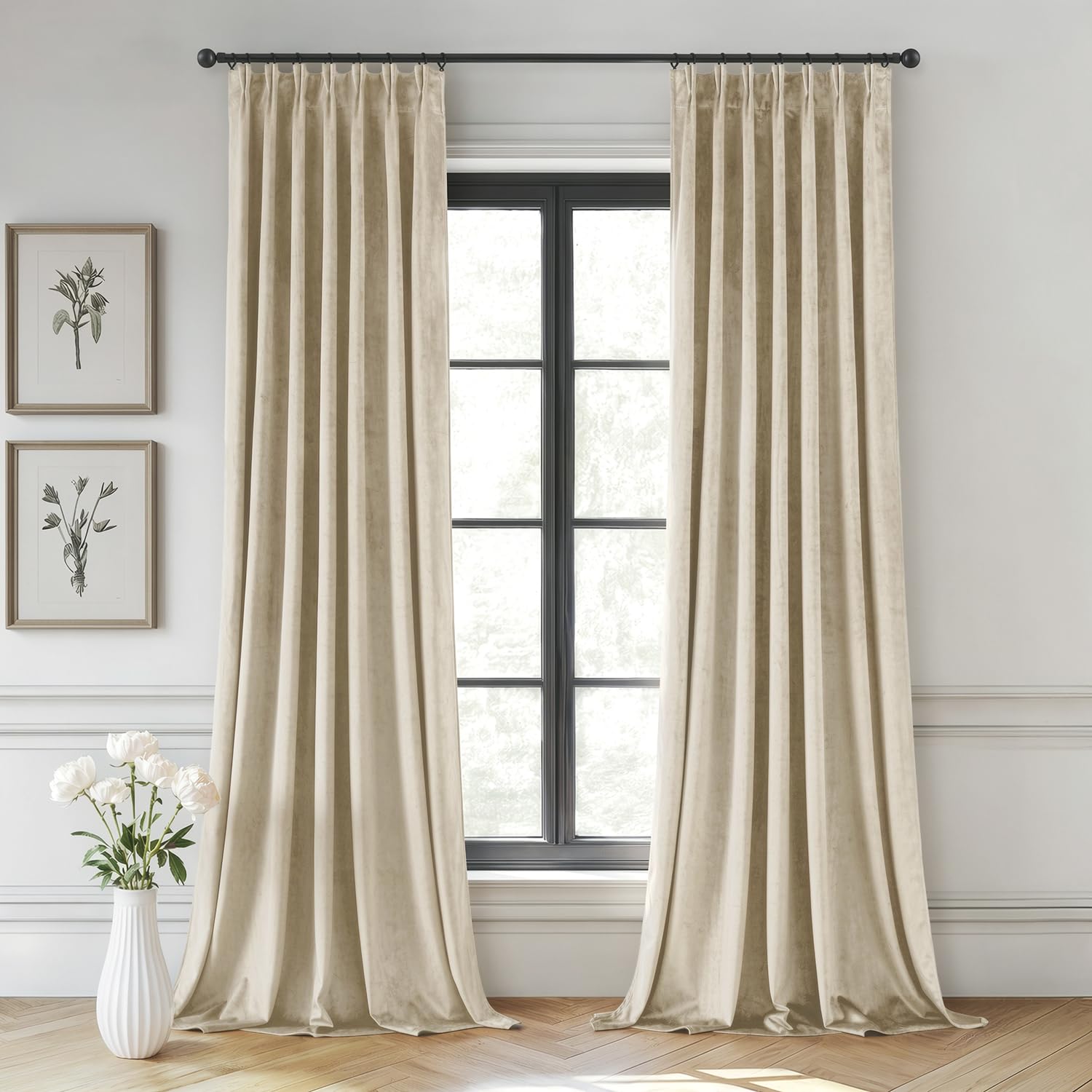
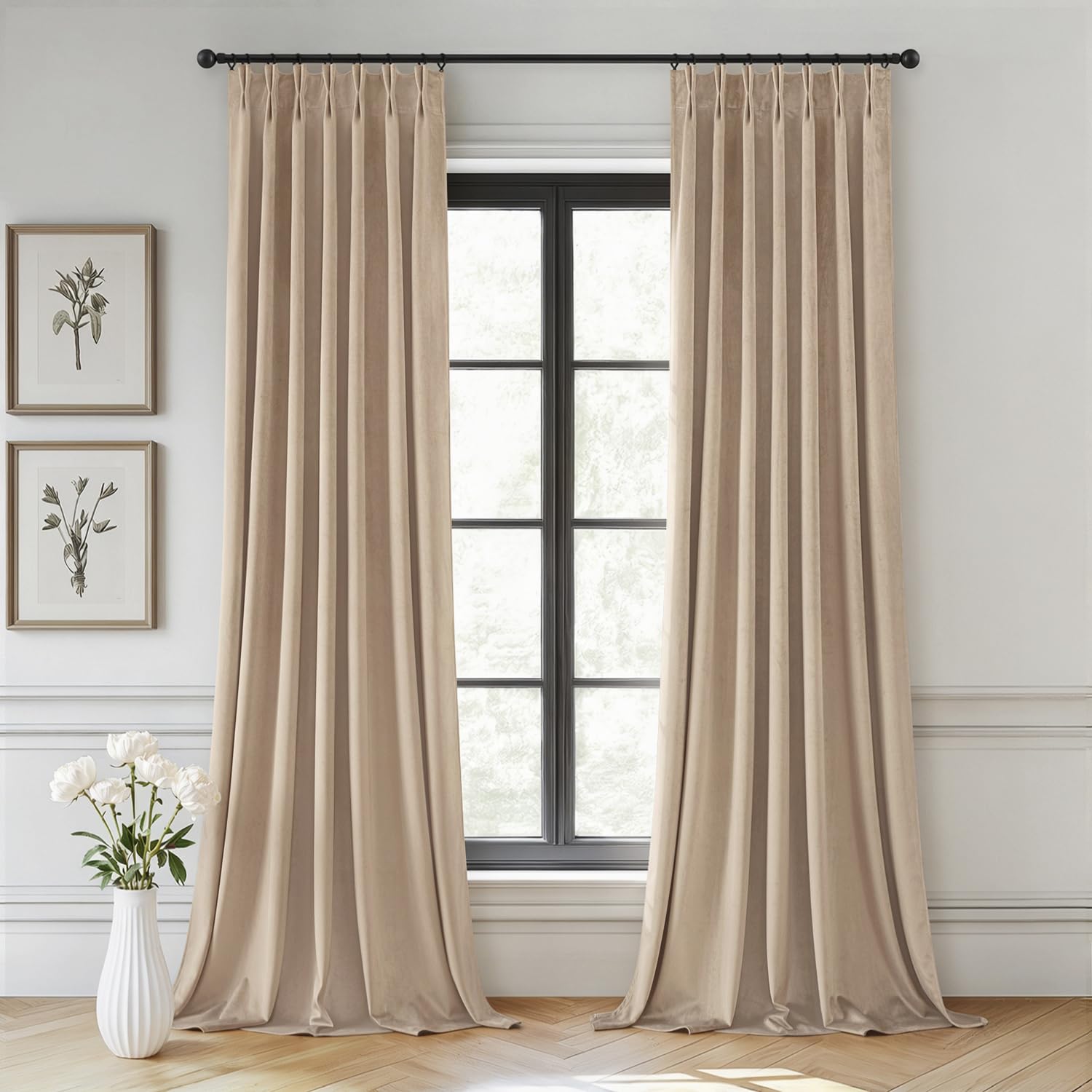
Beige Velvet Pinch Pleat Window Curtains |
| Color |
Beige; approve bulk shade against a physical sample |
| Material |
Velvet fabric; final fiber composition subject to confirmation |
| Style |
Tailored Drapery / Neutral Interior Décor |
| Size |
Reference panel 40 inches wide by 96 inches long; confirm finished heading width before ordering |
| Package | 1 Shower Curtain with Snap-in Liner / Custom Packaging Available |
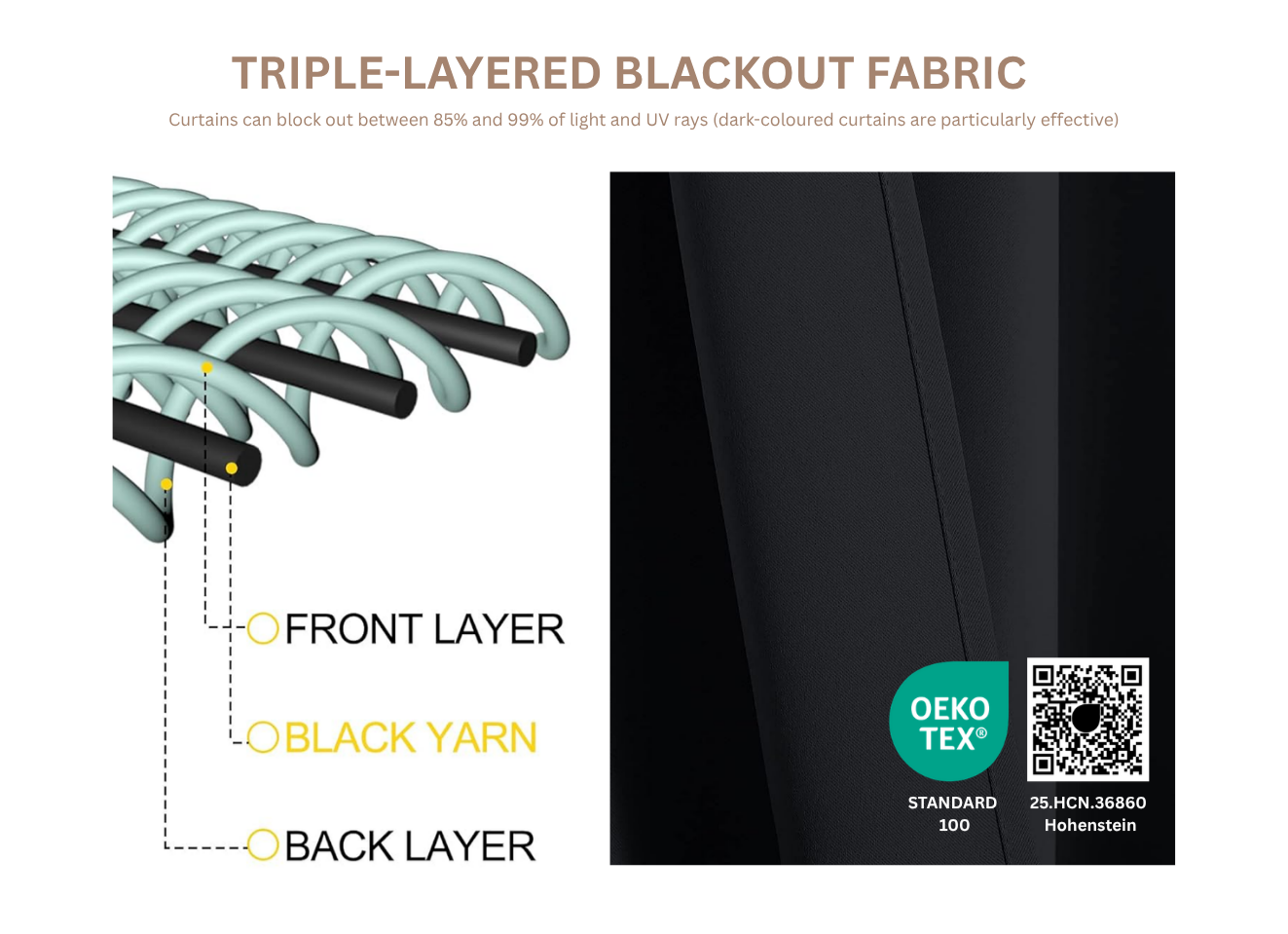
| Certification | OEKO-TEX Standard 100 Available |
| MOQ | 200 |
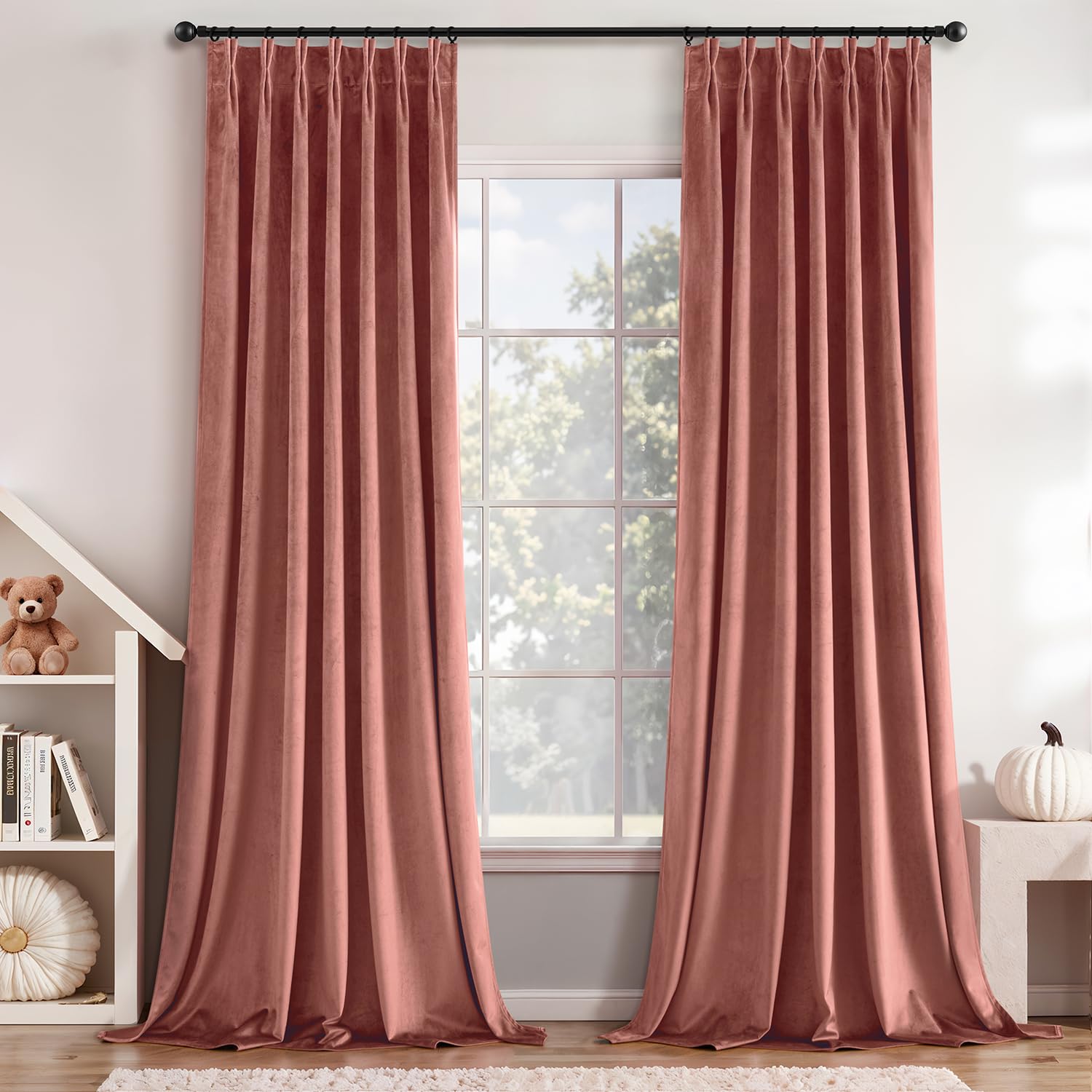
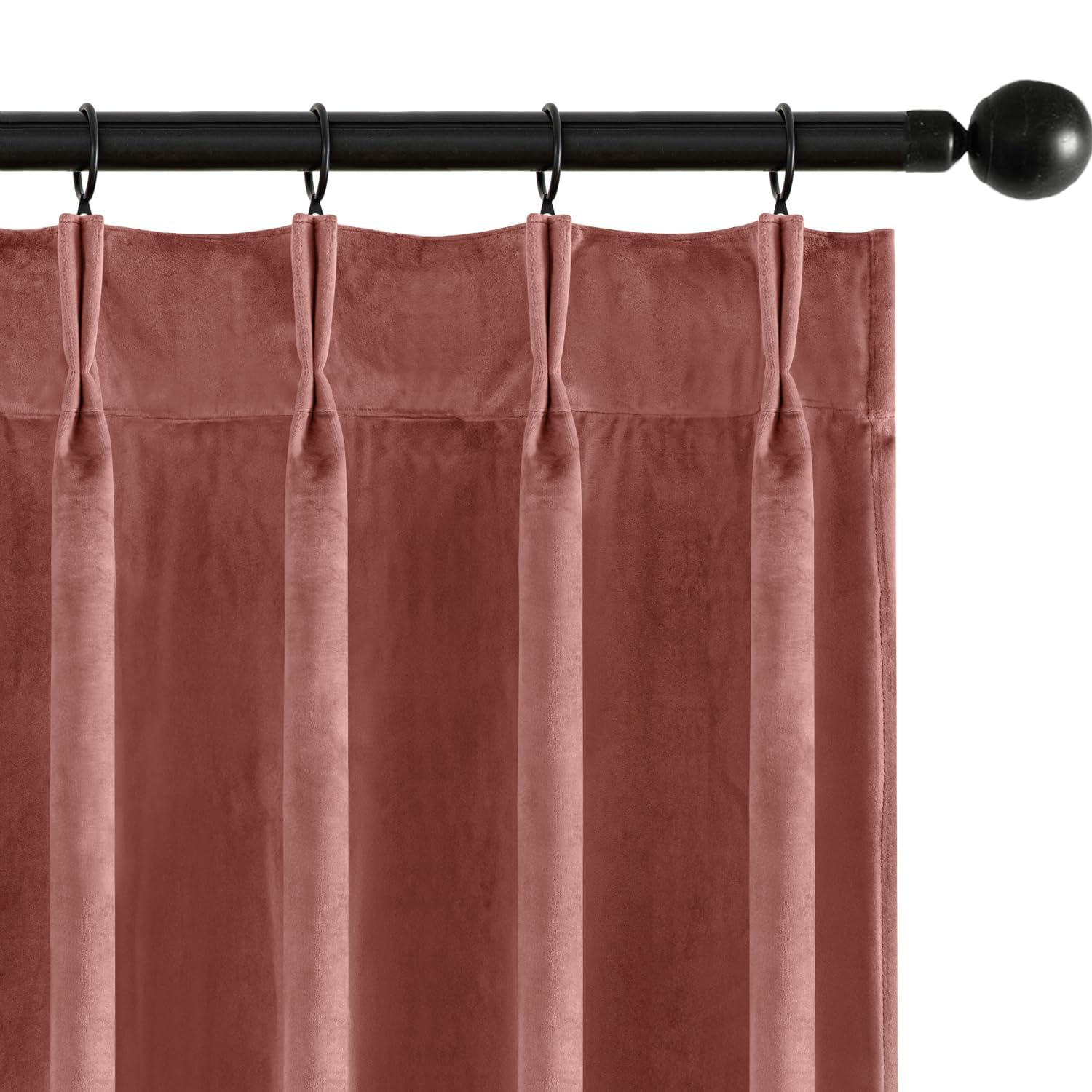
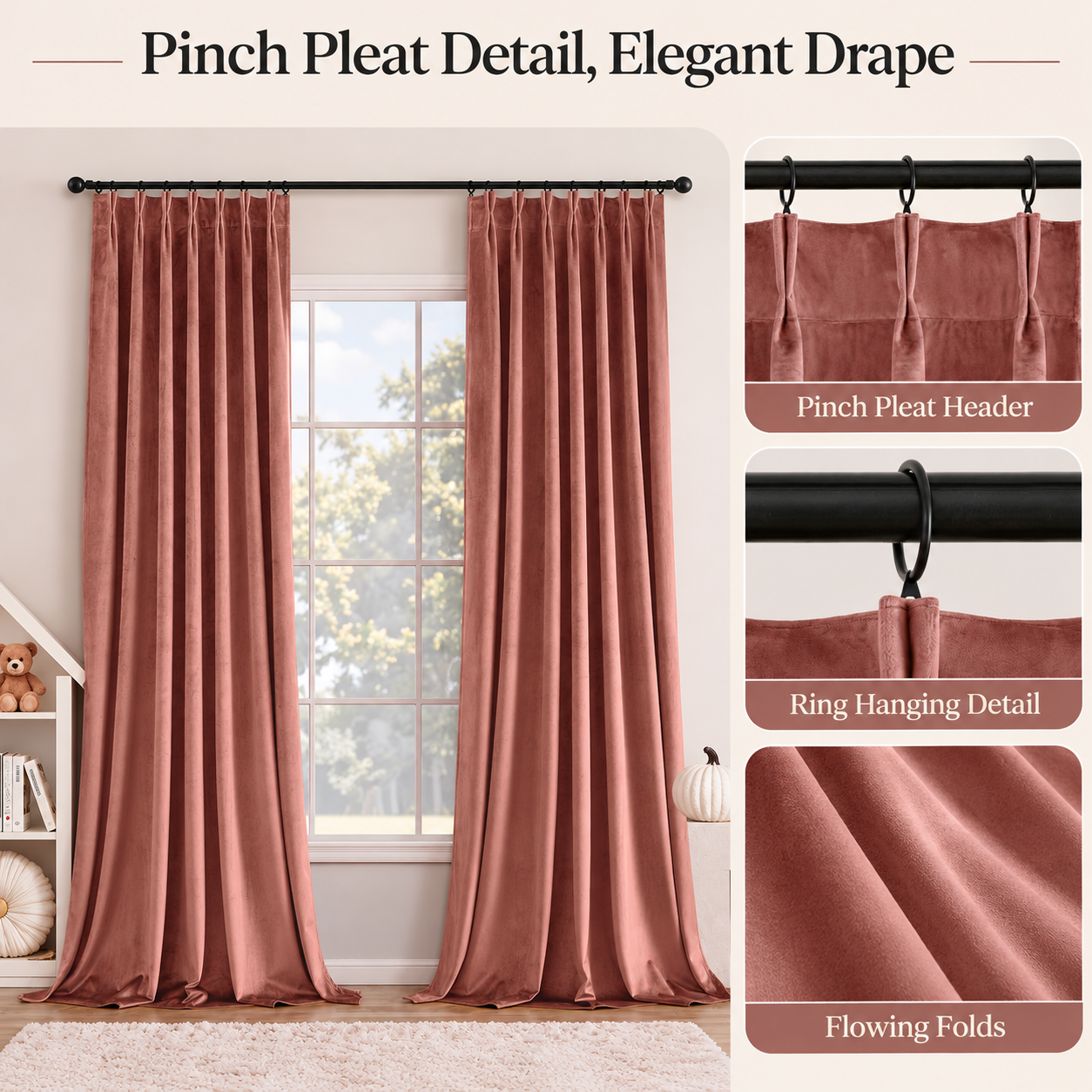
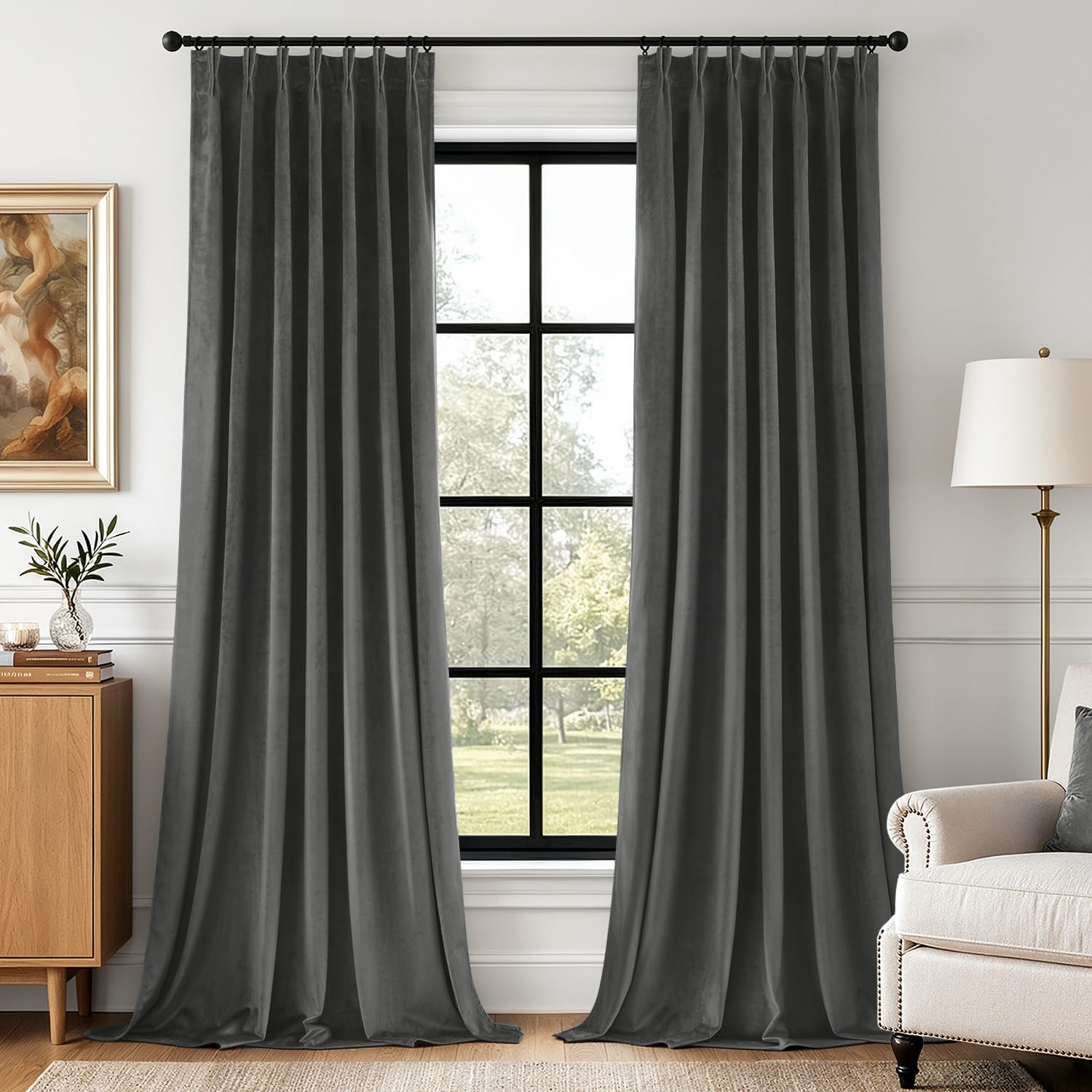
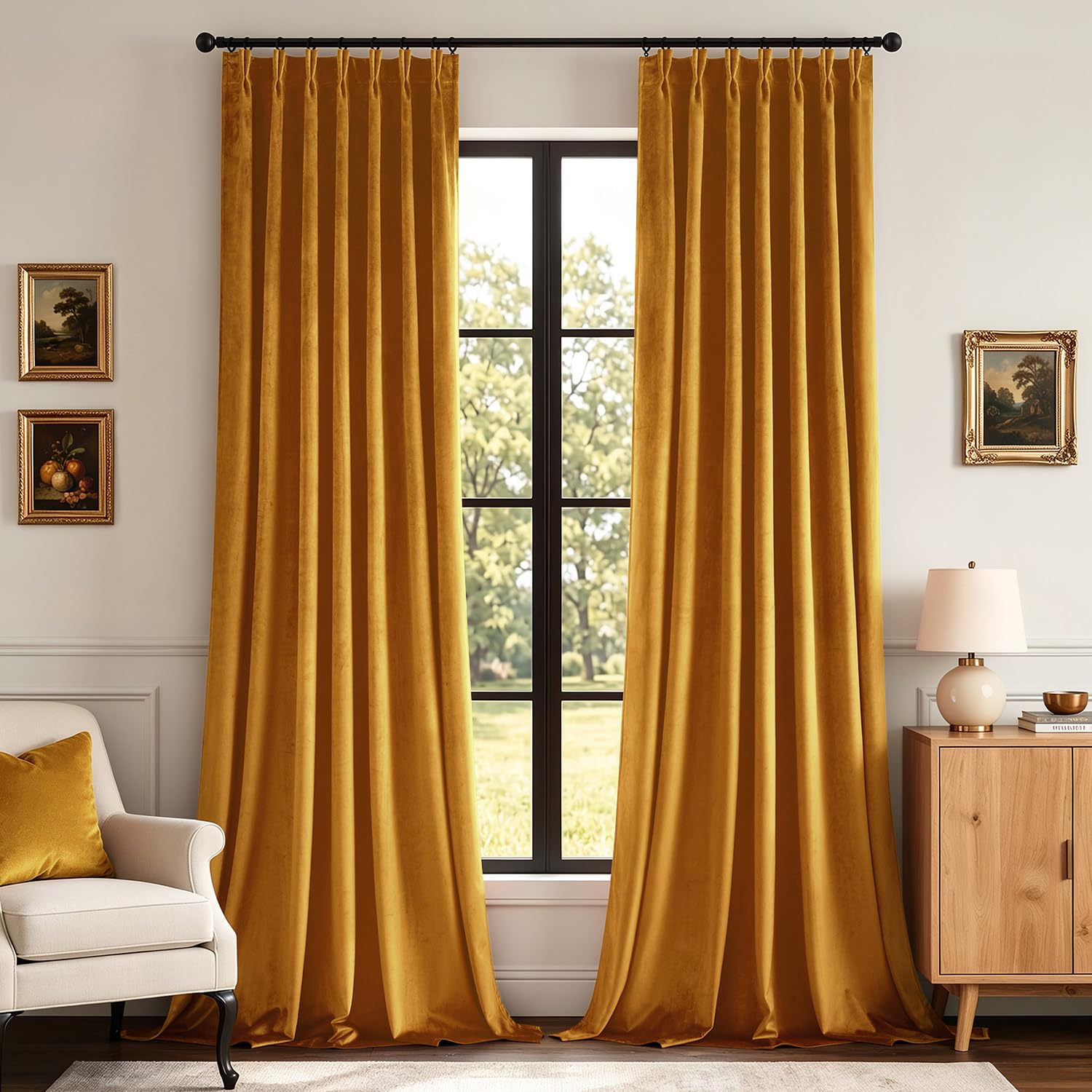
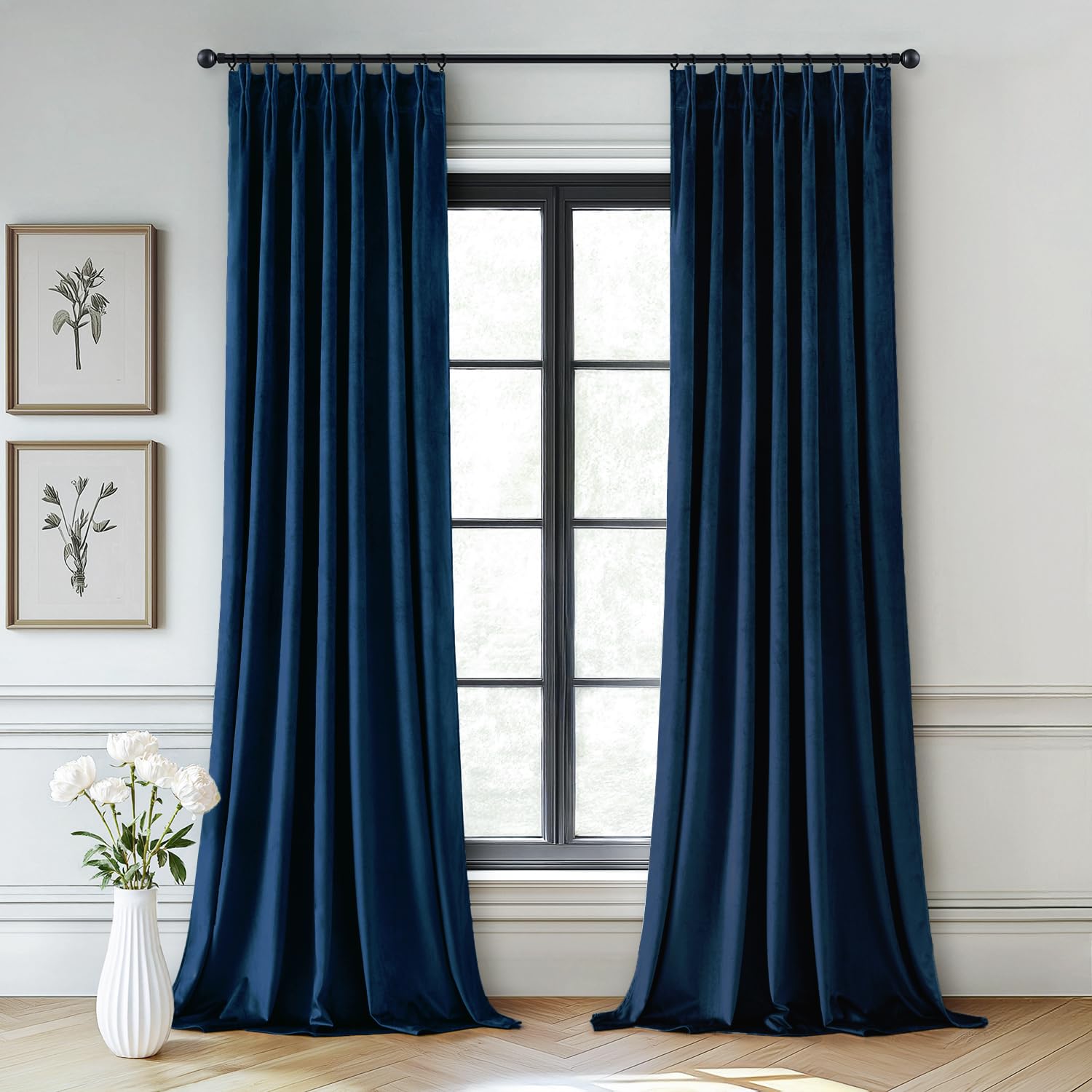
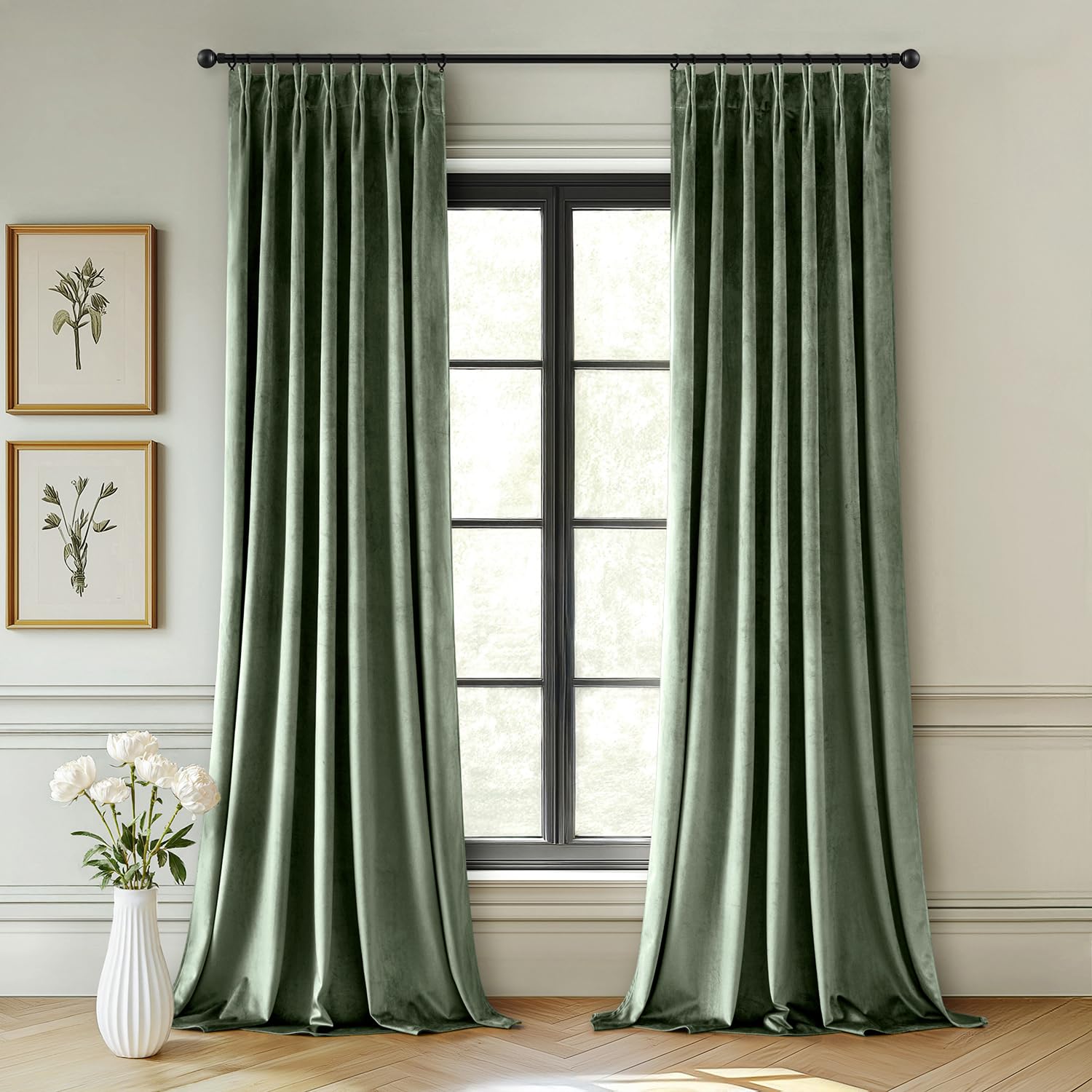
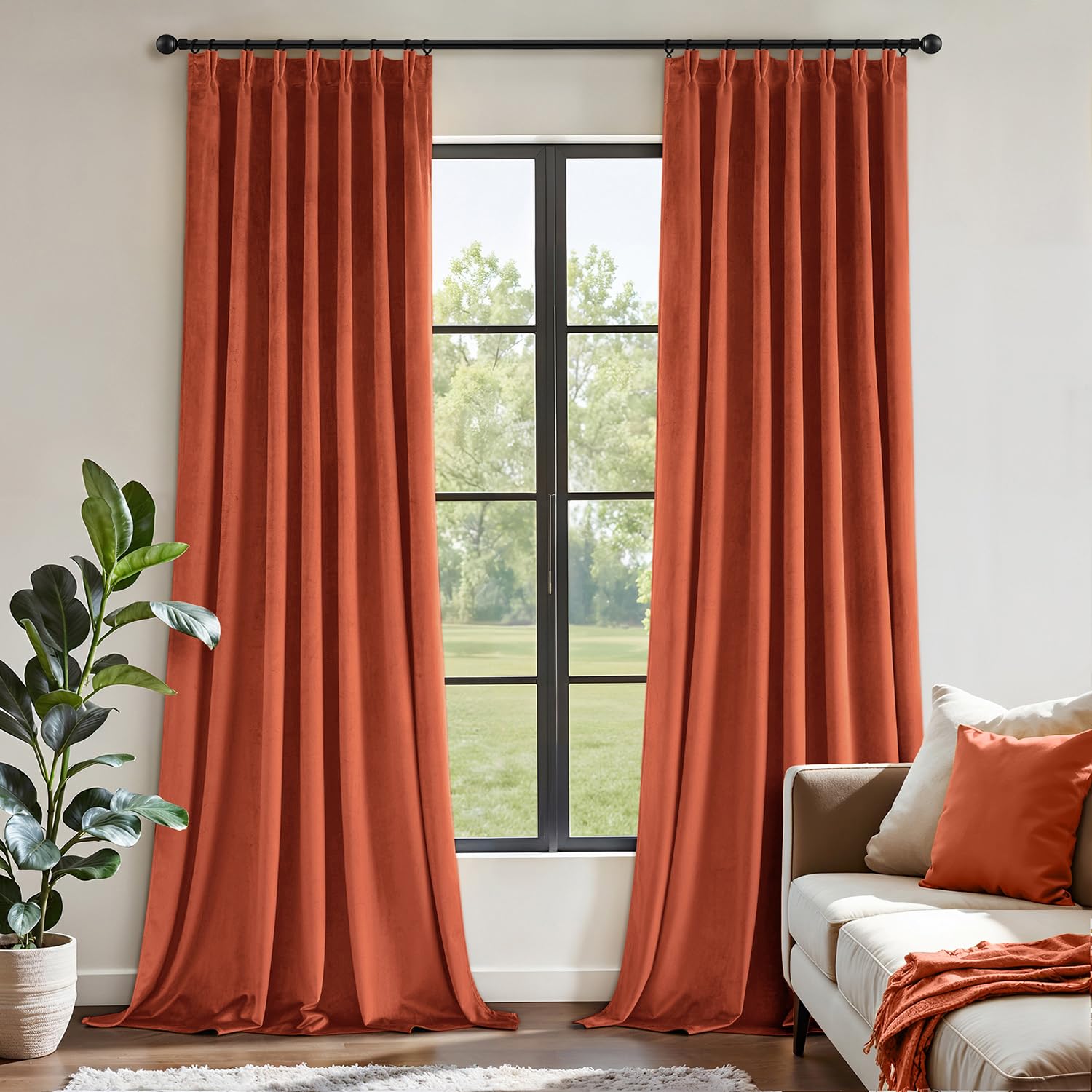
A warm beige velvet face and sewn pinch pleats give these panels an ordered, tailored fall. The fixed heading shapes the fabric into defined vertical folds, while the pile catches daylight with a soft tonal sheen. This combination works well in neutral interiors where buyers want surface depth without a printed pattern. The reference is a long two-panel design shown suspended from rings with hooks. For production, the finished pleated width, hook position and fabric orientation should be approved together so the installed proportions match the intended window.
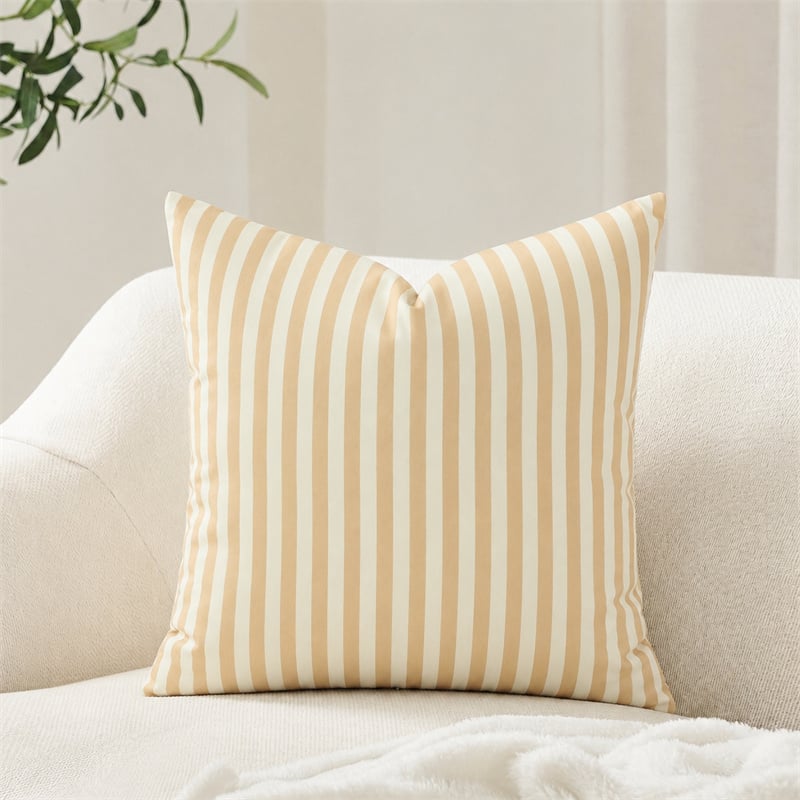
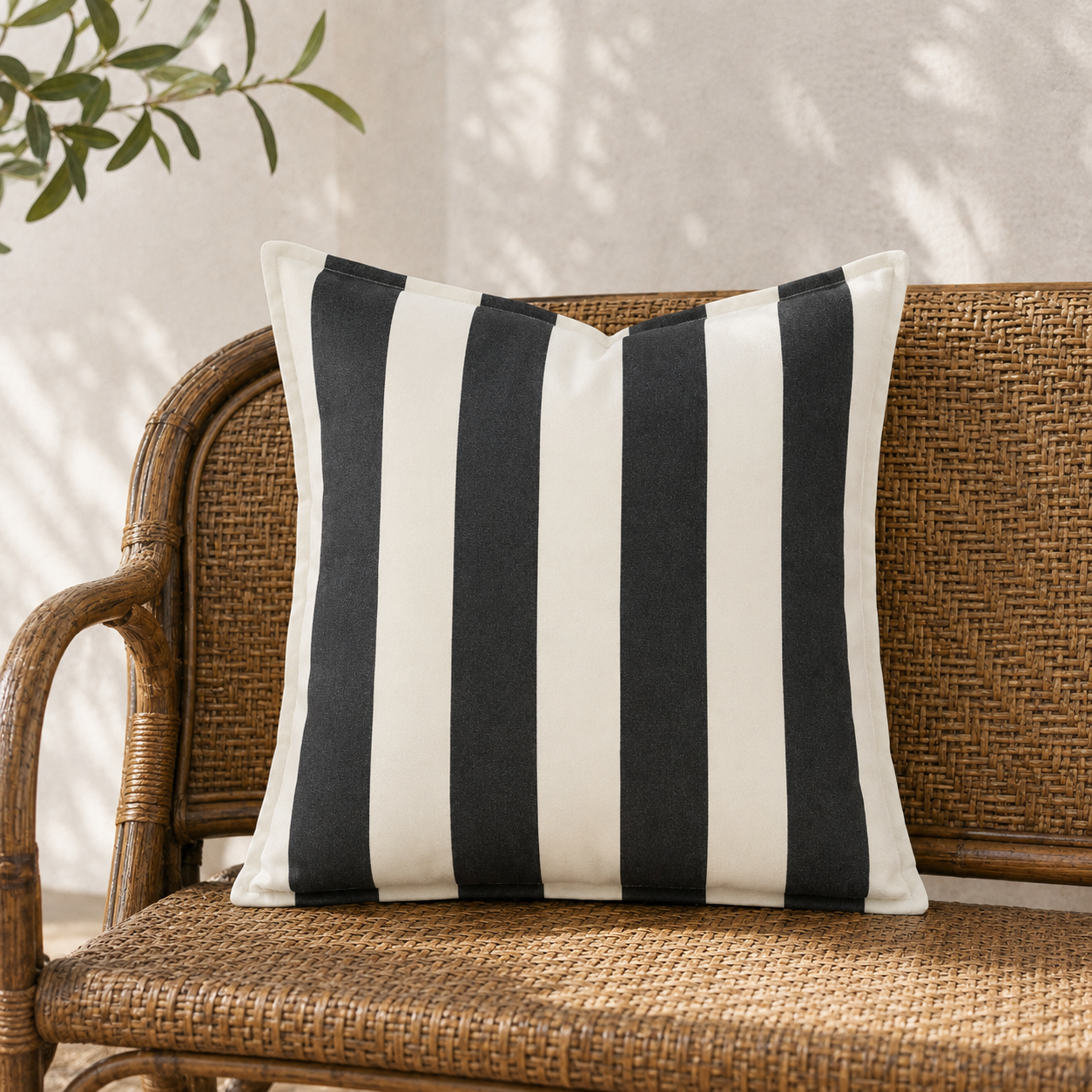
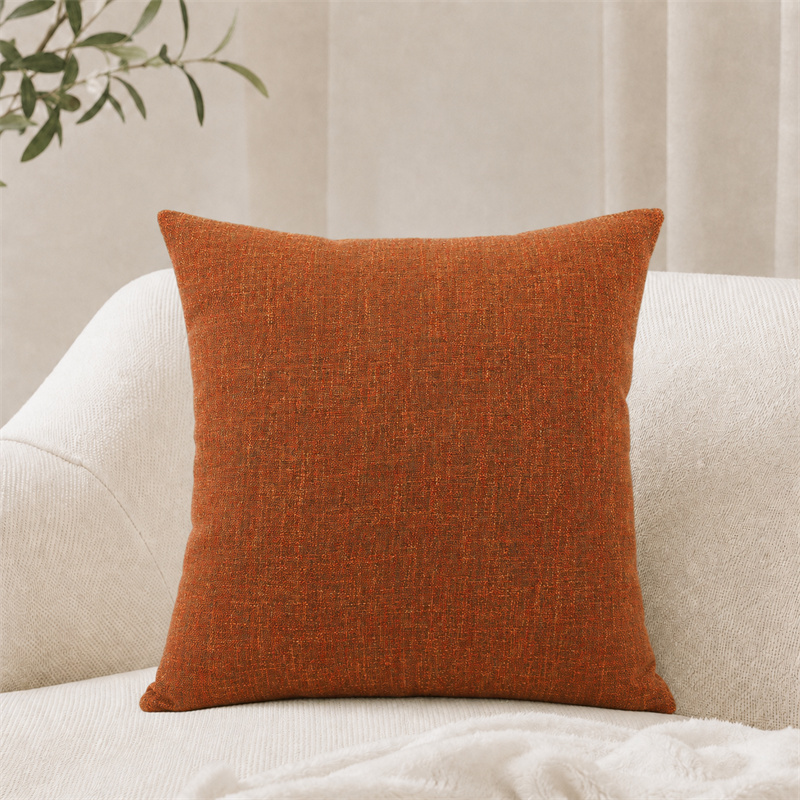
For coordinated drapery programs, Shaoxing Yingkuo Textile Co., Ltd. (EAGLEKO HOME TEXTILE) can review beige shade standards, pleat construction and accessory requirements through finished sampling. One-stop sourcing allows buyers to combine these curtains with complementary sheers, cushion covers and other home textiles in a planned assortment. Private-label presentation, panel dimensions and packing details can be specified for each channel, with customization feasibility, minimum quantities and lead times established in the quotation rather than assumed from the reference listing.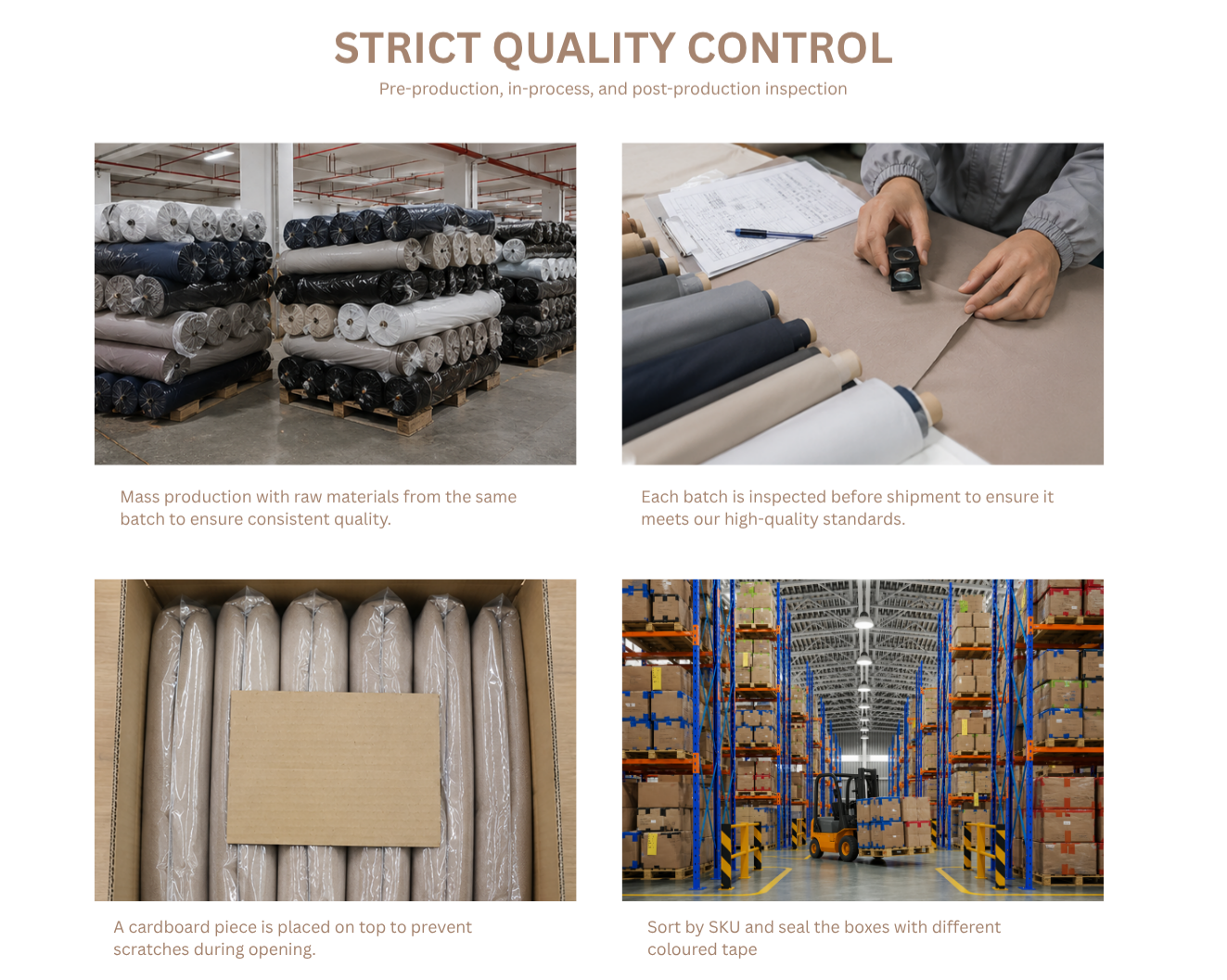
Neutral Living Rooms — Use the beige pile and regular pleats to frame windows alongside wood furniture and restrained wall colors.
Bedroom Drapery Programs — Evaluate the selected velvet for privacy and light reduction while coordinating the heading with existing hardware.
Home Textile Retail — Display a hanging sample so customers can see the difference between flat fabric width and a fixed pleated heading.
E-commerce Sales — Photograph the pleat construction, fabric sheen and supplied hooks, with a clear measurement guide.
Wholesale Curtain Ranges — Build a neutral velvet assortment around approved finished widths and consistent pleat spacing.
Residential Design Projects — Plan ceiling height, floor clearance and stack-back space before choosing the panel drop.
Coordinated Window Sets — Pair velvet panels with separately specified sheers on suitable double hardware for flexible daylight styling.
Sewn Pleat Structure — The fixed heading establishes a regular fold pattern before installation.
Quiet Beige Palette — The neutral shade supports tonal interiors without adding a decorative print.
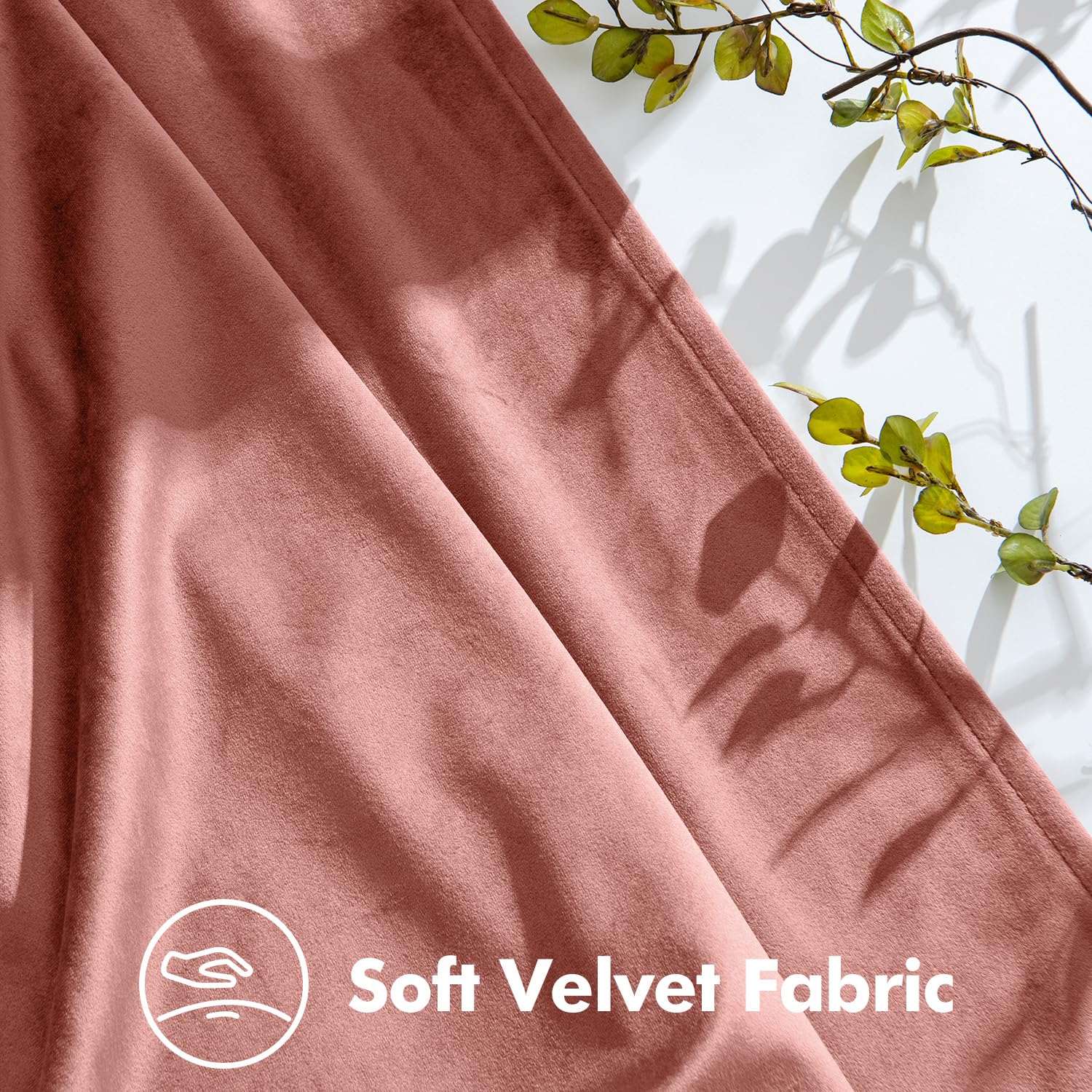
Velvet Surface Depth — Directional pile introduces changing highlights across the hanging folds.
Hook Based Suspension — The heading can be developed around an agreed hook and ring or track arrangement.
Long Panel Reference — The 96-inch reference drop provides a starting point for taller-window assortment planning.
Sample Defined Coverage — Finished heading dimensions can be specified so the ordered pair suits the intended opening.
Retail Specification Support — Panel count, accessory contents and measurement instructions can be coordinated for a clear private-label offer.
Q1: Does the stated width refer to the flat fabric or the finished pleated heading?
A: This must be resolved before a quotation is approved. A sewn pleat consumes fabric, so flat width and usable heading width are different measurements. Specify finished width from edge to edge at the heading, then account for center overlap and side returns. Do not apply an additional generic fullness factor to a width that already represents a finished pleated panel.
Q2: What must be confirmed when choosing hooks for rings or a curtain track?
A: Provide the ring eyelet or track carrier dimensions and the required hook position. Trial a finished heading with the intended hardware to check seating, fabric clearance and smooth travel. Agree on hook quantity and whether rings are supplied separately; a photograph of a ring installation does not establish compatibility with every track system.
Q3: How should pleat count and spacing be controlled across different panel widths?
A: Set a construction drawing for each finished width, recording pleat type, depth, spacing and end allowances. Changing width may require a different pleat count rather than simply stretching the spaces. Approve the heading both closed and stacked, then use that sample to inspect sewing consistency and the balance of paired panels.
Q4: How can buyers avoid a visible shade difference between two beige velvet panels?
A: Cut paired panels with the same pile orientation and compare them hanging side by side under consistent lighting. Retain a physical dye standard and review replacement lots against it. The pile can appear lighter or darker when brushed in opposite directions, so inspection should separate orientation effects from actual dye variation.
Q5: What evidence is needed before using a numerical blackout claim?
A: Test the chosen fabric and any lining under an agreed light-transmission method, with the test conditions recorded. Assess installed coverage separately because gaps at the center, top and sides affect the room result. The percentage shown by a reference seller cannot establish the performance of a new production specification.
Q6: How should the finished drop be measured when hooks are adjustable?
A: Define whether length starts at the fabric top, hook bearing point or another agreed datum. Confirm the hook setting on the actual rod or track and approve the floor clearance before bulk cutting. Check paired lengths after conditioning; do not base the production drop on a styled image with fabric pooled on the floor.
Q7: What packaging trial helps prevent persistent marks on velvet and crushed pleats?
A: Pack a finished pair using the intended fold pattern and compression, then inspect it after representative storage. Review pile impressions, heading distortion and recovery after hanging. Isolate hooks from the face fabric and validate any steaming advice on the selected velvet before printing unpacking instructions.
Q8: Which checks should precede a repeat order for this tailored curtain?
A: Compare the new lot with the retained finished sample for shade, pile direction, heading width, drop and pleat geometry. Confirm that hook positions and pack contents have not changed. If fabric finishing or care instructions change, evaluate dimensional stability and appearance again before treating the new lot as an interchangeable replenishment.
 EN