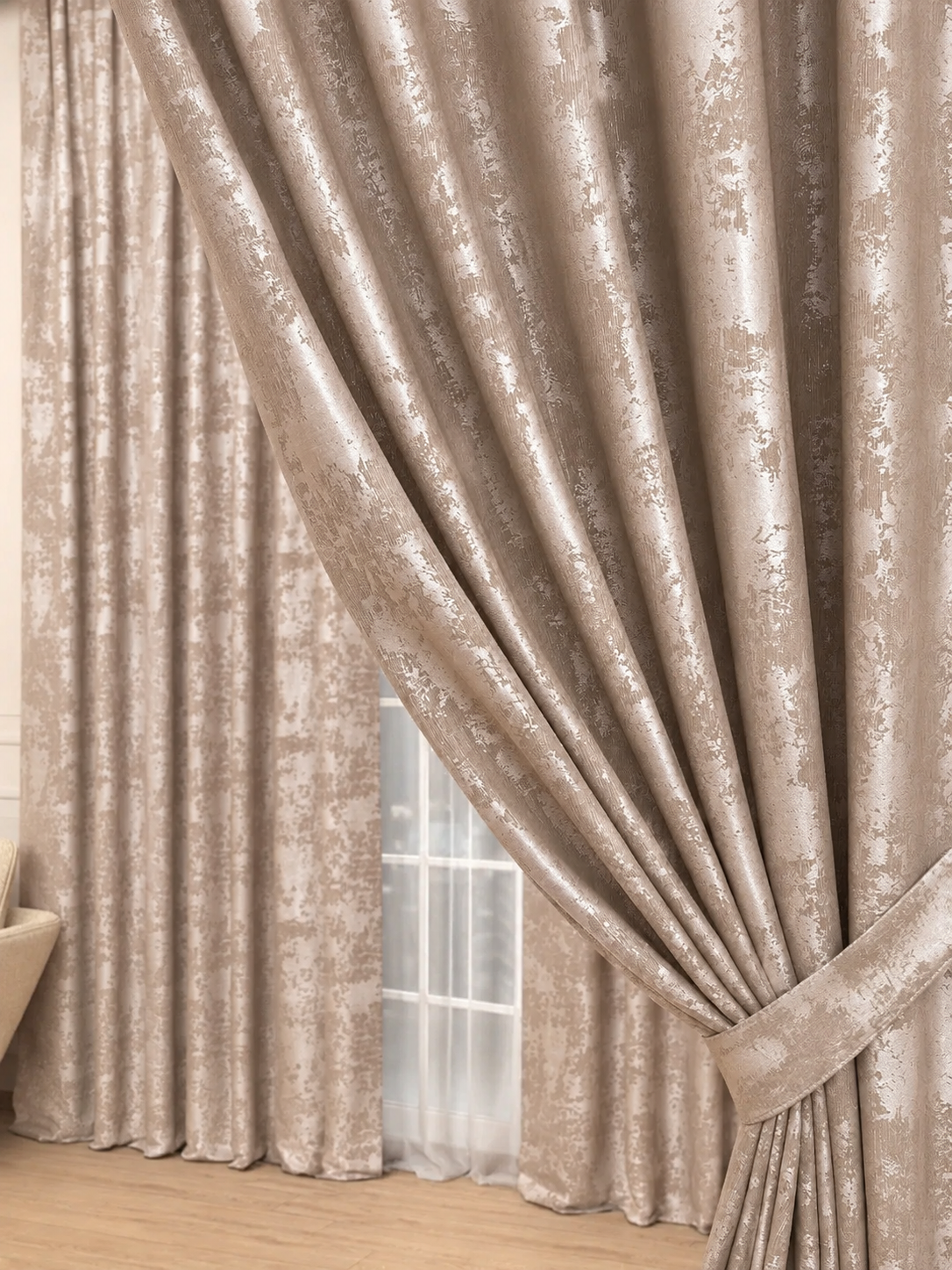
| Product Name |
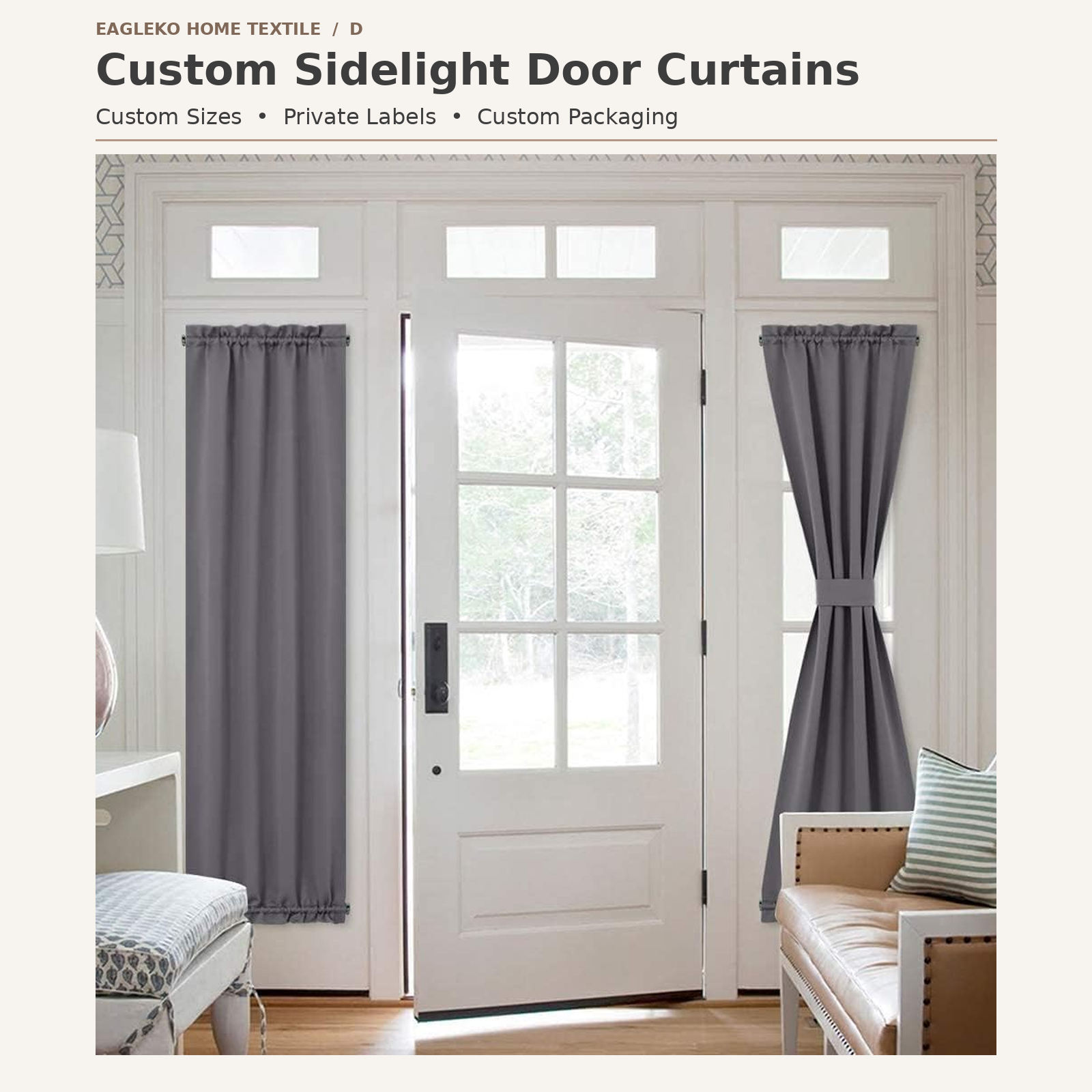
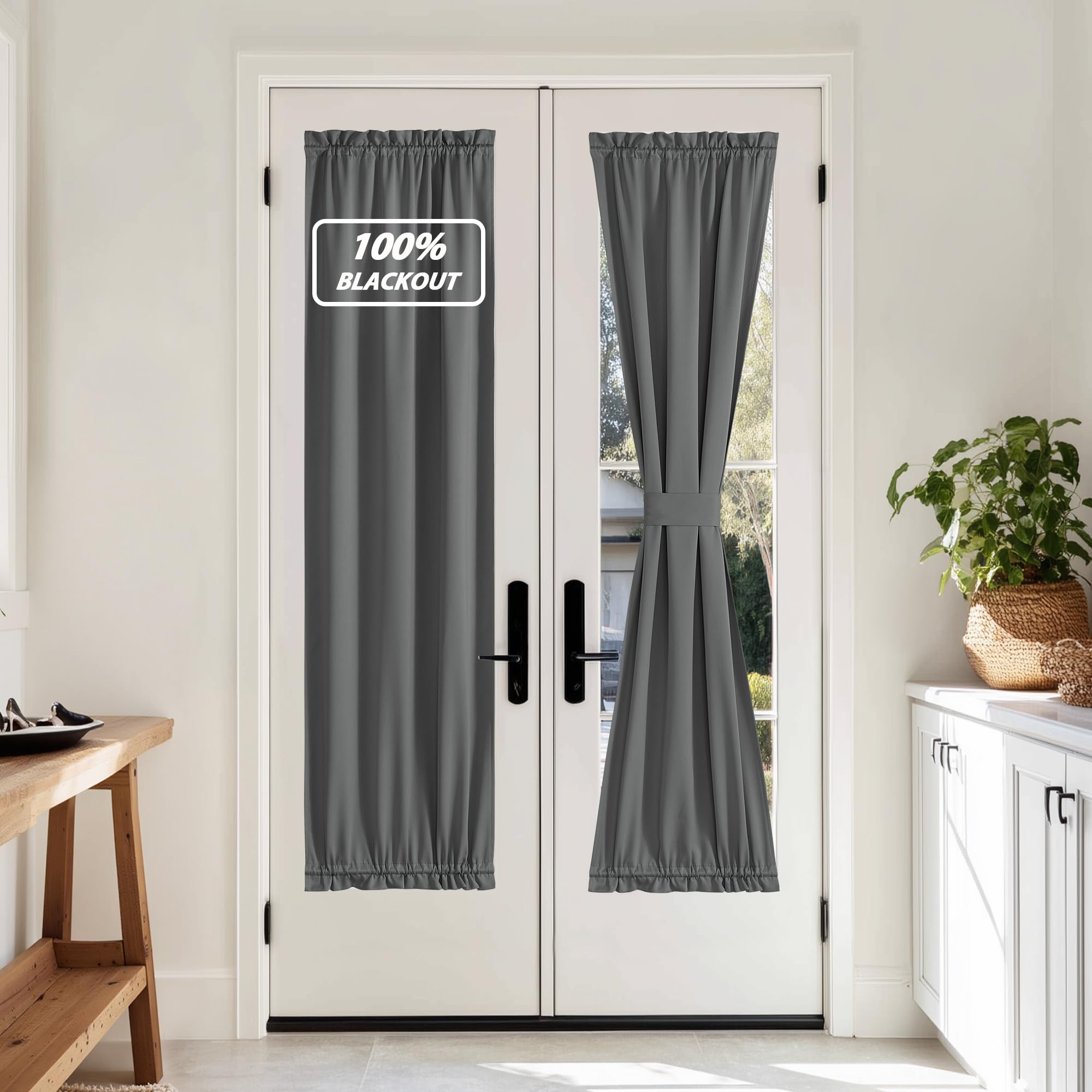
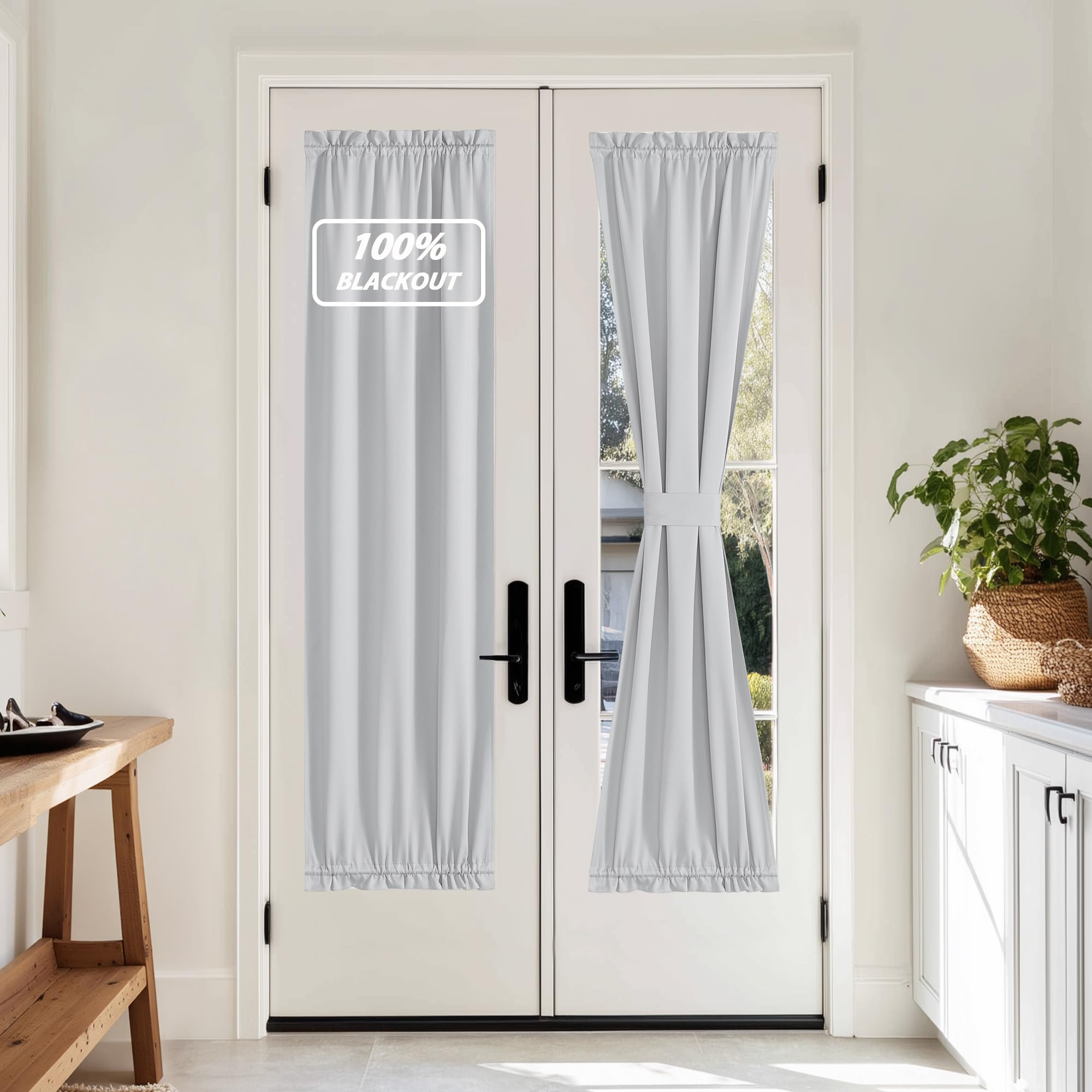
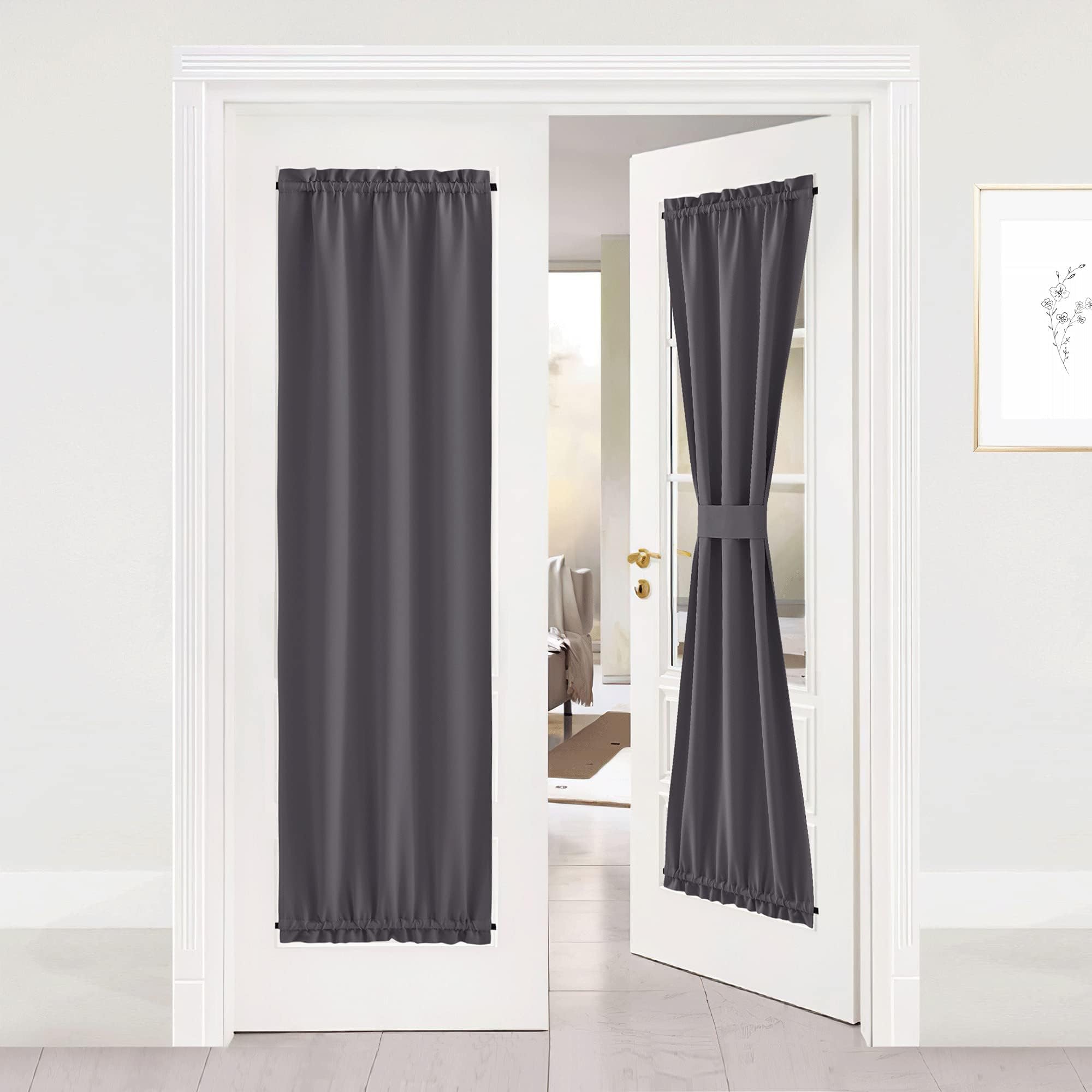
Grey Double Rod Pocket Blackout Sidelight Door Curtain |
| Color |
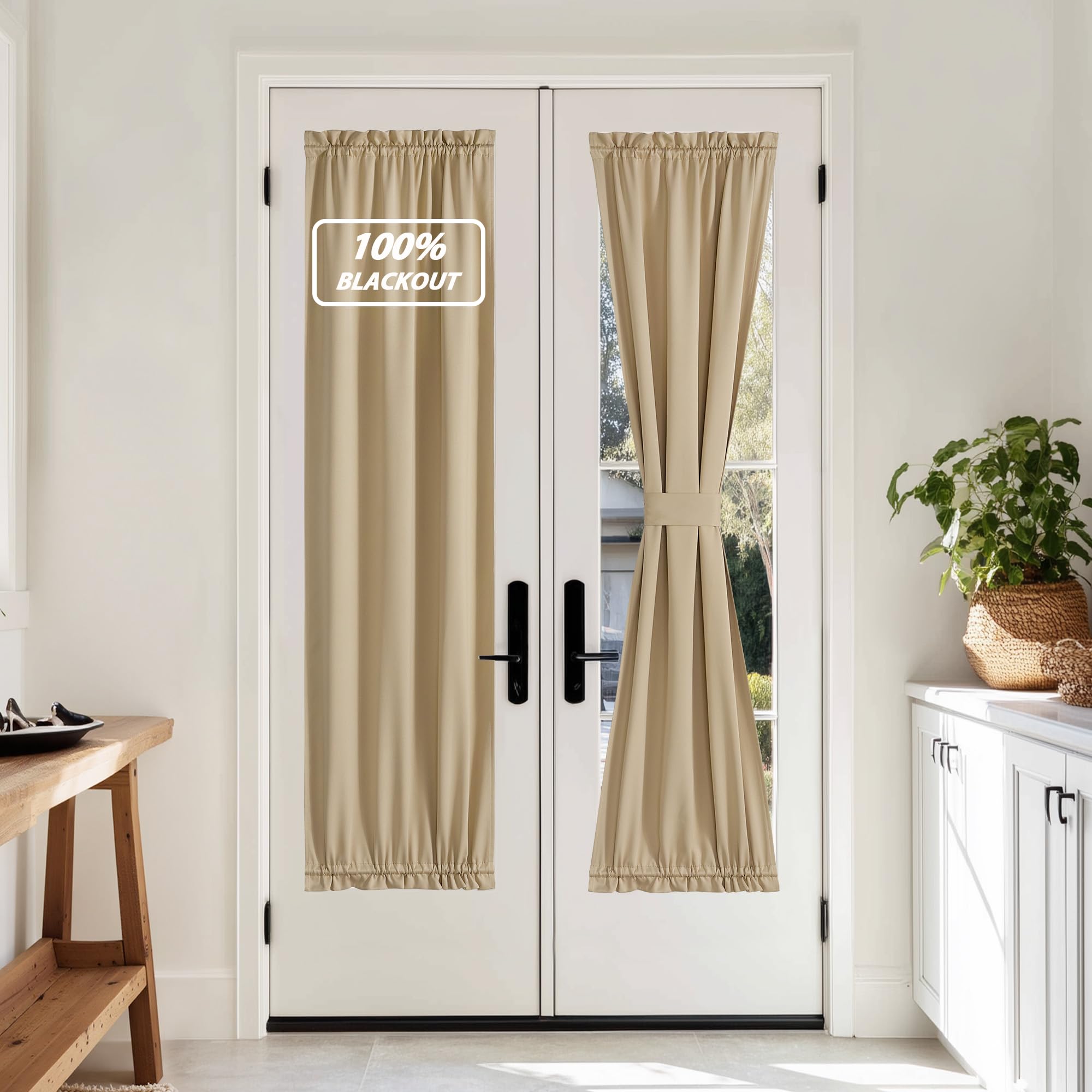
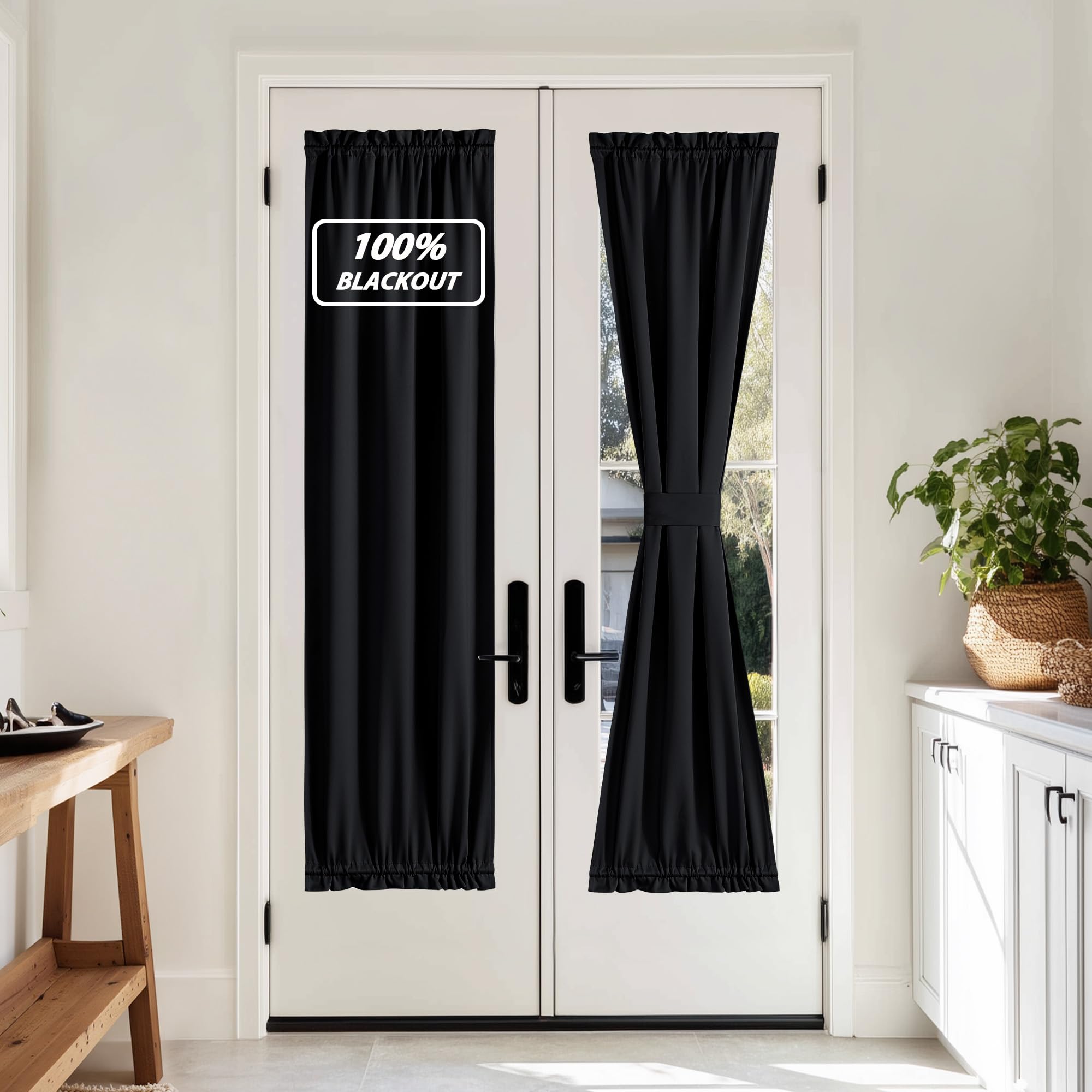
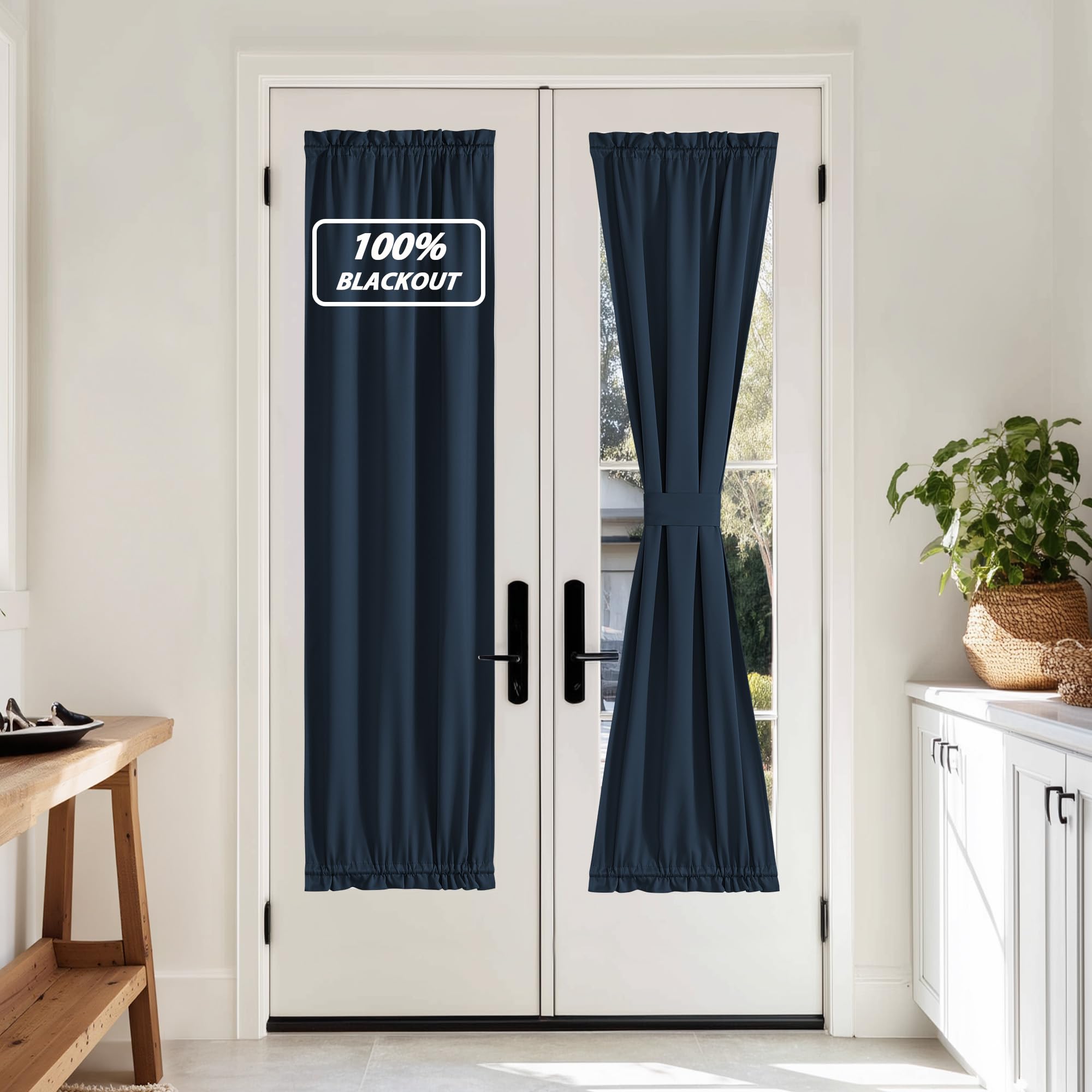
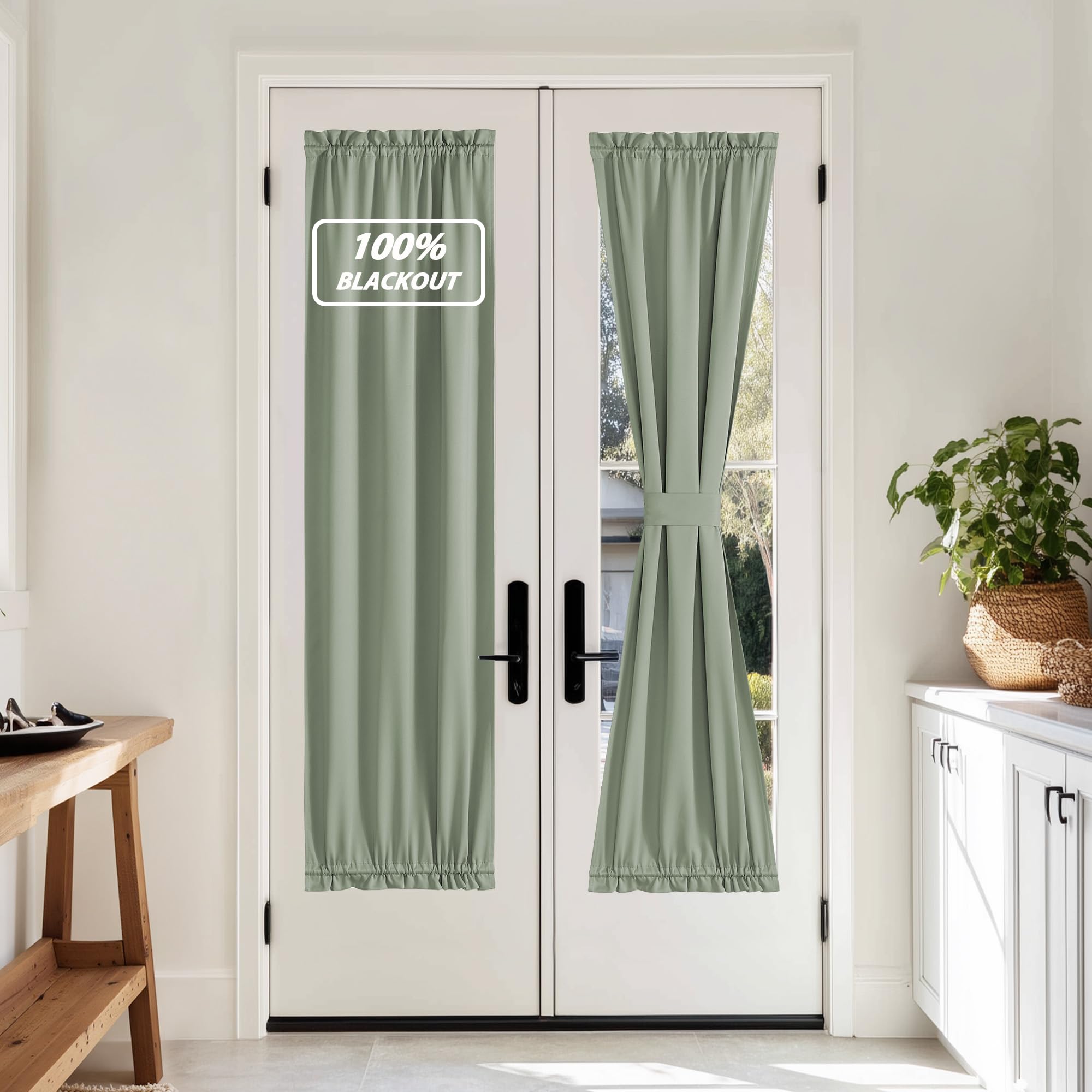
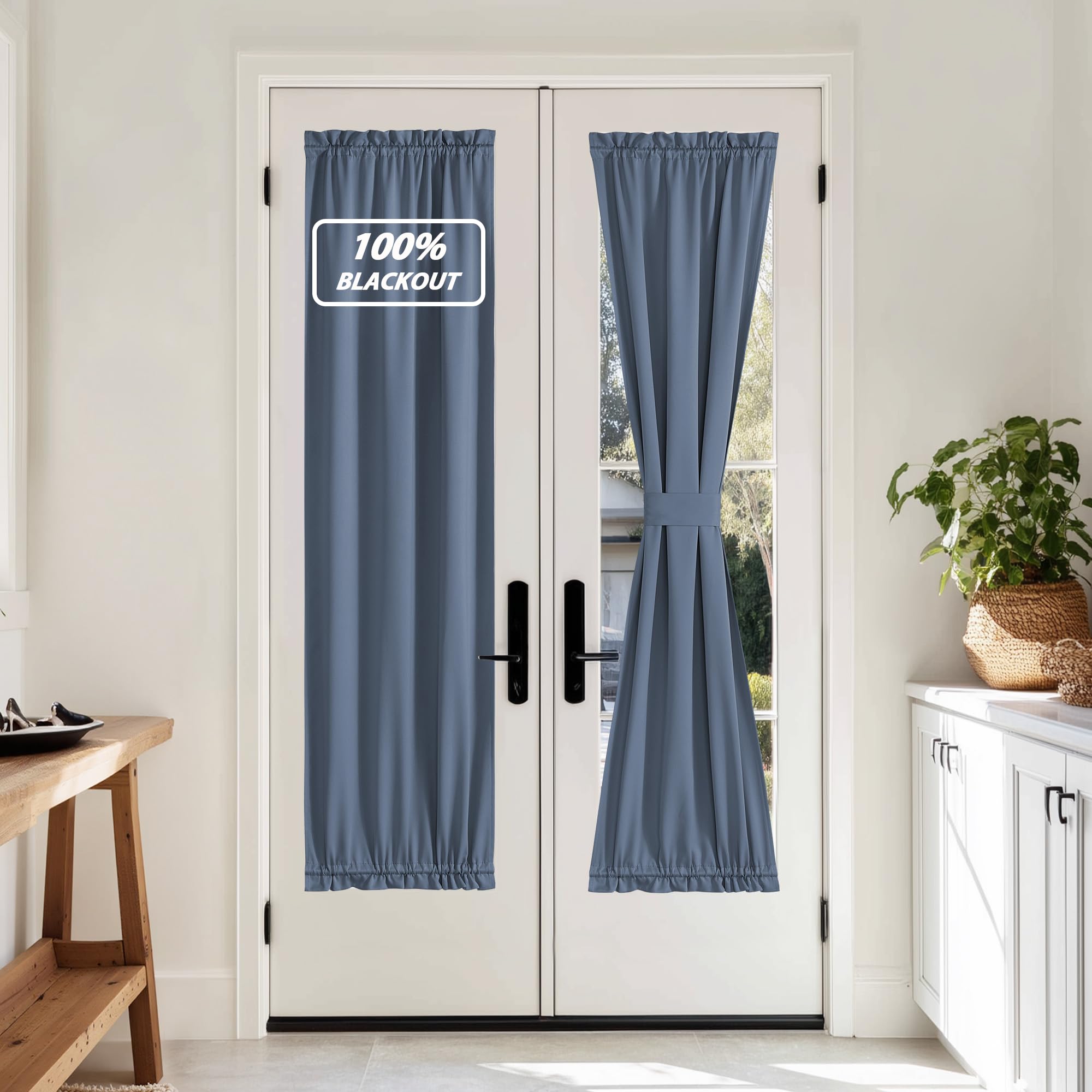
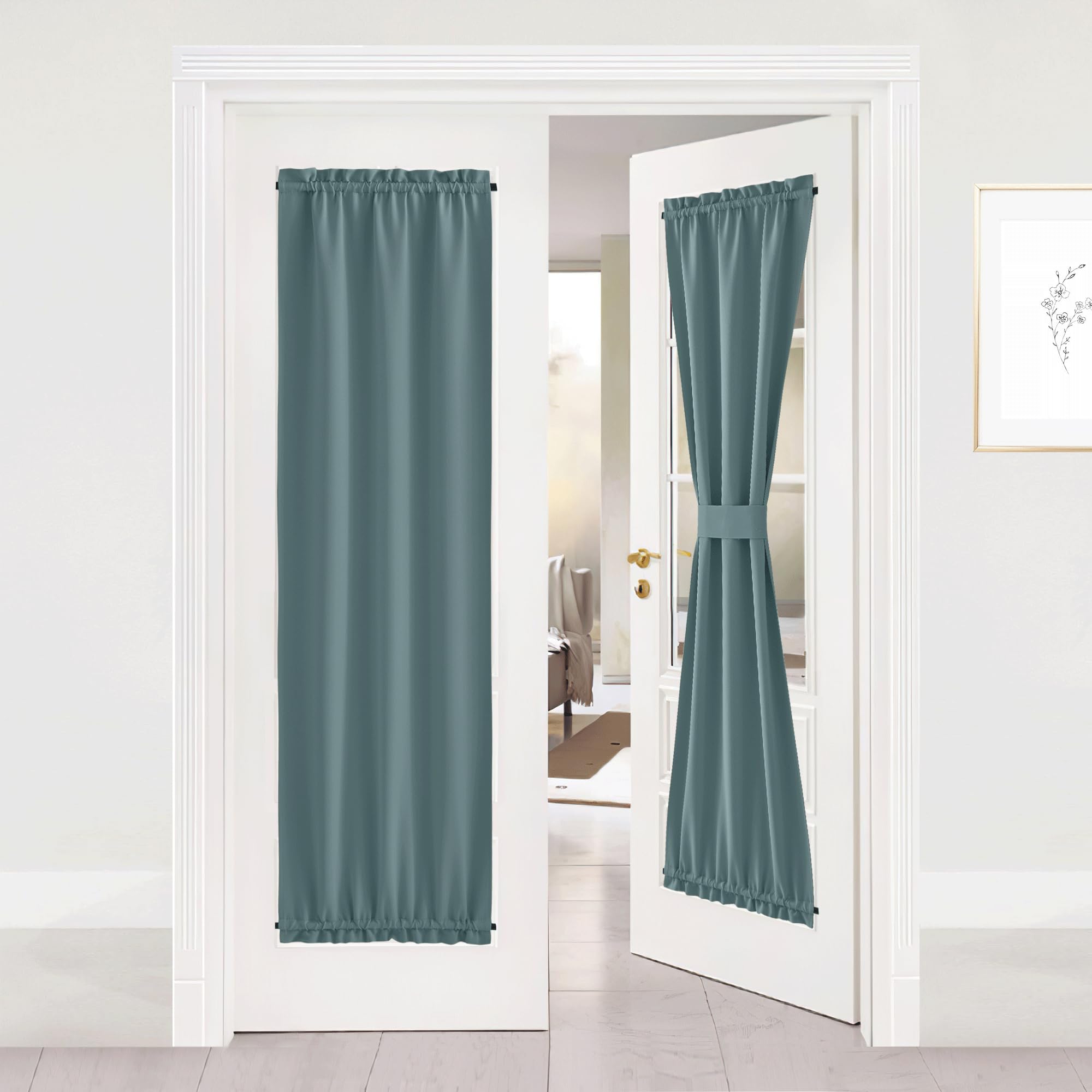
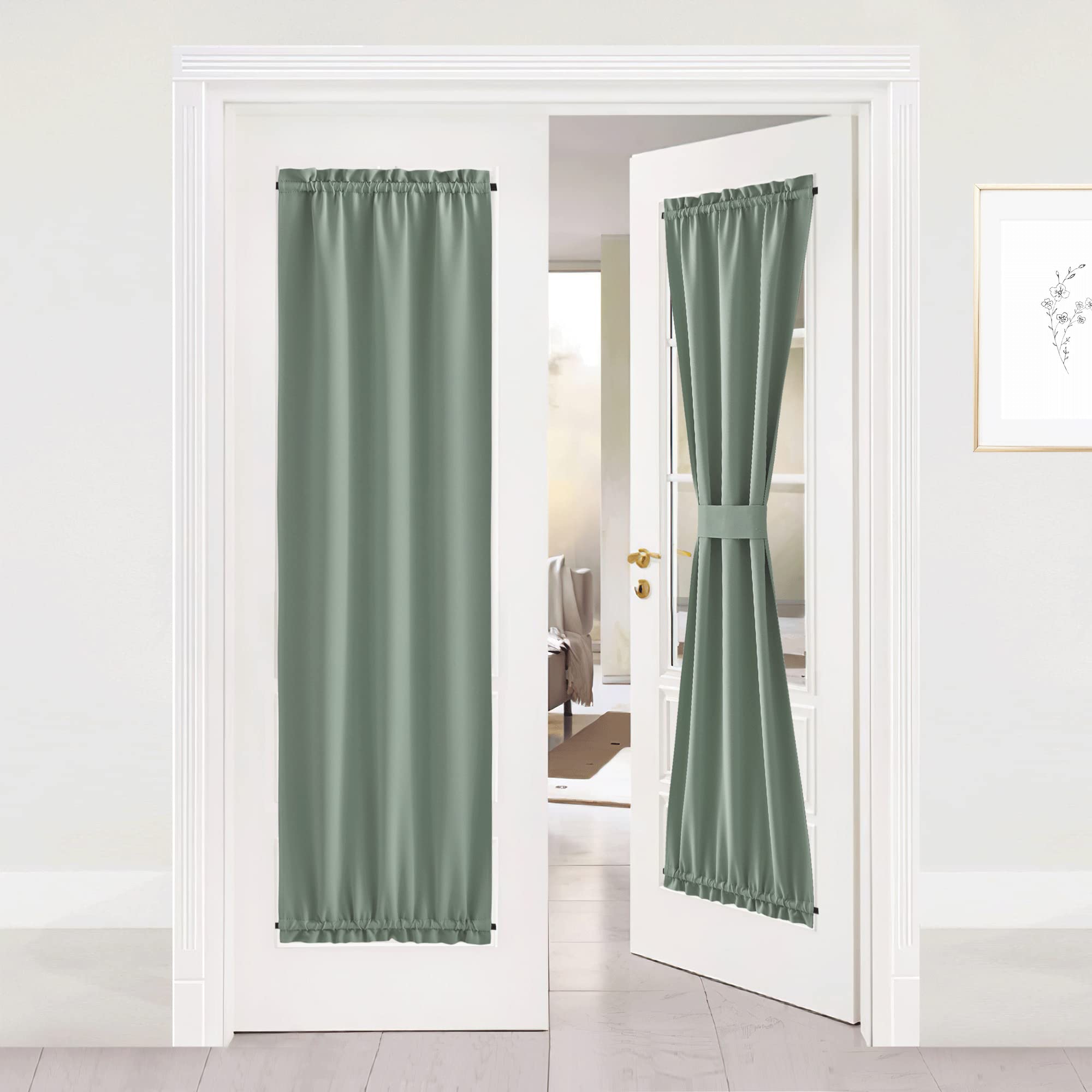
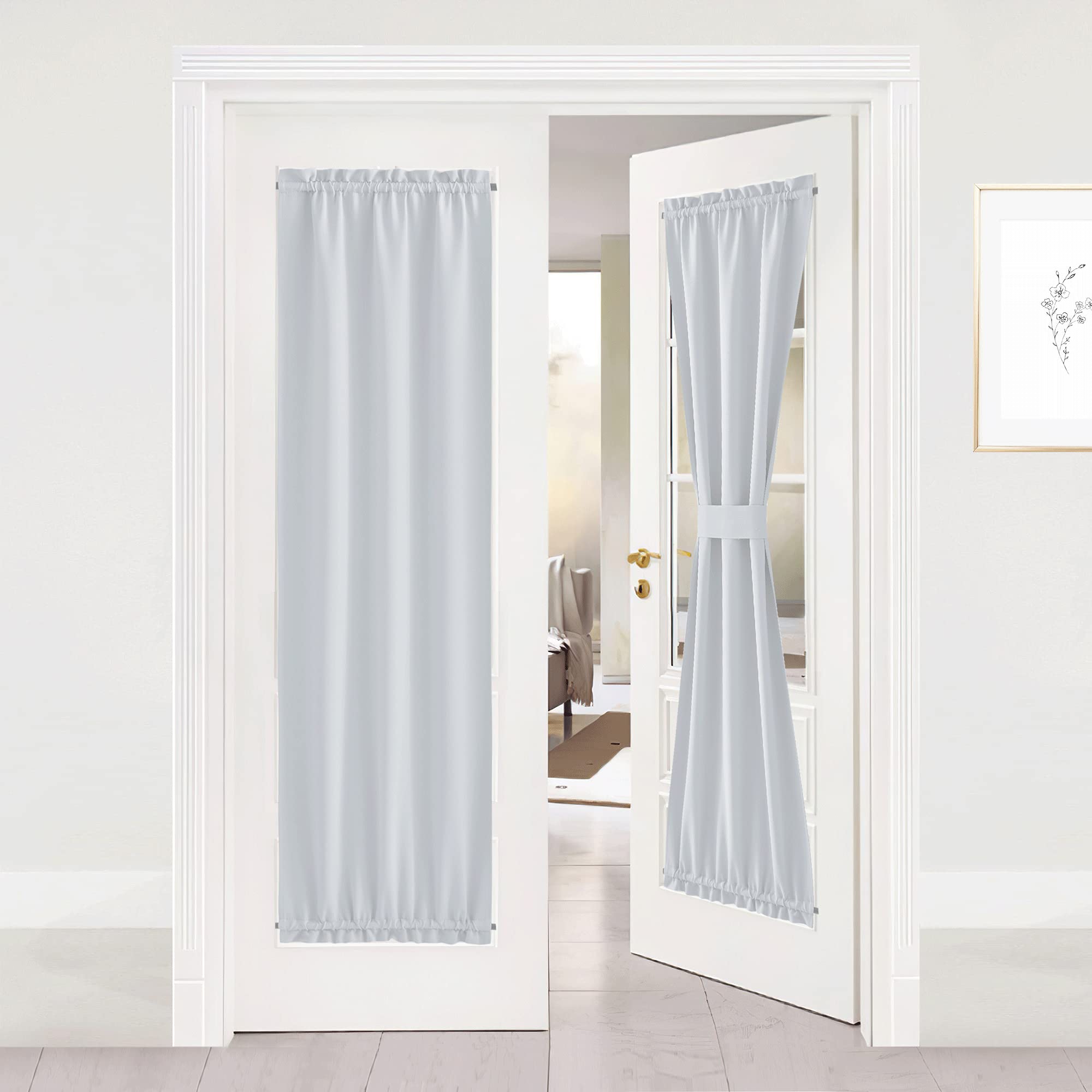
Grey; other colors can be discussed |
| Material |
Polyester with a triple-weave light-blocking construction; final fabric subject to approval |
| Style |
Fitted door glass panel with an adjustable matching tieback |
| Size |
Custom sizes available |
| Package |
One curtain panel and matching tieback; rod supply and final contents to be agreed |
| Certification | OEKO-TEX Standard 100 |
| MOQ | 200 |
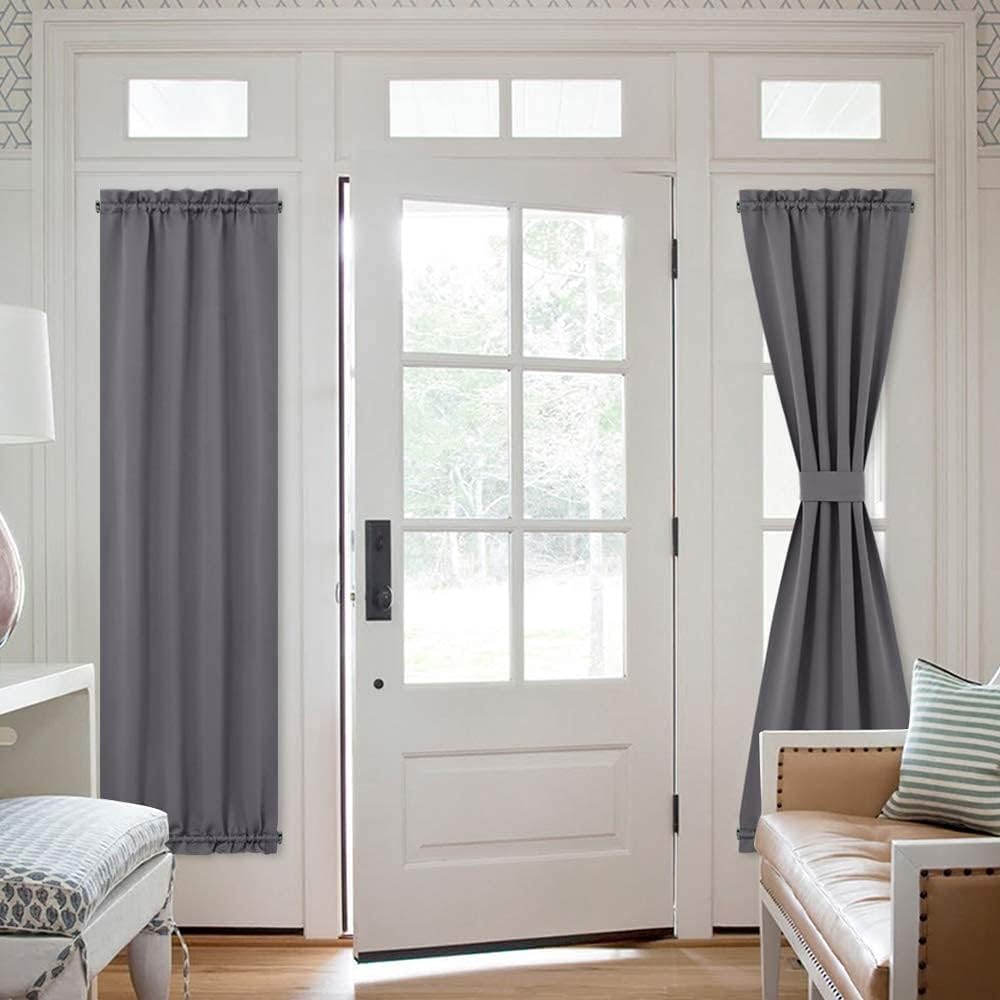
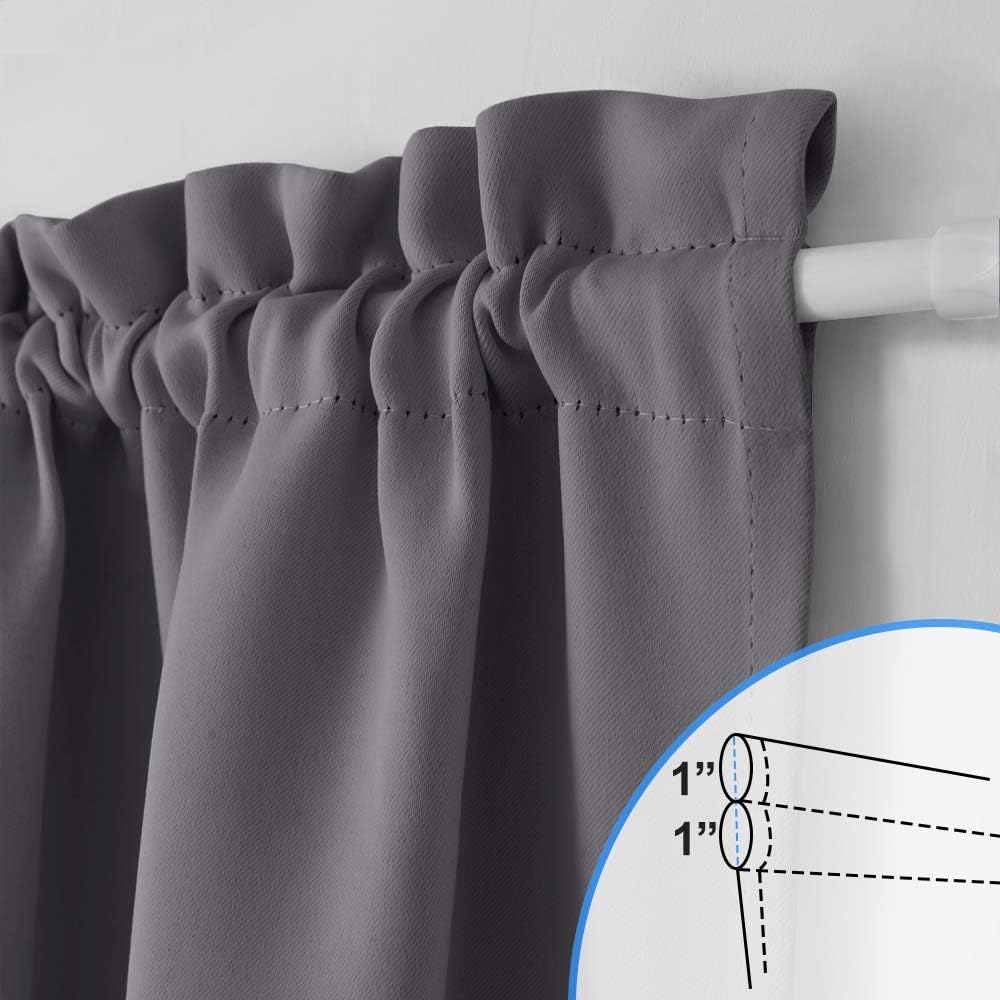
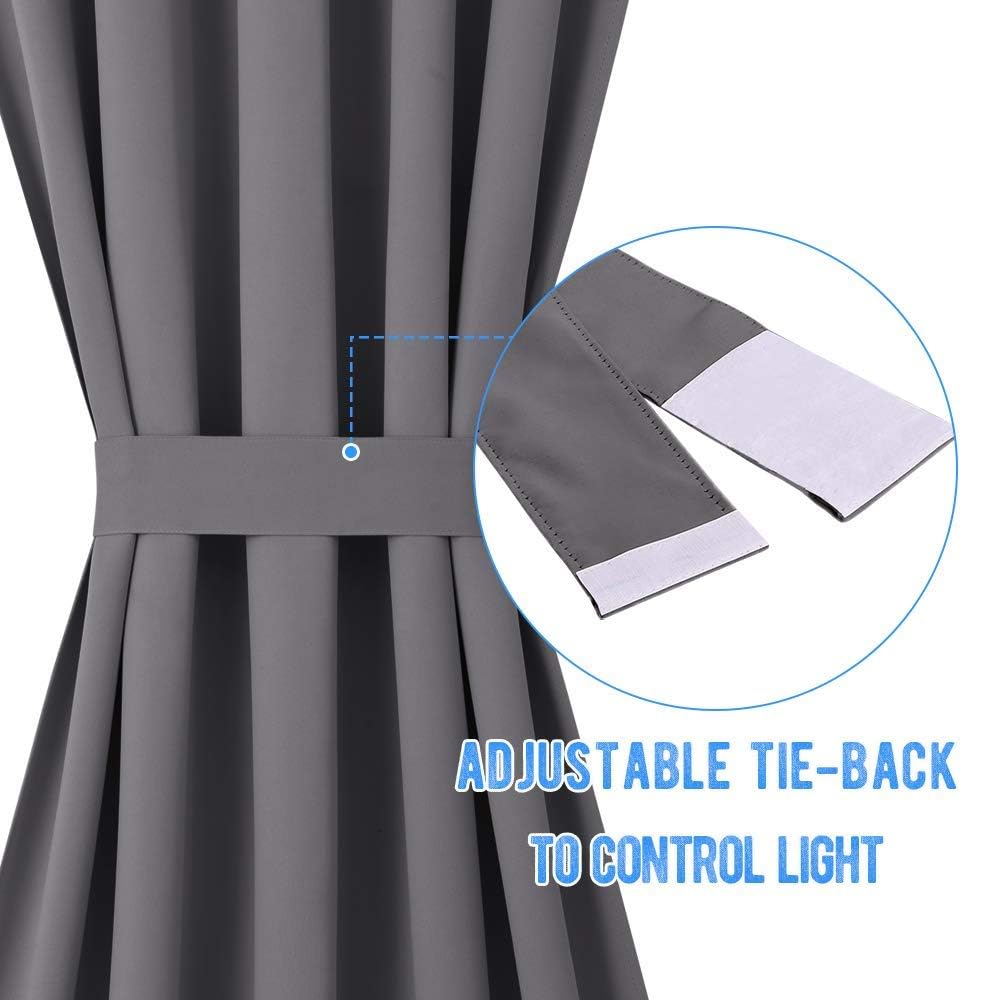
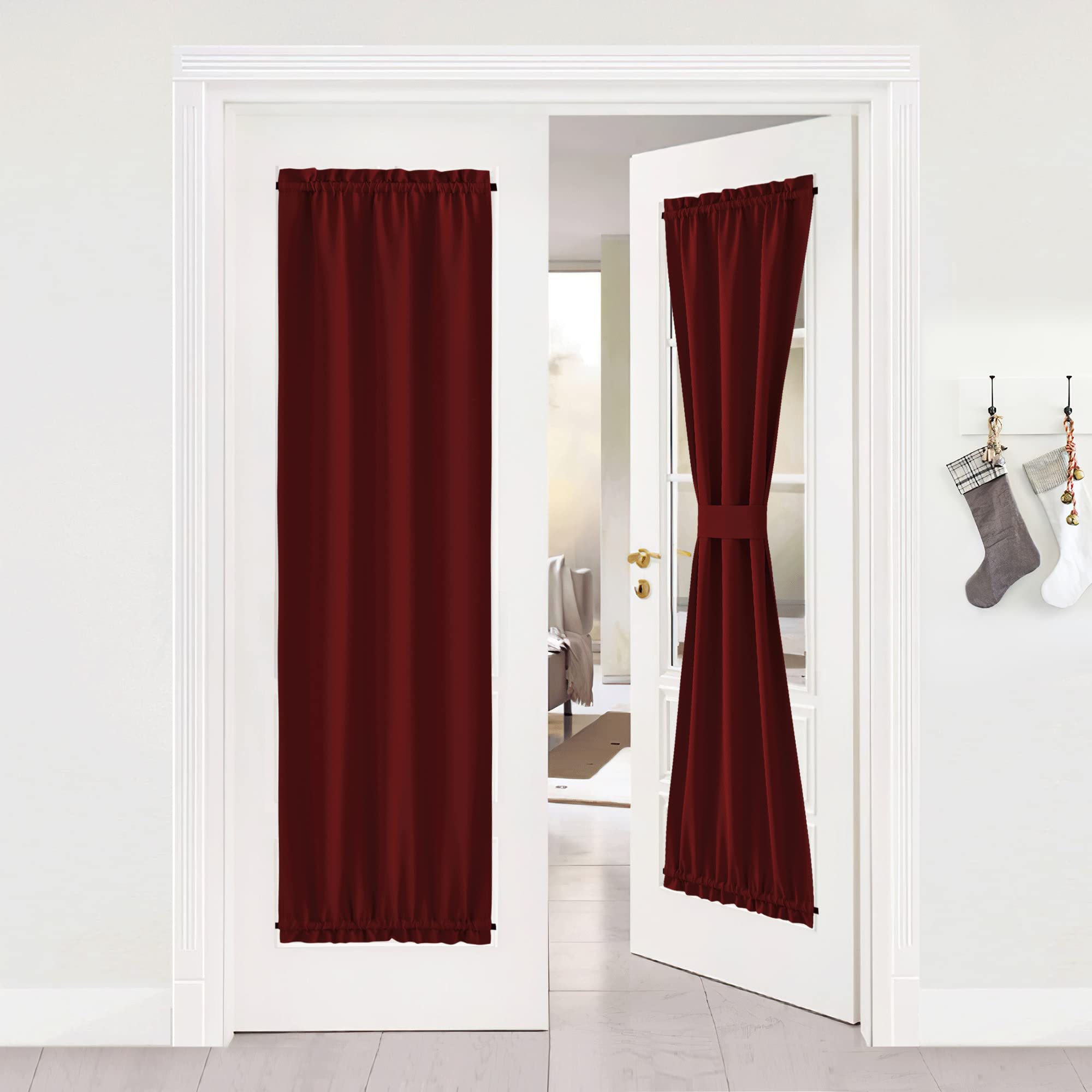
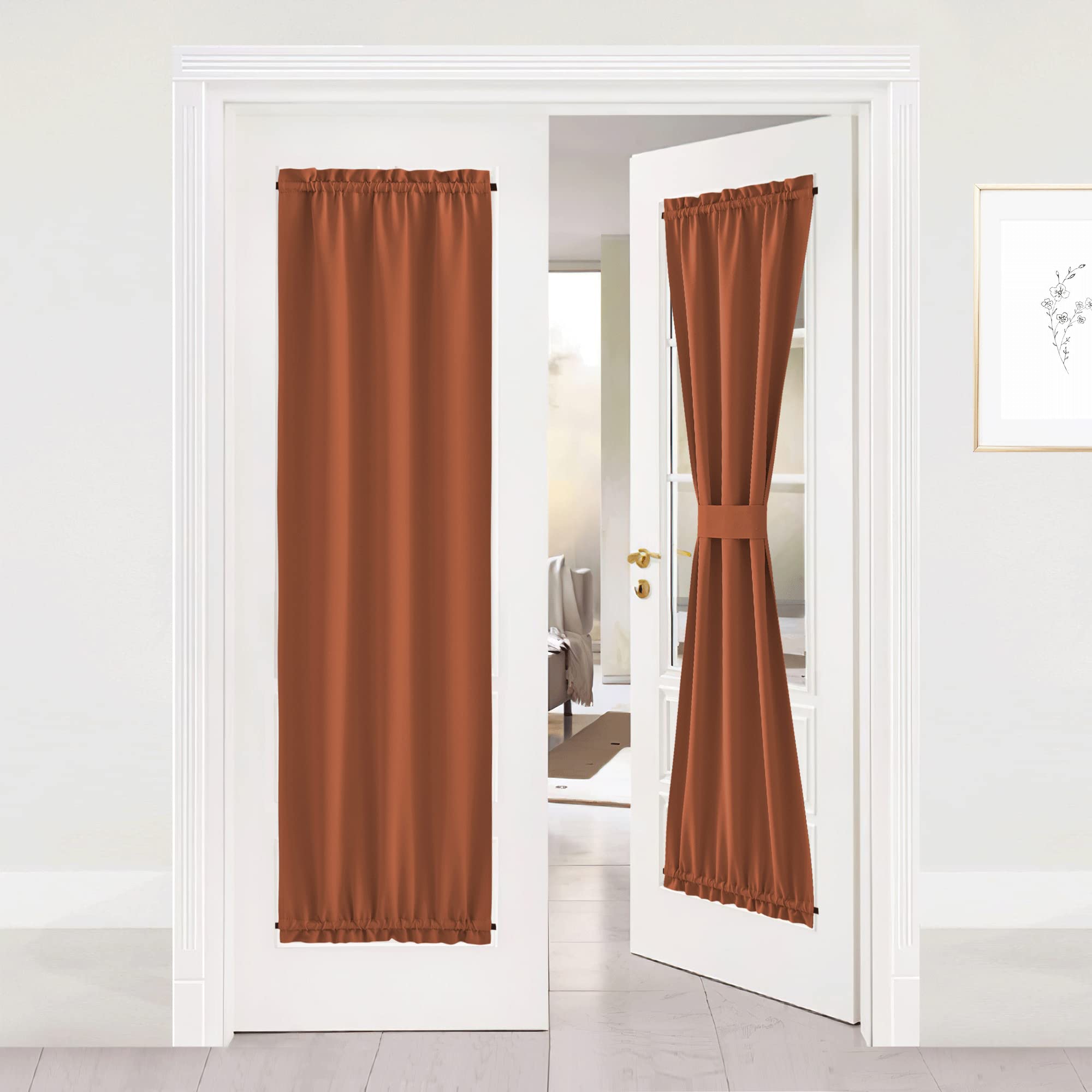
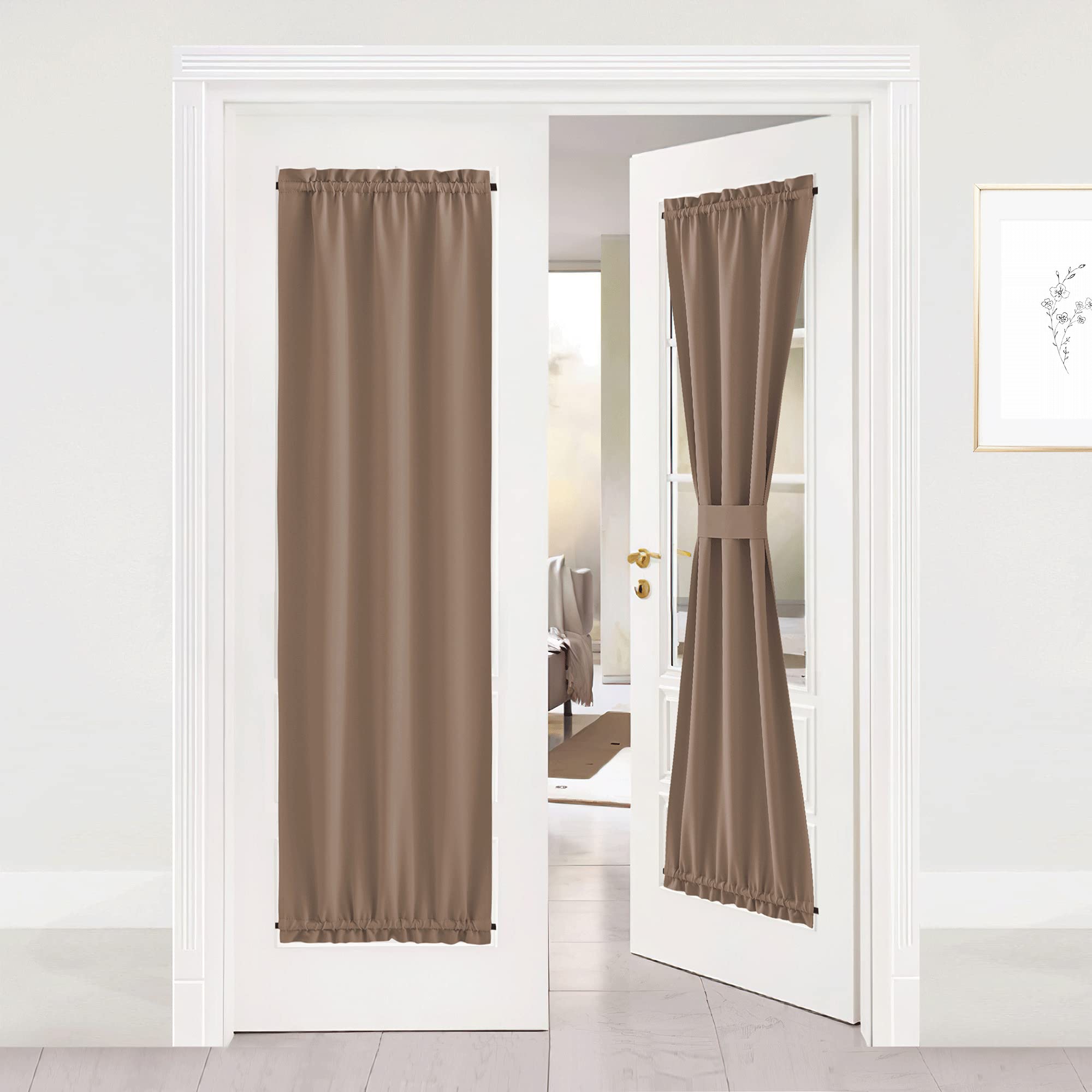
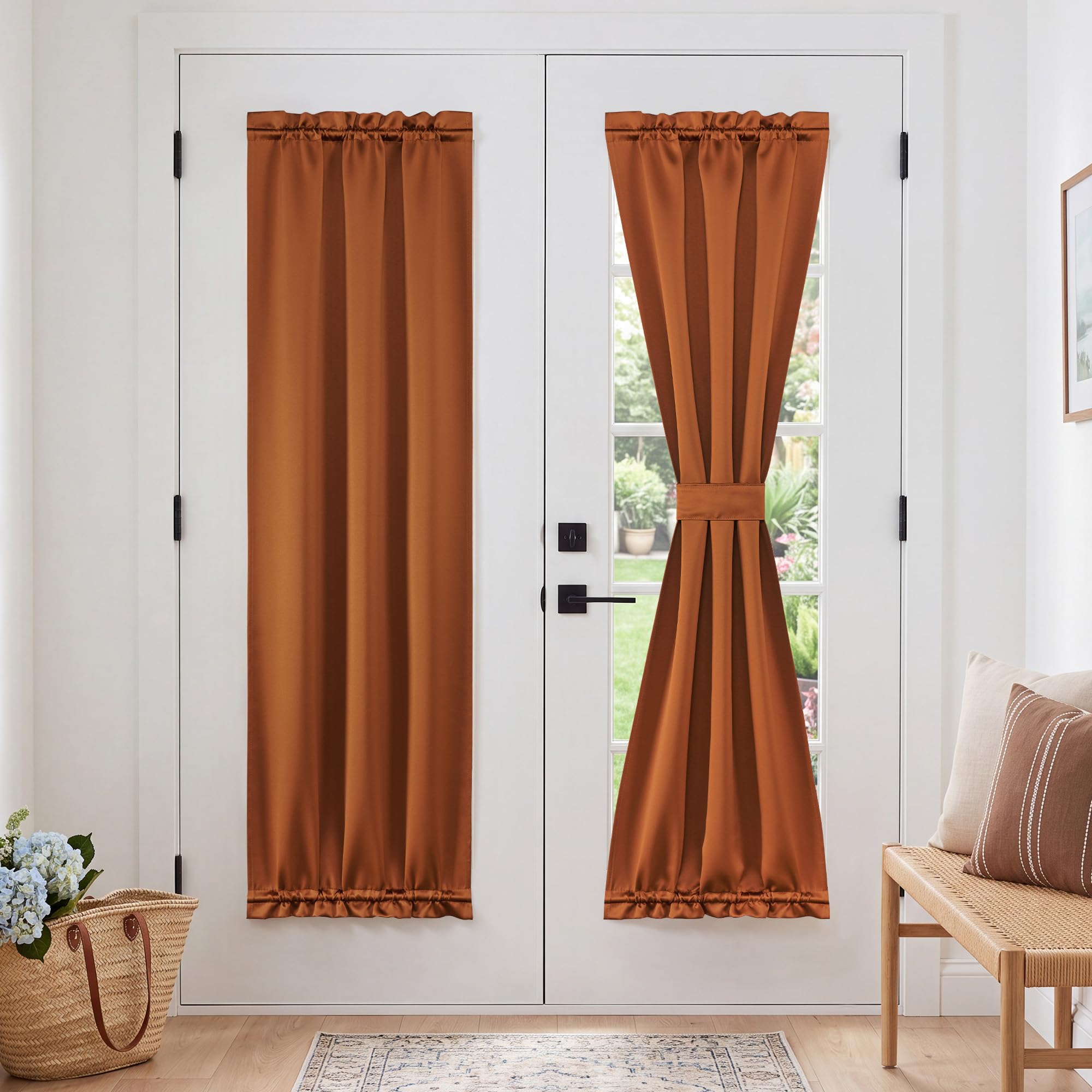
A narrow glazed door calls for a curtain that stays close to the glass. This grey polyester panel uses rod pockets at both ends so compatible upper and lower sash rods can hold the fabric in place. Release the matching tieback for fuller coverage or gather the middle to expose more glass. Its plain surface suits sidelights and French door windows, while the triple-weave construction provides a basis for light-control development. Finished coverage and the selected fabric determine the privacy achieved in use.
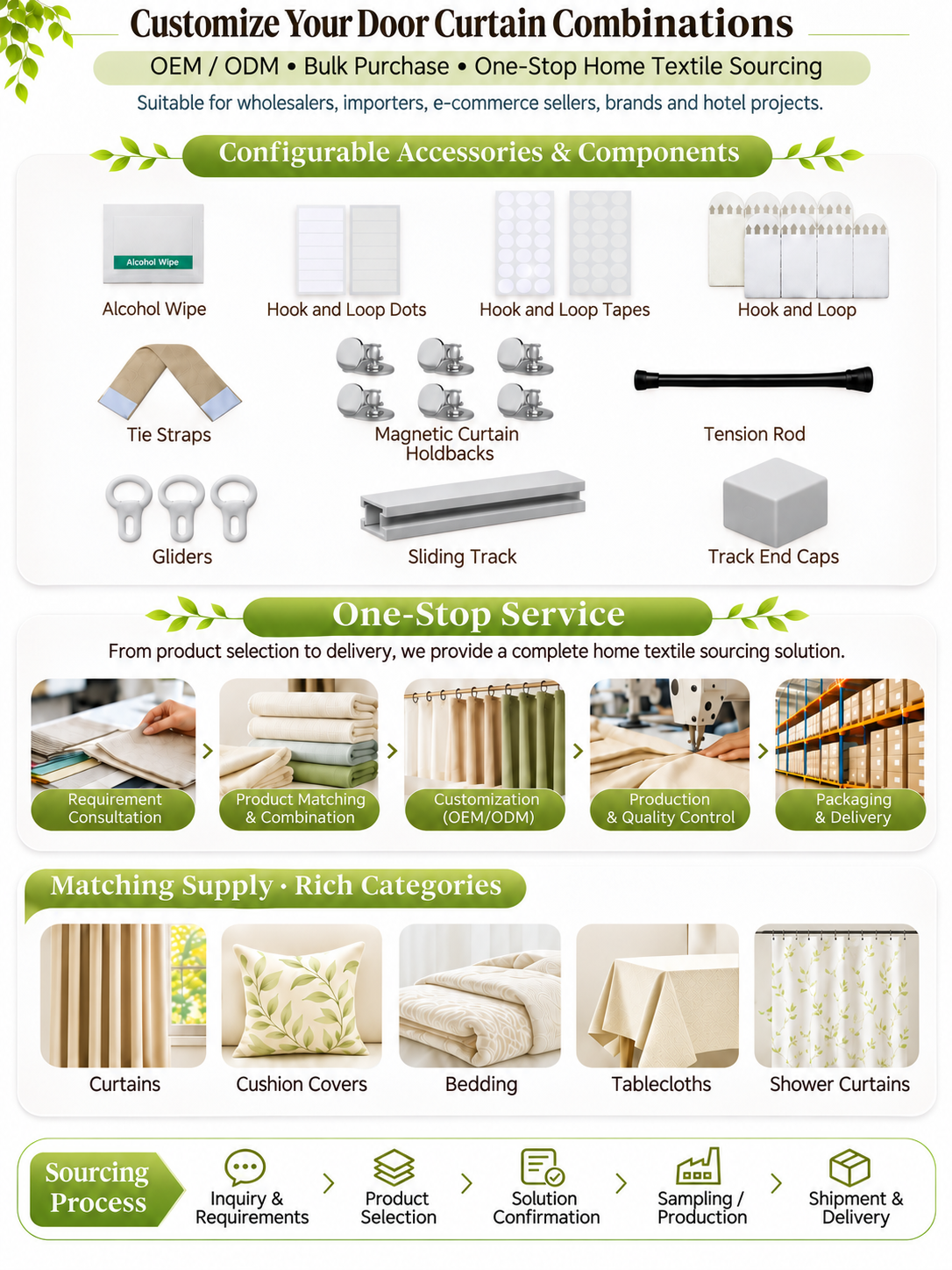
For door-glass programs, Shaoxing Yingkuo Textile Co., Ltd. (EAGLEKO HOME TEXTILE) can coordinate custom panel dimensions, pocket construction and matching tiebacks around an approved installation sample. Buyers can discuss other colors and establish packaging for individual doors or coordinated sets. Our one-stop sourcing service also brings together window curtains and related home textiles for consolidated purchasing. Fabric approval, sewing specifications, labels and packing requirements form the basis of the bulk order quotation.
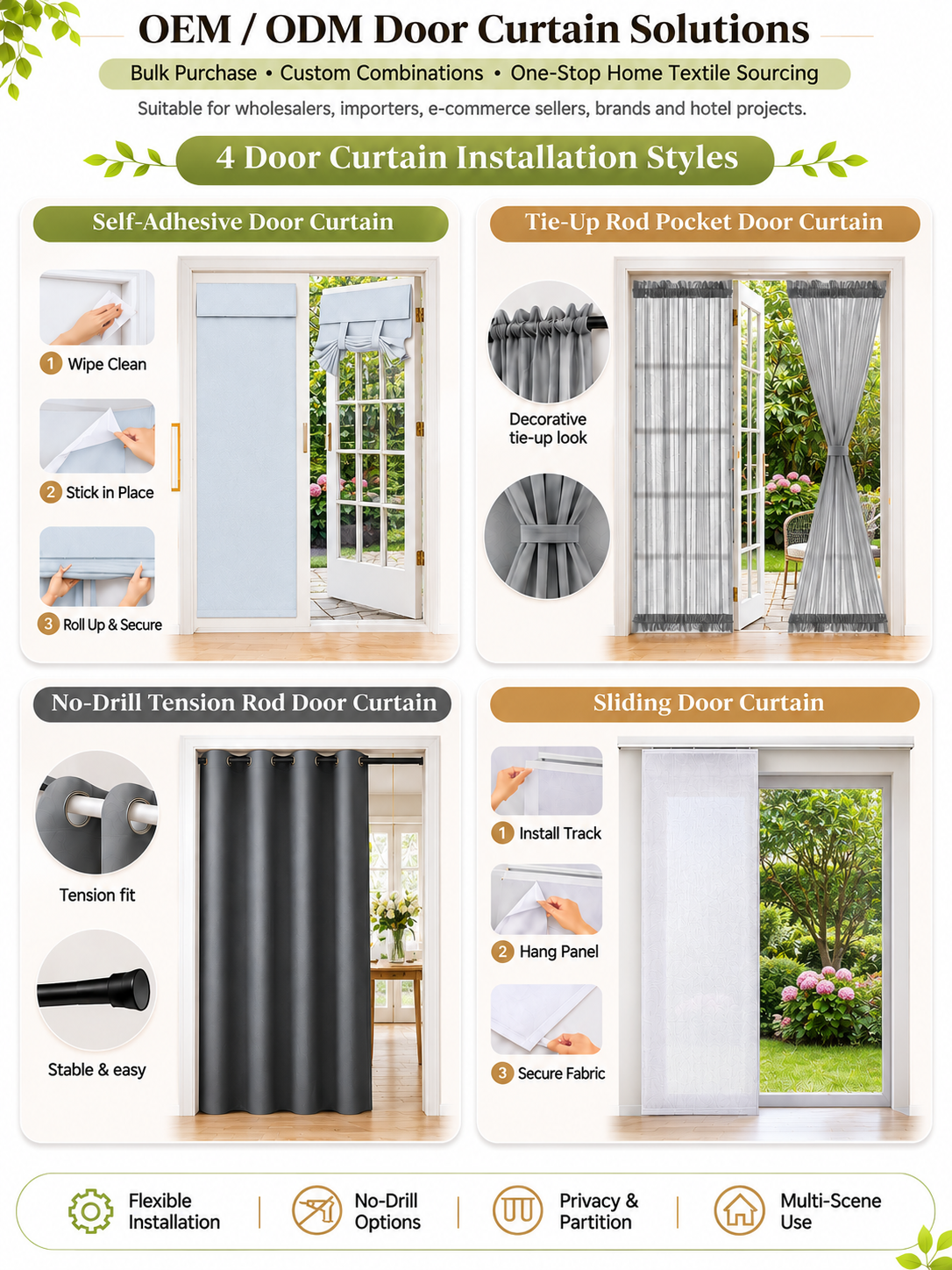
Entrance Sidelights — Plan narrow panels around the clear glazing and available sash-rod positions.
French Door Windows — Fit the fabric between upper and lower rods while preserving handle clearance.
Interior Glazed Doors — Use a fitted textile treatment where adjustable visual privacy is needed.
Residential Renovation Retail — Offer a door-window accessory with clear measuring and rod-selection guidance.
E-commerce Sales — Distinguish finished panel dimensions from glass dimensions and explain hardware requirements.
Wholesale Distribution — Build coordinated single-panel and paired-door assortments with consistent size labels.
Guest Accommodation — Review the fitted panel on suitable glazed doors where operating access must remain clear.
Upper and Lower Restraint — Two-ended rod mounting helps limit the free-hanging movement of the panel.
Adjustable Center Opening — The matching tieback gathers the middle to vary the exposed glass area.
Narrow Opening Adaptation — Custom dimensions can accommodate sidelight proportions and door glazing layouts.
Solid Grey Styling — An unpatterned face coordinates with a broad range of interior finishes.
Woven Light Control — The polyester construction can be evaluated against the buyer’s light-reduction target.
Pocket Specification Options — Pocket depth and seam positions can be developed for the intended sash rods.
Coordinated Door Sets — Panels and tiebacks can be organized into labeled packs for single or paired installations.
Q1: Which measurements are needed before developing a custom panel?
A: Provide the glass width and height, the proposed upper and lower rod positions, and the usable frame around the opening. State whether the ordered length includes the pocket headers. Agree on the fabric fullness separately from the glass width, then approve a fitted sample to confirm both coverage and gathering.
Q2: How is compatibility with sash rods established?
A: Share the rod diameter, end fitting dimensions and bracket projection. The pocket must accommodate the largest part that passes through it without excessive resistance. Trial the selected rods in both ends of a sewn sample and confirm that the fabric can be removed for care. Hardware inclusion should be specified separately in the order.
Q3: What prevents a fitted curtain from obstructing handles and locks?
A: Check the panel and tieback in both gathered and released positions on the intended door. Review handle travel, latch access and contact with the adjacent frame. Set the tieback position and allowable fabric fullness from this trial; adding width without reviewing the door hardware may create an inconvenient bundle.
Q4: Can the same fabric be described as complete blackout in every color?
A: Any numerical claim should follow testing of the selected fabric and shade under an agreed method. Inspect the installed panel for edge gaps and exposed glass as well. Color and fabric construction can change light transmission, so approve the required performance before preparing retail claims rather than extending one result across the assortment.
Q5: How should paired doors and matching sidelights be coordinated?
A: Record each opening independently and assign a panel code to its finished dimensions. Approve the shades together and use a shared fabric lot where practical. For paired doors, agree on pocket levels and tieback height so the two panels look aligned after installation; a matching color alone does not establish a coordinated fit.
Q6: Which sewing checks matter most for upper and lower pockets?
A: Inspect pocket clearance, seam straightness and parallel placement across the panel. Check finished length without stretching the fabric and compare it with the approved measurement convention. A fitting trial should confirm that both rods can be inserted and that uneven pocket sewing does not twist the fabric on the door.
Q7: What should be checked before approving a washable specification?
A: Launder the panel and tieback using the proposed care routine, then check dimensional change, shade appearance and seam condition. Refit the panel to the original rod spacing to assess any change in tension. Base the care label and finished-size allowance on these findings, especially for panels restrained at both ends.
Q8: How can packaging reduce installation-related returns?
A: Include a diagram showing upper and lower rod positions, the finished-size convention and the tieback arrangement. State whether rods are included and identify the number of panels in the pack. Use distinct SKU labels for different openings and check each pack against the approved panel and accessory list before shipment.
 EN