| Product Name |
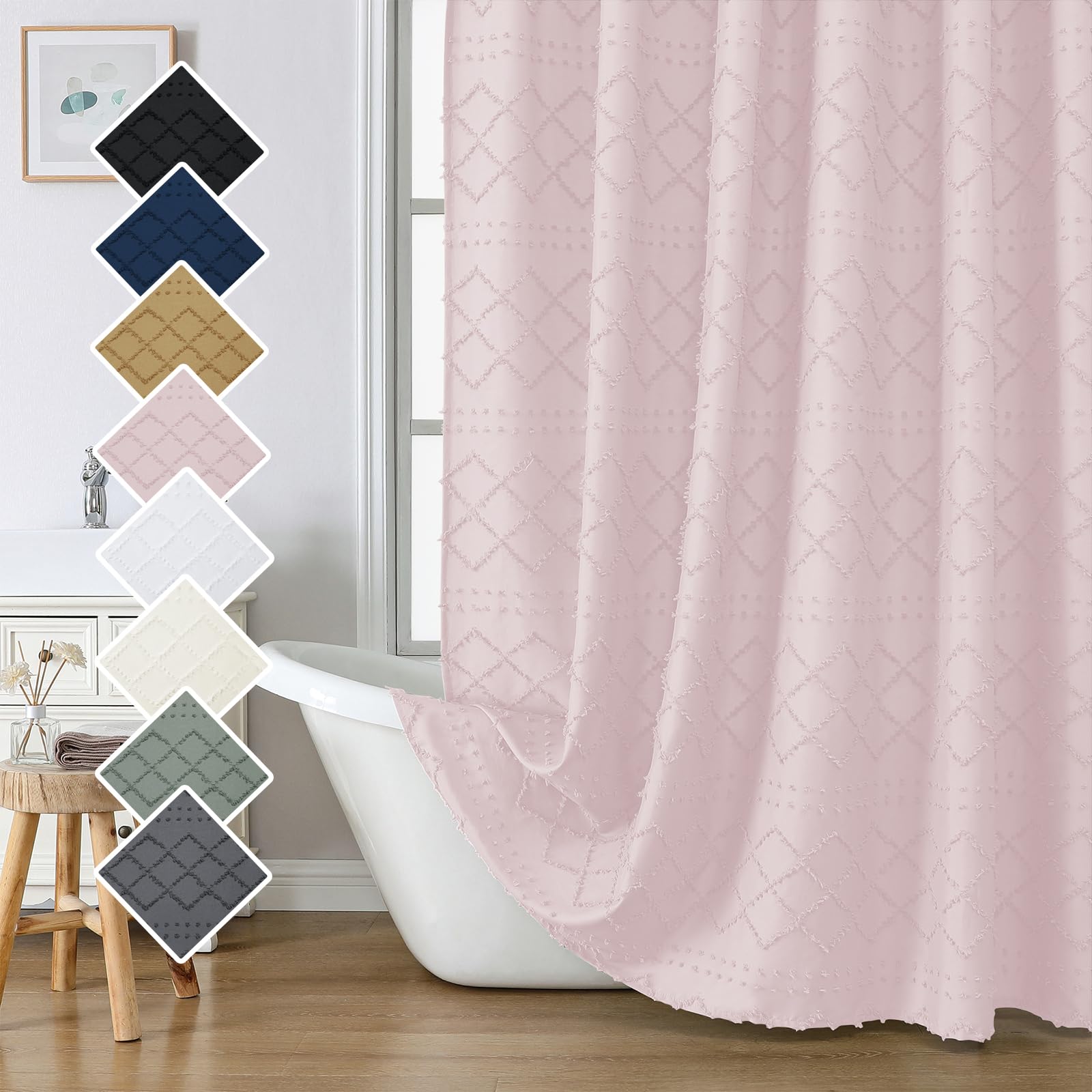
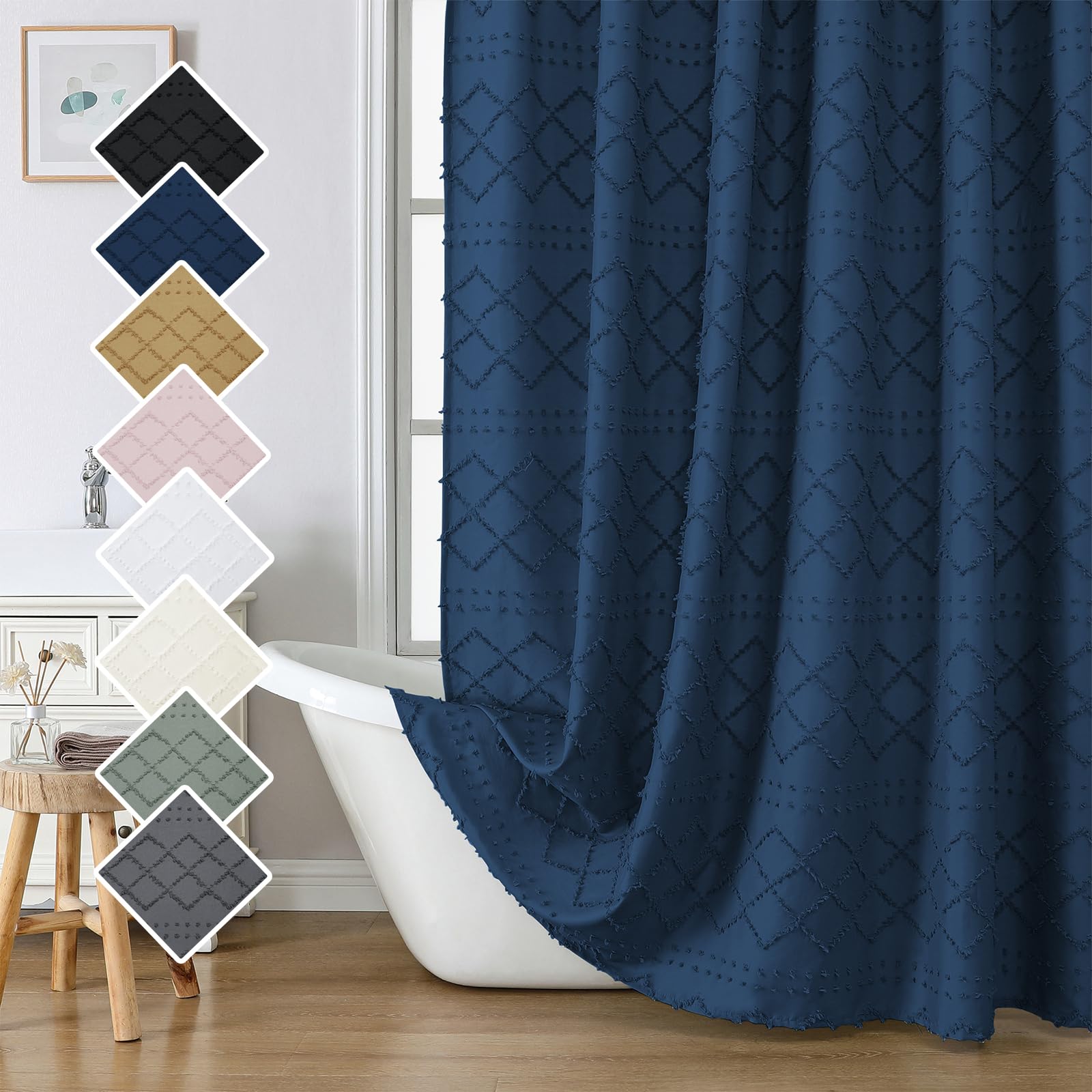
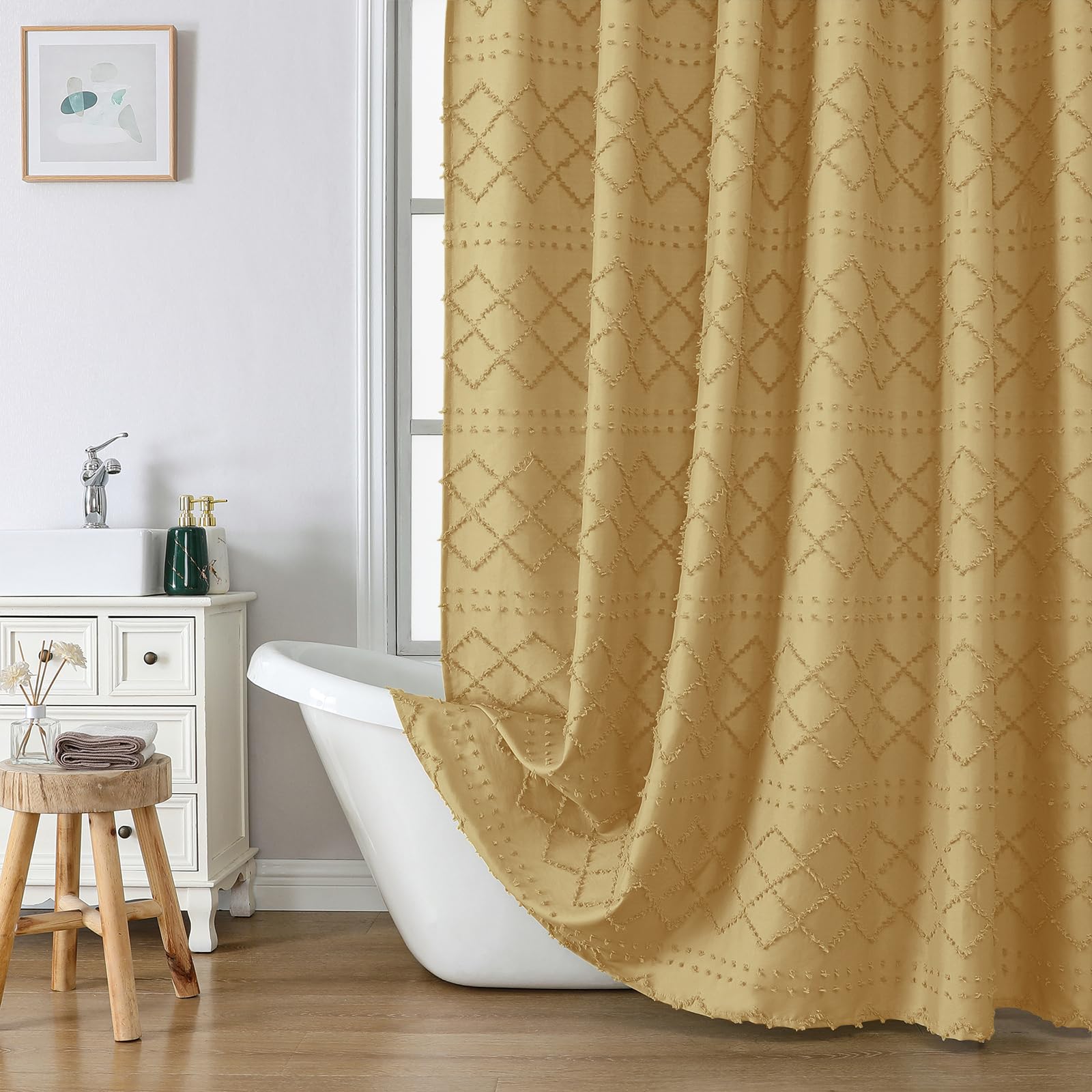
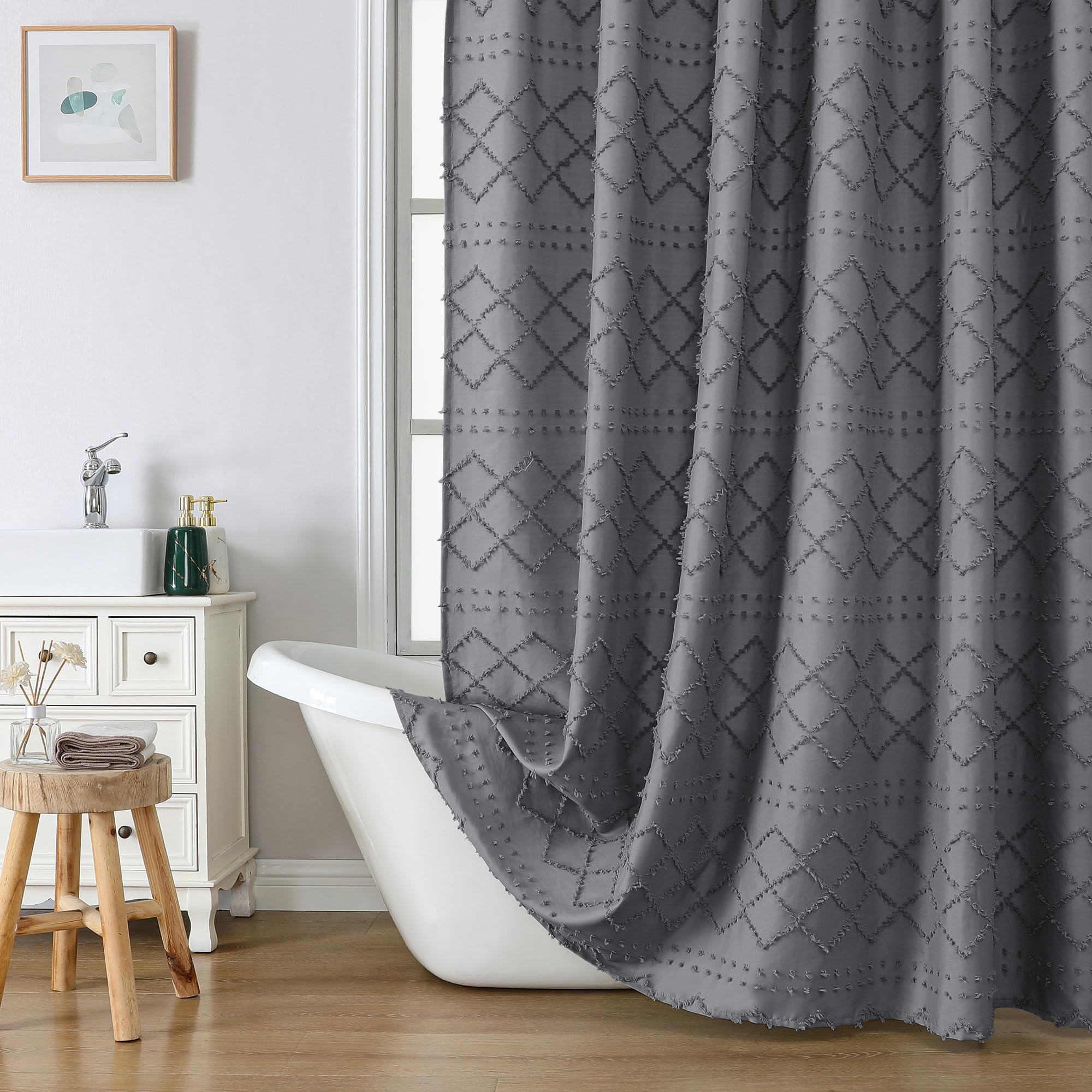
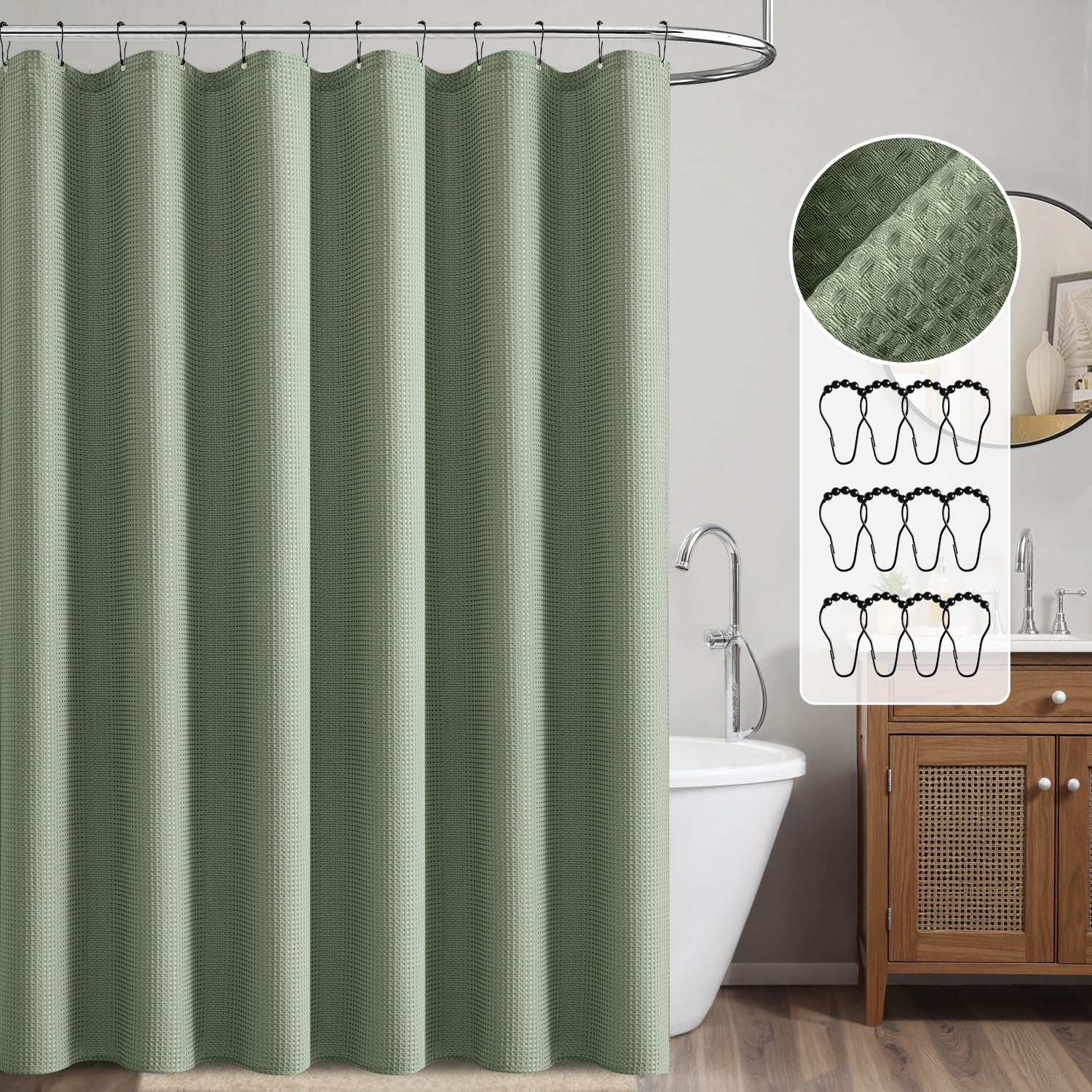
Sage Green Clip Jacquard Plaid Shower Curtain |
| Color |
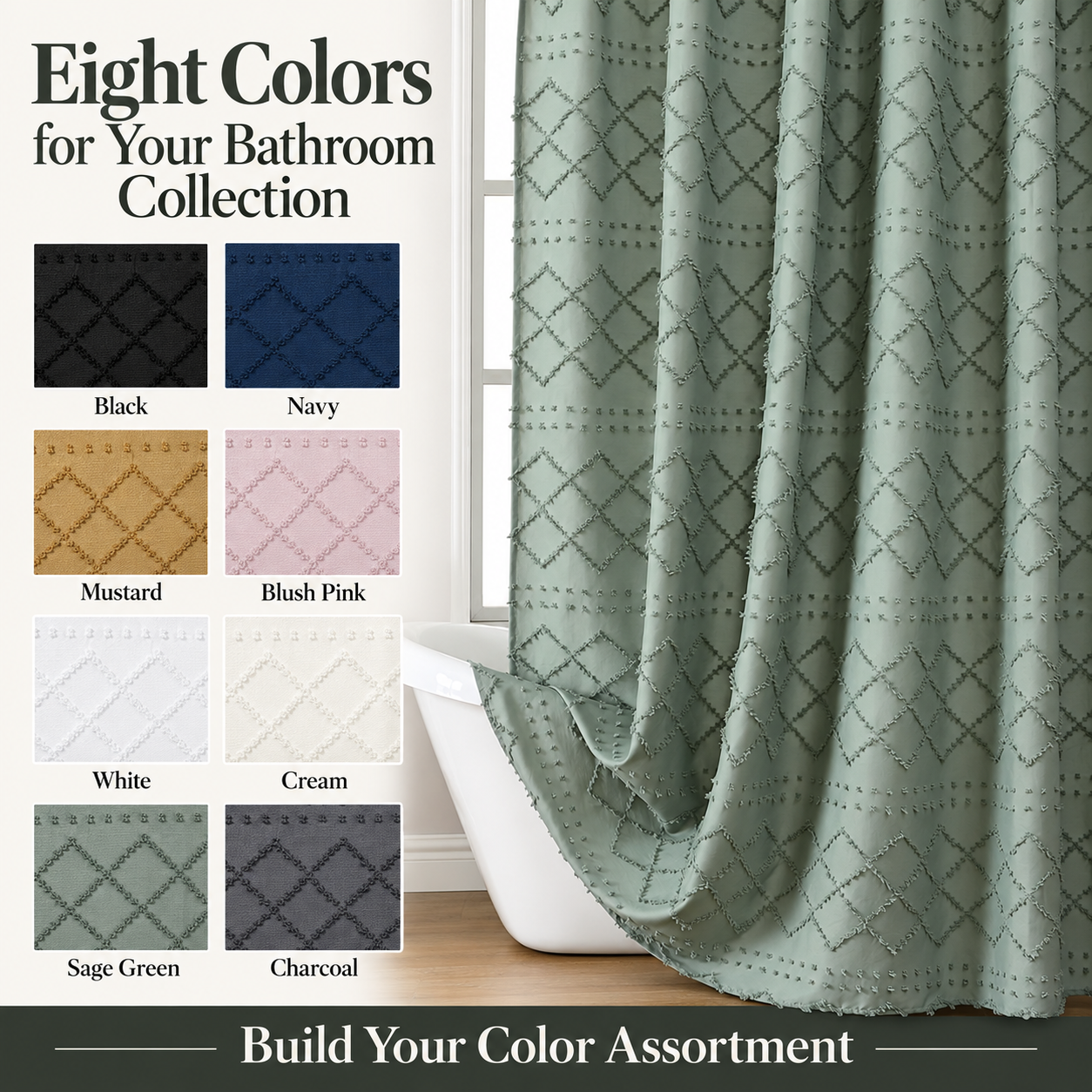
Sage green reference color; approve production shade on physical fabric |
| Material |
Polyester reference construction; final composition subject to sample confirmation |
| Style | Minimalist / Farmhouse Bathroom Décor |
| Size |
Selected reference 72 inches wide by 96 inches long; custom dimensions subject to review |
| Package | 1 Shower Curtain with Snap-in Liner / Custom Packaging Available |
| Certification | OEKO-TEX Standard 100 Available |
| MOQ | 200 |
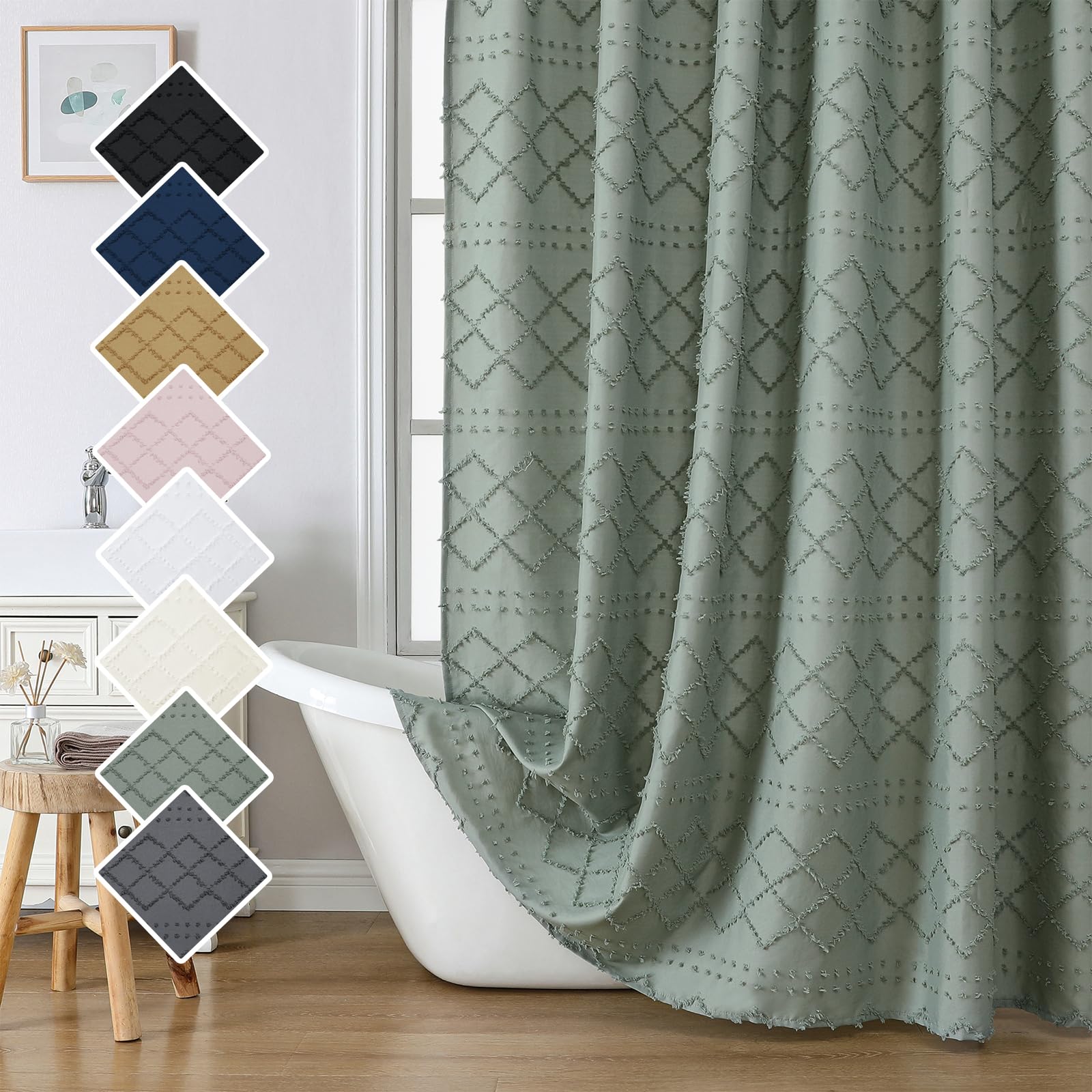
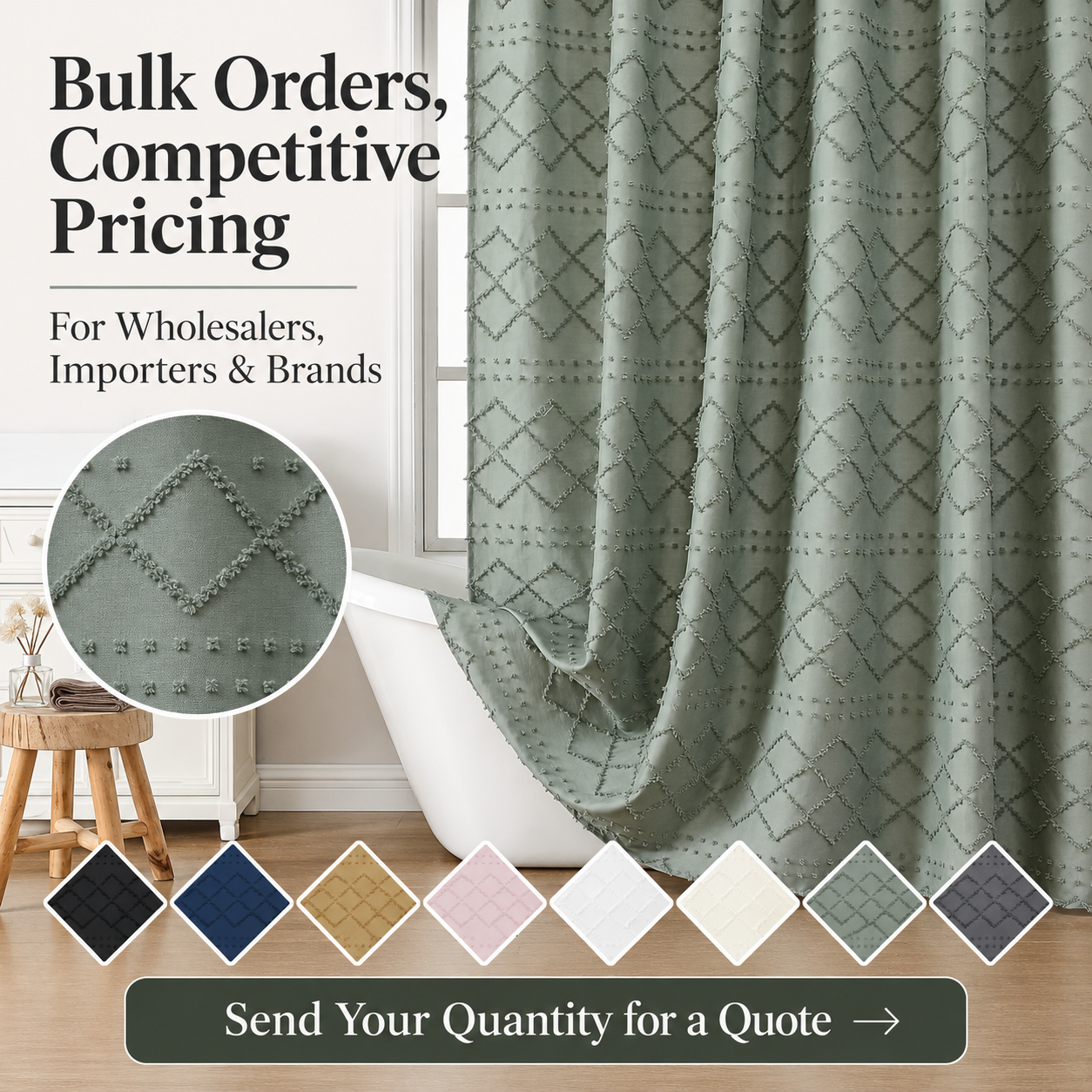
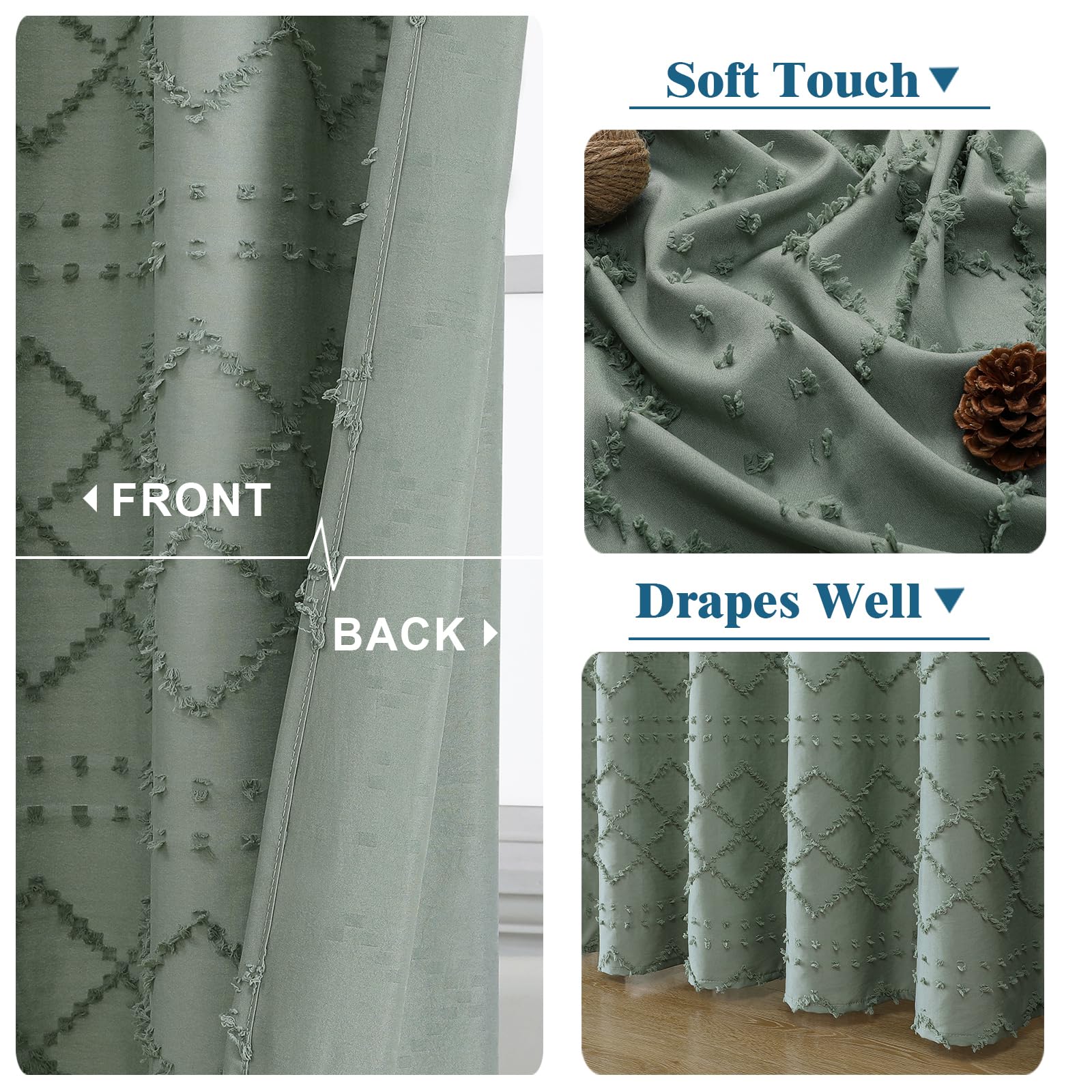
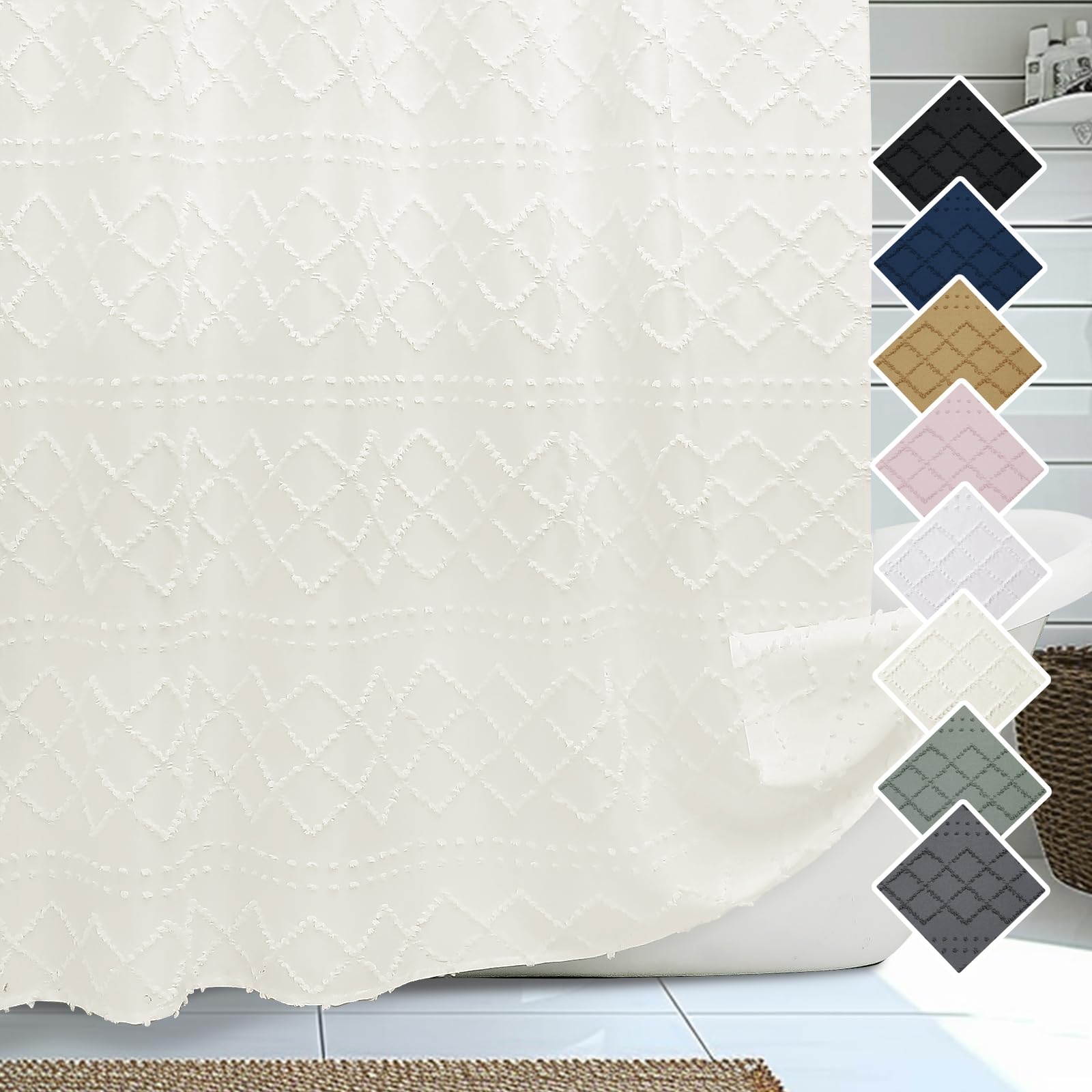
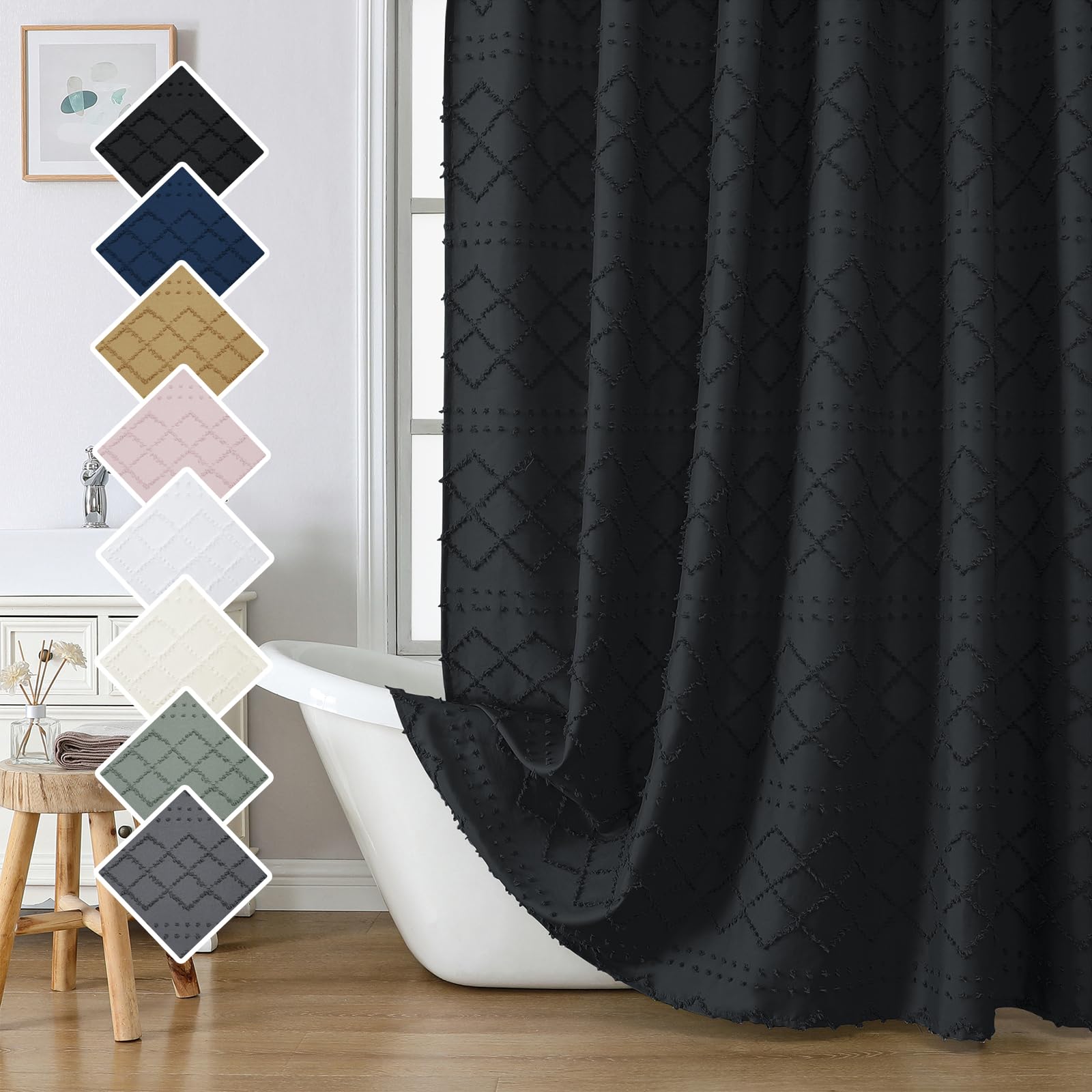
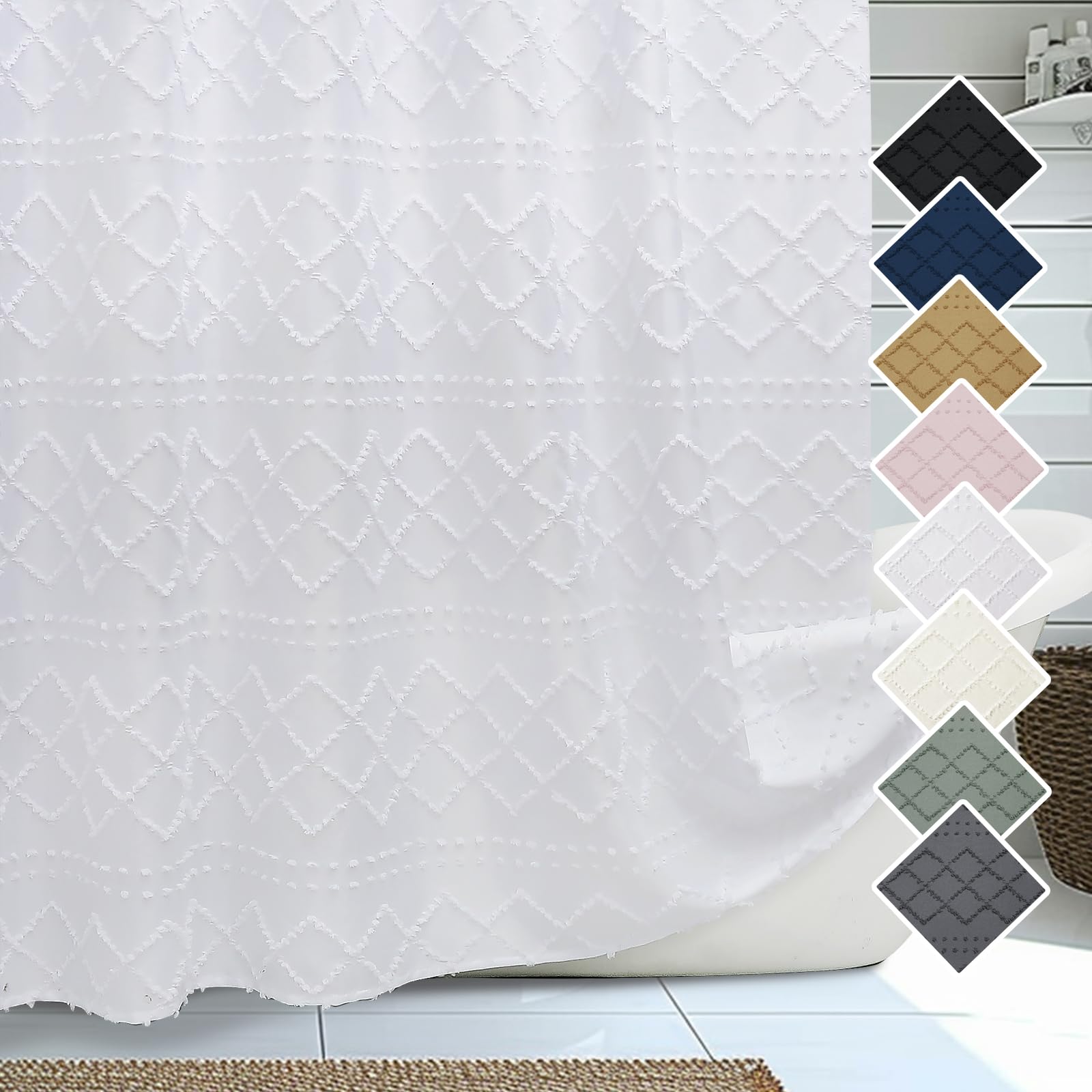
Intersecting textured stripes define this sage green shower curtain, giving a plain-color bathroom scheme a more tactile focal point. The plaid arrangement separates softly raised yarn details from the surrounding fabric, creating a different surface rhythm from an all-over waffle grid. Its restrained color and linear design suit farmhouse-inspired interiors as well as simple contemporary bathrooms. Development should begin with a full-size fabric reference so the stripe intervals, clipped-yarn appearance and overall drape can be approved together. The decorative panel should be paired with a suitable liner wherever splash protection has not been validated.
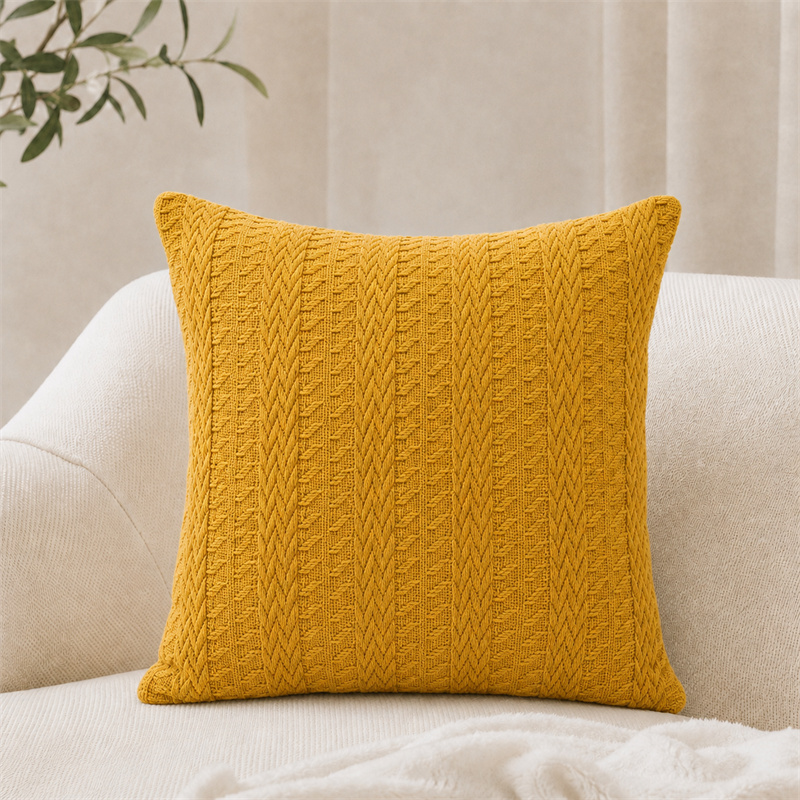
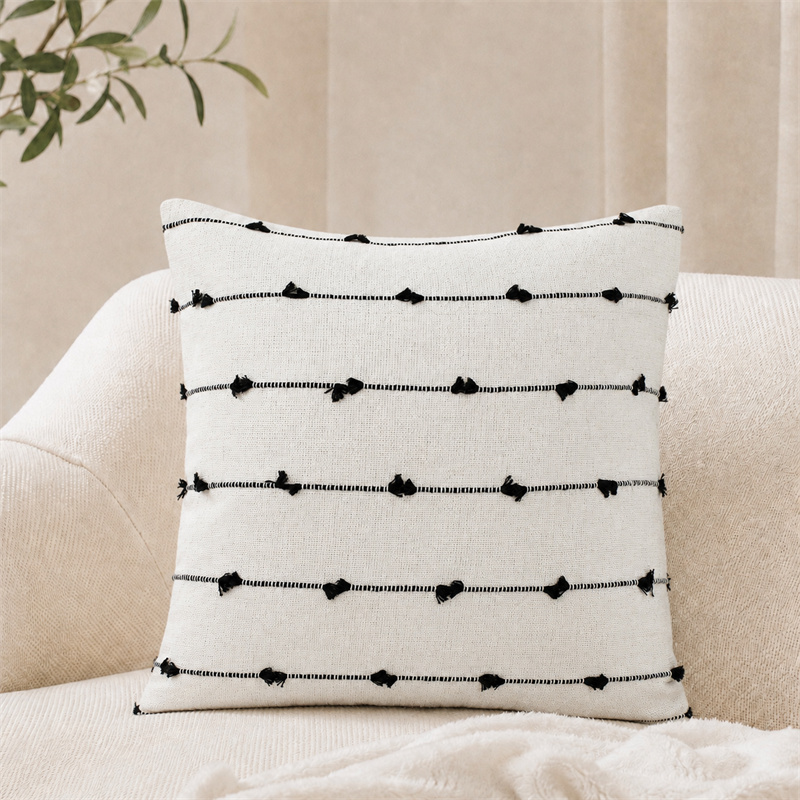
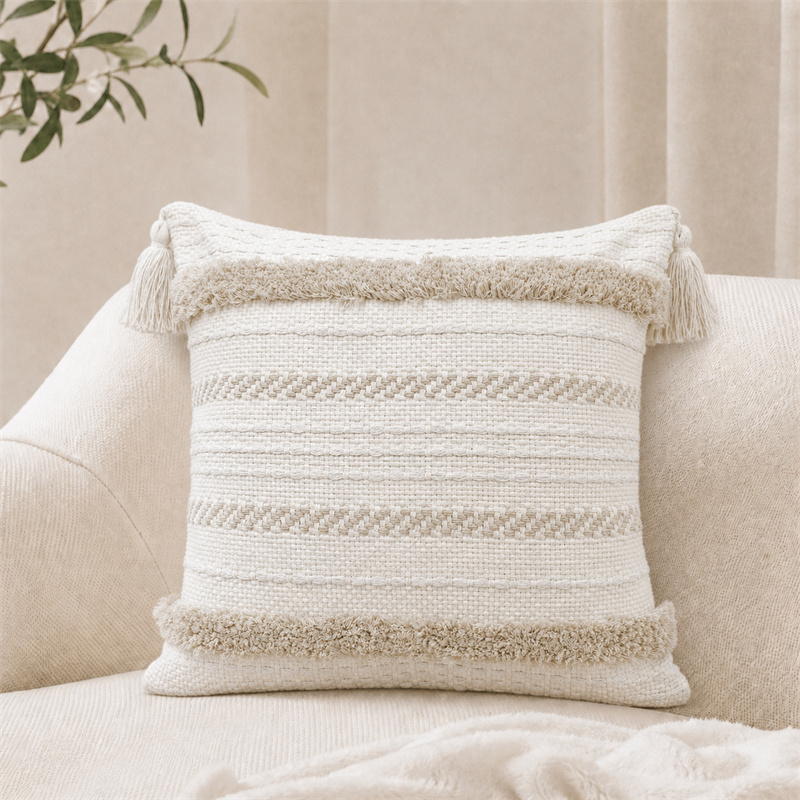
A distinctive plaid bath collection starts with a repeat specification rather than a color name alone. Shaoxing Yingkuo Textile Co., Ltd. (EAGLEKO HOME TEXTILE) can discuss the selected fabric, finished panel layout and retail pack as one development brief. Our one-stop sourcing approach brings related curtains, cushion covers and other home textiles into the same assortment plan, while keeping construction requirements specific to each item. Buyers can agree on sample review, production inspection and labeling before the order is finalized; customization feasibility, MOQ and lead time depend on the confirmed specification.
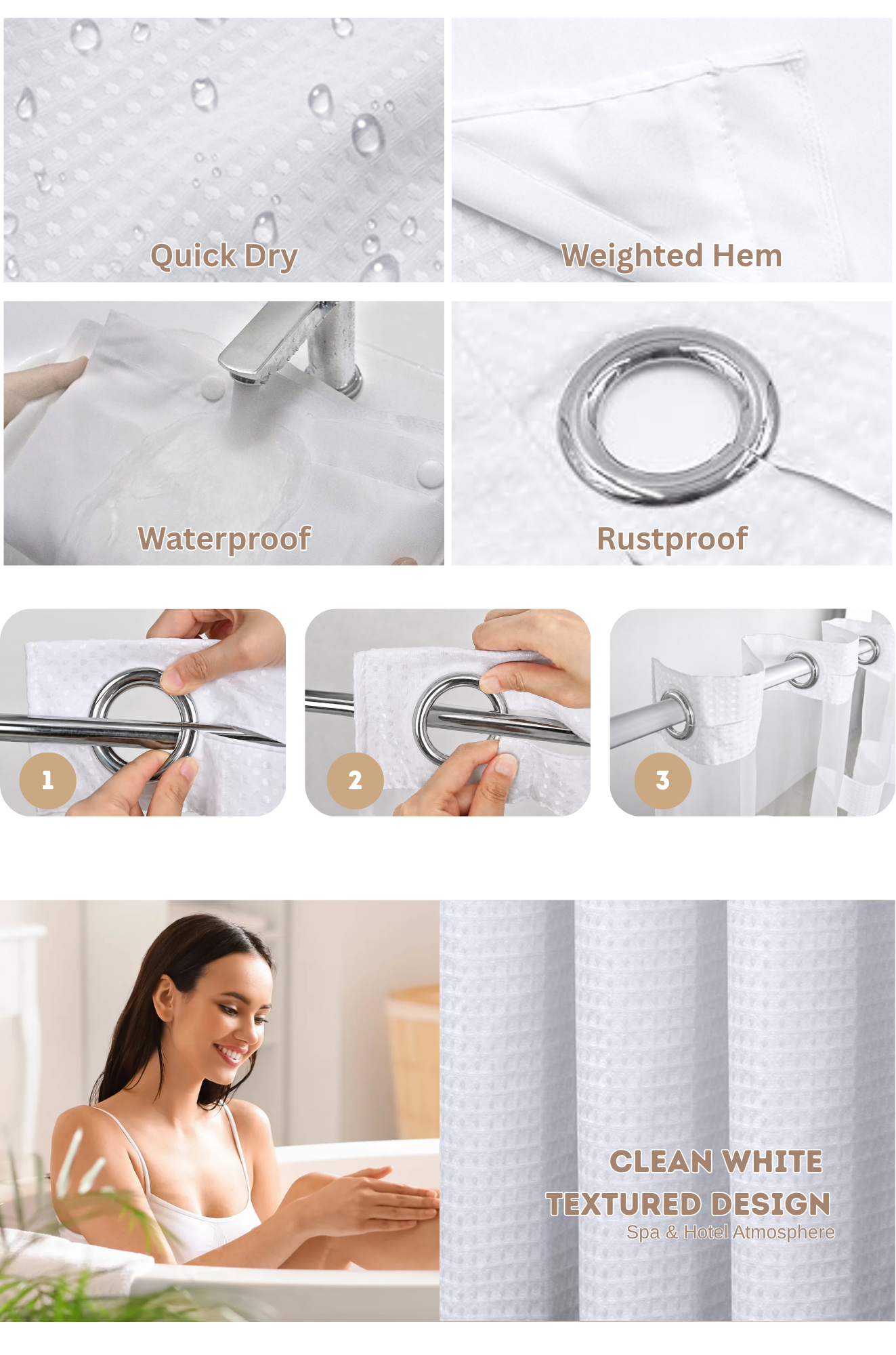
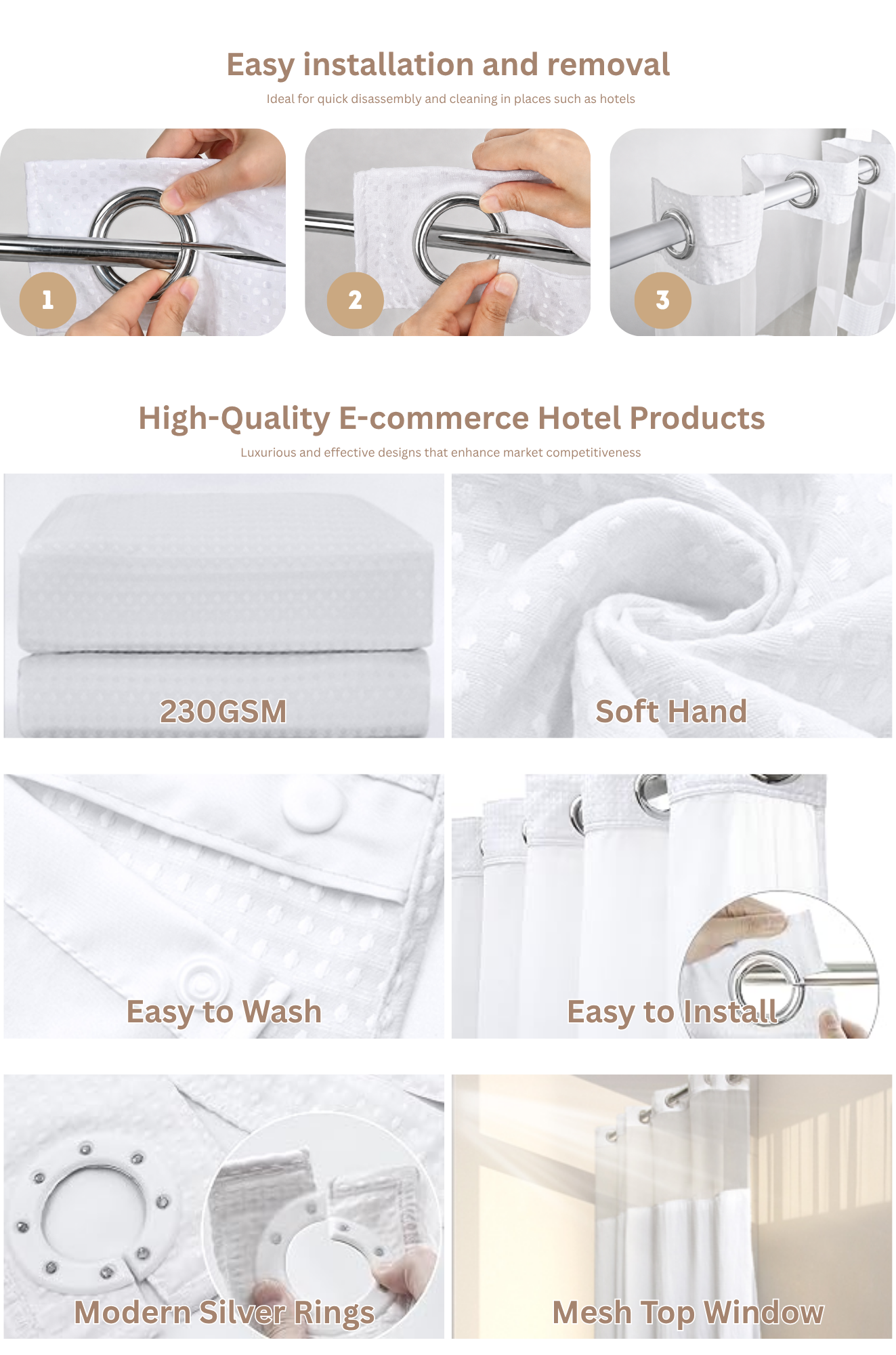
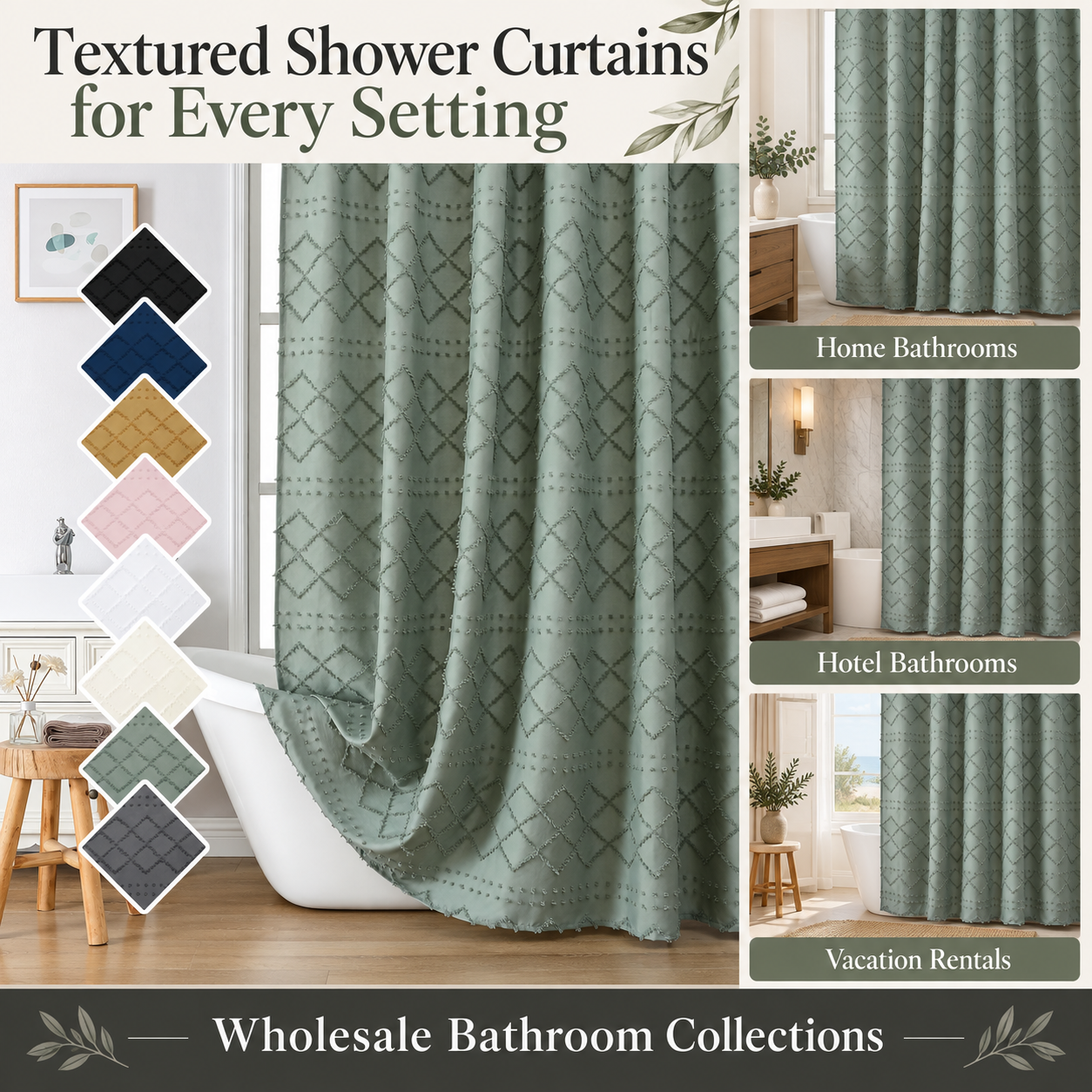
Farmhouse Bathroom Styling — Coordinate raised lines with wood cabinetry, baskets and simple bath accessories.
Minimalist Interior Collections — Use tonal plaid as a textured accent in a restrained bathroom palette.
Tall Shower Openings — Evaluate extended drops against installed hook height and shower-base clearance.
Home Décor Retail — Offer a linear textured design alongside solid and printed bath curtains.
E-commerce Assortments — Use fabric close-ups and clear layout photographs to distinguish the plaid structure.
Guest Accommodation — Review decorative panels with the property’s liner and care requirements.
Cross Category Purchasing — Coordinate the sage palette with complementary home textiles through one sourcing program.
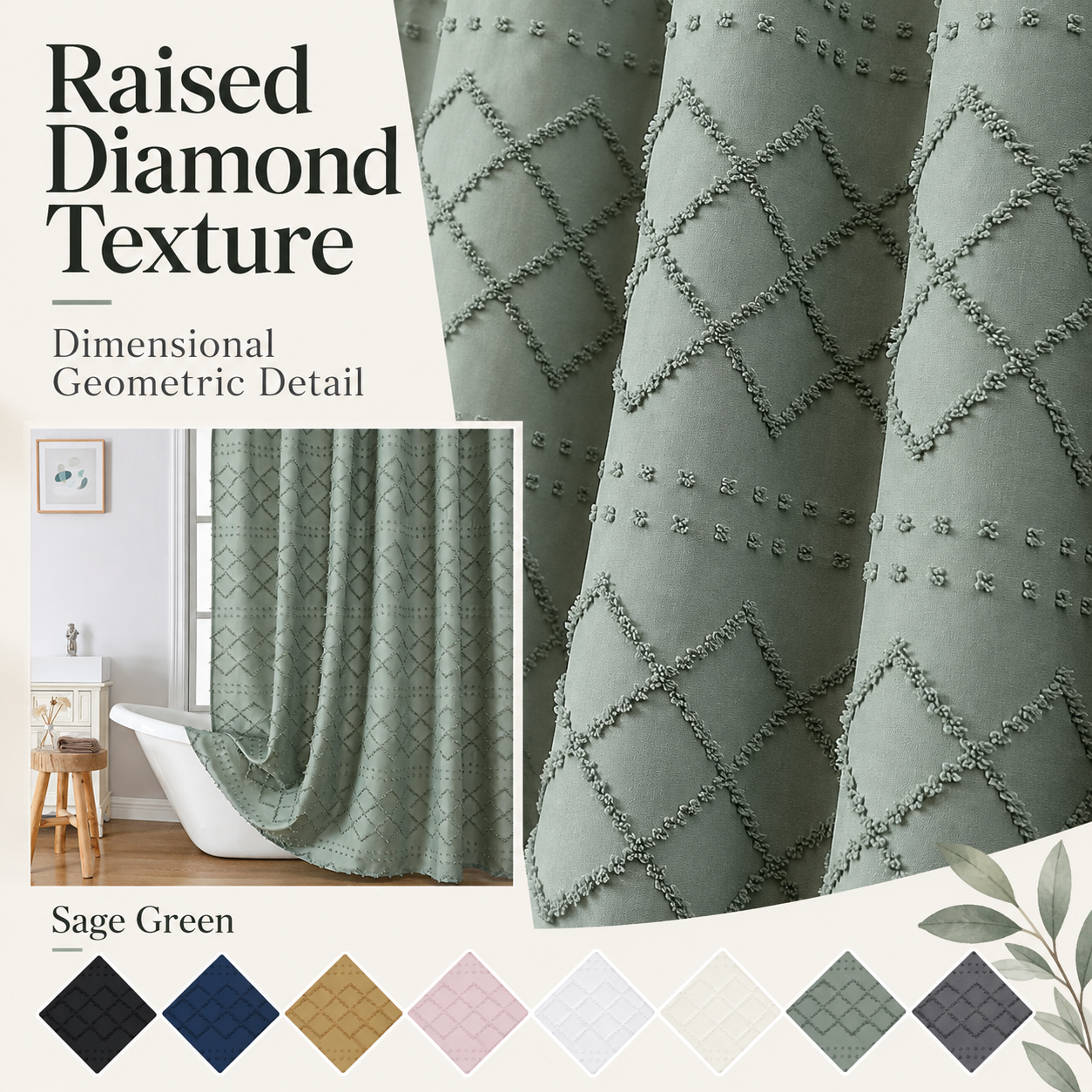
Raised Linear Detail — Textured stripes add definition without a multicolor printed motif.
Tonal Plaid Layout — Intersecting lines provide a repeat that can be reviewed for panel balance.
Soft Green Styling — The muted shade suits natural materials and light bathroom finishes.
Distinct Surface Character — The clipped-yarn design direction differentiates this style from a continuous cellular weave.
Extended Length Development — Taller panel options can be discussed after fit and repeat placement are confirmed.
Coordinated Accessories — Hook material, finish and retail inclusion can be specified together.
Buyer Defined Finishing — Header, hems and packaging can be reviewed against an approved finished sample.
Q1: How do we verify whether the raised plaid is clip jacquard, tufting or embroidery?
A: Inspect both sides of a swatch and obtain the fabric construction specification. Similar surface effects can come from different yarn techniques. Confirm the actual process before approving product names, care instructions or cost comparisons; a raised appearance alone does not establish embroidered construction.
Q2: What should a buyer specify about clipped yarn ends?
A: Define an acceptable range for exposed end length, trimming and loose fibers using an approved swatch. Compare samples after gentle handling and laundering. Separate the intended textured effect from shedding, incomplete clipping or yarn pulls so inspectors have a practical visual standard.
Q3: Can the plaid repeat stay visually balanced across different panel sizes?
A: Request a cutting layout for each width and drop, showing where the main stripes meet the hems and header. Some dimensions may require a different starting point or additional fabric allowance. Agree whether centered repeats or consistent edge placement takes priority before pricing the size range.
Q4: How can seams avoid flattening or trapping the raised stripes?
A: Review sewn intersections where the textured yarn enters side and bottom hems. Check bulky folds, protruding yarn and puckering on a hanging sample. Needle, thread and folding choices should be trialed on the selected fabric instead of carried over from a smooth plain weave.
Q5: Which laundering trial is useful for the contrast between the ground and raised yarn?
A: Compare the two surface areas after the intended wash and drying process. Check whether yarn ends mat, the ground puckers or the striped relief changes unevenly. Retain an unwashed control and approve care wording only after the finished sample has been evaluated.
Q6: How should hook accessories be assessed when packed with this textured curtain?
A: Check hook edges and joins for snag points, then trial the packed set through ordinary handling. Accessories should be separated so they cannot catch exposed yarn ends. Verify hook count and header compatibility in the same packing inspection rather than checking the fabric alone.
Q7: What changes when a decorative plaid curtain is sold as a shower barrier?
A: The finished construction needs evidence of the claimed water performance, including relevant seams and post-wash behavior. Decoration, privacy and splash control are separate requirements. Where the panel is intended as an outer layer, state liner requirements clearly instead of assuming the textured fabric is waterproof.
Q8: What information is needed to quote an exclusive plaid variation?
A: Provide the target repeat, stripe spacing, relief effect, color standard and forecast quantity. Ask whether the proposal needs a new weave development or can use an existing base. Sampling charges, minimum runs and timing should follow the technical review; do not assume a simple color change covers a new construction.
 EN